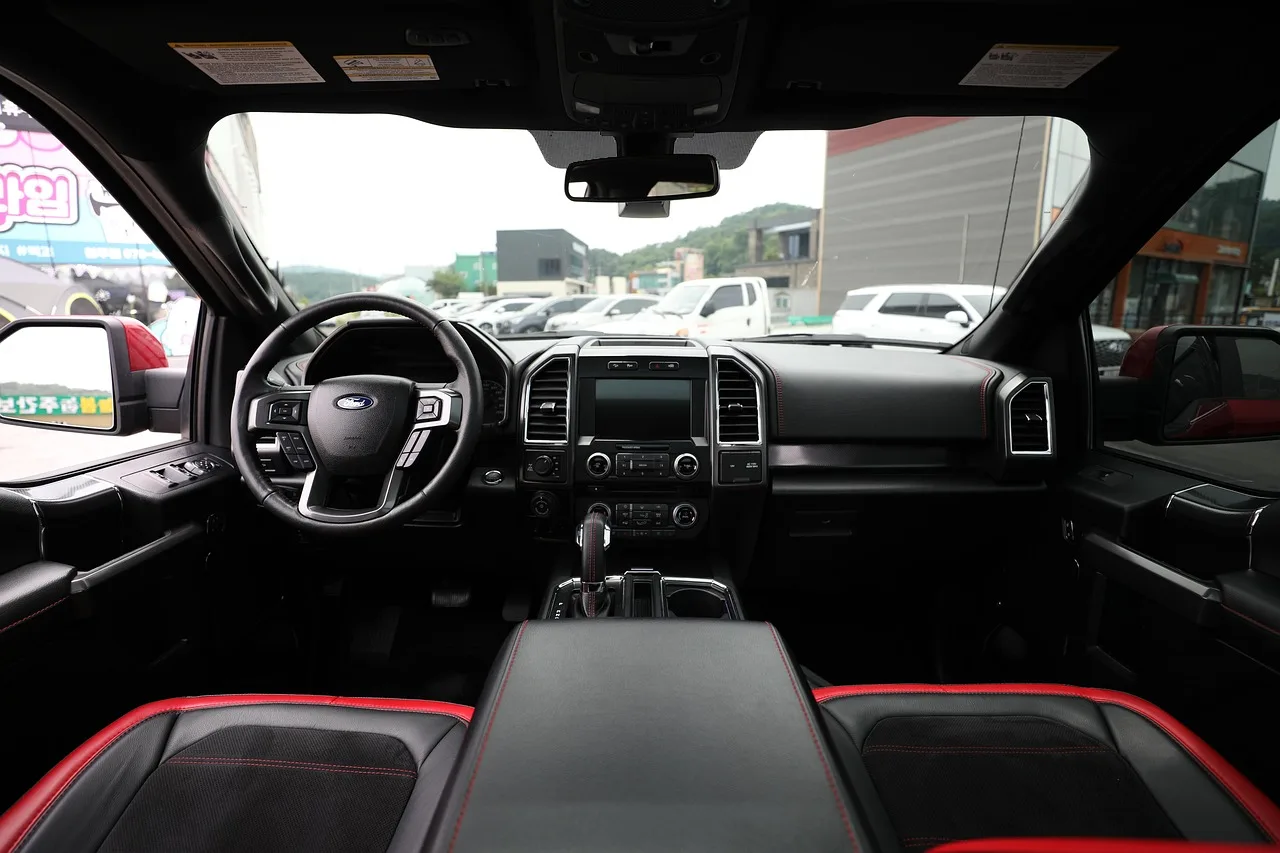
Chevy Silverado vs Ford F-150: Which Truck Should You Buy?
Buy the Chevy Silverado 1500 if you want a calmer daily truck and usually better pricing; buy the Ford F-150 if your work, towing, or resale needs fit its wider engine and cab choices. Pick the wrong one, and you can end up with higher fuel bills, missed towing capacity, or a truck that fits your life poorly. This guide ranks both trucks by buyer type, ownership cost, and real job use.
This guide is part of our Chevy vehicles guide: models, issues, and buying tips series.
Chevy Silverado vs Ford F-150: the real trade-off
These are both full-size pickups, but they land in different places once you weigh price, powertrain behavior, cab and bed choices, 4WD setup, and ownership cost. The Silverado leans toward stronger standard pricing in some trims and a full-time 4WD setup, while the F-150 gives buyers a broader spread of body styles and a lower entry point in the Australian comparison used here.
The decision comes down to fit, not badge loyalty. I have seen a truck tow well and still cost too much to fuel and insure for commuter duty. A cheaper sticker can also turn into a worse buy if the trim you need pushes the payment or the resale picture in the wrong direction.
| Decision factor | Chevy Silverado | Ford F-150: which truck should you buy | Winner |
|---|---|---|---|
| Starting price in this comparison | Silverado LTZ Premium starts at $121,000 before on-road costs in Australia. | F-150 XLT starts from $106,950 before on-road costs in Australia. | Ford F-150 |
| Powertrain character | 6.2-liter petrol V8, 313kW and 624Nm, paired with a 10-speed automatic. | 3.5-liter twin-turbo petrol V6, 298kW and 678Nm, paired with a 10-speed automatic. | Tie |
| 4WD setup | Full-time 4WD with high and low ratio transfer case. | Part-time four-wheel drive with high and low ratios. | Chevy Silverado |
| Buyer flexibility | Trim ladder is narrower in the supplied market comparison. | Wider cab and trim spread is a core F-150 strength. | Ford F-150 |
| Ownership cost pressure | Higher buy-in, V8 thirst, and premium trim pricing can push total cost up. | Lower entry price here gives the F-150 room to stay ahead on total spend. | Ford F-150 |
Starting price and trim spread
The Ford F-150 has the cleaner entry point in this comparison, with the XLT starting from $106,950 before on-road costs in Australia. The Silverado LTZ Premium starts at $121,000 before on-road costs, and that matters because many buyers compare the truck they can order, not the cheapest brochure trim.
Chevrolet also markets the Silverado from $36,900 on its truck lineup page, which shows how far the range stretches, but that figure is not the same as the comparison trim most shoppers will cross-shop. Ram 1500 Express at $95,950 gives a useful anchor: the segment gets expensive fast once you move into well-equipped full-size pickups.
Body styles, cab choices, and bed choice
The F-150’s wider cab and bed mix is part of its appeal for buyers who need to tailor a truck to work, family, or parking reality. Silverado buyers get full-size pickup utility too, but the F-150 usually makes it easier to find a body configuration that fits a specific job without paying for unused hardware.
That matters in urban use. A long bed helps work sites, but it hurts curb-to-curb ease and garage life. A crew cab can be the right answer for family duty, though it raises cost and size quickly.
Engine lineup, towing, payload, and drive systems
In the supplied comparison, the Silverado’s 6.2-liter V8 makes 313kW and 624Nm, while Ford’s 3.5-liter twin-turbo petrol V6 makes 298kW and 678Nm. The Ford brings more torque, which usually helps with trailer pull from low rpm, while the Silverado brings the stronger power number and a V8 character many owners prefer under load.
The 10-speed automatic in both trucks helps keep engine speed in a useful band. In practice, that means fewer awkward gaps when passing or climbing with a trailer, though shift quality and tuning still matter. The Silverado’s full-time 4WD with high and low range is a clear point of difference against the F-150’s part-time four-wheel drive setup with high and low ratios.
Quick read on paper
The F-150 wins the price and flexibility story. The Silverado wins if you care more about full-time 4WD behavior and a V8-cantered driving feel. For buyers who treat the truck like a tool first and a purchase second, that split matters more than headline horsepower alone.
According to Ford F-150 vs Chevrolet Silverado vs Ram 1500 spec battle… — Chevrolet Silverado LTZ Premium starts at $121,000 before on-road costs in Australia.
Which truck is better for towing and hauling?
The Ford F-150 is often the better towing choice for buyers who want lower-rpm torque and a wide range of configurations, while the Silverado may suit drivers who prefer a V8-like feel, available 4WD, and a steadier drive under load. Maximum tow figures matter, but trailer stability, gearing, and how often the truck lives hitched matter more in real ownership.
6.2-liter Silverado V8 vs 3.5-liter twin-turbo F-150 V6
The Silverado’s 6.2-liter petrol V8 makes 313kW and 624Nm, so it has the stronger power output on paper. The F-150’s 3.5-liter twin-turbo petrol V6 makes 298kW and 678Nm, which is the stronger torque figure and usually the more useful number when a heavy trailer is moving from a stop or climbing at low speed.
That means the Ford often feels easier work when the load is heavy and steady. The Chevy can still tow with authority, but the V8’s appeal is more about smoothness and response than a torque-first tune.
How the 10-speed automatic behaves under load
Both trucks use a 10-speed automatic, and that is good news for towing. More ratios help keep the engine where it wants to be, reduce hunting on grades, and make passing easier when the trailer is attached.
The difference is in tuning and engine pairing. A gearbox can shift quickly and still feel busy if the calibration is too eager. A good tow tune keeps shifts clean and predictable, because trailer control is often about calm behavior more than peak numbers.
When max tow numbers matter less than trailer manners
Many buyers chase the biggest tow rating and then spend their time on shorter trips, windy roads, and boat ramps. In that kind of use, the truck that settles the trailer better and keeps driver fatigue lower is often the better buy, even if the brochure figure is not the highest.
If towing is occasional, the Silverado’s steadier full-time 4WD setup and V8 feel can be the more relaxed choice. If towing is frequent and mixed with highway miles, the F-150’s torque-rich V6 and lower buy-in usually make more sense.
Which truck is better for daily driving and family use?
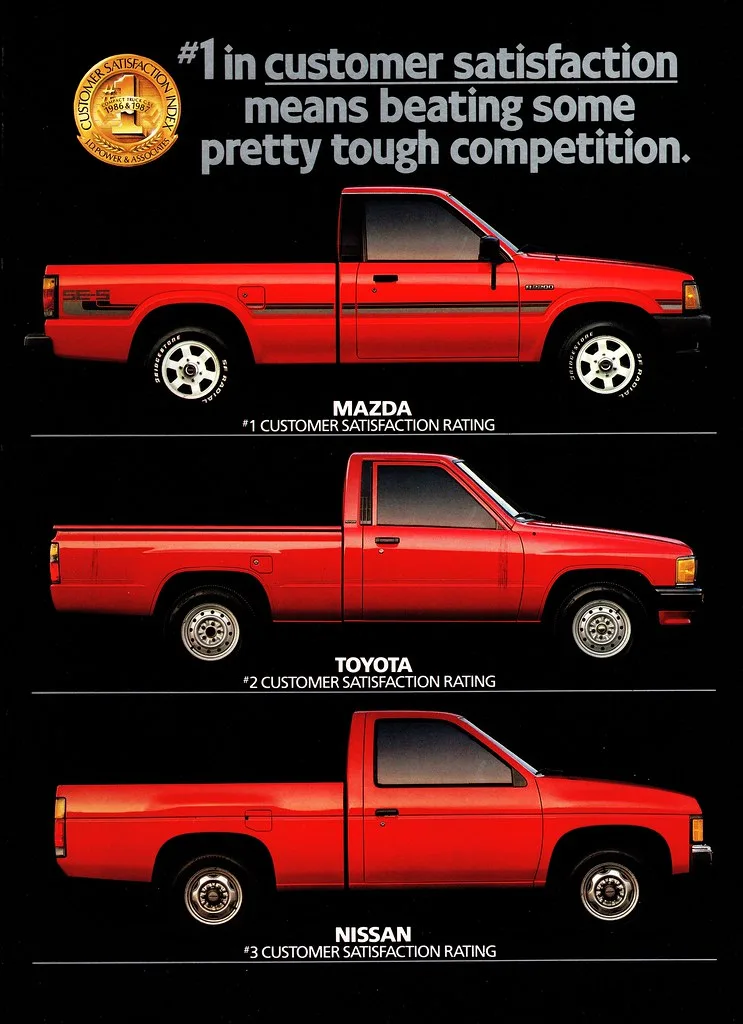
The Silverado is the calmer pick for drivers who want a lower-drama daily truck, while the F-150 is the better choice if you need more configuration freedom for passengers, child seats, and mixed family-and-work use. Daily comfort is not only about ride quality. It is also about parking, visibility, and how much truck you need to drag around every day.
Cabin access, rear seat space, and child-seat reality
Cab choice changes the whole experience. A crew cab makes child-seat loading easier, gives rear passengers proper space, and keeps the truck useful when the weekend family trip is not a one-off.
That is where the F-150’s broader body spread helps. Buyers can match the cab to the job instead of accepting a compromise. Silverado buyers should be sure the trim and cab they want are the right size before chasing comfort features.
Parking, urban use, and visibility
Both trucks are large. Neither is friendly in a tight shopping-centre car park. The better daily driver is usually the one with the shortest wheelbase and the cab you actually need, not the one with the most impressive brochure stance.
If the truck spends time in city traffic, easier maneuvering and less visual bulk matter. That is why spec-sheet winners can become poor real-life choices when the owner lives in the suburbs or parks on-street.
Ride comfort and low-speed drivability
For commuting, the smoothness of the powertrain matters as much as the seat. The 10-speed in both trucks helps, but the truck with the better calibration and the right axle ratio will feel less strained in traffic and on stop-start roads.
The Silverado usually appeals to buyers who want a more settled, traditional full-size pickup feel. The F-150 makes more sense if your daily workday includes varied loads, passengers, and changing cab needs.
Which truck is cheaper to own over time?
The Ford F-150 is the safer bet on total ownership cost for many buyers because it starts lower here and gives more room in the budget for fuel, insurance, and financing. The Silverado can still be the smarter buy if its trim, drivetrain, or resale profile better matches the way you use it, but sticker price alone is not the whole bill.
Fuel use, insurance, maintenance, and depreciation
Fuel cost is where engine choice starts to matter. A turbocharged V6 can be easier on fuel in mixed use when driven lightly, while a large V8 often carries a penalty when the truck is used every day or left idling on the job.
Insurance and maintenance follow the same logic. Heavier trims, more expensive options, and a pricier purchase price tend to lift ongoing costs. Depreciation can sting the buyer who paid more for features they rarely use.
Why a lower sticker price can still cost more later
A lower sticker does not automatically mean a cheaper truck. Add the wrong options, finance a longer term, and choose a trim that is expensive to insure, and the budget picture changes fast.
That is why a cheaper F-150 can still be the wrong choice if the buyer needs a specific higher trim, while a more expensive Silverado can be right if it keeps the truck in service for the next ten years without compromise.
Where current trims and incentives change the math
Market availability matters. If one truck is in stock in the right trim and the other needs ordering, the better value is often the one that can be delivered sooner with fewer added costs. Incentives can also flip the purchase equation for a month at a time.
Shoppers should compare the actual drive-away quote, not the headline price alone. That is where “cheaper” becomes real or disappears.
Buyer decision matrix: Silverado or F-150 by scenario
The best truck changes with the job. This matrix weights what matters most in each use case, then gives a practical recommendation instead of a blanket winner. A truck can win one scenario and lose the next.
| Scenario | Weighting focus | Chevy Silverado | Ford F-150: which truck should you buy | Recommendation |
|---|---|---|---|---|
| Towing | Torque delivery, gearbox behavior, trailer manners | Strong V8 feel and full-time 4WD | More torque and lower starting price | Ford F-150 |
| Daily commuting | Comfort, ease in traffic, running cost pressure | Calmer full-time 4WD behavior | Lower entry price and broader configuration choice | Chevy Silverado |
| Family use | Cab access, child-seat practicality, passenger flexibility | Good if the right cab is chosen | Better body-style spread for family fit | Ford F-150 |
| Off-road use | Low-range control, traction control, driveline flexibility | Full-time 4WD with high and low ratio transfer case | Part-time 4WD with high and low ratios | Chevy Silverado |
| Long-term ownership cost | Fuel, depreciation, insurance, maintenance, finance | Higher buy-in on the comparison trim | Lower starting price in this comparison | Ford F-150 |
Towing
For towing, the F-150 gets the nod because its torque-rich V6 and lower starting price make it easier to justify as a work truck. The Silverado remains a strong tow vehicle, but the value equation is less friendly if towing is not a daily task.
Daily commuting
For commuting, the Silverado can be the more relaxed answer if the buyer values calmer driveline behavior over broad configuration choice. The F-150 wins when the buyer needs to mix commuting with the occasional trailer, because the lower entry price leaves more room for the rest of ownership.
Family use
The F-150 wins family duty because the cab and bed choices make it easier to find the right configuration without overbuying truck. The Silverado can work just as well, but only if the buyer chooses the cab carefully.
Off-road use
The Silverado’s full-time 4WD system with high and low ratio transfer case gives it the edge for buyers who want a more forgiving setup on mixed surfaces. The F-150’s part-time four-wheel drive works fine when engaged deliberately, but it asks the driver to be more involved.
Long-term ownership cost
The F-150 has the cleaner cost story in this comparison because the starting price is lower and the truck offers more ways to match the spec to the budget. The Silverado can still be the better long-term buy if the buyer values the V8, full-time 4WD, and plans to keep the truck long enough that the upfront premium stops mattering.
Choose Chevy Silverado if… / Choose Ford F-150: which truck should you buy if…
Choose the Chevy Silverado if you want full-time 4WD, prefer a V8, and care more about steady daily behavior than the widest possible trim spread. It is also the better fit if your truck sees occasional off-road use, mixed weather, or highway towing where calm driveline behavior matters.
Choose the Ford F-150 if you want the lower buy-in in this comparison, need more cab and body flexibility, or put a higher value on towing torque and total ownership cost. It is the better pick for many family buyers and work users who want one truck to do several jobs without overspending.
The Ram 1500 still belongs in the conversation if ride quality and purchase price matter more than either badge. At $95,950 for the Ram 1500 Express in this comparison, it is the price anchor that reminds buyers how quickly full-size trucks can move from expensive to very expensive.
Frequently asked questions
Which is better, Chevy Silverado or Ford F-150?
Neither truck is better for everyone. The F-150 is the smarter buy for buyers who want lower starting cost and more configuration flexibility, while the Silverado is the better match for drivers who want full-time 4WD and a V8 feel. The right answer depends on how the truck will be used every week.
Is the Silverado more reliable than the F-150?
Reliability is better handled as ownership risk than as brand mythology. The safer choice is usually the truck with the simpler spec for the job, fewer options to break, and the trim that fits the way it will actually be used. That often matters more than badge reputation.
Which truck has higher towing capacity, Silverado or F-150?
Published tow ratings vary by configuration, so the answer is not one fixed number. In real use, the F-150’s higher torque figure helps with trailer starts and low-speed pulling, while the Silverado’s V8 and full-time 4WD can make heavy towing feel steadier. Match the exact tow package to the job.
Which truck gets better gas mileage, Silverado or F-150?
The F-150 often has the better fuel-cost outlook because the 3.5-liter twin-turbo V6 can be easier on fuel in mixed driving than a large V8. That said, trim, axle ratio, payload, and how hard the truck works can move fuel use enough to change the result. Real-world use matters more than the engine badge.
Is the Ford F-150 cheaper than the Chevy Silverado?
In the comparison here, yes. The F-150 XLT starts from $106,950 before on-road costs in Australia, while the Silverado LTZ Premium starts at $121,000 before on-road costs. The cheaper starting price does not automatically make it the cheaper truck to own, but it gives the Ford a clear entry advantage.
Which truck has a better interior, Silverado or F-150?
Interior quality only matters here if it changes how the truck fits the buyer’s life. The F-150’s broader trim and cab spread usually gives buyers more room to choose the right cabin setup, while the Silverado can feel more settled in the trims that suit long daily use. Choose the cab and trim before chasing screen size.
Should I buy a Silverado or F-150 for towing and hauling?
Buy the F-150 if towing is frequent and you want the better cost-to-capability balance. Buy the Silverado if you want a V8, full-time 4WD, and a truck that feels planted under mixed use. For occasional towing, the cheaper and more flexible truck often makes the most sense.
Which truck is better for daily driving, Silverado or F-150?
The Silverado is the calmer daily truck for many buyers, especially if they value the way full-time 4WD behaves in poor weather and mixed surfaces. The F-150 is better when daily driving is only one part of a wider job, because its lower starting price and broader configuration range make it easier to live with across more use cases.
Products related to this article
Sponsored / affiliate links. As an Amazon Associate I earn from qualifying purchases. I may earn additional commission from eligible campaigns.