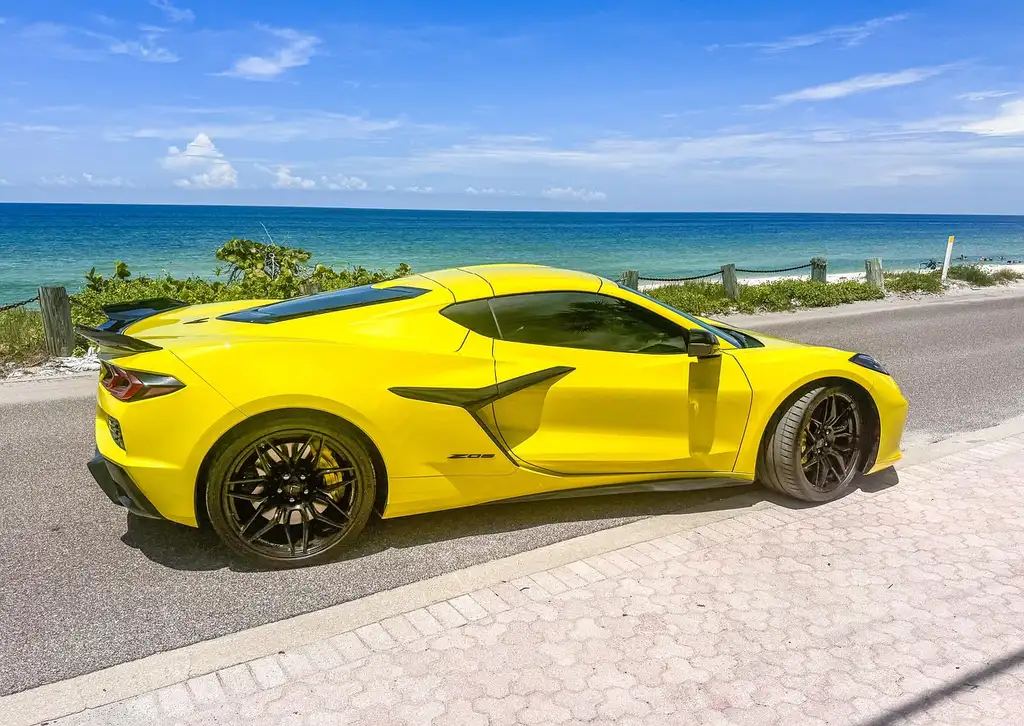
Chevy Lease vs Buy: Which Makes More Sense for a Chevy?
Lease a Chevy if you drive around 12,000 miles a year, want a new vehicle every 2–3 years, and want lower early payments; buying is often the better fit if you keep it about 5 years or longer, drive more, tow often, or plan to keep an EV past the battery warranty. Choosing wrong can mean mileage penalties, higher depreciation, and thousands more in total cost. This guide compares Chevy lease vs buy by driving pattern, body style, and 3- and 5-year cost.
This guide is part of our Chevy vehicles guide: models, issues, and buying tips series.
| Decision factor | Chevy lease | buy | Winner |
|---|---|---|---|
| Up-front and monthly cost | Usually lower early payments because you pay for expected depreciation over the term | Usually higher payment if financed, because you are paying principal plus interest | Chevy lease |
| Mileage flexibility | Limited by contract mileage caps, with excess-mile charges if you go over | No mileage cap once you own it | buy |
| Long-term cost | Can be cheaper for short use, but repeated leases never build equity | Often better over 5 years because payments can turn into ownership and trade-in value | buy |
| Wear-and-tear risk | Lease-end charges can apply for damage, tires, or excess wear beyond normal use | You can fix or ignore cosmetic wear unless you trade it in | buy |
| Change flexibility | Easy to return at term end, but early exit can be expensive | More flexible to sell or trade in at any time | buy |
Chevy lease vs buy: the core trade-off
The core trade-off is simple: a Chevy lease usually lowers the monthly payment and fixes the term, while a purchase loan builds ownership, equity, and trade-in value. Leasing shifts most resale risk to the lender; buying shifts that risk to you, but it also lets you keep the vehicle after the loan ends.
That matters more with Chevrolet than with a generic brand comparison because body style changes the math. A Silverado 1500 used for towing behaves differently from a Trax used for city errands, and a Chevy EV can be affected by incentive rules and battery depreciation in a way that gas models are not.
Monthly payment structure
A Chevrolet lease payment is based on projected depreciation, a money factor, residual value, term length, and fees. A Chevrolet purchase loan payment is based on the loan amount, APR, loan term, and any down payment, so more of each payment goes toward principal over time.
Mileage limits and wear charges
Most Chevy leases include mileage caps, and the contract sets the penalty if you exceed them. Wear-and-tear charges can also apply at return, so the true cost is not just the monthly amount shown on the quote.
3-year and 5-year cost drivers
At 3 years, the lease can look cheaper because you avoid financing the full vehicle price and may be covered by warranty for much of the term. At 5 years, buying often becomes stronger because the loan can end while the vehicle still has usable life and trade-in value.
Equity and lease-end exposure
Buying can create equity if the Chevy holds value better than expected or if you pay the loan down quickly. Leasing leaves you with no asset unless you exercise the buyout, while excess mileage, damage, and early termination can add costs that do not exist in the same way with ownership.
Is it better to lease or buy a Chevy?
Neither choice is always cheaper. A Chevy lease is often the better short-term option for lower payments and lower annual mileage, while buying tends to make more sense when you keep the vehicle longer, drive more, or want trade-in value at the end of the term.
The payment gap matters most on models with stronger depreciation or higher sticker prices. Chevrolet lease offers through GM Financial can make a new truck or SUV look affordable upfront, but a purchase loan may cost less overall once you spread the payment across five years or more.
When the payment gap is meaningful
The payment gap matters when cash flow is tight or when you want to drive a newer Chevy without committing to full ownership costs. It matters less if you plan to keep the vehicle after the loan is paid off, because the lease payment never turns into an owned asset.
Why total cost can flip over five years
Five years is long enough for loan payments to create equity and reduce the effective cost of ownership. A lease can still look attractive on a monthly basis, but two back-to-back leases often cost more than one purchase because you keep paying for depreciation without building value.
How incentives change the comparison
Dealer lease specials, finance rates, cash offers, and manufacturer incentives can move the break-even point. GM Financial may have lease and finance offers that change from month to month, so the better choice can shift even when the model stays the same.
How does mileage change the answer?
Mileage is one of the biggest factors in Chevy lease vs buy. If you drive less than the contract allows, leasing can work well; if you commute far, haul gear, or rack up highway miles, buying usually becomes safer because there is no mileage cap to protect.
Suppose a commuter drives about 9,000 miles a year in a Trax and keeps the SUV clean. That driver is much closer to the lease sweet spot than a Silverado owner who adds 18,000 miles a year for work and towing.
Low-mileage commuter math
Low-mileage drivers can extract value from a lease because the vehicle returns before age and miles stack up. The residual value is doing more work in the payment calculation, which is one reason the monthly number can stay lower.
Average-family-use mileage pressure
Family driving often pushes a lease toward its mileage limit faster than the payment quote suggests. School runs, weekends, road trips, and extra passenger loads can create excess-mile charges that erase part of the expected savings.
High-mileage truck use and penalty risk
High-mileage truck owners are usually poor lease candidates because the contract penalizes the exact use case trucks are built for. A Silverado 1500 used for towing, job sites, and long-distance driving is a stronger buy candidate because ownership avoids mileage exposure and opens the door to resale or trade-in later.
Which Chevy models fit each path?
Model choice changes the decision. Chevrolet Trax, Chevrolet Equinox, Chevrolet Silverado 1500, and Chevrolet EVs do not depreciate or age in the same way, so the better path depends on how you use the vehicle, not only on payment size.
Chevrolet Trax for lower entry cost and city driving
The Trax starts at $21,700. That lower entry price fits urban driving, short trips, and shoppers who want the lowest possible buy-in; it can also be a practical lease choice if annual mileage stays modest and parking damage risk is low.
Chevrolet Equinox for daily commuting and family use
The Equinox starts at $29,300. It sits in the compact SUV segment, which makes it a common daily commuter and family hauler; leasing can make sense if miles stay controlled, but buying gains appeal if you expect road trips, kid-related wear, or a longer ownership timeline.
Chevrolet Silverado 1500 for towing and heavy use
The Silverado starts at $37,200. A Silverado 1500 fits towing-oriented use, job-site duty, and higher annual mileage, which usually pushes the math toward buying because lease mileage caps and wear charges can punish exactly that kind of use.
Chevrolet EVs for incentive-sensitive shoppers
Chevrolet EVs can make leasing more attractive when lease incentives change or when tax-credit rules do not fully benefit a purchase. The Bolt starts at $27,600, and EV buyers should pay close attention to battery depreciation, federal tax-credit sensitivity, and how the lease structure may bundle incentives that are harder to capture in a purchase.
Chevy lease-vs-buy decision table
| Use case | Recommended path | Estimated cost drivers | Mileage risk | Equity outcome | Lease-end exposure |
|---|---|---|---|---|---|
| Low-mileage commuter | Chevy lease | Lower payment structure, shorter term, possible lease incentives, little wear | Low if under the mileage cap | No equity unless you buy it out | Excess-mile and wear charges if usage changes |
| Family SUV driver | buy | Higher payment early, but no mileage cap, longer service life, trade-in value later | Medium to high from trips and daily errands | Potential equity after several years | None from a lease return, because it is owned |
| High-mileage truck owner | buy | APR, loan term, and resale value matter more than lease payment; towing and use can shorten lease value | High and likely over cap on a lease | Possible equity if maintained well | No lease-end mileage bill, no early return fee if sold or traded |
A common first-timer mistake is judging the lease only by the lowest monthly quote. Say a driver picks a Silverado 1500 lease because the payment looks manageable, then adds about 5,000 extra miles in year two; the lower payment can disappear quickly once excess-mile charges and wear items are added back in.
How do Chevy lease terms differ from a loan?
Chevrolet lease terms from GM Financial are built around monthly payment structure, mileage limits, term length, money factor, residual value, and return conditions. A purchase loan uses down payment, APR, loan term, and principal reduction, so the economics move toward ownership instead of temporary use.
Chevrolet lease terms from GM Financial
GM Financial handles lease and finance offers, credit applications, end-of-lease buyouts, and payment-calculator tools. A Chevy lease typically runs for a fixed term, and early termination can trigger fees because the contract assumes you will keep the vehicle for the full schedule.
Chevrolet purchase loan terms and total interest
A purchase loan usually asks for a down payment or trade-in, then spreads the remaining balance over the loan term at a stated APR. Total interest paid depends on rate, term length, and principal, but ownership also gives you the chance to recover value later through trade-in or private sale.
End-of-lease buyout and early trade-in paths
Yes, you can usually buy your Chevy after the lease ends through the lease-end buyout option, subject to the contract and GM Financial rules. If you want to trade in early, the dealership can appraise the vehicle, but negative equity can carry over into the next deal if the payoff is higher than the trade value.
Choose Chevy lease if… / Choose buy if…
Choose Chevy lease if you want the lower early payment, drive fewer miles, and plan to switch vehicles every 2–3 years. Choose buy if you want to keep the Chevy longer, avoid mileage limits, use a truck hard, or build equity that can reduce the next vehicle cost.
- Choose Chevy lease if you stay under a mileage cap, prefer a newer vehicle on a fixed cycle, and can accept lease-end wear checks.
- Choose Chevy lease if you want to compare lease and finance offers through GM Financial before committing.
- Choose buy if you commute far, tow often, or expect heavy family wear and tear.
- Choose buy if you care more about five-year cost, equity, and trade-in value than the lowest first payment.
- Estimate your annual mileage honestly.
- Pick the body style that matches your use case.
- Compare the lease quote against a loan quote over 3 and 5 years.
- Check GM Financial offers, buyout terms, and any dealer specials.
- Factor in mileage, wear, taxes, fees, and insurance before signing.
Frequently asked questions
How do I know if leasing a Chevy makes sense for me?
Leasing makes sense if you can stay under the mileage cap, keep wear low, and want a newer Chevy every few years. It also fits shoppers who prefer a fixed-term commitment and are comfortable returning the vehicle instead of building equity.
What is the monthly payment difference between leasing and buying a Chevy?
The lease payment is often lower because you are paying for depreciation during the term, not the entire vehicle. A loan payment is usually higher, especially with a shorter term, but part of that payment builds ownership rather than disappearing at turn-in.
Can I buy my Chevy after the lease ends?
Yes. Many Chevy leases allow an end-of-lease buyout through GM Financial, but the buyout price and timing are written in the contract. That can make sense if the vehicle’s market value is close to or above the buyout figure.
How many miles can I drive on a Chevy lease?
The contract sets the mileage limit, and the allowed miles depend on the lease offer. If you go over, you usually owe excess-mile charges at return, so you should compare your real driving pattern before choosing the lease.
What costs are hidden in a Chevy lease versus a purchase?
Lease costs can include excess mileage, wear-and-tear charges, disposition fees, and early termination penalties. A purchase usually hides its cost in interest, taxes, fees, and depreciation, but it does not punish you for using the vehicle more.
Does leasing a Chevy make sense for a truck like Silverado?
Usually not if the truck will tow, haul, or rack up miles. The Silverado starts at $37,200, and high-use truck ownership often fits a loan better because leasing can add mileage and wear charges to the exact kind of work a truck is built to do.
What happens if I want to trade in my Chevy early?
You can usually trade it in, but the dealer will compare the payoff to the trade value. If the payoff is higher, the shortfall can roll into the next deal, which is why early exits can be expensive on both leases and loans.
Are there Chevy dealer lease specials right now?
Dealer specials change often, so the only safe answer is to check current offers before deciding. GM Financial and local dealers may advertise lease or finance incentives, but the best deal depends on the model, trim, term, and your credit profile.
Which Chevy models are cheapest to lease or buy?
The Silverado starts at $37,200, the Colorado starts at $32,400, and larger SUVs like the Tahoe at $60,700 and Suburban at $63,700 usually cost more to finance or lease.
Products related to this article
Sponsored / affiliate links. As an Amazon Associate I earn from qualifying purchases. I may earn additional commission from eligible campaigns.