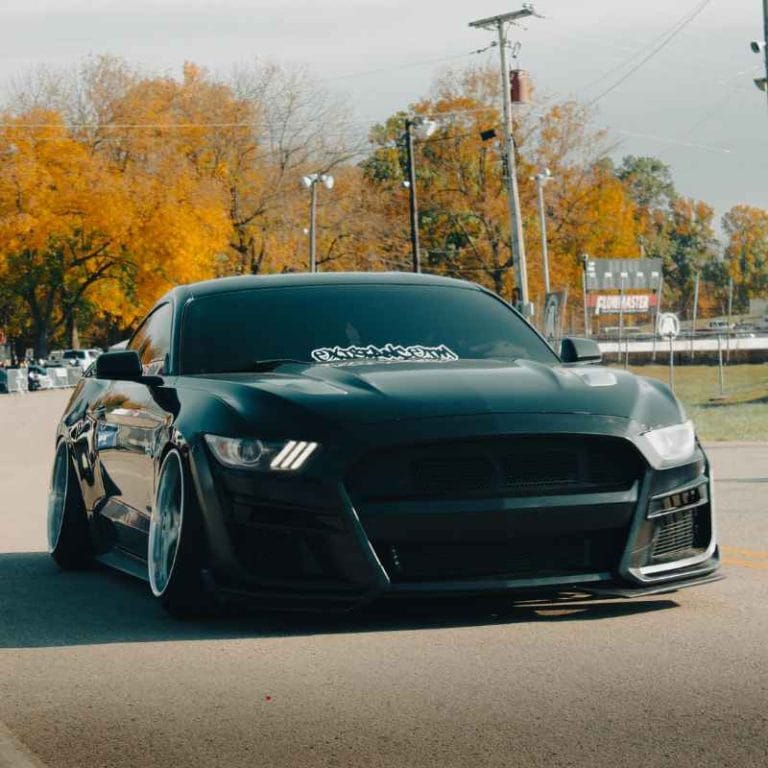
Ford Mustang EcoBoost vs GT: Which Should You Get?
Get the EcoBoost if you want the cheaper daily Mustang with real street pace. Get the GT if V8 sound, low-end torque, and a bigger grin matter more than mpg and tire bills. Pick the wrong one and you either pay for power you barely use or spend months wishing the car sounded and felt different. This guide compares price, running costs, daily use, option-pack overlap, and the driving feel that actually separates them.
This guide is part of our Ford cars guide series.
Ford Mustang EcoBoost vs GT: which one fits your driving life?
The EcoBoost is the better fit for buyers who want Mustang shape, rear-drive balance, and quick street pace without paying V8 tax every time they fuel up or buy tires. The GT is the better fit when the car should feel abundant, easy, and entertaining every time the throttle opens, even if the ownership bill climbs.
| Decision factor | Ford Mustang EcoBoost | GT: which one should you get | Winner |
|---|---|---|---|
| Straight-line pace | MotorTrend tested the 2024 EcoBoost at 4.9 seconds to 60 mph and 13.7 seconds in the quarter-mile. | MotorTrend tested the GT coupe at 4.3 seconds to 60 mph and 12.5 seconds in the quarter-mile. | GT: which one should you get |
| Everyday running cost | Lower fuel burn, lower tire strain, and usually lower insurance. | Higher fuel use, pricier tires, and typically a higher insurance band. | Ford Mustang EcoBoost |
| Driving feel | Light enough to feel alert, with a turbo punch that works well in traffic and on back roads. | More torque, richer sound, and a less strained pull at any speed. | GT: which one should you get |
| Option-pack value | The High Performance Package adds serious hardware, but it can push pricing close to GT territory. | The Performance Package adds active performance exhaust and track-oriented tuning. | Depends on price |
| Best use case | Daily commuting, mixed-use ownership, and buyers who want strong pace per dollar. | Weekend driving, sound-first ownership, track days, and buyers who want the car to feel special at every start. | Tie |
Straight-line pace
The GT is plainly quicker, and the gap is easy to feel without a stopwatch. MotorTrend’s 4.9-second EcoBoost run is quick; the GT coupe’s 4.3-second time is stronger, and the GT convertible’s 3.9-second result shows how much the V8 still has in reserve when conditions line up.
The quarter-mile spread matters too. The EcoBoost’s 13.7-second pass is healthy, but the GT’s 12.5-second run puts it in a different class of shove once speeds rise.
Everyday running cost
The EcoBoost wins here because it asks less from fuel, tires, and usually insurance. That does not make it cheap to own in absolute terms, only that the GT spends money faster in the places owners notice most often.
The expense gap gets wider if the GT sees aggressive use. A V8 car invites harder launches, louder cruising, and more tire wear. That is part of the appeal, and it is also the bill.
Driving feel
The GT feels calmer at speed because the engine does less work to make progress. The throttle response is immediate, the torque comes in with less drama, and passing needs less planning.
The EcoBoost tends to feel lighter on its feet. In one MotorTrend test, the EcoBoost weighed about 3,754 lb and the GT coupe about 3,933 lb, and that difference can show up in steering quickness and how eager the car feels when changing direction.
Option-pack value
The EcoBoost High Performance Package is the trap door in this comparison. MotorTrend says it adds a limited-slip differential, 19-inch wheels, and Pirelli P Zero PZ4 summer tires, and The Drive noted the EcoBoost Handling Package can reach $36,755. At that point, the car can land uncomfortably close to GT money.
The GT Performance Package is easier to understand. Active performance exhaust and track-oriented tuning are aimed at owners who will actually use the extra hardware. If the budget has already climbed that high, the GT often makes more sense.
According to Ford — Ford lists the Mustang as a 2026 model on its site.
How much faster is the GT than the EcoBoost?
The GT is meaningfully faster, not just slightly ahead on a spec sheet. MotorTrend’s testing shows the EcoBoost at 4.9 seconds to 60 mph and 13.7 seconds in the quarter-mile, while the GT coupe hit 4.3 seconds and 12.5 seconds. That is enough gap to matter in passing, on-ramps, and any hard launch from a light.
What the gap feels like on the road
The EcoBoost has plenty of usable shove, especially in the midrange, but the GT pulls harder with less effort. In a rolling pass, the V8’s torque makes the car feel less busy and more immediate.
The weight gap also matters. The lighter EcoBoost should feel a little more eager to turn in, while the GT’s extra mass gives it a planted, substantial feel. Neither is slow to respond; they just communicate differently.
Which Mustang is better for commuting and highway use?
The EcoBoost is the better commuter because it keeps the Mustang experience without asking the driver to spend more on fuel, tires, and heat than the use case deserves. The GT is better when the commute itself is part of the joy, but in traffic and stop-and-go driving the extra cylinder count is easier to admire than to justify.
Commuting and low-speed behavior
The EcoBoost’s turbo four makes sense in city driving because its torque arrives without needing big revs. That helps it feel easy in normal traffic, where the car spends most of its life.
The GT is still usable, but a manual GT asks more of the driver in congestion. The standard six-speed manual in MotorTrend’s tested coupe is a draw for enthusiasts, yet clutch work in daily crawl can get old fast.
Highway passing and merge confidence
Both cars are competent on the highway, but the GT has more margin. At legal speeds, it needs less throttle to make a pass and feels more relaxed doing it.
The EcoBoost still passes with confidence. For a buyer who mostly cruises, the difference is less about capability and more about how much effort the driver wants to spend getting there.
EcoBoost High Performance Package vs GT Performance Package
The EcoBoost High Performance Package gets the base car much closer to serious enthusiast hardware, but it does not turn it into a GT. The GT Performance Package starts from a stronger engine and adds track-minded tuning plus active performance exhaust, so the final result still feels like the more complete car if the budget allows it.
What the EcoBoost HPP adds
MotorTrend said the package adds a limited-slip differential, 19-inch wheels, and Pirelli P Zero PZ4 summer tires. The Drive also described the EcoBoost High Performance Package with 332 hp and 350 pound-feet, which shows how far the car can move up the ladder.
That said, the package is most useful when the buyer wants sharper handling and better traction, not a fake V8 substitute. Hard launches on street tires still expose the limits of a smaller engine trying to move a rear-drive car quickly.
What the GT Performance Package adds
The GT package is aimed at buyers who already want the V8 and want more of everything that goes with it. Active performance exhaust changes the character, and the track-oriented tuning makes sense for drivers who will push the chassis beyond commuter duty.
If an optioned EcoBoost is already approaching GT pricing, the GT usually becomes the cleaner buy. You keep the stronger engine, the better soundtrack, and the higher ceiling for weekend use.
What does ownership cost over 5 years?
Over five years, the EcoBoost usually saves real money on fuel, tires, and insurance, while the GT usually costs more in every one of those buckets. The exact spread depends on mileage and local rates, but the gap is wide enough that shoppers should model it before choosing on emotion alone.
| Scenario | EcoBoost: fuel spend | GT: fuel spend | Insurance estimate band | Tires and brakes assumption | Better value |
|---|---|---|---|---|---|
| 8,000 miles/year | Roughly $6,500 over 5 years, using about 22 mpg and premium fuel | Roughly $8,200 over 5 years, using about 18 mpg and premium fuel | EcoBoost: about $1,500 to $2,000 per year; GT: about $1,900 to $2,600 per year | One set of tires and at least one brake service; the GT should consume the pricier set sooner | EcoBoost |
| 12,000 miles/year | Roughly $9,800 over 5 years | Roughly $12,300 over 5 years | EcoBoost: about $1,500 to $2,100 per year; GT: about $2,000 to $2,800 per year | Two tire cycles become more likely; the GT usually needs more budget for rear rubber | EcoBoost |
| 15,000 miles/year | Roughly $12,300 over 5 years | Roughly $15,500 over 5 years | EcoBoost: about $1,600 to $2,200 per year; GT: about $2,100 to $3,000 per year | Tire wear becomes a major line item, especially if the GT is driven hard or launched often | EcoBoost |
Fuel spend
Fuel is the easiest place to see the split. The EcoBoost’s lighter appetite helps in every mileage band, and the savings build quickly over five years.
The GT also expects premium fuel, so the cost of feeding the engine stays high even when the owner drives gently. That matters more than many shoppers expect.
Insurance, maintenance, tires, and brakes
Insurance usually lands higher on the GT because the car’s power, tires, and repair exposure are greater. Maintenance itself is not wildly complicated on either car, but the GT’s tires and brakes tend to cost more when replacement time arrives.
Hard use changes the math. A GT that gets launched often or sees track days will chew through rubber and pads faster. The EcoBoost can do the same, but it usually does it with a smaller bill.
Should I get the Mustang EcoBoost or GT?
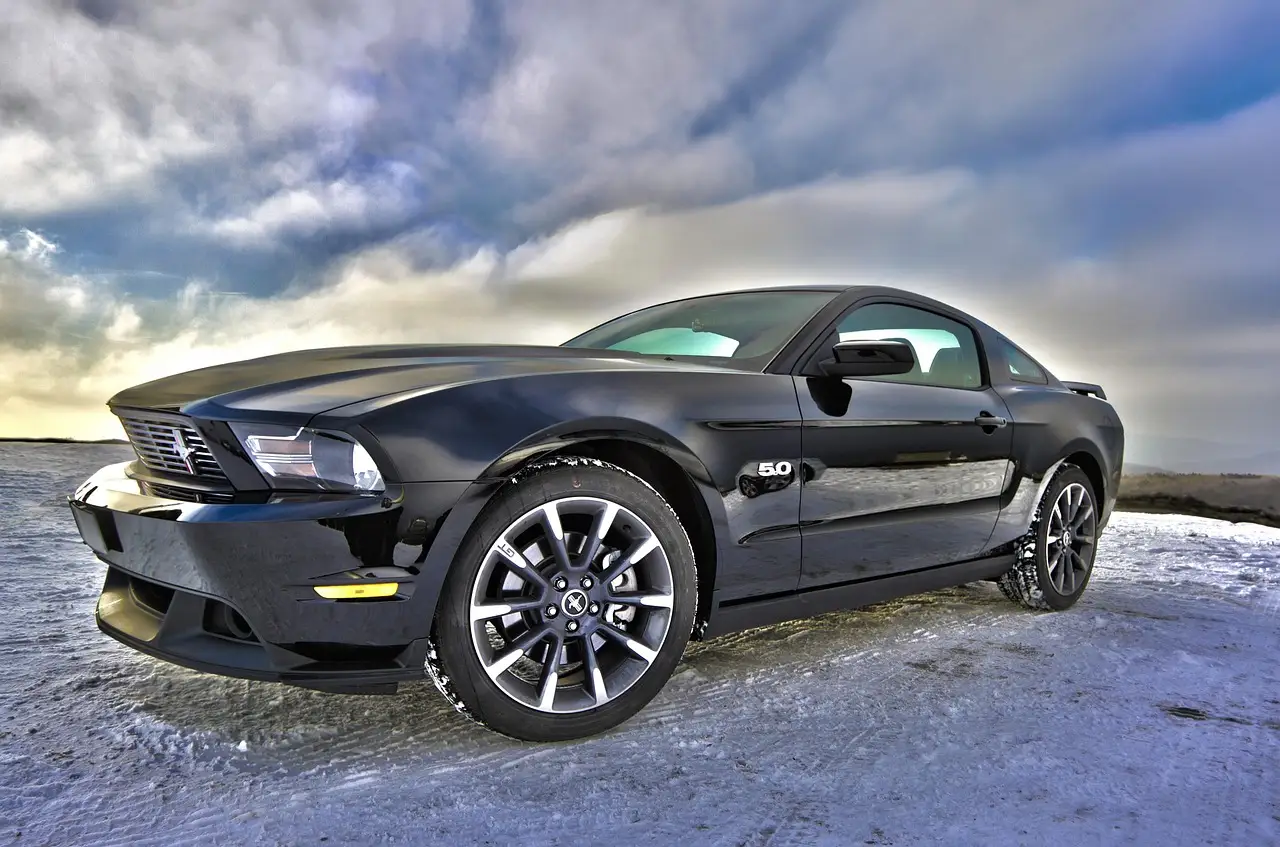
Get the EcoBoost if your Mustang has to handle commuting, parking, traffic, and weekend fun without draining your budget. Get the GT if the engine note, low-end torque, and stronger acceleration are the whole point of the purchase and the extra running costs will not turn that joy into regret.
Choose Ford Mustang EcoBoost if…
Choose it if you want a cheaper entry into Mustang ownership, plan to drive it most days, and care more about pace per dollar than about V8 theater. It also fits buyers who want a lighter nose, good street speed, and a car that does not punish every mile.
It is the safer choice if the car will live in traffic, in city parking, or on long freeway commutes. It is also the better call if the budget could be stretched by options and you do not want the price to drift toward GT territory.
Choose GT: which one should you get if…
Choose the GT if you want the sound, the torque, and the feeling that the car is never short on effort. It fits buyers who plan to keep the car for weekend drives, canyon runs, or track days and want the car to feel special every time it starts.
It is also the better fit if manual engagement matters more than easy commuting. The six-speed manual GT is the one that best matches the old-school muscle car brief.
Which Mustang is better if I want a manual transmission?
The GT is the better manual choice because the tested coupe comes with a standard six-speed manual, and the V8 suits that setup better than the turbo four. The EcoBoost is fine as an automatic, but the GT gives a manual driver more reward for the extra effort.
Transmission choice by use case
Choose the automatic if traffic is heavy or if the goal is consistency. That matters on repeated launches and in stop-and-go driving.
Choose the manual if the car is bought for engagement first. The GT fits that mission better because the engine and gearbox feel made for each other.
Which Mustang is cheaper to insure and maintain?
The EcoBoost is usually cheaper to insure and maintain, especially once tires are included. The GT’s stronger performance, heavier wear on consumables, and higher repair risk tend to push it into the more expensive ownership lane.
Why the GT costs more
More power means more temptation to use it, and more use means more wear. Tires go first, then brakes, then the rest of the ownership budget starts to follow the car’s appetite.
Premium fuel expectation applies to both cars, so the EcoBoost does not win by avoiding premium gas. It wins by needing less of everything else.
Is the EcoBoost High Performance Package closer to a GT?
It gets closer in chassis hardware than many buyers expect, but it still does not replace the GT’s engine character. The EcoBoost High Performance Package adds a limited-slip differential, 19-inch wheels, and Pirelli P Zero PZ4 summer tires, which makes it sharper and more capable, not more muscular.
When the package makes sense
It makes sense for drivers who value handling response and better traction more than a soundtrack. That is a real use case, especially for back-road driving or occasional autocross-style fun.
It stops making sense when the option price creeps near the GT. At that point, the buyer is paying close to V8 money for a car that still lacks the V8.
Which Mustang is better for commuting versus weekend driving?
The EcoBoost is the better commuter and the more practical year-round pick. The GT is the better weekend car because it spends every drive making a case for itself through sound, throttle response, and the way it surges forward without strain.
Commuting
The EcoBoost keeps the day simpler. It is lighter on fuel, easier on tires, and less expensive to insure, which all matter when the car racks up ordinary miles.
Weekend driving
The GT is the one most buyers remember after the trip ends. It feels more complete at low speed, more dramatic at mid speed, and more satisfying when the road opens up.
What should I buy if I want the sound and feel of a V8?
Buy the GT. That is the honest answer, because the V8 sound and the effortless pull are the product, not an accessory. The EcoBoost can be quick, but it cannot reproduce the same character without spending a lot on parts and still coming up short.
Frequently asked questions
Should I get the Mustang EcoBoost or GT?
Get the EcoBoost if you want lower running costs, easier commuting, and strong street pace. Get the GT if the car is supposed to feel special every time you start it and you want the V8 soundtrack and torque to be part of the ownership reason.
Is the Mustang GT worth the extra money over EcoBoost?
Yes, if the extra money buys something you will use: better sound, stronger acceleration, and a more relaxed feel at speed. No, if the car will mostly commute, because the EcoBoost already delivers plenty of real-world pace with a smaller ongoing bill.
How much faster is the GT than the EcoBoost?
MotorTrend tested the EcoBoost at 4.9 seconds to 60 mph and 13.7 seconds in the quarter-mile. The GT coupe ran 4.3 seconds and 12.5 seconds, while the GT convertible was even quicker at 3.9 seconds to 60 mph.
Does the EcoBoost feel quick enough for daily driving?
Yes. The EcoBoost’s tested 315 hp and 350 lb-ft make it more than quick enough for highway merges, passing, and normal back-road driving. It will not feel like a GT, but most daily use does not require GT power.
What fuel economy difference should I expect between EcoBoost and GT?
The EcoBoost should return better fuel economy in normal use, and that savings adds up over five years. The GT drinks more fuel by design, and the gap becomes more expensive as annual mileage rises.
Which Mustang is better if I want a manual transmission?
The GT is the better choice. MotorTrend noted the tested GT coupe used a standard six-speed manual, and that setup fits the V8’s personality far better than a commuter-first spec.
Which Mustang is cheaper to insure and maintain?
The EcoBoost usually costs less to insure and keep on the road. The GT’s stronger performance, pricier tires, and higher wear rates tend to push its ownership bill above the four-cylinder car’s.
Is the EcoBoost High Performance Package closer to a GT?
It gets closer in grip and chassis hardware, especially with the limited-slip differential, 19-inch wheels, and summer tires. It still does not replace the GT’s engine character, so it is best seen as a sharper EcoBoost, not a bargain GT.
Which Mustang is better for commuting versus weekend driving?
The EcoBoost is better for commuting because it is cheaper to run and easier to live with every day. The GT is better for weekend driving because it gives back more sound, torque, and emotional payoff each time the road opens up.
What should I buy if I want the sound and feel of a V8?
Buy the GT. The EcoBoost can be tuned, outfitted, and quickened, but the V8’s sound, throttle feel, and effortless pull are the main event, and the GT delivers them without apology.
Products related to this article
Sponsored / affiliate links. As an Amazon Associate I earn from qualifying purchases. I may earn additional commission from eligible campaigns.