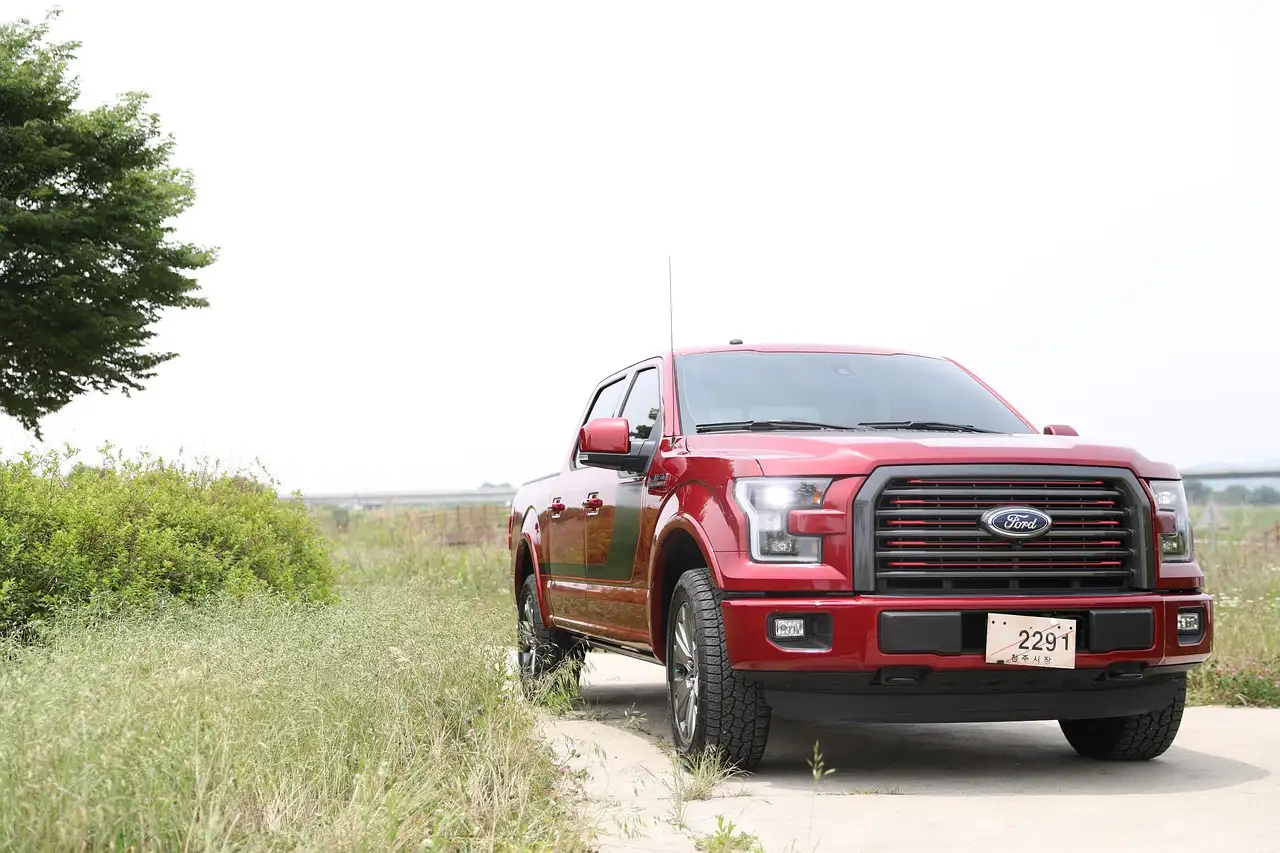
Ford F-150 vs Ford Ranger: which truck fits you best?
Pick the Ford Ranger if you tow light loads a few times a year, park in tight city spaces, and mostly carry 1–3 people; choose the F-150 if you tow often, carry five adults, or need more bed and payload room. Buy the wrong size and you pay for fuel, parking pain, or a truck that still can’t do the work. I map these trucks to commuting, family duty, towing, hauling, and daily use so you choose by job, not badge.
The F-150 gives more capability and room, while the Ranger is easier to live with in town and costs less up front.
Ford F-150 vs Ford Ranger: the real trade-off


| Decision factor | Ford F-150 | Ford Ranger: which truck fits you best | Winner |
|---|---|---|---|
| Starting MSRP | $37,290 | $33,350 | Ranger |
| Towing | 7,400 pounds | 3,500 pounds | F-150 |
| Payload | 1,823 pounds | 1,809 pounds | F-150 |
| Cabin seating | 3 | 5 | Ranger |
| Length | 227.7 inches | 210.6 inches | Ranger |
| Daily livability | More truck to manage | Easier in tight spaces | Ranger |
Starting price and value positioning
The 2026 Ford F-150 starts at MSRP $37,290, while the 2026 Ford Ranger starts at MSRP $33,350. That makes the Ranger the lower-entry choice, but the F-150 asks for more money because it is the larger truck with more towing and load room.
Price is only the first bill. Bigger trucks usually bring more fuel, bigger tires, and higher insurance exposure in many markets. If the truck is a daily tool, those costs matter more than the sticker gap.
Power, torque, and everyday passing power
The comparison data lists the F-150 with a 2.7L/164 engine setup producing about 325 hp and 400 lb-ft of torque. The Ranger is listed with a 2.3L/140 engine setup at roughly 270 hp and 310 lb-ft. On paper, that gives the F-150 more reserve for merging, grades, and loaded towing.
For empty commuting, the Ranger has enough output for normal traffic and highway use. Once the bed fills up or a trailer gets hitched, the F-150’s stronger output becomes the clearer fit.
EPA-estimated MPG and commuting cost
EPA-estimated MPG matters most when the truck is driven every weekday. The Ranger should usually be the lighter fuel bill in mixed driving because the smaller midsize truck needs less energy to move, park, and stop.
If the truck only works on weekends, fuel cost loses some weight. If it is a five-day commuter, the Ranger’s size advantage usually shows up at the pump and in stop-and-go traffic.
According to ford.com — F-150 is described as delivering power and versatility.
How much truck do you actually need for towing and hauling?
The F-150 is the safer pick for regular towing, while the Ranger is enough for light trailers and occasional weekend loads. Towing weight and bed payload are different jobs, and a truck that handles one well may still be the wrong choice for the other.
Trailer weight, payload, and bed use are not the same thing
Car and Driver lists F-150 towing at 7,400 pounds and Ranger towing at 3,500 pounds. It also lists F-150 payload capacity at 1,823 pounds and Ranger payload capacity at 1,809 pounds. Those payload figures are close, but towing numbers are not.
Payload is what goes in the truck itself: people, tools, mulch, coolers, and bed cargo. Towing is what the hitch pulls behind it. A bed full of brick does not equal a heavy trailer, and a trailer does not count as bed payload in the same way.
Small trailer or boat versus larger camper or work load
The Ranger fits the buyer who pulls a small utility trailer, a lightweight boat, or a compact camper a few times a year. That is the lane where 3,500 pounds can be enough, especially when the rest of the week is city driving and errands.
The F-150 is the better call when towing happens often, the trailer size grows, or the margin needs to stay comfortable. Once towing becomes a monthly habit rather than a rare trip, the extra headroom matters.
When the Ranger is enough for weekend towing
If towing means a yard trailer, a jet ski, a small boat, or a modest camper, the Ranger can make sense. If towing means a larger camper, heavier equipment, or frequent trips with passengers and cargo, the F-150 is the safer long-term pick.
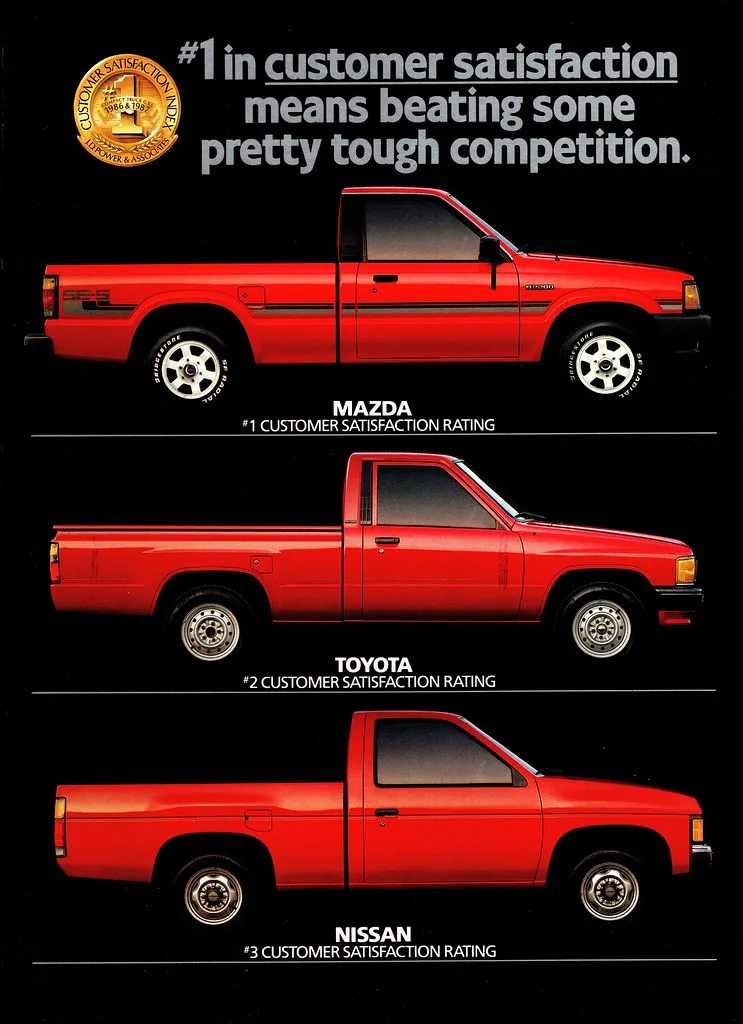
Which truck is easier to live with in town?
The Ranger is easier to park, easier to swing through narrow streets, and easier to fit into a normal garage. The F-150 is still manageable, but its larger footprint asks more from the driver every time the route gets tight.
Length, width, wheelbase, and turning diameter
Car and Driver lists the F-150 at 227.7 inches long and the Ranger at 210.6 inches long. That gap is large enough to matter in curb parking, apartment lots, and driveways with little spare room.
Turning diameter also matters, especially in U-turns and tight store lots. Even without turning every driveway into a three-point turn, the Ranger’s shorter body makes city life less tiring.
Garage fit, curb parking, and tight streets
For buyers with a single-car garage, the Ranger often leaves more room to walk around the front or back of the truck. On crowded streets, the shorter body also gives a little more confidence when parking between bumpers that sit close together.
The F-150 is the better work tool, but the Ranger is the friendlier daily truck when the route includes schools, older neighborhoods, and tight parking decks.
Why the Ranger matters most in urban use
This is where the Ranger’s size advantage shows up most clearly. It matters in garages, urban parking, narrow trails, and short errands where a full-size truck can feel like too much machine for the task.
Cabin, seats, and family duty: which one fits passengers better?
The Ranger is the family-friendly choice if more seating matters, while the F-150 fits buyers who want truck utility first and passenger count second. Car and Driver lists the F-150 at 3 seats and the Ranger at 5 seats, which is a major split for school runs and carpools. (caranddriver.com)
3 seats versus 5 seats
The F-150’s 3-seat layout is a work-first setup. The Ranger’s 5-seat setup gives more flexibility for a spouse, kids, friends, or a car seat in the rear.
For first-time truck owners, that difference matters more than many spec sheets admit. A truck that cannot carry the right mix of passengers and cargo every week becomes a compromise fast.
Front seat comfort and rear passenger room
Front leg room is listed at 43.9 inches for the F-150 and 43.2 inches for the Ranger. That is close enough that the bigger difference is not up front; it is in the way the cabin layout serves rear passengers and people who need regular seat access.
Families who use the rear seat often will usually find the Ranger easier to live with. Work crews and solo drivers may still prefer the F-150’s cargo-first layout.
Child seats, carpool duty, and road-trip use
The Ranger fits child seats and short family trips better because it is built to carry more people. The F-150 makes more sense when the back seat is not the priority and bed use matters more than passenger mix.
Buyer-fit matrix: commuting, parking, family use, towing, hauling, and off-road weekends
The right truck depends on how often each job shows up. Below is a practical fit matrix that scores each truck by real use, not brochure language. A higher score means the truck matches that use case better.
| Use case | Ford F-150 | Ford Ranger: which truck fits you best | Winner |
|---|---|---|---|
| Commuting | Good if the truck is also a work tool | Better for daily driving and mixed errands | Ranger |
| Parking | Harder in tight lots and garages | Easier in city spaces and narrow streets | Ranger |
| Family duty | Limited by the 3-seat layout | Better fit for 5 passengers | Ranger |
| Towing | Stronger for larger and more frequent towing | Enough for small trailers and light boats | F-150 |
| Hauling | Better when bed loads and payload add up | Good for lighter jobs and weekend gear | F-150 |
| Weekend off-road use | Works, but takes more space on trails | Better for tighter trails and easier maneuvering | Ranger |
Sample weekly scenario for a commuter who tows on weekends
Monday through Friday, the truck sits in a downtown garage, runs school drop-off, and handles a grocery stop. Saturday it pulls a small boat or utility trailer. In that case, the Ranger usually wins because it is easier to park all week and still covers the light trailer job.
If that same weekend trailer turns into a larger camper, the answer changes fast. The F-150 becomes the better long-term choice because it leaves more margin for towing, cargo, and passengers on the same trip.
What are the starting prices for the Ford F-150 and Ranger?
The 2026 Ford F-150 starts at MSRP $37,290, and the 2026 Ford Ranger starts at MSRP $33,350. The Ranger wins on entry price, but the F-150 asks more because it gives more truck in the places that matter for towing, bed use, and passenger room.
Buyers should think beyond the sticker. Fuel, tires, insurance, and accessories tend to move with size and use, so the cheaper truck up front is often the cheaper truck to own if the work stays light.
Choose Ford F-150 if… / Choose Ford Ranger: which truck fits you best if…
Choose the F-150 if towing happens often, the trailer is large, the bed gets loaded hard, or you need to carry more cargo and more people on the same trip. Choose the Ranger if the truck spends most of its life commuting, parking in town, and handling only occasional light towing.
The F-150 is the better long-term tool for heavier work. The Ranger is the better daily truck when the job is smaller and the streets are tighter.
Choose Ford F-150 if…
- You tow regularly and want more margin than 3,500 pounds.
- You haul heavy gear in the bed and use payload often.
- You need a truck for work first and city parking second.
- You want the bigger truck for the long haul, even if it costs more to run.
Choose Ford Ranger: which truck fits you best if…
- You park in tight spaces or a small garage.
- You mostly drive in town and only tow a few times each year.
- You need 5 seats more than you need a larger bed.
- You want a truck that feels less bulky for first-time ownership.
Warranty and ownership basics
Both trucks appear to carry similar basic coverage, with about 3/36,000 basic warranty and 5/60,000 roadside assistance. That means the warranty choice is not what separates them; usage is. The bigger difference shows up in fuel, tires, parking, and the kind of jobs each truck is asked to do.
Drive layout and chassis basics
Both trucks use rear-wheel drive, which suits truck duty well. The comparison brief also points to double wishbone versus short-and-long-arm front suspension and leaf rear suspension, the sort of hardware that helps trucks balance ride comfort with load handling.
That matters most when the truck is working. A suspension setup that handles cargo well can still feel large in the city, which is another reason to match size to daily duty rather than chase the biggest number.
Frequently asked questions
Which is better for me: Ford F-150 or Ford Ranger?
Pick the Ranger if your truck life is mostly commuting, errands, parking, and light towing. Pick the F-150 if towing, hauling, and passenger room show up often enough that a midsize truck would feel stretched. The right answer is the one that matches your weekly routine.
How much can the Ford F-150 tow compared with the Ranger?
Car and Driver lists the F-150 at 7,400 pounds and the Ranger at 3,500 pounds. That gap makes the F-150 the safer choice for larger trailers, heavier boats, and more frequent towing. The Ranger still works for lighter weekend loads.
Is the Ranger easier to park and drive in the city than the F-150?
Yes. The Ranger is 210.6 inches long, while the F-150 is 227.7 inches long, and that difference shows up in garages, curb parking, and narrow streets. For city use, the Ranger is the less tiring truck to move around.
Which Ford truck gets better fuel economy, F-150 or Ranger?
The Ranger is usually the better bet for fuel use in daily driving because it is the smaller truck. EPA-estimated MPG matters most for commuters, and the Ranger’s size gives it the edge in mixed use, especially when the truck is driven every weekday.
Can the Ranger handle towing a small trailer or boat?
Yes, if the load stays within its 3,500-pound towing rating and the trailer is light. A small utility trailer, compact boat, or modest camper fits that role well. Once the trailer grows or the trips get frequent, the F-150 becomes the safer choice.
Do I need the bigger F-150 for work and hauling?
If the bed is used for heavy cargo, tools, materials, or regular payload, the F-150 is the better work truck. Its 1,823-pound payload figure and stronger towing rating give more room to work without having to plan around every pound. That is where the bigger truck earns its keep.
Products related to this article
Sponsored / affiliate links. As an Amazon Associate I earn from qualifying purchases. I may earn additional commission from eligible campaigns.