How Many Chevy Cars Are In Nascar? Numbers Explained
It’s a question many racing fans ponder when they see the iconic bow-tie emblem on the track. Chevrolet has a long, proud history in NASCAR. But precisely how many Chevy cars are racing on any given weekend? This can seem a bit tricky to pin down. Different series, different rules, and evolving car designs all play a part. Let’s dive in and clear things up. We’ll look at the numbers and what they mean for the sport.
The number of Chevrolet cars actively competing in NASCAR varies by series and season. While Chevrolet is consistently one of the top manufacturers, specific car counts fluctuate. Generally, a significant portion of the field in top NASCAR series, like the Cup Series, will be Chevys, often making up around one-third or more of the total entries. Specific model details also change with NASCAR’s evolving regulations.
The Heart of the Race: Chevrolet’s NASCAR Presence
Chevrolet is a cornerstone of NASCAR. They’ve been a major player for decades. This means seeing their cars out on the track is a common sight. But the exact count isn’t a simple fixed number. It changes season by season. It also depends on which NASCAR series you’re watching. The big, famous Cup Series is what most people think of. But there are other series too.

Maisto
Maisto 1:24 1966 Chevy Chevelle SS 396…
- Approximately 7-1/2" Long
- Scaled replicas of cars and trucks
- Die-cast metal body with plastic details
As an Amazon Associate I earn from qualifying purchases.
Think about it like this: teams decide which car manufacturer they want to represent. They make deals. They buy engines. They get technical support. All these factors influence how many cars of a certain brand hit the asphalt. Chevrolet works hard to give teams great cars. They offer good performance. They also provide strong backup. This helps draw teams to them.
When you look at the starting grid for a big race, you’ll see a lot of different manufacturers. But you’ll always see a solid group of Chevys. They are often easy to spot with their distinctive grille and logo. This presence isn’t accidental. It’s the result of years of work. It’s also about building strong relationships with racing teams.
A Look at the Numbers: Current NASCAR Cup Series
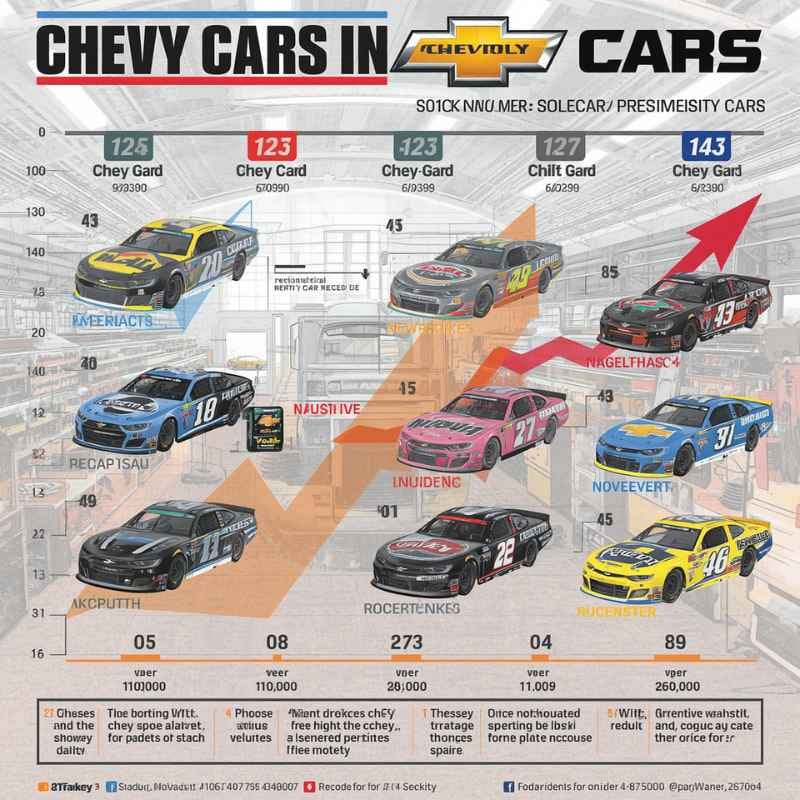
Let’s focus on the NASCAR Cup Series. This is the premier racing division. It’s where the biggest stars compete. It’s also where the most attention is. In recent years, the number of Chevrolet entries in the Cup Series has been quite robust. We’re often talking about a substantial chunk of the field.
When you look at a typical Cup Series race entry list, you might see around 36 to 40 cars. Out of these, you can expect a good number to be Chevys. It’s not uncommon for this number to be in the 12 to 15 car range. Sometimes it might be even higher, depending on the specific race and how many teams are fully funded and operational.
This means that roughly one-third to a little over one-third of the Cup Series field is often Chevrolet. This is a significant presence. It shows Chevrolet’s commitment to top-tier stock car racing. They are a major contender. They are always looking to win. Their cars are designed to do just that.
Why the Number Fluctuates: Factors at Play
So, why isn’t it always exactly the same number of Chevy cars? Several things make the count change. First, teams make decisions. They might switch manufacturers. This happens for many reasons. Maybe another brand offers better technology. Or maybe they get a better sponsorship deal.
Second, team performance matters. A team that’s winning might attract more drivers and sponsors. This could lead to more cars for that manufacturer. Conversely, a team that struggles might fold or merge. This would reduce the number of cars for their brand.
Sponsorship is huge in NASCAR. If a team can’t find a sponsor, they might not be able to run a full season. This impacts the total number of cars on the track. Chevrolet works with its teams. They help them find sponsors and provide resources. But ultimately, the team has to make it happen.
The manufacturer’s own investment also plays a role. Chevrolet invests a lot of money in NASCAR. They have a dedicated racing division. This division develops the cars. They provide engineering support. They work closely with the teams. This strong backing makes Chevrolet an attractive option for teams.
Chevrolet’s Iconic Models on the Track
Over the years, Chevrolet has fielded many famous models in NASCAR. These cars have become legends in their own right. Think about the excitement these cars brought to the track. They were often the ones everyone cheered for.
Currently, in the NASCAR Cup Series, the car is a spec-series chassis. This means the body styles are the main difference. Chevrolet races the Camaro ZL1. This car is designed to look like its production counterpart. It’s meant to connect with fans. They can see the car they might drive on the road.
Before the Camaro ZL1, Chevrolet raced other popular models. The Chevrolet SS was a strong competitor for many years. Before that, cars like the Impala SS and the Monte Carlo were fan favorites. Each era had its iconic Chevy. They each left their mark on NASCAR history.
The regulations in NASCAR often dictate the car body. Manufacturers work within these rules. They try to make their race cars as close as possible to the street versions. This helps with marketing. It also keeps fans engaged. Seeing a familiar nameplate on the track is always exciting.
Beyond the Cup Series: Other NASCAR Divisions
It’s important to remember NASCAR has more than just the Cup Series. There’s the Xfinity Series and the Truck Series. Chevrolet is also a major player in these divisions. The numbers here can be different.
In the NASCAR Xfinity Series, the car models are slightly different. Chevrolet typically races the Camaro SS here. Similar to the Cup Series, the car count can fluctuate. But again, Chevrolet is consistently a strong competitor. You’ll see a good number of Camaros battling for wins.
In the NASCAR Craftsman Truck Series, Chevrolet fields the Silverado. This is their popular pickup truck. This series is all about tough competition. Chevrolet trucks are known for their durability and power. They are a natural fit for this racing series. The number of Silverado trucks on the grid is usually quite significant.
The overall presence of Chevrolet across all NASCAR national series is substantial. They are a dominant force. They are committed to providing competitive vehicles at every level of the sport. This commitment benefits the teams and excites the fans.
Chevrolet’s Commitment to Racing
Chevrolet doesn’t just put cars on the track. They invest heavily in the sport. This includes:
- Engineering Support: Providing top engineers to work with teams.
- Engine Development: Building powerful and reliable engines.
- Technical Partnerships: Sharing data and insights with teams.
- Marketing and Sponsorship: Helping teams secure funding.
This comprehensive approach helps ensure their cars are competitive.
The Manufacturer Championship Point System
NASCAR has a championship for manufacturers. This adds another layer to the competition. Teams earn points for their respective manufacturers based on their finishing positions. This means every car on the track contributes to their brand’s success.
Chevrolet, along with Ford and Toyota, battles for this championship all season long. The more cars a manufacturer has running well, the better their chances. This incentivizes manufacturers to support as many teams as possible. It also encourages teams to perform at their best.
The manufacturer’s championship is a significant title. It showcases the overall strength and competitiveness of a brand’s platform. Chevrolet consistently aims to be at the top of this leaderboard. Their strong car count helps them achieve this goal.
Fan Perspective: What It Means for Spectators
For fans, seeing a good number of Chevys on the track is exciting. It means more options for who to cheer for. It also means more potential for close racing. When a manufacturer has multiple cars in contention, it often leads to thrilling finishes.
Fans of Chevrolet have many drivers and teams to support. This broadens the appeal of the manufacturer. They can often find a driver or team that aligns with their preferences. This connection between fans, drivers, and manufacturers is vital to NASCAR’s popularity.
It also means that if you’re a fan of a particular driver who races a Chevy, you’re likely to see them in action frequently. Their car is a consistent presence throughout the season. This visibility is great for building a fanbase.
The Role of OEM (Original Equipment Manufacturer) Support
OEMs like Chevrolet play a crucial role in NASCAR. They are not just sponsors. They are deeply involved in the racing program. Their technical expertise is invaluable. They help teams develop better cars and engines.
Chevrolet has a dedicated motorsports division. This division works year-round. They research new technologies. They test new parts. They analyze race data. This continuous improvement cycle is what keeps them competitive.
The relationship between Chevrolet and its NASCAR teams is a partnership. Chevrolet provides the platform and support. The teams then use this to build and race the cars. This collaboration is essential for success. It’s a key reason why you see so many Chevys on the track.
Myth vs. Reality: Chevy in NASCAR
Myth:
Chevrolet only races one specific car model in NASCAR.
Reality:
While the Camaro ZL1 is the current Cup Series car, Chevrolet has raced various iconic models throughout its NASCAR history (e.g., SS, Monte Carlo). Different models are also used in other NASCAR series like Xfinity (Camaro SS) and Trucks (Silverado).
Evolution of NASCAR Car Designs
NASCAR’s car designs have changed a lot over the years. This impacts how manufacturers are represented. The current era features the “Next Gen” car. This car is designed to be more standardized. This means the chassis and key components are shared across manufacturers.
The primary differences now lie in the body panels. Manufacturers must design body kits that fit the spec chassis. These kits are styled to resemble their production vehicles. This focus on commonality helps reduce costs for teams. It also aims to create closer racing.
So, while the underlying car is similar, the visual identity of a Chevrolet is still strong. The Camaro ZL1 body is distinct. It gives the car its unique look. Chevrolet engineers work hard to make sure their body kits are aerodynamically competitive.
This evolution means that the core engineering might be more uniform. But the manufacturers still compete fiercely. They do so through design nuances. They also compete through engine tuning and overall team strategy. Chevrolet’s ability to adapt and excel in this new era is key to its continued presence.
What About Different Race Tracks?
Does the type of race track affect how many Chevys are entered? Not directly in terms of car count for a specific manufacturer. The number of entries is usually set by NASCAR’s series. However, certain tracks might see more teams focused on performance.
For example, at high-speed super speedways like Daytona or Talladega, aerodynamics are critical. Teams might choose manufacturers they feel have the best package for those conditions. Similarly, at short tracks, handling and braking might be more important.
Chevrolet works to ensure its cars are competitive on all types of tracks. Their engineering and development teams are always looking for an edge. This is why you see a consistent number of Chevys competing everywhere, from road courses to short ovals.
Challenges and Future Outlook
The landscape of motorsports is always changing. Teams face financial challenges. The cost of racing continues to rise. This can impact how many teams can afford to compete. It can also influence manufacturer choices.
However, Chevrolet has shown a deep and long-term commitment to NASCAR. They understand the value of the sport. It’s a powerful platform for their brand. They connect with millions of fans. They showcase their engineering prowess.
Looking ahead, it’s highly likely that Chevrolet will remain a dominant force in NASCAR. Their investment in the sport is substantial. They have strong relationships with numerous teams. As long as they continue to provide competitive cars and support, teams will want to race them.
The future of NASCAR might see further rule changes. Car designs could evolve again. But Chevrolet’s dedication to innovation and racing heritage suggests they will adapt. They will continue to put a strong contingent of cars on the track.
Quick Scan: Chevy Cars in NASCAR
| Series | Primary Model | Typical Car Count (Approx.) |
| Cup Series | Camaro ZL1 | 12-15+ |
| Xfinity Series | Camaro SS | 10-14+ |
| Truck Series | Silverado | 8-12+ |
Note: Numbers are approximate and can change per race and season.
What This Means for Chevrolet Fans
If you’re a fan of Chevrolet in NASCAR, you have plenty to cheer about. The consistent presence of their cars means you’ll always see them competing. The Camaro ZL1 and other Chevrolet models are front-runners. They are often in the mix for wins.
This strong representation means that Chevrolet is serious about NASCAR. They are not just dabbling. They are fully committed. This commitment translates into better cars, more competitive teams, and exciting racing for fans.
You can follow your favorite Chevrolet drivers and teams with confidence. They have the backing of one of the biggest names in the automotive world. Chevrolet’s heritage in racing is deep. Their future in NASCAR looks just as bright.
Understanding the Numbers: A Simple Recap
So, to sum it up: how many Chevy cars are in NASCAR? There isn’t one single, fixed number. It changes. But it’s always a significant amount.
In the top Cup Series, expect around a third of the field to be Chevys, often racing the Camaro ZL1. In the Xfinity Series, you’ll see many Camaro SS models. And in the Truck Series, the Silverado is a powerful presence.
Chevrolet’s commitment, their engineering support, and their strong relationships with teams ensure their cars are always a major part of the NASCAR story. They are not just participants; they are champions and contenders.
Frequent Questions about Chevy Cars in NASCAR
What is the main Chevrolet model currently racing in the NASCAR Cup Series?
The main Chevrolet model currently racing in the NASCAR Cup Series is the Camaro ZL1. This car is designed to resemble the production street version of the Camaro, which is a popular sports coupe.
Has Chevrolet always raced the Camaro in NASCAR?
No, Chevrolet has raced many different models in NASCAR over the years. Iconic models include the Chevrolet SS, Monte Carlo, and Impala. The specific model raced depends on NASCAR’s regulations and Chevrolet’s production car line-up at the time.
Are there different Chevrolet models in NASCAR’s other series?
Yes, Chevrolet uses different models in its other NASCAR series. In the Xfinity Series, they typically race the Camaro SS. In the Craftsman Truck Series, they compete with the Chevrolet Silverado pickup truck.
How does Chevrolet support its NASCAR teams?
Chevrolet provides significant support to its NASCAR teams. This includes technical engineering assistance, engine development, data sharing, and often help with marketing and sponsorship acquisition. Their motorsports division works closely with teams to ensure competitiveness.
Does the number of Chevy cars in NASCAR change from race to race?
The number of specific Chevrolet cars can fluctuate slightly between races. This depends on factors like team availability, funding, and driver lineups for that particular event. However, Chevrolet consistently maintains a strong and significant presence across all major NASCAR series.
What is the “Next Gen” car in NASCAR and how does it affect Chevrolet?
The “Next Gen” car is NASCAR’s current generation of race car. It features more standardized components and chassis across all manufacturers. For Chevrolet, this means the focus is on developing competitive body kits styled after their production cars, like the Camaro ZL1, to fit the spec chassis.
Conclusion: A Lasting Legacy on Track
Chevrolet’s presence in NASCAR is more than just a number. It’s a testament to their dedication to motorsports. It shows their ability to build winning machines. For fans, it means consistent excitement. It means iconic cars battling for glory. The bow-tie emblem is a familiar and powerful sight on the race track. It’s a symbol of competition and a rich racing heritage that continues to thrive.
Related pick: Check today's price on Amazon
Products related to this article
Sponsored / affiliate links. As an Amazon Associate I earn from qualifying purchases. I may earn additional commission from eligible campaigns.