How Much Is A Chevy Car Battery? Costs & What To Expect
It’s a question many car owners face: “How much does a Chevy car battery cost?” This is a big one because your car battery is like its heart. When it’s tired, your car just won’t go. It can be a bit confusing with all the different types and brands out there.
We’ll break it all down so you know what to expect.
Understanding Chevy Car Battery Costs
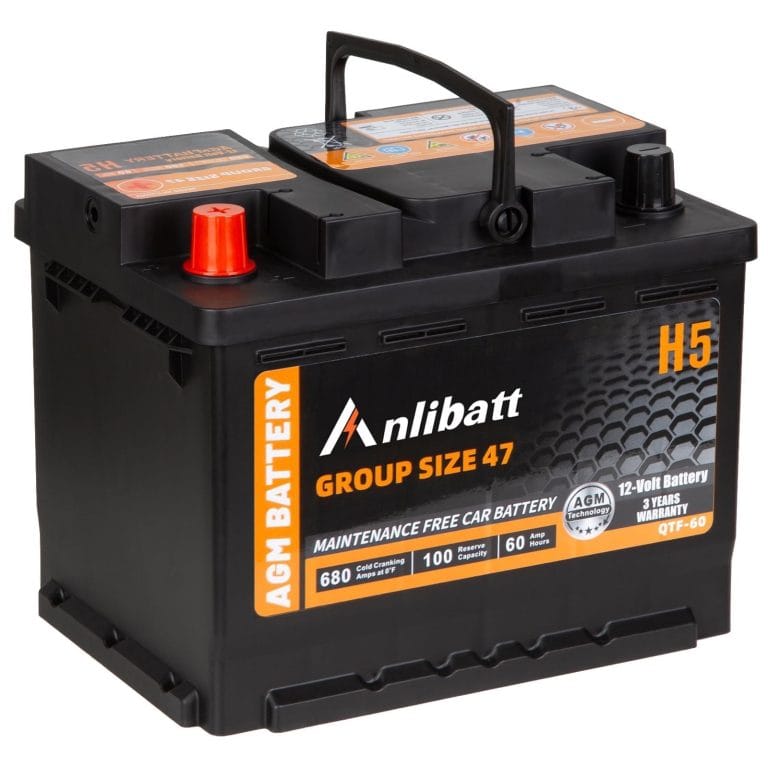
Replacing a car battery for your Chevrolet can range quite a bit. Most owners can expect to spend somewhere between $100 and $250 for a new battery. This price often includes the battery itself and the labor to install it.

Mighty Max Battery
Mighty Max Battery MM-H6 Start and Stop…
- Fast Starting Power: This 12V 70Ah 760 CCA delivers strong, steady starts is ready for any weather in any season.
- Made to Last: With its 120-minute Reserve Capacity supports longer run times and a longer overall battery lifespan.
- All Power, No Mess AGM Design: Sealed and spill-proof, the MM-H6 is built with high discharge output and deep discharge recovery t…
As an Amazon Associate I earn from qualifying purchases.
However, this is just a general idea. Many things can shift this cost up or down.
Think about your car’s needs. Different Chevy models might use different battery sizes or types. A small Chevy Spark might need a different battery than a big Chevy Silverado truck.
The quality of the battery also plays a huge role. Cheaper batteries might not last as long. Higher-end batteries offer more power and longer warranties.
When you need a new battery, you’ll likely see prices varying based on the brand and where you buy it. Dealerships might be more expensive than an independent auto shop. Online stores could offer savings, but you might have to install it yourself or pay for that separately.
Knowing these factors helps you budget better.
Factors Influencing Chevy Battery Price
Several key elements affect the final price tag of a Chevy car battery. It’s not just one number for everyone. Understanding these can help you make a smart choice for your car and your wallet.
Battery Type and Size
Chevy vehicles use various battery types. Some common ones are standard lead-acid batteries. Others might be absorbed glass mat (AGM) batteries.
AGM batteries are often more expensive. They offer better performance and last longer. They are also more resistant to vibrations and extreme temperatures.
Your car’s manual will tell you the exact type and size it needs. Using the wrong one can cause problems.
The physical size of the battery matters too. Larger batteries needed for trucks or SUVs cost more than smaller ones for compact cars. These batteries have more lead and acid, making them heavier and more costly to produce.
The group size (like Group 24F or Group 35) tells you the dimensions and terminal placement. Always match this to your car’s needs.
Brand and Quality
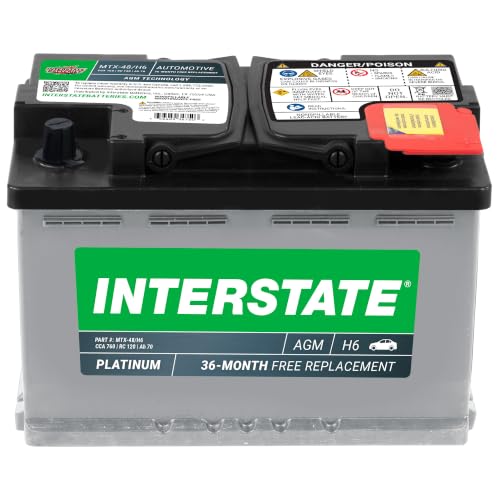
Just like with any product, battery brands differ in quality and price. Well-known brands like ACDelco (a GM brand), DieHard, Optima, and Interstate often cost more. This is because they are trusted for reliability and have good warranties.
They tend to use better materials and undergo stricter quality control.
Lesser-known or store brands might be cheaper. They can be a good option if you’re on a tight budget. However, they might not last as long.
Their warranties might also be shorter. It’s a trade-off between upfront cost and long-term value. Reading reviews can help you find a balance.
Look for batteries with good customer feedback.
Warranty Length
A longer warranty usually means a higher price, but it’s often worth it. Batteries can come with warranties ranging from 12 months to 3 years or even more. A longer warranty gives you peace of mind.
If the battery fails within the warranty period, you can get a replacement for free or at a reduced cost.
Some warranties are prorated. This means you get a discount on a new battery based on how old the old one was. Others are a full replacement for the entire warranty term.
Always check the warranty details. Understand what it covers and what you need to do if you have a claim. Keeping your receipt is very important.
Installation Costs
If you buy a battery at an auto parts store or a dealership, installation is often included or available for a small fee. This labor cost can add $20 to $50 to the total price. Some places offer free installation with battery purchase.
This is a nice perk, especially if you’re not comfortable doing it yourself.
If you buy a battery online or from a place that doesn’t offer installation, you’ll need to factor in the cost of doing it yourself. This might involve buying some basic tools. Or, you might need to take it to a mechanic.
If you choose a mechanic, their labor rates will influence the final cost. It’s usually a simple job, but knowing your comfort level is key.
Location and Retailer
Prices can vary significantly based on where you live and where you buy the battery. Major cities might have higher prices due to overhead costs. Independent garages could offer competitive pricing.
Large auto parts chains like AutoZone, Advance Auto Parts, O’Reilly Auto Parts, and Pep Boys usually have a wide selection at various price points.
Dealerships are often the most expensive option. They offer genuine GM parts and specialized service. However, you’re paying a premium for that.
Sometimes, a dealership might have a special offer on batteries. It’s worth checking their service specials before you buy elsewhere. Online retailers might have the lowest prices, but consider shipping costs and return policies.
Quick Battery Cost Breakdown
Standard Battery: $100 – $180 (Good for most daily drivers)
AGM Battery: $180 – $250+ (Better performance, longer life, for cars with start-stop tech or high power needs)
Installation: $0 – $50 (Often free at parts stores, charged separately by mechanics)
Premium Brands: Can add $30 – $70+ to the above costs.
My Own Battery Woes: A True Story
I remember one frigid morning a few years back. My old Chevy Malibu sat in the driveway, silent. I had a big meeting across town and was already running late.
I turned the key, and all I got was a weak clicking sound. My heart sank. The dashboard lights flickered weakly, like dying fireflies.
Panic started to set in. I knew the battery was old, probably past its prime. But I had put off checking it.
Now, I was stranded. I rummaged through my old car manuals, trying to find the battery type. It was a Group 24F.
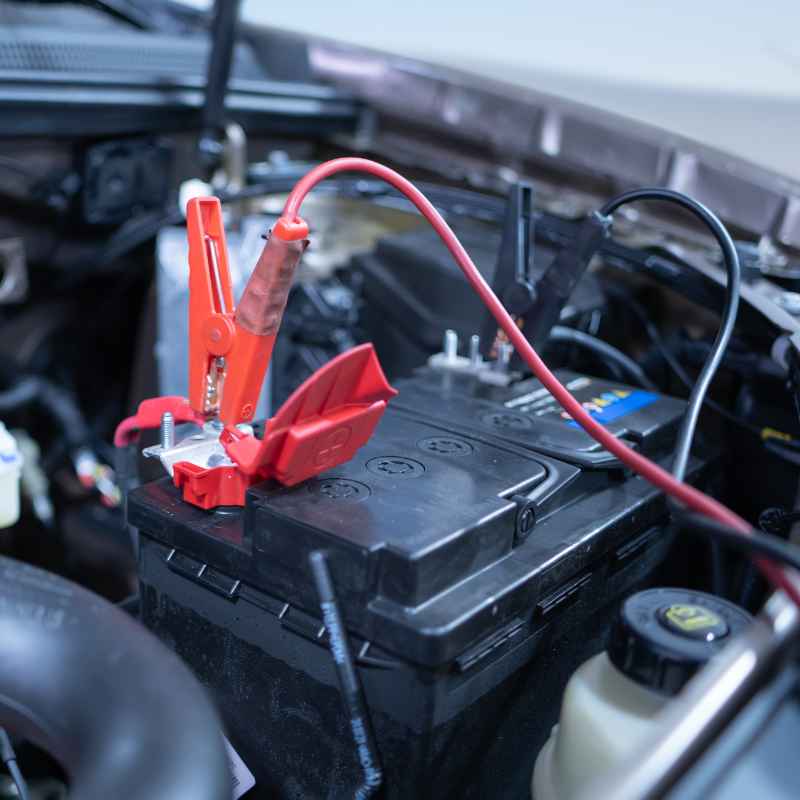
I thought about trying to jump-start it, but I didn’t have jumper cables with me.
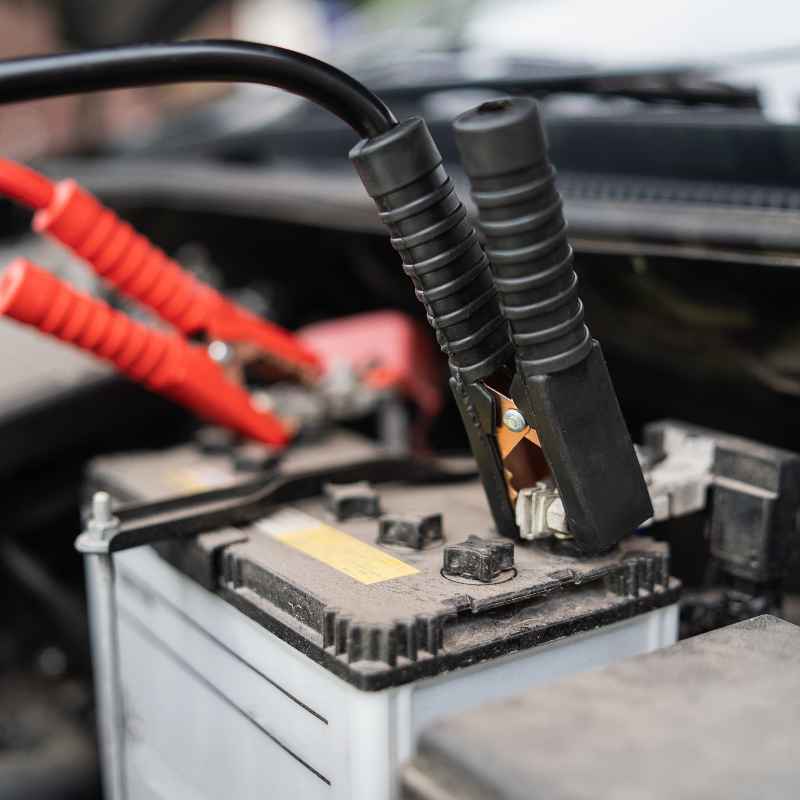
I called my neighbor, hoping for a miracle. He came over with his truck and cables. We hooked them up, and the Malibu coughed to life.
But even after running for a while, it sounded weak. I decided right then and there I needed a new battery, no more delays. I drove straight to the nearest auto parts store.
The service advisor was super helpful. He tested my old battery (it was failing, surprise!) and showed me the options. I opted for a mid-range one with a decent warranty.
The whole process, including installation, took about 30 minutes. I learned a valuable lesson: don’t wait until it’s an emergency to deal with car maintenance!
When Is It Time for a New Chevy Battery?
Car batteries don’t last forever. Most last between 3 to 5 years. However, this can change based on where you live, your driving habits, and the battery’s quality.
Keeping an eye out for warning signs can save you from getting stuck.
Common Warning Signs
- Slow Engine Crank: This is the most common sign. When you turn the key, the engine sounds sluggish. It cranks slower than usual.
- Dim Lights: Headlights, interior lights, or dashboard lights may appear dimmer than normal. This is especially noticeable when the engine is off.
- Corrosion on Terminals: A white or bluish powdery substance on the battery terminals can interfere with the connection.
- Battery Warning Light: A battery-shaped light on your dashboard means there’s an issue with the charging system or the battery itself.
- Swollen Battery Case: If the battery case looks bloated or distorted, it might be damaged by heat or overcharging. This is a serious sign and requires immediate replacement.
- Old Age: If your battery is over 3 years old and you haven’t had it tested recently, it’s wise to get it checked.
Battery Checkup Checklist
Visual Inspection: Look for corrosion, cracks, or swelling.
Light Test: Check if headlights dim when you turn on other accessories.
Engine Crank Test: Listen for slow or hesitant starting.
Professional Test: Most auto parts stores can test your battery for free.
Driving Habits and Battery Life
How you drive your Chevy impacts battery life. Lots of short trips where the engine doesn’t fully recharge the battery can wear it out faster. Frequent use of electronics like radios or phone chargers while the engine is off also strains the battery.
Extreme temperatures are tough on batteries. Hot weather can cause the battery fluid to evaporate. Cold weather can make it harder for the battery to start the engine.
If you live in an area with harsh climates, your battery might not last as long as in a milder region.
Choosing the Right Battery for Your Chevy
Selecting the correct battery is crucial for your Chevrolet’s performance and longevity. It’s not just about picking the cheapest one you find.
Matching Your Chevy’s Needs
Your car’s owner’s manual is your best friend here. It specifies the exact battery group size, terminal type, and cold-cranking amps (CCA) required. CCA is important for starting power, especially in cold weather.
Don’t guess or substitute unless you’re absolutely sure it’s compatible.
For most standard gasoline engines, a good quality lead-acid battery will suffice. If your Chevy has a hybrid system, a start-stop feature, or high-demand electronics, you’ll likely need an AGM battery. These are designed to handle frequent charging and discharging cycles better.
Battery Specifications to Note:
- Group Size: (e.g., 35, 24F, H6) – Ensures physical fit.
- Terminal Type: (e.g., Top Post, Side Post) – For correct cable connection.
- Cold Cranking Amps (CCA): Minimum required for your climate.
- Reserve Capacity (RC): How long the battery can power accessories if the alternator fails.
Where to Buy Your Chevy Battery
Auto Parts Stores: These are often the best balance of price, selection, and service. Brands like AutoZone, Advance Auto Parts, and O’Reilly carry many options. They usually offer free battery testing and installation.
Dealerships: Offer OEM (Original Equipment Manufacturer) batteries. They are often more expensive but guaranteed to be the exact fit and quality specified by Chevy. Good for warranty-covered replacements.
Independent Mechanics: Can source batteries for you, often at competitive prices. They can also install it while performing other maintenance.
Online Retailers: Websites like Amazon or specialized battery sellers can offer good deals. Be mindful of shipping costs and return policies. You’ll likely need to install it yourself or find a local shop.
The Role of the Alternator
It’s important to remember that the battery doesn’t work alone. Your car’s alternator is also key. The alternator recharges the battery while the engine is running.
It also powers your car’s electrical systems. If your alternator is failing, it can drain your battery prematurely.
Symptoms of a bad alternator can overlap with battery problems. These include dimming lights (especially when the engine is at idle), a whining noise from under the hood, or a burning rubber smell. If you’re replacing your battery and the new one dies quickly, have your alternator checked.
Auto parts stores can usually test both your battery and alternator for free.
Alternator vs. Battery: What’s the Difference?
Battery: Stores electrical energy. Powers the car to start and when the engine is off.
Alternator: Generates electrical energy while the engine runs. Recharges the battery.
Understanding Battery Warranties
A battery warranty is a crucial part of the purchase. It’s your protection against a faulty product. Warranties vary significantly, so it pays to understand them.
Free Replacement vs. Prorated
Free Replacement: For a specified period (e.g., 1-3 years), if the battery fails, you get a brand-new one at no extra cost. This is the best type of warranty.
Prorated: After an initial period, you get a credit towards a new battery based on the age of the old one. The longer you’ve had the battery, the less credit you receive.
Always keep your receipt and warranty information. If you have a problem, you’ll need proof of purchase. Some warranties might require you to get the battery tested at an authorized location first.
DIY vs. Professional Installation
Installing a car battery can seem daunting, but it’s often a straightforward process. Many car owners successfully do it themselves.
The DIY Process
First, ensure the engine is off and the car is cool. Wear safety glasses and gloves. Locate the battery, usually under the hood, but sometimes in the trunk or under a seat.
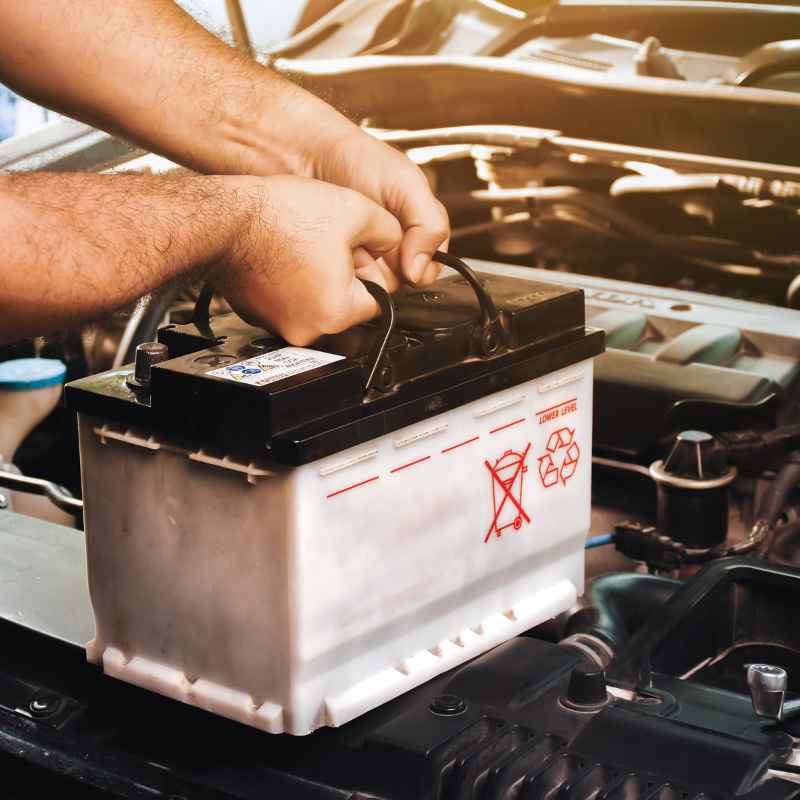
You’ll need a wrench to loosen and remove the negative cable first, then the positive cable. Unhook any hold-down clamps. Lift out the old battery (they are heavy!) and place the new one in.
Connect the positive cable first, then the negative. Tighten the cables and reattach the hold-down clamp. It’s important to dispose of your old battery properly.
Most auto parts stores will take it for recycling.
Tools You Might Need for DIY Installation:
- Wrench set (usually 10mm or 13mm)
- Safety glasses
- Gloves
- Battery terminal cleaner (optional but recommended)
When to Call a Professional
If your car battery is not easily accessible (e.g., deep inside the engine bay, under a seat, or in the trunk), it might be worth paying for professional installation. Some modern cars also have complex battery management systems that require specific procedures for
Environmental Considerations: Battery Recycling
Lead-acid car batteries are classified as hazardous waste. They contain lead and sulfuric acid, which can harm the environment if not disposed of properly. Fortunately, car batteries are also highly recyclable.
Around 99% of the lead from a car battery can be reclaimed and reused.
When you buy a new battery, the retailer will often charge a small core fee. This fee is refunded when you return your old battery. This system encourages proper recycling.
Most auto parts stores, service centers, and even some municipal waste facilities accept old batteries for recycling. It’s a simple way to do your part for the planet.
Recycling Your Old Battery
Return it to the retailer: Most places accept old batteries when you buy a new one.
Local recycling centers: Check with your local government for drop-off locations.
Never: Throw it in the regular trash or pour the acid down the drain.
Tips for Extending Battery Life
You can take steps to help your Chevy’s battery last longer, saving you money and hassle.
- Avoid Frequent Short Trips: Try to combine errands. Long drives allow the alternator to fully recharge the battery.
- Minimize Electronics Use When Engine is Off: Don’t drain the battery by running the radio or lights for extended periods without the engine on.
- Keep Terminals Clean: Regularly check for and clean any corrosion. This ensures a good electrical connection.
- Secure the Battery: Make sure the battery is firmly seated and the hold-down clamp is tight. A loose battery can be damaged by vibrations.
- Test Your Battery Annually: Especially after 2-3 years. Early detection of issues can prevent roadside emergencies.
- Consider a Battery Tender: If your car sits for long periods, a battery tender can maintain a full charge without overcharging.
How Much Is a Chevy Car Battery? FAQs
What is the average lifespan of a Chevy car battery?
On average, a Chevy car battery lasts between 3 to 5 years. However, this can be shorter or longer depending on driving conditions, climate, battery quality, and maintenance.
Can I replace my Chevy car battery myself?
Yes, for most Chevrolet models, replacing the car battery yourself is a manageable DIY task. Ensure you have the right tools and follow safety precautions, like disconnecting the negative cable first.
What is the difference between a standard and an AGM battery for a Chevy?
Standard batteries are traditional lead-acid batteries. AGM (Absorbed Glass Mat) batteries are more advanced, offering better durability, performance in extreme temperatures, and longer life. They are often required for vehicles with start-stop technology or high electrical demands.
How do I know if my Chevy car battery needs replacing?
Warning signs include a slow engine crank, dim lights, corrosion on the terminals, the battery warning light on the dashboard, or a swollen battery case. If your battery is over 3 years old, it’s a good idea to have it tested.
Where is the cheapest place to buy a Chevy car battery?
The cheapest place can vary, but typically large auto parts chains (like AutoZone, Advance Auto Parts) offer competitive pricing and frequent sales. Online retailers might also have deals, but consider installation and shipping costs.
Does a dead battery affect my car’s computer system?
Yes, a completely dead or very low battery can cause your car’s computer to reset. This can lead to the loss of saved settings for radio presets, seats, and even cause the check engine light to come on as the system recalibrates.
Conclusion
Knowing how much a Chevy car battery costs is about understanding the factors involved. From the battery type and brand to warranties and installation, prices can vary. Most owners can expect to spend between $100 and $250 for a replacement.
By paying attention to warning signs, choosing the right battery for your specific Chevy model, and considering proper maintenance and recycling, you can ensure your vehicle stays powered up and reliable.
Related pick: Check today's price on Amazon
Products related to this article
Sponsored / affiliate links. As an Amazon Associate I earn from qualifying purchases. I may earn additional commission from eligible campaigns.