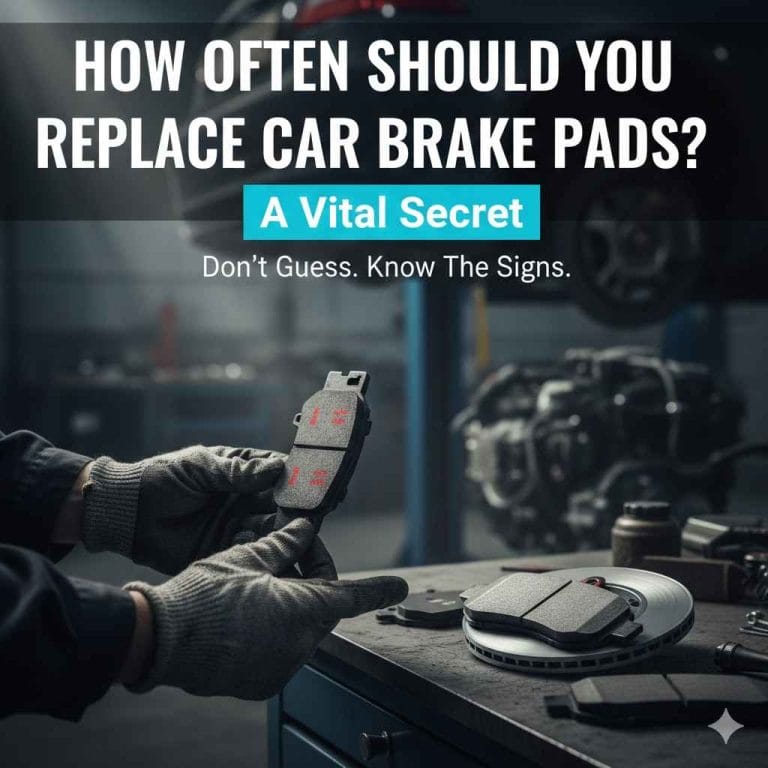
Best Place To Replace Car Brake Pads Near You (& Save Money)
Finding the best auto repair shop for your car’s brake pads involves looking for trusted mechanics, comparing prices, and understanding the signs your brakes need service. Focus on shops with good reviews, clear pricing, and experienced technicians. This guide helps you find a reliable and affordable place to get your brakes replaced.
Understanding Your Car’s Brakes
Your car’s brakes are super important. They help you stop safely. The main parts are brake pads and rotors. When you press the brake pedal, pads squeeze the rotors. This makes your car slow down.
Brake pads are like the shoes on your feet. They wear out over time. This happens with every stop you make. How fast they wear down depends on how you drive. Hard braking wears them out faster.
Normal driving means your pads will last a good while. But they won’t last forever. You need to keep an eye on them. Signs of wear can tell you when it’s time for new ones.
Why Brake Pads Wear Out
Brake pads wear down for several reasons. Driving style is a big one. Frequent, hard stops are tough on pads. If you drive in hilly areas, that also adds wear.
The type of brake pad matters too. Some pads are made for performance. Others are made for everyday driving. Performance pads might wear faster. They are designed to grip better.
Road conditions play a part. Dust and dirt can get into the brakes. This can speed up wear. Salt from winter roads can also be bad for parts.
Signs Your Brake Pads Need Replacing
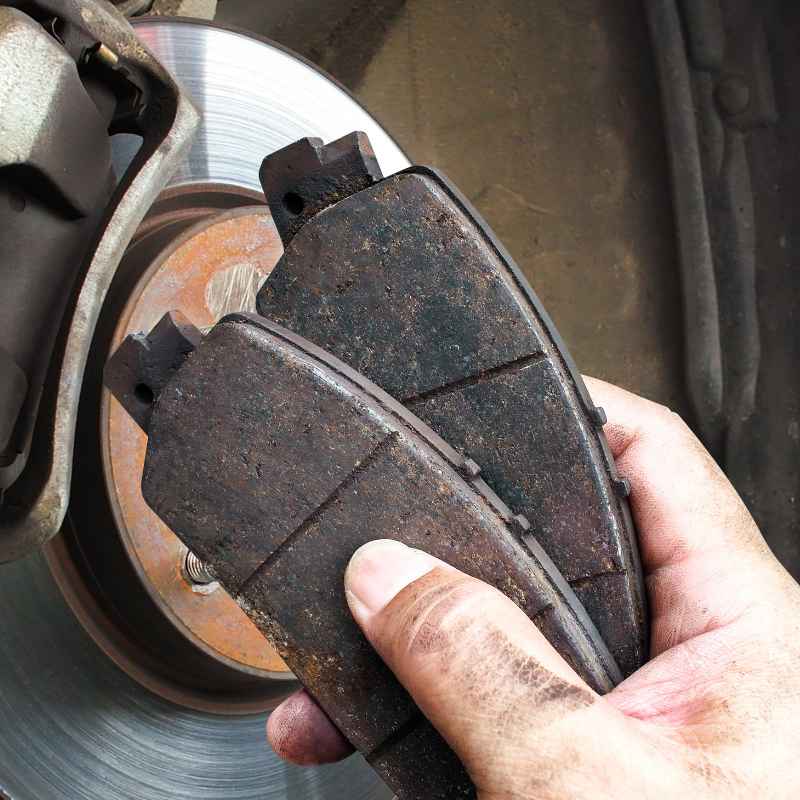
There are clear signs that your brake pads are worn out. One of the most common is a squealing noise. This happens when the pad wears down to a metal indicator. It’s a tiny metal tab that rubs against the rotor.
Another sign is a grinding sound. This is more serious. It means the pad material is gone. The metal backing of the pad is rubbing on the rotor. This can damage the rotors.
Your brake pedal might feel different. It could feel soft or spongy. Or it might go down further than usual. This means less braking power. You might also feel vibrations in the steering wheel when you brake.
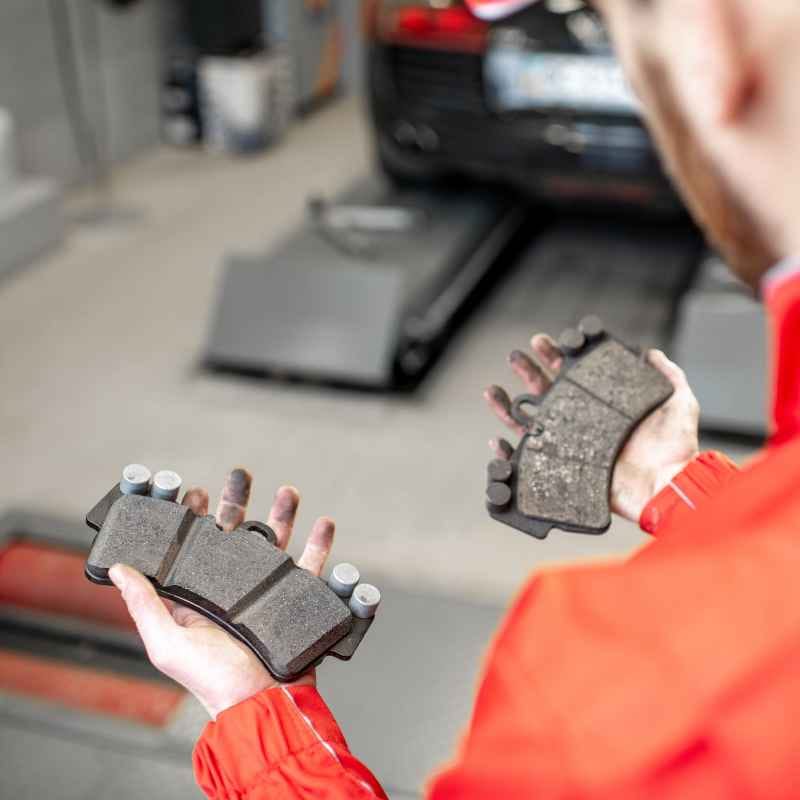
My Own Brake Pad Scare
I remember one time I was driving home from a friend’s house. It was late, and the roads were a bit slick with evening dew. I was cruising along, thinking about my day. Then, I heard it. A faint, high-pitched squeal. It wasn’t constant. It only happened when I touched the brake pedal.
At first, I ignored it. “It’s probably just the rain,” I told myself. But the squeal got louder over the next few days. It started happening more often. I began to feel a bit uneasy. Driving at night, I suddenly felt like my car wasn’t stopping as quickly as it should. My heart started to race. I pictured myself in a dangerous situation.
That night, I pulled over. I looked up “brake noise” on my phone. The results were scary. It confirmed my fear: worn brake pads. I felt a wave of relief that it wasn’t something worse. But then came the worry. Where could I get them fixed fast and right? I needed a place I could trust. The thought of driving with bad brakes made me very anxious.
Brake Pad Wear Indicators: What They Are
Brake pads have built-in indicators. These are small metal tabs. They make a high-pitched noise when the pad is thin.
This noise is a warning. It tells you to check your brakes soon.
Some pads have a different type of indicator. This is a metal tab that touches the rotor. It creates a loud grinding sound.
This means the pad is worn down completely. It’s important to fix this right away.
Finding the Best Auto Shop for Brakes
Okay, so you know you need new brake pads. Now, where do you go? This is where many people get stuck. You want someone good. You want fair prices. You don’t want to be ripped off.
There are a few main options. You have dealerships. You have independent repair shops. And you have chain auto service centers. Each has its pros and cons.
Dealerships are often seen as very trustworthy. They have mechanics trained on your specific car brand. But they can also be the most expensive. If you have a newer car, a dealership might offer specific warranties.
Independent shops can be great. They are often smaller and locally owned. Many owners are very proud of their work. They might offer more personal service. Finding a good one takes research. Ask friends or neighbors for recommendations.
Chain auto service centers are everywhere. They often have competitive pricing. They can be convenient. But quality can vary a lot between locations. Look for reviews specific to the branch you’re considering.
What Makes a “Best” Auto Shop?
A “best” auto shop is more than just the closest one. It’s about trust and quality. You want a place that is honest. They should explain what needs to be done. They should tell you the cost upfront.
Look for certifications. ASE certification is a good sign. It means mechanics have passed tests. It shows they have knowledge. Many shops proudly display these.
Good reviews are crucial. Check online review sites. Look for patterns in feedback. Are people happy with their brake jobs? Do they mention good service?
A shop that offers a warranty on parts and labor is also a good sign. It shows they stand behind their work.
Researching Local Shops
Don’t just pick the first name you see. Take some time to look around.
Start with online searches. Use terms like “auto repair near me” or “brake service .
Read Google reviews. Look at Yelp and other local directories.
Check the Better Business Bureau (BBB). See if there are any complaints.
Ask people you trust. Friends, family, and coworkers can be great sources. They might have a go-to mechanic they love.
Comparing Repair Costs: What to Expect
Brake pad replacement costs vary. It depends on your car. It also depends on the shop you choose.
Generally, you can expect to pay between $150 and $350 per axle. This includes parts and labor.
Some cars need more expensive pads. Luxury cars or performance vehicles might cost more. Always get an estimate before agreeing to work.
Saving Money on Brake Replacement
Saving money on car repairs is a smart move. Brake replacement doesn’t have to break the bank. Here are some ways to keep costs down.
When to Replace All Four Pads
It’s common to replace brake pads in pairs. This means front pads or rear pads. You usually replace the front two together. And the rear two together. It’s less common to replace all four at once.
But, if your front pads are very worn, and your rear pads are also showing significant wear, it might make sense to do them all. This can save you a bit on labor. You’re paying one labor charge instead of two.
However, if your rear pads are almost new, just replace the fronts. Mechanics will often check all four when you come in. They will tell you what needs immediate attention. And what can wait a bit.
Using Coupons and Deals
Many auto shops offer coupons. Look for deals on brake services. Chain shops often have these. Check their websites. Or look in local mailers.
Sometimes, a coupon might be for a percentage off. Other times, it’s a fixed dollar amount. It’s free money, so why not use it?
Considering Different Brands of Pads
Brake pads come in different brands and types. This affects the price.
OEM (Original Equipment Manufacturer) pads are made by the same company that made your car. They are usually the most expensive.
Aftermarket pads are made by other companies. There are many reputable aftermarket brands. Some offer good quality at a lower price.
Your mechanic can tell you about the options. They can explain the difference.
I once saved a good chunk of money. I asked about aftermarket pads for my older sedan. The mechanic showed me two options. One was a premium brand. The other was a more budget-friendly choice. The price difference was significant. He assured me the cheaper ones were still good quality. They lasted me a long time.
The Importance of Rotors
Sometimes, you need more than just new pads. You might also need new rotors. Rotors are the metal discs your pads squeeze. They can get worn down. They can get grooves or cracks.
If your rotors are in bad shape, new pads won’t work well. They also won’t last as long. Mechanics will check your rotors. They will tell you if they need replacing or just resurfacing. Resurfacing shaves off a thin layer. It gives the new pads a fresh surface to grip.
Replacing rotors adds to the cost. But it’s often necessary for safety. Ask if resurfacing is an option for your car. It’s usually cheaper than full replacement.
Rotors vs. Pads: What’s the Difference?
Brake Pads: These are the friction material. They press against the rotor to stop the car. They wear out and need replacing.
Brake Rotors: These are metal discs attached to the wheel hub. The brake pads clamp onto them. They can wear down or get damaged over time.
Resurfacing: This is like sanding down the rotor. It removes minor damage. It creates a smooth surface for new pads.
When to Worry: Red Flags at the Shop
You want to feel confident about your mechanic. But sometimes, a shop might give you pause. Trust your gut feeling. Here are some red flags to watch for.
High-Pressure Sales Tactics
No one likes to feel pressured. If a mechanic insists you need every single service right away, be wary. Especially if it’s for things that don’t have obvious symptoms. “You need this flush, this treatment, and these filters, all today!” sounds like a sales pitch.
Good mechanics explain things. They show you why something needs doing. They let you decide. They don’t scare you into buying.
Vague Explanations or No Written Estimates
“It’s just not running right.” “We found a bunch of issues.” If you get vague answers, ask for more details. What specific issues? What parts are involved?
Always ask for a written estimate. It should list the parts needed. It should list the labor cost. It should have a total price. This protects both you and the shop.
Lack of Cleanliness or Organization
A messy shop doesn’t always mean bad work. But a totally chaotic one can be a sign. Is the waiting area clean? Are the tools organized? Does the mechanic’s stall look like a disaster zone?
This isn’t a strict rule. Some great mechanics are a bit messy. But it can be an indicator of overall attention to detail.
Refusal to Show You Old Parts
You paid for new parts. You have a right to see the old ones. If a shop refuses to show you the parts they replaced, that’s a major red flag. A good shop will often put the old parts in a bag for you. They might even explain why they were worn out.
The DIY Approach (For the Brave!)
Some people like to try fixing their own cars. Replacing brake pads can be a DIY job. But it’s not for everyone. It requires tools. It requires some mechanical skill. And it’s critical for safety. If you make a mistake, it could be dangerous.
Tools You’ll Need
If you’re thinking about DIY, here’s a basic list of tools.
You’ll need a good jack and jack stands. Never work under a car supported only by a jack.
You’ll need a socket set and wrenches.
You’ll need C-clamps or a brake caliper press. This is to push the piston back into the caliper.
You might need a wire brush. This is for cleaning parts.
You’ll need safety glasses and gloves.
Steps Involved (Simplified)
First, park on a level surface. Loosen the lug nuts on the wheel. Then, jack up the car. Place jack stands securely. Remove the lug nuts and the wheel.
Locate the brake caliper. Remove the bolts holding it in place. Carefully swing the caliper up or remove it. Slide out the old brake pads.
Clean the caliper bracket. Then, use the C-clamp or press to push the piston back. Slide in the new brake pads. Reassemble the caliper.
Put the wheel back on. Tighten the lug nuts by hand. Lower the car. Then, tighten the lug nuts fully with a wrench.
Before driving, pump the brake pedal several times. This sets the new pads. Test drive slowly at first.
If you’re not comfortable with any of these steps, stop. It’s better to pay a professional than to risk your safety.
DIY Brake Pad Replacement: Key Considerations
Safety First: Always use jack stands. Never rely on the jack alone.
Right Tools: Ensure you have the correct tools. A C-clamp or caliper press is essential.
Learning Curve: Watch detailed videos. Read guides specific to your car model.
When to Stop: If something feels wrong or confusing, seek professional help. It’s worth the cost.
Choosing the Right Brake Pads
Not all brake pads are created equal. The type you choose can affect performance, noise, and price.
Ceramic vs. Semi-Metallic Pads
There are two main types of brake pads. Ceramic and semi-metallic.
Ceramic pads are known for being quiet. They produce less dust. They tend to last longer. They are good for everyday driving. They can be a bit more expensive.
Semi-metallic pads offer excellent stopping power. They perform well in a wide range of temperatures. They are often more affordable. However, they can be noisier. They also produce more dust. This dust can stick to your wheels.
For most people, ceramic pads are a great choice. They offer a good balance of performance, quietness, and longevity.
Performance vs. Standard Pads
If you drive your car hard, you might consider performance pads. These are made for extreme conditions. They offer superior grip. But they can wear out faster. They might also be noisier. And they can be quite expensive.
Standard pads are designed for typical driving. They are reliable. They offer good performance for daily commutes. They are usually the most cost-effective.
What to Ask Your Mechanic
Don’t be afraid to ask questions. A good mechanic will welcome them. It shows you’re informed. It helps you understand the work being done.
Key Questions to Ask
“What is the total cost for replacing the front brake pads?”
“What brand of brake pads will you be using?”
“Are these ceramic or semi-metallic?”
“What is the warranty on the parts and labor?”
“Do my rotors need to be replaced or can they be resurfaced?”
“Can you show me the old parts when you’re done?”
“How long should these new pads typically last?”
Quick Checks for Brake Pad Life
Visual Inspection: Look through the wheel spokes. Can you see the pad material? Is it thin?
Listen Carefully: Pay attention to new noises when braking.
Feel the Pedal: Does the brake pedal feel different? Spongy or mushy?
Dashboard Lights: Some cars have a brake warning light. If it comes on, check it immediately.
My Experience with a “Too Good to Be True” Deal
I remember seeing a flyer in my mailbox. “Brake Special! All Four Pads Replaced for $199!” This sounded amazing. My car was due for brakes. I called the shop. The person on the phone was friendly. They said the deal was real.
I drove over. The waiting room was basic. The mechanic came out. He looked at my car. Then he came back with a long list of other things my car “needed.” It was far more than just brakes. He said the $199 was just for the pads. Everything else was extra. The rotors needed work. The brake fluid needed changing. There were hoses that looked “worn.”
Suddenly, the $199 deal felt like a trap. I politely declined. I thanked him for his time. I left feeling a bit foolish. But also relieved that I hadn’t agreed. I went back to asking friends for recommendations. I found a small, local shop. The owner was honest. He explained exactly what was needed. The price was fair. It was worth paying a bit more for peace of mind.
When to Get Your Brakes Checked Regularly
Regular checks are part of good car maintenance. You don’t want to wait until you hear a loud noise. Most mechanics recommend checking brakes during your routine oil changes. It takes only a few minutes.
During Oil Changes
Your mechanic can quickly glance at your brake pads. They can see the thickness. They can check the rotors for obvious damage. They can also check the brake fluid level. This simple check can save you a lot of trouble. It helps catch problems early.
Tire Rotations
When you get your tires rotated, the technician removes the wheels. This is another great time to look at the brakes. They might have a clearer view. They can spot issues you might not see.
The Future of Brake Technology
Brake technology is always improving. New materials are being developed. Some cars now have electronic parking brakes. These are different from traditional ones.
Regenerative braking is becoming more common in electric cars. When you lift your foot off the accelerator, the car slows down. It uses the motor to slow the car. This process also recharges the battery. This can reduce wear on traditional friction brakes.
Conclusion: Drive Safely
Your car’s brakes are your first line of defense. Keeping them in good shape is essential. Don’t put off brake work. Listen to your car. Pay attention to warning signs.
Finding the best place to
Frequently Asked Questions
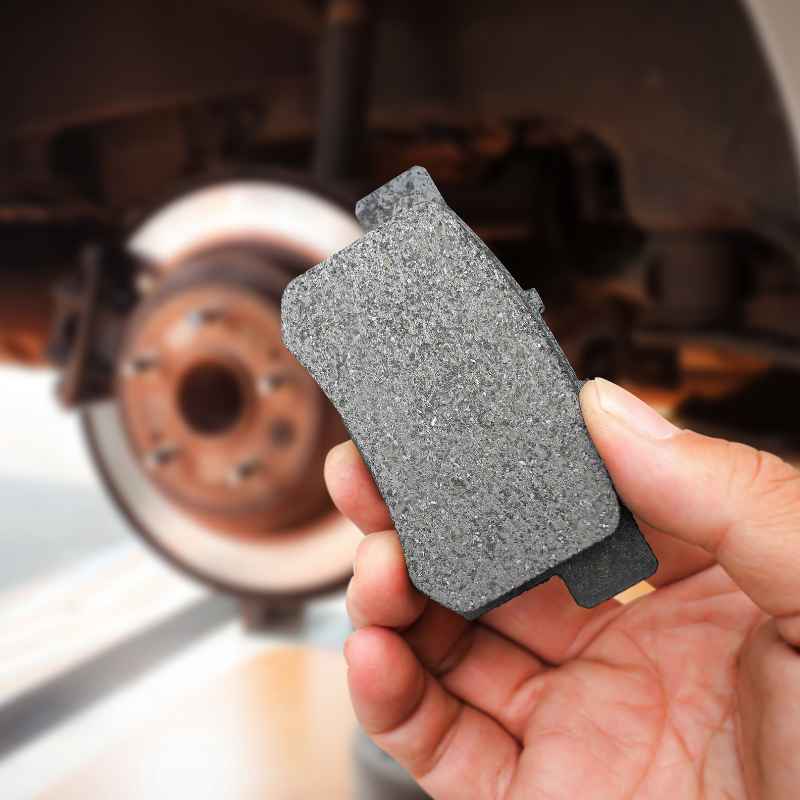
How often should I replace my car’s brake pads?
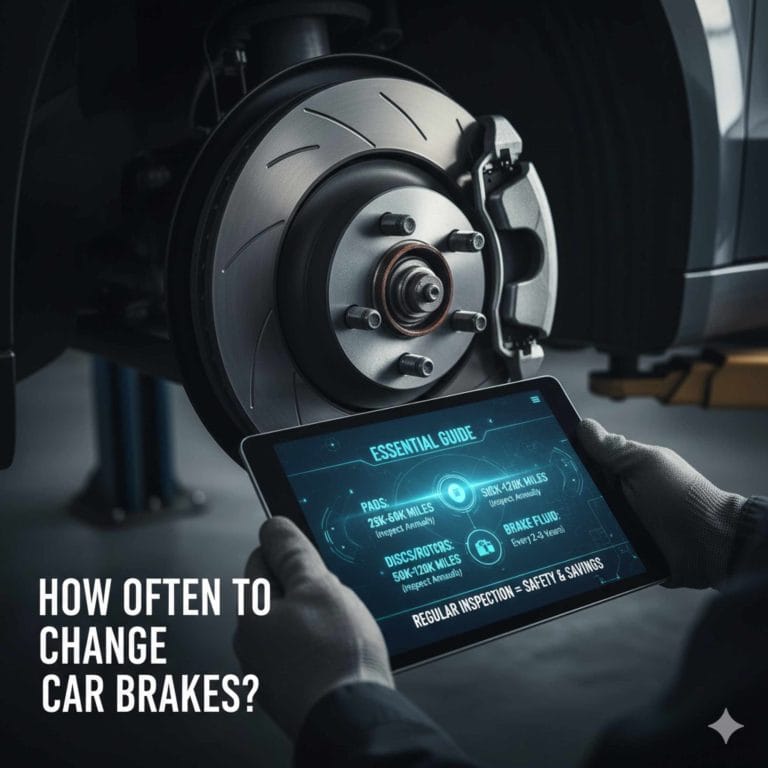
Brake pads typically last between 30,000 and 70,000 miles. This varies greatly based on driving habits, the type of pads, and driving conditions. It’s best to have them inspected regularly, usually during oil changes, to determine their actual wear.
Can I just
Yes, often you can. If your rotors are still thick and have no significant damage like deep grooves or cracks, simply replacing the pads is sufficient. However, a mechanic will inspect the rotors and recommend replacement or resurfacing if they are worn or damaged.
What is the difference between brake pad replacement and a brake job?
Brake pad replacement specifically refers to changing out the worn brake pads. A “brake job” is a more general term that can include replacing pads, rotors, calipers, brake lines, or flushing the brake fluid. It typically refers to any service addressing the braking system.
Is it safe to drive with squealing brakes?
Squealing brakes usually indicate that the brake pads are worn down to their wear indicators. While it might not be an immediate emergency, it’s a strong warning sign. Driving with very thin pads reduces braking effectiveness and can quickly damage your rotors, leading to more expensive repairs.
How long does it take to replace car brake pads?
Replacing brake pads on one axle (either front or rear) usually takes about 1 to 2 hours. If you’re doing both the front and rear pads, it could take 2 to 3 hours. This timeframe includes inspection and reassembly.
Why do my new brake pads squeak?
New brake pads can sometimes squeak during the break-in period. This is normal as they “bed in” with the rotors. However, persistent or loud squeaking after the break-in period might indicate an issue with the pad installation, the pad material itself, or a problem with the rotors.
What does it mean if my brake pedal feels soft or goes to the floor?
A soft or low-traveling brake pedal often indicates air in the brake lines or a leak in the hydraulic system. This is a serious safety concern. You should have your brakes inspected by a professional immediately.
It could also mean worn brake pads or rotors, but the pedal feel suggests a hydraulic issue.
See also how to change car brake pads yourself step-by-step . See also what to do when car brakes lock up act fast.
Products related to this article
Sponsored / affiliate links. As an Amazon Associate I earn from qualifying purchases. I may earn additional commission from eligible campaigns.