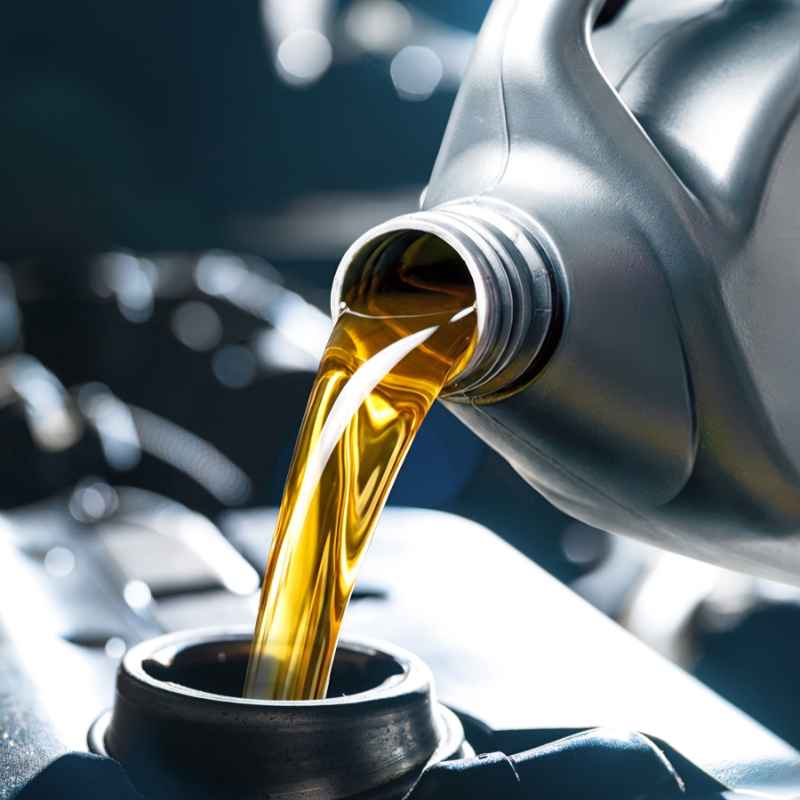
What Can Used Motor Oil Be Used For? Surprising Answers
Understanding Used Motor Oil
Used motor oil is the fluid that has been in an internal combustion engine. It’s the lifeblood of your car’s engine. It keeps things moving smoothly.
Over time, though, this oil picks up bits and pieces from inside the engine. These include metal shavings, soot, and other tiny particles. It also gets broken down by heat and pressure.
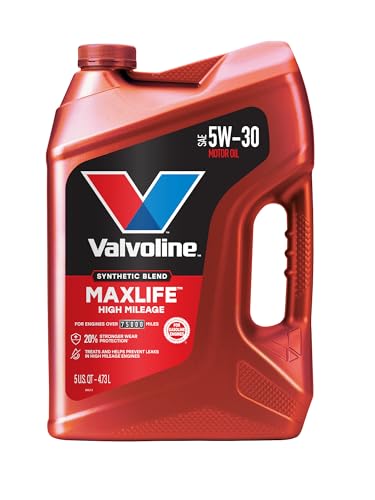
Valvoline
Valvoline MaxLife High Mileage 5W-30 Synthetic Blend…
- Formulated for engines with 75,000 miles or more, Valvoline MaxLife High Mileage synthetic blend is formulated with seal condition…
- Delivers 20% better wear protection and 15% better sludge defense than industry standards to help prevent engine breakdown
- Extra detergents safeguard against friction, corrosion and deposits to keep high-mileage engines clean
As an Amazon Associate I earn from qualifying purchases.
This changes its properties. Because of these contaminants, used motor oil is different from new oil. It’s not safe to just pour it out anywhere.
It can harm the environment. This is especially true for water sources and soil.
Think of it like the water you use to wash dishes. The first time, it’s clear. After you’ve scrubbed grease and food off plates, it’s dirty.
Used motor oil is like that, but inside a very complex machine. It has been working hard to protect your engine. This hard work means it needs to be handled with care afterward.
Modern engines are very precise. The oil must do many jobs. It lubricates moving parts.
This stops them from rubbing together too hard. It also cools the engine. It keeps the temperature down.
And it cleans the engine. It carries away debris.
The composition of used motor oil is key to understanding its potential uses. It’s mainly base oil. This is the original lubricant.
But it also contains additives. These additives help the oil perform its functions. They also contain contaminants.
These contaminants come from the combustion process. They also come from wear and tear inside the engine. Some of these contaminants can be harmful if released into the environment.
This is why responsible disposal or reuse is so important. It’s not just about ‘what can it be used for,’ but also ‘how can it be used safely.’
So, before we jump into potential uses, it’s vital to grasp this. Used motor oil is not just dirt. It’s a complex mixture.
It has value if handled correctly. But it also poses risks. Understanding its nature is the first step.
It helps us make good choices. It leads to responsible use. Or, it leads to proper disposal.
This knowledge empowers us. It allows us to make informed decisions. Decisions that benefit us and the planet.
The Struggle: What To Do With That Oily Jug?
A Common Frustration
I remember the first time I changed my own oil. I felt so proud. It was a Saturday morning.
Sunshine was streaming into the garage. I had all the tools. I had the new oil and filter.
The old oil drained into a big plastic jug. It looked like black syrup. After I was done, I had a full jug of this stuff.
My first thought was, “Great, now what?” I didn’t want to just dump it. I knew that was wrong. But the recycling center seemed so far away.
And honestly, I wasn’t sure if they even took it. It felt like a chore I hadn’t fully thought through. That oily jug sat in my garage for weeks.
It was a constant reminder of my incomplete task. It felt like a small, annoying problem I’d created for myself. I felt a mix of accomplishment and mild panic.
What was the right thing to do? I just wanted it gone, but not in a bad way. This is a feeling many DIY car owners share.
This feeling is totally normal. You’ve just accomplished something practical. You’ve saved a bit of money.
You’ve learned a new skill. Then you’re left with this byproduct. It’s heavy.
It’s messy. And it’s full of questions. The easy way out would be to pour it into the trash or down a drain.
But deep down, you know that’s not right. You’ve probably heard that oil is bad for the environment. It pollutes water.
It can harm plants and animals. So, you want to do better. But the “better” option isn’t always clear.
It can seem complicated. Or it might feel like a lot of effort.
Many people worry about making a mistake. They don’t want to accidentally cause harm. Or they might be unsure if their local rules allow certain disposal methods.
This uncertainty can lead to procrastination. The oily jug sits there. It’s a small, physical representation of an unresolved issue.
It’s a source of low-level stress. You might feel a bit guilty every time you see it. You know you should do something.
But what? And how? This is where a bit of clear information can really help.
The good news is, there are many responsible ways to handle used motor oil. And beyond just disposal, there are even ways to give it a new life. These uses can be surprisingly practical.
They can also be beneficial. But they all start with understanding what you’re dealing with. And knowing the safe and responsible options available to you.
It’s about turning that oily jug from a problem into a resource, or at least a properly managed waste.
Safe and Responsible Reuse Options
Used motor oil can be safely reused for specific purposes when properly handled. This includes burning it as fuel in specially designed heaters, using it as a wood preservative, or in some industrial applications like road surfacing, provided it meets strict environmental regulations. Recycling is the most common and recommended method for managing used oil.
When we talk about what used motor oil can be used for, the most responsible and common answer is recycling. Many facilities are set up to collect used motor oil. They then process it.
This processing can clean it up. It can then be re-refined. This means it’s turned back into new lubricating oil.
This is a huge win for the environment. It saves resources. It also reduces the need to drill for more oil.
It’s a closed-loop system.
Beyond recycling, there are other ways used oil can find a second life. One common application is as a fuel source. However, this isn’t like just pouring it into your furnace.
You need special equipment. These are called used oil-fired furnaces or heaters. Many industrial settings use these.
They are designed to burn the oil cleanly and safely. They capture the heat generated. This heat can be used for workshops or buildings.
These heaters must meet strict emission standards. So, it’s not a DIY solution for your home heating system. It requires specific, approved equipment.
Another practical use, though less common now due to regulations, is as a wood preservative. The oil can soak into wood. It helps protect it from rot and insects.
This was often used on fence posts or utility poles. However, many environmental agencies have strict rules about this. This is because the oil can leach into the soil over time.
You need to be very sure this is allowed and done safely if you consider it. It’s crucial not to use it on wood that will be near food or water sources.
In some industrial contexts, used motor oil can be blended into asphalt. This helps bind the road materials. It can also help with waterproofing.
Again, this happens under strict control. It’s not something you’d do yourself. The oil is processed first.
It must meet specific standards. This ensures it doesn’t harm the environment when used in construction.
It’s important to stress that these are specific, often industrial, uses. For the average person, the primary responsible action is to take it to a certified collection point. Many auto parts stores, service centers, and local waste management facilities accept used motor oil.
They have the systems in place for safe collection and transport. This ensures it gets to a re-refiner or a facility that can use it appropriately. Always check local regulations.
They will tell you the best way to handle it in your area.
What You Should NEVER Do With Used Motor Oil
Danger Zone: What Not To Do
I saw someone once try to use used motor oil to lubricate a rusty gate hinge. They just poured a little bit on. It seemed like a good idea at the time.
But then it dripped. It dripped onto the driveway. It created a dark, oily stain that wouldn’t go away.
A few days later, it rained. The oil washed further. It ended up near a storm drain.
I remember feeling a pang of worry. Was that oil going to end up in the local creek? It’s a small thing, but it highlights a big problem.
People sometimes use it for things they shouldn’t. They think it’s just “dirty oil.” They don’t realize the potential harm. It’s easy to make a mistake if you don’t know the risks.
This is why clear warnings are so important.
The absolute worst thing you can do is pour used motor oil down a storm drain or into a sewer. These systems are often not equipped to handle oil. They typically lead directly to rivers, lakes, or oceans.
A single quart of oil can contaminate a massive amount of water. It forms a slick on the surface. This prevents oxygen from reaching aquatic life.
Fish, insects, and plants can die. It’s a major source of water pollution.
Burning used motor oil in an open fire or a regular stove is also a terrible idea. It releases toxic fumes. These fumes can be harmful to breathe.
They can also contain heavy metals. These metals can settle into the soil. They can make the soil toxic for plants.
Regular home furnaces and fireplaces are not designed to handle the complex mixture of contaminants found in used oil. They cannot burn it safely or efficiently.
Dumping it on the ground is another big no-no. Oil soaks into the soil. It can kill plants and grass.
It can seep into groundwater. This contaminates the water supply. It’s very hard to clean up soil that has been contaminated with oil.
It can make the area unusable for a long time. This is why you see many warnings about oil spills. They are environmental disasters.
Using it to control dust on unpaved roads is also frowned upon. While it might seem like a practical solution to keep dust down, the oil eventually breaks down. It can wash into streams.
It can harm soil organisms. Many environmental agencies have banned this practice. It’s seen as a way to spread pollution.
Putting it in your regular household trash is also problematic. Most landfills are not designed to contain liquids like oil. It can leak out.
It can contaminate groundwater. Some waste management services may even refuse your trash if they suspect it contains motor oil. Always check with your local waste authority if you are unsure.
The core principle here is simple: used motor oil is a hazardous waste. It needs to be treated as such. It requires special handling.
It should never be released into the environment. Doing so can cause lasting damage. It can lead to fines.
Most importantly, it harms the planet we all share. Always opt for recycling or approved collection points.
DIY Projects: Uses for Small Amounts of Used Motor Oil
The Small Jug Problem
Sometimes, you only change the oil on smaller engines. Think of a lawnmower or a small generator. You end up with maybe half a quart of used oil.
It’s not enough to take to a recycling center easily. You feel like you’re holding onto a tiny bit of oily waste. What can you do with such a small amount?
I once used a tiny bit to coat some old metal tools I had in a shed. They were starting to rust. I spread a thin layer with a rag.
It seemed to stop the rust from getting worse. It also gave them a bit of a shine. It wasn’t perfect, but it felt like a better use than just throwing it away in a sealed container.
It’s about finding small, safe ways to use up those leftover bits.
For those small amounts of used motor oil, like from a lawnmower, there are a few limited DIY uses. However, it’s crucial to remember the rules: no pouring, no burning, and no dumping. Always use a rag or a brush.
Apply it thinly. And ensure it won’t leach into the environment. The best approach is to minimize waste in the first place by using oil drain pans that collect every drop.
One common DIY use is for lubricating outdoor, non-critical metal parts. Think of an old, rusty chain on a swing set. Or perhaps a garden gate hinge that squeaks.
Apply a small amount with a rag or a brush. It can help reduce friction. It can also offer some temporary rust protection.
However, be mindful of where it drips. If it’s going to hit soil or water, it’s not a good idea. This is best for metal items that are unlikely to interact with the environment directly.
Another use is for treating wooden tool handles. If you have wooden handles on shovels, rakes, or axes, a thin coat of used motor oil can help protect the wood. It can make it more resistant to water damage and splitting.
Apply it with a rag. Let it soak in. Wipe off any excess.
This can extend the life of your tools. It keeps them from drying out and cracking.
Some people use a very small amount to protect metal parts during winter storage. For example, if you’re storing a classic car or a motorcycle through the winter, a thin film of oil on unpainted metal components can help prevent rust. This would be on parts that are not actively being used or are in a controlled environment like a garage.
Again, apply it thinly and evenly.
It’s also sometimes used as a component in homemade tar or sealants for very specific outdoor applications. For example, some folks might use a small amount mixed with sawdust or other materials to patch holes in rough outdoor structures like sheds or certain types of fences. The oil acts as a binder and waterproofer.
However, this requires careful mixing. And it must be applied in a way that prevents runoff.
It’s vital to reiterate that these are for small quantities. Large amounts should always go to recycling. And even with small amounts, you must be extremely careful.
The goal is to prevent the oil from ever reaching soil, water, or becoming airborne. If there’s any doubt, it’s always safer to store the small amount. Combine it with future oil changes until you have enough for a proper drop-off.
Or use a dedicated oil recycling container.
Understanding the Regulations and Environmental Impact
Rules of the Road (and Oil)
I learned about oil disposal rules the hard way. Years ago, I thought putting a sealed quart of oil in my regular trash was fine. The trash collector left a note.
It said oil is hazardous waste. It cannot go in regular trash. I had to go fish it out of the bin.
It was a bit embarrassing. But it taught me a valuable lesson. There are rules for a reason.
They protect our water and land. The Environmental Protection Agency (EPA) has guidelines. Many states and local governments have their own rules too.
It’s important to know them. This prevents harm and avoids fines. They want to make sure that what used motor oil can be used for is done safely and legally.
The U.S. Environmental Protection Agency (EPA) classifies used motor oil as a hazardous waste. This means it’s subject to strict regulations.
The main goal of these regulations is to prevent pollution. They aim to protect human health and the environment. The EPA’s rules focus on collection, recycling, and proper disposal.
They don’t encourage or condone most DIY uses that could lead to environmental contamination.
One of the most significant environmental impacts of improper disposal is water pollution. As mentioned, oil forms a slick on water surfaces. This slick can prevent essential gases from dissolving into the water.
This is vital for aquatic life. Fish, amphibians, and insects need oxygen. A lack of dissolved oxygen can lead to fish kills.
It can disrupt entire ecosystems. Even small amounts can have a large effect.
Soil contamination is another major concern. When oil seeps into the ground, it can remain there for years. It can kill soil microorganisms.
These are tiny creatures that help plants grow. It can also make the soil toxic. This means plants can’t grow there.
It can also contaminate groundwater. Groundwater is a major source of drinking water for many communities. If the groundwater is contaminated, it’s very expensive and difficult to clean.
The EPA has programs to encourage the recycling of used motor oil. Many states have laws that require service stations and businesses that change oil to accept used oil from the public. They often provide collection containers.
These are then picked up by specialized recyclers. These recyclers can re-refine the oil. This means they clean it up.
They remove contaminants. They can turn it back into new lubricating oil. This process uses much less energy than creating new oil from crude.
It also conserves natural resources.
Some states also have “used oil burner” regulations. These allow certain businesses to burn used oil in approved furnaces. These furnaces must meet strict emission standards.
They need to control the release of pollutants. This is regulated to ensure the burning process doesn’t create new environmental problems. It’s a controlled burn for energy recovery.
For individuals, the most important takeaway is to follow local guidelines. Your local waste management authority is the best source of information. They will tell you where you can take your used motor oil.
They will also tell you if there are any specific local rules. Understanding and adhering to these regulations is a crucial part of responsible waste management. It ensures that while we find uses for used motor oil, we do so without harming the world around us.
What This Means for Your Garage
Making It Easy
For me, knowing the best practices has made managing used oil much less of a hassle. I keep a dedicated, sealed container in my garage. It’s specifically for used motor oil.
When I do an oil change, I drain the old oil directly into it. I make sure the container is labeled clearly. I don’t overfill it.
When it’s full, I know exactly where to take it. It’s usually a local auto parts store. They have a big barrel outside.
I just pour it in. It takes maybe five minutes. This simple routine means I’m not stressing about that oily jug anymore.
It feels good to know I’m doing it right. It’s a small win for my garage and the planet.
For your garage, this means a few simple actions. First, always buy your oil in a container that makes sense for your needs. If you only have one car and change it once a year, a smaller amount might be best.
Or, plan ahead for storage. Keep a suitable container ready for used oil.
A good container is one that seals tightly. It should be made of sturdy plastic or metal. Never use containers that previously held chemicals like bleach or solvents.
Those residues can contaminate the oil. And they can react dangerously. Label it clearly: “Used Motor Oil.” This prevents mix-ups.
Store it upright in a safe place. A corner of the garage or a shed is usually fine. Keep it away from heat sources and open flames.
When it’s time to change your oil, use a good quality drain pan. This minimizes spills. Make sure you have enough room to pour the old oil into your storage container.
Don’t rush the process. Take your time to avoid messy drips. Once your storage container is full, don’t just leave it there.
Make it a priority to take it to a collection point. Many auto parts stores offer this service for free.
Some local governments also have household hazardous waste drop-off days. These are excellent opportunities to get rid of used oil, old paint, and other difficult-to-dispose-of items. Check your city or county’s waste management website for dates and locations.
Understanding what used motor oil can be used for is great. But for most people, the most practical and responsible use is recycling. Knowing the rules means you’re not just doing the right thing; you’re also avoiding potential legal issues.
It’s about being a responsible car owner. It’s about caring for your environment. It’s a small part of a larger effort to reduce waste.
And it makes your garage a cleaner, safer place.
Quick Fixes and Tips
Tips for the Oily Bits
- Keep it Separate: Use a dedicated, sealed container for used oil.
- Label Clearly: Always label your container “Used Motor Oil.”
- Store Safely: Keep the container upright in a cool, dry place away from heat.
- Don’t Mix: Never mix used oil with other fluids, chemicals, or water.
- Find a Drop-off: Locate your nearest oil recycling center or auto parts store that accepts used oil.
- Small Amounts Matter: Even small amounts should be recycled. Combine them until you have enough for a trip.
- Check Local Rules: Always confirm your local disposal regulations.
The best “fix” for used motor oil is proactive management. The tips above are designed to make this easy and safe. Think of them as preventative measures.
They stop problems before they start. They ensure that you know exactly what to do with that oily mess.
When you consider what used motor oil can be used for, remember that safety and environmental responsibility come first. Recycling is the gold standard. It’s the most effective way to handle it.
It ensures that the oil is processed properly. It can then be made into new products without harming the planet.
If you’re ever unsure about a specific use or disposal method, err on the side of caution. It’s always better to take a little extra time. It’s better to find a certified recycling center.
It’s better to consult your local waste authority. This ensures you’re doing the absolute best thing for both your property and the environment. Small efforts add up.
They make a big difference in the long run.
Frequently Asked Questions About Used Motor Oil Uses
Can I pour used motor oil on my dirt driveway to keep dust down?
No, this is strongly discouraged by environmental agencies. While it might seem like a quick fix for dust, used motor oil can leach into the soil and contaminate groundwater. It can also harm soil organisms and pose risks when it washes into storm drains.
Is it safe to burn used motor oil in my backyard fire pit?
Absolutely not. Burning used motor oil in an open fire releases harmful pollutants and heavy metals into the air. These can be toxic when inhaled and can also settle into the environment.
Only specially designed and regulated oil-fired furnaces should be used, and this is typically for industrial or commercial settings.
What is the best way to store used motor oil before taking it for recycling?
Store used motor oil in a clean, leak-proof container with a tight-fitting lid. Plastic containers previously used for other chemicals can react or become brittle. A dedicated oil jug or a sturdy plastic container labeled “Used Motor Oil” is ideal.
Keep it upright in a cool, dry place away from heat sources.
Can I mix used motor oil with paint or other sealants for DIY projects?
While some very specific industrial applications might blend oil into sealants, it’s generally not recommended for DIY projects at home. The risk of environmental contamination is high. Used oil contains contaminants that can be harmful if released into the environment.
Stick to approved recycling methods for used motor oil.
Where can I find a place to recycle my used motor oil?
Many auto parts stores (like AutoZone, O’Reilly Auto Parts, Advance Auto Parts), quick lube shops, and local municipal recycling centers accept used motor oil from the public. It’s best to call ahead or check their website to confirm their specific policies and hours.
How much used motor oil can contaminate how much water?
A single quart of used motor oil can contaminate up to 2 million gallons of fresh water. This is because oil forms a slick that spreads thinly over the water’s surface, preventing oxygen exchange and harming aquatic life over a vast area.
Conclusion: A Responsible Choice for Used Oil
So, what can used motor oil be used for? While some specialized applications exist, for most people, the answer is clear: recycling. It’s the most responsible and environmentally sound choice.
By taking your used oil to a proper collection point, you help conserve resources. You prevent pollution. And you ensure that this common waste product is handled safely.
It’s a simple step that makes a big difference. Be smart about your oil!
Related pick: Check today's price on Amazon
Products related to this article
Sponsored / affiliate links. As an Amazon Associate I earn from qualifying purchases. I may earn additional commission from eligible campaigns.