Can Car Brakes Make Noise While Driving? Causes & Fixes
It’s a sound that can stop you in your tracks, or at least make you tense up. That sudden screech, grind, or squeal coming from your car’s brakes when you’re just trying to get somewhere can be really unsettling. You’re driving along, minding your own business, and then… there it is.
That noise. It feels like your car is screaming for attention. You start to wonder, “What’s going on?” Is it serious?
Can I keep driving? This kind of brake noise is super common, and honestly, it’s usually a sign that something needs a look. But knowing exactly what that something is can feel like a mystery.
Let’s break it down and figure out what’s really happening when your brakes make noise. We’ll go through the usual suspects, why they cause noise, and what you can do about it, all in plain language.
Car brakes can make noise while driving due to several reasons including worn brake pads, warped rotors, debris trapped in the braking system, or issues with the brake hardware. Often, a high-pitched squeal signals worn pads, while a grinding sound might mean metal-on-metal contact, indicating immediate need for service.
Understanding What Makes Brakes Noisy
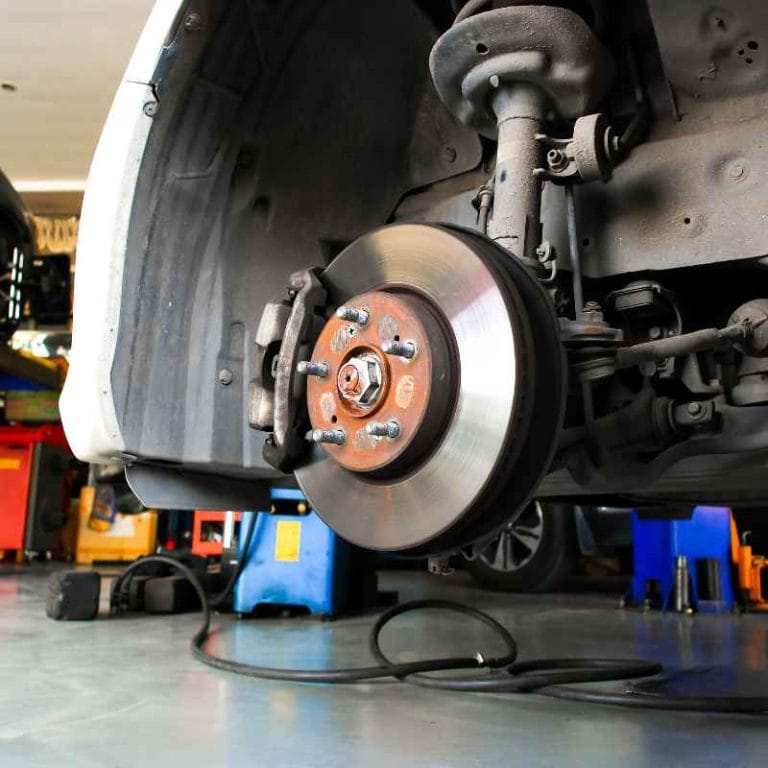
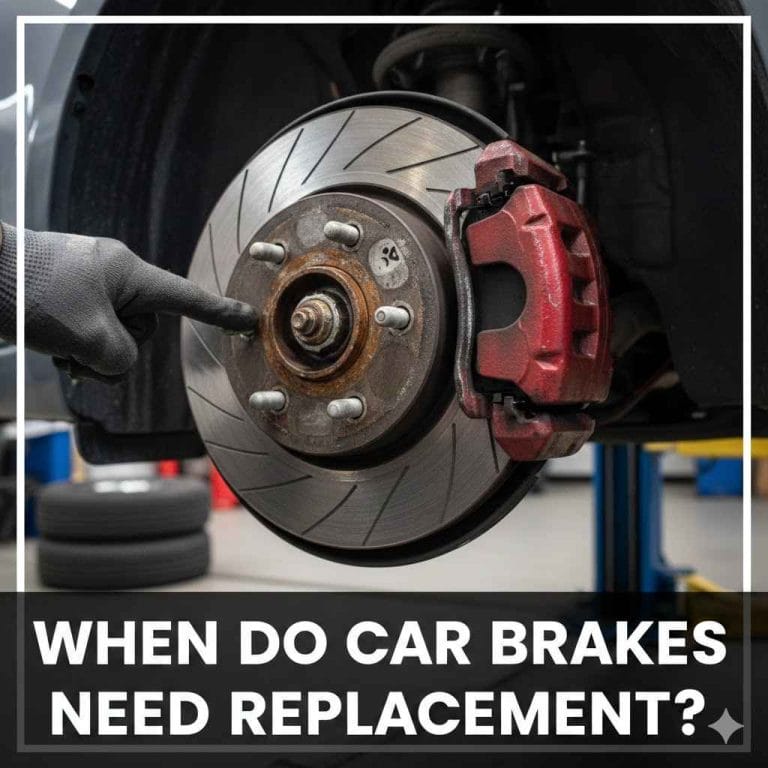
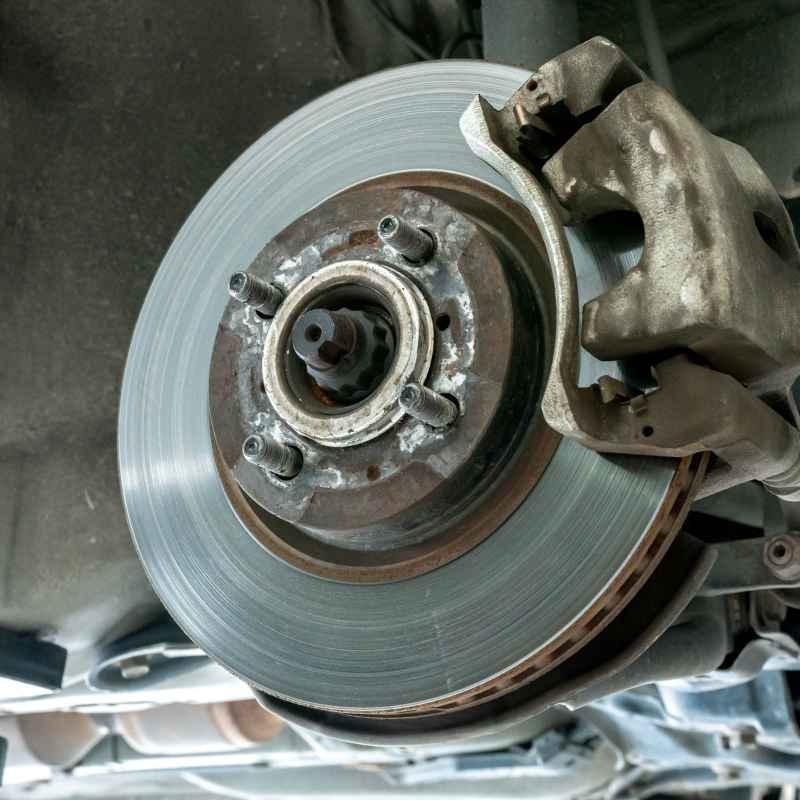
Brakes work by creating friction. When you press the brake pedal, brake pads clamp down on metal discs called rotors. This friction slows down your wheels.
This system is pretty simple, but lots of small things can go wrong. These little problems can turn into annoying sounds. Most of the time, the noise is your car’s way of telling you it needs some attention.
It’s like a warning light, but you hear it instead of seeing it. The sounds can be different, and each type of sound often points to a specific problem. Learning these sounds helps you understand your car better.
It also helps you know when to take action before a small issue becomes a big one.
The brake system has many parts. Brake pads are made of special materials. Rotors are smooth metal discs.
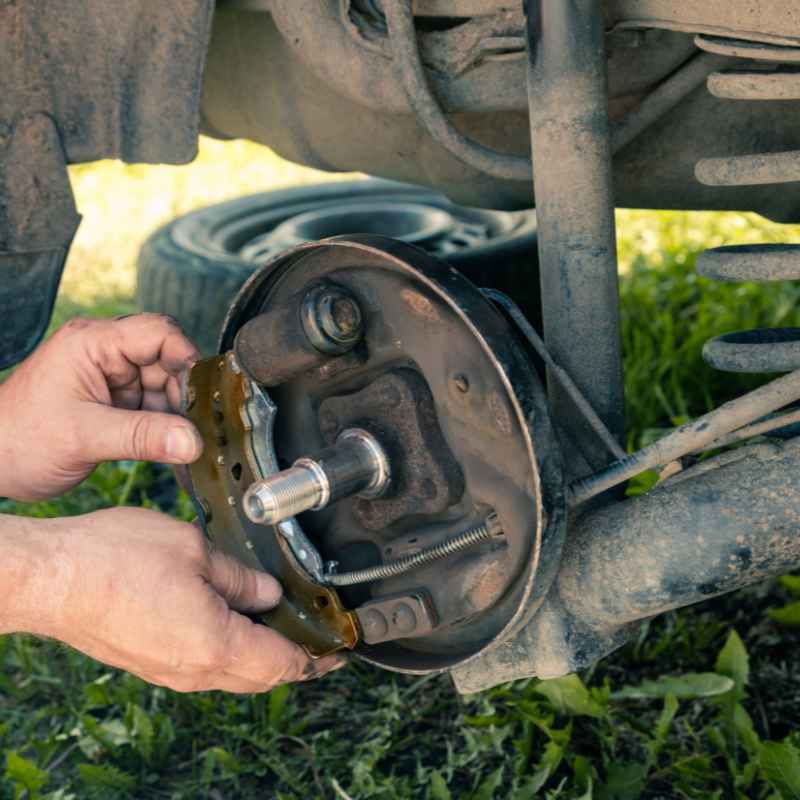
Calipers hold the pads. There are also springs and pins that keep everything working right. When any of these parts wear out or get damaged, they can cause trouble.
Dust, dirt, and even water can get into the brake system. This foreign stuff can cause friction and noise. Even tiny bits of grit can create a loud squeal.
Worn-out parts are the most common reason for brake sounds. But other things can cause noise too.
My Own Brake Squeal Scare
I remember one time, I was heading out for a weekend trip. The sun was shining, and I was excited. As I pulled out of my driveway and onto the street, I heard it.
A high-pitched squeal. It wasn’t super loud at first, but it was definitely there every time I lightly touched the brake pedal. My stomach dropped a little.
My mind immediately went to the worst-case scenario. Was I going to break down on the highway? I tried braking a little harder, and the squeal got louder.
It was that insistent, annoying squeal that just makes you feel uneasy. I pulled over safely and looked at my tires, thinking maybe something was stuck there. Nothing obvious.
I decided to drive slowly and carefully to the nearest mechanic. They took a look, and it turned out one of my front brake pads was just about completely worn out. The little metal indicator tab, designed to make that exact squeal when the pad is low, was rubbing on the rotor.
It was a cheap fix, thankfully, but that feeling of uncertainty and the loud noise was a strong reminder to listen to my car.
Brake Noise: The Common Culprits
Worn Brake Pads: This is the most frequent reason for squealing. Pads have a small metal tab that scrapes the rotor when the pad is thin. This makes a high-pitched noise.
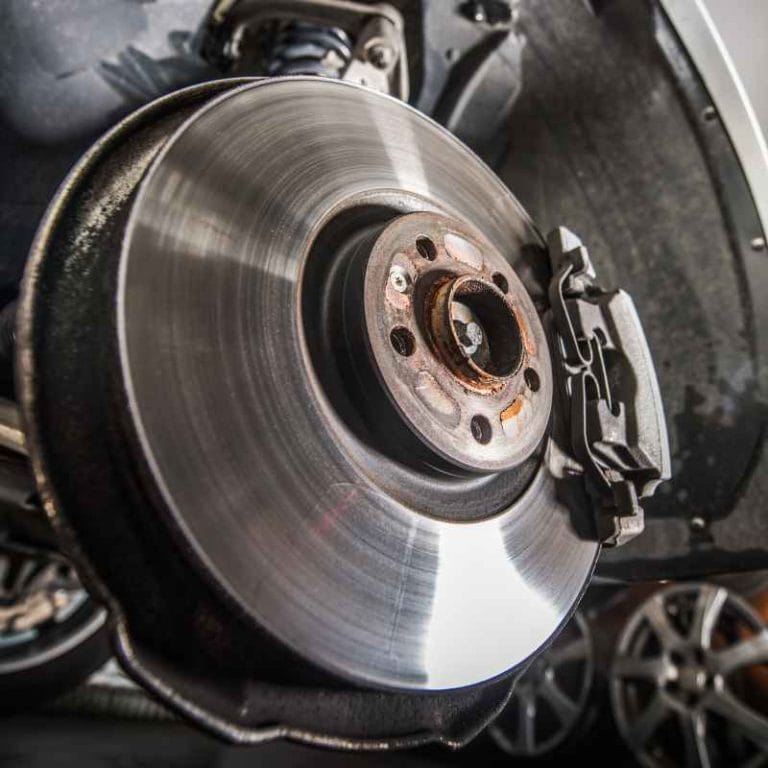
Warped Rotors: Rotors can become uneven. This causes a pulsing or grinding feel and sound when braking. It feels like a judder in the steering wheel or brake pedal.
Debris: Small rocks or dirt can get stuck between the pad and rotor. This causes a scraping or grinding noise.
Rust: If your car sits for a while, a thin layer of rust can form on the rotors. This can cause a temporary squeal when you first start driving. It usually goes away after a few brake applications.
Glazed Pads/Rotors: Overheating can make the pad and rotor surfaces smooth and shiny. This reduces stopping power and can cause squealing.
The Squeal of Warning: Worn Brake Pads
That high-pitched squeal is probably the most common brake noise people hear. It’s often a very thin, sharp sound. It happens when your brake pads are getting low on material.
Most brake pads have a tiny metal piece built into them. This piece is called a wear indicator. When the brake pad wears down to a certain thickness, this metal indicator starts to rub against the brake rotor.
That rubbing creates a loud, high-pitched squeal. It’s designed to get your attention. It’s your car’s way of saying, “Hey, I need new brake pads soon!”
The squeal usually happens when you apply the brakes, especially at lower speeds. Sometimes it’s constant, and sometimes it only happens when you brake gently. It’s important to know that this squeal is a warning.
It means you’re close to the end of your brake pad life. Continuing to drive with worn-out pads can damage the rotors. Rotors are more expensive to replace than pads.
So, catching this squeal early can save you money and prevent more serious issues. Don’t ignore this sound. Get your brake pads checked promptly.
What A Squeal Really Means
Sound: High-pitched, consistent squeal when brakes are applied.
Cause: Brake pad wear indicator is contacting the rotor.
Urgency: Medium. Get checked within a week or two.
Fix: Replace brake pads. Inspect rotors for damage.
Grinding: A More Serious Sign
If the noise you hear is more of a grinding or scraping sound, that’s usually a more urgent problem. This often means that the brake pad material has completely worn away. Now, the metal backing plate of the brake pad is rubbing directly against the metal rotor.
This is metal-on-metal contact. It sounds harsh, rough, and very loud. It’s a sound that makes your heart jump.
This is not something you want to ignore. Grinding is much worse than squealing. It means you’ve waited too long to replace your brake pads.
The damage is happening right now to your rotors.
When you hear grinding, your braking performance can also be affected. It might feel rougher when you brake. The stopping distance might be longer.
The grinding sound can also happen if there’s a large piece of debris, like a small rock, stuck between the pad and the rotor. This can also cause damage. If you hear grinding, you should stop driving the car as soon as it is safe to do so.
Get it towed to a mechanic immediately. Continuing to drive with grinding brakes can lead to very expensive repairs. You might need to replace not just the pads but also the rotors and calipers.
When to Worry: Grinding Noises
Sound: Loud, rough grinding or scraping noise when braking.
Cause: Metal backing of the brake pad is grinding against the rotor. Or, large debris is trapped.
Urgency: High. Stop driving and get immediate inspection.
Fix: Likely need new pads and rotors. Calipers may also be damaged.
Warped Rotors: The Pulsing Problem
Brake rotors can warp. This means they become uneven. They might develop high spots or low spots.
This warping is usually caused by overheating. When brakes get very hot, the metal can expand and cool unevenly. This causes the rotor surface to become uneven.
When your warped rotor spins, the brake pads can’t clamp down evenly on it. This causes a pulsing sensation. You might feel this pulsing in the brake pedal.
You might also feel it in the steering wheel. This pulsing is often accompanied by a thumping or grinding sound.
The pulsing feeling and sound are most noticeable when you apply the brakes. It can make braking feel less smooth and controlled. If you drive in hilly areas or do a lot of hard braking, your rotors are more likely to overheat and warp.
Many people try to avoid this by not riding the brakes downhill. Instead, they shift to a lower gear to slow the car. This reduces the stress on the brakes.
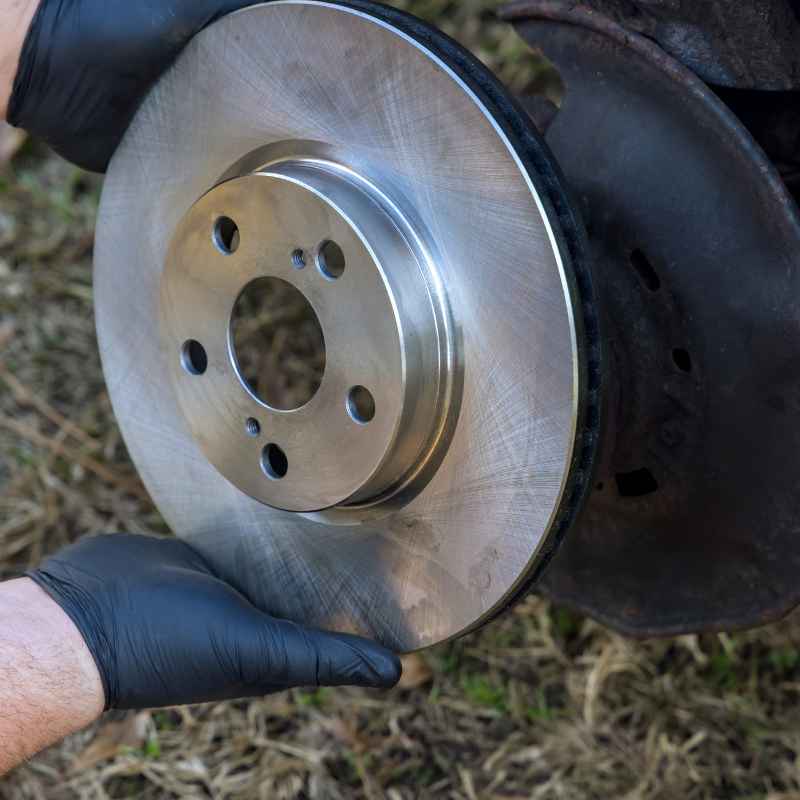
Replacing warped rotors is necessary to restore smooth braking. It’s a repair that makes a big difference in comfort and safety.
Rotors Gone Wrong: Warping Explained
Symptom: Pulsing in brake pedal or steering wheel during braking.
Sound: Thumping or grinding noise that pulses with wheel rotation.
Cause: Uneven heating and cooling of the rotor, leading to warping.
Fix: Rotors need to be replaced. Sometimes they can be “turned” (resurfaced) if warping is minor, but replacement is more common.
Other Sounds and What They Mean
Beyond the common squeals and grinds, there are other noises your brakes might make. A clicking sound can sometimes happen. This might be due to loose brake hardware, like caliper bolts or anti-rattle clips.
Sometimes, a click means the brake pads are not seated correctly. A clunking noise can happen if something is very loose. This could be a sign of a serious problem with suspension or brake components.
It’s always best to get these sounds checked out.
Rust on rotors can also cause temporary noises. If your car has been sitting for a while, especially in humid conditions, a thin layer of rust can form on the rotor surface. When you first start driving and apply the brakes, you might hear a light scraping or squealing sound.
This is usually normal. The rust layer is quickly worn away by the brake pads. The noise should disappear after a few brake applications.
However, if the noise persists or is very loud, it’s worth having it looked at. Heavy rust can indicate other issues or accelerate wear.
Quick Scan: Other Brake Noises
Clicking: Loose hardware, or pads not seated properly. Check for loose bolts.
Clunking: Potentially serious. Could be loose suspension or brake parts. Inspect immediately.
Scraping (light, temporary): Rust on rotors after car has sat. Usually goes away quickly.
Screeching (loud): Often very worn pads or debris. Check pads and rotors carefully.
Real-World Brake Noise Scenarios
Think about driving conditions. Have you been driving a lot in wet weather? Rain can get into the brake system.
It can cause temporary squeaks. Also, if you drive on gravel roads, small stones can get lodged in your brakes. This can cause a grinding or scraping sound.
These sounds usually go away when the debris is dislodged. But sometimes, they can cause damage if left untreated.
Another common scenario is in cold weather. Brake pads and rotors can contract in the cold. This can sometimes lead to temporary squeaks when you first start driving.
It’s like your car needs a moment to warm up. If you live in an area with salty roads in the winter, salt can cause corrosion on brake parts. This can lead to rust and noise.
Regular washing of your car, especially after driving on salted roads, can help prevent this. It’s all about how and where you drive your car.
What This Means for You
When your brakes make noise, it’s your car’s way of communicating. It’s not usually a reason to panic, but it is a reason to pay attention. Most brake noises are solvable.
They are often signs of normal wear and tear. The most important thing is to not ignore the sounds. A little squeal from worn pads is a simple fix.
A loud grind means you might have bigger problems. It’s also important to know that not all brake noises are the same. What one noise means might be different for another.
When should you worry? You should worry if the noise is loud, grinding, or feels like it’s affecting your car’s ability to stop. If you feel any pulsing in the brake pedal or steering wheel, that also needs attention.
If you’re unsure about a noise, it’s always best to err on the side of caution. Get it checked by a qualified mechanic. They can diagnose the exact problem and recommend the right solution.
Your safety is the top priority. Reliable brakes are a huge part of that.
Is It Normal or Concerning?
Normal: Brief, light squeal on cold start, disappears quickly. Light scraping after car sits in damp weather, goes away after a few stops.
Concerning: Loud, constant squeal that doesn’t stop. Grinding or scraping that persists. Pulsing or vibration in pedal/wheel.
Loss of stopping power.
Action: For normal sounds, monitor. For concerning sounds, stop driving and seek immediate professional inspection.
Quick Tips for Quieter Brakes
Keeping your brakes in good shape is key to preventing noise. First, regular maintenance is important. Have your brakes inspected at recommended service intervals.
This means checking the pad thickness and rotor condition. Second, avoid harsh braking when possible. Smooth, gradual stops put less stress on the brake system.
This can help prevent overheating and wear.
Third, if you live in areas with snow and salt, wash your car often. This helps remove corrosive materials. Fourth, if you hear a new noise, don’t wait.
Get it checked out. Small problems can become big ones quickly in a brake system. A mechanic can often tell you if the noise is serious or just a minor issue.
They can also advise on preventative measures.
Simple Steps for Brake Longevity
Regular Inspections: Have a mechanic check brakes every 12,000 miles or as recommended.
Smooth Braking: Avoid sudden stops. Allow plenty of distance.
Cleanliness: Wash your car, especially after exposure to salt or dirt.
Address Noises Promptly: Don’t delay getting unusual sounds checked.
Proper Parts: Ensure your mechanic uses quality brake pads and rotors.
Frequently Asked Questions About Brake Noises
Why do my brakes squeal only when it’s cold?
Brake pads and rotors can contract in cold temperatures. This can cause them to rub in a way that creates a high-pitched squeal when you first start driving. Usually, this noise goes away quickly as the brakes warm up.
It’s often not a sign of a serious problem, but if it persists or is very loud, it’s good to get it checked.
Can I still drive if my brakes are making a grinding noise?
No, it’s not safe to drive if your brakes are grinding. Grinding means metal is rubbing against metal. This indicates that the brake pads are completely worn out and the metal backing is hitting the rotor.
This severely reduces your stopping power and can cause significant damage to other brake components. You should stop driving as soon as it’s safe and have the car towed to a mechanic.
How often should brake pads be replaced?
Brake pad replacement intervals vary widely. It depends on your driving habits, the type of pads, and the vehicle. Typically, front brake pads last between 25,000 and 65,000 miles.
Rear pads can last longer. Many manufacturers recommend having your brakes inspected every 12,000 miles or about once a year. This allows a mechanic to check their condition and advise on replacement needs.
What causes brake rotors to warp?
Brake rotors most often warp due to overheating. When brakes are used heavily, especially on long downhill stretches or during repeated hard stops, the rotors can get extremely hot. If they then cool down unevenly, the metal can distort, causing warping.
Driving habits that involve a lot of braking can contribute to this over time.
Is it okay if my brakes make noise after washing the car?
Yes, it’s usually okay if your brakes make a light scraping or squealing noise for a short time after washing the car. Water can get onto the rotors and pads, causing a thin layer of rust to form quickly. This is normal and should disappear after a few brake applications as the rust is worn away.
If the noise is loud or doesn’t go away, it’s a good idea to have it checked.
Can I replace my own brake pads and rotors?
If you have mechanical experience and the right tools, replacing brake pads and rotors is a DIY job. However, brakes are a critical safety system. If you are not confident in your ability to perform the repair correctly, it’s best to have a professional mechanic do it.
Incorrect installation can lead to brake failure. Always consult your vehicle’s service manual or a trusted repair guide if you plan to do it yourself.
Wrapping Up Those Brake Noises
Hearing noises from your car’s brakes can be concerning, but it’s usually a sign that your car is doing its job and telling you something. By understanding the different sounds like squeals, grinds, and pulses, you can get a better idea of what’s happening. The most important takeaway is to never ignore these sounds.
Regular checks and prompt attention to any unusual noises will keep your brakes working well. This ensures your safety and can save you money on repairs down the road. Listen to your car; it’s trying to help!
See also what are car brake pads made of materials explained.
Products related to this article
Sponsored / affiliate links. As an Amazon Associate I earn from qualifying purchases. I may earn additional commission from eligible campaigns.