How Often Should You Change Car Brakes? Full Guide
The general guideline for changing car brakes is not a fixed number but depends on many factors. Most drivers replace brake pads between 30,000 to 70,000 miles, while rotors might last longer, often up to 100,000 miles. However, listening to your car and checking regularly is key.
Understanding How Your Brakes Work
Your car’s braking system is a marvel of engineering. It uses friction to slow your vehicle down. When you press the brake pedal, a hydraulic system pushes fluid.
This fluid then forces brake pads to clamp down on brake rotors. These rotors are attached to your wheels. The gripping action creates friction.
This friction is what stops the wheels from turning. It’s a simple concept with a big impact on safety.
Think of it like rubbing your hands together quickly. They get warm, right? That’s friction.
Your brakes do the same thing, but with much more force. The parts involved are crucial. You have the brake pedal, the master cylinder, brake lines, brake fluid, calipers, brake pads, and brake rotors.
Each part must work smoothly. If one part falters, your stopping power suffers.
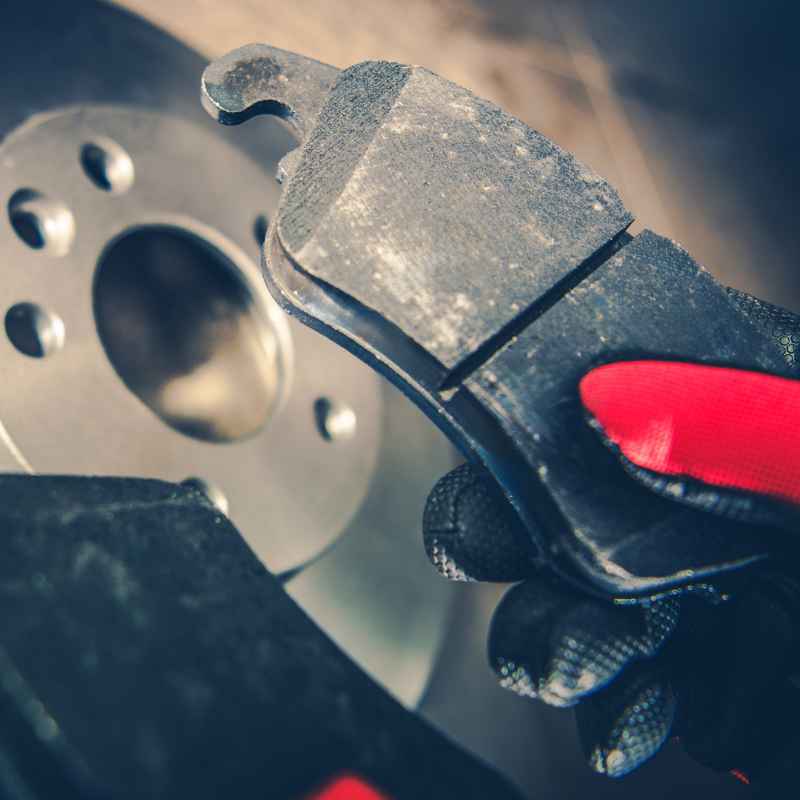
The brake pads are the wear items. They are made of a special material designed to create friction. This material wears down over time with use.
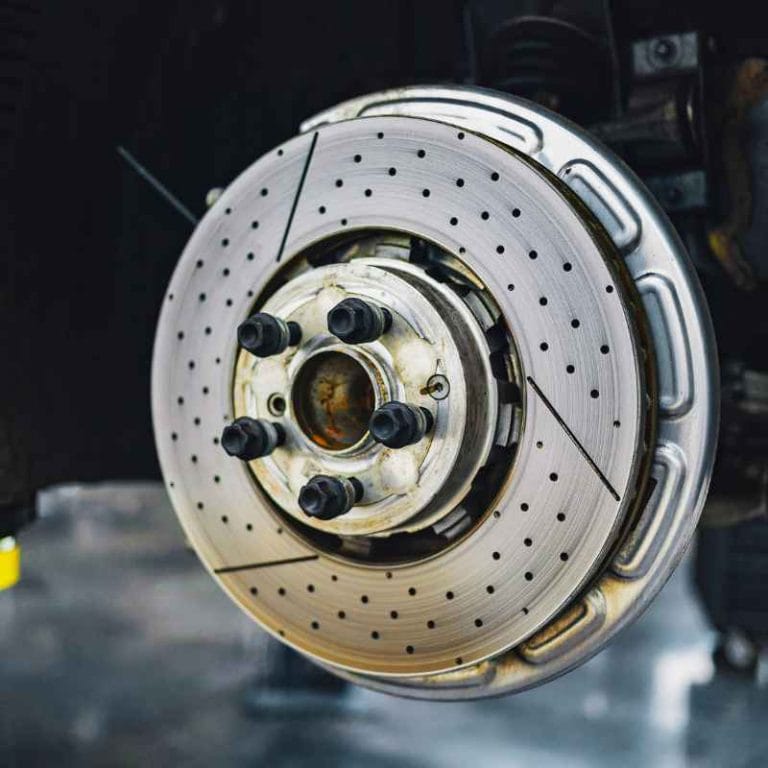
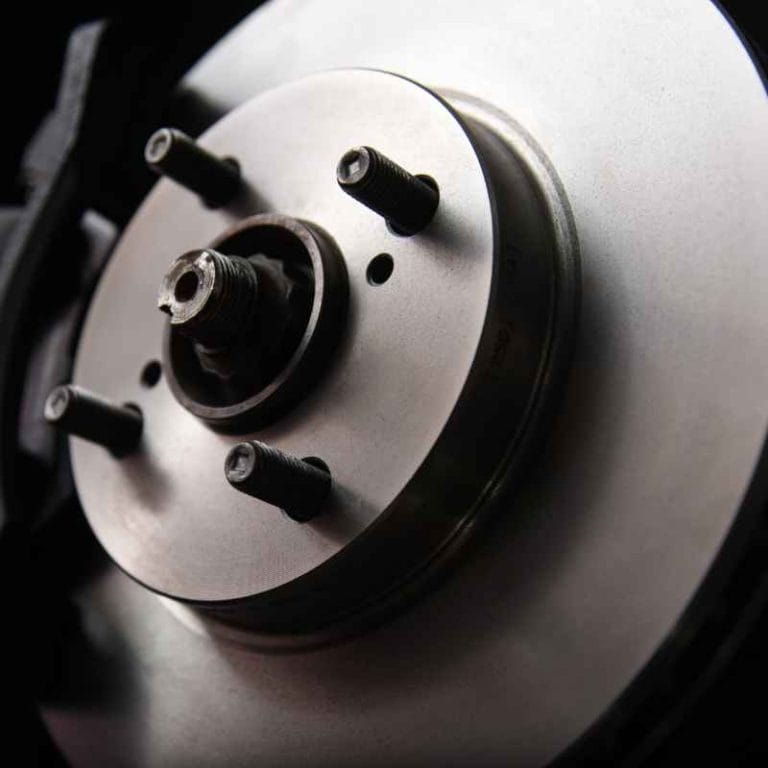
The rotors are the discs that the pads grip. They are typically made of metal. They also experience wear but are designed to last longer than the pads.
Regular checks ensure all these parts are in good shape.
Why Brake Wear Isn’t the Same for Everyone
It’s easy to think all cars wear brakes the same way. But the truth is, it’s quite different. Many things influence how quickly your brakes wear out.
Your driving style is a huge factor. Do you tend to brake hard and late? Or do you anticipate stops and brake gently?
Aggressive braking means more friction, faster wear.
The roads you drive on matter too. City driving is tough on brakes. You stop and go constantly.
This is much more wear than highway driving. On the highway, you can often coast. You brake less often.
This means your brakes get a bit of a break. Mountainous areas also put extra strain on brakes. Going downhill requires more sustained braking.
This can heat them up and wear them faster.
The type of brakes you have plays a role. Some cars come with higher-performance brakes. These might be designed for sporty driving.
They can sometimes wear faster than standard brakes. Also, the materials used in brake pads vary. Some are softer and provide better stopping power.
But they might not last as long. Others are harder and last longer but might not stop quite as well.
Weather conditions can also affect brake life. Driving in wet or snowy conditions can cause rust and wear. Debris on the road can also damage rotors or pads.
Even the weight of your vehicle matters. A heavier car needs more force to stop. This means more work for the brakes and quicker wear.
Signs Your Brakes Need Attention
Your car is pretty good at telling you when something is wrong. You just need to know what to listen and feel for. The most common sign is a noise.
A high-pitched squeal when you apply the brakes is often the wear indicator. This is a small metal tab that contacts the rotor when the pad is thin.
Another sound is a grinding noise. This is more serious. It usually means the brake pad material is completely gone.
The metal backing plate of the pad is now grinding against the metal rotor. This can cause significant damage to the rotor. It needs immediate attention.
A squeal is a warning; a grind is an alarm.
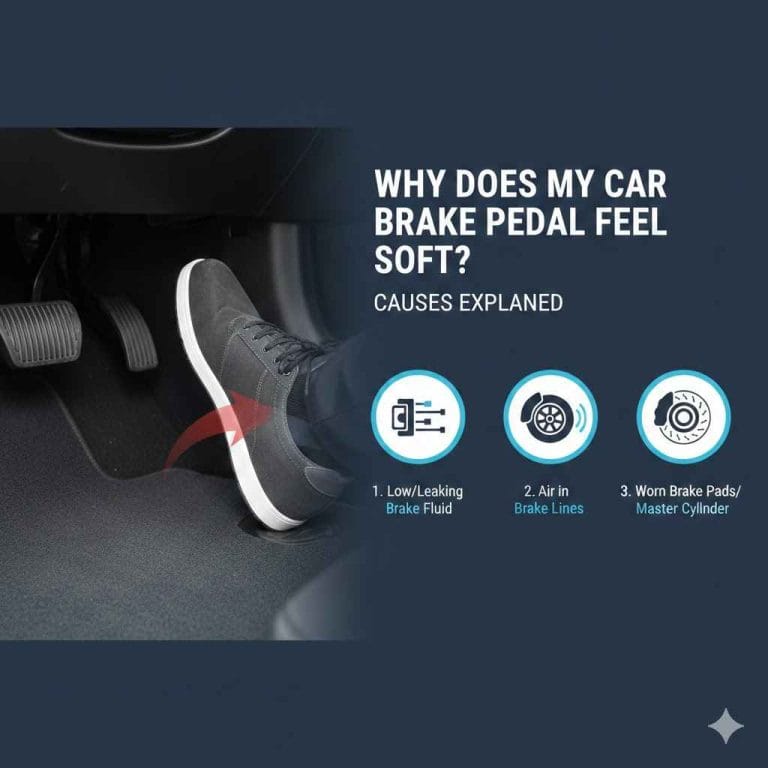
You might also feel something in the brake pedal. If the pedal feels soft or spongy, there could be air in the brake lines. Or there might be a leak.
If the pedal goes all the way to the floor, that’s a serious issue. You should stop driving and get it checked right away. A pulsating or vibrating pedal when you brake is another common sign.
This often means the rotors are warped.
Your car might also pull to one side when you brake. This can happen if one brake caliper is sticking or if the brake pads are unevenly worn. The steering wheel might also shake when you brake.
This is another sign of warped rotors or other brake issues. Don’t ignore these signs. They are your car’s way of asking for help.
My Own Brake Scare
I remember one time, a few years back, I was driving home from a weekend trip. It was late, and I was tired. I was on a less familiar stretch of highway.
Suddenly, I heard this awful grinding sound. It was loud and jarring. My heart jumped into my throat.
I immediately let off the gas and started to slow down. The grinding got worse as I applied the brakes.
I pulled over onto the shoulder, my hands shaking a little. I turned off the engine and just sat there for a moment. That sound was terrifying.
I knew it was bad. I waited for traffic to clear and then cautiously drove to the nearest town. I found a mechanic who was still open.
He took a look, and sure enough, my brake pads were completely gone.
He explained that the wear indicators had likely been making noise for a while. But I had either not heard it or, being tired, had dismissed it as just a random noise. The grinding was the metal backing plate hitting the rotor.
He showed me the pads; there was practically nothing left. The rotors were damaged too. It was a costly lesson.
It really hammered home how important it is to pay attention to what your car is telling you. That grinding sound is one I’ll never forget, and thankfully, I’ve never heard it again since.
Brake Pad Types and Their Lifespans
Organic Pads: Quieter, easier on rotors, but wear faster. Good for normal driving. Life: 30,000 – 50,000 miles.
Semi-Metallic Pads: Good performance, durable. Can be noisier and wear rotors faster. Life: 40,000 – 60,000 miles.
Ceramic Pads: Quiet, clean, good stopping power. Less dusting. Can be more expensive.
Life: 50,000 – 70,000+ miles.
How to Check Your Brakes Yourself
You don’t need to be a mechanic to do a basic brake check. It’s a good habit to get into. You can often see your brake pads through the spokes of your wheels.
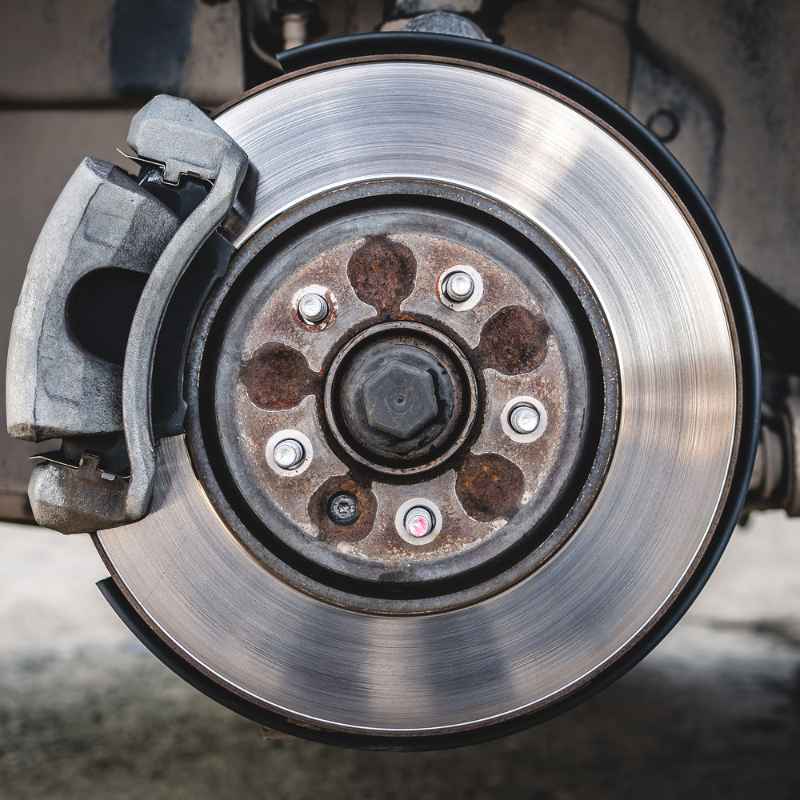
Look at the brake caliper. The pad is a small piece of material pressed against the shiny metal rotor. If the pad looks very thin, it’s time to get them checked professionally.
Most brake pads have a minimum thickness. This is usually around 3 millimeters (about 1/8 inch). If your pads are getting close to this, you should plan for replacement soon.
You can use a flashlight to get a better look. Many cars have openings in the wheels designed to make this easier. You can also look at the brake fluid level.
Check your owner’s manual for the location of the brake fluid reservoir.
The fluid should be between the MIN and MAX lines. If the fluid is very low, it could mean a leak. Or it could mean your brake pads are worn down significantly.
As pads wear, the caliper pistons extend further. This requires more fluid in the system, lowering the level in the reservoir. If you’re not sure, it’s always best to ask a trusted mechanic.
Also, a quick visual inspection of the rotors can be helpful. Look for deep grooves or discoloration. Any significant damage means they might need to be replaced or resurfaced.
Regular checks, even just a quick glance every few months, can save you a lot of trouble down the road. It’s about being proactive.
When to Get Professional Help
While you can do some basic checks, there are times when you absolutely need a professional. Any of the warning signs we discussed earlier—grinding noises, a soft pedal, pulling to one side—mean it’s time to see a mechanic. Don’t delay these kinds of issues.
Your ability to stop safely is paramount.
If you’re unsure about what you’re seeing or hearing, it’s always wise to err on the side of caution. A mechanic has the tools and expertise to properly diagnose brake problems. They can also tell you if your rotors need to be resurfaced or replaced.
Sometimes, rotors can be “turned” to make them smooth again. This is cheaper than buying new ones.
Ask your mechanic to inspect your brakes during your regular maintenance. Most oil changes include a basic visual inspection of brakes. It’s a good opportunity to ask questions.
A good mechanic will explain what they see. They’ll show you the worn parts. They will give you options for repair.
Trust your gut. If something feels off about your brakes, get it checked.
Quick Brake Maintenance Checklist
- Listen for Noises: Squealing or grinding are warnings.
- Feel the Pedal: Spongy, soft, or pulsing pedals mean trouble.
- Check Fluid Level: Low fluid can indicate wear or leaks.
- Visual Inspection: Look at pad thickness through the wheel.
- Observe Car Behavior: Does it pull to one side when braking?
The Impact of Climate on Brakes
Living in a place with harsh winters or humid summers can affect how long your brakes last. In areas with lots of snow and ice, roads are often treated with salt and sand. This salt can cause corrosion.
It can speed up the rusting process on brake rotors. The sand can act like an abrasive. It can wear down pads and rotors faster.
Humid climates can also lead to rust. Moisture in the air, combined with brake dust, can create a corrosive environment. Even brake fluid can absorb moisture over time.
This can lower its boiling point. It can also contribute to internal corrosion within the brake system. That’s why brake fluid flushes are important maintenance items.
Extreme heat can also be a factor. Repeated hard braking in hot weather can cause brake components to overheat. This is called brake fade.
It reduces your stopping power. While modern brake systems are designed to handle a lot, constant exposure to extreme conditions does take a toll. If you live in a challenging climate, you might find yourself needing brake services a bit more often.
Brake Rotor Considerations
Brake rotors are often overlooked when people think about brake changes. They are usually made of cast iron. They get a lot of stress.
Heat, friction, and exposure to the elements all work against them. Over time, rotors can develop grooves. They can also warp due to excessive heat.
Warped rotors are what cause that pulsating feeling in the brake pedal.
When brake pads wear down, the rotor surface can become uneven. If the grooves are not too deep, a mechanic can resurface the rotors. This involves grinding them down to a smooth finish.
It’s often cheaper than buying new rotors. However, rotors have a minimum thickness. If they are already thin or heavily grooved, they must be replaced.
The life of brake rotors is often tied to the life of the brake pads. If you replace your pads regularly before they get severely worn, you can often extend the life of your rotors. This is because you’re not grinding the rotor surface down as much.
When you do replace rotors, it’s often recommended to replace them in pairs. This means both front rotors or both rear rotors. This ensures even braking performance.
I’ve had rotors resurfaced before. It felt like magic. That annoying pulsation in the pedal was gone.
But the last time, the mechanic told me they were too thin to resurface. I had to buy new ones. It’s a cost to consider.
But safety always comes first. It’s good to know if your rotors are nearing the end of their life during a brake check.
When Are Rotors Worn Out?
- Minimum Thickness: Rotors have a minimum thickness spec. Check your manual.
- Visible Grooves: Deep scoring or gouges are bad signs.
- Warping: Pulsating pedal when braking.
- Cracks: Small cracks can weaken the rotor.
- Blueing: Discoloration from extreme heat.
Brake Fluid: The Unsung Hero
Brake fluid is essential for your brakes to work. It’s a hydraulic fluid. It transmits the force from your foot on the pedal to the brake calipers.
It’s designed to withstand high temperatures. It also doesn’t compress easily. But brake fluid is hygroscopic.
This means it absorbs moisture from the air over time.
As brake fluid absorbs water, its boiling point lowers. This is dangerous. If the fluid gets too hot, it can boil.
Boiling fluid creates air bubbles. Air does compress. When you press the brake pedal, the fluid will compress instead of pushing the pads.
This can lead to brake failure. It’s a scary thought. This is why brake fluid needs to be flushed periodically.
Your car’s owner’s manual will recommend how often to change brake fluid. It’s often every two to three years. This service removes the old, contaminated fluid.
It
I once worked with a client who complained about their brakes feeling “soft” even after new pads. We checked everything. Then we looked at the brake fluid.
It was dark and murky. We flushed it. The difference was amazing.
The pedal felt firm and responsive again. It was a simple fix with a big impact. It showed me how vital that fluid really is.
The Role of Calipers and Hoses
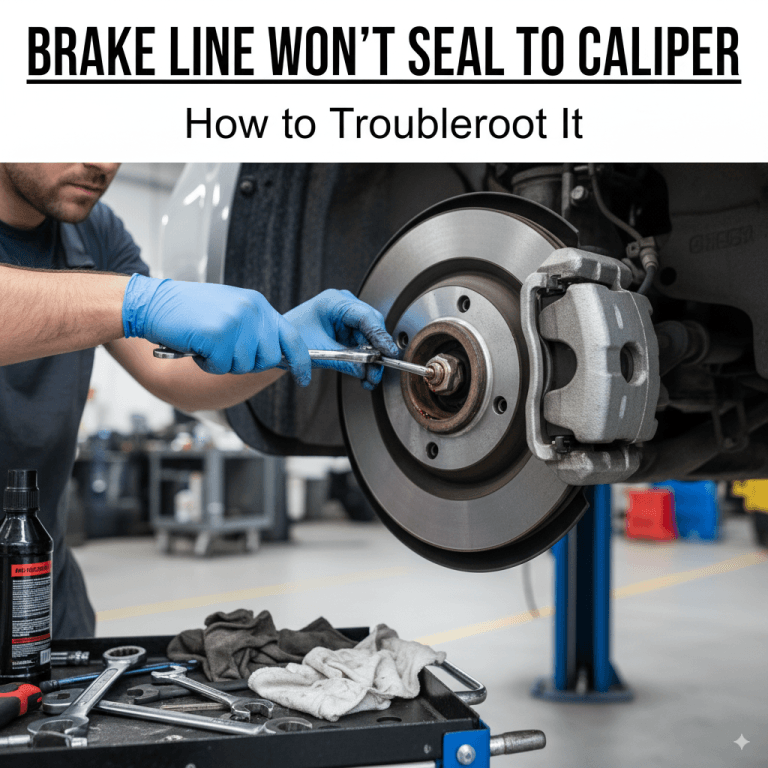
The brake calipers are like the clamps that hold the brake pads. They contain pistons. When hydraulic pressure is applied, these pistons push the brake pads onto the rotors.
Over time, caliper seals can wear out. They can also get damaged by debris. A sticking caliper can cause a brake pad to stay partially engaged.
This leads to rapid wear and overheating.
Brake hoses are the flexible rubber or braided steel lines that connect the rigid brake lines to the calipers. They need to be flexible to allow for suspension movement. These hoses can crack or degrade over time.
They can also bulge under pressure. A bulging brake hose can restrict fluid flow, reducing braking effectiveness. They can also burst, leading to complete brake failure.
These components are not typically on a routine replacement schedule like pads. However, mechanics will inspect them during brake services. Look for any signs of leaks around the calipers.
Check the brake hoses for cracks, chafing, or swelling. If you notice any of these issues, it’s crucial to get them repaired. They are safety-critical parts of your braking system.
When to Consider Replacing Brake Hoses
- Cracks or Splits: Visible damage to the rubber.
- Bulging or Swelling: Hose expands under pressure.
- Leaks: Fluid seeping from connections or hose body.
- Chafing: Damage from rubbing against other parts.
Understanding Brake Pad Wear Indicators
Most modern brake pads have built-in wear indicators. These are small metal tabs. They are designed to make a noise when the brake pad material has worn down to a certain point.
This noise is usually a high-pitched squeal. It’s meant to be annoying. It’s your car’s way of shouting, “I need new brake pads!”
The location and design of these indicators can vary. But their purpose is the same: to warn you before the pad material is completely gone. This protects the rotor from damage.
It ensures you still have adequate stopping power. Some high-performance pads might not have audible wear indicators. They rely more on visual checks.
It’s important to understand that these indicators are not a precise mileage counter. They simply signal that the pads are getting low. If you hear the squeal, it’s time to get your brakes inspected.
You might have a few thousand miles left, or you might have only a few hundred. It depends on your driving habits and conditions.
I remember a friend who ignored the squealing for weeks. He said he’d get to it. Then one day, he called me in a panic.
The squealing had turned into a loud grinding. He had to get his rotors replaced too. He said he really regretted not listening to the car sooner.
That extra cost was a hard lesson for him.
What About the Rear Brakes?
Most of the braking force (around 70-80%) is handled by the front brakes. This is because of how weight transfers to the front of the car when you slow down. This means your front brake pads and rotors usually wear out faster than the rear ones.
However, the rear brakes are still vital for stability and stopping power.
They help prevent the car from spinning out. They contribute to overall stopping distance. Some cars have rear disc brakes, similar to the front.
Others might have drum brakes in the rear. Drum brakes have shoes that press outwards against a drum. They operate on a similar friction principle but are a different design.
Even though they wear slower, rear brakes still need regular inspection. If you only ever replace your front brakes, you could eventually have a significant difference in braking performance. A mechanic will typically check the condition of your rear brakes whenever they service the front ones.
Make sure you ask about them too.
Front vs. Rear Brake Wear
Front Brakes: Handle most stopping force. Wear faster. Typically need replacement more often.
Rear Brakes: Provide stability and balance. Wear slower. Still crucial for safety.
Recommendation: Inspect both front and rear brakes regularly. Replace worn parts on each axle as needed.
When to Worry: Red Flags for Brake Issues
We’ve touched on this, but it bears repeating. Certain brake issues are more serious than others. These are the red flags that require immediate attention.
Don’t drive your car if you experience any of these. Call for a tow if necessary.
Brake Pedal Goes to the Floor: This is extremely dangerous. It means there’s a severe loss of hydraulic pressure. This could be due to a major leak or a failure in the master cylinder.
Do not attempt to drive. You may have no braking ability.
Loud Grinding Noise: As mentioned, this indicates metal-on-metal contact. The brake pads are gone. The rotor is being damaged.
This significantly reduces stopping power and can lead to caliper damage.
Brake Warning Light is On: Most cars have a brake warning light on the dashboard. This can indicate low brake fluid, a problem with the ABS system, or that the parking brake is engaged. Consult your owner’s manual.
If it stays on, get it checked.
Brake Fluid Leaks: If you notice puddles of fluid under your car, especially if it’s dark or yellowish, it could be brake fluid. This is a serious leak that needs immediate repair.
Sudden Loss of Braking Power: If you feel your brakes are suddenly weaker or harder to push, that’s a sign something has gone wrong. This could be a leak, a failed component, or air in the system.
These are not minor annoyances; they are critical safety concerns. Addressing them promptly is essential for your well-being and the safety of others.
The Cost of Brake Replacement
The cost to change car brakes can vary widely. It depends on your car’s make and model. It also depends on the parts you choose.
Labor costs also differ by region. Generally, replacing just the brake pads on an axle (front or rear) can range from $150 to $300. This typically includes parts and labor.
If your rotors also need to be replaced, the cost will increase. Replacing pads and rotors on one axle might cost between $300 and $600 or more. High-performance pads and rotors will cost more.
Some luxury or European cars can have significantly higher repair costs.
It’s also important to consider the shop you choose. Dealerships often charge more than independent mechanics. However, some people prefer the peace of mind that comes with a dealership.
Get quotes from a few different places. Compare prices and what’s included. Ask if the quote includes all necessary hardware and brake cleaner.
Sometimes, small but important parts can add up.
I’ve always found getting a few estimates to be a smart move. It helps you understand the typical price range. It also ensures you’re not overpaying.
But remember, while price is a factor, quality and trust are even more important when it comes to safety systems like brakes.
Factors Affecting Brake Repair Costs
- Car Make and Model: Luxury or specialized vehicles cost more.
- Parts Quality: OEM vs. aftermarket vs. performance parts.
- Shop Labor Rates: Dealerships vs. independent mechanics.
- Location: Costs vary by geographic region.
- Additional Repairs: Caliper issues, brake lines, or fluid changes add cost.
Preventive Maintenance for Longer Brake Life
The best way to avoid unexpected, costly brake repairs is through preventive maintenance. This means not waiting for the warning signs. It means taking care of your brakes regularly.
A simple visual inspection by you or your mechanic during routine oil changes can catch issues early.
When you do get your brakes serviced, consider using quality parts. Cheaper pads might save money upfront. But they could wear out faster.
They might also damage your rotors prematurely. Investing in good quality pads and rotors can save you money in the long run.
Be mindful of your driving habits. Smooth, gentle braking is always better than hard stops. Anticipating traffic and slowing down gradually puts less stress on your brakes.
Avoid carrying unnecessary weight in your car. The heavier the load, the harder your brakes have to work.
Keep your wheels clean. Brake dust can be abrasive. Washing your car regularly can help remove it.
Also, if you live in an area where roads are heavily salted in winter, consider a thorough rinse of your car’s undercarriage. This can help wash away corrosive salt residue. These small steps can make a difference.
Your Car’s Brake Life Expectancy: A Summary
So, how often should you change car brakes? It’s not a simple number. But here’s a helpful summary based on typical use:
Brake Pads: For most drivers, brake pads need replacing somewhere between 30,000 and 70,000 miles. City drivers or those who brake hard might need them sooner, perhaps every 25,000 miles. Highway cruisers might get 70,000 miles or more.
Brake Rotors: Rotors generally last longer than pads. They can often last for two sets of brake pads. This means they might be good for 60,000 to 100,000 miles.
However, if they are warped, grooved, or worn too thin, they will need replacement sooner. It’s common to replace rotors at the same time as brake pads, especially if the rotors are nearing their minimum thickness or show damage.
Brake Fluid: This should be flushed and replaced every two to three years, regardless of mileage. Moisture absorption is the main issue here.
Remember, these are general guidelines. Always pay attention to your car’s signals. A qualified mechanic can give you the best assessment of your specific situation.
Regular checks are your best defense against unexpected brake failures.
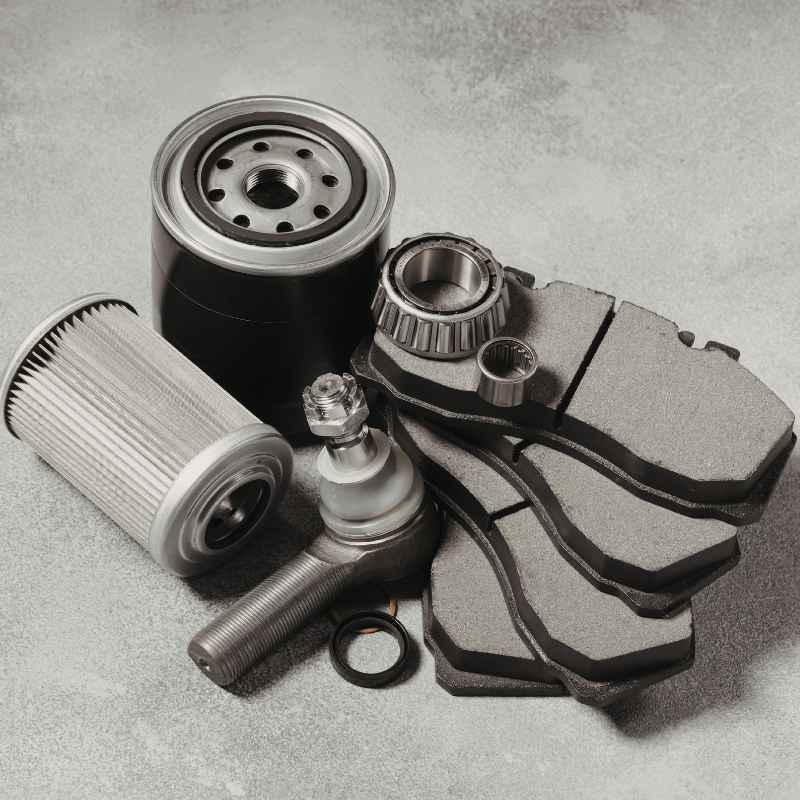
Common Questions About Changing Car Brakes
How do I know if my car needs new brake pads?
You’ll typically hear a high-pitched squealing sound when you brake. You might also feel a vibration in the brake pedal or notice the car pulling to one side. Visually inspecting the pads through the wheel is also a good method.
Can I just replace the brake pads and not the rotors?
Yes, you often can. If your rotors are still thick enough and are not warped or heavily grooved, they can sometimes be reused. However, it’s best to have a mechanic inspect them.
Often, replacing pads and rotors together ensures optimal performance and longevity.
How long does it take to change car brakes?
Replacing just the brake pads on one axle usually takes about 1 to 2 hours per axle. If rotors also need replacing, it might take a bit longer, perhaps 2 to 3 hours per axle. This time can vary depending on the mechanic and the specific vehicle.
Should I replace brakes on all four wheels at once?
Generally, you replace brake pads and rotors in pairs for each axle. This means you’d replace both front pads and rotors, or both rear pads and rotors. You don’t necessarily have to do all four wheels at the exact same time, but it’s common for front brakes to wear out faster and need replacement sooner than rear brakes.
What happens if I don’t change my brakes?
Not changing worn brakes is very dangerous. Your stopping distance will increase significantly. You risk grinding your rotors, leading to more expensive repairs.
In severe cases, brake failure can occur, causing accidents. It’s a critical safety system that should never be ignored.
Are ceramic brake pads better than metallic ones?
Ceramic pads are often quieter, produce less dust, and last longer. Metallic pads might offer stronger initial bite and perform better in extreme conditions, but they can be noisier and wear rotors faster. The “better” option depends on your driving style and priorities.
Final Thoughts on Brake Care
Taking care of your car’s brakes is one of the most important aspects of vehicle maintenance. It’s not just about avoiding costly repairs; it’s about ensuring your safety and the safety of those around you. By understanding the signs of wear, performing basic checks, and following a regular maintenance schedule, you can keep your brakes in top condition.
Remember that mileage is just a guideline. Your driving habits, the conditions you drive in, and the quality of your parts all play a huge role. Listen to your car, trust your mechanic, and don’t delay when it comes to your brakes.
They are literally what keep you safe on the road.
See also what is a brake and what are the types simply explained.
Products related to this article
Sponsored / affiliate links. As an Amazon Associate I earn from qualifying purchases. I may earn additional commission from eligible campaigns.