Car Doesn’T Move When Brake Is Released? Fix It Now
When your car doesn’t move after releasing the brake, it often points to an issue with the transmission, brakes, or engine’s power delivery. Simple checks can sometimes reveal the cause, but professional diagnosis is frequently needed for accurate repair.
Understanding Why Your Car Won’t Roll
When you press the brake pedal, you’re telling your car to stop. When you lift your foot, you’re essentially saying “go ahead.” If the car doesn’t move, something is preventing that “go ahead” signal from working. This could be a problem with how the engine makes power, how that power gets to the wheels, or even something holding the wheels back.
Several car parts work together to make your car move. The engine creates the power. The transmission sends that power to the wheels.
The brakes stop the wheels. If any of these systems have a hiccup, your car might refuse to budge. It’s a complex dance of parts, and when one misses a step, the whole show can stop.
The Transmission’s Role
Your transmission is like the middle manager for your car’s power. It takes the engine’s raw energy and sends it to the wheels in a usable way. It helps your car start moving smoothly and keeps it going at different speeds.
When there’s a problem here, your car might feel like it’s stuck in neutral, even if it’s in gear.
Common transmission issues include low fluid levels, internal damage, or sensor problems. If the transmission fluid is too low, it can’t properly engage the gears. Sometimes, a sensor might tell the car it’s in park when it’s actually in drive.
This stops the car from moving to protect itself.
Brake System Glitches
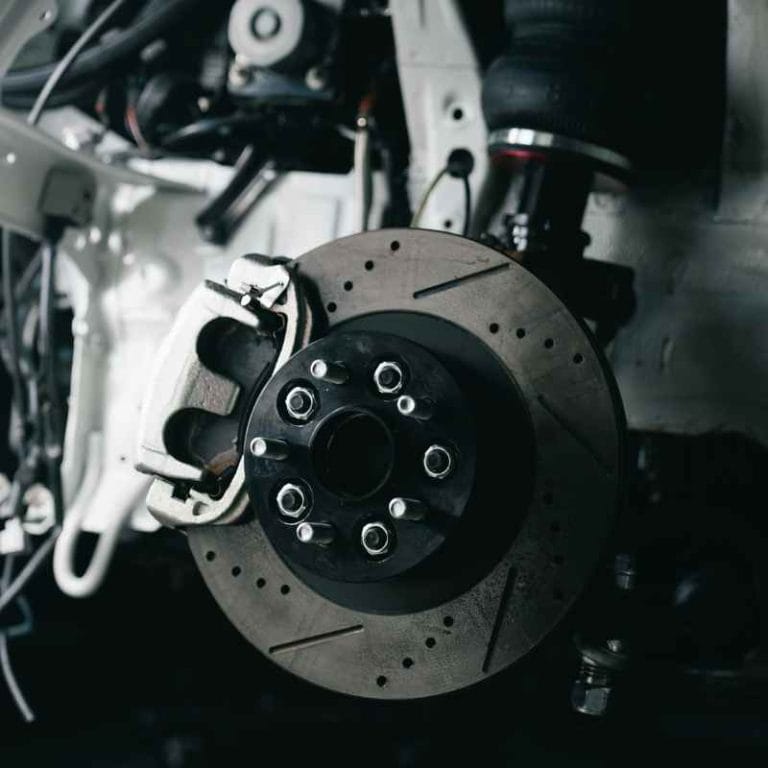
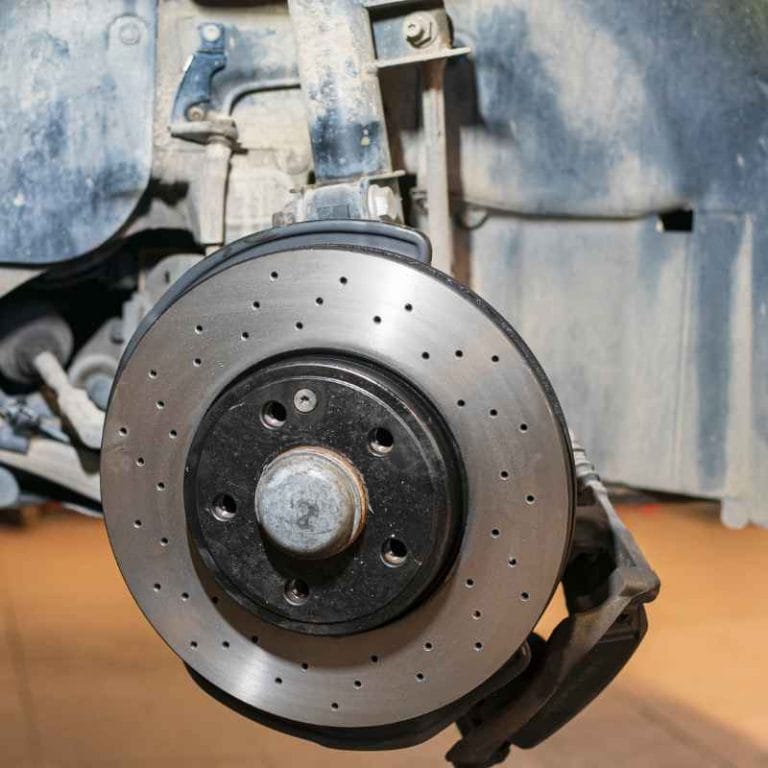
It might seem odd, but sometimes the brakes themselves can cause this problem. If a brake caliper gets stuck, it acts like you’re still gently pressing the brake pedal. This constant drag can be enough to keep the car from moving, especially on level ground.
It’s like trying to push a shopping cart with a wobbly wheel.
This is more common with older vehicles or cars that haven’t had regular brake maintenance. A worn brake component can fail to release fully. This creates a persistent resistance against the wheel’s rotation.
It’s a sneaky issue because the brake pedal might feel normal.
Engine Power Issues
Even if the transmission and brakes are working fine, your car needs enough power to move. If the engine isn’t running right, it might not have the strength to overcome the car’s weight and the slight resistance of the drive system. This can happen if the engine is misfiring, not getting enough fuel, or not getting enough air.
Think of it like trying to push a heavy box when you’re tired. You might have the will, but you don’t have the energy. A struggling engine is similar.
It might idle, but it lacks the “oomph” to get the car rolling. Sensors that monitor engine performance can also cause issues.
My Own Car’s “Stuck” Moment
I remember one particularly stressful afternoon. I was getting ready to leave my friend’s house. I hopped in my trusty old sedan, put it in drive, and took my foot off the brake.
Silence. No gentle roll forward. Just… nothing.
My heart did a little flip. Was it the transmission? Was I stranded?
I wiggled the gear shifter. Park, Reverse, Drive. They all felt normal.
I tried giving it a little gas. The engine revved, but the car stayed put. I could feel a faint vibration, like the engine was working hard but getting nowhere.
Panic started to set in. I tried the brakes again, released them. Still no movement.
It was a strange, unnerving feeling, being in the driver’s seat but utterly immobile.
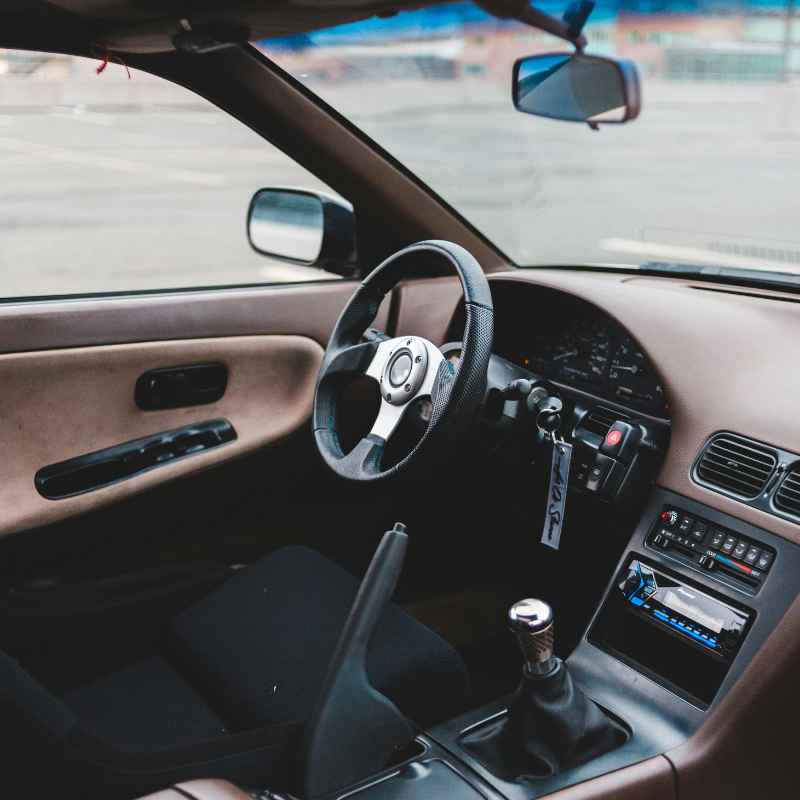
I was about to call for a tow truck when I remembered something. My car had a parking brake that was a separate lever between the seats. I’d used it religiously, but I hadn’t properly disengaged it this time.
I felt a bit silly, but I pulled the lever up and then pushed the release button. I tried moving again. And there it was – the familiar, gentle creep forward.
Lesson learned: always double-check that parking brake!
Common Culprits Checklist
Transmission Fluid: Too low or dirty fluid can stop gears from engaging.
Brake Caliper: A stuck caliper clamps the brake pad to the rotor.
Parking Brake: Not fully disengaged, it holds the wheels back.
Engine Issues: Lack of power from the engine due to fuel or air problems.
Sensors: Faulty sensors can trick the car’s computer.
Real-World Scenarios to Watch For
Cars don’t just decide to stop moving for no reason. Usually, there’s a trigger, a habit, or a specific situation involved. Understanding these scenarios can help you spot potential problems before they leave you stuck.
Think about the last time you drove. Was it a particularly hot day? Extreme heat can affect transmission fluid.
Or maybe it rained heavily? Water can sometimes cause issues with brake components. Even the type of driving you do matters.
Lots of stop-and-go traffic can put more strain on your transmission than highway driving.
The “Stuck in Park” Problem
One very common issue is when the car thinks it’s still in park, even when you’ve shifted to drive or reverse. This is often due to a problem with the shift interlock system. This system uses a solenoid to keep the car from being shifted out of park unless the brake pedal is pressed.
If this solenoid fails, or the brake light switch isn’t working correctly, the car won’t let you move.
This is a safety feature. It stops your car from rolling away when you’re just trying to change gears. When it malfunctions, it can effectively lock your transmission in park.
You might see your brake lights not coming on when you press the pedal. That’s a big clue.
The Dragging Brake Syndrome
This is what happened to me that day. The parking brake, also known as the emergency brake, is designed to hold the car when parked. It works by mechanically engaging the rear brakes.
If the cable stretches over time, or the mechanism doesn’t fully retract, it can keep a slight pressure on the rear wheels. It’s usually not enough to stop the car immediately, but it can prevent it from moving smoothly when you release the regular brakes.
You might notice a burning smell if the parking brake is dragging. Or you might feel a slight resistance even when the lever is fully up. It’s often gradual, so you might not notice it until it’s bad enough to stop the car from rolling.
Transmission Fluid Woes
Transmission fluid is like oil for your engine, but for the transmission. It lubricates, cools, and helps transmit power. If this fluid level is too low, the transmission can’t build enough pressure to engage the gears.
This is especially true for automatic transmissions. Low fluid can be caused by leaks, or it might just be time for a fluid change.
Dirty or burnt transmission fluid is also a problem. It means the fluid isn’t doing its job properly. It can lead to overheating and damage to transmission components.
A quick check of the transmission fluid dipstick can tell you a lot, but remember to do it with the engine running and the car in park (or neutral, depending on your car’s manual).
Scenario Spotlight: The Morning Rush
You’re running late. You start your car, put it in drive, and step off the brake. The car inches forward, but then stops.
You press the gas a bit more. It still feels sluggish. This could be low transmission fluid, or perhaps a brake caliper that’s sticking just enough to make movement difficult.
The added strain on the engine is what you feel.
What This Means for You: When to Worry
Most of the time, a car that won’t move when the brake is released is a sign of a specific problem that needs attention. However, it’s helpful to know when it’s a minor hiccup and when it’s a sign of something more serious that could affect your safety.
A slight resistance that goes away after a little gas is one thing. A complete inability to move is another. You need to be able to tell the difference.
It’s about listening to your car and feeling what it’s telling you.
Is It Just a Little Sticky?
Sometimes, after a car has been sitting for a long time, especially in damp conditions, the brake rotors can get a bit of surface rust. This can cause a slight sticking sensation when you first move. You might hear a little squeak or feel a minor bump as the brakes release.
This is usually normal and goes away after a short drive.
This is especially true after washing your car or after it’s been sitting unused for a few weeks. The moisture creates a thin layer of rust on the brake discs. As the pads move over this rust, you get that sticky feeling.
It’s usually harmless.
When to Seek Expert Help
If your car completely refuses to move, or if it feels like it’s fighting against you with significant force, it’s time to call a professional. This is especially true if you’ve checked the obvious things like the parking brake and it’s still not moving. A problem with the transmission or a seized brake caliper can be serious.
Don’t try to force the issue by giving it a lot of gas. This can cause more damage, especially to the transmission. If you’re unsure about anything, it’s always best to err on the side of caution.
A mechanic has the tools and knowledge to diagnose the exact problem safely.
Simple Checks You Can Do
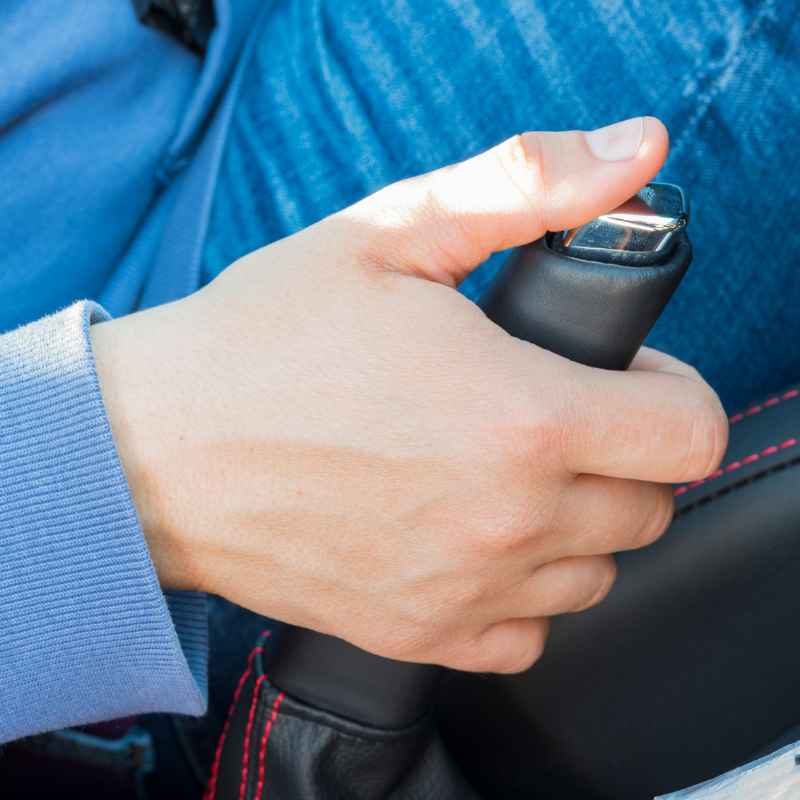
Before you panic, there are a few simple things you can check yourself. First, make sure your parking brake is fully disengaged. Pull the lever up slightly, then press the release button and push it all the way down.
If you have a foot-operated parking brake, make sure you’re pushing it all the way off.
Next, check your gear shifter. Make sure it’s fully in Drive (or Reverse, if that’s the gear you’re trying to use). Sometimes, if it’s not perfectly aligned, the car might not engage the gear properly.
Some cars have a small indicator light showing what gear you’re in.
When It’s Normal vs. Concerning
Normal:
- Slight resistance that disappears after a few feet of driving, especially after rain or car wash.
- A gentle “thump” as brakes release after sitting for a long time.
Concerning:
- Car absolutely will not move, even with gentle acceleration.
- Strong, consistent drag or resistance when trying to roll.
- Burning smell from the wheels.
- Warning lights on the dashboard (check engine, brake warning).
Quick Fixes and Tips for Prevention
While some issues require a mechanic, there are always things you can do to prevent these problems or deal with them in the moment.
Regular maintenance is your best friend. Sticking to your car’s recommended service schedule can catch many issues before they become big problems. This includes checking and changing your transmission fluid and having your brakes inspected.
Maintaining Your Transmission Fluid
Transmission fluid needs to be checked regularly. Your car’s manual will tell you how to do this, and when it should be changed. If you notice the fluid is low, don’t just add fluid without checking for leaks.
A leak means there’s a bigger problem that needs fixing.
When you check the fluid, also check its color and smell. It should be reddish-pink and smell a bit oily. If it’s dark brown, black, or smells burnt, it’s a strong sign that it needs to be replaced, and your transmission might be under stress.
Brake Care is Crucial
Your brakes are critical for safety. Regular inspections by a mechanic can catch sticking calipers or worn brake lines. If you notice your brakes feeling spongy, making strange noises, or pulling to one side, get them checked immediately.
These can all be signs that something isn’t releasing properly.
Don’t forget the parking brake. Even if you don’t use it often, the cables can seize up. Ask your mechanic to check its operation during your regular service visits.
A properly functioning parking brake is essential.
Listen to Your Engine
A healthy engine is key to getting your car moving. If you notice your engine struggling, misfiring, or sounding different, pay attention. These can be signs of fuel system problems, ignition issues, or air intake blockages that prevent the engine from producing enough power.
These issues, if left unchecked, can lead to a car that can’t move.
Preventative Maintenance Tips
- Check Transmission Fluid: Monthly, or as per your car’s manual.
- Inspect Brakes: Every oil change, and listen for noises.
- Test Parking Brake: Ensure it engages and disengages fully.
- Monitor Engine Performance: Notice any new sounds or hesitations.
- Follow Service Schedule: Adhere to recommended intervals for fluid changes and inspections.
Frequently Asked Questions
Why won’t my car move when I release the brake, but the engine is running?
This often means there’s a disconnect in how power is sent to the wheels or something is holding them back. Common causes include transmission issues (like low fluid or internal problems), a stuck brake caliper, or a problem with the parking brake not being fully released.
Is it bad if my car feels a little sticky when I first start driving?
A little stickiness, especially after rain or washing your car, is often due to light rust on the brake rotors. This usually clears up within a few feet of driving. However, if the resistance is strong, persistent, or accompanied by noises, it’s a concern.
What does it mean if my car won’t shift out of park?
This is often related to the brake-shift interlock system. The system prevents you from shifting out of park unless the brake pedal is pressed. Issues with the brake light switch or the interlock solenoid can cause this problem.
Your brake lights might not come on when you press the pedal.
Can low transmission fluid really stop my car from moving?
Yes, absolutely. For automatic transmissions, fluid is essential for building the hydraulic pressure needed to engage gears. If the fluid level is too low, the transmission might not be able to transmit power to the wheels, making the car unable to move.
How do I check my transmission fluid?
Consult your car’s owner’s manual for the exact procedure. Generally, you’ll need to have the engine running, the car in park or neutral (on level ground), and pull out a transmission dipstick (often marked differently than the oil dipstick). Check the level and the fluid’s condition.
Should I try to force my car to move if it’s stuck?
It’s generally not recommended. Forcing the car by revving the engine hard can cause damage, especially to the transmission or drivetrain. If your car won’t move, it’s best to stop trying and have it inspected by a qualified mechanic.
Final Thoughts
A car that doesn’t move when the brake is released can be a puzzling and worrying situation. It’s a clear sign that something isn’t right in your vehicle’s complex system. By understanding the common culprits like transmission issues, brake problems, or engine power shortfalls, you’re better equipped to address the situation.
Remember to start with simple checks, like ensuring the parking brake is fully off. Listen to your car, feel for unusual resistance, and always prioritize safety. If you’re unsure, don’t hesitate to call a trusted mechanic.
They can pinpoint the exact cause and get you back on the road safely.
See also how to check car brake pads for wear quick easy method . See also what to do if car brake fails while driving do this now.
Products related to this article
Sponsored / affiliate links. As an Amazon Associate I earn from qualifying purchases. I may earn additional commission from eligible campaigns.