How Often to Change Car Engine Oil (3,000-10,000 Miles)
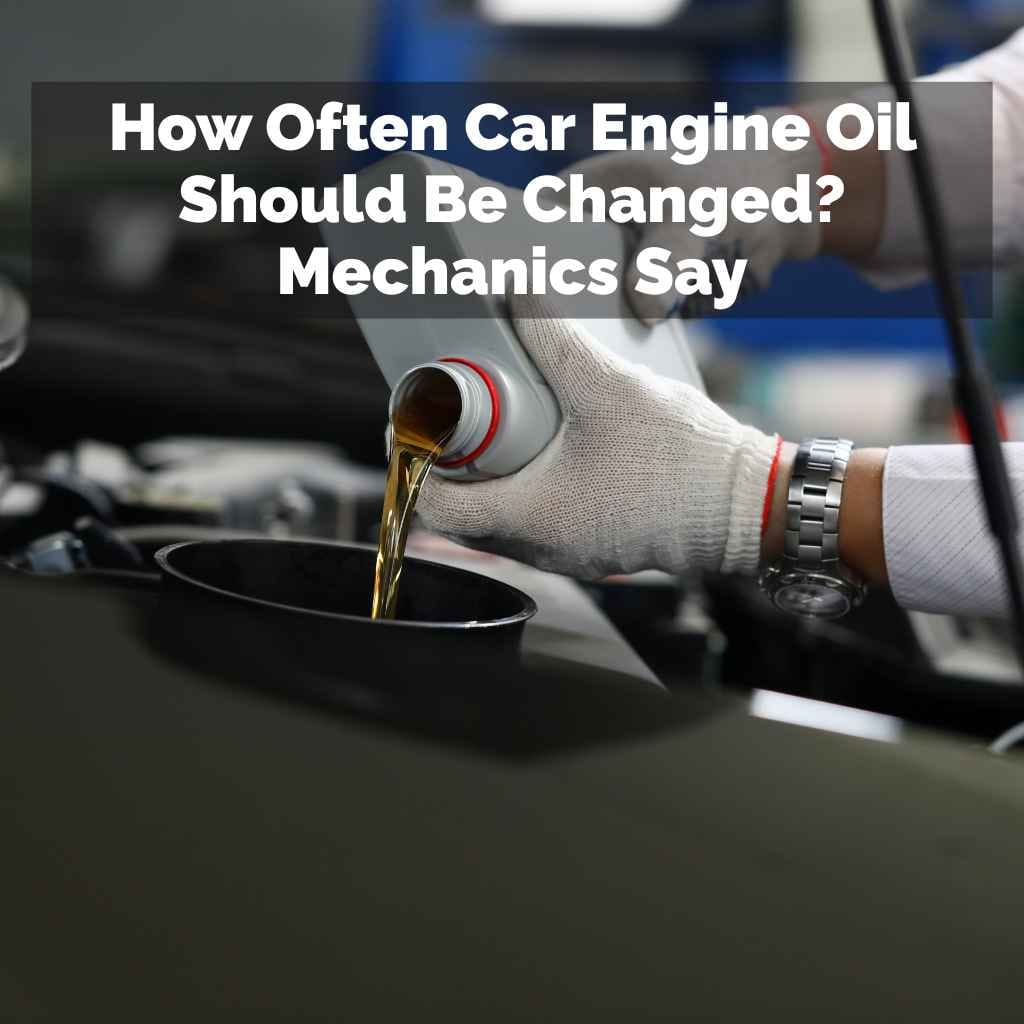
You should change your car’s engine oil based on your owner’s manual recommendations. For most modern cars, this is often between 5,000 and 7,500 miles. Some newer cars can go 10,000 miles or even more. Severe driving conditions may require more frequent changes. Always check your manual for the best guidance for your specific vehicle.
Understanding Engine Oil and Its Job
Your car’s engine has many moving parts. These parts create friction as they work. Friction causes heat and wear.
Best Oil Change Pick
Mobil 1 High Mileage Full Synthetic Motor Oil 5W-30 – $31.97
The full synthetic upgrade this guide points to for stretching change intervals toward the 10,000-mile end of the range instead of the 3,000-5,000-mile conventional-oil interval.
- Best for: extending your interval toward this guide’s 10,000-mile synthetic ceiling
- Why we picked it: formulated for higher-mileage engines, protects across a wider temperature range than conventional oil
- Main drawback: costs more upfront per change than conventional oil
Compare more oil change essentials
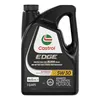 Option 1 Castrol EDGE Full Synthetic Motor Oil 5W-30 – $23.97
|
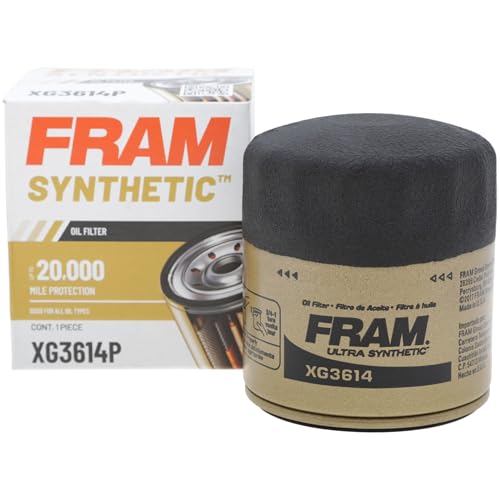
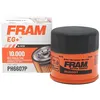 Option 2 FRAM EG+ 10K Mile Oil Filter – $12.19
|
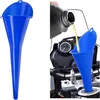 Option 3 Long-Neck Automotive Oil Funnel – $7.97
|
As an Amazon Associate we earn from qualifying purchases.
Engine oil is like the blood of your car. It flows through the engine. It lubricates all those moving parts.
This reduces friction. It also helps keep the engine cool. Heat builds up from the friction.
Oil carries this heat away. Oil also cleans the engine. Small bits of metal wear off parts.
Dirt can get in too. The oil picks these up. It carries them to the oil filter.
The filter traps the gunk. This keeps the engine clean inside.
Over time, oil breaks down. Heat and stress make it less effective. It loses its ability to lubricate and cool.
It can get dirty and clogged. This is why changing the oil is vital. A fresh oil change gives your engine new protection.
It helps it run smoothly. It also helps prevent costly damage.
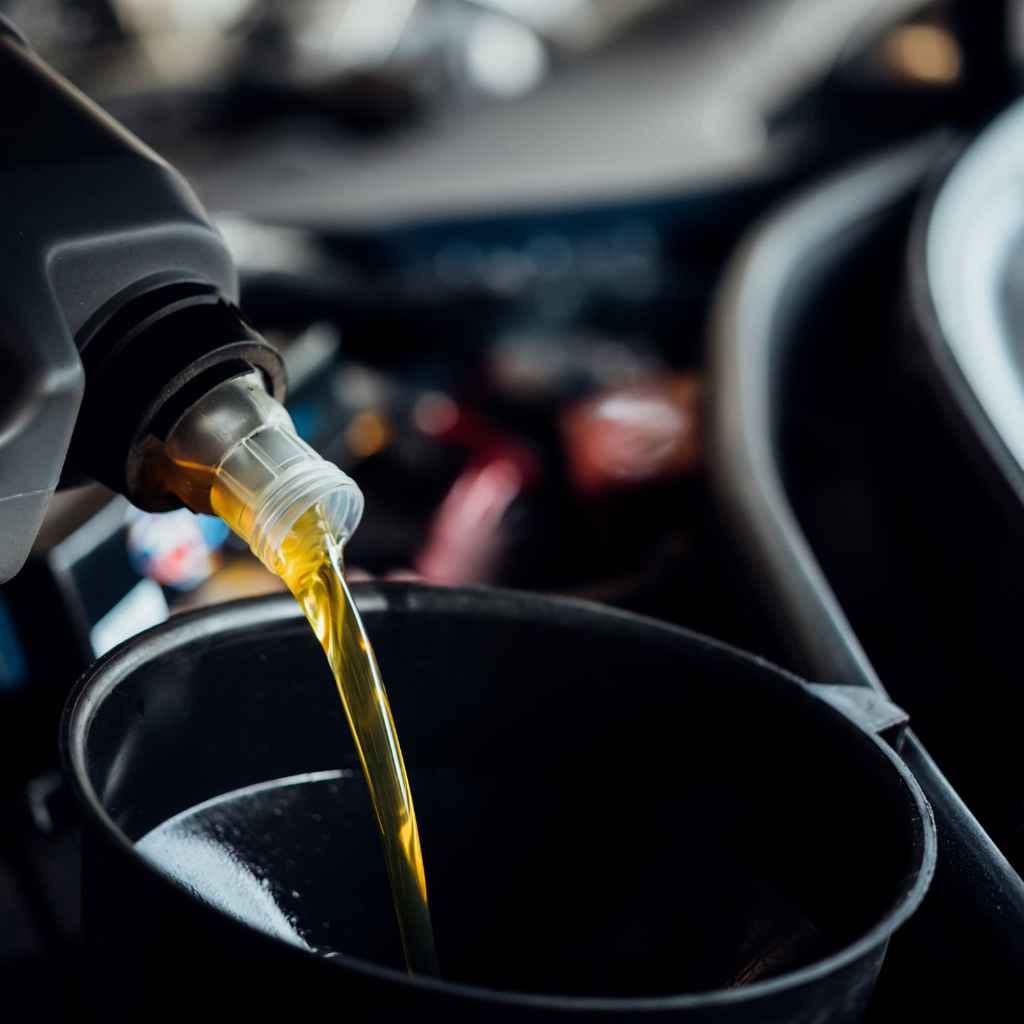
My Own Oil Change Scare
I remember a time years ago. I had a older sedan. I was super busy with work.
Life felt like a whirlwind. I knew I was due for an oil change. I saw the little reminder light.
It blinked at me. But I kept telling myself, “Just one more week.” I thought my car was tough. It had run for ages.
Then one morning, the car started making a funny noise. It was a sort of rough grinding sound. My stomach dropped.
I immediately pulled over. I felt a wave of panic. I had ignored that simple task.
Now I was worried about serious engine trouble. Thankfully, it wasn’t too bad. But it was a wake-up call.
That day taught me a big lesson. Never skip your car’s oil changes. It’s a small thing that saves big headaches.
Oil Change Basics: What You Need to Know
What it does: Lubricates, cools, cleans, and protects the engine.
Why change it: Oil breaks down and gets dirty over time.
Consequences of not changing: Engine wear, overheating, costly repairs.
Frequency: Varies by car and driving style.
How Often Should You Really Change Your Oil?
This is the big question. The answer is not one size fits all. Car makers put a lot of thought into this.
They know their engines best. So, the owner’s manual is your number one guide. Look for the section on maintenance.
It will tell you the recommended mileage. It might also give a time frame, like every six months. Many newer cars suggest oil changes every 7,500 to 10,000 miles.
Some even go further, like 15,000 miles.
However, there’s a catch. These recommendations often assume “normal” driving. What is “normal”?
It means gentle highway driving. You start your car when it’s warm. You drive for a while.
You don’t stop and start a lot. This type of driving is easier on the oil. It lets the engine reach optimal temperatures.
This helps oil do its job best.
Many of us don’t drive like that. We have “severe” driving conditions. This means your oil works harder.
It breaks down faster. This is why mechanics often suggest more frequent changes than the manual strictly states for some situations. You need to be honest about how you use your car.
Severe Driving vs. Normal Driving
Severe Driving Includes:
- Short trips (less than 5 miles in cold weather).
- Frequent stop-and-go traffic.
- Driving in dusty or very hot/cold climates.
- Towing trailers or carrying heavy loads.
- Lots of idling.
Normal Driving Includes:
- Longer trips where the engine gets fully warm.
- Smooth highway speeds.
- Less frequent starting and stopping.
Factors That Affect Oil Life
Several things influence how long your oil stays good. Think about the temperature. Extreme heat is tough on oil.
It makes it thinner and can cause it to burn off faster. Very cold weather is also hard. It makes oil thicker.
This makes it harder for the engine to start. It also means less oil gets to parts right away. This causes more wear when you first start up.
How much you drive is key. If you drive 10,000 miles in six months, you’ll hit that mileage sooner. If it takes you a year to drive 7,500 miles, you should still consider the time.
Oil can degrade over time even if you don’t drive much. It can absorb moisture. It can get contaminated.
So, the time limit in your manual is also important.
The type of oil you use matters too. There are conventional oils. There are also synthetic oils.
Synthetic oils are made in labs. They are more stable. They resist heat and breakdown better.
They often last longer than conventional oils. Many car makers now recommend synthetic oil. They might even specify longer intervals because of it.
Oil Types and What They Mean
Conventional Oil: Refined from crude oil. It’s the standard. Usually needs changing more often.
Synthetic Blend Oil: A mix of conventional and synthetic. Offers better protection than conventional.
Full Synthetic Oil: Man-made at a molecular level. Offers the best protection, heat resistance, and longer life. Often allows for longer oil change intervals.
What Mechanics Say: The Expert View
Mechanics see cars every day. They diagnose problems. They perform maintenance.
They have a lot of practical knowledge. Most mechanics agree with the owner’s manual. It’s the best starting point.
But they also know the realities of driving. Many will tell you that 3,000 miles is old-school. That was for cars from many years ago.
Modern engines and oils are much better.
However, if you drive in tough conditions, they’ll advise you to check oil more often. Some might suggest the middle ground. For example, if the manual says 7,500 miles but you drive in heavy traffic, they might suggest 5,000 miles.
This is a safe bet. It ensures your oil is always in good shape. They often stress the importance of the oil filter.
The oil filter traps dirt. It needs to be changed with the oil. A clogged filter can’t do its job.
It can even force dirty oil through. This defeats the purpose. So, when you get an oil change, make sure the filter is changed too.
This is part of a complete oil service. Experts also recommend checking your oil level regularly. Low oil is bad for your engine.
It means more wear.
Mechanic’s Quick Tips:
- Always check your owner’s manual first.
- If you drive in severe conditions, change oil more often.
- Never forget to change the oil filter.
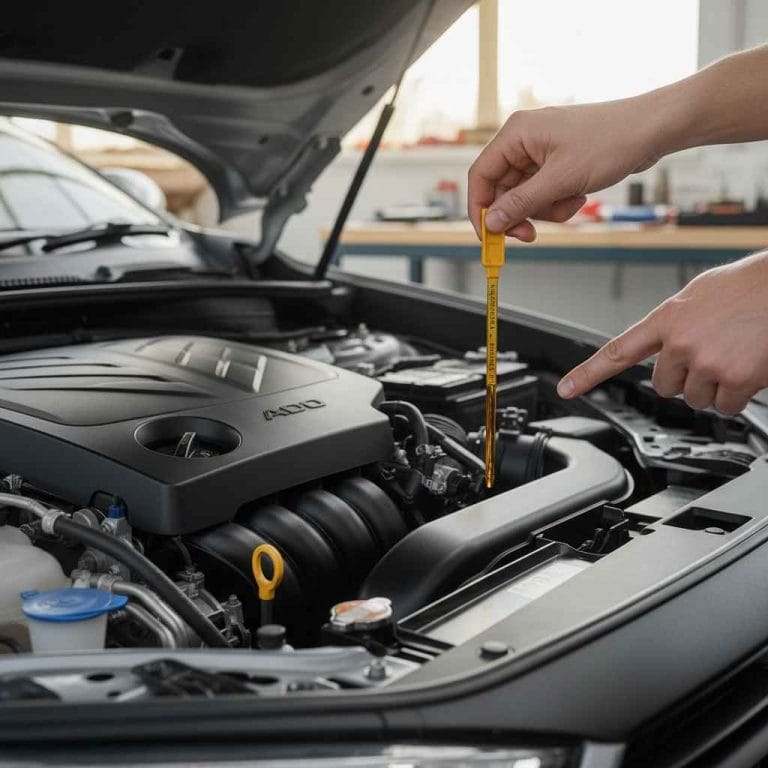
- Check your oil level with the dipstick monthly.
- Use the oil type recommended by your car maker.
The Role of Oil Viscosity and Weight
You see numbers like 5W-30 on oil bottles. What do these mean? This is the oil’s viscosity.
Viscosity is how thick or thin the oil is. The first number, like the ‘5’ in 5W-30, is the viscosity when the oil is cold. The ‘W’ stands for Winter.
A lower number means the oil is thinner when cold. This helps your engine start easier in cold weather. It also means the oil flows faster to parts.
The second number, like the ’30’, is the viscosity when the oil is hot. A higher number means the oil is thicker when hot. This is good for protecting parts from wear at high engine temperatures.
Your car manufacturer specifies the correct viscosity. Using the wrong one can harm your engine. It can cause too much wear or too much drag.
Over time, heat and use can change the oil’s viscosity. It can become thinner. This makes it less protective.
This is another reason why changing the oil is so important. Fresh oil has the correct viscosity for your engine. It will perform as the car maker intended.
Viscosity Explained:
Low ‘W’ number: Thinner when cold. Better for cold starts and quick oil flow.
High second number: Thicker when hot. Better protection at high engine temperatures.
Why it matters: Using the correct viscosity ensures proper lubrication and engine protection under all conditions.
Can You Drive Too Long Without an Oil Change?
Yes, you absolutely can. Driving too long without changing your oil is a common mistake. It can lead to very serious problems.
First, the oil loses its lubricating power. This means metal parts rub directly against each other. This causes friction.
Friction creates heat. This heat can warp engine parts. It can also cause them to seize up.
Dirty oil can’t clean the engine. It starts to form sludge. Sludge is like thick, sticky gunk.
It can block oil passages. This means parts don’t get oil at all. This is called oil starvation.
It’s a fast way to destroy an engine. You might hear knocking or grinding sounds. Your engine light might come on.
In worst cases, the engine can completely fail.
A seized engine is usually not repairable. You’d need a new engine. This is a very expensive fix.
It can cost thousands of dollars. It’s far more than many oil changes would cost over the life of the car. So, the small cost of regular oil changes saves you from massive future bills.
It keeps your car running reliably.
Signs Your Engine Needs Oil (or an Oil Change):
- Oil light is on: This is a critical warning! Stop driving if safe and check oil.
- Strange engine noise: Knocking or ticking sounds can mean lack of lubrication.
- Dark or gritty oil: If the oil looks black and has particles, it’s old and dirty.
- Exhaust smoke: Burning oil can lead to blue smoke from the exhaust.
- Engine overheating: Oil helps cool the engine. Old oil can’t do this job well.
What About Oil Change Intervals on Older Cars?
Older cars often had different recommendations. They were built with simpler technology. Their engines might have had looser tolerances.
The oils available back then were not as advanced. For cars made before the 1990s, you might see recommendations for oil changes every 3,000 miles. Or perhaps every 3 months.
This was quite frequent.
If you have an older classic car, you should stick to those older recommendations. These cars were designed for that. If you have a car from the early 2000s, it might be a bit different.
Always check that original owner’s manual. If you don’t have it, you can often find PDFs online by searching your car’s make, model, and year.
Sometimes, people put modern synthetic oil in older cars. This can be a good thing. It can offer better protection.
But you still need to be mindful of the engine’s age and design. If the manual says 3,000 miles, it might still be wise to change it around 4,000-5,000 miles with synthetic. It’s about finding a balance.
You want to protect the older engine without overspending. Consulting a mechanic familiar with older vehicles can be very helpful here.
Older Car Oil Change Considerations:
Original Manual is Key: Stick to the manufacturer’s advice for that era.
Oil Quality: Modern oils can be beneficial but use with caution.
Mileage vs. Time: Both are still important, but older engines might need more frequent checks.
Engine Condition: If an older engine burns oil, you’ll need to check and add oil more often.
Can You Just Top Off Your Oil?
Topping off your oil is a temporary fix. It’s not a substitute for a full oil change. If your oil level is low, it means your engine is burning oil.
Or you might have a leak. Just adding more oil won’t solve the root problem. It also means you’re mixing old, degraded oil with new oil.
The old oil still contains contaminants. It’s still broken down. Adding new oil just dilutes it a bit.
It doesn’t restore its protective qualities. It’s like drinking a glass of water with a bit of dirt in it. Adding more clean water helps a little.
But the dirt is still there. Eventually, you need to get rid of the dirty water entirely.
If your oil is consistently low between changes, you should have it checked. A mechanic can find out why it’s disappearing. It could be a small leak.
Or it could be the engine consuming it. Driving with low oil is dangerous. It can lead to major engine damage very quickly.
So, while topping off can help you get to the next oil change, it’s not a long-term solution.
Oil Top-Off vs. Oil Change:
Top-Off: Adds oil to an low level. Temporary solution. Does not clean or refresh oil.
Oil Change: Drains old oil.
When to Top Off: Only if oil level is critically low between scheduled changes. Find the cause of low oil.
Understanding Oil Life Monitoring Systems
Many modern cars have an oil life monitoring system. These systems are pretty smart. They don’t just rely on mileage.
They use sensors and algorithms. They track how you drive. They look at engine speed.
They consider the engine temperature. They even factor in how many cold starts you’ve had. This data helps them estimate the remaining oil life.
These systems are usually quite accurate. They are designed to be more precise than fixed mileage intervals. They can tell you to change your oil after 6,000 miles one time.
And then maybe 8,000 miles the next time, for the same car. This is because your driving habits changed. If the light comes on, it’s time to schedule a change.
Don’t ignore it.
It’s still a good idea to check your owner’s manual. It might give a maximum time limit, like one year, even if the monitor hasn’t signaled yet. Sometimes, oil can degrade over time.
It can absorb moisture. It can pick up small contaminants. So, even if the system says you have lots of life left, if it’s been a year, consider changing it.
That’s especially true if you have a lot of short trips.
Oil Life Monitor Insights:
- Based on driving: Adjusts intervals to your actual usage.
- More accurate than mileage alone: Considers many factors.
- Still check manual for time limits: Annual changes are often recommended regardless of monitor.
- Don’t ignore the warning: When it says change oil, schedule it soon.
The Importance of the Oil Filter
We touched on this before, but it’s worth repeating. The oil filter is a critical part of the oil change. Think of it like your car’s kidneys.
It filters out all the dirt. It traps tiny metal particles. It catches sludge.
This keeps the oil clean. Clean oil protects the engine better.
When you change your oil, the old oil is dirty. It’s full of the gunk it has cleaned up. The filter is also full of that gunk.
If you don’t change the filter, the new, clean oil will flow through a dirty filter. The clean oil will pick up that old dirt. It will become dirty again very fast.
So, you’re back to square one.
A clogged filter can also restrict oil flow. This can reduce lubrication. In some cases, the filter has a bypass valve.
If the filter gets too clogged, this valve opens. It lets unfiltered oil pass through. This is better than no oil at all.
But it’s still not good for your engine. Always get the oil filter changed with your oil. It’s a small cost for big protection.
Oil Filter Facts:
What it does: Removes dirt, metal bits, and sludge from the oil.
Why change it: A clogged filter can’t clean oil. It can lead to bypass or reduced flow.
When to change: Always change with every oil change.
Consequences of not changing: Dirty oil circulates, increased engine wear.
When to Worry and When Not To
It’s normal for your oil level to drop slightly over many miles. Engines use a tiny bit of oil. It’s part of how they work.
You might need to add a quart between oil changes. This is usually fine, especially for older cars. Or cars that have been driven hard.
You should worry if your oil level drops very quickly. For instance, if you have to add oil every week. Or if you see dark smoke coming from your exhaust pipe.
This can mean your engine is burning oil. That’s a sign of internal issues. Another red flag is if your oil looks milky or creamy.
This usually means coolant is leaking into the oil. That’s a serious problem.
The oil light coming on is also a big worry. It means oil pressure is low. This can be due to very low oil level or a bigger problem with the oil pump.
If the light comes on, pull over safely and turn off the engine immediately. Don’t try to drive further. You risk catastrophic engine failure.
Signs to Watch For:
Normal: Small oil loss over 5,000+ miles. Add oil when dipstick is near low mark.
Concerning: Rapid oil loss (need to add oil weekly). Milky oil. Constant oil smell.
Critical Warning: Oil pressure light on dashboard. Loud engine noises like knocking or grinding.
Making the Decision: My Approach
Based on my experience and talking to mechanics, here’s my general rule of thumb. First, I always look at the owner’s manual. That’s my baseline.
For my current car, it says 7,500 miles. I drive mostly in a city with a lot of traffic. It’s not quite “severe” by the book, but it’s close.
I use synthetic oil. So, I aim for an oil change around 5,000 miles. Or every six months, whichever comes first.
This gives me a buffer. It ensures my engine always has fresh oil. It’s a little more frequent than strictly required by the manual for my driving.
But it gives me peace of mind. I also make sure the oil filter is always replaced. I check my oil level about once a month.
I just pull over safely, let the engine cool a bit, and use the dipstick. It only takes a minute. It’s a habit that has saved me worry.
If I had a car that spent most of its life on the highway, I might push it closer to the manual’s recommendation. If I towed a trailer often, I’d definitely shorten the interval. It’s about being realistic with your car’s use.
And not being afraid to ask a trusted mechanic for their input.
My Personal Oil Change Strategy:
- Owner’s Manual First: Always the primary guide.
- Adjust for Driving: Shorten intervals for heavy city/stop-go traffic.
- Synthetic Oil: Use recommended synthetic for better protection.
- Time Limit Matters: Stick to a maximum of six months, even if mileage isn’t met.
- Filter Change is Non-Negotiable: Always replace the oil filter.
- Regular Checks: Monthly dipstick checks for oil level.
Quick Fixes and Best Practices
Here are some simple things you can do. They ensure your engine stays healthy. And they help you get the most out of your oil.
1. Know Your Oil: Use the exact type and viscosity recommended in your owner’s manual. Switching brands is usually okay, but stick to the specs.
2. Keep Records: Note down when you get your oil changed. Most shops will give you a sticker.
Keep a small logbook or note it in your phone. This helps you track your intervals.
3. Listen to Your Car: Pay attention to any new sounds or smells. Strange noises are often early warnings.
4. Check Your Oil Level: Do this regularly. It’s one of the easiest checks you can do.
You just need a rag and your dipstick.
5. Don’t Ignore Lights: If any warning lights come on your dashboard, get them checked. Especially the oil light.
6. Find a Good Mechanic: A trusted mechanic can give you honest advice. They can also perform the service correctly.
Ask them about your specific car and driving habits.
7. Consider Your Climate: If you live somewhere with extreme temperatures, this can affect how often you need oil changes. Talk to your mechanic about this.
8. Be Honest About Your Driving: If you drive aggressively or tow things, tell your mechanic. They can advise on shorter intervals.
Frequent Questions About Oil Changes
How often do mechanics recommend changing oil?
Mechanics generally follow the owner’s manual. But if you drive in severe conditions like heavy stop-and-go traffic, they often suggest changing oil more often than the manual’s longest interval. For many cars, this might be around 5,000 miles, even if the manual says up to 7,500 or 10,000 miles.
Is it bad to change my oil too often?
Generally, no. Changing your oil more frequently than recommended is usually harmless. It’s more expensive but provides excellent protection.
However, it’s not necessary. Modern oils and engines are designed to last longer between changes. So, it’s often a waste of money to change it too soon.
What happens if I don’t change my oil for a year?
Even if you don’t drive many miles, oil can degrade over time. It can absorb moisture and become contaminated. This can lead to sludge formation and reduced lubrication.
Most manufacturers recommend changing oil at least once a year, regardless of mileage. So, not changing it for a year can lead to engine wear.
Can I use a different brand of oil than what’s in my manual?
Yes, you can usually use a different brand as long as it meets the specifications listed in your owner’s manual. Look for the viscosity grade (like 5W-30) and any certifications or standards mentioned (like API SN or ILSAC GF-6). Using an oil that doesn’t meet these specs can harm your engine.
What’s the difference between an oil change and an oil service?
An oil change typically refers to draining the old oil and refilling with new oil. An oil service is more comprehensive. It usually includes changing the oil and the oil filter.
It may also include checking other fluids, tire pressure, and a quick visual inspection of the car.
Should I use synthetic oil if my car didn’t come with it?
For most modern cars, switching to synthetic oil is perfectly fine and often beneficial. It offers better protection, especially in extreme temperatures, and can extend oil life. For very old cars, it’s best to consult your mechanic.
However, synthetic oil is generally safe and recommended for most vehicles made in the last 20-30 years.
Conclusion
Keeping your car’s engine healthy is important. Regular oil changes are a big part of that. Always check your owner’s manual for the best advice.
Then, think about how you drive. If you have tough driving conditions, shorter intervals are smart. Using quality oil and a new filter every time is key.
These simple steps will help your car run smoothly for years. They will also save you money on costly repairs down the road. You’ve got this!
Products related to this article
Sponsored / affiliate links. As an Amazon Associate I earn from qualifying purchases. I may earn additional commission from eligible campaigns.