When to Use the Handbrake in an Automatic Car: Protect the Pawl
Always apply the handbrake before and after shifting into Park in an automatic car, even though the transmission’s parking pawl technically holds it in place on its own. Relying on the pawl alone puts repeated stress on that small metal pin, and over time it can weaken, chip, or fail to hold the car securely. This guide covers the exact parking sequence, why the pawl needs backup on hills, and what that clunk sound really means.
Why Use the Handbrake in an Automatic
Many drivers wonder if the handbrake is really necessary when driving an automatic car. After all, the ‘P’ (Park) gear is designed to keep the car stationary. However, relying solely on the transmission’s parking pawl can put a lot of stress on its internal components, especially on inclines.
The handbrake, also known as the parking brake or emergency brake, provides an extra layer of security. It physically prevents the car from rolling, safeguarding the transmission and ensuring the vehicle stays put. Learning When to Use the Handbrake in an Automatic Car is a key part of safe driving, even if it feels like an extra step.
Best Wheel Chock Pick
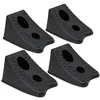
TONDA Wheel Chocks (4-Pack) – $14.99
Takes the load off the parking pawl entirely on steep inclines, exactly the extra backup this guide recommends alongside the handbrake.
- Best for: steep or long-term parking where the pawl and handbrake alone worry you
- Why we picked it: 4-pack covers front and back wheels for extra security
- Main drawback: another step to remember before you drive off
Compare more wheel chock options
 Option 1 MaxxHaul Eyebolt Chocks – $12.99
|
 Option 2 Fasmov Solid Rubber – $16.14
|
 Option 3 HOXWELL 4-Pack – $34.99
|
As an Amazon Associate we earn from qualifying purchases.
Understanding How the Parking Pawl Works
The transmission in an automatic car has a component called a parking pawl. This is a metal pin that drops into a gear in the transmission. When you shift into ‘P’ (Park), the pawl engages, locking the output shaft and preventing the wheels from turning.
It’s a clever mechanism, but it’s not designed to bear the entire weight of the car, especially on a steep hill. Think of it like a small lock; it can hold things, but if you lean heavily on it, it might break. This is why combining the pawl with the handbrake is a much safer approach.
The pawl’s primary function is to keep the car from moving when parked. It’s a safety feature that prevents accidental rolling. However, the forces involved when parking on an incline can be significant.
The weight of the car, combined with gravity, exerts constant pressure on the transmission’s parking mechanism. If this pressure is borne solely by the pawl, it can lead to wear and tear over time. Eventually, this could result in the pawl failing to hold the car securely.
This is especially true for older vehicles or those that have been parked on hills frequently without using the handbrake. The constant strain can cause the pawl to weaken or even chip. When this happens, the transmission might not be able to hold the car in place anymore.
This is a serious safety risk, as the car could roll away unexpectedly. Therefore, understanding the limitations of the parking pawl is crucial for proper vehicle maintenance and safety.
The Role of the Parking Brake
The parking brake is a separate braking system from your regular foot brake. It typically engages the rear wheels. When you pull the lever or press the pedal, cables are tightened, applying friction to the brake drums or rotors.
This provides a much more robust mechanical lock than the parking pawl alone. It’s designed to hold the vehicle securely on various surfaces and gradients.
Using the parking brake adds a significant safety margin. It’s like having a backup system for your car’s stationary security. Instead of the transmission doing all the hard work, the parking brake takes on the bulk of the load.
This dramatically reduces the stress on the transmission’s parking pawl, extending its lifespan and ensuring its reliability. It’s a simple action that offers great protection. See what can go wrong if you skip this step in our guide on whether it is bad to not use your parking brake.
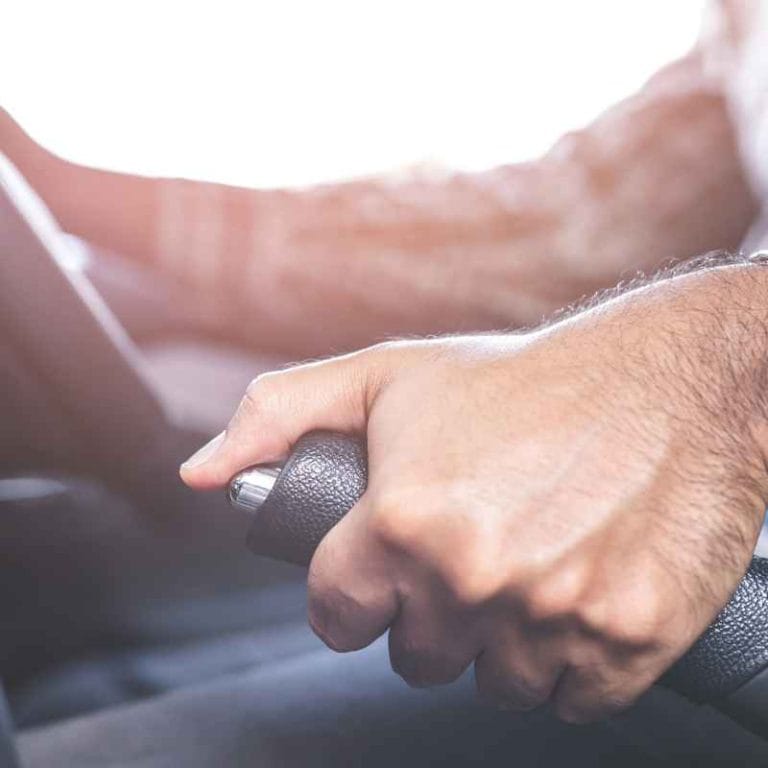
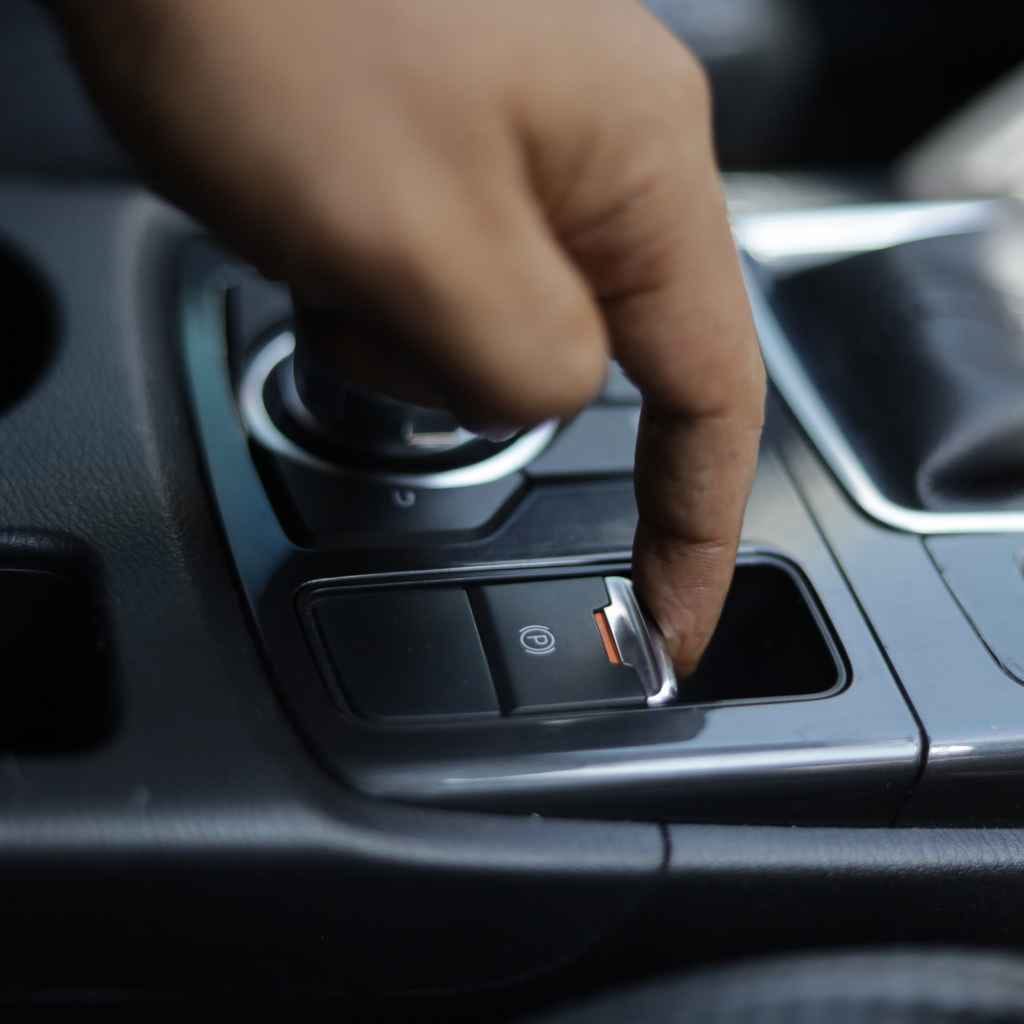
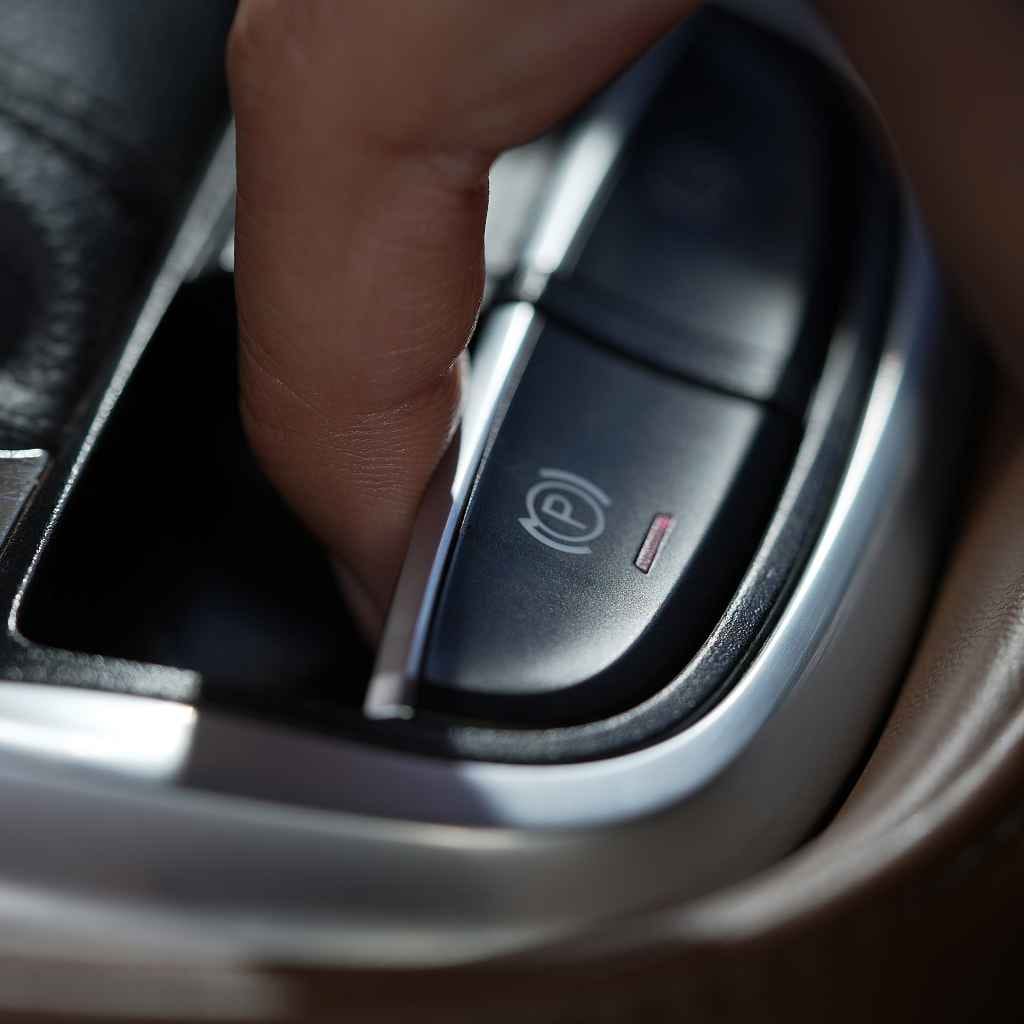
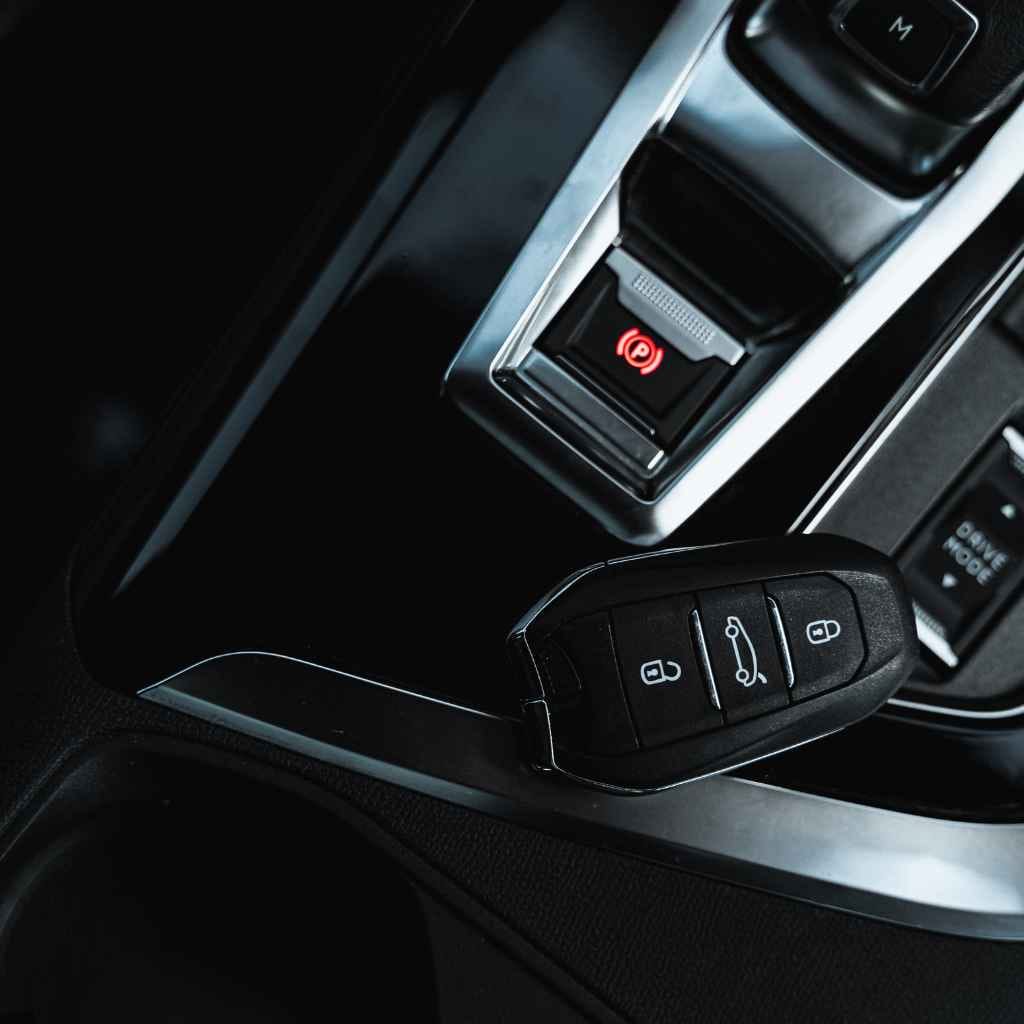
There are a few common types of parking brakes. The most traditional is a hand lever located between the front seats. Newer cars often feature an electronic parking brake, activated by a button or switch.
Some cars also have a foot pedal, typically found on the left side of the driver’s footwell. Regardless of the type, its purpose is the same: to secure the vehicle when parked.
The effectiveness of the parking brake depends on its condition. Like the main brakes, the cables and brake components can wear out over time. Regular checks are important.
If you notice your parking brake doesn’t hold the car as firmly as it used to, it’s time for an inspection and potential service. A well-maintained parking brake is a reliable safety feature.
When to Use the Handbrake in an Automatic Car Safely
So, When to Use the Handbrake in an Automatic Car? The most critical time is when you park on any kind of incline, no matter how slight. This includes hills, ramps, or even uneven parking spots where one side of the car might be lower than the other.
Even on a flat surface, engaging the handbrake adds an extra layer of security, especially if you have passengers or items that could cause the car to shift slightly.
Parking on Inclines Steep or Shallow
Parking on a hill is where the handbrake is absolutely essential. When parking uphill with a curb, turn your front wheels away from the curb. This way, if the car were to roll back, the wheels would turn into the curb, stopping it.
When parking downhill with a curb, turn your front wheels towards the curb. If the car rolls forward, the wheels will turn into the curb, stopping it. However, this assumes the curb will catch the car, which isn’t always guaranteed.
The handbrake provides the real holding power.
Even a gentle slope can put undue stress on the transmission. If you’ve ever parked on a slight incline, you might have noticed a little “clunk” when you shift from Park back into Drive. This is the sound of the parking pawl releasing from its locked position.
It’s a sign that the pawl was bearing some of the car’s weight. Using the handbrake before shifting into Park eliminates this strain.
A common technique for parking on an incline involves a specific sequence of actions. You should first apply the foot brake. Then, engage the parking brake firmly.
Only after the parking brake is engaged should you shift the transmission into Park. When you’re ready to drive away, start the engine, shift into Drive (or Reverse), release the parking brake, and then release the foot brake. This ensures the parking brake is holding the car while you manipulate the transmission and brakes.
The importance of this sequence cannot be overstated. If you put the car in Park first and then engage the handbrake, the transmission’s parking pawl will be holding the car’s weight. When you later release the handbrake, the car will likely roll slightly until the transmission pawl takes the load, causing that potentially damaging jolt. Curious what is happening mechanically at that moment? Read what happens when you release the brake pedal.
Always engage the handbrake before shifting into Park on any incline.
On Flat Surfaces for Extra Security
While the need might seem less urgent on flat ground, using the handbrake is still good practice. It adds an extra safety measure, particularly if you’re parked in a busy area or on a surface that might not be perfectly level. Think of it as an insurance policy for your vehicle’s stability.
It takes only a moment to engage, but it provides significant peace of mind.
Consider scenarios like parking on a ferry or in a multi-story car park where the ground might have slight gradients or bumps. Even a gentle vibration from a passing vehicle could cause a car without an engaged handbrake to shift. The handbrake ensures that your car remains exactly where you left it, preventing any accidental movement that could lead to minor damage or inconvenience.
Furthermore, for drivers who are particularly cautious or who carry precious cargo, using the handbrake on flat surfaces is a no-brainer. It’s a habit that contributes to overall vehicle safety and longevity. Many driving instructors emphasize this habit to build strong, safe driving reflexes from the outset.
It becomes second nature with practice.
Many modern automatic cars have electronic parking brakes. These are often automatically engaged when you turn off the engine. If your car has this feature, you might not need to do anything manual.
However, it’s always good to be aware of how your specific vehicle’s system works. Some drivers still prefer to manually engage the parking brake as an added precaution, even if the electronic system is active.
Emergency Situations and Parking Breaks
The handbrake is also known as the emergency brake for a reason. In the rare event of your main brakes failing while driving, the handbrake can be used to slow down and stop the car. It’s not as effective as the foot brake, and it requires careful, controlled application to avoid locking up the wheels and losing steering control, especially at higher speeds.
This is a skill that should ideally be practiced in a safe, controlled environment with professional guidance.
When used as an emergency brake, it’s important to apply it gradually. Yanking the lever hard can cause the rear wheels to lock up, leading to a skid. You want to use it to create enough friction to slow the car down without causing a loss of traction.
This is particularly tricky on wet or slippery surfaces. The goal is to bring the vehicle to a safe stop, even if it’s not a smooth one.
If your parking brake cable snaps or the mechanism seizes while you are parked, it’s a serious issue. This is why regular maintenance is so important. A broken parking brake means your car cannot be safely secured when parked, especially on any sort of incline.
You would need to have the brake system repaired before driving the car again.
Some vehicles have a separate parking brake system, often at the rear wheels, that is mechanically independent of the main braking system. Others might use a proportion of the main braking system’s hydraulic pressure to engage the parking brake. Understanding your car’s specific system helps in knowing its limitations and capabilities in both normal parking and emergency scenarios.
The Correct Procedure for Using the Handbrake
To truly understand When to Use the Handbrake in an Automatic Car, you need to know the right way to do it. The sequence of actions is key to preventing damage to your transmission and ensuring maximum safety. Following these steps every time you park will become second nature and protect your vehicle.
Step-by-Step Parking Procedure
Here’s the recommended sequence for parking your automatic car:
- Apply the foot brake. Always have your foot firmly on the brake pedal before you start any shifting or parking actions. This ensures the car is completely stopped and stable before you make any changes.
- Engage the parking brake. Pull the handbrake lever up firmly, press the pedal down, or activate the electronic button. You want to feel resistance and know it’s securely engaged.
- Shift the transmission into Park (P). Now that the parking brake is holding the car, you can safely move the gear selector to the ‘P’ position. The parking pawl will engage, but it will have minimal load on it.
- Turn off the engine. With the car safely in Park and the parking brake engaged, you can now switch off the engine.
This order is crucial, especially on any type of incline. By engaging the handbrake first, you are transferring the car’s weight onto the parking brake. This prevents the transmission’s parking pawl from bearing the brunt of the force.
It’s a simple but effective way to prolong the life of your transmission and ensure your car doesn’t roll.
When you are ready to depart, the sequence is also important. You will typically start the engine, put your foot on the foot brake, shift into Drive or Reverse, then release the parking brake, and finally release the foot brake to begin moving. This ensures that as you transition between gears, the car is always securely held.
Failing to follow this sequence, particularly on hills, can lead to noticeable wear and tear. The ‘clunk’ sound mentioned earlier is a direct consequence of the parking pawl taking the car’s weight. Over time, this repeated stress can weaken the pawl, leading to potential failure.
The handbrake is your primary defense against this.
The electronic parking brake systems in many modern cars simplify this process. When you turn off the engine, the system often automatically engages the parking brake. This makes it easier for drivers to remember this vital step.
However, it’s still wise to be aware of the manual procedure, as electronic systems can sometimes malfunction, or you might encounter older vehicles.
Releasing the Handbrake for Driving
When you’re ready to drive away, the procedure for releasing the handbrake is just as important as applying it. The correct way to release it ensures a smooth departure and continued safety.
- Start the engine and ensure it is running smoothly.
- Press down firmly on the foot brake. This is essential to keep the car stationary while you release the parking brake and shift gears.
- Shift the transmission into Drive (D) or Reverse (R). Select the gear you intend to use for moving off.
- Release the parking brake. For a lever, you’ll usually press a button and lower it. For a pedal, you’ll lift it. For an electronic button, you’ll press or pull it as indicated in your car’s manual.
- Slowly release the foot brake. Once the parking brake is fully released, gently ease off the foot brake. The car should begin to move smoothly.
This method ensures that the car’s weight is always controlled. By keeping your foot on the brake, you prevent the car from moving forward or backward unexpectedly as you disengage the parking brake. Once the parking brake is off, you can then use the accelerator to control your speed.
If you are on an incline and need to move off, you might need to use a bit more gas to prevent rolling backward before the transmission engages. Alternatively, some drivers prefer to keep their foot on the brake until they are ready to accelerate. The key is a controlled release and smooth application of power.
For cars with electronic parking brakes, the release mechanism might be slightly different. Often, simply shifting into Drive or Reverse and applying gentle pressure to the accelerator will automatically disengage the electronic brake. Always refer to your car’s owner’s manual for specific instructions on how your electronic parking brake operates.
It is critical to ensure the parking brake is fully disengaged before driving. Driving with the parking brake partially or fully engaged will cause significant wear on your braking system, reduce fuel efficiency, and can even lead to brake failure. You will typically notice a warning light on your dashboard if the parking brake is still on.
Electronic Parking Brakes Explained
Electronic parking brakes (EPBs) have become increasingly common in new vehicles. Not sure if your car has one? See how to tell if your car has electric brakes.
An EPB works by using an electric motor to apply or release the brakes, typically at the rear wheels. This is often integrated with the car’s electronic systems. Many EPBs automatically engage when the engine is switched off and the transmission is in Park.
They also often automatically disengage when the driver fastens their seatbelt, presses the brake pedal, and selects Drive or Reverse.
Even with automatic engagement, it’s wise to know how your specific EPB functions. Some drivers prefer to manually engage the EPB using the button or switch each time they park, especially on hills, to ensure maximum security. This provides an extra layer of confidence.
In an emergency, an EPB can often be used to slow the vehicle. However, the method for doing this might vary. Some systems are designed for controlled deceleration, while others might require a more forceful, prolonged press of the button.
Consulting your car’s owner’s manual is the best way to learn how to use your EPB in such situations.
One advantage of EPBs is their ability to hold the car more reliably on steep inclines than some older mechanical systems. They can also offer features like “auto-hold,” which keeps the brakes applied when stopped at traffic lights, releasing automatically when you accelerate. This further enhances convenience and safety.
Common Pitfalls and Best Practices
Even with clear instructions, drivers can sometimes fall into habits that aren’t ideal for their vehicle. Understanding these common mistakes can help you avoid them and ensure you’re always parking safely. Following best practices means looking after your car and yourself.
Not Using the Handbrake on Flat Surfaces
As mentioned earlier, many drivers only think about the handbrake when faced with a steep hill. They assume that on a perfectly flat surface, the transmission’s Park gear is sufficient. While this is often true for short stops, it’s not ideal for long-term parking or in situations where unexpected movement could occur.
It’s a missed opportunity to add an extra layer of security.
Consider the slight vibrations from traffic, or even the natural settling of the ground over time. These can be enough to cause a car without an engaged handbrake to move slightly. This small shift can put stress on the parking pawl, especially if it’s a consistent occurrence.
Making it a habit to use the handbrake on all parking situations, regardless of the perceived flatness of the ground, prevents this cumulative stress.
For example, imagine parking your car for a week while you’re on vacation. Even if the parking spot seems perfectly level, over seven days, minor shifts could occur. A car parked solely in ‘P’ might experience more wear and tear than one that also has its handbrake firmly engaged.
This is a small effort for a significant long-term benefit.
The data supports this proactive approach. While specific statistics on handbrake usage versus transmission wear are hard to isolate, general automotive maintenance principles emphasize redundancy and reducing stress on components. The parking brake is a dedicated system for holding the vehicle stationary.
Using it as intended is simply good mechanical practice.
Incorrect Parking on Inclines
The most common mistake on inclines is engaging the parking brake after shifting into Park. This means the transmission’s parking pawl is holding the car’s weight, not the handbrake. When you later release the handbrake, the car jolts as the pawl takes the load.
Over time, this can damage the pawl and its surrounding components.
Another error is not turning the wheels correctly when parking on an incline. The purpose of turning the wheels is to use the curb as a safety block if the brakes were to fail. However, relying solely on this is risky.
The handbrake should always be the primary method of securing the vehicle on a hill.
A scenario where this mistake is often made is in busy city parking garages or street parking where space is tight. Drivers might rush the parking process, not taking the time to follow the correct sequence. This is particularly problematic in older parking structures that might have steeper ramps than modern ones.
A driver might pull into a parking spot on a hill, put the car in ‘P’, turn off the engine, and then notice they forgot to engage the handbrake. In their haste to avoid a rollback, they might engage the handbrake after the engine is off and the car is already in ‘P’. This still puts undue stress on the transmission.
Forgetting to Release the Handbrake
This is a classic and potentially damaging mistake. Driving with the parking brake engaged, even partially, causes immense friction and heat. This can warp brake rotors, wear out brake pads prematurely, damage brake cables, and even lead to brake failure.
It also severely impacts fuel efficiency.
Modern cars often have warning lights on the dashboard that illuminate when the parking brake is still engaged. This is a critical safety feature designed to alert drivers to this mistake. However, drivers can sometimes ignore or not notice these lights, especially if they are accustomed to them being on during parking.
Imagine a driver who is distracted by a phone call or a child in the back seat. They might pull away from a parking spot without fully releasing the handbrake. Within a short distance, they might start to notice a strange smell or reduced acceleration.
If they continue driving, the damage can become severe very quickly.
Statistics from automotive repair shops indicate that driving with the parking brake on is a common cause of premature brake wear. While precise numbers vary, it’s a frequent reason for brake repairs that could have been easily avoided. The cost of repairing damaged brake components can be substantial.
Leveraging Technology with Care
Modern cars offer advanced features that assist with parking and braking. Electronic parking brakes and auto-hold functions are designed for convenience and safety. However, drivers should not become entirely complacent.
It’s important to understand how these systems work in your specific vehicle. For example, while an electronic parking brake might engage automatically, it’s wise to confirm it’s properly set, especially on very steep hills. Always refer to your car’s owner’s manual for detailed information on its specific features and recommended usage.
A scenario where this is relevant is when driving a rental car that has a different type of parking brake system than your own vehicle. You might be used to a manual lever but find yourself in a car with an electronic button. Taking a moment to familiarize yourself with the controls before you drive away is essential.
Even with advanced systems, there can be rare malfunctions. A manual check or understanding of how to manually engage or disengage the brake provides a backup. It’s about combining technology with your own awareness and good driving habits.
When to Use the Handbrake in an Automatic Car Summary
Knowing When to Use the Handbrake in an Automatic Car is key. Always use it on any incline, no matter how small. It’s also a smart habit for flat surfaces for extra security.
Follow the sequence: foot brake, parking brake, then Park gear. Release it in reverse order before driving. This protects your transmission and ensures your car is safe.
Make it a routine for confident driving.
Frequently Asked Questions
Question: Is it always necessary to use the handbrake in an automatic car?
Answer: While not strictly necessary on perfectly flat surfaces for very short stops, it is highly recommended. It’s essential on any incline and serves as an important safety backup.
Question: What happens if I don’t use the handbrake on a hill?
Answer: The weight of the car will rest on the transmission’s parking pawl. Over time, this can cause significant wear and tear, potentially leading to the pawl failing to hold the car securely.
Question: Can I damage my car by using the handbrake too much?
Answer: No, using the handbrake correctly as part of the parking procedure actually helps prevent damage to your transmission. It’s designed for this purpose.
Question: What is the correct order for parking on a hill?
Answer: Apply the foot brake, engage the parking brake, then shift into Park. Turn your wheels appropriately to face towards the curb when going downhill, and away from the curb when going uphill.
Question: How do I know if my electronic parking brake is engaged?
Answer: Most cars have a warning light on the dashboard that illuminates when the electronic parking brake is engaged. Your car’s manual will show you what this light looks like.
Conclusion
Mastering When to Use the Handbrake in an Automatic Car makes a real difference. Always use it on hills for safety. It’s also good practice on flat ground.
Stick to the right parking steps: brake, handbrake, then Park. Release it before you drive. This habit keeps your car safe and your transmission healthy.
You’ve got this! See also how to make car brake pipes at home is it even safe .
Products related to this article
Sponsored / affiliate links. As an Amazon Associate I earn from qualifying purchases. I may earn additional commission from eligible campaigns.
 Coverado Car Seat Covers Front Seats, Luxury Leather Car Seat Covers, Automotive Mesh Seat Covers 2 Pack, Airbag-Compatible, Black Gray Seat Covers for SUV Sedan Truck
 Automatic Transmission Output Shaft Speed Connector
 Artibetter 1 Set Bracket and Lever Kit, Automatic Transmission Shifter Cable Holder Kit Compatible with 4L60E/4L80E, Car Shifter Replacement Bracket Shift Lever Rack