What Happens When Car Brakes Get Wet? What Drivers Must Know
When car brakes get wet, their stopping ability is temporarily reduced due to water acting as a lubricant between brake pads and rotors. This effect is usually short-lived, as friction and heat quickly dry the components, but drivers should be aware of reduced responsiveness and take precautions in wet driving conditions.
Understanding Brake Wetness
Your car’s brakes are amazing pieces of engineering. They work by using friction. When you press the brake pedal, brake pads clamp down on spinning metal discs called rotors.
This clamping action creates friction. Friction slows down the rotation of the wheels. This, in turn, slows your car.
It’s a simple concept, but it relies on dry contact.
Water changes this. Water is slippery. When it gets between the brake pads and the rotors, it acts like a lubricant.
Imagine trying to grip something with wet hands. It’s harder to get a good hold. The same thing happens with your brakes.
The wet surfaces can’t grip each other as well. This means less friction is produced.
So, the main thing that happens is a temporary loss of braking power. You might notice your brake pedal feels softer. It could go down a bit further before the brakes grab.
The stopping distance might increase. This means your car needs more space to stop. This is especially noticeable if you hit the brakes hard.
This effect is most common after driving through deep puddles. It can also happen after a car wash. Heavy rain can also contribute.
Even dew on the brakes in the morning can have a slight impact. It’s not usually a dangerous situation if it’s just a little bit of water. But it’s good to know what to expect.
Why Wet Brakes Are a Concern
The biggest concern with wet brakes is the unexpected reduction in stopping power. Most of the time, this effect goes away very quickly. As you drive and apply the brakes gently, the heat and friction from the braking action dry out the water.
The pads and rotors get hot. This heat evaporates the moisture.
However, there are times when this drying process might take a little longer. If it’s very cold, the water might not evaporate as fast. If the water is mixed with dirt or salt (from winter roads), it can create a sludgy film.
This film can be more slippery than plain water. This can make the braking problem last longer.
The real danger comes when you need to stop suddenly. Imagine you’re driving on a wet road. You’re already a bit slower because the tires have less grip.
Then, you hit your brakes. If they are wet, they won’t grab as hard or as fast as they normally would. This could mean you can’t stop in time.
This is why drivers need to be aware. You need to anticipate this issue. Knowing that your brakes might be a little weaker for a short period helps you adjust your driving.
You can leave more space between your car and the car in front. You can also brake earlier. This gives your wet brakes more time to work effectively.
Another thing to consider is brake noise. Sometimes, when brakes are wet, they can make strange noises. You might hear a grinding or a squealing sound.
This is often just the water being forced out. It’s usually harmless. But it can be startling if you’re not expecting it.
The Science Behind the Slippery Situation
To really understand why wet brakes are less effective, let’s think about friction. Friction is what makes things stick together and resist sliding. It’s measured by a coefficient of friction.
A higher coefficient means more grip. A lower coefficient means less grip.
Dry brake pads and rotors have a pretty high coefficient of friction. This allows them to create a lot of stopping force. When water is introduced, it gets between the pad and the rotor.
Water has a much lower coefficient of friction than the materials of the brake pads and rotors.
This low friction makes it hard for the pads to “bite” into the rotors. The water acts as a barrier. It prevents the surfaces from making direct contact.
So, instead of a strong grip, you get a weak, slippery grip. This explains the spongy pedal feel and longer stopping distances.
This effect is similar to hydroplaning, but on a much smaller scale. With hydroplaning, a layer of water builds up between your tires and the road. This causes you to lose steering and braking control.
With wet brakes, it’s the water between the pad and rotor that causes the loss of grip.
It’s important to remember that this is usually temporary. As soon as the water is gone, the friction returns. The heat generated by the braking action is very effective at drying things out.
Think about how quickly a wet road surface dries after the rain stops. The same principle applies to your brakes.
However, the amount of water matters. A light spray might have a minimal effect. A deep puddle can mean a significant amount of water gets into the braking system.
This can make the initial braking much weaker.
Quick Facts: Wet Brakes
- Main Effect: Reduced stopping power.
- Cause: Water acts as a lubricant between pads and rotors.
- Sensation: Spongy brake pedal, longer stopping distance.
- Duration: Usually temporary, clears up with heat and friction.
- When to Watch Out: After puddles, car washes, heavy rain, or in winter with salt/slush.
My Own Wake-Up Call with Wet Brakes
I remember this one time, a few years back, it was a miserable autumn day. The sky was dark grey, and it had been raining hard for hours. I was driving home from a client meeting, and the roads were slick.
I was being extra careful, leaving plenty of space.
I came up to a particularly large puddle on the highway. It looked deep, maybe a foot or more across. I slowed down, but still, my car hit it with a definite splash.
Water went everywhere. For a second, I didn’t notice anything different. The radio was on, I was thinking about what I needed to do next.
Then, the car in front of me slammed on its brakes. I reacted instantly, my foot going straight to my own brake pedal. But something was off.
The pedal felt mushy. It went down further than usual. The car didn’t slow down as quickly as I expected.
My heart leaped into my throat. It felt like a mile before my car started to really grab and slow down.
Thankfully, I had left enough space, and the car in front of me hadn’t stopped abruptly. I stopped safely, but my hands were shaking. That was the moment I truly understood how much wet brakes can impact stopping distance.
It was a scary few seconds. I felt a wave of relief wash over me. I also felt a sudden surge of respect for the power of water.
From that day on, I always pay attention after hitting a puddle. I’ll usually tap my brakes a few times gently. This helps to clear the water and get the brakes working normally again.
It’s a small habit that makes a big difference in my peace of mind.
Real-World Scenarios: When Brakes Get Wet
Wet brakes are not just a theoretical problem. They happen in everyday driving situations. Understanding these scenarios can help you prepare.
Driving Through Puddles
This is the most common cause. Puddles can form quickly after heavy rain. Sometimes, you can’t see how deep they are.
If you drive through one, water can get splashed up onto your wheels and brakes. This can happen at any speed. Driving faster through a puddle means more water gets splashed.
Car Washes
Automatic car washes use a lot of water. High-pressure jets spray water from all angles. Some of this water is bound to get into the brake components.
Even with self-service car washes, rinsing the wheels can introduce water to your brakes.
Heavy Rain and Driving
On a day with continuous heavy rain, your brakes are constantly exposed to moisture. While the act of driving and braking will help dry them, they might never get fully dry. This means your braking performance could be consistently lower throughout the drive.
Winter Driving Conditions
In colder climates, things get more complicated. Road salt and de-icing chemicals can mix with water and slush. This mixture can then get onto your brakes.
This is not just about water; it’s about a corrosive, slippery film. This can lead to more significant issues than just temporary reduced braking.
Washing Your Car at Home
Even a simple garden hose can wet your brakes. If you’re giving your car a quick rinse, especially around the wheels, you’re introducing moisture. It’s a good idea to follow up with a few gentle brake applications afterwards.
After Sitting for a Long Time
If your car has been parked for a while, especially outside, dew can form on the brake components. This is usually a very minor effect. But in humid conditions, it can be enough to notice a slight difference in braking the first few times you apply the pedal.
Brake Moisture Triggers
Scenario: Driving through a deep puddle.
Impact: Significant water splash, temporary but noticeable brake reduction.
Scenario: Routine car wash.
Impact: Water can penetrate brake assemblies, minor to moderate temporary reduction.
Scenario: Extended drive in heavy rain.
Impact: Constant moisture, reduced braking performance throughout the drive.
Scenario: Winter roads with salt and slush.
Impact: Corrosive and slippery film, potential for longer-lasting issues.
The Drying Process: How Brakes Recover
The good news is that your brakes are designed to handle a bit of water. The recovery process is usually quite quick. It involves two main factors: heat and friction.
Heat Evaporation
When you press the brake pedal, the brake pads and rotors rub together. This friction creates heat. A lot of heat, in fact.
This heat is very effective at drying out any moisture that has gotten onto the braking surfaces. Think of a hot pan drying out a wet sponge.
The amount of heat generated depends on how hard you brake and how long you brake for. A quick, light tap of the brakes might not create much heat. A firm, sustained stop will generate much more heat.
This is why longer or harder braking is more effective at drying out wet brakes.
Friction Abrasion
The friction itself helps to scrape away any thin film of water. As the brake pad presses against the rotor, it physically removes the water layer. This process is most effective when the surfaces are dry enough to make good contact.
Once the water is mostly gone, the normal friction levels return.
It’s a bit of a cycle. You brake, creating heat and friction. This dries the brakes.
As they dry, friction increases, leading to more effective braking. This cycle continues until the brakes are completely dry and functioning at their normal capacity.
Most of the time, this entire process takes only a few seconds of driving and gentle braking. You might notice a slight improvement with each brake application. By the time you’ve braked a few times, you’re usually back to normal.
Drying Your Brakes: A Quick Guide
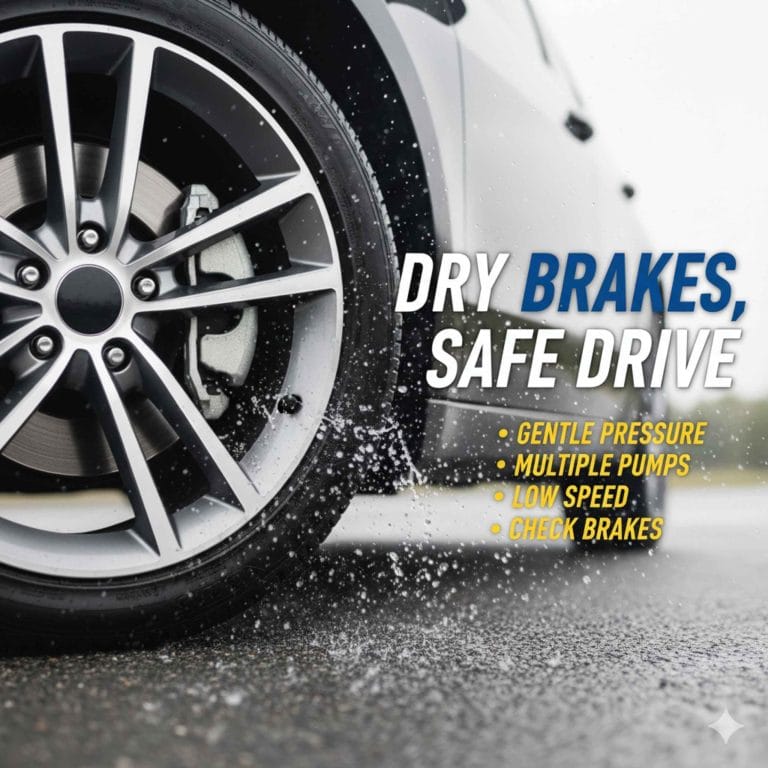
- Apply Brakes Gently: After driving through water, lightly press the brake pedal a few times.
- Increase Friction: Do this while driving at a slow, safe speed.
- Generate Heat: The friction from braking creates heat.
- Evaporate Water: Heat dries out the moisture on the pads and rotors.
- Normal Performance Returns: This usually takes only a few seconds.
When to Be More Concerned
While wet brakes are usually a temporary inconvenience, there are times when you should pay closer attention. These situations might indicate a bigger problem or require more caution.
Persistent Spongy Pedal
If your brake pedal feels spongy or soft even after you’ve driven for a while and applied the brakes multiple times, this is a concern. It could mean there’s more than just water causing the issue. It might be a sign of air in the brake lines or a problem with the brake fluid.
Unusual Noises That Don’t Stop
A light squeak or groan might be normal when brakes are wet. But if you hear loud grinding, squealing that doesn’t go away, or clunking noises, this needs checking. These sounds could mean your brake pads are worn out, or there’s debris stuck in the braking mechanism.
Brake Warning Lights
If your car’s brake warning light comes on, don’t ignore it. This light indicates a problem with your braking system. It could be related to low brake fluid, an issue with the anti-lock braking system (ABS), or a more serious mechanical failure.
Drifting or Pulling When Braking
When you brake, your car should stop in a straight line. If your car pulls to one side when you brake, it means one side is braking harder than the other. This could be due to uneven wear on the brake pads or calipers, or a problem with the brake lines.
Longer Stopping Distances That Don’t Improve
If you notice your car is taking significantly longer to stop, and this doesn’t get better after a few brake applications, you have a problem. This is a direct safety issue. It means your brakes are not performing as they should.
Signs Your Wet Brakes Need a Closer Look
Symptom: Spongy pedal persists.
Possible Cause: Air in brake lines, brake fluid issue.
Symptom: Loud grinding or persistent squealing.
Possible Cause: Worn brake pads, debris, mechanical issue.
Symptom: Brake warning light illuminated.
Possible Cause: Low brake fluid, ABS fault, system malfunction.
Symptom: Car pulls to one side when braking.
Possible Cause: Uneven pad wear, caliper issues, brake line problem.
Symptom: Stopping distances are much longer and don’t improve.
Possible Cause: Serious brake system defect.
Tips for Driving in Wet Conditions
Driving in the rain or after rain requires a different approach. Here are some tips to help you stay safe when your brakes might be wet:
- Increase Following Distance: This is the most crucial tip. Give yourself more room between your car and the vehicle ahead. This extra space provides more time to react and stop.
- Slow Down: Reduce your speed. Slower speeds mean less kinetic energy to dissipate when you brake. This makes your braking more effective.
- Brake Gently and Early: Avoid sudden braking. Instead, apply the brakes gently and earlier than you normally would. This allows your brakes more time to grip and slow the car.
- Test Your Brakes: After driving through a puddle or after washing your car, gently apply your brakes a few times while driving at a safe, slow speed. This helps to dry them out and restore normal performance.
- Check Tire Tread: Good tire tread is essential for wet weather traction. Ensure your tires are in good condition and properly inflated.
- Be Aware of Hydroplaning: If you feel your steering become light or you lose control, ease off the accelerator and brakes. Do not make sudden steering movements.
- Listen to Your Car: Pay attention to any unusual sounds your brakes make. If you hear anything concerning, get them checked.
- Know When to Pull Over: If the rain is severe and visibility is very poor, it’s safer to pull over and wait for conditions to improve.
Wet Weather Driving Checklist
Action: Increase following distance.
Why: More time to react and stop.
Action: Reduce speed.
Why: Less energy to brake, better tire grip.
Action: Gentle, early braking.
Why: Allows brakes to work effectively.
Action: Test brakes after water exposure.
Why: Quickly removes water, restores performance.
Action: Check tire tread depth.
Why: Crucial for traction on wet roads.
Common Misconceptions About Wet Brakes
There are a few ideas people have about wet brakes that aren’t quite right. Let’s clear a few up.
Myth: Wet brakes are permanently damaged.
Reality: For most cars, wet brakes are only temporarily affected. The water usually dries off quickly with normal driving and braking. Permanent damage is rare unless the water was contaminated with corrosive materials or if there was an underlying issue.
Myth: All brake noises are bad.
Reality: While some brake noises are serious, a light squeak or groan right after driving through water is often normal. It’s usually just the sound of water being expelled. If the noise is loud, grinding, or persistent, then it’s time to worry.
Myth: You need to immediately stop and dry your brakes.
Reality: This is usually not necessary. The best way to dry your brakes is by driving. Gentle, repeated braking at a safe speed will generate the heat and friction needed.
Stopping in the middle of the road is dangerous and not recommended.
Myth: Modern cars don’t have this problem.
Reality: All cars with traditional hydraulic brake systems can be affected by water. While some advanced systems might have ways to mitigate the effects or dry themselves, the fundamental physics of water reducing friction still apply to some extent.
Brake Wetness: Fact vs. Fiction
Myth: Wet brakes are ruined.
Fact: Temporary effect, usually clears quickly.
Myth: Any brake noise is dangerous.
Fact: Some light noises are normal after water exposure.
Myth: Must stop to dry brakes.
Fact: Driving and gentle braking is the best method.
Myth: Modern cars are immune.
Fact: All cars can experience temporary wet brake effects.
The Role of Brake Components
Different parts of your braking system can be affected by water in slightly different ways. Understanding these components helps paint a clearer picture.
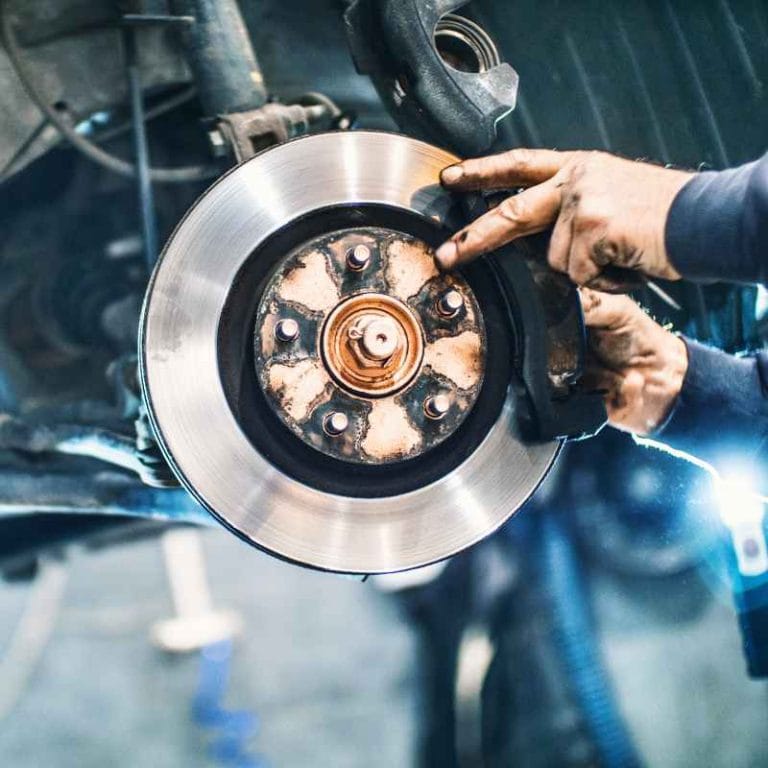
Brake Pads
These are the friction material that presses against the rotor. When wet, their surface can become slick. They are designed to create friction when dry, but water reduces their grip significantly.
Brake Rotors
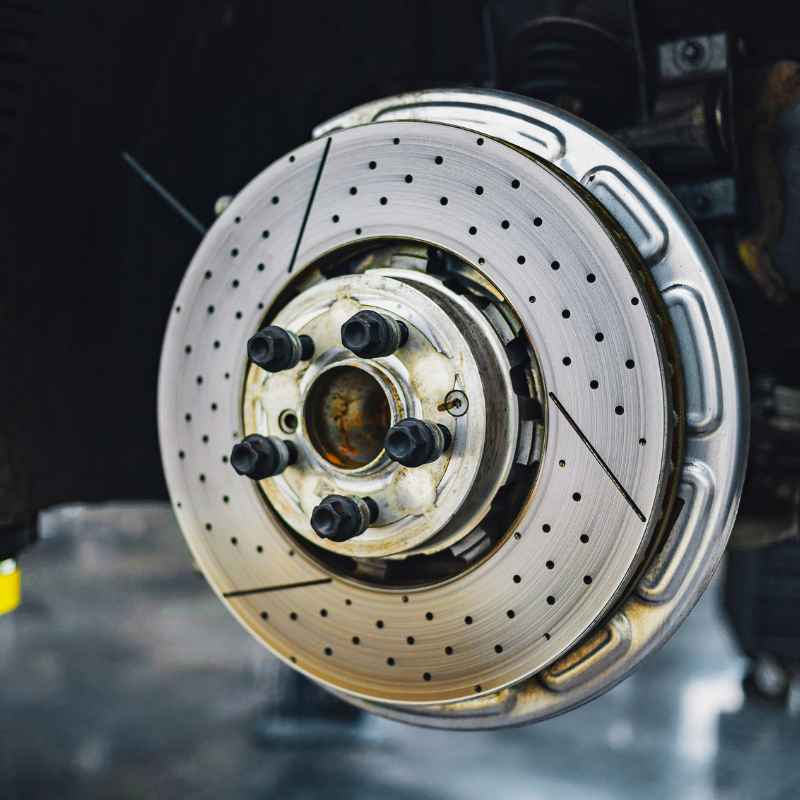
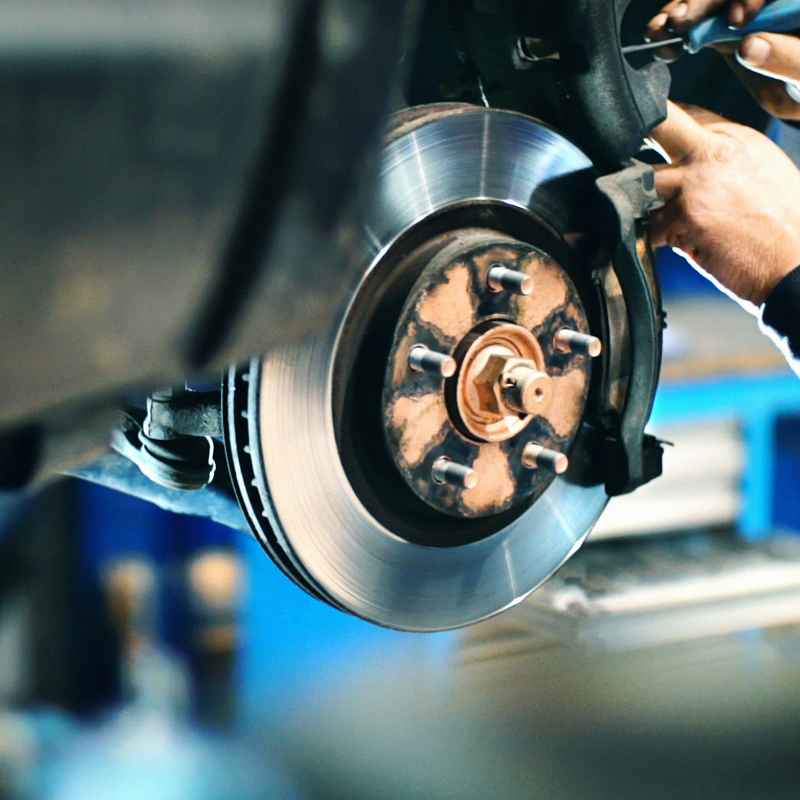
These are the spinning metal discs. They are typically made of cast iron or steel. Water can sit on their surface, creating that slippery layer.
If left wet for long periods, especially with salt, they can also rust. This rust can affect braking and cause noise.
Brake Calipers
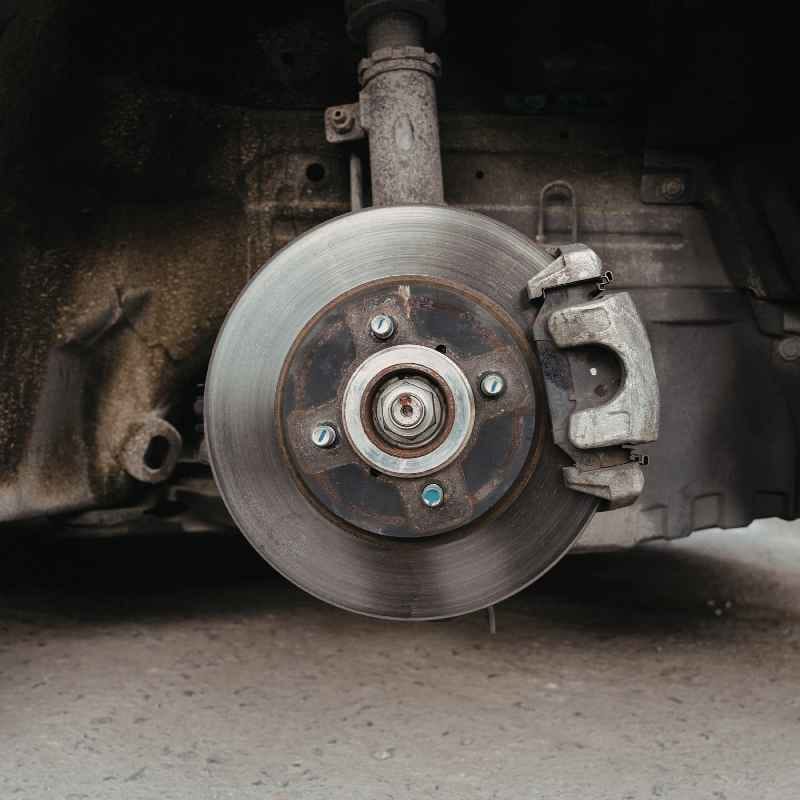
These hold the brake pads. When you brake, hydraulic fluid pushes pistons inside the calipers. These pistons force the pads against the rotors.
Water getting into the caliper area is less common, but extreme splashing can introduce it.
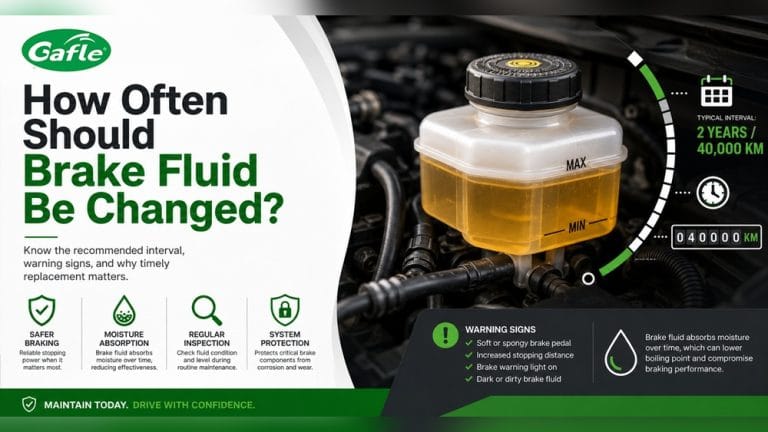
Brake Fluid
Brake fluid is crucial for transmitting the force from your pedal to the brakes. It’s a hydraulic fluid, meaning it doesn’t compress easily. Water can sometimes be absorbed by brake fluid.
This can lower its boiling point, which could be a problem during very heavy braking, but this is less about temporary wetness and more about long-term fluid maintenance.
ABS System
The Anti-lock Braking System (ABS) helps prevent your wheels from locking up during hard braking. Water can affect how the ABS sensors read wheel speed. This might cause the ABS to engage sooner or differently than it would on dry surfaces.
It’s important to remember that ABS is designed to work in wet conditions, but the initial reduced braking force from wet pads still applies.
Brake System Components & Water
Component: Brake Pads
Effect of Water: Reduced friction, slippery surface.
Component: Brake Rotors
Effect of Water: Lubrication, potential for rust in wet/salty conditions.
Component: Brake Calipers
Effect of Water: Less direct impact, but can get splashed.
Component: Brake Fluid
Effect of Water: Can absorb water over time, lowering boiling point (long-term issue).
Component: ABS System
Effect of Water: Sensors may react differently, but system is designed for wet use.
When is it More Than Just Water?
Sometimes, the feeling of reduced braking isn’t just about temporary wetness. It’s important to distinguish between normal wet brake effects and actual brake problems.
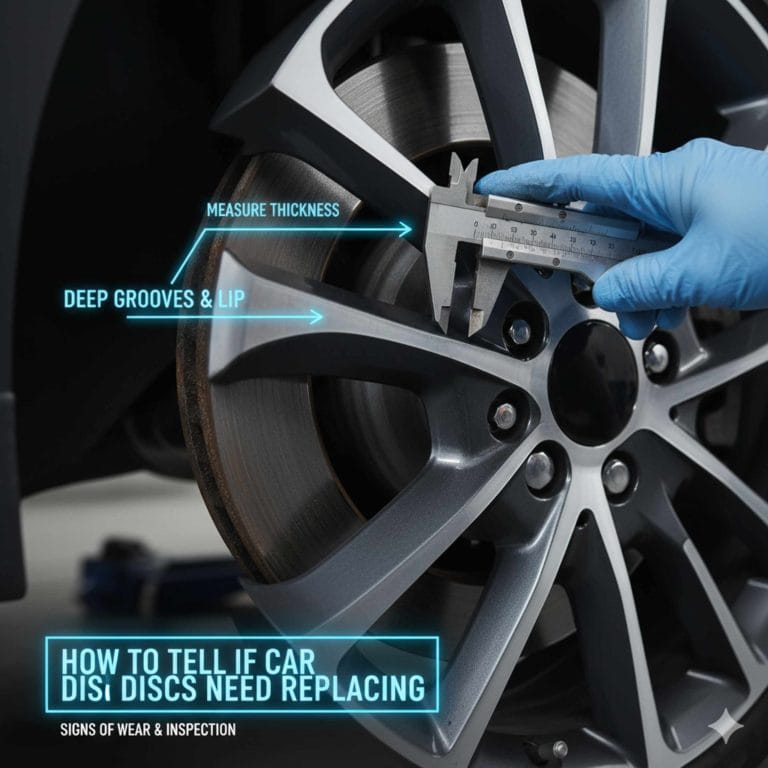
Brake Pad Wear
Worn brake pads have less material. This means they can’t apply as much pressure. When wet, their already reduced effectiveness can become more pronounced.
If your pads are nearing the end of their life, any extra factor like water can make a big difference.
Brake Fluid Leaks
A leak in the brake system means you lose brake fluid. Low brake fluid levels can cause a spongy pedal and significantly reduced braking power. This is a serious issue that needs immediate attention.
Corrosion and Rust
Especially in areas where roads are treated with salt during winter, brake components can rust. This rust can create an uneven surface on the rotors. It can also get between the pads and rotors, causing both noise and reduced stopping power.
This is a more persistent problem than just temporary water.
Sticking Calipers
Brake calipers can sometimes stick or not release properly. This can cause uneven braking. If a caliper is sticking, water might temporarily mask the issue or make it feel worse.
If you’re unsure whether the problem is just water or something more serious, it’s always best to have your brakes inspected by a qualified mechanic. They can identify any underlying issues and ensure your braking system is safe.
The Role of Regular Maintenance
Proper maintenance is your best defense against brake problems, whether they are caused by water or other factors.
Regular Inspections
Have your brakes checked regularly as part of your car’s routine maintenance. Mechanics can spot worn brake pads, check brake fluid levels, and inspect for any signs of corrosion or leaks before they become major problems.
Brake Fluid Changes
Brake fluid should be changed according to your car manufacturer’s recommendations. This helps remove any moisture that has been absorbed and ensures the fluid is at its best for optimal braking performance.
Cleaning Brake Components
While you can’t easily clean brake components yourself, regular driving and proper washing can help. Avoid letting dirt, salt, and grime build up on your brakes.
Addressing Issues Promptly
If you notice any changes in your braking performance, don’t wait. Get them checked out. Small issues can quickly turn into bigger, more expensive, and dangerous problems.
Conclusion: Stay Aware, Drive Safely
Understanding what happens when car brakes get wet is about more than just curiosity. It’s about safety. The temporary reduction in stopping power is real.
It can be a surprise if you’re not expecting it. But with a little knowledge, you can prepare.
Pay attention to your car’s behavior after driving through water. Drive cautiously in wet conditions. And always, always maintain your braking system.
By doing so, you can ensure that your car stops reliably, no matter what the weather throws at you.
Frequently Asked Questions
How long does it take for wet brakes to dry?
For most cars, wet brakes will dry out within a few seconds of driving and gentle braking. The heat and friction generated by the braking action evaporate the moisture. This process is usually very quick, often completing within a block or two of driving.
Should I be worried if my brakes squeal after driving in the rain?
A light squeal or groan immediately after driving through water is often normal. It’s usually just the sound of water being expelled from the brake pads and rotors. However, if the squealing is loud, persistent, or sounds like grinding, it’s best to have your brakes inspected by a mechanic.
What is the best way to dry out my brakes after hitting a puddle?
The most effective way to dry your brakes is to drive gently and apply the brake pedal lightly a few times. This creates friction and heat, which evaporates the moisture. Do this at a safe, slow speed where you have plenty of room.
Can water damage my brake pads permanently?
Typically, no. Water itself is unlikely to cause permanent damage to brake pads. The main issue is the temporary reduction in friction.
However, if the water is contaminated with salt or debris, and the brakes are left wet for an extended period, it could lead to rust or corrosion which might affect performance over time.
What should I do if my car pulls to one side when braking after it’s been in the rain?
If your car pulls to one side when braking, especially after rain, it’s a sign that something is wrong with your braking system. This could be due to uneven brake pad wear, a problem with a brake caliper, or an issue with the brake lines. You should have your brakes inspected by a qualified mechanic immediately.
Does ABS help with wet brakes?
Yes, the Anti-lock Braking System (ABS) is designed to help maintain control during braking, especially in slippery conditions like wet roads. However, ABS works with your brakes. If your brake pads and rotors are wet and have reduced grip, ABS will still try to prevent lock-up, but the overall stopping distance might still be longer than on dry surfaces.
Products related to this article
Sponsored / affiliate links. As an Amazon Associate I earn from qualifying purchases. I may earn additional commission from eligible campaigns.
 Evenoonest 2Pcs Car Polishing Sponge Pads, 7 Inch Car Sponge Wheel, For M16 Cars For Polishing Machine, Efficient Waxing And Buffing
![iPhone Car Charger,USB C Fast Car Charger[Apple MFi Certified] Apple Car Charging 38W Dual Port CarCharger Cigarette Lighter Adapter 2x3ft PD&QC 3.0 Lightning Cable for iPhone 14/13/12 Pro/11/Airpods](https://m.media-amazon.com/images/I/41XizrssoiL._SL500_.jpg) iPhone Car Charger,USB C Fast Car Charger[Apple MFi Certified] Apple Car Charging 38W Dual Port CarCharger Cigarette Lighter Adapter 2x3ft PD&QC 3.0 Lightning Cable for iPhone 14/13/12 Pro/11/Airpods
iPhone Car Charger,USB C Fast Car Charger[Apple MFi Certified] Apple Car Charging 38W Dual Port CarCharger Cigarette Lighter Adapter 2x3ft PD&QC 3.0 Lightning Cable for iPhone 14/13/12 Pro/11/Airpods