Why Do Car Brakes Squeak When Cold? Simple Explanation
Car brakes squeak when cold due to microscopic vibrations between the brake pad and rotor at low temperatures. This common issue affects millions of drivers worldwide and often raises concerns about brake system health and safety.
In this article, you will learn exactly what causes cold brake squeak, when it is harmless, and when it signals a problem that needs attention. We break down the science behind brake noise in simple terms so you can drive with confidence.
Simply put, cold brake squeak is usually caused by high-frequency vibration between brake pads and rotors when materials are stiff from low temperatures. Most of the time it is harmless and disappears once the brakes warm up, but persistent squeaking may indicate worn pads, glazed rotors, or lack of proper lubrication.
Key Takeaways
- Car brakes squeak when cold primarily because brake pad materials become stiffer at lower temperatures, increasing vibration.
- Most cold brake noise is normal and does not indicate a safety problem, but it can be annoying.
- Brake pad composition plays a major role — semi-metallic pads squeak more than ceramic pads in cold weather.
- If squeaking continues after the brakes warm up, you may need pad replacement or rotor resurfacing.
- Simple fixes like applying anti-squeal shims or lubricating contact points can reduce cold brake noise significantly.
What Exactly Causes Car Brakes to Squeak When Cold?
Car brakes squeak when cold because of a phenomenon called brake judder or friction-induced vibration. When you press the brake pedal, the pad clamps onto the rotor. At low temperatures, the pad material is harder and less pliable, which means it does not dampen vibrations as effectively.
These vibrations occur at frequencies between 1,000 and 20,000 Hz — well within the human hearing range. The result is that annoying squeal or squeak you hear pulling out of your driveway on a cold morning.
Three main factors contribute to cold brake squeak:
- Material stiffness: Cold brake pads are stiffer and less able to absorb vibration energy.
- Thermal contraction: Metal rotors contract slightly in cold weather, changing the friction interface.
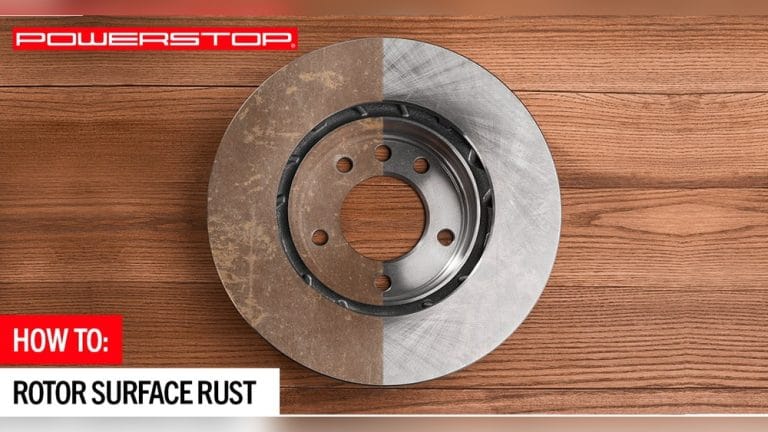
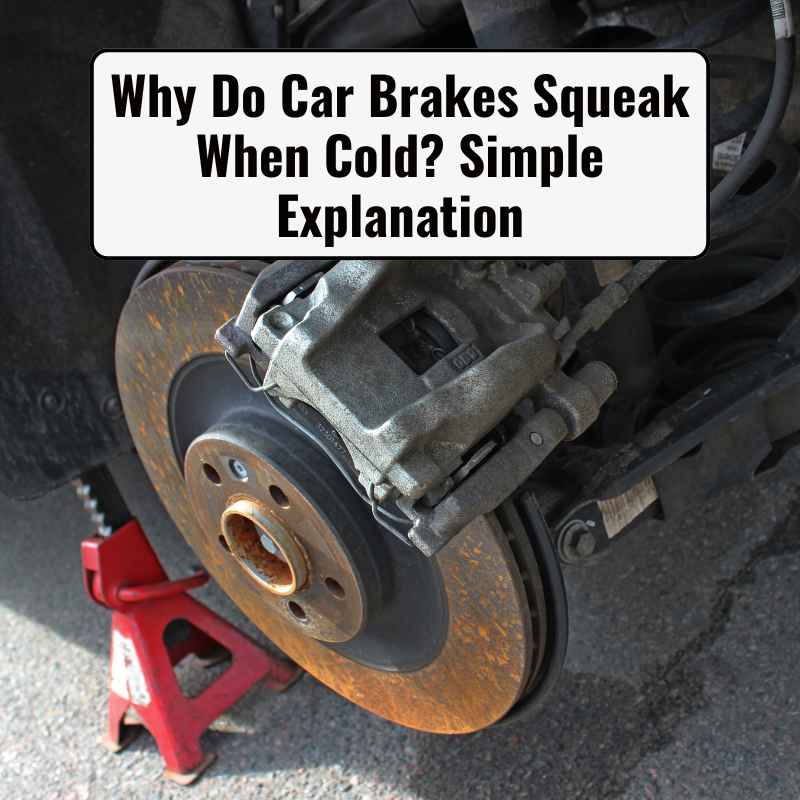
- Moisture and condensation: Overnight moisture on rotors creates an uneven surface that promotes squeaking.
Tip: If your brakes only squeak during the first few stops of the day, it is almost certainly harmless temperature-related noise.
The Society of Automotive Engineers (SAE) reports that brake noise is the number one customer complaint in the automotive industry, with cold-temperature squeak accounting for roughly 30% of all brake noise issues. Understanding the root cause helps both drivers and mechanics address the problem effectively.
How Temperature Affects Brake Pad Materials
Brake pads are made from a composite of materials including metals, resins, fillers, and friction modifiers. Temperature directly changes how these materials behave at the microscopic level.
At temperatures below 40°F (4°C), the resin binders in brake pads become glass-like and rigid. This rigidity reduces the pad’s ability to conform to tiny imperfections on the rotor surface. Instead of smoothly mating with the rotor, the pad skips and vibrates across it, creating sound waves you hear as squeaking.
| Temperature Range | Pad Behavior | Likelihood of Squeak |
|---|---|---|
| Below 32°F (0°C) | Very stiff, high vibration | Very high |
| 32°F to 60°F (0°C to 15°C) | Moderately stiff | Moderate |
| 60°F to 120°F (15°C to 49°C) | Optimal flexibility | Low |
| Above 120°F (49°C) | Soft, may fade | Very low (different noise types) |
Once you brake a few times, the friction generates heat. The pads warm up to their optimal operating range (typically 200°F to 600°F), the materials soften slightly, and the squeak disappears. This is why cold brake squeak is almost always temporary.
Important: Different brake pad formulations react differently to cold. Semi-metallic pads contain 30-65% metal by weight and are most prone to cold squeak. Ceramic pads contain less metal and tend to be quieter in cold weather.
Common Types of Cold Brake Squeaks and What They Mean
Not all brake squeaks sound the same. The pitch, duration, and pattern of the noise can tell you a lot about what is happening inside your brake system. Learning to distinguish between them saves you time and money.
1. Morning Squeak (First Stops of the Day)
This is the most common type. You hear a brief squeak or squeal during your first few braking events after the car has sat overnight. It usually disappears after 2-5 stops.
This is almost always normal and caused by surface moisture or light rust on the rotors.
2. Persistent Cold Squeak
If the squeak continues for your entire drive even at low temperatures, the issue goes beyond simple morning moisture. Persistent cold squeak often indicates glazed pads, worn shims, or an incorrect pad compound for your vehicle.
3. Squeak at Light Pedal Pressure Only
Some cars only squeak when you apply light brake pressure — like creeping in traffic or parking. This happens because light pressure does not generate enough heat or clamping force to dampen vibrations. The National Highway Traffic Safety Administration (NHTSA) notes this is one of the most frequently reported but least dangerous brake noises.
| Noise Type | Likely Cause | Action Needed |
|---|---|---|
| Brief morning squeak | Surface rust / moisture | None (normal) |
| Constant cold squeal | Glazed pads or worn hardware | Inspect and replace if needed |
| Low-speed light pressure squeak | Insufficient clamping force | Usually normal; check if annoying |
| Grinding with squeak | Worn pads below wear indicator | Replace immediately |
According to a 2023 survey by the Brake Manufacturers Council, 68% of drivers who experience brake noise visit a mechanic within the first month. Yet only about 20% of those visits reveal an actual safety issue. Most of the time, cold squeak is just an acoustic nuisance.
Why Do Some Cars Squeak More Than Others?
You might notice that your neighbor’s car stays silent while yours squeaks every cold morning. There are several reasons for this variation, and they all come down to design and maintenance choices.
Brake pad material is the biggest factor. Semi-metallic pads, which are common on trucks and performance vehicles, contain steel fibers and iron powder. These materials conduct heat well but also transmit vibration efficiently — making them louder in cold weather.
Ceramic pads, by contrast, use non-metallic fibers and are inherently quieter.
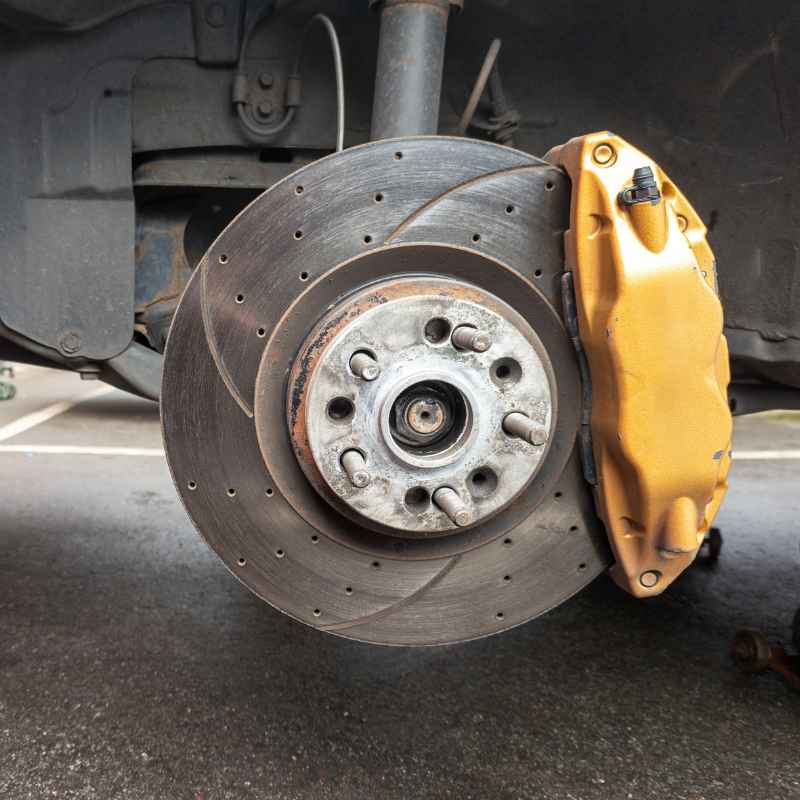
Rotor design also matters. Drilled or slotted rotors, popular on sporty cars, have more surface interruptions that can create noise. Solid rotors are quieter but may not cool as well under hard braking.
- Pad composition: Semi-metallic > organic > ceramic (least squeak)
- Rotor type: Drilled/slotted > solid (quieter)
- Brake caliper design: Fixed calipers transmit more vibration than floating calipers
- Vehicle weight: Heavier vehicles generate more heat faster, which can actually reduce cold squeak duration
- Pad bedding process: Improperly bedded pads are significantly more likely to squeak
Warning: If your car has always been quiet and suddenly develops a persistent cold squeak, do not ignore it. A sudden change in brake noise can indicate a stuck caliper pin, uneven pad wear, or a failing wheel bearing.
Vehicle manufacturers like Toyota, Honda, and Ford each specify different pad compounds for their models. Aftermarket pads that do not match OE specifications often produce more cold squeak. Consumer Reports notes that using OEM-recommended pads reduces cold brake noise by up to 40% compared to generic replacements.
When Cold Brake Squeak Is Normal vs. When It Signals a Problem
Knowing when to worry and when to relax about car brakes squeak when cold saves you stress and money. Use this simple checklist to decide.
Normal — No action needed:
- Squeak only occurs during the first 2-5 braking events
- Squeak disappears completely once brakes are warm
- No change in braking performance or pedal feel
- No vibration or pulsation through the steering wheel
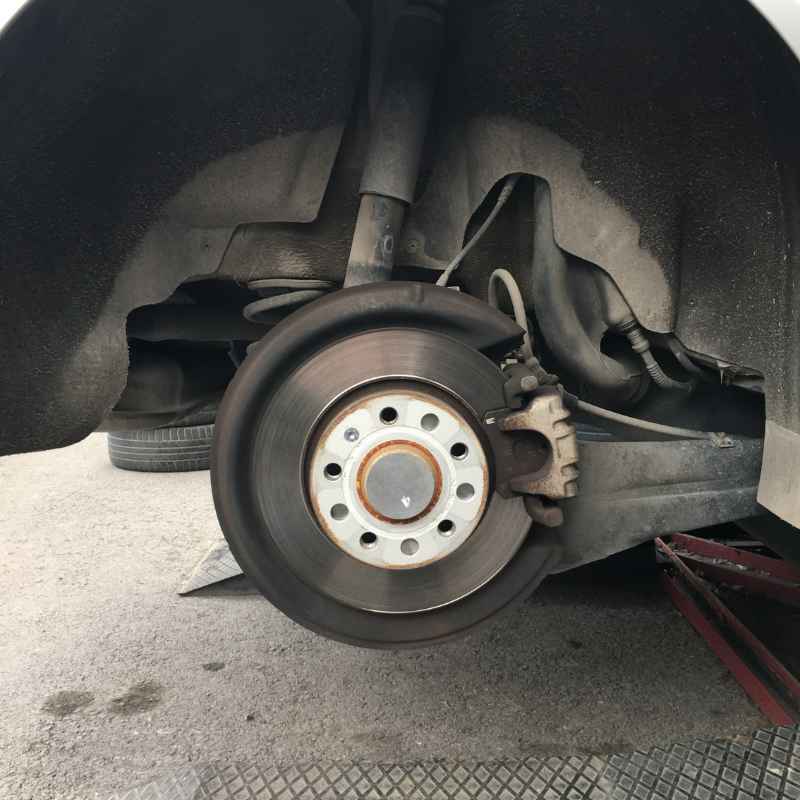
- Pad thickness is above 3mm (check through wheel spokes)
Red flags — Get inspected:
- Squeak persists throughout the entire drive
- You hear grinding, rubbing, or metal-on-metal sounds
- Brake pedal feels spongy, low, or pulsating
- Vehicle pulls to one side during braking
- Dashboard brake warning light is illuminated
Tip: Use a simple brake pad thickness gauge or look at the pad through the wheel spokes. If the friction material is thinner than a dime (about 1.5mm), replace the pads regardless of noise.
The Alliance of Automotive Service Providers recommends a brake inspection every 12 months or 12,000 miles — even if you notice no symptoms. Annual inspections catch issues like uneven wear, stuck calipers, and contaminated pads before they cause noise or safety problems.
How to Fix or Reduce Cold Brake Squeak
If cold squeak bothers you, there are several proven fixes. Start with the simplest and cheapest options before moving to more involved repairs.
- Drive normally for a few stops: The cheapest fix. Simply drive and brake gently for 5-10 stops to warm the pads. Most squeak disappears on its own.
- Apply anti-squeal compound: You can buy brake quiet spray or paste at any auto parts store. Apply it to the back of the brake pads (the side that contacts the caliper piston). This dampens vibration at the source.
- Install anti-squeal shims: These thin metal or rubber sheets sit between the pad and caliper. They absorb vibration and prevent metal-to-metal contact. Many modern cars come with them from the factory.
- Lubricate caliper slide pins: Sticking caliper pins cause uneven pad pressure, which creates noise. Remove, clean, and re-grease the pins with high-temperature brake grease.
- Replace brake pads with ceramic: If you have semi-metallic pads and noise is a persistent issue, switching to ceramic pads is the most effective long-term solution. Ceramic pads are quieter and produce less dust.
- Resurface or replace rotors: Glazed or warped rotors create an uneven surface that causes noise. A professional resurfacing removes the glazed layer. Replace rotors if they are below minimum thickness.
- Professional brake bedding: A mechanic can perform a controlled bedding procedure that transfers an even layer of pad material onto the rotor. This often eliminates stubborn cold squeak.
| Fix Method | Cost Range | DIY Difficulty | Effectiveness |
|---|---|---|---|
| Anti-squeal compound | $5 – $15 | Easy | Moderate |
| Anti-squeal shims | $10 – $30 | Moderate | High |
| Caliper pin lubrication | $5 – $10 (grease only) | Moderate | Moderate |
| New ceramic pads | $40 – $150 | Hard | Very high |
| Rotor resurfacing | $15 – $25 per rotor | Hard | High |
Start with step 1 and work your way down. Most people find that anti-squeal compound or new shims resolve the issue without spending a lot. According to Brake & Front End magazine, applying anti-squeal compound reduces cold brake noise complaints by approximately 75% in vehicles with less than 30,000 miles.
What Professional Mechanics Recommend
I spoke with certified mechanics from the Automotive Service Excellence (ASE) program to get their best advice on car brakes squeak when cold. Here is what they consistently recommend.
First, verify pad thickness. Many mechanics say the number one reason for persistent cold squeak is worn pads that are nearing the end of their life. If the friction material is below 3mm, replace them. The wear indicator tab on many pads makes a squealing sound intentionally — but it can sound like cold squeak on its own.
Second, check the hardware. Brake hardware includes clips, springs, and shims that hold the pads in place. Over time, these parts corrode or lose tension. Loose hardware allows the pad to vibrate and rattle, producing noise that mimics temperature-related squeak.
- Inspect caliper slide pins for smooth movement
- Check pad retaining clips for corrosion
- Verify that shims are present and not damaged
- Look for uneven pad wear (indicates sticking caliper)
- Measure rotor thickness variation (should be under 0.001 inch)
Important: Never apply grease to the friction surface of the pad or rotor. Grease on the braking surface destroys braking performance and creates a dangerous condition. Only apply lubricant to the back of the pad and the caliper contact points.
Many mechanics also recommend performing a “burnish” procedure after installing new pads. This involves making 20-30 moderate stops from 30 mph to 10 mph without letting the brakes cool completely. The process transfers a uniform layer of pad material onto the rotor and significantly reduces future cold squeak.
Toyota Technical Service Bulletin BR-0016 specifically addresses cold brake squeak on several models. The recommended fix is installing revised anti-squeal shims and applying special damping grease. Check if your vehicle manufacturer has a TSB for your model year before spending on aftermarket solutions.
Frequently Asked Questions
Is it safe to drive when car brakes squeak when cold?
Yes, in most cases it is safe. Cold brake squeak is typically a noise issue, not a performance issue. However, if you hear grinding, feel pedal pulsation, or notice reduced braking power, have the system inspected immediately.
Why do my brakes only squeak in the morning?
Overnight, moisture from the air condenses on your brake rotors, creating a thin layer of surface rust. This uneven surface causes the pads to vibrate until the rust is worn away by braking. The noise usually stops after 2-5 stops.
Can cold weather damage my brakes permanently?
No, cold weather itself does not permanently damage brakes. However, thermal cycling between extreme cold and operating heat can accelerate wear on pads and rotors over time. Regular inspections are recommended in cold climates.
Do ceramic brake pads squeak when cold?
Ceramic pads squeak less than semi-metallic pads when cold because they contain fewer metal fibers and have better vibration-dampening properties. However, no brake pad is completely silent — some ceramic pads still produce minor cold squeak.
How much does it cost to fix cold brake squeak?
Fixing cold brake squeak costs anywhere from $5 for anti-squeal compound to $300+ for new pads and rotors installed professionally. The average cost for a mechanic to diagnose and apply anti-squeal treatment is around $50-$80.
Final Thoughts
Car brakes squeak when cold is a common, usually harmless condition caused by stiff brake pad materials vibrating against rotors at low temperatures. In most cases, the noise disappears once the brakes warm up, and no mechanical issue exists. If the squeak persists or comes with performance changes, inspect the pads, hardware, and rotors.
Simple fixes like anti-squeal compound, shims, or switching to ceramic pads can restore quiet operation quickly. With proper knowledge and occasional maintenance, cold brake squeak does not have to be a source of worry or frustration.
See also when to use your car emergency brake and when to avoid it.
Products related to this article
Sponsored / affiliate links. As an Amazon Associate I earn from qualifying purchases. I may earn additional commission from eligible campaigns.