Can A Car Without Engine Oil Start? What Really Happens
It’s a question many drivers, especially those new to cars or facing a sudden issue, might ponder: Can a car without engine oil actually start? You might be in a bind, with an urgent need to move your vehicle, and the thought pops into your head. We get it.
That moment of panic can make you consider almost anything. But let’s talk about what really happens when you turn that key in an oil-less engine. It’s not a pretty picture, and understanding it can save you a lot of heartache and money down the road.
This guide will walk you through the ‘why’ and the ‘what’ of this critical situation, so you know exactly what to do and, more importantly, what not to do.
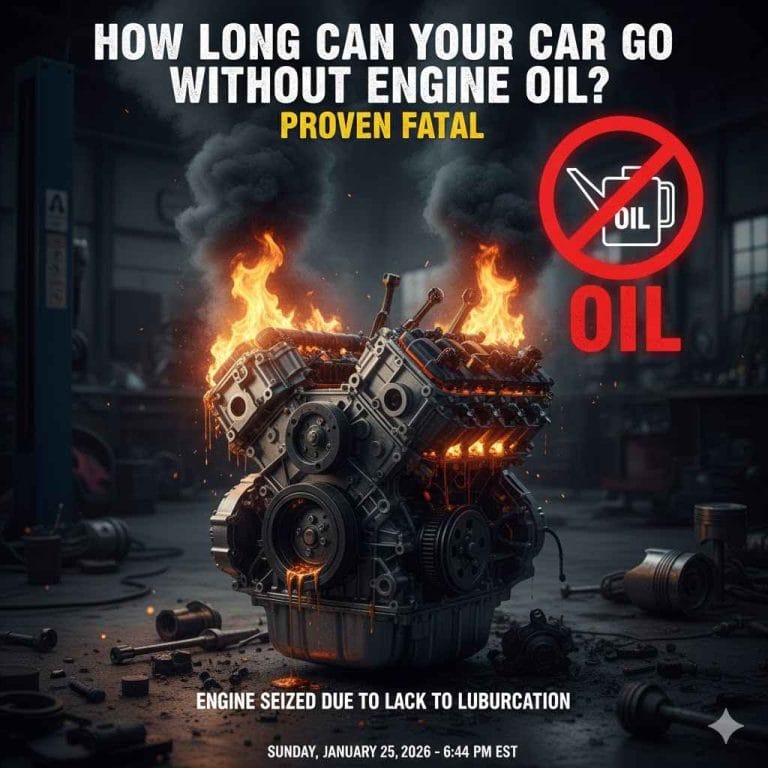
No, a car cannot and should not be started without engine oil. Attempting to start an engine without oil will cause immediate and severe internal damage due to friction. The engine needs oil for lubrication, cooling, and cleaning, and without it, metal parts will grind against each other rapidly, leading to catastrophic failure.
Why Your Engine Needs Oil
Think of your car’s engine as a busy city. Lots of parts are constantly moving, rubbing, and working hard. Engine oil is like the essential infrastructure of this city.
It’s not just a lubricant; it plays so many vital roles.
Firstly, it’s about stopping friction. When parts move against each other at high speeds, they create heat and wear. Oil creates a thin film between these parts.
This film prevents them from touching directly. So, instead of metal grinding on metal, it’s oil on oil, or metal on a protective oil layer. This keeps things smooth and cool.
Secondly, oil helps keep the engine clean. As parts move, they can create tiny bits of metal or carbon. Oil picks these up.
It carries them to the oil filter, where they are trapped. This stops them from building up and causing blockages or more wear.
Thirdly, oil helps with cooling. While your radiator does the big cooling job, oil also absorbs heat from the engine’s hottest parts. It then carries this heat away to the oil pan, where it can dissipate.
This is especially important for parts that don’t get direct coolant flow, like the pistons.
Finally, oil helps seal gaps. For example, it seals the gap between the piston rings and the cylinder walls. This is crucial for maintaining compression, which is needed for the engine to run efficiently.
It also helps protect against corrosion.
The Experience: A Real Scare
I remember a time years ago when I was helping a friend move. We were in a rush, packing his old sedan. He’d been meaning to get an oil change for weeks, but, you know how it is, life gets in the way.
We finally got everything loaded, and he jumped in the driver’s seat, ready to go. I noticed the oil light was on, a steady red glow. I pointed it out.
He just shrugged and said, “Ah, it’s probably nothing. It’s been doing that on and off.” He turned the key. The engine coughed, sputtered, and then made a horrible grinding sound.
It didn’t even run for two seconds before dying. The panic on his face was instant. We later found out the oil pump had failed, and the engine had run completely dry for those few seconds.
The damage was extensive. We’re talking a blown engine. It was a stark, noisy lesson.
What Happens the Moment You Try to Start
Let’s break down that brief, destructive moment when an oil-less engine tries to come to life. It’s a sequence of rapid failures.
The very instant you turn the ignition key, the starter motor engages. This spins the crankshaft. The crankshaft is connected to the pistons, which start moving up and down.
This motion requires all the engine’s internal parts to move against each other.
Without oil, there’s nothing to cushion this movement. The metal-on-metal contact begins immediately. You’ll hear a terrible noise.
It’s often described as a loud scraping or grinding sound. This is the sound of your engine destroying itself.
The pistons try to move in their cylinders. The crankshaft bearings try to spin in their housings. The camshafts try to turn.
All these parts are meant to glide smoothly on a film of oil. Without it, they grind and seize.
This friction creates intense heat very, very quickly. The parts can start to deform. Piston skirts can seize in the cylinder bores.
Bearing surfaces can be torn away. The connecting rods can even break.
Even if the engine miraculously starts and runs for a few seconds, the damage is already done. The oil pump tries to circulate oil, but if there’s no oil in the pan or if the pump itself has failed, it just spins uselessly. It can’t create pressure to deliver lubrication.
Most modern cars have sensors that detect low oil pressure. This is what triggers that ominous red oil light on your dashboard. If you ignore this light and keep trying to start or run the engine, you are essentially signing its death warrant.
The First Few Seconds Are Critical
Metal on Metal: As soon as the engine turns, pistons, bearings, and cams rub directly. This causes immediate friction and heat.
Grinding Noise: You’ll hear a loud, awful scraping or knocking sound. This is the sound of parts being damaged.
Rapid Wear: Even a few seconds of running dry can cause significant wear. Bearings can be scored or spun. Pistons can seize.
Heat Buildup: Friction generates extreme heat very fast. This can warp metal parts.
Immediate Dangers and Damage
The damage from running an engine without oil is not minor. It’s catastrophic. The parts inside your engine are made of strong metals, but they are not designed to withstand the direct, high-speed friction that occurs when oil is absent.
Bearing Failure: The crankshaft and connecting rods spin in bearings. These bearings have a thin layer of oil. Without it, they get torn apart.
This can cause the connecting rod to break free and punch a hole in the engine block. This is often called “throwing a rod.”
Piston Seizure: Pistons move rapidly inside the cylinders. The heat generated by friction can cause the piston to expand. If there’s no oil to keep it lubricated and cooled, it can expand too much and seize inside the cylinder.
This can crack the piston or damage the cylinder wall.
Camshaft and Valve Train Damage: The camshaft operates the valves. The parts that open and close the valves also rely on oil for lubrication. Without it, they grind themselves down, leading to poor performance and eventual failure.
Oil Pump Damage: The oil pump is driven by the engine. If there’s no oil to lubricate it, the pump itself can seize and be destroyed. This makes the situation even worse because even if you add oil later, the pump can’t circulate it.
Overheating: While the cooling system handles the bulk of engine cooling, oil also plays a role. Without oil, the engine’s internal components will overheat much faster. This can lead to warping of metal parts.
The “Death Knell” Sound: That terrible grinding noise you hear isn’t just a warning; it’s the sound of expensive parts breaking. Each second it runs without oil is another few hundred or thousand dollars in potential repair costs.
Signs of Trouble: What to Listen For
- Knocking: A deep, rhythmic knocking sound, especially from the bottom of the engine. This is often bearing damage.
- Grinding: A harsh, scraping noise. This is metal parts rubbing together without lubrication.
- High-Pitched Whining: This might indicate the oil pump is struggling or damaged.
- Red Oil Light: Always an urgent sign. Do not ignore it.
Why Newer Cars Are More Sensitive
You might wonder if modern cars are built tougher. In some ways, they are, with more advanced materials. However, they are also often designed with tighter tolerances and rely more heavily on precise lubrication systems.
This makes them, in some respects, more vulnerable to running without oil.
Modern engines are built with incredibly tight clearances between moving parts. This allows for better efficiency and power. But it means there’s less room for error.
A microscopic film of oil is what prevents these finely machined parts from touching. Without it, they make contact almost instantly.
Many newer cars also use sophisticated oil pressure sensors. These are very sensitive. They can detect even slight drops in oil pressure.
This is good because it alerts you quickly. But it also means that the engine management system might shut down the engine automatically if low pressure is detected for too long, preventing some damage.
Furthermore, the complexity of modern engines means there are more potential points of failure that oil is responsible for protecting. Turbochargers, variable valve timing systems, and complex emissions controls all rely on clean, properly pressurized oil to function.
So, while your engine might be made of advanced alloys, the fundamental need for lubrication remains. And in many ways, the tighter, more precise engineering of newer vehicles makes them less forgiving of oil deprivation.
What About Just a Few Seconds?
This is where many people get into trouble. They think, “It only ran for a few seconds! It can’t be that bad.” Sadly, this is often not true.
In those few seconds, significant damage can occur. The initial spin of the crankshaft and pistons without any lubrication creates immediate friction. This friction generates heat.
This heat can cause metal parts to expand beyond their normal operating tolerances.
Bearings are particularly susceptible. The oil film prevents the direct contact of the bearing metal with the crankshaft journal. Without this film, the surfaces can score or gall.
This means tiny bits of metal are torn away, creating rough spots.
Even if no part breaks immediately, the microscopic wear that happens in those first few seconds can create weaknesses. These weaknesses can lead to problems down the line. You might not hear the catastrophic grinding noise, but internal damage is already underway.
Think of it like trying to slide a heavy metal box across a rough concrete floor without any wheels or lubrication. Even a short drag will scratch and damage both the box and the floor. Now imagine that happening thousands of times a minute.
So, while running an engine for an extended period without oil is obviously disastrous, even very short durations can set the stage for serious, expensive repairs.
Quick Scan: Running Without Oil
| Duration | Likely Outcome |
| 1-5 Seconds | Immediate friction, heat, minor bearing/piston damage. May seem okay but future issues likely. |
| 5-15 Seconds | Significant bearing damage, piston scoring, potential valve train wear. Grinding noises common. |
| 15-30 Seconds | Catastrophic failure highly probable. Broken parts, seized engine. |
| Over 30 Seconds | Complete engine destruction. |
Real-World Scenarios Where This Happens
Why would someone try to start a car without oil? It usually stems from a lack of knowledge or an urgent, stressful situation.
Low Oil Level: The most common reason is simply not having enough oil. This could be due to an unnoticed leak, burning oil, or simply neglecting regular checks. The oil light comes on, and the driver either doesn’t understand its severity or is in a panic.
Failed Oil Pump: Sometimes, the oil pump itself fails. It might have a broken gear or a faulty seal. If the pump isn’t circulating oil, the oil level in the pan might be fine, but the engine still runs dry.
This is particularly dangerous because the oil light might not come on immediately, or it might flicker before failing completely.
Oil Filter Issues: In rare cases, a faulty oil filter or one that wasn’t installed correctly could lead to rapid oil loss. Or, if the filter itself has failed internally, it might not allow oil to flow properly.
Emergency Situations: Imagine needing to move a car off a busy road to prevent an accident. The driver might know there’s very little oil but feel compelled to start it for just a few crucial seconds to get it to safety. This is a calculated risk, and often, the “safety” gained is outweighed by the repair cost.
Misunderstanding Warning Lights: Some drivers might confuse the oil pressure light with the oil level light (though most cars have only one for pressure/level). They might think it’s just an indicator that the oil is low, not that it’s critical for immediate lubrication.
Common Causes of Oil Deprivation
- Leaks: Gaskets, seals, oil pan issues.
- Oil Consumption: Worn piston rings, valve seals.
- Neglect: Not checking oil levels during routine maintenance.
- Mechanical Failure: Oil pump, filter problems.
- Low Oil Pressure: Can be caused by worn engine parts or insufficient oil.
What This Means for Your Car
The primary takeaway is this: attempting to start or run an engine without sufficient oil is one of the fastest ways to destroy it.
If you’ve accidentally tried to start your car without oil, or if the oil light came on and you continued to drive, it’s crucial to stop immediately. Do not try to start it again.
The best course of action is to have the vehicle towed to a mechanic. They can assess the damage. They will likely need to drain the oil (if any is left) and check the oil pressure.
If there’s any sign of internal damage, the engine may need to be rebuilt or replaced.
Even if the engine sounds okay after a brief dry start, microscopic damage has likely occurred. This can lead to premature wear and future failures. It’s a gamble you don’t want to take.
Think of it like this: Would you run without drinking water for a day and expect to feel fine and function perfectly? Your engine is no different; it needs its vital fluids.
When It’s Normal (and When It’s Not)
It’s important to distinguish between normal engine operation and warning signs.
Normal: An engine running with the correct amount of clean oil should be relatively quiet. You might hear a low hum or purr. The oil pressure light on your dashboard should illuminate briefly when you start the car, then go out within a few seconds.
This confirms the oil pressure system is working.
Not Normal: Any unusual noises are a red flag. This includes knocking, grinding, tapping, or high-pitched squealing. The red oil warning light staying on after the engine starts is also a critical sign that something is wrong with oil pressure or level.
When to Worry: If you notice any of the following, stop driving immediately and check your oil:
- The red oil warning light is illuminated.
- You hear any loud, unusual noises from the engine.
- Your engine performance drops suddenly (loss of power).
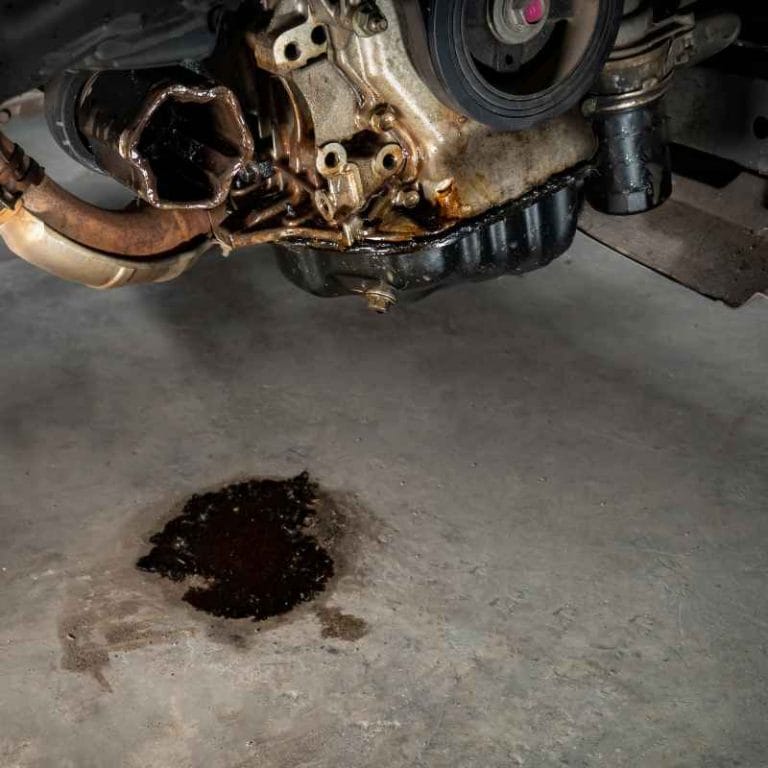
- You notice oil leaks under your car.
These are signs that your engine is not getting the lubrication it needs. Ignoring them can lead to very expensive repairs.
Simple Oil Checks You Can Do
Frequency: Check your oil level at least once a month, and before long trips.
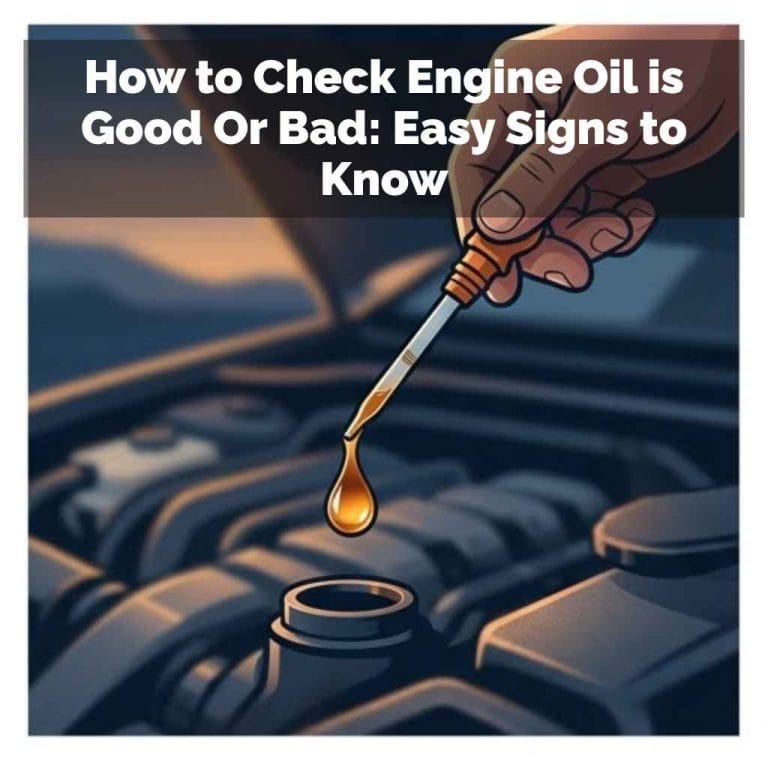
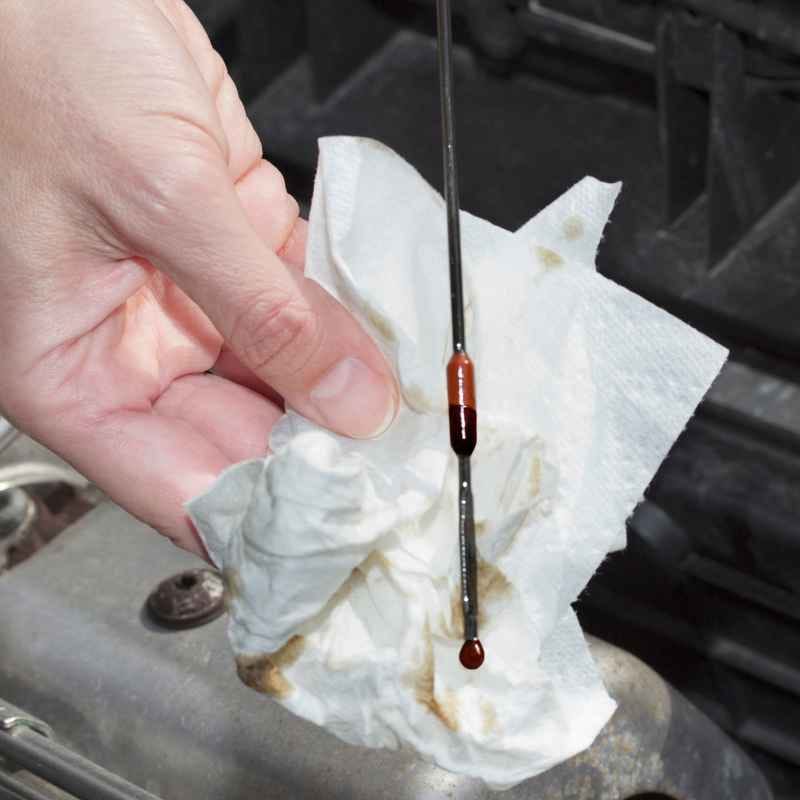
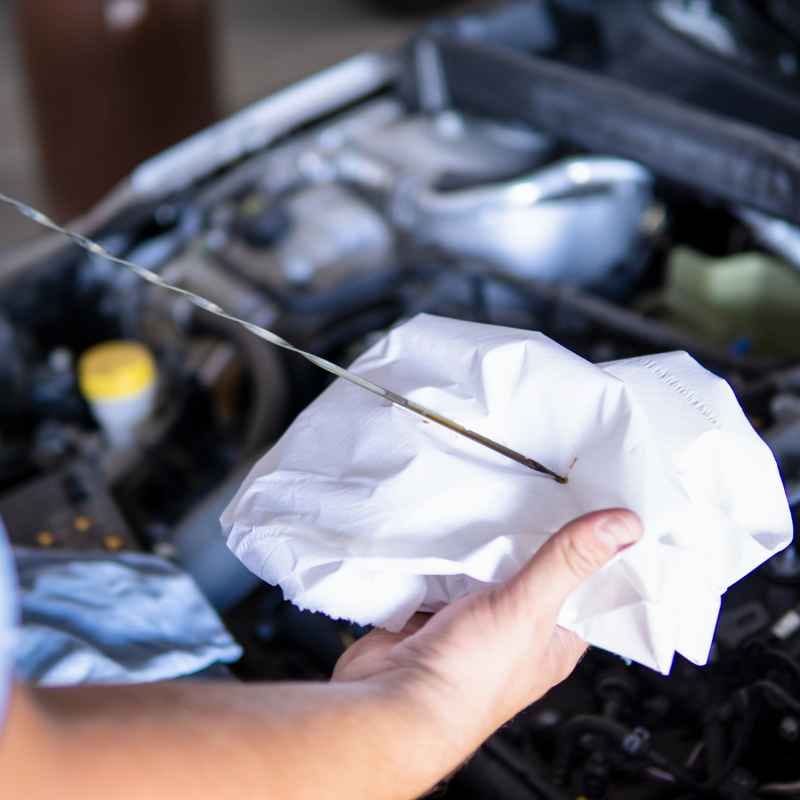
How: Park on a level surface. Wait a few minutes after the engine has been turned off. Pull out the dipstick, wipe it clean, reinsert it fully, and pull it out again.
Check the oil level against the markings on the dipstick.
Color: Fresh oil is usually amber or light brown. Dark, sludgy oil may indicate it’s time for a change.
Quick Prevention Tips
The best way to avoid the devastating consequences of running without oil is to prevent it from happening in the first place. Regular maintenance is key.
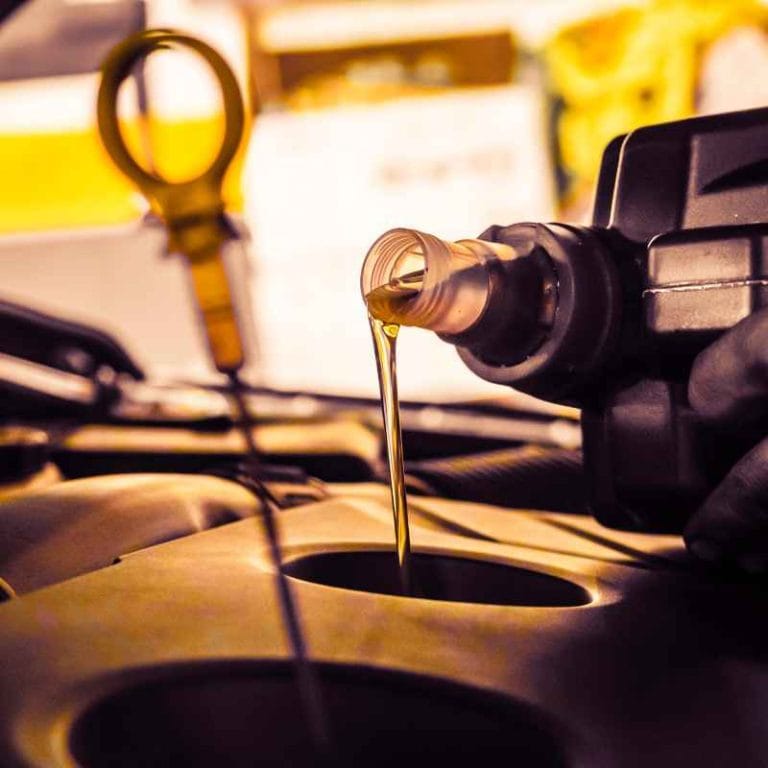
Regular Oil Changes: Follow your car manufacturer’s recommended schedule for oil changes. This ensures your oil is clean and at the right level. Most modern cars use synthetic oil, which lasts longer, but it still needs to be changed.
Check Your Oil Level Regularly: Make it a habit. Do it every few weeks or before a long trip. It takes just a couple of minutes and can save your engine.
Address Leaks Promptly: If you notice oil spots under your car, don’t ignore them. Get them checked by a mechanic. Small leaks can quickly become big problems.
Understand Your Warning Lights: Know what the lights on your dashboard mean. The red oil light is one of the most critical warnings your car can give you.
Listen to Your Car: Pay attention to any new or unusual sounds your engine makes. A strange noise can be an early indicator of a problem, including low oil pressure.
By being proactive, you can avoid the costly and stressful situation of an oil-less engine failure.
Frequently Asked Questions
Can starting a car without oil for just 5 seconds damage it?
Yes, even 5 seconds of running without oil can cause significant damage. Metal parts will grind against each other, leading to friction, heat, and wear on critical components like bearings and pistons. This can create weaknesses that lead to future problems.
What is the most common sign that an engine has run without enough oil?
The most common and critical sign is the red oil warning light on your dashboard. You’ll also likely hear loud, unusual noises like grinding or knocking from the engine as internal parts are damaged due to lack of lubrication.
Is it possible to fix an engine damaged by running without oil?
It is often possible to fix an engine damaged by running without oil, but it is usually very expensive. Depending on the severity of the damage, it might require a complete engine rebuild or replacement. Minor damage from very short periods might be repairable, but extensive damage means a new engine.
How often should I check my car’s engine oil level?
You should check your car’s engine oil level at least once a month. It’s also a good practice to check it before any long road trip. This simple check takes only a few minutes and is crucial for preventing engine damage.
What should I do if my oil warning light comes on while I’m driving?
If the red oil warning light comes on while you are driving, pull over to a safe location as soon as possible and turn off the engine. Do not continue driving. Check your oil level, and if it is low, add the correct type of oil.
If the light stays on after adding oil, or if there are other signs of trouble, you should have the car towed to a mechanic.
Can synthetic oil prevent damage if my car is low on oil?
Synthetic oil is a better lubricant than conventional oil and can offer more protection under high stress. However, it cannot prevent damage if there is simply not enough oil in the engine. Any engine running with critically low oil levels, regardless of oil type, is at severe risk of damage.
Conclusion
The answer to whether a car can start without engine oil is a resounding no, it absolutely should not. The consequences are immediate and severe. Engine oil is the lifeblood of your engine, responsible for lubrication, cooling, and cleaning.
Without it, the intricate metal parts grind together, causing rapid destruction.
Understanding this vital function and performing regular checks can save you from costly repairs and major headaches. Be a good friend to your car, and it will be a reliable friend to you.
Products related to this article
Sponsored / affiliate links. As an Amazon Associate I earn from qualifying purchases. I may earn additional commission from eligible campaigns.
 ECOGARD X10023 Cartridge Engine Oil Filter for Conventional Oil - Premium Replacement | Fits 2018-2023 Volkswagen Atlas 3.6L; 2020-2023 Atlas Cross Sport 3.6L
 ECOGARD X10040 Cartridge Engine Oil Filter for Conventional Oil - Premium Replacement | Fits 2011-2026 Jeep Grand Cherokee, Dodge Durango 3.6L; 2012-2026 Wrangler 3.6L; 2014-2022 Cherokee 3.2L