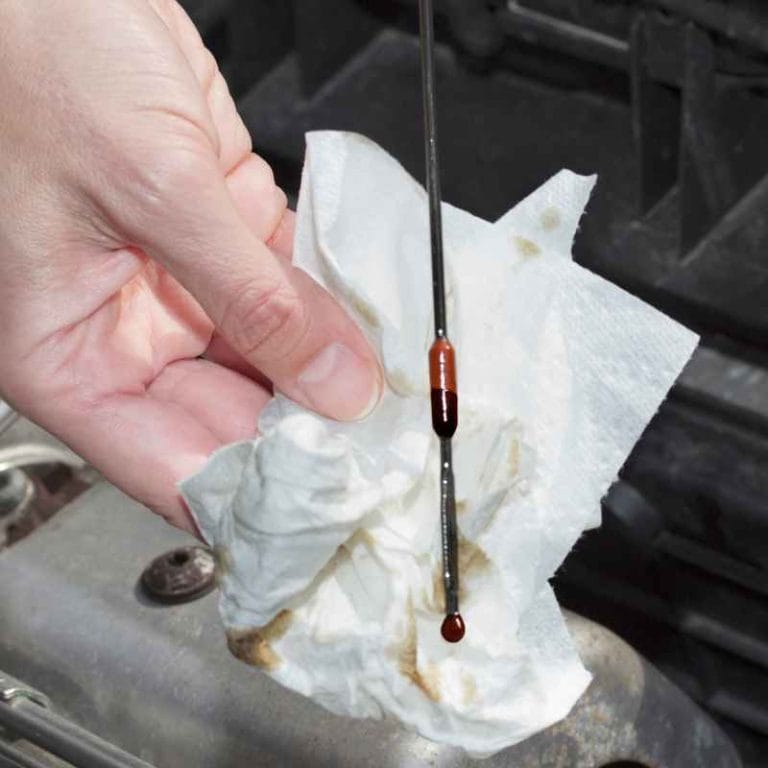
Cheapest Place To Buy Car Motor Oil Without Going Wrong
The cheapest place to buy car motor oil without going wrong often involves comparing prices at major auto parts stores, big-box retailers like Walmart or Target, and reputable online sellers. Always check for sales, coupons, or loyalty programs. The key is to find a balance between cost and quality, ensuring the oil meets your car’s specific needs.
What is Car Motor Oil and Why is it So Important?
Motor oil is like your car’s lifeblood. It does many jobs. It keeps the engine parts clean.
It cools them down too. It also stops metal parts from rubbing together. This friction can cause damage.
Oil helps your engine run smoothly. It also helps it last longer.
Different cars need different kinds of oil. This is based on the engine. It’s also based on how the car is used.
Using the wrong oil can cause problems. It can even hurt your engine. That’s why picking the right oil is key.
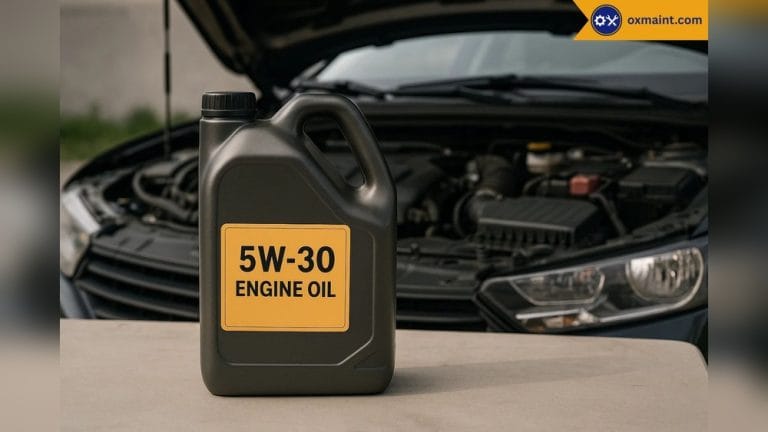
The oil bottle tells you a lot. It has numbers like 5W-30. The “5W” means it flows well when cold.
The “30” means it’s thicker when hot. This helps protect your engine in different weather. It also has ratings like API SP.
This shows it meets certain standards.

My Own Oil-Buying Scare
I remember one time, I was in a real rush. My car’s oil light flickered on. It was late, and I had an early flight.
I pulled into the closest gas station. The choices were overwhelming. There were so many brands.
Some were very cheap. Others looked fancy and cost a lot more. I grabbed a bottle that seemed like a decent price.
I didn’t check the specs closely. I just wanted to get going.
Later that week, my car started making a strange noise. It was a small ticking sound at first. Then it got louder.
I felt a knot of panic in my stomach. Was it the oil? Had I bought the wrong kind?
I took it to my mechanic. He looked at it and asked what oil I had used. I admitted I had rushed the purchase.
He explained that the oil I bought wasn’t quite right for my car’s engine. It wasn’t thick enough at higher temperatures. This led to more friction.
Luckily, the damage wasn’t too bad. He fixed it, but it cost me money and a lot of worry. That day taught me a big lesson.
Saving a few bucks wasn’t worth risking my car’s health.
Common Motor Oil Types
Conventional Oil: This is the most basic type. It’s made from refined crude oil. It’s good for older cars or those with simpler engines.
It’s also usually the cheapest option.
Synthetic Blend Oil: This mixes conventional oil with synthetic oil. It offers better protection than regular oil. It’s a good middle ground for many cars.
Full Synthetic Oil: This is the best. It’s made in a lab. It offers superior protection.
It lasts longer. It works well in extreme temperatures. It’s often recommended for newer or high-performance cars.
Where to Find the Best Deals on Motor Oil
Finding cheap motor oil is totally doable. You just need to know where to look. Several places offer good prices.
Comparing them is the smartest move.
Auto Parts Stores: Places like AutoZone, Advance Auto Parts, and O’Reilly Auto Parts are great. They always have sales. They also have loyalty programs.
You can earn points for discounts. Their staff can also help you pick the right oil.
Big-Box Retailers: Stores like Walmart and Target are often cheaper. They sell many different brands. You can find both store brands and major names.
Their prices are usually very competitive. You can often find oil for under $20 for a five-quart jug.
Warehouse Clubs: Costco and Sam’s Club can offer bulk savings. If you have a membership, you might find great deals on multi-packs of oil. This is good if you have multiple cars or change oil often.
Online Retailers: Amazon and other online stores are huge. You can compare prices easily. Many offer fast shipping.
Sometimes, you can find exclusive deals. Just be sure you’re buying from a trusted seller. Check reviews.
Direct from Brands: Sometimes, oil brands have sales on their own websites. This is less common for everyday needs. But it’s worth checking during big sale events.
When You See a Sale, Stock Up!
Savings Tip: If you see a good sale on the exact oil your car needs, buy an extra gallon or two. Oil has a long shelf life if stored properly. This can save you money in the long run.
Just make sure you have a cool, dry place to store it.
Understanding Oil Specifications: Don’t Get Fooled!
This is where many people make mistakes. The price is tempting. But if the oil isn’t right, it costs more later.
You need to check two main things on the oil bottle.
Viscosity Grade: This is the number like 5W-30. It tells you how the oil flows. Your car’s owner’s manual will tell you the right grade.
Using a different grade can harm your engine. For example, 0W-20 is thinner than 5W-30. They are not interchangeable for all cars.
API Service Category: This is a letter rating. It’s like API SP, SN, or SM. It’s for gasoline engines.
For diesel, it’s different (like API CK-4). The latest rating is usually the best. It means the oil meets the newest standards for engine protection.
Always check your manual for the minimum required rating.
ACEA Specifications: Some European cars may have ACEA ratings. If your manual lists one, like ACEA C3, make sure the oil has it. This is less common for American cars.
Manufacturer Approvals: Some car makers, like BMW or Mercedes-Benz, have their own oil approvals. If your manual says “meets BMW LL-01,” you need oil with that specific approval. This is very important for certain luxury or high-performance vehicles.
The “Best” Oil Isn’t Always the Most Expensive. It’s the oil that meets your car’s needs. A cheap oil that meets specs is better than a fancy, expensive oil that doesn’t.
Myth vs. Reality: Cheap Oil
Myth: All cheap oil is bad and will ruin your engine.
Reality: Not true. Many budget-friendly oils from reputable brands meet all necessary specifications. The key is to check the bottle for the correct viscosity and API service rating.
You can find perfectly good, inexpensive oil if you know what to look for.
Smart Shopping Strategies: Saving Money and Time
Beyond just finding cheap oil, there are ways to be a smart shopper. These tips save you money and hassle.
Read Your Owner’s Manual: This is the MOST important step. It tells you exactly what oil your car needs. It lists the correct viscosity and any special certifications.
Don’t guess. Don’t rely on what a friend says. Use your manual.
Compare Prices Online First: Before you go to a store, do a quick search. See what prices are online for the oil you need. This gives you a baseline.
It helps you know if a store’s price is a good deal.
Look for Coupons and Rebates: Many oil brands offer coupons. Auto parts stores also send out flyers with deals. Sometimes, there are mail-in rebates.
These can save you even more money. Sign up for email lists from your favorite stores and brands.
Buy in Larger Quantities (If Appropriate): For many cars, a five-quart jug is perfect. If your car takes less, you might end up with extra. If your car takes more, buying a larger container or two separate jugs might be cheaper per quart.
Always check the price per quart to compare.
Consider Store Brands (with Caution): Many big stores have their own oil brands. These are often made by major oil companies. They can be very affordable.
Just make sure they meet the same specifications as name brands. Read the label carefully.
Check for Seasonal Sales: Oil prices can sometimes dip in the spring and fall. This is when many people get their cars ready for a change in weather. Keep an eye out during these times.
Don’t Be Afraid to Ask: If you’re unsure about which oil to buy, ask the staff at an auto parts store. They are usually knowledgeable. They can help you find the right product based on your car model.
Quick Scan: Price Per Quart
How to Calculate: To truly compare prices, always figure out the cost per quart.
- Example 1: A 5-quart jug for $25. Cost per quart: $25 / 5 = $5.00
- Example 2: A 1-quart bottle for $7. Cost per quart: $7 / 1 = $7.00
- Example 3: A 2.5-gallon jug (20 quarts) for $80. Cost per quart: $80 / 20 = $4.00
Always aim for the lowest price per quart, assuming the oil meets your car’s needs.
The Role of Online Reviews and Forums
When you’re looking at different brands, especially online, reviews can be helpful. But be smart about them.
What to Look For: Read reviews from people who own similar cars to yours. See if they mention using the oil for a long time. Do they talk about their engine running smoothly?
Look for patterns in positive or negative feedback.
What to Be Wary Of: Some reviews can be fake. Others might be from people who don’t understand oil. If a review is overly technical or promises miracle results, take it with a grain of salt.
Generic “Great oil!” reviews aren’t very helpful.
Car Forums and Communities: Online car forums are goldmines of information. You can ask people about their experiences with specific oil brands and types. They can give real-world insights.
Many car enthusiasts are happy to share their knowledge. Just remember that everyone’s experience is a bit different.
When is “Cheapest” Actually the Most Expensive?
This is the flip side of saving money. Sometimes, the absolute cheapest option can cost you more down the road. This happens when you compromise on quality or the right specifications.
Using the Wrong Viscosity: If you buy oil that’s too thin or too thick for your engine, it can cause damage. Thin oil might not protect well when hot. Thick oil can make the engine work harder.
Both can lead to premature wear.
Not Meeting Standards: If an oil doesn’t meet the API or ACEA ratings your car needs, it might not have the right additives. These additives protect against wear, rust, and sludge. Skipping these protections can lead to costly repairs.
Counterfeit or Low-Quality Oil: In rare cases, you might find fake oil or oil from very unknown brands. These can be extremely harmful. They might not have the correct formulation at all.
Buying from reputable sellers greatly reduces this risk.
Ignoring Manufacturer Requirements: If your car requires a specific synthetic oil with a unique approval, using conventional or a different synthetic can void your warranty. It can also lead to engine problems. It’s always best to follow what the manufacturer recommends.
Stacked Micro-Sections: Signs of Trouble
Check Engine Light: A sudden engine light might mean something is wrong with your oil or lubrication system.
Strange Noises: Ticking, knocking, or grinding sounds from the engine can indicate poor lubrication.
Overheating: Oil helps cool the engine. If it’s not doing its job, your car might overheat.
Increased Oil Consumption: If you’re constantly adding oil, there might be an issue with the type or condition of the oil.
Choosing the Right Brand: Does it Matter?
For most everyday drivers, the brand of oil is less important than its specifications. Brands like Mobil 1, Pennzoil, Valvoline, Castrol, and Shell Rotella are all trusted names. They produce high-quality oils that meet industry standards.
However, some brands specialize. For example, Rotella is very popular for diesel engines. Some brands might have specific formulations that perform slightly better in certain conditions.
But for the average car owner, picking a major brand that meets your car’s needs is a safe bet.
The true value is in finding the right product at the right price. Don’t get caught up in marketing hype. Focus on the numbers and letters on the bottle.
When to Consider a Full Synthetic Oil
While conventional oil is cheaper, full synthetic oil offers superior protection. Here’s when it might be worth the extra cost, even if it’s not the absolute cheapest option:
- Newer Cars: Many modern cars are designed specifically for synthetic oil. Their engines often run hotter and have tighter tolerances.
- Extreme Temperatures: If you live in a very hot or very cold climate, synthetic oil handles these conditions better. It maintains its viscosity more reliably.
- High-Performance Vehicles: Sports cars and engines that are pushed hard benefit greatly from the extra protection of synthetic.
- Towing or Heavy Hauling: If you frequently tow trailers or carry heavy loads, your engine works harder. Synthetic oil can provide better lubrication.
- Longer Oil Change Intervals: Some synthetic oils allow for extended oil change intervals. This can sometimes offset the higher initial cost. Always follow your car’s manual for recommended change intervals.
The “Cheapest” Place in My Experience
Over the years, I’ve found that Walmart often has the best everyday prices on common oil weights like 5W-30 synthetic blend or full synthetic. They carry major brands and their own Super Tech brand, which is usually quite affordable and meets standard specs. I also compare prices on Amazon, especially when I need a specific type of oil that might be harder to find locally.
For me, it’s a mix of Walmart for convenience and everyday deals, and Amazon for specific needs or larger bulk purchases when a good sale pops up.
What This Means for You: Making Smart Choices
Knowing where to buy cheap oil is only half the battle. The other half is making sure you buy the right cheap oil. Here’s a quick checklist:
- Always check your owner’s manual first. This is non-negotiable.
- Know your car’s required viscosity grade (e.g., 5W-30).
- Know your car’s required API service category (e.g., API SP).
- Compare prices at a few different retailers before buying.
- Look for sales, coupons, and loyalty programs.
- If buying store brand, double-check that it meets all specifications.
- When in doubt, ask for help at an auto parts store.
You don’t need to overspend to protect your engine. But you also can’t afford to be careless. Finding that sweet spot between cost and quality is the goal.
Quick Fixes and Tips for Oil Buying
Here are some simple actions to help you save money on oil:
- Set a reminder for oil changes. This prevents you from being caught in a last-minute, expensive purchase.
- Learn how to check your oil level. Knowing this helps you catch low oil situations early, before they become serious problems.
- Consider DIY oil changes. If you’re comfortable, changing your own oil can save you a lot on labor costs. You only pay for the oil and filter.
- Recycle used oil properly. Most auto parts stores and service centers will take used oil for free.
Frequently Asked Questions About Buying Motor Oil
Is store brand oil as good as name brand oil?
Often, yes. Store brands from reputable retailers like Walmart, Target, or auto parts chains are typically made by major oil manufacturers. They have to meet the same industry standards (like API ratings) as name brands.
Always check the label to ensure it matches your car’s required specifications.
Can I use a thicker or thinner oil than what my manual says?
It’s generally not recommended. Your car’s engine is designed for a specific viscosity. Using oil that is too thin might not provide enough protection, especially when the engine is hot.
Oil that’s too thick can make the engine work harder and may not flow properly when cold.
How often should I change my motor oil?
This depends on your car and the type of oil you use. Most owner’s manuals recommend checking your oil every 3,000 to 7,500 miles for conventional oil. Full synthetic oils can often go 10,000 to 15,000 miles.
Always refer to your vehicle’s specific owner’s manual for the most accurate interval.
What does “API SP” mean on an oil bottle?
“API SP” is the latest service category for gasoline engines from the American Petroleum Institute. It means the oil meets the most current standards for engine protection against wear, deposits, and sludge. If your car requires an older rating, SP is usually backward-compatible, but it’s always best to check your manual.
Is it safe to buy motor oil on eBay or other auction sites?
It can be risky. While you might find deals, there’s a higher chance of encountering counterfeit or expired products. If you choose to buy from these sites, stick to sellers with excellent feedback and clear product descriptions.
Buying from major retailers or trusted online stores like Amazon is generally safer.
Should I use synthetic oil if my car is older?
Sometimes, yes. Older cars can benefit from synthetic oil’s better protection, especially if they have high mileage. Synthetic oil can help clean engines and reduce wear.
However, ensure it meets the correct viscosity and API specifications recommended for your older vehicle. Some very old engines might have seals that aren’t compatible with some modern synthetics, so checking with a mechanic is wise.
Conclusion
Finding the cheapest place to buy car motor oil doesn’t mean sacrificing quality. It means being smart. Know what your car needs.
Compare prices. Look for sales. The goal is simple: protect your engine without breaking the bank.
You can do this by staying informed and shopping wisely. Happy driving!
Products related to this article
Sponsored / affiliate links. As an Amazon Associate I earn from qualifying purchases. I may earn additional commission from eligible campaigns.
 RVS Technology G6 Engine oil Treatment; For Gasoline Engines with a Motor oil capacity up to 6 quarts; Save fuel, Boost Power and Safely Restore and protect your Car, Truck, and all other engines
 MPD GP 5W-30 Full Synthetic Motor Oil – Pack of 1 – (5 Quarts) – Professional Grade Engine Oil for Shops, Fleets & Service Centers