Car Tire Won’T Hold Air? Common Causes And Quick Fixes
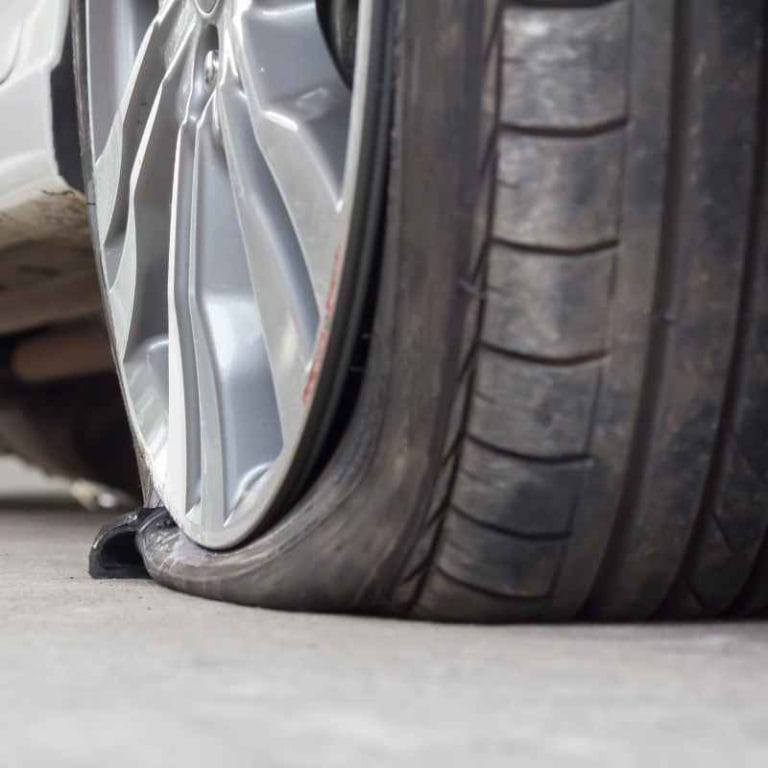
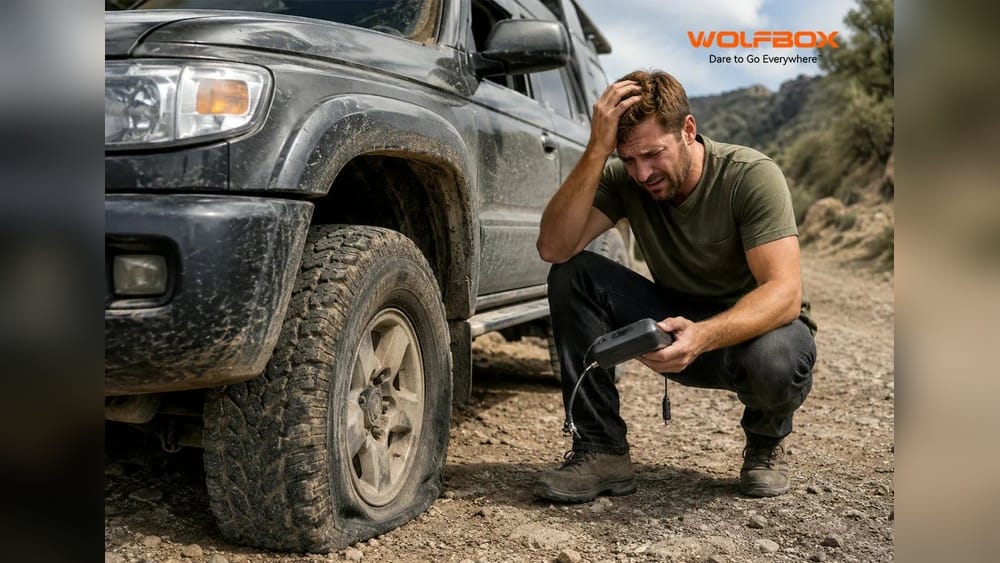
Every driver knows the sinking feeling: you approach your car, only to find one tire looking suspiciously flat. Whether it’s a slow leak or a sudden loss of pressure, a tire that won’t hold air is not just an inconvenience—it can be a significant safety risk and a hit to your wallet if not addressed quickly. According to the National Highway Traffic Safety Administration, underinflated tires are responsible for more than 11,000 tire-related crashes annually in the U.S. alone. Yet, many drivers remain unaware of the most common causes and the fastest solutions.
The good news? Most air retention problems are fixable, often without a costly trip to the mechanic. By understanding the root causes—ranging from punctures to faulty valves—and learning proven quick fixes, you can restore your tire’s integrity, prolong its life, and keep your journey rolling smoothly.
In this guide, we’ll explore the leading reasons your car tire won’t hold air, show you how to diagnose the issue, and provide actionable steps to get back on the road safely and efficiently.
Key Takeaways

Trekassy
Trekassy 2" x 144" Car Tie Down…
- 【4 Pack 36" Axle Straps+ 4 Tire Straps】Versatile tire straps for a car trailer are used to go through the rims of the transported…
- 【Heavy Duty Car Straps Tie Downs】Trekassy car hauler straps are made of industrial grade polyester material coating UV and wear re…
- 【Won't Scratch or Damage Wheels】Each side mount wheel straps for hauling cars with non-abrasive material and a protective sleeve t…
As an Amazon Associate I earn from qualifying purchases.
- Common causes of tires not holding air include punctures, valve issues, rim damage, and bead leaks.
- Quick fixes range from plug kits and sealants to professional repairs, depending on the problem’s severity.
- Regular inspections and proper maintenance dramatically reduce the risk of air loss and increase tire lifespan.
- Ignoring tire air loss can lead to poor fuel efficiency, uneven wear, and dangerous blowouts.
- Recognizing early warning signs—like frequent pressure drops—helps prevent costly repairs and roadside emergencies.
Credit: us.gooloo.com
Understanding Why Tires Lose Air
When a tire won’t hold air, the underlying cause can be obvious or surprisingly subtle. Each scenario affects your driving safety and vehicle performance in unique ways. Let’s break down the science and statistics behind air loss.
The Physics Of Tire Air Loss
Tires depend on air pressure to support your vehicle’s weight and maintain contact with the road. Even a small leak can compromise the tire’s structure, leading to poor handling and increased stopping distances. According to studies by the Rubber Manufacturers Association, a tire just 6 psi underinflated can lead to a 20% reduction in tire life and a 5% decrease in fuel economy.
The tire’s architecture is designed to flex and absorb road imperfections while maintaining a tight seal with the rim. Air provides the necessary internal pressure to keep the tire’s shape, ensuring the tread meets the road at the optimal angle.
When pressure drops, the sidewalls flex more, generating excessive heat and degrading the tire’s internal structure. Over time, this can cause catastrophic failure—particularly at highway speeds.
How Much Air Loss Is Normal?
All tires lose air over time due to permeation—the slow escape of air molecules through the tire’s rubber. Typically, it’s normal for a tire to lose 1-2 psi per month. Anything beyond this rate signals a leak or other issue needing attention.
It’s important to note that premium tire brands may use advanced rubber compounds with lower permeability, reducing natural air loss. However, age, exposure to UV rays, and repeated flexing can accelerate permeation even in high-quality tires. Monitoring air pressure at consistent intervals is crucial for catching abnormal losses early.
The Impact Of Temperature
Air pressure fluctuates with temperature. For every 10°F drop, tire pressure decreases by about 1 psi. Cold weather may make a slow leak seem worse, while hot weather can mask underlying problems until the tire suddenly fails.
For example, a tire inflated to 35 psi at 75°F may read only 30 psi after a cold snap drops temperatures to 25°F. Conversely, summer heat can cause air to expand, temporarily boosting pressure and potentially hiding a slow leak.
This is why tire manufacturers and automotive experts recommend checking tire pressure when tires are “cold” (parked for several hours), ensuring accurate readings.
Real-world Example: Seasonal Air Loss
Consider a driver in Chicago who notices her tires losing air more quickly each autumn. She suspects a leak, but after a professional check, it’s determined that the cooler temperatures account for the change. This highlights the importance of understanding normal air loss versus a genuine problem.
This scenario isn’t unique to cold climates. Drivers in regions with large temperature swings—such as the Midwest or Northeast—should be especially vigilant during the fall and spring transitions. A sudden cold front can make a borderline tire go visibly flat overnight, creating confusion and potentially hazardous driving conditions if not addressed.

Credit: us.gooloo.com
Common Causes Of Tires Not Holding Air
Identifying the root cause is the first step toward a reliable fix. Below, we explore the most frequent reasons for air loss, supported by expert insights and real-world scenarios.
Punctures From Road Hazards
The leading cause of rapid air loss is a puncture—often from nails, screws, or sharp debris. The U.S. Tire Manufacturers Association estimates that punctures account for over 70% of non-wear-related tire failures.
- Symptoms: Sudden drop in pressure, visible object in the tread, or a hissing sound.
- Example: A contractor’s pickup frequently picks up screws at job sites, resulting in repeated slow leaks.
Punctures are not always immediately obvious. Sometimes the foreign object remains lodged in the tire, slowing the air loss and making it harder to spot. In other cases, the object may fall out after causing the initial hole, leaving the driver searching for a “mystery” leak.
Faulty Or Damaged Valve Stems
The valve stem is the small protrusion used to inflate your tire. Over time, these can crack, become corroded, or be damaged by improper use.
- Symptoms: Bubbling when soapy water is applied, slow pressure loss, or visible cracks.
- Case Study: A commuter experiences persistent pressure drops. Mechanic discovers a corroded metal valve stem, easily replaced for under $20.
Modern cars with Tire Pressure Monitoring Systems (TPMS) often use valve-mounted sensors. These can be more susceptible to corrosion—especially in areas with salted winter roads—making regular inspection of valve stems even more critical. Rubber stems, while common, also degrade from sun exposure and ozone, sometimes leading to leaks even in relatively new tires.
Bead Leaks
The bead is where the tire meets the wheel rim. Dirt, corrosion, or improper mounting can prevent a perfect seal, causing slow leaks.
- Symptoms: Consistent slow loss of air, especially after hitting potholes or curbs.
- Statistic: According to Tire Rack, bead leaks are responsible for a significant percentage of unexplained air loss in older tires.
Aluminum and alloy rims are especially prone to corrosion at the bead seat, which can create micro-channels for air to escape. Off-road driving, exposure to mud or road salt, and improper cleaning can all exacerbate bead leaks. Sometimes, removing the tire and thoroughly cleaning both the rim and bead area is the only way to restore a reliable seal.
Damaged Or Bent Rims
Hitting a pothole, curb, or debris can bend the rim, breaking the airtight seal between the tire and wheel.
- Symptoms: Noticeable vibration, visible rim damage, or uneven tire wear.
- Real-World Example: After a hard curb impact, a sedan owner finds that his tire won’t hold air until the rim is professionally straightened.
Not all rim damage is immediately visible. Even a slight bend can distort the bead seat, making it difficult for the tire to hold air under driving loads. In severe cases, cracks may develop in the rim, requiring replacement to prevent sudden air loss and ensure safety.
Worn Or Deteriorated Tire Rubber
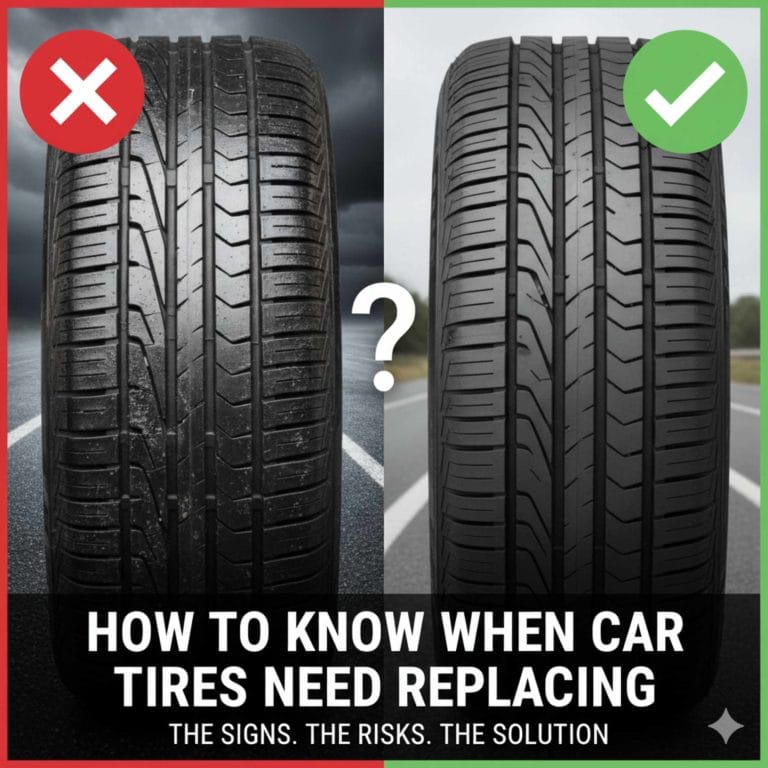
Aging tires lose their elasticity, develop cracks, and become more porous, leading to air seepage.
- Symptoms: Cracks in the sidewall or tread, especially on tires over six years old.
- Expert Insight: The National Highway Traffic Safety Administration recommends replacing tires every six years, regardless of tread depth.
Sunlight, ozone, and heat cycle exposure accelerate rubber aging. If you notice spiderweb-like cracks (called “crazing”) or the rubber feels hard and brittle, air is likely escaping through microscopic pathways. Even if the tread looks fine, the tire’s structural integrity may be compromised, making replacement the only safe option.
Improper Repairs Or Plug Failures
Temporary plugs can fail if not installed correctly or if the puncture is too close to the sidewall.
- Symptoms: Air loss resumes after a short period, or visible plug is loose.
- Tip: Always have repairs performed by a certified technician for best results.
Improper repairs, such as string plugs installed without patching the inner liner, may only last a few hundred miles before leaking again. Sidewall damage or large punctures cannot be safely repaired with plugs or patches, so professional assessment is essential after any attempted fix.
Comparison Table: Causes Vs. Symptoms
| Cause | Typical Symptoms | Risk Level |
|---|---|---|
| Puncture | Sudden or steady air loss, visible object | High |
| Valve Stem Fault | Slow air loss, bubbles with soapy water | Moderate |
| Bead Leak | Slow air loss after impact | Moderate |
| Bent Rim | Persistent loss, vibration, visible rim damage | High |
| Old Tire | Cracking, slow loss, visible deterioration | High |
| Poor Repair | Recurring leak, plug failure | High |
How To Diagnose A Tire That Won’t Hold Air
Before you can fix the problem, you must identify its source. Here’s how to perform a systematic diagnosis at home or with a professional.
Visual Inspection
Start with a thorough visual check:
- Look for embedded nails, screws, or other debris in the tread.
- Examine the sidewalls and tread for cracks, bubbles, or bulges.
- Inspect the valve stem for damage, corrosion, or missing caps.
- Check the rim for bends, dents, or corrosion.
Be meticulous during your inspection. Sometimes, a slow leak is hidden on the inside of the tire where it’s less visible. If you notice uneven tread wear or shoulder wear, this could indicate chronic underinflation, which may be a sign of a persistent leak over time.
The Soapy Water Test
A classic method for finding leaks:
- Mix water with a few drops of dish soap.
- Spray or brush onto the suspected areas: Tread, sidewall, valve stem, and bead.
- Look for bubbles—these indicate air escaping.
Don’t forget to rotate the tire to check the entire circumference. Pay special attention to the bead area and the base of the valve stem, as small leaks here are often missed during visual checks.
Using A Tire Pressure Gauge
Compare pressure readings over several days:
- Inflate the tire to the recommended psi.
- Record the pressure at the same time daily.
- A drop of more than 1-2 psi per week suggests a leak.
Digital gauges provide more precise readings than older pencil-style models. Always measure when the tire is cold, as driving heats the air and can give falsely high readings.
Submersion Test (when Off The Vehicle)
If possible, remove the tire and submerge it in water (like a kiddie pool):
- Bubbles will emerge at the leak site.
- Mark the area for repair.
This test can reveal slow leaks invisible to the naked eye, such as micro-punctures or tiny bead leaks. For best results, rotate the tire fully while submerged to check all surfaces.
Professional Diagnostic Tools
Shops may use advanced tools like electronic leak detectors or ultrasonic sensors for hard-to-find issues, especially with modern run-flat or low-profile tires.
Some tire shops use nitrogen gas to inflate tires during leak testing, as nitrogen molecules are larger and escape more slowly, making leaks easier to detect over time. These advanced diagnostics are particularly useful for pinpointing bead or valve leaks that don’t show up with conventional methods.
Real-world Example: Pinpointing A Mystery Leak
A rideshare driver notices frequent pressure drops in one tire. Visual inspection reveals nothing. The soapy water test finally uncovers a slow leak at the valve stem base—cheaply fixed, saving weeks of frustration.
This scenario highlights the value of systematic testing. Even when you don’t see obvious damage, persistent air loss almost always has a fixable cause.

Credit: jacosuperiorproducts.com
Quick Fixes For Tires That Won’t Hold Air
Once you’ve identified the cause, it’s time to choose the right solution. Some fixes are DIY-friendly, while others require professional attention.
Plugging And Patching Small Punctures
For punctures in the tread area, plug kits or patches can provide a long-lasting repair.
- DIY Plug Kits: Widely available at auto stores, usually $10-$20.
- Professional Patch: Offers a more robust, permanent fix and is recommended for punctures within the tread.
Steps To Plug A Tire (diy)
- Remove the object causing the puncture.
- Insert the plug using the kit tool.
- Trim excess plug material.
- Inflate and check for leaks.
Note: Never plug a sidewall puncture—replace the tire instead.
A combination plug-patch repair (installed from the inside after tire removal) is considered best practice by tire manufacturers and is the safest option for most tread-area punctures. While DIY kits are useful in emergencies, professional repairs are more reliable for long-term use.
Replacing Or Repairing Valve Stems
A damaged valve stem can be replaced quickly and inexpensively.
- DIY Kits: Available, but require some tire removal skill.
- Professional Service: Typically under $25 per stem at most tire shops.
On newer vehicles with TPMS, replacing a faulty valve stem may require reprogramming the sensor. It’s important to use compatible parts and follow the manufacturer’s guidelines to avoid warning lights or sensor errors.
Bead Leak Repairs
Bead leaks require the tire to be removed from the wheel, cleaned, and resealed.
- DIY Temporary Fix: Tire sealant products can sometimes help, but they’re not long-term solutions.
- Professional Repair: Involves cleaning the rim and bead area, then reseating the tire.
Professionals may use special bead sealers—a rubbery compound applied to the bead before remounting the tire—to prevent future leaks. If the rim is heavily corroded, it may need to be refinished or replaced to ensure a proper seal.
Rim Repair Or Replacement
A bent or damaged rim should be straightened or replaced.
- Rim Straightening: Many shops offer this service for $50-$150.
- Replacement: Necessary if the rim is cracked.
Driving on a bent rim can cause vibration, uneven tire wear, and increased stress on the vehicle’s suspension. If you notice these symptoms after a heavy impact, have your wheels inspected by a professional immediately.
Tire Replacement
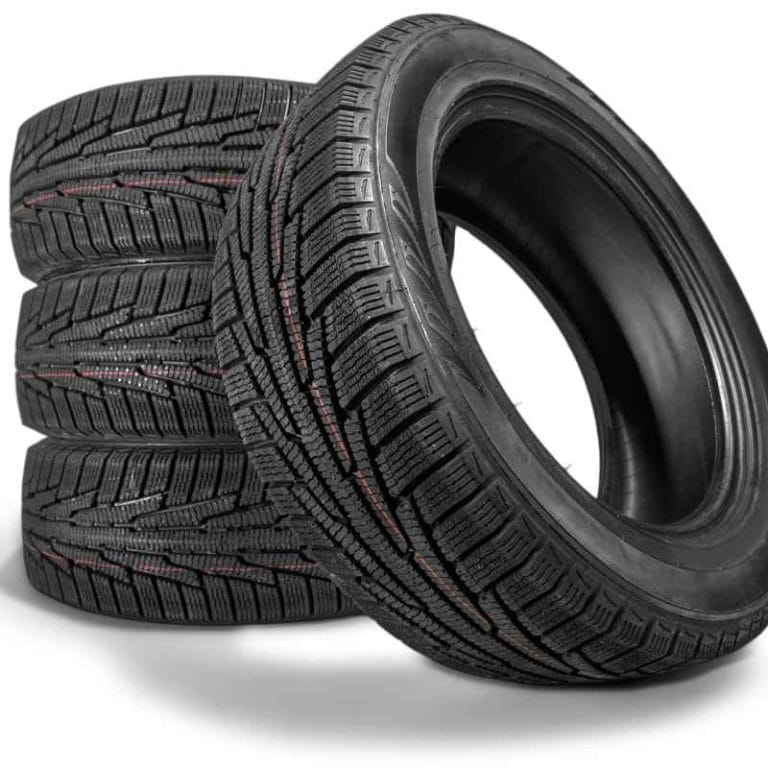
If the tire is old, cracked, or the damage is severe, replacement is the safest option.
- When to Replace: If the puncture is in the sidewall, the tire is over six years old, or repairs have failed.
- Cost: Varies by size and brand, generally $80–$200 per tire.
Investing in high-quality replacement tires can pay off in longer life and better safety. Many retailers offer free flat repairs, rotations, and balancing with the purchase of new tires—an added value to consider.
Emergency Tire Sealants
Aerosol sealants can temporarily plug small leaks, allowing you to drive to safety.
- Popular Brands: Fix-a-Flat, Slime.
- Limitations: Not a permanent fix. Can interfere with sensor systems and complicate professional repairs.
Sealants are lifesavers in remote locations but should always be followed by a professional inspection. Some tire shops charge extra for cleaning sealant residue before performing permanent repairs.
Table: Diy Vs. Professional Fixes
| Repair Method | DIY Feasibility | Cost Estimate | Longevity |
|---|---|---|---|
| Plug Kit | Easy | $10–$20 | Medium |
| Patch (Professional) | Not recommended DIY | $20–$40 | High |
| Valve Stem Replacement | Medium | $10–$25 | High |
| Bead Leak Re-seal | Professional recommended | $25–$50 | High |
| Rim Straightening | Professional only | $50–$150 | High |
| Tire Replacement | Professional only | $80–$200+ | Very High |
| Sealant (Temporary) | Easy | $8–$15 | Low |
Case Study: Quick Fix On A Road Trip
A family on a cross-country trip finds their tire losing air in a remote area. With no service stations nearby, they use a can of Fix-a-Flat and a portable air compressor. The fix gets them safely to the next town, where a professional patch is applied for a permanent solution.
This scenario demonstrates the importance of being prepared. Keeping a tire repair kit, sealant, and portable inflator in your trunk can turn a potential disaster into a manageable inconvenience.
Preventing Tire Air Loss: Maintenance Tips
Routine care not only prevents flat tires but also extends tire life, boosts fuel efficiency, and enhances safety. Here’s how to keep your tires healthy.
Regular Tire Pressure Checks
- Check pressure monthly and before long trips, using a reliable gauge.
- Inflate to the manufacturer’s recommended psi (found in the owner’s manual or door jamb sticker).
Underinflated tires are less responsive and more prone to damage from road hazards. Overinflation is also risky, causing reduced grip and increased wear in the tire’s center. Consistent, proper inflation is the single most effective way to maximize tire performance and longevity.
Visual Inspections
- Look for embedded objects, sidewall cracks, or bulges.
- Inspect after hitting potholes, curbs, or debris.
Checking your tires after every fill-up is a good habit. Many service stations provide complimentary air and water for minor top-ups, making inspections easy to incorporate into routine refueling stops.
Proper Tire Rotation And Balancing
- Rotate tires every 5,000–7,500 miles to ensure even wear.
- Balance tires to prevent vibrations that can damage rims and beads.
Uneven wear patterns can lead to localized thinning of the rubber, making tires more susceptible to punctures and leaks. Regular rotation also helps identify alignment or suspension issues before they cause major problems.
Keep Valve Caps Tight
- Replace lost or broken caps to protect against dirt and moisture.
Valve caps are often overlooked but play a key role in keeping contaminants out of the valve core. They’re inexpensive and easy to replace, offering cheap insurance against avoidable leaks.
Seasonal Considerations
- Adjust pressure for temperature changes: Colder weather requires checking more frequently.
- Consider nitrogen inflation; studies (like those from Consumer Reports) show it reduces pressure loss, but not enough to skip regular checks.
If you live in an area with dramatic seasonal shifts, schedule pressure checks at the start of each season. Nitrogen-filled tires are less susceptible to pressure swings from temperature changes, but regular monitoring is still required.
Table: Maintenance Frequency
| Task | Recommended Frequency | Purpose |
|---|---|---|
| Tire Pressure Check | Monthly | Prevent underinflation |
| Visual Inspection | Monthly / After Impacts | Detect damage early |
| Rotation | 5,000–7,500 miles | Even out wear |
| Balancing | Every rotation / As needed | Prevent vibrations |
| Valve Cap Replacement | As needed | Protect valve stem |
Real-world Example: Maintenance Pays Off
A delivery driver who checks his tire pressures weekly has not experienced a flat in over three years—despite logging 60,000 miles annually. Early detection of a slow bead leak saved him from a potential highway blowout.
This demonstrates the value of vigilance: small maintenance habits can prevent costly, dangerous problems down the road.
When To Seek Professional Help
Not every tire issue can—or should—be fixed at home. Knowing when to call in the pros can save money and lives.
Sidewall Damage
Any sidewall puncture, bulge, or crack means the tire must be replaced. The sidewall cannot be safely repaired due to its structural role.
Attempting to repair sidewall damage is extremely risky and not recommended by any reputable tire manufacturer. The flexing motion in the sidewall is too severe for plugs or patches to maintain integrity, and a sudden blowout can have catastrophic consequences.
Multiple Or Large Punctures
If your tire has multiple punctures close together or a large gash, replacement is safer.
Repairs are only recommended for small punctures (typically less than 1/4 inch in diameter) located in the main tread area. Larger or clustered punctures weaken the tire’s structure and compromise its safety.
Persistent Or Hidden Leaks
If leaks persist despite repairs, or you can’t locate the source, a tire shop can use advanced diagnostics.
Technicians have access to specialized equipment, such as leak detection tanks, nitrogen inflation systems, and advanced TPMS scan tools. These resources can often identify problems that elude even the most careful DIYer.
Rim And Bead Issues
Bent or cracked rims require specialized equipment to fix or replace. DIY attempts can worsen the issue.
Trying to straighten a rim at home can easily cause further damage, making the wheel unsafe or unbalanced. Professionals use hydraulic presses and precision tools to restore rims to factory specifications.
Tpms Warnings
Modern cars use a Tire Pressure Monitoring System (TPMS). If the TPMS light stays on after inflating your tires, have the system checked by a technician.
A persistent TPMS warning may indicate a faulty sensor, a slow leak, or a problem with the system itself. Ignoring this warning can lead to undetected underinflation and increased risk of a blowout.
Choosing A Tire Service Provider
- Look for certified technicians (e.g., ASE certification).
- Check reviews on platforms like the Better Business Bureau.
- Ask about warranties on repairs and replacements.
Quality service providers should offer transparent pricing, clearly explain your options, and back their repairs with written guarantees. Don’t hesitate to ask questions or seek a second opinion if you’re unsure about a recommended repair.
External Resources For Professional Repair
- NHTSA Tire Safety Information
- Tire Rack
- Bridgestone Tire Safety
The Cost Of Ignoring A Tire That Won’t Hold Air
Letting a leaking tire slide can lead to serious consequences far beyond a simple flat.
Increased Safety Risks
Underinflated tires run hotter, increasing the risk of a blowout. The National Highway Traffic Safety Administration attributes hundreds of fatalities annually to tire-related incidents.
A blowout at highway speeds can cause a sudden loss of control, leading to serious accidents. Even at low speeds, a flat tire can compromise steering and braking, increasing the likelihood of a collision.
Poor Fuel Efficiency
According to the U.S. Department of Energy, tires underinflated by just 10 psi reduce fuel efficiency by up to 3.3%.
Over the course of a year, this can add up to hundreds of dollars in wasted fuel—money that could easily be saved with regular tire maintenance. Poor fuel efficiency also increases your carbon footprint, making underinflated tires both an economic and environmental concern.
Shortened Tire Life
Underinflated tires wear faster and unevenly, meaning you’ll need to replace them sooner—costing hundreds of dollars over the vehicle’s life.
Constantly running on low pressure causes the edges of the tire to wear more quickly than the center, leading to premature failure. The cost of early replacement adds up over multiple vehicles or years of driving.
Potential For Costly Repairs
Driving on a flat can damage the rim, TPMS sensors, and even suspension components, leading to expensive repairs.
A damaged rim or sensor can cost hundreds of dollars to replace. In severe cases, driving on a flat tire can even warp brake rotors or harm the car’s alignment, compounding repair bills.
Impact On Insurance
Some insurance policies may not cover damage caused by neglecting tire maintenance.
If an accident occurs as a result of a neglected flat tire or blowout, insurers may reduce or deny claims. Keeping records of regular tire checks and maintenance can protect you in the event of a dispute.
Frequently Asked Questions
What Should I Do If My Tire Keeps Losing Air But No Puncture Is Visible?
If you can’t find a puncture, check the valve stem, bead area, and rim for leaks. Use the soapy water test on these areas. If the problem persists, consult a professional who can inspect for hidden issues like bead leaks or internal damage.
Can I Drive On A Tire That Won’t Hold Air If I Refill It Frequently?
It’s unsafe to continue driving on a leaking tire, even if you keep refilling it. Repeated underinflation can cause irreversible damage and increases the risk of a blowout. Get the problem diagnosed and repaired as soon as possible.
Are Tire Sealants Safe To Use As A Long-term Solution?
Tire sealants are meant for temporary emergency repairs only. They can clog TPMS sensors and may not seal larger holes or sidewall damage. Always have your tire professionally repaired or replaced after using a sealant.
How Can I Prevent My Tires From Leaking Air In The Future?
Perform regular maintenance: monthly pressure checks, visual inspections, timely rotation, and keeping valve caps tight. Avoid driving over debris, potholes, and curbs whenever possible.
When Is It Time To Replace My Tire Instead Of Repairing It?
Replace your tire if the puncture is in the sidewall, if there are multiple or large punctures, if the tire is over six years old, or if it shows significant cracks, bulges, or uneven wear.
References And Further Reading
- Wikipedia: Tire
- NHTSA: Tire Safety
- Consumer Reports: Nitrogen Inflation
- Tire Rack: Common Tire Problems
- U.S. Department of Energy: Vehicle Maintenance
- Bridgestone Tire Safety
A tire that won’t hold air may seem like a small annoyance, but it’s a warning sign you shouldn’t ignore. By understanding the most common causes, knowing how to diagnose issues, and applying the right fixes, you can keep your car safe, efficient, and ready for any road ahead. Remember: a few minutes of attention today can save you from costly repairs and dangerous situations tomorrow. Stay vigilant, and your tires will reward you with miles of trouble-free driving.
Related pick: Check today's price on Amazon For more on this, see whether you should fill tires to max PSI.
Products related to this article
Sponsored / affiliate links. As an Amazon Associate I earn from qualifying purchases. I may earn additional commission from eligible campaigns.