Warning Signs of a Failed Transmission You Should Not Ignore
A car’s transmission is the heart of its movement. It’s the system that takes power from your engine and delivers it smoothly to your wheels. If your transmission fails, your vehicle can become unsafe, unreliable, and expensive to fix. Yet, many drivers ignore early warning signs, hoping the problem will go away on its own. Understanding the warning signs of a failed transmission can save you time, money, and stress. Acting quickly can often mean a simple repair, rather than a full replacement.
This guide will help you recognize the most important signs of transmission trouble. Whether you drive an automatic or manual, the symptoms often start small, but they grow worse with time. Learn what to look for, why these signs matter, and what steps to take if you notice them.
Why Transmission Health Matters
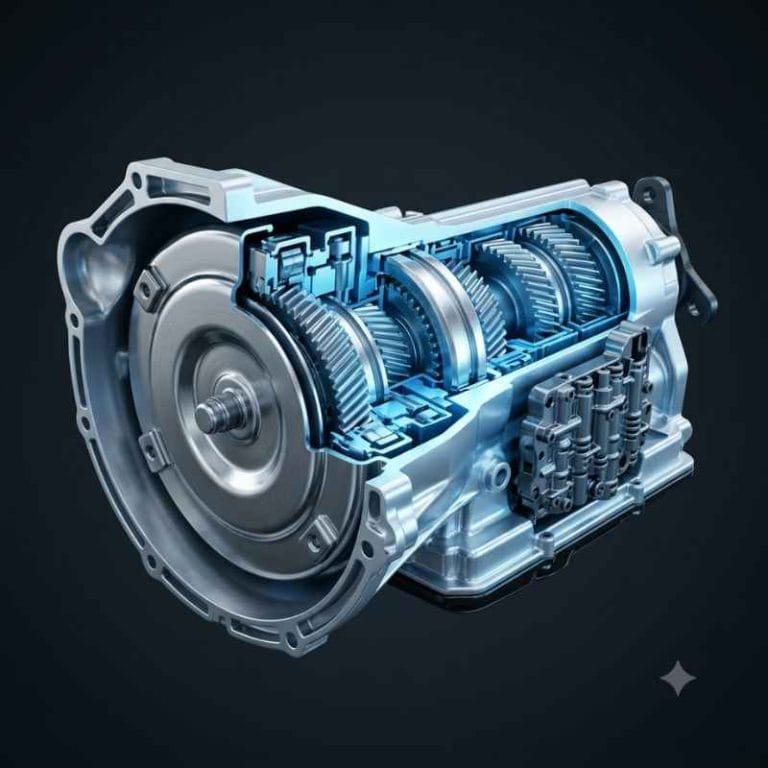
Your car’s transmission is a complex and expensive part. It controls speed, torque, and how your car shifts from gear to gear. A faulty transmission doesn’t just affect performance. It can also:
- Reduce fuel efficiency
- Cause sudden loss of power
- Lead to dangerous situations on the road
Replacing a transmission can cost anywhere from $1,800 to $3,500 or more, depending on your vehicle. Catching problems early can turn a costly repair into a minor fix, like a fluid change or gasket replacement. For many drivers, the transmission is a “black box” — mysterious and easy to ignore.
But with a little knowledge, you can spot trouble before it gets serious.
Top Warning Signs Of A Failed Transmission
Let’s break down the main warning signs you should never ignore.
1. Unusual Noises
Your car should run smoothly and quietly. Strange noises often signal trouble. Listen for:
- Grinding when shifting gears
- Clunking or banging sounds during acceleration or deceleration
- Whining from under the car, especially in neutral
For example, a high-pitched whine can mean low transmission fluid or worn bearings. Grinding often points to damaged gears. These noises will not fix themselves. If you hear them, see a mechanic as soon as possible.
2. Slipping Gears
If your car suddenly changes gears or hesitates, this is known as gear slipping. The engine may rev up, but the car won’t move as expected. You might notice:
- Delayed acceleration
- Sudden drops in speed
- Gears shifting for no reason
Slipping gears can be dangerous, especially on highways. It means the transmission cannot hold the selected gear. This often results from worn-out bands, clutches, or low fluid.
3. Delayed Or Rough Shifting
Smooth shifting is a sign of a healthy transmission. When it starts to fail, you may feel:
- Hesitation when you change from park to drive or reverse
- Hard or jerky shifts between gears
- The car lurching or jolting during acceleration
This happens because the transmission’s internal pressure is not correct. Often, this is a sign of worn parts or dirty fluid. Some drivers ignore these small jerks, but they usually get worse over time.
4. Transmission Fluid Leaks
Transmission fluid is usually bright red, though it can darken with age. If you see red or brown puddles under your car, that’s a strong warning sign. Leaks can come from:
- The transmission pan
- Seals or gaskets
- The cooler lines
Fluid leaks are easy to spot and should never be ignored. Low fluid leads to overheating and rapid damage. A simple fix now can prevent a total failure later.
5. Warning Lights
Modern cars have sensors for almost everything. If your dashboard shows the Check Engine or Transmission light, pay attention. These warnings often come before you notice any other symptoms. Ignoring them can lead to bigger problems.
A mechanic can read the error codes to find out what’s wrong. Sometimes, it’s a minor issue like a sensor. Other times, it’s a sign of serious damage.
6. Burning Smell
A burning odor is a serious sign. Transmission fluid keeps gears cool and lubricated. If it overheats or burns, you might smell something like burnt toast. This can mean:
- Low or dirty fluid
- Overheating transmission
- Internal friction from worn parts
Act quickly if you notice this smell. Overheating causes rapid wear and can destroy the transmission.
7. Fluid Color And Condition
Healthy transmission fluid is bright red and clear. If you check your dipstick and see dark, brown, or burnt-smelling fluid, there is a problem. Old or contaminated fluid can no longer protect your transmission.
Here’s a quick comparison:
| Fluid Color | Condition | What It Means |
|---|---|---|
| Bright Red | Clear, Clean | Healthy |
| Dark Red/Brown | Slight Burnt Smell | Old, Needs Change |
| Black | Burnt Odor, Dirty | Severe Damage Possible |
If your fluid is not bright and clear, have it checked as soon as possible.
8. Lack Of Response
When you shift from park to drive or reverse, your car should move right away. If there’s a delay, or if nothing happens, your transmission may be failing. This is often due to:
- Low fluid
- Worn clutches or bands
- Internal damage
Even a short delay can signal a bigger problem coming soon.
9. Vibrations Or Shaking
A healthy transmission shifts smoothly. If you feel shaking, shuddering, or vibrations while driving, especially during shifts, something is wrong. These symptoms can be caused by:
- Worn gears
- Damaged mounts
- Internal failures
Vibrations often start small, but can lead to total breakdown if ignored.
10. Poor Acceleration
If your car feels sluggish, especially when starting from a stop or merging onto highways, the transmission may not be delivering power correctly. This can be due to slipping gears, low fluid, or internal wear.
You may also notice a drop in fuel economy. The engine works harder, but power doesn’t reach the wheels efficiently.
11. Unusual Sounds In Neutral
If you hear noises while your car is in neutral, such as whining or clunking, this often points to worn bearings or gears. It’s a sign your transmission needs attention, even if you don’t notice problems while driving.
12. Transmission Overheating
Some vehicles have a transmission temperature warning. Overheating is a sign of low fluid, blocked cooler lines, or internal damage. An overheated transmission can fail quickly and completely.
13. Difficulty Staying In Gear
If your car pops out of gear or won’t stay in gear, this is a serious safety issue. It can be caused by:
- Worn synchronizers (manual transmissions)
- Damaged shift linkage
- Internal transmission failure
Never ignore this problem. It can lead to loss of control while driving.
14. Check Engine Light Flashing
A flashing Check Engine light is different from a steady one. It often means a serious problem is happening right now, possibly in the transmission. Get your car checked immediately.
15. Excessive Noise When Stopped
If your car makes loud noises when idling or stopped in gear, it could be a sign of transmission trouble. This is often caused by worn parts, low fluid, or internal damage.

Credit: xtreme-automotive.com
How Transmission Problems Develop
Transmission problems usually don’t appear overnight. They build up over time, often due to:
- Lack of regular maintenance
- Using the wrong type of fluid
- Overloading your vehicle
- Aggressive driving habits
Tiny leaks and small delays are easy to ignore but lead to bigger failures if not repaired. For example, a small fluid leak can quickly cause overheating and worn gears.
Automatic Vs Manual Transmission Warning Signs
While most signs are similar, some are unique to each type.
Automatic Transmissions
- More likely to have slipping gears
- Delayed shifting is common
- May show a Transmission warning light
Manual Transmissions
- Grinding when shifting is common
- Trouble with the clutch pedal (hard to push, won’t return)
- Difficulty going into gear
Here’s a side-by-side look:
| Symptom | Automatic | Manual |
|---|---|---|
| Slipping Gears | Very Common | Less Common |
| Grinding Noise | Sometimes | Very Common |
| Clutch Issues | No Clutch | Common |
| Delayed Shifting | Common | Rare |
Knowing which signs match your type of transmission helps you explain the problem to your mechanic.

Credit: bansalhospital.com
Common Causes Of Transmission Failure
Understanding why transmissions fail can help you prevent problems. Here are the main causes:
- Low or dirty fluid: This is the most common cause. Transmission fluid lubricates and cools the system. Without enough clean fluid, parts wear out quickly.
- Overheating: Heat destroys transmission fluid and damages metal parts.
- Worn clutches and bands: These parts hold gears in place. Over time, they wear out and cause slipping.
- Faulty solenoids: These electronic parts control fluid flow. If they fail, the transmission can’t shift correctly.
- Leaking seals and gaskets: Fluid loss leads to rapid damage.
- Improper use: Towing too much weight or aggressive driving can strain the transmission.
Here’s a data snapshot of average repair costs for common transmission problems:
| Problem | Average Repair Cost (USD) |
|---|---|
| Fluid Leak Repair | $150 – $400 |
| Clutch Replacement | $800 – $1,500 |
| Solenoid Replacement | $300 – $850 |
| Full Transmission Rebuild | $1,800 – $3,500 |
What To Do If You Notice Warning Signs
If you see any of these warning signs, don’t wait. Here’s what you should do:
- Check the fluid: Look at the color and level. Top up if low, but don’t overfill.
- Listen and observe: Note when the symptoms happen (cold start, after driving, etc. ).
- Don’t drive far: Driving with a failing transmission can cause more damage.
- Visit a qualified mechanic: Explain all the symptoms clearly.
Many drivers make the mistake of ignoring small problems, only to face a much larger repair bill later. Early action saves money and keeps your car safe.
Preventing Transmission Failure
Prevention is always better than repair. Here’s how to protect your transmission:
- Change fluid regularly: Most automakers recommend every 30,000 to 60,000 miles.
- Use the correct fluid: Each vehicle has its own fluid type. Mixing fluids can cause damage.
- Don’t overload: Carrying too much weight strains the transmission.
- Let your car warm up: In cold weather, give your car a few minutes to warm up before driving.
- Drive smoothly: Avoid sudden starts and stops.
A little care goes a long way. Many transmissions fail early because of poor maintenance, not just age.
Non-obvious Insights Drivers Often Miss
- Fluid can leak slowly for months: Small leaks may only leave tiny spots on your driveway, but over time, they drain your system. Even minor leaks should be fixed right away.
- Transmission problems can feel like engine problems: Many drivers think hesitation, poor acceleration, or strange noises mean engine trouble, not transmission. Always have both checked if you’re not sure.
- Warning lights don’t always mean transmission failure: Sometimes, a faulty sensor or a loose wire can trigger the light. But it’s still important to have it checked — ignoring it is risky.
- Regular fluid checks matter more than you think: Transmission fluid isn’t just a lubricant. It’s also a hydraulic fluid that powers gear changes. Dirty or low fluid can cause many types of damage.

Credit: www.youtube.com
When Is It Time To Replace Your Transmission?
If your car shows multiple severe symptoms (slipping, overheating, loud noises, won’t go into gear), repair may not be enough. A full rebuild or replacement might be necessary if:
- Repairs cost more than half the value of your car
- The transmission has failed more than once
- Your car has over 150,000 miles and repeated problems
In these cases, talk to your mechanic about the best option. Sometimes, selling or trading in your car is the smarter financial move.
External Resources For More Information
For drivers who want to learn more about transmission problems, the Consumer Reports Automatic Transmission Maintenance Guide offers detailed advice and research-based tips.
Frequently Asked Questions
What Happens If I Keep Driving With A Failing Transmission?
You risk complete failure. Your car may stop moving or become unsafe. Repairs will be much more expensive if you wait too long.
How Often Should I Check My Transmission Fluid?
Check at least once a month, or whenever you notice unusual symptoms. Always use the right fluid type for your car.
Can I Repair A Transmission Myself?
Most transmission repairs require special tools and knowledge. Simple tasks like checking or changing fluid are DIY-friendly, but internal repairs should be left to professionals.
Is It Worth Fixing An Old Car’s Transmission?
It depends on your car’s value and condition. If repairs cost more than half the car’s value, consider replacing the vehicle instead.
What’s The Most Common Cause Of Transmission Failure?
Low or dirty transmission fluid is the number one cause. Regular
Products related to this article
Sponsored / affiliate links. As an Amazon Associate I earn from qualifying purchases. I may earn additional commission from eligible campaigns.