Best Car Comparison Website: Top Picks Reviewed
The best car comparison websites offer detailed specs, pricing, reviews, and tools to help you find a car that fits your needs and budget, comparing models side-by-side to highlight key differences and similarities.
Understanding Car Comparison Websites
Think of car comparison websites as your personal auto expert. They gather a ton of information. Then, they put it all in one easy place.
You can see how different cars stack up. This helps you see the good and the bad of each option.
These sites are great for many reasons. They help you learn about car features. You can see how much they cost.
They also show you what other people think. This way, you don’t have to visit tons of dealerships. You can do a lot of your homework online first.
Why are these tools so useful? Well, cars are big buys. You live with your car for years.
Making sure it’s the right fit is key. Comparison sites help you avoid mistakes. They help you feel sure about your pick.
They help you find what truly matters to you.
My Car Search Adventure
I remember when I needed a new car a few years back. My old sedan had seen better days. It was noisy.
The air conditioning was weak. I felt hot and bothered every summer drive. I was also tired of the constant trips to the mechanic.
It felt like a money pit.
I knew I wanted something different. Maybe an SUV? Or a small truck?
I liked the idea of more space. But I also hated the thought of really bad gas mileage. I started browsing online.
I looked at manufacturer websites. They were okay, but they only showed their own cars. It was hard to see how they compared to others.
Then I stumbled upon a car comparison site. Wow! It was like a light bulb went off.
I could see a Honda CR-V next to a Toyota RAV4. I could see their engine sizes. I could see their cargo space.
I could see their fuel economy ratings. It was all right there. I spent hours clicking around.
It made me feel so much more in control. I finally picked a car I loved. And I felt good about the choice.
Top Features to Look For
When picking a car comparison site, keep an eye out for these helpful things:
- Detailed Specs: Engine, MPG, safety ratings, dimensions.
- Pricing Tools: MSRP, invoice prices, incentives, loan calculators.
- User Reviews: Real owner feedback on reliability and daily use.
- Expert Reviews: Opinions from car journalists and testers.
- Side-by-Side View: Easy charts to compare multiple cars.
- Filters and Sorting: Tools to narrow down choices by your needs.
How These Sites Work Their Magic
These websites pull data from many places. They get official specs from car makers. They also get safety test results.
Think of ratings from groups like the NHTSA or IIHS. Consumer reports are often included too. This data is then organized for you.
The best sites focus on what matters most to buyers. They know you care about fuel cost. They know you care about safety for your family.
They also know you care about how the car looks and feels. So, they highlight these areas.
They use databases that are updated often. Cars change each year. New models come out.
Prices shift. Good sites keep up with all of this. This means the info you see is usually current.
It helps you avoid looking at old data.
The Difference Makers: Key Website Features
Not all car comparison sites are created equal. Some are basic. Others are packed with useful tools.
Let’s break down what makes a website stand out.
Side-by-Side Comparison Tools
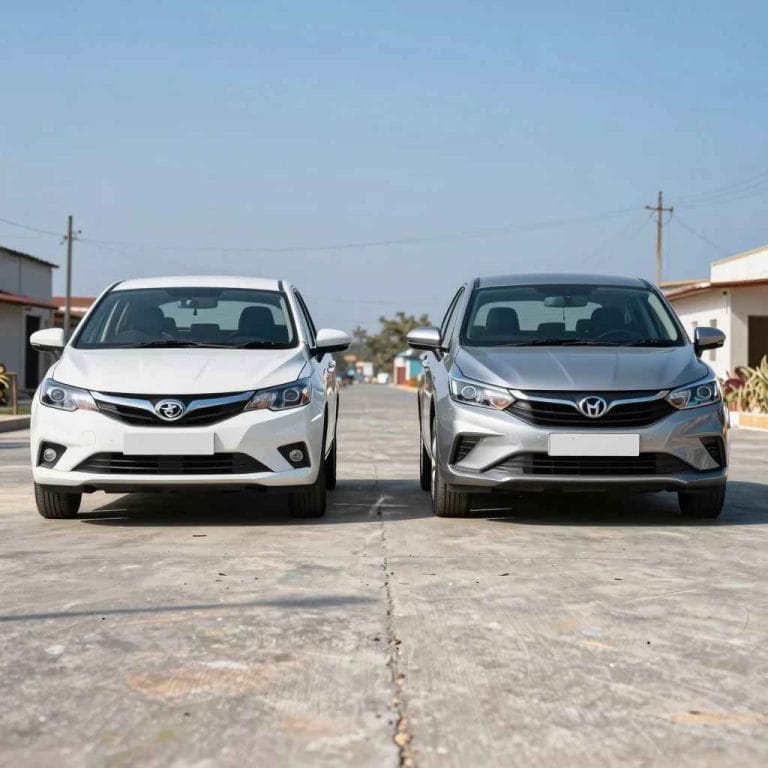
This is a must-have. You should be able to select two, three, or even four cars. Then, see their features lined up.
This makes spotting differences simple. You can quickly see which car has more cargo room. Or which one gets better gas mileage.
It’s like having cheat sheets for cars.
Detailed Specification Databases
Beyond the basics, look for in-depth specs. This includes engine power (horsepower, torque). Transmission types are important too.
Suspension systems matter for ride comfort. Even tire sizes and fuel tank capacity can be useful data points. The more detail, the better you can understand the car’s performance.
Quick Scan: Your Car Needs
Answer these to guide your search:
| Need | Consider |
|---|---|
| Fuel Economy | MPG (city/highway), hybrid options. |
| Passenger Space | Seating capacity, legroom, headroom. |
| Cargo Space | Trunk volume, folding seats, SUV/hatchback. |
| Safety | Crash test scores, driver-assist features. |
| Budget | MSRP, fuel costs, insurance estimates. |
Pricing and Incentives
Knowing the price is vital. Good sites show the Manufacturer’s Suggested Retail Price (MSRP). Some also show dealer invoice prices.
This helps you know if you’re getting a fair deal. They might also list current rebates or special offers. These can save you a lot of money.
Understanding incentives is key. A car that looks more expensive might have big discounts. These can make it a better buy.
Always check for these deals. They can change monthly. So, updated info is important.
Expert and User Reviews
Specs are one thing. How a car performs in real life is another. Expert reviews offer insights from people who drive many cars.
They talk about handling, comfort, and tech. User reviews tell you about long-term ownership. What breaks?
What’s annoying? What do people love?
Reading a mix of reviews is smart. Experts point out performance. Owners highlight daily use.
Together, they give a full picture. Look for common themes in owner reviews. Are many people complaining about the same thing?
That’s a red flag.
Myth vs. Reality
Let’s clear up some common thoughts:
Myth: All new cars are expensive.
Reality: While new car prices are up, comparison sites help find affordable models or great deals on slightly older new cars.
Myth: Comparing cars online is confusing.
Reality: Good comparison sites simplify this. They use charts and clear language to make choices easy.
Myth: You need to visit many dealers to find a good price.
Reality: Comparison sites show pricing and incentives. This lets you start negotiations from a stronger position.
Navigating the Top Comparison Websites
Several websites stand out for their quality. Each has its own strengths. Here are some of the top contenders you should check out.
Edmunds
Edmunds is a long-time leader. They offer a huge database of cars. You get detailed specs.
They also have many expert reviews. Pricing information is very thorough. They include local inventory.
This means you can see what dealers near you have. Their True Market Value (TMV) tool is great. It shows what people are actually paying for cars.
I’ve used Edmunds for years. I like their clean layout. It’s easy to find what you need.
Their “Pros and Cons” section for each car is very direct. It gives you a quick summary of the good and bad. I find their comparison tool simple to use.
You can pick a few cars and see them side-by-side.
Kelley Blue Book (KBB)
KBB is famous for its car values. But it’s more than just pricing. They have a large library of reviews.
They offer research tools for new and used cars. KBB’s “Fair Purchase Price” is a key feature. It tells you what others are paying.
They also show trade-in values. This is helpful if you have a car to sell.
KBB’s interface is friendly. It feels less technical than some sites. This makes it good for beginners.
They also have tools to estimate monthly payments. This helps you think about your budget early on.
Car and Driver
If you want deep dives into performance, Car and Driver is your spot. They are known for their in-depth testing. Their reviews are well-written and engaging.
They offer comprehensive specs. They also have a “Best Cars” list each year. This is a great way to see top performers.
Car and Driver’s comparisons might focus more on driving feel. This is important if you love being behind the wheel. They often compare cars based on performance metrics.
They also offer a good amount of tech detail. It’s a site for car enthusiasts but useful for everyone.
Consumer Reports
Consumer Reports is a trusted name. They are known for unbiased testing. They don’t take ads from car companies.
This means their reviews are very objective. They focus heavily on reliability and safety. They have extensive data from owner surveys.
Access to Consumer Reports often requires a subscription. But many libraries offer it for free. If reliability and safety are your top worries, this is the place.
Their ratings are very clear. They use simple A-F grading. This makes it easy to understand which cars are rated best overall.
Top Picks at a Glance
Here’s a quick look:
- Edmunds: Great for pricing, local inventory, and user-friendly comparisons.
- KBB: Best for fair pricing, trade-in values, and easy-to-understand summaries.
- Car and Driver: Ideal for performance reviews and driving dynamics.
- Consumer Reports: Top choice for reliability, safety, and unbiased ratings.
MotorTrend
MotorTrend also offers excellent reviews. They have a strong focus on automotive news. Their website features comparisons, news, and videos.
They provide detailed specs and pricing. They also have their own “Car of the Year” awards.
MotorTrend’s content is often very visual. They have great photos and videos. This can help you get a better feel for a car’s design.
They cover a wide range of vehicles. Their team of reviewers is experienced. They offer unique perspectives on different models.
Real-World Context: Choosing the Right Car for You
What works for one person might not work for another. The “best” comparison website depends on what you need most.
Your Driving Habits
Do you drive mostly in the city? Then fuel economy and small size might be key. Are you on long highway trips?
Comfort and highway MPG become more important. Do you haul kids or gear? Cargo space and rear-seat room are vital.
Comparison sites let you filter by these needs.
Consider your climate too. If you live where it snows a lot, all-wheel drive (AWD) might be a must. Some cars offer it standard.
Others have it as an option. You can easily see which models have AWD. This saves you time and worry.
Your Budget Reality
The sticker price is just one part of the cost. Think about fuel. Insurance costs can vary a lot.
Maintenance and repair costs matter over time. Some cars are known for being expensive to fix. Others are more reliable and cheaper to maintain.
Comparison sites help you estimate these costs. They might show you average insurance rates. They could link to reliability ratings.
Looking at the total cost of ownership is smart. It prevents surprises down the road. A cheaper car to buy might cost more to run.
Is This Normal? Usage Scenarios
Here’s when certain car features shine:
- City Driving: Small cars, good MPG, easy parking.
- Family Hauling: SUVs, minivans, 3 rows of seats, plenty of cargo space.
- Road Trips: Comfortable seats, quiet cabin, good highway MPG, driver aids.
- Bad Weather: AWD or 4WD, good ground clearance, heated seats.
- Off-Roading: Trucks, SUVs with robust 4×4 systems, higher ground clearance.
Your Lifestyle Needs
Do you have pets? Do you go camping? Do you need to tow a small trailer?
These lifestyle factors shape your car choice. A compact car won’t work if you need to fit large dogs. A sports car isn’t ideal for family outings.
Look at the details that matter for your hobbies. What kind of tires does the car have? Can the seats fold flat for gear?
Is there a roof rack option? These small things add up. They make a big difference in how well a car serves you.
What This Means for Your Car Search
Using car comparison websites is a powerful first step. It empowers you with knowledge. You can compare models from different brands easily.
You can see features side-by-side. You can get a sense of pricing and common issues.
It means you can narrow down your choices before visiting a dealer. This saves you time. It also saves you from pressure.
You’ll walk into a dealership knowing what you want. You’ll know the key features you’re looking for. You’ll have a better idea of a fair price.
When to Worry About Car Specs
Pay attention if:
- Fuel economy is much lower than similar cars in its class.
- Safety ratings are poor from reputable organizations like IIHS or NHTSA.
- Reliability scores are consistently low from owner surveys.
- Pricing is significantly higher than its competitors without clear justification.
- Essential features for your needs are missing or optional on many trims.
Quick Tips for Smart Car Shopping
Here are some simple tips to make your online car search even better.
Start Broad, Then Narrow
Don’t pick just one car to research. Start by looking at popular models in the type of vehicle you think you want (e.g., compact SUVs). Use filters to see what’s out there.
Then, use the comparison tools to narrow it down.
Check Multiple Sources
Don’t rely on just one website. Look at Edmunds, KBB, and maybe a performance site like Car and Driver. Cross-referencing information helps you get a more complete picture.
You can see if one site has better data on a specific feature.
Comparison Checklist
Before you decide:
- Compare 3-4 top models side-by-side.
- Review specs for engine, MPG, and cargo.
- Check pricing and potential incentives.
- Read owner reviews for reliability notes.
- Look at safety ratings from NHTSA/IIHS.
- Consider your budget for the total cost of ownership.
Read Between the Lines
Sometimes, specs don’t tell the whole story. A car might have a powerful engine, but if it’s paired with a sluggish transmission, the driving experience might suffer. Look for reviews that talk about how the car actually feels to drive.
Don’t Forget the Test Drive
Online research is fantastic. But nothing beats driving a car yourself. Once you’ve narrowed your choices, schedule test drives.
See how the seats feel. Check your blind spots. Test the infotainment system.
Make sure it feels right for you.

Frequently Asked Questions About Car Comparison Websites
What is the most trusted car comparison website?
Websites like Edmunds, Kelley Blue Book (KBB), Consumer Reports, MotorTrend, and Car and Driver are highly trusted. Consumer Reports is often cited for its unbiased, non-advertising approach, especially for reliability and safety. Edmunds and KBB are strong for pricing and overall user experience.
How do I compare cars effectively online?
Use the side-by-side comparison tools on these sites. Select the models you are interested in. Then, look at key specs like MPG, safety scores, engine power, cargo space, and passenger room.
Also, read expert and owner reviews to understand real-world performance and reliability.
Can comparison websites help me save money on a car?
Yes, they can significantly help. They provide pricing information, including MSRP and sometimes dealer invoice prices. Many also list current incentives, rebates, and special offers.
Tools like KBB’s Fair Purchase Price or Edmunds’ TMV help you know what a fair price is, so you can negotiate better.
Are used car comparisons as good as new car comparisons?
Many sites offer excellent tools for used cars too. You can compare different model years of the same car. They often provide reliability history reports and common issues for older vehicles.
However, the condition of a specific used car is crucial, so always inspect it in person.
What is the difference between MSRP and invoice price?
MSRP (Manufacturer’s Suggested Retail Price) is the price the car maker suggests for the car. The invoice price is what the dealer likely paid the manufacturer for the car. The difference between these is the dealer’s potential profit.
Knowing both helps you negotiate a good deal.
Do I need to pay to use these car comparison websites?
Most of the popular car comparison websites offer a lot of their core features for free. This includes detailed specs, pricing information, and many reviews. Some sites, like Consumer Reports, offer more in-depth content or exclusive data behind a paid subscription.
However, free access is usually sufficient for most buyers.
Conclusion
Finding the right car can be a journey. But with the help of the best car comparison websites, it doesn’t have to be a struggle. These tools give you the power of knowledge.
They help you understand your options clearly. They guide you towards a decision you’ll feel good about for years to come. Happy car hunting!
Products related to this article
Sponsored / affiliate links. As an Amazon Associate I earn from qualifying purchases. I may earn additional commission from eligible campaigns.