How To Compare Car Insurance And Save Money Fast
Finding the best car insurance is about matching your needs to the right policy and price. It involves comparing coverage types, understanding discounts, and getting quotes from various insurers. Doing this research helps you save money and ensures you have the protection you need on the road.
Understanding Car Insurance Basics
Car insurance is a contract. You pay a company money. That money is called a premium.

TOURSUIT
TOURSUIT Car Registration & Insurance Card Holder,…
- 👁️Quick Accessible: Inside the car insurance and registration card holder, the clear inner material makes you easy to find documen…
- 💼Document Well Organized: The car document holder keeps your car documents organized and keep them tidy and secured, which make it…
- 🧲Hidden Magnetic Closure: The glove box document holder are built with hidden magnetic closure, which will keep your car paperwork…
As an Amazon Associate I earn from qualifying purchases.
In return, the company agrees to pay for certain losses. These losses happen if you have an accident. Or if your car is stolen.
Or damaged in other ways. It’s a safety net. It protects you financially.
There are different parts to car insurance. Each part covers something specific. Knowing these parts helps you compare policies better.
It also helps you decide what coverage you really need. This is key to not overpaying. It also stops you from being underinsured.
Liability Coverage: The Must-Haves
This is usually the most basic type of coverage. It’s often required by law. It helps pay for damage you cause to others.
This happens if you are at fault in an accident. It covers two main things: bodily injury and property damage.
Bodily Injury Liability helps pay for medical bills. It covers the other driver. It also covers their passengers.
This includes things like doctor visits. It can also cover ambulance rides. And even hospital stays.
It might also cover lost wages. This is for people who can’t work because of injuries.
Property Damage Liability helps pay for damage to the other person’s car. It can also cover other property. This might be a fence or a building.
It’s about fixing or replacing what you broke.
Most states have minimum liability limits. These are the lowest amounts an insurer will cover. Many people choose higher limits.
This is for better protection. Accidents can be very costly. Higher limits mean the insurance company pays more.
Your own money is less at risk.
Collision and Comprehensive Coverage: Protecting Your Car
These coverages help pay to fix or replace your own car. They are usually optional. But if you have a car loan or lease, they are often required.
They protect your investment.
Collision coverage helps pay for damage to your car. This happens if you hit another car. Or if you hit an object.
It also covers if your car rolls over. It pays for repairs. Or it pays the car’s value if it’s totaled.
Comprehensive coverage covers damage to your car. This damage is NOT from a crash. Think of things like theft.
Or vandalism. It also covers damage from fire. Or falling objects.
It covers natural disasters too. Like hail or floods. It’s for a wide range of unexpected events.
Both collision and comprehensive usually have a deductible. This is the amount you pay first. You pay this before the insurance company pays.
A higher deductible means lower premiums. But you pay more if you have a claim. A lower deductible means higher premiums.
But you pay less out-of-pocket when something happens.
Other Important Coverages
There are other types of coverage you might see. Some are very useful. Others might be less common for you.
Uninsured/Underinsured Motorist (UM/UIM) coverage is important. It protects you if you’re hit by someone with no insurance. Or if they don’t have enough insurance.
It covers your medical bills and car repairs. This is a big deal in many areas.
Medical Payments (MedPay) coverage helps pay for medical costs. This is for you and your passengers. It pays no matter who caused the accident.
It can help cover small medical bills. Or it can be a supplement to health insurance.
Personal Injury Protection (PIP) is similar to MedPay. It’s available in “no-fault” states. It covers medical bills.
It can also cover lost wages. And other related expenses. Even if you caused the accident.
Rental Reimbursement helps pay for a rental car. This is if your car is being repaired after a covered claim. It’s a nice convenience.
It keeps you on the road.
Roadside Assistance covers things like towing. It also covers battery jumps. And flat tire changes.
It’s like a safety net for breakdowns.
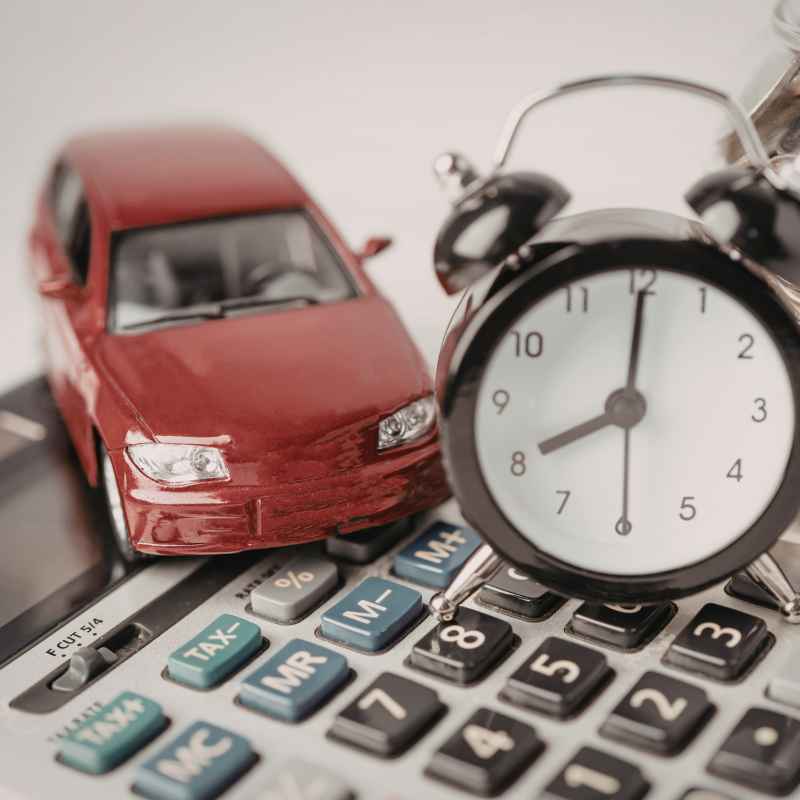
Why Comparing Car Insurance Matters
Many people think all car insurance is the same. That’s not true. Prices can vary a lot.
Coverage details can be different too. Shopping around is very important. It can save you a lot of money.
Let’s say you get one quote. It might seem okay. But another company might offer the exact same coverage.
For much less money. Or they might offer better coverage. For the same price.
This happens more often than you think.
I remember a friend, Sarah. She had the same insurance for years. She never really looked at other options.
One day, she mentioned her bill was higher than she liked. I suggested she compare quotes. She was shocked.
She found a new company. They gave her better coverage. Her monthly bill dropped by almost $40.
That’s over $480 a year saved. Just by spending an hour comparing.
Insurance companies use different methods. They look at your driving record. Your car model.
Where you live. Your age. And many other factors.
Because they weigh these things differently, prices change. You might be a great driver. But one company might see you as higher risk.
Another might see you as a great customer. This is why comparing is so crucial.
It’s not just about the lowest price. It’s about the best value. Value means getting the coverage you need.
At a price you can afford. It means choosing a company you can trust. A company that will be there for you.
When you need them most. This is especially true after an accident.
How to Compare Car Insurance Policies Like an Expert
Comparing policies sounds simple. But doing it the right way makes a big difference. It ensures you don’t miss anything.
Here’s a step-by-step approach.
Step 1: Know Your Needs
Before you look at quotes, think about what you need. What kind of car do you drive? How old is it?
How many miles do you drive each year? Do you owe money on the car? What is your budget?
Having answers to these questions helps you narrow down options. It prevents you from getting quotes for things you don’t need.
Step 2: Gather Your Information
Insurance companies will ask for details. Have this ready. You’ll need your driver’s license number.
Your car’s make, model, and year. Your VIN (Vehicle Identification Number). Your current insurance information.
And details about all drivers in your household. The more accurate information you provide, the more accurate your quotes will be.
Step 3: Understand Coverage Levels
This is where many people get confused. When comparing quotes, make sure you are comparing apples to apples. Look at the coverage limits.
What is the dollar amount for liability? What is the deductible for collision and comprehensive? If the limits or deductibles are different, the prices are not directly comparable.
You might see a cheap quote. But it might have very low liability limits. That’s not good protection.
Step 4: Look for Discounts
Insurance companies offer many discounts. Ask about them. Common ones include: good driver discounts, good student discounts, multi-policy discounts (bundling home and auto), safety feature discounts (airbags, anti-lock brakes), low mileage discounts, and discounts for paying your premium in full.
Sometimes a discount can make a small difference. But many discounts together can really lower your rate.
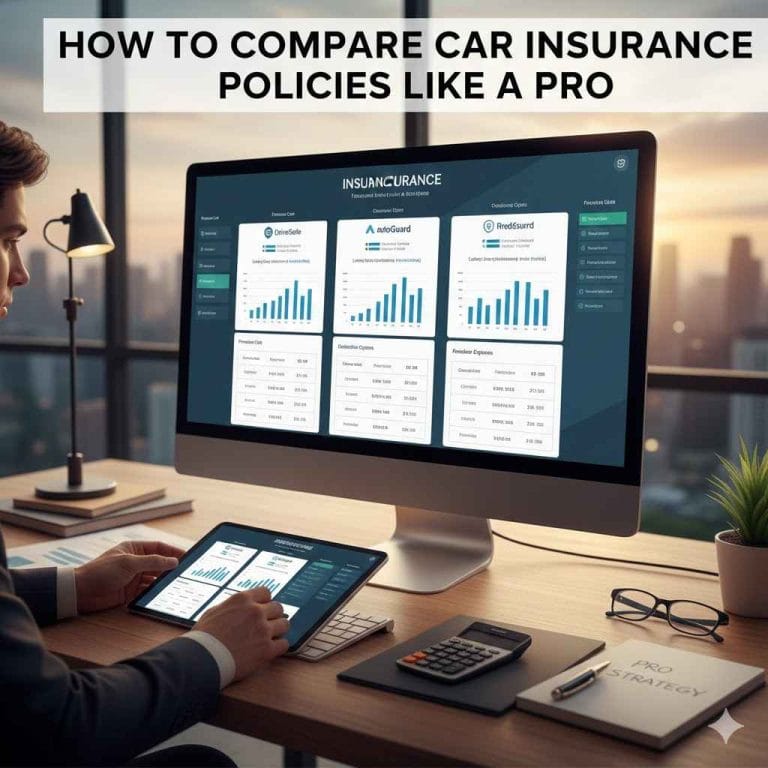
Step 5: Compare Quotes
Get quotes from multiple sources. This includes:
- Direct insurers (State Farm, Geico, Progressive)
- Independent agents who work with many companies
- Online comparison sites (be aware they don’t always show all companies)
Don’t just look at the first quote you get. Aim for at least 3-5 quotes.
This gives you a good range of prices and options.
Step 6: Check Company Reputation
Price is important. But so is service. A cheap policy is no good if the company is hard to deal with.
Or if they are slow to pay claims. Look at customer reviews. Check ratings from organizations like J.D.
Power. Or the National Association of Insurance Commissioners (NAIC). Look at their financial strength ratings from A.M.
Best. A good insurer will have good reviews and strong financial backing.
Personal Experience: The Time I Almost Paid Too Much
I remember when I bought my first “adult” car. It was a used sedan. Reliable, but not flashy.
I went to my dad’s insurance agent. He was nice. He got me a policy.
I felt good. I had insurance. The price seemed okay at the time.
I didn’t think much about it.
A year later, I moved to a new city. I needed to find a new insurer. I started looking online.
I used a comparison tool. It showed me prices from companies I’d never heard of. One quote was surprisingly low.
It was for the same coverage I thought I had. I almost clicked “buy.” Then I paused. Something felt off.
The price was just too good to be true.
I dug deeper into that cheap quote. I noticed the liability limits were very low. Much lower than what I had before.
The deductible was also higher. It wasn’t the same policy at all. It was cheaper because it offered less protection.
I realized how easily I could have made a mistake. I could have saved money upfront. But I would have been exposed to huge risk.
If I had an accident, my own money would have paid for most of it. That day taught me a valuable lesson. Always check the details.
Never just look at the bottom line. It’s about finding the right balance.
Factors That Influence Your Car Insurance Rate
Your car insurance premium isn’t random. Many things go into calculating it. Understanding these factors can help you see why your rate is what it is.
It can also point to ways you might be able to lower it.
Your Driving Record
This is a big one. Insurers want to know if you’re a safe driver. Tickets for speeding.
Or for running red lights. They count against you. Accidents where you were at fault also matter.
A clean driving record usually means lower rates. Some insurers offer accident forgiveness programs. These can protect your rates after one at-fault accident.
Your Location
Where you park your car matters. Areas with higher rates of theft or vandalism. Or higher numbers of accidents.
These places often have higher insurance costs. Even moving a few miles can change your premium. Rural areas might have lower rates than busy cities.
Your Car’s Make and Model
Some cars are more expensive to repair. Others are stolen more often. Luxury cars or sports cars often cost more to insure.
Cars with advanced safety features might get discounts. The cost to repair your specific car model is a key factor.
Your Age and Gender
Younger, less experienced drivers often pay more. This is because they statistically have more accidents. In most places, women pay less than men.
This is due to historical data showing men have more accidents. But this can vary by state. Some states don’t allow gender to be a rating factor.
Your Credit Score
In many states, insurers use credit-based insurance scores. People with better credit scores often get lower rates. The idea is that people who manage their finances well are often more responsible.
This can include how they manage their cars too. If you have poor credit, it might increase your premium. However, some states do not allow credit scores to be used for insurance rates.
Your Coverage Choices
As we talked about, the types of coverage you choose matter. And the limits you select. Higher liability limits.
Comprehensive and collision coverage. These all add to your premium. If you have an older car.
And it’s not worth much. You might consider dropping collision and comprehensive. But that’s a personal decision based on risk.
Tips for Saving Money on Car Insurance
Saving money on car insurance is a goal for almost everyone. It’s not just about finding the cheapest quote. It’s about smart strategies.
These tips can help you reduce your costs without sacrificing important protection.
Shop Around Regularly
This is the most effective way to save. Don’t just do it when your policy is up for renewal. Compare quotes every 6-12 months.
Prices change. Your own situation changes. A new discount might become available.
Or a competitor might have a special offer.
Increase Your Deductible
If you have a healthy emergency fund, consider a higher deductible. This means you pay more out-of-pocket if you have a claim. But your premium will be lower.
For example, going from a $500 deductible to a $1000 deductible can save you money each month.
Bundle Your Policies
Many insurance companies offer discounts for having multiple policies with them. This is called bundling. If you own a home or rent an apartment, you can often save money by getting your auto and homeowners/renters insurance from the same company.
You might also get discounts for multiple cars.
Ask About All Available Discounts
Don’t assume you know all the discounts. Ask your insurance agent or representative. Mention things like:
- Low mileage (if you drive less than 10,000 miles a year)
- Good student (for teen drivers with good grades)
- Safety features (anti-lock brakes, airbags, anti-theft devices)
- Being a homeowner
- Being a member of certain professional organizations
- Completing a defensive driving course
You might be surprised by what’s available.
Consider Usage-Based Insurance (UBI)
Some insurers offer programs that track your driving habits. This can be through a mobile app or a device plugged into your car. If you’re a safe driver who doesn’t speed or brake hard, you could save money.
These programs reward good driving behavior. Examples include Progressive’s Snapshot and State Farm’s Drive Safe & Save.
Improve Your Credit Score
If your credit score is low, improving it can lead to lower insurance rates over time. Pay your bills on time. Reduce your debt.
Avoid opening too many new credit accounts. A better credit score can help in many areas of your financial life, including insurance.
Reduce Your Coverage on Older Cars
If your car is older and has a low market value, you might save money by dropping collision and comprehensive coverage. Calculate the cost of these coverages versus the car’s actual cash value. If the annual premium for these coverages is more than what your car is worth, it might be time to let them go.
Just make sure you can afford to replace or repair the car if needed.
Real-World Context: When Do You Really Need Full Coverage?
The term “full coverage” is used a lot. It usually means having both comprehensive and collision. But it’s not a standard insurance term.
It’s more of a general description. Knowing when this is actually necessary for you is important.
Newer Cars: If you have a new car, especially one you just bought or leased, full coverage is almost always required. The lender or leasing company wants to protect their investment. If the car is worth $20,000 or more, collision and comprehensive are wise.
They help you recover financially if something happens.
Cars with Loans: Similar to new cars, if you have an active loan on your vehicle, the bank or credit union will likely require you to have full coverage. They want to ensure their loan is protected if the car is damaged or stolen.
High Actual Cash Value: Even if your car is a few years old, if its current market value is still high, full coverage makes sense. If your car is worth $5,000 or more, the cost to repair it could be significant. Collision and comprehensive cover these costs.
Your Financial Stability: Can you afford to pay for significant car repairs out-of-pocket? If a major repair would strain your budget, or if you couldn’t easily replace the car if it were totaled, then keeping collision and comprehensive coverage is a good idea. It acts as a financial buffer.
When to Consider Dropping Full Coverage:
- Older Cars with Low Value: If your car is worth less than the cost of your annual collision and comprehensive premiums, it’s often a good time to consider dropping them. For example, if your car is only worth $2,000 and your annual premiums for these coverages are $600, you might be better off saving that $600 and putting it towards repairs or a down payment on a new car if needed.
- No Loan or Lease: Once your car is paid off, you are no longer obligated to carry full coverage. You can choose liability-only coverage to save money.
- High Deductibles You Can Afford: If you opt for higher deductibles on collision and comprehensive, you can lower your premium. Just ensure you have the funds available to pay that deductible if you file a claim.
It’s a balance. You weigh the cost of the coverage against the risk and the value of your car. Always check your car’s actual cash value.
You can find this on resources like Kelley Blue Book (KBB) or the National Automobile Dealers Association (NADA) guides.
What This Means for You: Making Smart Choices
Understanding car insurance is empowering. It means you’re not just a passenger in the pricing process. You can take the wheel.
When it’s Normal: It’s normal for rates to vary a lot between companies. It’s normal for your rate to change over time. Life events like a new car, a move, or a change in driving habits can affect it.
It’s also normal to need more or less coverage as your car ages or your financial situation changes.
When to Worry (and What to Check): If your premium suddenly jumps without a clear reason (like an accident or ticket), investigate. Was there a rate increase from the company? Did your coverage change?
Is there a mistake on your policy? If you find yourself paying much more than similar drivers in your area for the same coverage, that’s a red flag.
Simple Checks:
- Review your policy annually. Does it still match your needs?
- Shop for new quotes at least once a year. Even if you like your current insurer.
- Ask about discounts. Always.
- Understand your deductible. Make sure you can pay it if you need to.
- Read the fine print. Coverage details matter.
By being informed and proactive, you can ensure you have the right protection. And you can keep more money in your pocket. This is about smart financial planning.
And peace of mind on the road.
Quick Fixes & Tips for Saving Fast
Sometimes you need to save money quickly. Here are a few immediate steps you can take.
Tip 1: Bundle Services
If you have your home or renters insurance elsewhere, call your auto insurer. Ask about a multi-policy discount. If they offer a good deal, consider moving your other insurance.
This can often lead to instant savings.
Tip 2: Check for Hidden Discounts
Don’t be shy. Call your insurer and ask directly: “Are there any discounts I’m not currently receiving?” Mention new safety features on your car. Or a change in your driving habits (like driving less).
Sometimes a simple phone call unlocks savings.
Tip 3: Re-evaluate Your Deductible
If you have a good emergency fund, consider raising your deductible. For collision and comprehensive. This is one of the quickest ways to lower your premium.
Just make sure you can comfortably pay the higher amount if you have to file a claim.
Tip 4: Look at Usage-Based Programs
Many insurers offer programs that track your driving. If you’re a safe, low-mileage driver, these can offer significant savings. Installation or app download is usually quick.
You can see potential savings almost immediately.

Frequently Asked Questions About Comparing Car Insurance
What is the easiest way to compare car insurance rates?
Using online comparison tools is often the fastest way. These websites let you enter your information once. Then they show you quotes from many different companies.
However, remember that not all companies are on every site. So, it’s still a good idea to check a few different comparison sites and some direct insurers.
How often should I compare car insurance quotes?
It’s best to compare quotes at least once a year. Ideally, every six months. Your insurance needs can change.
And the insurance market itself is always changing. Companies adjust their prices and offer new discounts. Shopping around regularly ensures you’re getting the best deal.
Can I get car insurance quotes without it affecting my credit score?
Yes, most car insurance quotes use a “soft” credit check. This is also called a soft inquiry. Soft inquiries do not affect your credit score.
They are used for background information. Only a “hard” inquiry, which happens when you apply for new credit like a loan or credit card, can lower your score.
What does “full coverage” car insurance actually mean?
“Full coverage” is not an official insurance term. It usually refers to a combination of coverages. This typically includes liability insurance, plus collision and comprehensive coverage.
It’s meant to provide broad protection for you and your vehicle. Whether you need it depends on your car’s age, value, and your financial situation.
How much does car insurance typically cost?
The cost of car insurance varies greatly. It depends on many factors like your location, age, driving record, the car you drive, and the coverage you choose. The national average can be around $100 per month for full coverage, but your personal rate could be higher or lower.
Comparing quotes is the only way to know for sure what you’ll pay.
Are online car insurance quotes accurate?
Online quotes are usually very accurate if you provide correct information. However, they are estimates. The final price is determined after a more thorough review by the insurance company.
This might include a check of your driving record and claims history. Always confirm the details before making a final decision.
Conclusion
Finding the right car insurance is a journey. It requires a little effort. But the rewards are great.
You get peace of mind. And you keep more money in your wallet. By understanding your needs.
And by comparing options wisely. You can drive confidently. Knowing you’re protected.
And that you got a great deal.
See also better car comparison stop guessing.
Related pick: Check today's price on Amazon See also what car review mg full breakdown before you buy.
Products related to this article
Sponsored / affiliate links. As an Amazon Associate I earn from qualifying purchases. I may earn additional commission from eligible campaigns.