Best Car Comparison Tool In Canada: Top Picks For Buyers
Finding the right car can feel like a huge puzzle. You want something that fits your life. You also want it to be a good deal.
Many people search for ways to make this easier. They look for tools that help them see cars side-by-side. This guide helps you find the best car comparison tool in Canada.
It aims to make your car buying journey smoother. Let’s dive in.
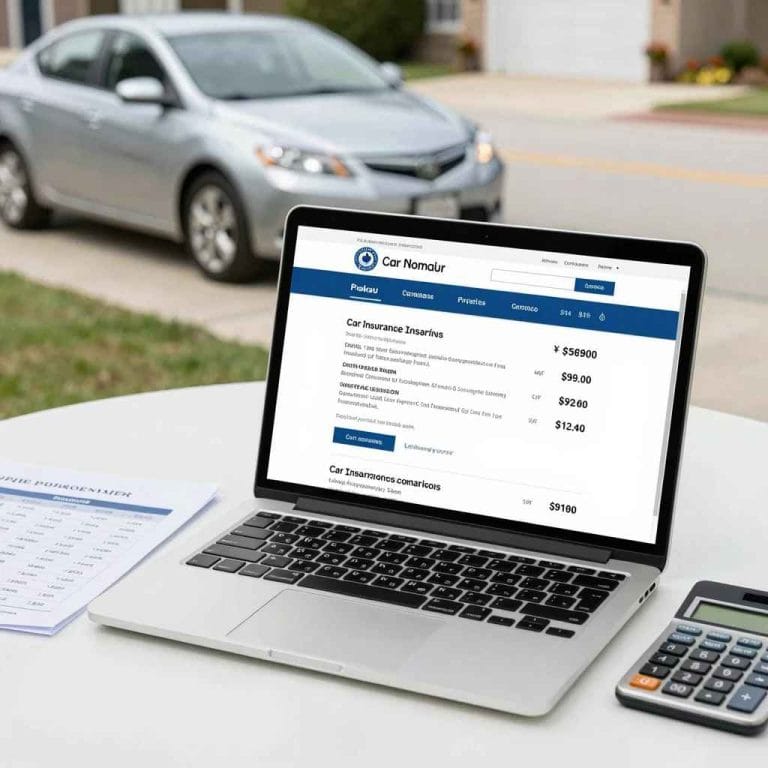
The best car comparison tool in Canada for buyers will offer detailed specs, pricing, and unbiased reviews. Look for tools that let you filter by your needs and budget. Many online platforms provide this, helping you see key differences quickly.
Understanding Car Comparison Tools
Car comparison tools are online helpers. They let you look at different car models next to each other. You can see their features and specs side-by-side.
This helps you spot what makes one car different from another. They are built to help people like you make a smart choice.
Think of it like shopping for anything important. You want to know the facts. You want to know the price.
You want to know what others think. Car comparison tools offer this for vehicles. They take lots of data and show it in an easy way.
This means less time digging through websites. It means more time understanding what you really want.
These tools often cover many things. They show engine size. They show gas mileage.
They show safety ratings. They show how much a car costs. Some even let you compare trims of the same car.
This helps you see if a higher trim is worth the extra money. It’s all about getting a clear picture.
The main goal is to save you time and stress. Car buying can be a big decision. Using a good tool makes it less scary.
It gives you confidence in your choice. You’re not guessing. You’re comparing real facts.
This is especially helpful in Canada where car models and pricing can vary.

Why Using a Comparison Tool Matters in Canada
Canada has unique driving conditions. We have cold winters. We have long drives.
We have different fuel prices in various regions. A good comparison tool should know this. It should help you find cars suited for our needs.
For example, looking at all-wheel-drive options is key for many Canadians.
Pricing is another big thing. Cars can cost more or less depending on the province. Some tools show local pricing or incentives.
This is super helpful. It stops you from falling in love with a car that’s out of your budget. It helps you see the true cost.
When you compare cars, you look at more than just looks. You look at what’s under the hood. You look at how safe it is.
You look at its running costs. For a Canadian driver, this might mean checking cold-weather performance. It might mean checking how good the heater is.
Or how the infotainment system works with your phone in the cold.
Many people just look at ads. Ads tell you what the car company wants you to hear. A comparison tool is more neutral.
It shows you facts. It lets you judge for yourself. This is power for the buyer.
It levels the playing field. You walk into a dealership more informed.
Think about fuel economy. With gas prices in Canada, this is a major factor. A tool can quickly show you which cars sip fuel and which guzzle it.
You can filter for the best MPG or L/100km. This can save you hundreds, even thousands, over the life of the car.
My Own Car Buying Journey: A Tale of Comparison
I remember when I first bought a car. It was a small sedan. I felt so overwhelmed.
There were so many options. I spent hours online. I printed out spec sheets.
Then I tried to line them up. It was messy. I felt like I was missing something.
I didn’t know if I was getting the best deal.
One day, I found a car comparison website. It was like a light bulb went off. I could put my top three choices into the tool.
Instantly, I saw them side-by-side. I saw the engine sizes were different. One had better safety features listed.
Another was a bit cheaper. It was so clear.
I learned that one car had a feature I really wanted. It was a heated steering wheel. I hadn’t even thought of that before.
But living in Toronto, that’s a game-changer in winter. The tool showed it clearly. I added that to my must-haves.
It made my final choice much easier. I felt so much more confident.
That experience taught me how vital these tools are. They don’t just list specs. They help you see what matters for you.
They help you connect features to your actual life. It turned a stressful task into something manageable. It saved me money too.
I found a car with the right features at a good price.
It’s not just about listing numbers. It’s about making sense of those numbers. It’s about seeing how they fit into your daily drive.
For me, that comparison tool was a lifesaver. It gave me the clarity I desperately needed.
Key Features of a Great Car Comparison Tool
Easy to Use Interface: You shouldn’t need a manual to use it.
Comprehensive Data: Covers engine, fuel economy, safety, and tech.
Local Pricing: Shows Canadian pricing and potential incentives.
Customizable Filters: Lets you sort by what’s important to you (e.g., SUV, sedan, electric).
Reliable Reviews: Includes expert and user reviews for real insights.
Top Car Comparison Tools for Canadians
Now, let’s talk about specific tools. Not all comparison sites are created equal. Some are better for Canadian buyers.
They understand our market. They have the right data.
AutoTrader.ca: This is a giant in the Canadian car market. While it’s mainly for listings, its comparison features are strong. You can select vehicles and see specs side-by-side.
It also links directly to dealer listings, which is great for seeing local inventory and pricing. It’s a solid all-around choice.
CarComplaints.com: This site focuses heavily on reliability. It shows common problems for different car models. It breaks down issues by year.
This is crucial for understanding long-term ownership costs. For Canadians dealing with harsh weather, knowing a car’s reliability is a must. They have a good U.S.
and Canadian data set.
Edmunds: While an American site, Edmunds has a lot of data that translates well to Canada. They offer detailed reviews, pricing guides, and comparison tools. They often break down trims and options clearly.
You can get a good sense of MSRP (Manufacturer’s Suggested Retail Price) and estimated transaction prices. They also discuss common issues and ownership costs.
Consumer Reports: This is a highly trusted source for unbiased reviews. They test cars rigorously. They look at performance, safety, and reliability.
Their data is excellent. You often need a subscription for their full reviews. But for many, it’s worth it for the peace of mind.
They are very good at spotting potential problems early.
Kijiji Autos: Similar to AutoTrader, Kijiji Autos is a popular Canadian platform. It has strong comparison features built into its listings. You can easily select vehicles to compare.
It’s great for seeing what’s available in your local area. The comparison tool helps you understand the differences between listings.
Vehicle Price Reports: Many Canadian banks or automotive associations offer their own pricing guides. These can be very accurate for local markets. Sometimes they are free with registration.
They are worth checking out for up-to-date Canadian dollar figures.
What to look for in these tools? Always check the date of the data. Car models change every year. Ensure the prices are in Canadian dollars.
See if they mention specific Canadian conditions or incentives.
Comparing Different Comparison Tools
AutoTrader.ca
Pros: Huge Canadian inventory, local pricing, direct dealer links.
Cons: Comparison tool can be basic.
CarComplaints.com
Pros: Focus on reliability, common issues by year.
Cons: Less about initial specs, more about long-term.
Edmunds
Pros: Detailed reviews, pricing guides, trim breakdowns.
Cons: U.S.-focused data, needs conversion for Canada.
Consumer Reports
Pros: Unbiased, rigorous testing, expert insights.
Cons: Subscription often needed for full access.
How to Use Comparison Tools Effectively
It’s one thing to have a tool. It’s another to use it well. Using a comparison tool effectively means knowing what you’re looking for.
Start with your needs: What do you need a car for? Commuting? Family trips?
Hauling things? This will narrow down the type of vehicle (sedan, SUV, truck, minivan). It will also help you decide on important features.
Set a budget: Know your price range. This includes the car price, but also insurance, fuel, and maintenance. Comparison tools can help you estimate running costs.
Identify Key Features: What matters most to you?
- Safety: Look at crash test ratings (NHTSA, IIHS). Check for features like automatic emergency braking.
- Fuel Economy: How many litres per 100 kilometers (L/100km) or miles per gallon (MPG)? This saves money over time.
- Drivetrain: Do you need front-wheel drive (FWD), rear-wheel drive (RWD), or all-wheel drive (AWD)? Crucial for Canadian winters.
- Cargo Space: How much room do you need for groceries, sports gear, or luggage?
- Technology: Apple CarPlay, Android Auto, navigation, heated seats, or a backup camera.
- Reliability Ratings: Check sites like J.D. Power or Consumer Reports for long-term dependability.
Use Filters Wisely: Most tools have filters. Use them to narrow your choices. Filter by price, make, model, body style, and key features.
Compare Trims: Don’t just compare models. Compare different trims of the same model. You might find that a mid-range trim offers the best value.
It might have most of the features you want without the premium price of the top trim.
Read Reviews: Specs tell one story. Reviews tell another. Look for reviews from both experts and regular owners.
They often highlight real-world performance and quirks. Pay attention to what people say about the infotainment system or the ride comfort.
Don’t Forget Long-Term Costs: Some cars are cheap to buy but expensive to own. Check estimated maintenance costs and insurance rates. A car that is slightly more expensive upfront might save you money in the long run.
Consider Your Lifestyle: A two-seater sports car won’t work for a growing family. A large SUV might be too much for city commuting. The tool helps you match the car to your life.
Test Drive: A comparison tool is a guide, not a replacement for experience. Always test drive the cars you are seriously considering. How it feels to drive is just as important as the specs.
Quick Feature Checklist for Canadian Drivers
Must-Have:
- All-Wheel Drive (AWD) or excellent Winter Tire capabilities
- Good performance in cold weather (heater, battery life)
- Adequate cargo space for seasonal gear
Nice-to-Have:
- Heated steering wheel
- Remote start
- Advanced safety features (e.g., lane departure warning)
- Good fuel efficiency (especially for longer commutes)
Understanding Car Pricing and Incentives
Pricing is a complex part of car buying. Comparison tools help, but you need to know a few things.
MSRP vs. Actual Price: The Manufacturer’s Suggested Retail Price (MSRP) is a starting point. The actual price you pay can be different.
Dealers may sell for less or more. Look for tools that show “invoice price” or “fair market value.”
Canadian Taxes and Fees: Remember to add provincial sales tax (PST), goods and services tax (GST), and other fees. These can add thousands of dollars to the final price. Some comparison tools try to account for these.
Incentives and Rebates: Car manufacturers and sometimes governments offer incentives. These could be cash rebates, low-interest financing, or lease deals. Canadian examples include electric vehicle (EV) rebates.
Comparison tools might list these, but always check the details. Are they for everyone? Do they expire soon?
Lease vs. Finance: Comparison tools might show lease payments or finance rates. Understand the difference.
Leasing means you pay to use the car for a set term. Financing means you own the car after paying it off. Each has pros and cons.
Dealer Markups: In high-demand markets, dealers might add markups. A good comparison tool helps you see if the asking price is fair relative to the market. It gives you a basis for negotiation.
Seasonal Deals: Sometimes, dealers offer better deals at certain times of the year. For example, end-of-year sales or spring clearance events. While comparison tools are static, this is good background knowledge.
The Power of Knowledge: Knowing these pricing factors means you won’t be surprised. You can use the information from comparison tools to negotiate better. You can walk in knowing what a fair price looks like.
Common Canadian Car Pricing Terms
MSRP: Manufacturer’s Suggested Retail Price. The sticker price.
Invoice Price: What the dealer supposedly paid the manufacturer.
Fair Market Value: What similar cars are selling for in your area.
Incentives/Rebates: Discounts offered by manufacturers or government.
APR: Annual Percentage Rate. The interest rate on a loan.
Lease: Paying to use a car for a set time and mileage.
Safety and Reliability Ratings Explained
Safety and reliability are paramount for any car buyer. Comparison tools often include ratings from different sources. It’s important to know what these ratings mean.
Safety Ratings:
- NHTSA (National Highway Traffic Safety Administration): This is a U.S. government agency. They give star ratings (1-5) for crashworthiness. Look for models with 4 or 5 stars overall. They also conduct specific crash tests like frontal, side, and rollover.
- IIHS (Insurance Institute for Highway Safety): This is an independent, non-profit organization. They conduct more rigorous tests. They give “Top Safety Pick” and “Top Safety Pick+” awards. These are highly respected. Their tests include small overlap frontal crashes, which are very important.
For Canadians, look for cars that perform well in both NHTSA and IIHS tests. These tests are good indicators of how well a car will protect you in an accident. Beyond ratings, check for specific safety features.
Reliability Ratings:
- Consumer Reports: They survey hundreds of thousands of car owners. They ask about problems in 17 areas, from engine to electronics. They give predicted reliability ratings. Higher is better.
- J.D. Power: They also conduct large-scale owner surveys. They look at initial quality and long-term dependability. Their “Vehicle Dependability Study” is well-known.
- CarComplaints.com: As mentioned, this site focuses on actual owner-reported problems. It’s a great resource for finding common issues for a specific model and year.
Why does reliability matter so much in Canada? Our climate is harsh. Cold temperatures can be tough on car parts.
Salt on roads can cause rust. A reliable car means fewer unexpected repairs. It means less time waiting at a mechanic in the cold.
It means lower ownership costs over time.
When using comparison tools, pay close attention to these ratings. They are often summarized. But clicking through to the full reviews can give you more detail.
For example, one car might have a good overall safety rating but have issues in a specific type of crash. Or a car might be reliable for the first few years but have common problems after five years.
These ratings are based on data. They help you make an informed decision. They take some of the guesswork out of choosing a car that will last and keep you safe.
What to Look for in User and Expert Reviews
Comparison tools often link to or summarize reviews. Both expert and user reviews are valuable. They offer insights that raw specs can’t.
Expert Reviews:
- Focus: Experts usually focus on driving dynamics, technology, build quality, and performance.
- What to look for: Do they praise the handling? Is the engine responsive? Is the interior well-designed? Do they mention any quirks or annoyances?
- Bias: Keep in mind that some expert reviews might be influenced by manufacturer loans or press events. However, reputable sources are usually fair.
User Reviews:
- Focus: Users talk about their day-to-day experience. This includes things like comfort, ease of use, real-world fuel economy, and any unexpected issues.
- What to look for: Look for recurring themes. If multiple users complain about the same thing (e.g., a squeaky brake, a confusing infotainment system, poor visibility), it’s likely a real problem.
- Credibility: Be a bit wary of overly positive or negative reviews. A balanced review is usually more realistic. Consider reviews from people who have owned the car for a while.
Connecting Reviews to Comparison Data:
Use reviews to understand why a car has certain ratings. If a car has a good safety rating but users complain about poor visibility, the experts might have compensated for it during testing. If a car has a great fuel economy spec but users report much lower real-world mileage, that’s important information.
For Canadian buyers, pay attention to how reviewers discuss winter driving. Do they mention how the car handles snow? Does the heater warm up quickly?
These details are often missed in generic specs.
My Experience with Reviews: I once considered a car that had amazing specs on paper. But when I read user reviews, many people complained about the seats being uncomfortable on long drives. That was a dealbreaker for me, as I often drive long distances.
The comparison tool showed the specs, but the reviews told the real story of ownership.
What Users Often Say About Cars
Positive Themes:
- Comfortable ride
- Spacious interior
- Good fuel economy for its class
- Easy to use technology
- Reliable in all weather
Common Complaints:
- Infotainment system is laggy or confusing
- Road noise is too loud
- Seats are not supportive for long trips
- Poor rear visibility
- Expensive maintenance
Electric Vehicles (EVs) and Comparison Tools
Electric vehicles are becoming more popular in Canada. Comparison tools are essential for understanding EVs. They have different factors to consider than gasoline cars.
Range: This is the most crucial spec for EVs. How far can the car go on a single charge? Comparison tools will list this.
But remember, real-world range can vary with temperature, speed, and driving style. Cold Canadian winters can reduce EV range significantly.
Charging Time: How long does it take to recharge? Tools might list Level 1 (slow, household outlet), Level 2 (faster, home or public charger), and DC Fast Charging times. This is critical for planning road trips.
Charging Infrastructure: Where can you charge? Comparison tools might not show this directly, but it’s a key factor for Canadians. Are there public charging stations along your usual routes?
Is installing a Level 2 charger at home feasible?
Battery Size (kWh): This is like the fuel tank size for an EV. A larger battery generally means more range.
Government Incentives: Canada and many provinces offer rebates for buying EVs. Comparison tools might mention these, but always check the latest government announcements. These can significantly lower the effective purchase price.
Running Costs: Electricity is often cheaper than gasoline. Comparison tools can help estimate these savings. Also, EVs typically have fewer moving parts, meaning less maintenance.
Cold Weather Performance: This is a big one for EVs in Canada. Battery performance and range decrease in cold weather. Some EVs handle this better than others.
Look for reviews that specifically address winter EV performance.
When comparing EVs, ensure the tool provides EV-specific metrics. It’s not just about horsepower; it’s about kilowatt-hours and charging speeds.
The Future of Car Comparison Tools
These tools are constantly improving. We’re seeing more integration with augmented reality (AR) features. Some tools might let you “see” a car in your driveway using your phone.
More AI will likely be used to personalize recommendations. Instead of just filtering, AI could suggest cars based on your past searches and stated preferences. Imagine a tool that knows you like SUVs, need good winter performance, and have a budget, and then suggests the best three options.
We’ll also see deeper integration with ownership data. Tools might offer more accurate predictions of maintenance costs for specific models in Canada. They might even track local market prices in real-time more effectively.
The goal is always to make car buying less daunting. It’s about putting more power in the buyer’s hands. The best tools will continue to evolve with technology and with the needs of drivers like us.
My hope is that these tools become even more transparent. That they provide the unbiased information we all need. Especially for big purchases like a car.
They should be our trusted advisors in a complex market.
When is it Time to Stop Comparing and Start Driving?
You can compare cars forever. At some point, you have to make a decision. How do you know when you’ve done enough research?
You’ve found a car that meets your top 3-5 priorities. If you set out needing AWD, good fuel economy, and decent cargo space, and you’ve found a car that ticks those boxes well, you’re in a good spot.
You understand the total cost. You have a clear idea of the purchase price, taxes, insurance, and estimated running costs.
You’ve read reviews and feel confident. The reviews align with the data you’ve seen, and you don’t see any major red flags.
You’ve test-driven it (or similar models). How the car feels on the road is subjective but critical. If you’ve driven it and felt good, that’s a strong sign.
You’re not getting analysis paralysis. If you find yourself going in circles, looking at the same specs repeatedly, it might be time to step back.
Ultimately, the best car comparison tool is the one that helps you reach this point. It provides the clarity needed to make a confident decision. It’s a tool to guide you, not to trap you in endless research.

Frequently Asked Questions
What is the best free car comparison tool in Canada?
AutoTrader.ca and Kijiji Autos are excellent free options for Canadian buyers. They offer extensive vehicle listings and built-in comparison features that let you see specs side-by-side. Consumer Reports offers some free content, but a subscription is needed for full access.
Can car comparison tools show local Canadian pricing accurately?
Some tools do a better job than others. AutoTrader.ca and Kijiji Autos are good because they are Canadian-focused and link to local dealer inventory. Sites like Edmunds and Consumer Reports may require you to adjust for Canadian currency and local market differences.
Always check the date of the pricing data.
How important are safety ratings from NHTSA and IIHS?
Very important. NHTSA and IIHS conduct rigorous testing to evaluate how well vehicles protect occupants in crashes. A car with high ratings from both organizations is generally a safer choice.
This data is crucial for any car buyer, especially those in Canada where long drives are common.
Do comparison tools help with comparing electric car ranges in winter?
They provide the estimated range. However, real-world winter range is often significantly less due to cold temperatures affecting battery performance. For this, you should look at expert and user reviews that specifically discuss EV performance in Canadian winters.
Can I compare car maintenance costs using these tools?
Some tools provide estimates for maintenance and ownership costs. Sites like Consumer Reports and Edmunds often include this information in their detailed reviews. It’s a vital part of comparing long-term expenses.
Should I trust user reviews on car comparison sites?
Yes, with a critical eye. User reviews offer real-world insights into daily ownership, comfort, and common problems. Look for recurring comments across many reviews.
Be wary of overly positive or negative reviews that might not be representative.
Conclusion
Finding the best car comparison tool in Canada can transform your car buying experience. These tools offer clarity and data. They help you see features, pricing, and reliability side-by-side.
Use them to set your priorities. Compare models that fit your needs. And always remember to test drive.
Happy car hunting!
Products related to this article
Sponsored / affiliate links. As an Amazon Associate I earn from qualifying purchases. I may earn additional commission from eligible campaigns.