Why Do I See Car Lights As Lines? Causes & Eye Facts
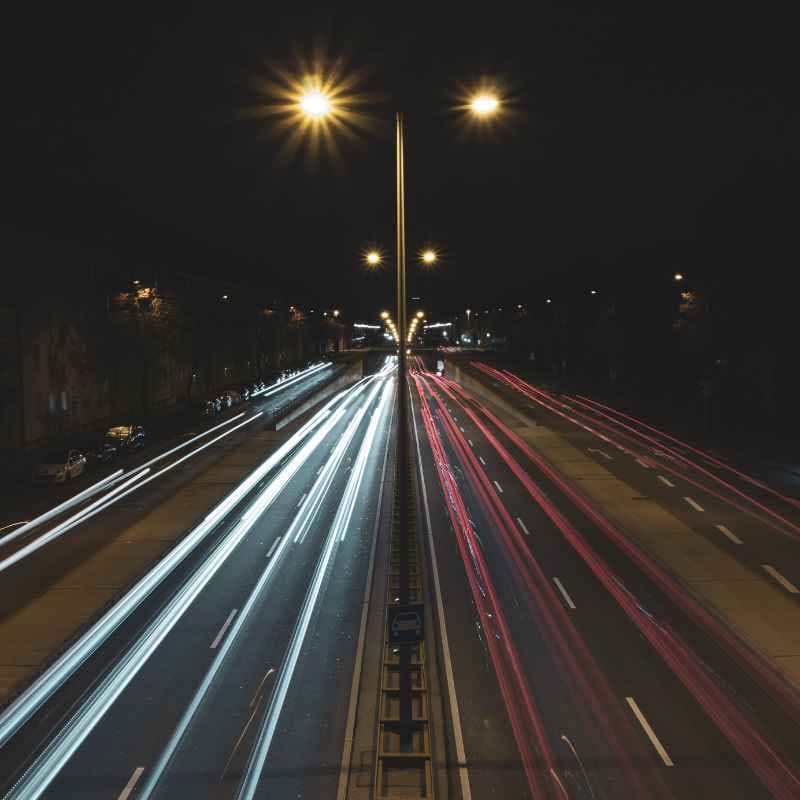
Seeing car lights as lines, also known as a ‘starburst’ or ‘streaking’ effect, often points to how light interacts with your eyes. This visual phenomenon is usually tied to how your eyes focus light, especially in low-light conditions or due to slight imperfections in the eye’s structures.
What Are Light Streaks and Why Do They Happen?
Light streaks happen when light waves don’t focus on your retina perfectly. Your retina is the part of your eye that sends images to your brain. When light bends or scatters oddly, you see these lines. It’s like looking through a rippled piece of glass.
Several things can cause this. Your cornea or lens might not be perfectly smooth. These are the clear front parts of your eye. Small bumps or irregularities on their surfaces can bend light in strange ways. This is especially true for bright lights like headlights.
Another big reason is how your pupils react. In the dark, your pupils get bigger. This lets more light in. But it also means more light hits the edges of your cornea and lens. These edges are often less perfect. So, more weird light bending happens.
Think of a camera lens. If it’s smudged or scratched, photos look fuzzy. Your eye’s lenses work the same. Even tiny imperfections can change how light focuses. This is why a bright point of light can look like a line. The light spreads out.
My Own Experience with Streaky Lights
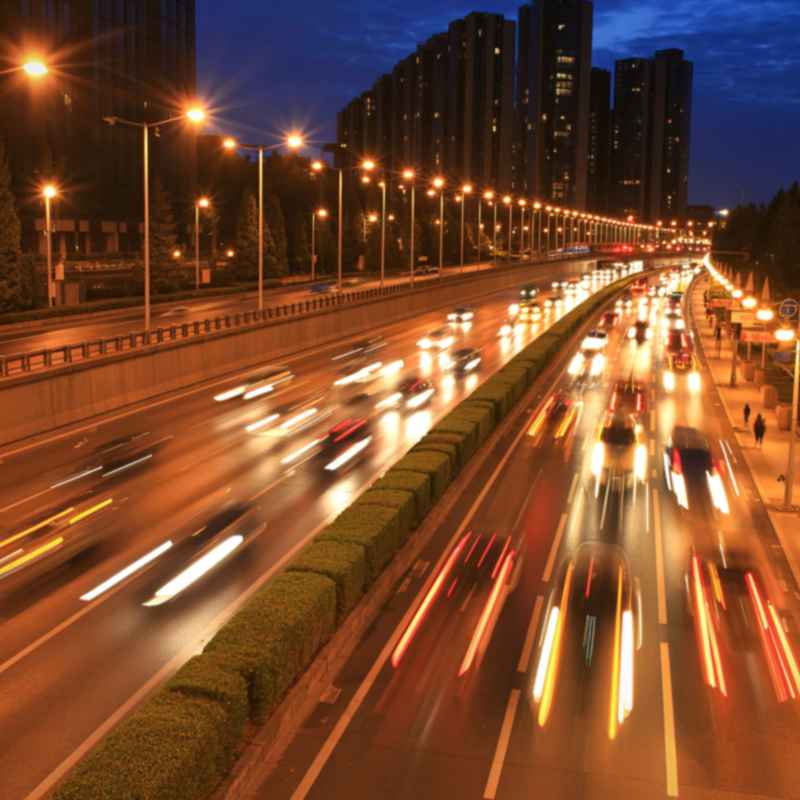
I remember one evening, I was driving home on a foggy highway. The rain had just stopped. Headlights from oncoming cars seemed to bloom into long, bright lines. It wasn’t just a glow; it was distinct rays of light shooting outwards. My heart did a little jump. I thought, “What is going on?”
It was really distracting. For a moment, I felt a bit uneasy. I’m usually pretty good with my vision, so this was new. I pulled over at the next rest stop. I splashed some water on my face and blinked a lot. When I started driving again, it seemed a little better, but still noticeable.
It made me think about how much we rely on clear vision. Especially when driving. Those lines of light made it harder to judge distances. I felt a mild sense of panic creep in. I sat there for a minute, breathing deeply. I realized I needed to understand why this was happening before driving further in the dark. This experience pushed me to look into it more closely.
Common Causes of Light Streaking
Let’s break down the main reasons your eyes might make lights look like lines.
Corneal Irregularities
Your cornea is the clear outer layer of your eye. If it’s not perfectly smooth, it can scatter light. Conditions like astigmatism are very common.
They cause a misshapen cornea. This bends light unevenly. You’ll see light sources as distorted shapes.
For some, this looks like lines.
Cataracts
A cataract clouds your eye’s natural lens. This lens sits behind your iris. When it clouds up, light has trouble passing through.
It scatters. This causes glare. It also makes lights look fuzzy or streaky.
Streaking is a common symptom. It happens more at night.
Dry Eyes
When your eyes are dry, the tear film on your cornea isn’t smooth. This film helps keep your cornea’s surface even. If it’s patchy, light doesn’t bend right.
This can cause blurry vision. It can also lead to seeing halos or streaks around lights. This is a common, often overlooked cause.
Eye Surgery Effects
Some eye surgeries can change how light enters your eye. LASIK, PRK, and other refractive surgeries aim to fix vision. Sometimes, they can cause side effects.
Starbursts or streaking around lights are possible. This is often temporary. But it can sometimes last longer.
Pupil Size
As mentioned, larger pupils in dim light let in more light. This increased light is more likely to hit imperfections on the cornea or lens. Even small issues become more noticeable.
This can amplify the streaking effect. Think of it as a wider opening catching more smudges.
Astigmatism: A Very Common Culprit
Astigmatism is probably the most frequent reason people see lights as lines. It’s a very common vision problem. It happens when your cornea or lens has an irregular shape. Instead of being round like a basketball, it’s more like a football.
This shape causes light to focus on more than one point. Or it focuses light in front of or behind the retina. This leads to blurry or distorted vision. For bright lights, especially at night, this distortion often shows up as lines or streaks radiating outwards.
People with astigmatism might see these lines all the time. But they become much more noticeable when looking at bright, distant lights. Think streetlights, headlights, or even stars. The more severe the astigmatism, the more pronounced the streaking can be.
It’s important to know that astigmatism is highly treatable. Corrective lenses, like glasses or contact lenses, can fix the shape issue. They redirect light properly onto the retina. Even mild astigmatism can cause these visual effects. Many people don’t realize this is the cause.
Cataracts and Their Impact on Vision
Cataracts are a clouding of the eye’s lens. This lens is normally clear. It helps focus light onto your retina. As a cataract develops, the lens becomes cloudy. This cloudiness scatters light. It prevents light from focusing clearly.
This scattering of light is what causes problems seeing. You might notice blurry vision. Colors might seem faded. Glare from lights is also a major symptom. Bright lights can seem to have halos around them. Or, like we’re talking about, they can appear as lines or streaks.
This is especially true for car headlights at night. The bright beams hit the cloudy lens and scatter in all directions. This makes them look like fuzzy, streaky messes. Driving at night can become quite difficult and even dangerous with significant cataracts.
Cataracts usually develop slowly. They are a natural part of aging for many people. However, other factors like diabetes, eye injuries, or certain medications can also contribute. If you’re experiencing increased light streaking and other vision changes, it’s important to see an eye doctor. They can diagnose cataracts and discuss treatment options, usually surgery.
Dry Eye Syndrome: More Than Just Discomfort
Many people think dry eyes only mean discomfort, stinging, or feeling like something is in your eye. But dry eyes can seriously impact your vision quality. The surface of your eye is covered by a thin layer of tears. This tear film is crucial. It keeps the cornea smooth and clear.
When your eyes don’t produce enough tears, or the tears evaporate too quickly, the tear film becomes uneven. It can have dry spots. This breaks the smooth surface of your cornea. Light rays hitting these uneven spots don’t bend properly.
This irregularity in the tear film can cause a variety of vision issues. Blurriness is common. But so is seeing halos around lights. And yes, seeing streaks or starbursts is also a frequent complaint. Especially when looking at point sources of light, like headlights or streetlights.
The problem is often worse at night. Your pupils dilate more in the dark. This exposes a larger surface area of the cornea to the imperfect tear film. The contrast between the bright light and the dark surroundings makes these visual disturbances more noticeable.
If you find yourself seeing light streaks and also experience dry eye symptoms, treating the dryness can often help. This might involve artificial tears, prescription eye drops, or lifestyle changes. A proper diagnosis from an eye doctor is key.
Other Less Common Causes
While astigmatism, cataracts, and dry eyes are the top reasons, other issues can cause light streaking.
Keratoconus
This is a progressive eye condition. It causes the cornea to thin and bulge outwards. It forms a cone shape.
This severe distortion of the cornea leads to significant visual problems. Light streaking and severe blur are common. It often starts in young adulthood.
Posterior Vitreous Detachment (PVD)
This happens when the jelly-like substance (vitreous) in the back of your eye pulls away from the retina. Sometimes, this can cause floaters. It can also cause visual disturbances.
Flashes of light or sometimes streaks can occur. This is usually harmless but worth checking.
Intraocular Lens (IOL) Issues
After cataract surgery, an artificial lens (IOL) is implanted. Sometimes, the IOL can have surface irregularities. This might cause glare or light scattering.
Newer IOLs are designed to minimize these issues. But older types or specific implants could be a cause.
Pterygium
This is a growth on the conjunctiva, the clear membrane covering the white part of the eye. If it grows onto the cornea, it can affect the cornea’s shape. This can cause blurry vision and light distortions, including streaks.
How Your Brain Processes Light
It’s not just your eyes. Your brain also plays a role in how you perceive light. Your brain tries to make sense of the information your eyes send. Sometimes, when the input is imperfect, the brain tries to fill in the gaps.
When you see a bright light, your brain expects a point. If the light hits your retina as a blurry streak, the brain might interpret that blur as a line. This is especially true if the blur is consistent. It’s a form of visual processing.
This is why some people might not notice mild streaking. Their brain might smooth it over. But for others, the visual input is too strong. The brain can’t ignore the distortion. This leads to the clear perception of lines.
Think about optical illusions. Your brain can be tricked. In the case of light streaks, it’s not usually a trick. It’s more about the brain trying to interpret real, albeit distorted, visual signals.
Real-World Scenarios Where Streaks Appear
Let’s look at where and why you might notice these light lines most often.
Driving at Night
This is the classic scenario. Headlights, taillights, streetlights, and traffic signals can all appear streaky. Especially in rain, fog, or when tired.
The contrast between the bright lights and dark surroundings makes any visual imperfection stand out.
Looking at Distant Lights
Even in daylight, if you look at a very bright, distant light source like the sun (never look directly at the sun!), you might see some distortion. But it’s far more common with artificial lights after dark. Even stars can appear slightly elongated to some.
In Low-Light Photography
If you’re using a camera, especially in low light, you’ll see lens flare. This is similar to light streaking. It’s caused by light bouncing inside the lens elements.
While a camera issue, it’s a good analogy for how light can be manipulated.
Post-Eye Surgery
Many people experience some form of light aberration after refractive surgery. This is often a temporary adjustment period. The eye is healing.
The new shape of the cornea is settling in. This can make lights look different for a while.
What This Means for You and Your Vision
Seeing car lights as lines isn’t always a sign of a serious problem. But it’s a sign your eyes are trying to tell you something. It’s your vision system’s way of showing you that light isn’t focusing perfectly.
When It’s Likely Normal
Mild astigmatism: Many people have mild astigmatism and see some streaking. It might not bother them much.
Fatigue or dryness: If you’re tired or your eyes feel dry, you might notice it more. This usually goes away with rest or eye drops.
Glare reduction: Sometimes, what looks like streaking is actually your eye trying to manage intense glare from bright lights.
When to See an Eye Doctor
Sudden change: If this is new for you, or it suddenly got worse, see a doctor right away.
Vision loss: If the streaking is accompanied by any blurriness, loss of vision, or difficulty seeing.
Pain or redness: If you have eye pain, redness, or sensitivity to light along with the streaking.
Affecting daily life: If the light streaks make it hard to do things you need to do, like driving at night.
Other symptoms: If you notice halos around lights, double vision, or see flashes of light.
An eye doctor can perform a comprehensive exam. They can check your cornea, lens, and retina. They will determine the exact cause. They can measure your astigmatism, check for cataracts, or assess dry eye.
Quick Tips for Managing Light Streaks
While seeing a doctor is best for diagnosis, here are some simple things you can do.
Eye Care Quick Tips
- Use Artificial Tears: If dry eyes are a factor, regular use of preservative-free artificial tears can help.
- Clean Your Glasses: Smudges on your glasses can worsen light distortion. Keep them clean!
- Take Breaks: If you stare at screens for long periods, use the 20-20-20 rule: every 20 minutes, look at something 20 feet away for 20 seconds.
- Adjust Screen Brightness: Match your screen brightness to your surroundings. Too much contrast can strain your eyes.
- Wear Sunglasses: Even on cloudy days, sunglasses help reduce overall light exposure and glare.
Frequent Questions About Light Streaks
Is seeing lights as lines a sign of blindness?
No, seeing lights as lines is usually not a sign of blindness. It’s more often a refractive error like astigmatism or a condition like cataracts. These can affect vision quality but are treatable and don’t typically lead to total blindness on their own.
Can I fix light streaks myself?
For temporary causes like eye strain or dryness, yes. Using eye drops or resting your eyes can help. However, for underlying issues like astigmatism or cataracts, you need professional help.
Corrective lenses or surgery are the solutions then.
How do I know if my astigmatism is causing the lines?
An eye doctor can measure your astigmatism precisely. If you have astigmatism and see light streaks, especially around headlights, it’s very likely related. The degree of astigmatism often correlates with the intensity of the streaks.
Are starbursts around lights different from lines?
Not really. ‘Starbursts’ is another term for the visual effect where a light source seems to have rays or lines extending from it. It’s the same phenomenon, just described differently by people.
Can reading too much at night cause light streaks?
Reading in dim light can cause eye strain. This strain can make you more aware of light distortions. But it doesn’t typically cause permanent changes that create light streaks.
It’s more about temporary fatigue making existing vision issues more noticeable.
Is it safe to drive at night if I see light streaks?
It depends on how severe the streaking is. If it makes you feel unsafe or impairs your ability to see clearly, it’s best to avoid driving at night. Consult an eye doctor to address the cause first.
Final Thoughts on Light Streaks
Seeing car lights as lines is a common visual experience. It’s often tied to how your eyes focus light. Simple things like astigmatism, dry eyes, or cataracts can cause it. Your brain also plays a part in interpreting these visual signals.
While it can be unsettling, especially when driving, it’s usually not a sign of a major medical emergency. However, it’s always wise to get it checked out. An eye doctor can give you peace of mind. They can also offer solutions to improve your vision. Don’t ignore these visual clues from your eyes.
See also car interior light won’t turn off here’s the easy fix.
Products related to this article
Sponsored / affiliate links. As an Amazon Associate I earn from qualifying purchases. I may earn additional commission from eligible campaigns.