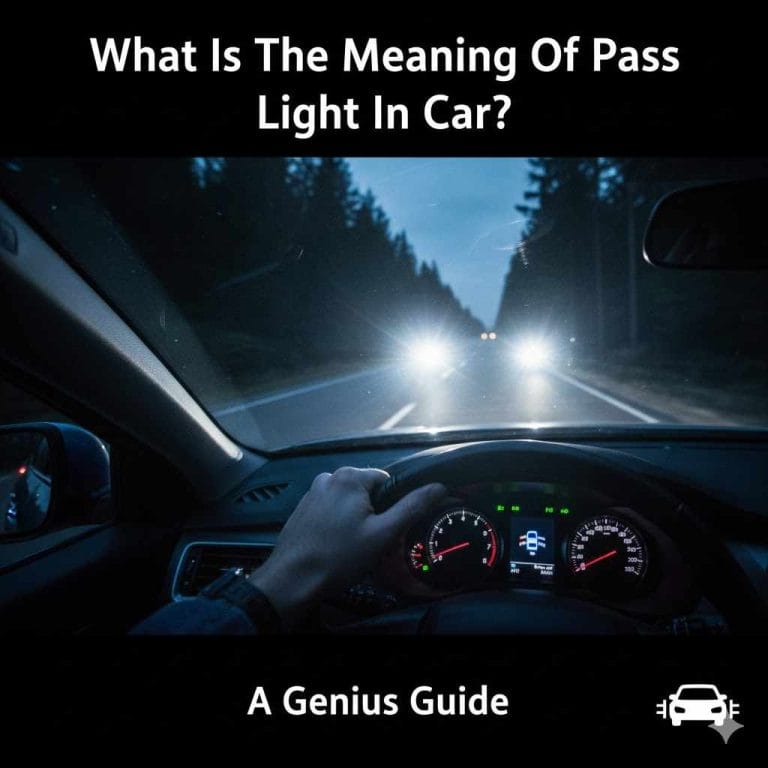
Which Car Lights Should You Use at Night for Safe Driving?
Driving at night presents a unique set of challenges, from reduced visibility to the unpredictable glare of oncoming headlights. Every experienced driver knows that proper use of car lights is not just a matter of legal compliance, it’s a critical component of road safety.
Yet, confusion abounds regarding which lights to use, when, and why. Misuse can lead to hazardous situations, blinding other drivers or leaving you virtually invisible on dark stretches of road.
Understanding the intricacies of automotive lighting at night is essential for every motorist. Whether you’re navigating city streets, rural highways, or winding mountain roads, selecting and using the correct car lights can make the difference between a safe journey and a dangerous misstep.
This comprehensive guide demystifies night driving lights, providing actionable advice, real-world examples, and data-backed insights to help you drive safely, confidently, and within the law.
Key Takeaways
- Headlights are the primary source of visibility at night, but choosing between low beams and high beams depends on traffic and road conditions.
- Auxiliary lights, like fog lights and daytime running lights, serve distinct purposes and should not be substituted for headlights in most night driving scenarios.
- Misusing car lights can reduce your safety and that of others, while also risking legal penalties.
- Proper maintenance and timely upgrades to your lighting system dramatically enhance nighttime safety.
- Adapting your lighting to weather and terrain conditions is crucial for optimal visibility and compliance with traffic laws.

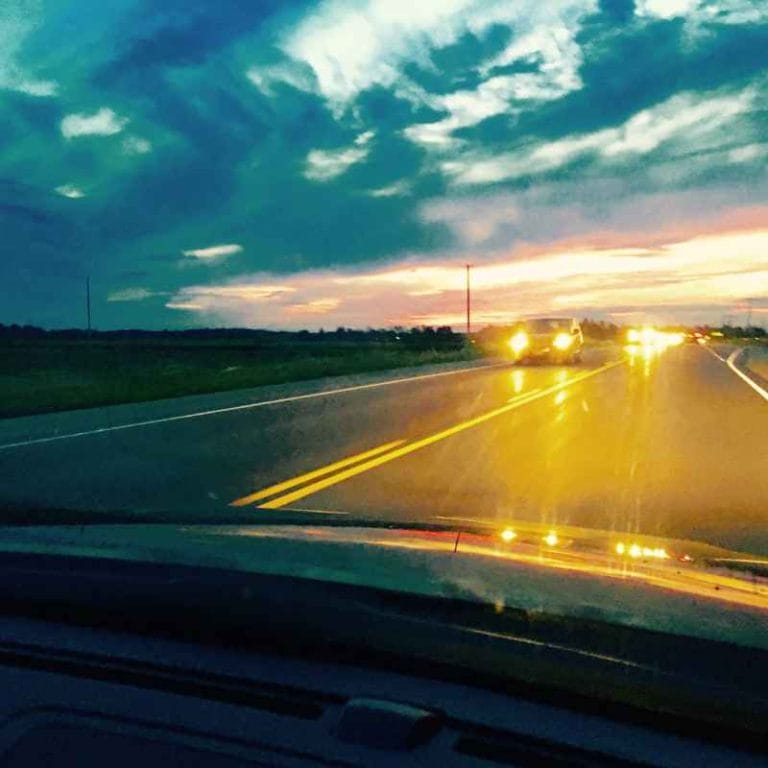
Credit: krcrtv.com
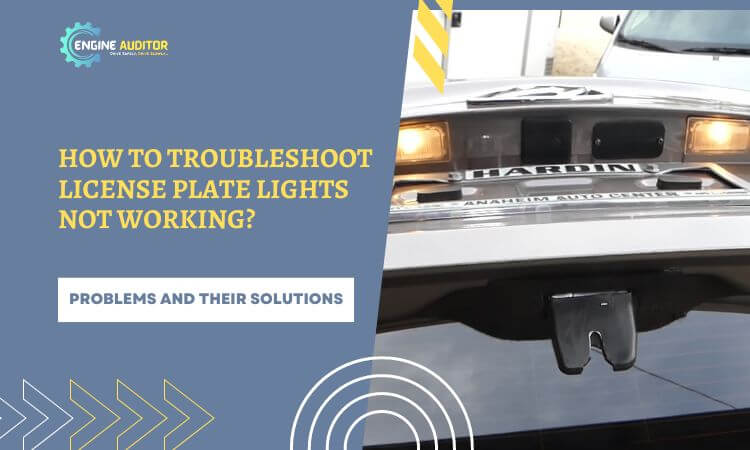
The Core Types Of Car Lights For Night Driving
Navigating the variety of car lights available can be overwhelming, but understanding their functions is essential for safe night driving. Each type of light serves a specific purpose, and their correct usage maximizes both your vision and the safety of everyone on the road.
Headlights: The Primary Night Driving Tool
Headlights are indispensable for night driving. Modern vehicles typically feature halogen, LED, or HID (Xenon) headlights, each with distinct advantages in brightness and efficiency. Headlights are designed to illuminate the road ahead and alert other drivers to your presence.
- Low Beam Headlights: These are your go-to lights for general night driving, especially on busy roads. They provide adequate illumination without blinding other motorists.
- High Beam Headlights: High beams are intended for use on dark, empty roads where maximum visibility is needed, but they can dazzle oncoming drivers if misused.
Example: On a rural road with no streetlights and minimal traffic, switching to high beams can significantly improve your reaction time to unexpected hazards like deer or sudden curves.
Fog Lights: Specialized For Difficult Conditions
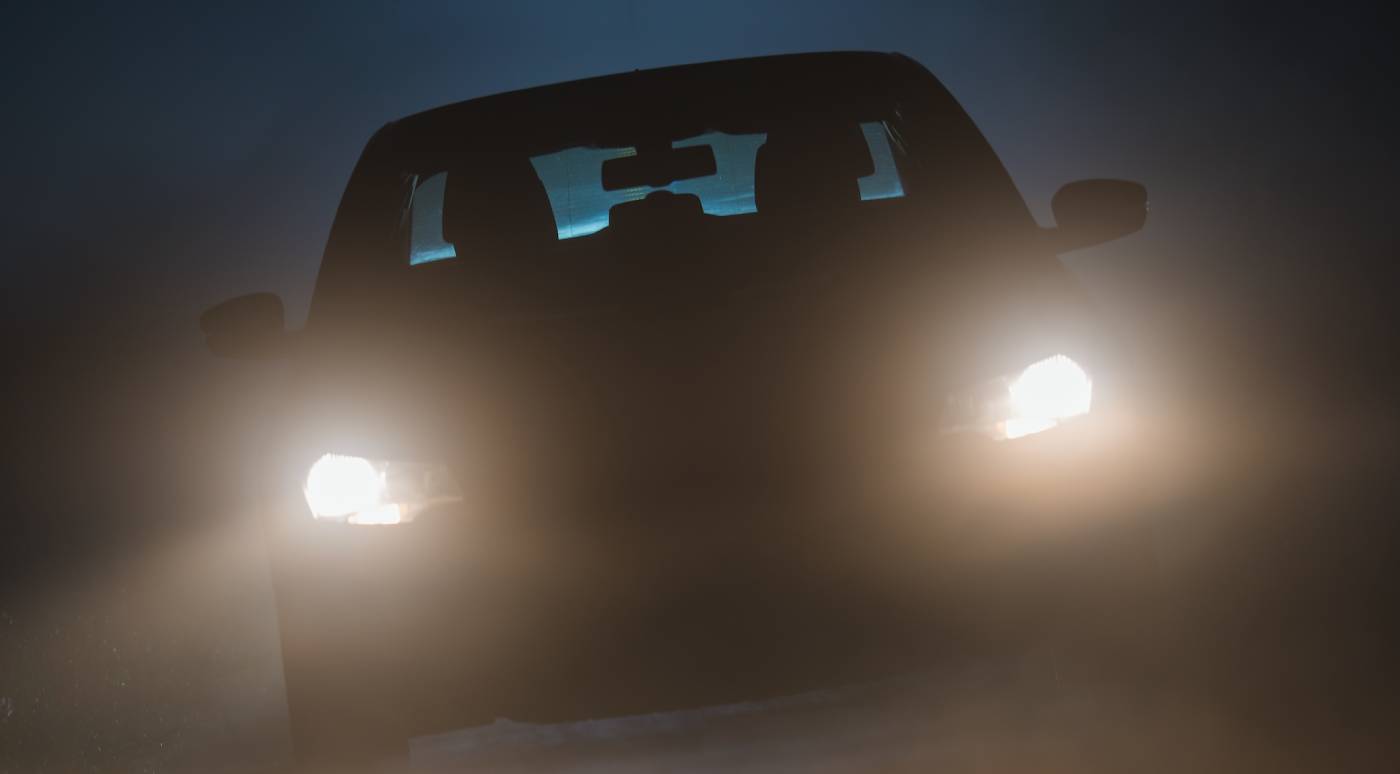
Fog lights are designed to cut through fog, heavy rain, or snow by emitting a wide, low beam that reduces glare. They should only be used in poor visibility conditions, as their brightness can blind other drivers in clear conditions.
- Front Fog Lights: Positioned low on the vehicle to illuminate the road directly in front.
- Rear Fog Lights: More common in Europe, these are intense red lights used to make your vehicle visible to others from behind in dense fog.
Daytime Running Lights (drls): Not For Night Use
Daytime running lights are automatically activated when the engine is running, improving visibility during daylight. However, DRLs are not a substitute for headlights at night, as they typically do not illuminate the road or rear of the vehicle.
Parking Lights: For Stationary Use Only
Parking lights are low-intensity lights meant to make a parked vehicle visible to others. They do not provide sufficient illumination for night driving and should not be used as a substitute for headlights.
Taillights And Brake Lights: Visibility From Behind
Taillights automatically turn on with your headlights, ensuring your vehicle is visible from behind. Brake lights activate when you press the brake pedal, alerting those behind you of your intention to slow down or stop.
Turn Signals And Hazard Lights: Communicating Intentions
While not used to illuminate the road, turn signals and hazard lights are crucial for communicating your intentions to other drivers at night, reducing the risk of collisions.
Table 1: Overview Of Car Light Types And Their Nighttime Usage
| Car Light Type | Primary Purpose | When to Use at Night | Legal Requirement |
|---|---|---|---|
| Low Beam Headlights | General driving visibility | Always when dark | Yes |
| High Beam Headlights | Enhanced visibility on empty roads | On unlit roads, no oncoming traffic | Yes |
| Fog Lights | Visibility in fog/rain/snow | Only in poor weather conditions | Varies by location |
| Daytime Running Lights | Visibility during daytime | Not suitable for night use | Required in some regions |
| Parking Lights | Stationary vehicle visibility | When parked, never while driving | Yes, when parked in some areas |
| Taillights | Rear vehicle visibility | Always with headlights | Yes |
| Brake Lights | Warn slowing/stopping | Activated by braking | Yes |
Credit: www.danielstark.com
When To Use Each Type Of Light For Maximum Safety
Choosing the right light at the right time is pivotal for safe night driving. Incorrect usage can reduce your visibility or endanger others. Here’s how to decide which lights to use in various scenarios.
Low Beam Vs. High Beam: Making The Right Choice
- Use low beams in all normal night driving situations, especially in well-lit areas or when approaching other vehicles.
- Switch to high beams only on dark, empty roads where there is no risk of blinding oncoming drivers or those ahead.
Warning: Never use high beams in fog or heavy rain, they can reflect back and reduce visibility.
Proper Use Of Fog Lights
- Activate fog lights only in low-visibility weather (fog, heavy rain, snow).
- Turn them off when conditions improve to avoid dazzling other drivers.
Drls And Parking Lights: What Not To Do
- Do not rely on DRLs at night, they are inadequate for safe driving.
- Never drive with only parking lights at night; they are designed for stationary vehicles.
Taillights And Brake Lights: Always On When Required
- Ensure taillights are working, they automatically turn on with headlights.
- Brake lights must function correctly to communicate stops to drivers behind you.
Turn Signals And Hazard Lights: Enhancing Communication
- Use turn signals for every turn or lane change, regardless of visibility.
- Hazard lights should only be used when stopped due to an emergency or breakdown, not while driving in low visibility.
Table 2: Light Usage Scenarios For Night Driving
| Scenario | Recommended Lights | Why |
|---|---|---|
| City streets with streetlights | Low beams, taillights | Prevents glare, ensures visibility |
| Rural highway, no traffic | High beams (if no oncoming traffic), taillights | Maximizes road illumination |
| Foggy conditions | Fog lights, low beams, taillights | Reduces glare, improves close-range vision |
| Heavy rain at night | Low beams, fog lights (if available), taillights | Minimizes reflection, maintains visibility |
| Parking on roadside | Parking lights, hazard lights (if needed) | Alerts other drivers to stationary vehicle |

Credit: streetsurvival.info
Legal Requirements And Penalties For Misuse
Night driving lights are not just about safety, they are governed by strict laws that vary by region. Failure to comply can result in fines, points on your license, or even increased liability in an accident.
Headlight Laws By State And Country
In the United States, most states require headlights to be used from sunset to sunrise and during adverse weather when visibility is reduced below a certain distance (typically 500 feet). Some states have additional requirements, such as using headlights when windshield wipers are on.
- Example: California Vehicle Code §24400 mandates headlights at night and during inclement weather. Failure to comply can result in a fine of up to $238.
High Beam Restrictions
High beams are legally prohibited when approaching within 500 feet of an oncoming vehicle or within 300 feet when following another car. This law prevents dangerous glare and improves roadway safety.
Fog Light Regulations
Fog light use is often restricted to conditions of poor visibility. In many regions, using fog lights in clear conditions is a traffic violation.
- Example: According to the UK Highway Code, fog lights must be switched off when visibility improves to avoid dazzling other drivers.
Drl And Parking Light Compliance
- In some countries, DRLs are mandatory for new vehicles but never replace headlights at night.
- Parking lights must be used when parking on unlit roads at night in certain jurisdictions.
Penalties For Non-compliance
- Fines: Vary by state/country but can range from $50 to over $250 for improper use.
- License points: Accumulating points can lead to higher insurance rates or license suspension.
- Legal liability: In the event of an accident, failure to use proper lights can increase your fault.
Pro Tip: Check your local Department of Motor Vehicles or Road Authority website for the most up-to-date regulations.
The Science Of Visibility: How Car Lights Impact Nighttime Safety
The human eye is less sensitive at night, and even well-lit roads offer only a fraction of the visibility provided by daylight. Car lights play a pivotal role in compensating for this limitation.
Reaction Time And Stopping Distance
According to the National Highway Traffic Safety Administration (NHTSA), the average stopping distance at 60 mph is around 200 feet, but low beams typically illuminate only up to 160 feet ahead. High beams can extend visibility to about 350 feet, giving drivers more time to react to obstacles.
Glare And Its Effects
Excessive or misdirected light, especially from high beams, can cause glare, temporarily blinding oncoming drivers and increasing the risk of accidents. A study by the Insurance Institute for Highway Safety (IIHS) found that improper headlight aim contributes to up to 50% more nighttime crashes.
Color Temperature And Contrast
- Halogen lights produce a warm, yellowish light, which is less fatiguing for the eyes.
- LED and HID lights offer brighter, whiter illumination, improving contrast and helping drivers detect objects sooner.
However, very high color temperatures (over 6000K) can cause more glare and are less effective in foggy or rainy conditions.
Table 3: Headlight Technology Comparison
| Type | Brightness (Lumens) | Color Temperature (Kelvin) | Average Lifespan (hours) | Pros | Cons |
|---|---|---|---|---|---|
| Halogen | 700-1,200 | 3,200-3,500 | 500-1,000 | Low cost, easy to replace | Short lifespan, less bright |
| HID (Xenon) | 2,000-3,000 | 4,000-6,000 | 2,000-3,000 | Very bright, efficient | Can cause glare, expensive |
| LED | 2,000-4,000 | 5,000-6,500 | 10,000-30,000 | Long lifespan, energy efficient | Higher upfront cost |
Real-world Example: The Effects Of Proper Lighting
A 2018 IIHS study showed that vehicles with top-rated headlights reduced nighttime pedestrian crashes by up to 20% compared to those with poor headlight systems (IIHS).
How Weather And Environment Affect Nighttime Lighting Choices
The environment you drive in, urban, rural, mountainous, or coastal, can dramatically influence which lights you should use for optimal safety.
Urban Night Driving
In cities with well-lit streets, low beams are usually sufficient. Using high beams can cause unnecessary glare and is often illegal due to the high density of traffic and pedestrians.
Example: When driving in downtown San Francisco at night, I found that using low beams provided ample visibility without distracting other drivers or attracting unwanted attention from law enforcement.
Rural And Mountain Roads
- High beams are invaluable on dark, winding rural roads, where hazards like wildlife or sharp curves may appear suddenly.
- Fog lights may be necessary in valleys or near bodies of water where fog is frequent.
Adverse Weather Conditions
- Fog lights become critical in dense fog, heavy rain, or snow, cutting through the haze and illuminating the road immediately ahead.
- Low beams are preferable over high beams in these conditions to reduce reflection and glare.
Case Study: Nighttime Driving In The Pacific Northwest
A survey of drivers in Oregon and Washington found that those who correctly used fog lights during rain and low beams in urban areas reported 40% fewer near-miss incidents at night compared to those who misused their lighting (NHTSA).
Modern Lighting Technologies And Upgrades
Automotive lighting has evolved rapidly over the past two decades, offering drivers more options for enhanced safety and visibility.
Adaptive Headlights
Adaptive headlights automatically adjust their angle and intensity based on speed, steering, and road conditions. These systems can pivot into curves or dim specific sections to avoid blinding other drivers.
- Example: The 2026 Mazda CX-5 features adaptive LED headlights that actively track steering input, significantly improving nighttime cornering visibility.
Automatic High Beams
Automatic high beams use sensors to detect oncoming traffic and switch between high and low beams without driver input. This technology ensures maximum visibility without risk of dazzling others.
Aftermarket Upgrades
Upgrading to LED or HID headlights can dramatically improve nighttime visibility, but it’s essential to ensure compatibility with your vehicle and compliance with local regulations.
Warning: Improperly installed aftermarket lights can cause glare, fail inspections, or void warranties.
Smart Lighting Systems
Some modern vehicles are equipped with matrix LED or laser headlights, which offer precise control over light distribution, further enhancing safety without increasing glare.
Maintenance Tips For Optimal Nighttime Lighting
Even the best lighting technology is ineffective if poorly maintained. Regular care ensures your lights function properly and keep you safe.
Routine Inspection And Cleaning
- Check all lights (headlights, taillights, brake lights, fog lights) monthly for functionality.
- Clean lenses with a soft cloth and mild cleaner to remove dirt, bugs, or road grime, which can reduce light output by up to 40%.
Bulb Replacement
- Replace bulbs in pairs to ensure even illumination.
- Use manufacturer-recommended bulbs for your make and model.
Headlight Alignment
Misaligned headlights can reduce forward visibility and cause glare for other drivers. Have a professional check alignment at least once a year or after replacing bulbs.
Addressing Clouded Or Yellowed Lenses
UV exposure can cause headlight lenses to become cloudy, reducing effectiveness. Restoration kits are available, but severely degraded lenses should be replaced.
Pro Tip: Regularly inspect your lighting system before embarking on long trips, especially if driving at night or through unfamiliar areas.
Real-world Examples And Case Studies
Learning from real-world scenarios helps underscore the importance of correct light usage.
Example 1: Averted Collision On A Country Road
A driver traveling at night on a rural road switched to high beams upon noticing a deer on the roadside. The increased visibility allowed him to slow down in time, avoiding a collision. Without high beams, the animal would have been visible for only 2 seconds instead of 6, according to NHTSA stopping distance data.
Example 2: Urban Fog Incident
During a heavy fog event in Chicago, a driver mistakenly used high beams instead of fog lights. The reflected glare reduced visibility to just a few feet, resulting in a near-miss with a stopped vehicle. When the driver switched to fog lights and low beams, road visibility improved dramatically.
Example 3: Maintenance Saves A Life
A car owner noticed one headlight was dimmer than the other. Upon inspection, a failing bulb and a clouded lens were discovered. After replacing the bulb and restoring the lens, nighttime visibility improved, helping the driver spot a cyclist on a dark suburban street in time to avoid an accident.
Frequently Asked Questions
What Should I Do If My Headlights Seem Too Dim At Night?
If your headlights appear dim, first clean the lenses to remove dirt or oxidation. If brightness does not improve, check for failing bulbs or electrical issues. Upgrading to newer bulb technology, like LEDs, can also boost visibility, but ensure any upgrade is compatible with your vehicle and local laws.
Are Led Headlights Better For Night Driving Than Halogen?
LED headlights generally provide brighter, whiter light and last much longer than halogen bulbs. They improve contrast and help drivers spot hazards sooner. However, not all vehicles are designed for LED retrofits, so consult your manufacturer or a trusted mechanic before upgrading.
Can I Use Fog Lights Instead Of Headlights At Night?
No. Fog lights are supplementary and not designed to replace headlights. They provide limited range and do not meet legal requirements for main night driving illumination. Always use your low beam headlights at night, even when using fog lights.
How Do I Avoid Blinding Other Drivers With My Headlights?
Use high beams only when there is no oncoming traffic or vehicles directly ahead. Dim your lights at least 500 feet before passing another car. Check your headlight alignment regularly, as misaligned lights are a common cause of glare.
Is It Legal To Drive With Only Daytime Running Lights At Night?
In most regions, driving with only DRLs at night is illegal and unsafe. DRLs do not provide sufficient illumination or rear visibility. Always turn on your low beam headlights and taillights when driving after dark.
Selecting and properly using the right car lights at night is vital for your safety and that of others on the road. By understanding each light’s purpose, adhering to local laws, and maintaining your vehicle’s lighting system, you can confidently navigate any nighttime driving scenario.
Taking these precautions ensures that you see, and are seen, no matter what the night brings.
Products related to this article
Sponsored / affiliate links. As an Amazon Associate I earn from qualifying purchases. I may earn additional commission from eligible campaigns.