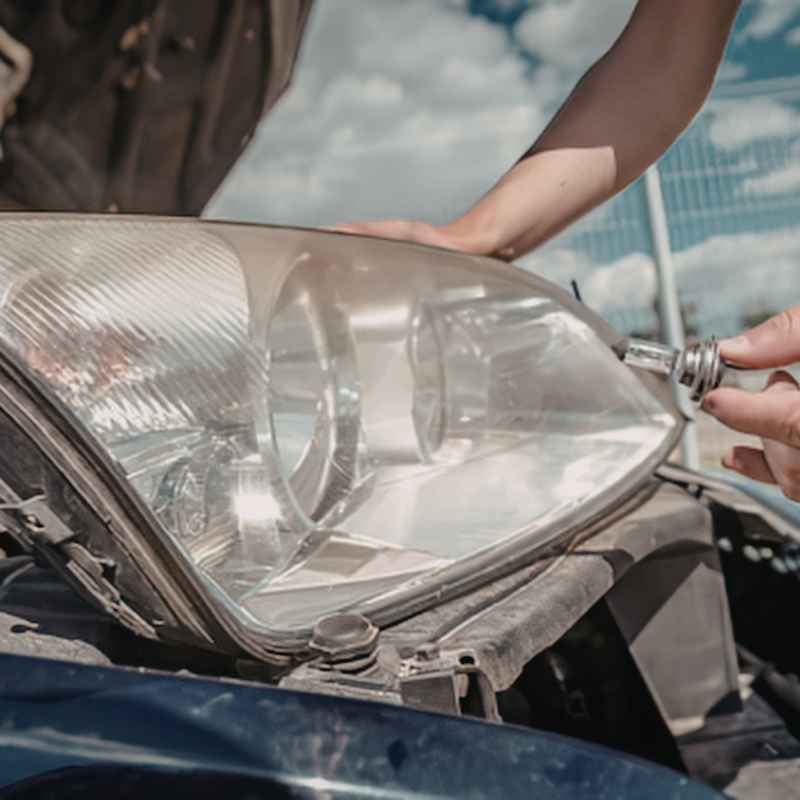
How Often Should You Replace Car Headlights? Expert Answer
The average lifespan for most car headlight bulbs is between 2 to 5 years, or roughly 40,000 to 60,000 miles. However, this can vary greatly based on bulb type, driving conditions, and vehicle usage. It’s best to check them regularly for signs of dimming or failure.
Understanding Headlight Lifespan
Headlights seem simple, right? You flip a switch, and light comes out. But there’s a lot going on behind that clear plastic lens.

SYLVANIA
SYLVANIA H6024 XtraVision PAR56 Sealed Beam Halogen…
- Lights Dim Over Time, Replace In Pairs: Your lights are a pair, one is never turned on without the other. If one bulb burns out, t…
- Bright Headlight Equals More Down Road: See more aspects of the road better with Sylvania's H6024 XtraVision Sealed Beam headlight…
- White Light For Clarity: Sealed Beam headlight that helps provide more white light compared to Sylvania Basic OE bulbs. More clari…
As an Amazon Associate I earn from qualifying purchases.
These bulbs are vital for your safety. They let you see the road ahead when it’s dark. They also help other drivers see you.
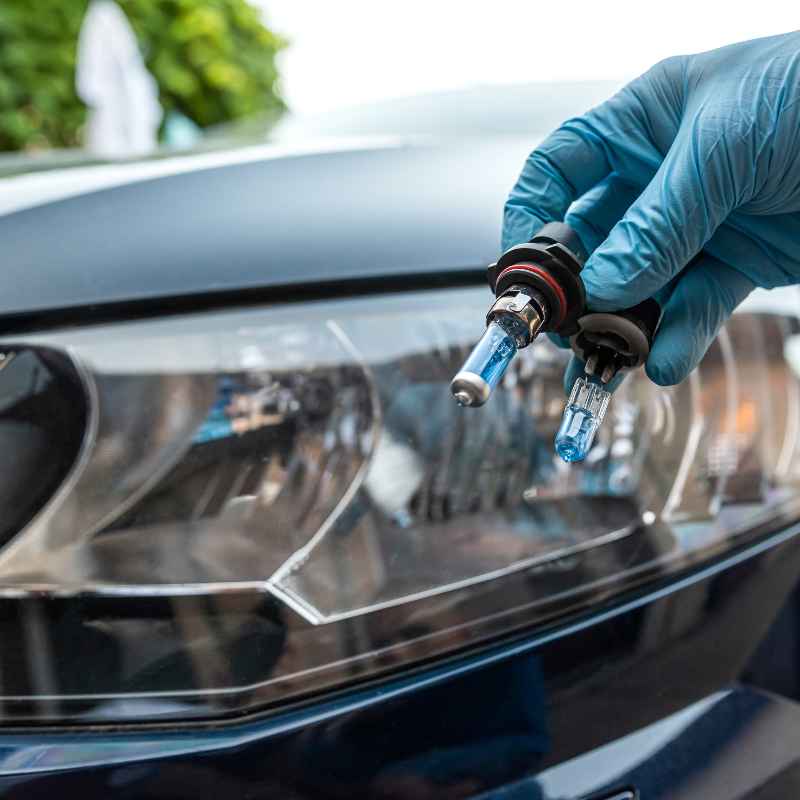
Most modern cars use halogen, high-intensity discharge (HID), or light-emitting diode (LED) bulbs. Each type has its own expected life. Halogen bulbs are common and often the most affordable.
HID bulbs, also called xenon bulbs, tend to last longer and produce a brighter light. LED headlights are becoming more popular. They offer excellent longevity and energy efficiency.
Halogen Headlight Bulbs
These are the most traditional type. They work by heating a filament inside a glass bulb filled with halogen gas. This makes them glow brightly.
A typical halogen bulb might last about 400 to 1,000 hours of use. If you drive about 15,000 miles a year, this could translate to 2 to 5 years of service. They are usually cheaper to buy than other types.
HID (Xenon) Headlight Bulbs
HID bulbs work differently. They use an electric arc to excite gas. This creates a very bright light.
They can last much longer than halogen bulbs. You might see lifespan figures of 2,000 to 3,000 hours or more. This can mean 5 to 10 years for many drivers.
They are often found in newer or more premium vehicles.
LED Headlight Bulbs
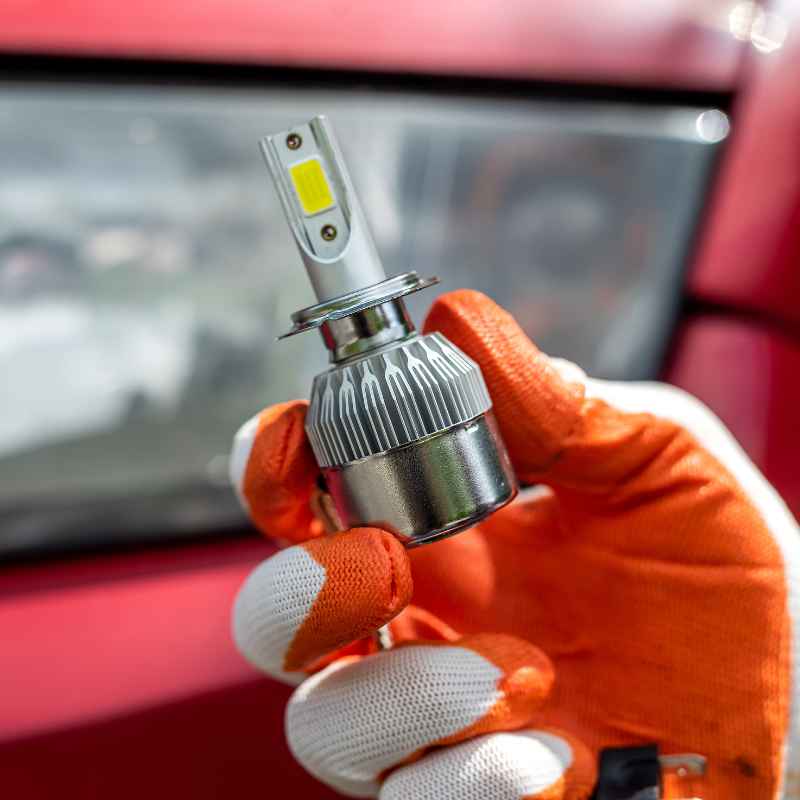
LEDs are the newest technology for headlights. They use semiconductors to produce light. LEDs are incredibly durable and energy-efficient.
Their lifespan is often measured in tens of thousands of hours. It’s not uncommon for LED headlights to last the lifetime of the vehicle. They are usually the most expensive upfront but can save money over time.
Why Do Headlights Go Bad?
Bulbs don’t just die for no reason. Several things can shorten their life. Heat is a big factor.
The constant high temperatures inside the engine bay can take a toll. Vibrations from the road also play a part. Every bump and jolt can stress the delicate filament inside a bulb.
Moisture can be another enemy. If the seals around your headlight housing aren’t perfect, water can get in. This can cause corrosion or short circuits.
Electrical issues in your car can also affect the bulbs. Too much or too little voltage can damage them.
Even just using them a lot makes them wear out. Every time you turn them on, you’re using up a bit of their life. So, if you do a lot of night driving, you’ll likely replace them sooner.
The environment also matters. Extreme temperatures, both hot and cold, can stress the components. Road salt in winter can also contribute to corrosion.
Signs Your Headlights Need Replacing
Your headlights will usually give you some warning before they fail completely. Paying attention to these signs can save you from being stranded in the dark. Or worse, getting a ticket for faulty lights.
The most obvious sign is a burnt-out bulb. If one headlight is out, you need to replace it. But dimming is often more subtle.
If you notice your headlights aren’t as bright as they used to be, it’s a warning. The light might look yellowish instead of bright white.
Sometimes, the light beam itself can seem weak. It might not reach as far down the road. You might also see flickering.
This could mean the bulb is about to go. Or it might point to a problem with the wiring or the bulb’s connection.
Another sign is condensation inside the headlight assembly. While a little fogging can happen on humid days, persistent moisture suggests a seal problem. This can lead to bulb damage.
Also, check the color of the light. If it’s turning purple or pink, the bulb is failing.
When to check your headlights:
- Dimming light: Light isn’t as bright as it used to be.
- Yellowish tint: The light color changes.
- Flickering: The light blinks on and off.
- Headlight out: One or both bulbs are completely dark.
- Condensation: Water or fog inside the housing.
- Purple or pink hue: A clear sign of an old bulb.
How Often Should You Replace Car Headlights? An Expert Look
This is the million-dollar question, isn’t it? There’s no single answer that fits every car and every driver. But we can give you a solid range and some things to consider.
For halogen bulbs, which are still very common, plan on replacing them every 2 to 3 years. Some might last longer, up to 4 or 5 years, but it’s good to be proactive.
If your car has HID (xenon) headlights, you’re in luck. These tend to last much longer. You might get 5 to 7 years out of them.
Some can even go for 10 years. They are more expensive to replace, so their longer life is a good thing.
For LED headlights, replacement is rare. They are designed to last for the life of the vehicle. If an LED headlight fails, it’s often due to a failure in the control module or the housing, not the LED itself.
So, unless there’s a specific issue, you likely won’t need to worry about replacing LED bulbs.
Key factors affecting replacement frequency:
- Bulb Type: Halogen < HID < LED (in terms of lifespan).
- Driving Habits: Frequent night driving means more usage.
- Environment: Extreme weather can shorten life.
- Vehicle Age: Older cars might have less efficient electrical systems.
- Road Conditions: Rough roads cause more vibration.
Quick Headlight Check Routine
When: Once every 6 months, or when you change your oil.
What to do:
- Park your car on a level surface in a dimly lit area or at dusk.
- Turn on your headlights.
- Walk around your car.
- Check if both lights are on and the same brightness.
- Look for any discoloration or dimness.
- Also, check your taillights and turn signals.
This simple check can catch problems early.
Real-World Scenarios and Headlight Wear
I remember helping my neighbor, Sarah, with her car a few years back. She was complaining that her headlights just weren’t cutting it anymore. She said she felt like she was driving with candles.
She’s a night nurse, so she does a lot of driving in the dark. Her car was about four years old and still had the original halogen bulbs.
We checked them, and sure enough, they were noticeably dim. They had that yellowish hue, too. We replaced both bulbs, even though one wasn’t completely out.
It’s always best to replace them in pairs. This ensures they match in brightness and color. The difference was amazing.
She could finally see the road properly again. It made her feel so much safer on her commute.
Then there’s my own experience. I drive a lot in rural areas with very little street lighting. One evening, coming home on a winding country road, I realized I couldn’t see much beyond my car.
My headlights, which I thought were fine, were actually quite weak. They were halogen bulbs nearing the end of their life. It was a stark reminder that “fine” isn’t good enough when it comes to safety.
I learned then that you can’t just wait for a bulb to burn out. You have to be proactive. Especially if you rely on your car at night.
I replaced them shortly after that incident. The new bulbs made a huge difference. It felt like driving in daylight compared to before.
This taught me a valuable lesson about headlight maintenance.
Why Replacing in Pairs Matters
Matching Performance: New bulbs provide the same brightness and color temperature.
Balanced Visibility: Ensures consistent light output on both sides of the road.
Preventative Maintenance: The other bulb is likely nearing the end of its life too.
Cost-Effective: Avoids needing another repair soon after the first.
What Affects Headlight Lifespan?
It’s not just about the type of bulb. Many other factors influence how long your headlights will last. Think about where you drive and how you drive.
Driving Conditions
If you drive on bumpy roads a lot, those constant shocks can wear out the bulbs faster. Driving in heavy traffic means more stopping and starting, and thus, more use of headlights. Frequent use wears down any bulb over time.
Environmental Factors
Extreme weather can be hard on car parts. Very hot summers can increase heat inside the engine bay, stressing the bulbs. Freezing winters, especially with road salt, can lead to corrosion on electrical connections.
Rain and humidity can also be issues if the headlight seals aren’t perfect.
Vehicle Maintenance
The overall health of your car’s electrical system matters. If your alternator isn’t putting out the right voltage, it can affect your lights. Low voltage makes them dim; high voltage can burn them out faster.
Regular maintenance helps ensure everything is working as it should.
Headlight Housing Condition
The plastic covers over your headlights can become cloudy or yellow over time. This is called oxidation. Even if your bulbs are bright, a hazy lens will block a lot of light.
This makes it seem like your headlights are dim. Cleaning or restoring these lenses can help a lot.
Contrast: Normal vs. Concerning Headlight Signs
| Normal Sign | Concerning Sign |
|---|---|
| Slight dimming after 2-3 years (halogens) | Sudden, drastic dimming or flickering. |
| Occasional fogging on humid days | Persistent condensation or water inside the housing. |
| Bright white or slightly yellowish light | Purple, pink, or very dim light. |
| Headlight housing clear | Yellowed, cloudy, or cracked headlight lens. |
What This Means For You: When to Worry
So, when should you actually be concerned about your headlights? The biggest red flag is safety. If you can’t see the road clearly at night, that’s a problem.
If other drivers have trouble seeing you, that’s also a problem.
Here’s a simple breakdown of when to act:
- If one headlight is out: Replace it immediately. It’s a safety hazard and often a ticketable offense.
- If both headlights are dim: This is your cue to replace them soon. Don’t wait until one goes out. Get both done at the same time.
- If the light color has changed: A purple or pinkish hue means the bulb is failing. Replace it before it burns out.
- If you see condensation: This means the seal is broken. Water can damage the bulb and electrical components. Get it fixed.
- If your headlights don’t illuminate far enough: This is a clear sign they aren’t performing well.
It’s a good habit to check your headlights monthly. A quick walk-around at dusk is all it takes. You can also ask a friend or family member to look while you have them on.
This simple check can prevent a dangerous situation.
Headlight Longevity by Type (Estimated)
Halogen
Lifespan: 400-1,000 hours
Years (approx.): 2-5 years
HID/Xenon
Lifespan: 2,000-3,000+ hours
Years (approx.): 5-10 years
LED
Lifespan: 25,000-50,000+ hours
Years (approx.): Lifetime of vehicle
Quick Tips for Headlight Care
While you can’t control everything, there are things you can do to help your headlights last. And to make sure you get the most out of them.
Keep Lenses Clean
Dirt, bug splatters, and road grime can block light. Wash your headlights regularly with car soap and water. For yellowed or hazy lenses, consider a headlight restoration kit.
This can make a big difference in brightness.
Check Wiring and Connections
Loose or corroded wires can cause issues. If you notice flickering or dim lights, have a mechanic check the connections. Sometimes, a simple cleaning or tightening of wires can fix the problem.
Replace in Pairs
I can’t stress this enough. Always replace headlight bulbs in pairs. Even if only one is burnt out, the other is likely close to failing.
Replacing them together ensures consistent brightness and color. It also saves you from a repeat repair soon after.
Use Quality Replacement Bulbs
Don’t always go for the cheapest option. High-quality bulbs often last longer and perform better. Look for reputable brands.
If your car uses specific types like HID or LED, make sure you get the correct replacements.
Consider LED Upgrades
If your car has older halogen bulbs, consider upgrading to LED
When to Call a Professional
Signs you need expert help:
- Electrical Faults: If headlights flicker or don’t work despite new bulbs.
- Persistent Condensation: If water keeps getting into the housing.
- Complex Bulb Types: If your car has HIDs or LEDs and you’re unsure about replacement.
- Damaged Housing: If the plastic lens is cracked or severely damaged.
- Trouble Accessing Bulbs: Some cars make bulb replacement difficult.
A mechanic can diagnose and fix underlying electrical issues or housing problems.
Frequently Asked Questions About Headlight Replacement
How do I know if my car headlights are bad?
Signs of bad headlights include dimming light, a yellowish or discolored beam, flickering, or one headlight being completely out. You might also notice that the light doesn’t reach as far down the road as it used to.
Can I replace my car headlights myself?
For many cars, yes, you can
Why should I replace my headlights in pairs?
Replacing headlights in pairs ensures they match in brightness and color. One bulb is likely nearing the end of its life if the other has failed or is dim. Doing both at once provides consistent visibility and prevents needing another replacement soon after.
How long do LED headlights last compared to halogen?
LED headlights typically last much longer than halogen bulbs. Halogen bulbs might last 2-5 years, while LEDs can last for the lifetime of the vehicle, often tens of thousands of hours, offering superior durability and lifespan.
What does it mean if my headlights look purple?
A purple or pinkish hue from your headlights is a strong indicator that the bulb is failing. This is usually seen in older halogen bulbs. It means the gas inside is degrading, and the bulb should be replaced immediately.
How often should I clean my headlight lenses?
You should clean your headlight lenses as part of your regular car washing routine. Aim for at least once a month. If they start to look yellow or hazy, use a headlight restoration kit to improve clarity and brightness.
Conclusion: Keeping Your Vision Clear
Keeping your car’s headlights in good shape is more than just a maintenance task. It’s a commitment to your safety and the safety of everyone on the road. By understanding how often to
See also best car interior light ideas for a stylish cabin glow. See also what is considered a light car weight and class explained.
Related pick: Check today's price on Amazon