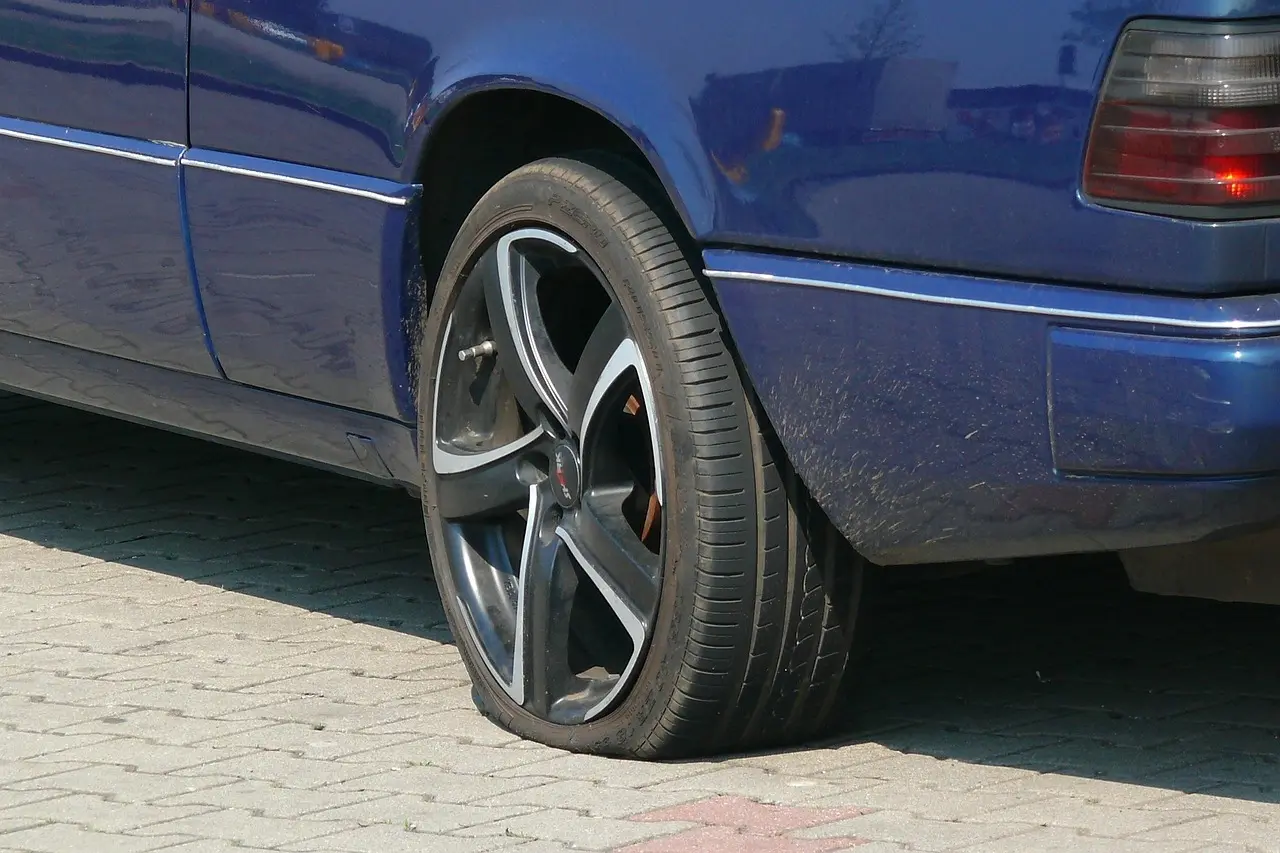
Can Winter Potholes Damage Tires and Rims?
Yes. Winter potholes can cut sidewalls, bend rims, throw off alignment, or damage suspension. If the tire bulges, leaks, or the wheel wobbles, stop driving and get it checked. Ignoring it can turn a small hit into a blowout, rapid tire wear, or steering damage. This guide explains which symptoms mean the tire is unsafe, which point to a bent rim, and when an alignment check should come first.
How freeze-thaw cycles and speed create pothole impacts
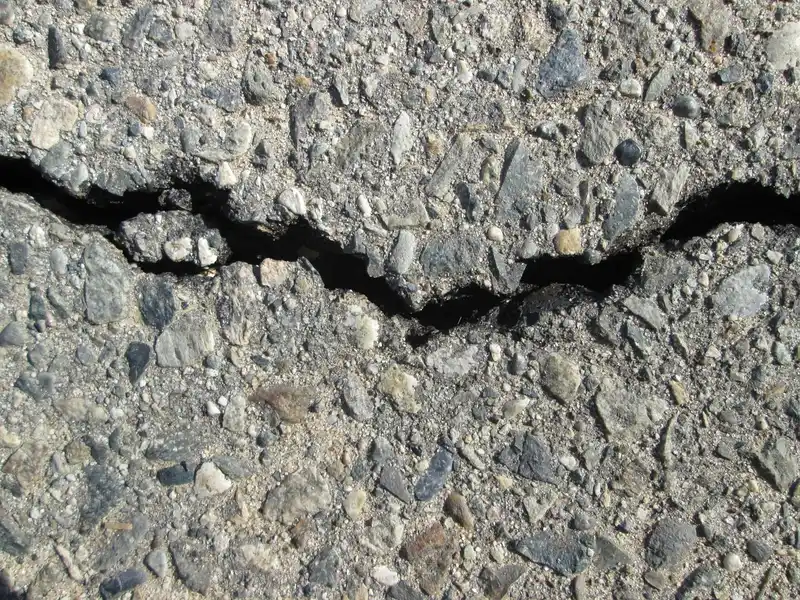
Freeze-thaw cycles can break road edges apart, so the first part to take the hit may be the tire sidewall, then the wheel lip, then parts farther inboard. Repeated pothole impacts can puncture tires, cut sidewalls, bend or crack wheels, and damage suspension components.
What changes when roads freeze and thaw
Water enters cracks, freezes, expands, and breaks the pavement surface. That can leave sharp-edged holes that tend to punish low-profile tires, heavy SUVs, and loaded trucks more than a taller sidewall on a lighter car.
Speed matters because faster impact over a pothole raises the chance of tire, rim, and suspension damage. If you cannot avoid a pothole, slow down before the wheel reaches it. Braking hard at the hole can also shift weight and make the impact worse at the wheel that drops in.
What gets hit first
The tire sidewall and wheel rim usually take the first blow. A sidewall bulge can mean the tire was pinched or punctured between the pothole and wheel, while a bent or dented wheel can cause an air leak between the rim and tire.
Hidden damage can follow a visible hit. A tire may still hold air and still have internal belt damage, and a wheel may still roll while leaking slowly at the bead.
Tire and wheel triage table
| Symptom | Likely failure point | Immediate risk | Next step |
|---|---|---|---|
| Sidewall bulge, bubble, or fresh cut | Tire sidewall; possible internal ply damage | High blowout risk | Do not drive. Replace or inspect before movement. |
| Slow leak after the impact | Puncture, bead leak, or bent rim | Pressure loss can become sudden | Inflate only enough to reach a nearby shop if the tire stays stable. |
| Steering-wheel vibration that rises with speed | Bent rim, tire damage, or wheel balance issue | Moderate to high, depending on severity | Reduce speed and arrange inspection soon. |
| Vehicle pulls or steering wheel sits off-center | Alignment change, toe/camber disturbance, or suspension shift | Uneven wear and reduced control | Drive cautiously to a shop for alignment and suspension check. |
| TPMS light after impact | Pressure loss or sensor warning from damage | Low pressure may be developing | Check tire pressure and inspect the damaged corner promptly. |
| Wheel wobble, loud thump, or cracked wheel visible | Cracked wheel or severe rim bend | Do not drive threshold | Stop driving and arrange towing or same-day service. |
Do not drive threshold: visible sidewall bulge, exposed cord, cracked wheel, or a tire that loses air fast enough to show a noticeable drop before the car reaches the next safe stop. Safe to drive to shop threshold: no bulge, no crack, no rubbing, no heavy vibration, and pressure stays stable long enough to reach a nearby repair shop at reduced speed.
What tire damage looks like after impact
A tire can be damaged even when the tread looks normal. The sidewall is the main weak point after a pothole, because the wheel can pinch the tire between the rim and the road edge.
Sidewall bulges, cuts, and bubbles
A bulge means the carcass inside the tire may be torn or separated. That matters because the outside rubber can still look minor while the inner structure has already failed. Any fresh bubble or cut in the sidewall should be treated as unsafe.
Some damage appears as a thin slice, not a bubble. If the cut reaches deep enough to expose fabric or cord, the tire needs replacement, even if it still holds air for the moment.
Slow leaks and internal ply damage
A slow leak after impact can come from bead damage, a bent rim, or a puncture. Internal ply damage is harder to see because the tire may stay round at normal pressure until the weakened area grows.
Look for a tire that needs air again after a short drive or overnight park. That pattern matters more than the dashboard reading alone, because a leak can be slow enough to avoid immediate collapse.
Say your compact car wears 45-series tires and the front-right wheel drops into a deep pothole at city speed. If the tire later shows a sidewall bubble at the same corner, replace it. Waiting invites a blowout.
Low-profile and run-flat tire cautions
Low-profile tires have less sidewall to absorb impact, so they are more likely to pinch, cut, or pass shock into the rim. Run-flats can keep rolling after a hit, but they can still suffer sidewall or wheel damage and should not be assumed safe because they remain inflated.
SUVs and trucks carry more weight and often use larger wheels, so a hard strike can bend a rim even when the vehicle feels only a mild jolt. A heavier vehicle does not get a pass on inspection.
What rim damage looks like after impact
A wheel can look normal and still leak. A bent rim may not flatten the tire right away, but it can leak air between the rim and tire or shake the vehicle enough to show that something changed at the wheel.
Bent rims and cracked wheels
A bent rim usually means the wheel lip took a hit and moved out of shape. A cracked wheel is more serious than a simple bend and may require replacement, especially if the crack reaches the bead seat or spokes.
Steel and aluminum behave differently. Steel wheels often bend or dent and may sometimes be repairable if the damage is limited. Aluminum wheels can crack in a hard strike, and a crack usually means repair is not a good option.
Bead leaks and air loss at the rim
A bent or dented wheel can cause an air leak between the rim and tire. That leak may show up as a tire pressure warning, a hiss, or a tire that looks normal one day and low the next morning.
Check the outer lip of the wheel for flat spots, fresh scuffing, or a shiny bent section. If the tire pressure light comes back after you refill the tire, the wheel or bead area needs a closer look.
How to inspect the wheel edge
- Park on level ground. Turn the steering wheel so you can see the damaged corner clearly. A level surface makes it easier to spot a tire that is lower than the others.
- Inspect the rim lip. Look for bends, cracks, missing chunks, or wet spotting near the bead. A bent section can be enough to leak without looking dramatic.
- Check the tire bead. Watch for bulges where the tire meets the wheel, which can signal an air leak at the rim. If the bead looks displaced, avoid driving far.
Can winter potholes cause flat tires?
Yes. Winter potholes can cause flat tires by puncturing the tread, cutting the sidewall, or breaking the seal between the tire and rim. Some flats happen immediately. Others start as a slow leak after the impact and finish as a flat hours later.
Do not assume a tire is fine just because it still holds some air. A slow leak can worsen as the wheel flexes, and a damaged sidewall can fail later under load or heat.
Can a pothole throw off alignment or suspension?
Yes. Potholes can knock wheels and steering out of alignment, and they can also damage shocks and struts. A pull, off-center steering wheel, or unusual wear pattern can point to toe or camber change after the hit, while a noise or looseness can point farther into the suspension.
Pulling and off-center steering wheel
If the car starts pulling left or right after impact, the front wheels may no longer point the same direction. An off-center steering wheel often travels with that complaint, but the wheel position alone does not prove alignment damage.
Alignment trouble is common after a pothole hit because toe and camber can change when a wheel or suspension arm shifts. Modern vehicle damage can include alignment problems and cracked suspension components after pothole hits.
Shocks, struts, ball joints, tie-rods, and control arm bushings
Potholes can damage shocks and struts, and they can also stress ball joints, tie-rods, and control arm bushings. These parts may not fail instantly, but they can create clunks, loose steering feel, or uneven tire wear after the impact.
Suppose an SUV drops into a deep pothole at 25 mph and then starts to wander at highway speed. That pattern is a reason to inspect alignment and suspension together, not in separate visits.
Why vibration matters
Potholes can cause vibration in the steering wheel, and they can also create unusual road noise. A shake that rises with speed often points to wheel or tire damage, while vibration in the seat or floor can point to a rear wheel or suspension issue.
A new vibration after impact should not be dismissed as road texture. If the shake appears right after the hit and gets worse as speed rises, treat it as a wheel, tire, or suspension clue until proven otherwise.
What should you check before you drive again?
Start with a visual check of the tire sidewall and wheel rim, then do a short test drive only if the tire looks intact and the car tracks normally. If the tire bulges, leaks, or the wheel wobbles, stop driving. If the only sign is a mild pull or warning light, a careful trip to a shop is usually the next step.
Visual sidewall and rim inspection
- Inspect the sidewall closely. Look for a bulge, bubble, cut, cord showing, or fresh scuffing at one spot. A sidewall defect is a stop-driving sign.
- Check the rim edge. Look for bends, cracks, or a dented bead seat. A bent wheel can leak air even when the tire still looks full.
- Compare tire pressure. If one tire is clearly lower than the others, add air only if needed to reach a nearby shop and only if the tire has no bulge or visible crack.
Short test drive and vibration check
If the tire and rim look intact, drive a short, low-speed loop. Listen for new noise and feel for steering-wheel shake, seat vibration, or a pull that was not there before the pothole.
Any worsening vibration, clunking, or repeated TPMS warning means the car needs a professional look. A dashboard warning light after impact should be checked promptly.
Repair order that makes sense
- Fix the tire first. Replace any tire with a bulge, exposed cord, or sidewall cut. Internal belt damage can hide outside the tire, so a visual check is not enough when the sidewall is involved.
- Repair or replace the wheel. Address a bent rim that leaks, and replace any cracked wheel. A wheel repair only makes sense when the damage is limited and the wheel remains structurally sound.
- Check alignment next. If the car pulls, the steering wheel sits off-center, or the tire wear starts looking uneven, get an alignment after the wheel and tire issues are settled.
Many repair shops recommend an alignment check after pothole season. That advice fits best when the car shows a pull, a crooked steering wheel, or fresh vibration after the hit.
Frequently asked questions
How do I know if a pothole damaged my tire or rim?
Look at the sidewall first, then the rim lip. A bulge or cut points to tire damage, while a visible bend, crack, or repeated air loss points to the wheel or bead area. If the car shakes more as speed rises, the wheel or tire likely needs inspection.
Can a pothole bend a rim without flattening the tire?
Yes. A bent rim can stay round enough to hold air at first, then leak later or cause vibration. The tire may look normal while the wheel is no longer sealed correctly. That is why a tire that still looks full should still be checked after a hard hit.
What are the warning signs of pothole tire damage?
The main signs are a sidewall bulge, a cut, a fresh bubble, a slow leak, or a new vibration after impact. A TPMS warning also matters. If the tire still holds air but shows a swollen sidewall or fabric, treat it as unsafe right away.
Can I keep driving after hitting a pothole hard?
Only if the tire has no bulge, no visible crack, no fast leak, and the wheel does not wobble. If the car pulls hard, vibrates, or shows a warning light, drive only as far as needed to a nearby shop and keep speed low. When in doubt, stop.
Does a pothole damage alignment too?
Yes. Potholes can knock wheels and steering out of alignment, which may show up as pulling, a crooked steering wheel, or uneven wear. Alignment is not the only possible problem, though. Tire damage, rim damage, and suspension damage should be ruled out first if the hit was hard.
Why does my car vibrate after hitting a pothole?
A new vibration after impact often points to a bent rim, damaged tire, or a wheel that lost balance from the hit. Steering-wheel shake usually points forward, while seat or floor vibration can point to a rear wheel. A speed-dependent shake deserves prompt inspection.
Should I get an inspection after hitting a pothole?
Yes, if you notice a bulge, leak, pull, vibration, unusual noise, or a TPMS warning. A visual check can catch obvious sidewall and rim damage, but it cannot rule out internal tire belt damage or suspension problems. If symptoms persist, get a professional evaluation.
Products related to this article
Sponsored / affiliate links. As an Amazon Associate I earn from qualifying purchases. I may earn additional commission from eligible campaigns.