Can Incorrect Tire Size Damage Your Wheels?
Yes. A wrong tire size can damage the wheel if it causes rubbing, bead-seat mismatch, or repeated rim impacts; the tire usually suffers first, but any fitment error that changes clearance or load path can bend a wheel. Ignoring it can mean damaged rims, air leaks, ruined tires, and contact with brakes, suspension, or body parts. This guide explains the failure modes, warning signs, and when to stop driving and inspect fitment.
How tire size errors damage components in stages
Yes, but the wheel is usually not the first part to fail. A size error more often damages the tire sidewall, tread shoulder, or carcass first; wheel damage becomes likely when the mismatch creates rubbing, a bad bead seat, or repeated hard hits to the rim edge. Start with the placard or door-jamb OEM tire size, then match its width, diameter, load rating, and speed rating.
Tire size risk matrix
| Type of size error | Likely first component to fail | What a driver should inspect next |
|---|---|---|
| Oversized diameter | Wheelhouse liner, sidewall shoulder, or suspension clearance | Check for contact marks, liner wear, and tire contact at full lock or under compression |
| Excessive section width | Tire sidewall and outer shoulder | Check bead seating, shoulder scuffing, and clearance to strut, liner, and body metal |
| Wheel-width mismatch | Bead seat, rim flange, and tire casing | Inspect for uneven bead seating, air loss, shoulder distortion, and rim lip damage |
Some GM Camaro models could suffer rub-through from oversized tires. GM warns the damage can reach the body-to-fuel pump wiring and connector X350. That is a good example of why “fitment problem” should not be treated as one vague category; liner wear, wiring contact, and rim damage are separate failure modes.
Suppose a tire is one size taller than stock and only kisses the liner on sharp turns. That may start as cosmetic abrasion. If the same tire also contacts a wheel lip at full lock, the failure moves from trim damage to sidewall cutting and then to rim impact loading. The inspection path changes with the contact point.
Will my tire fit my rim?
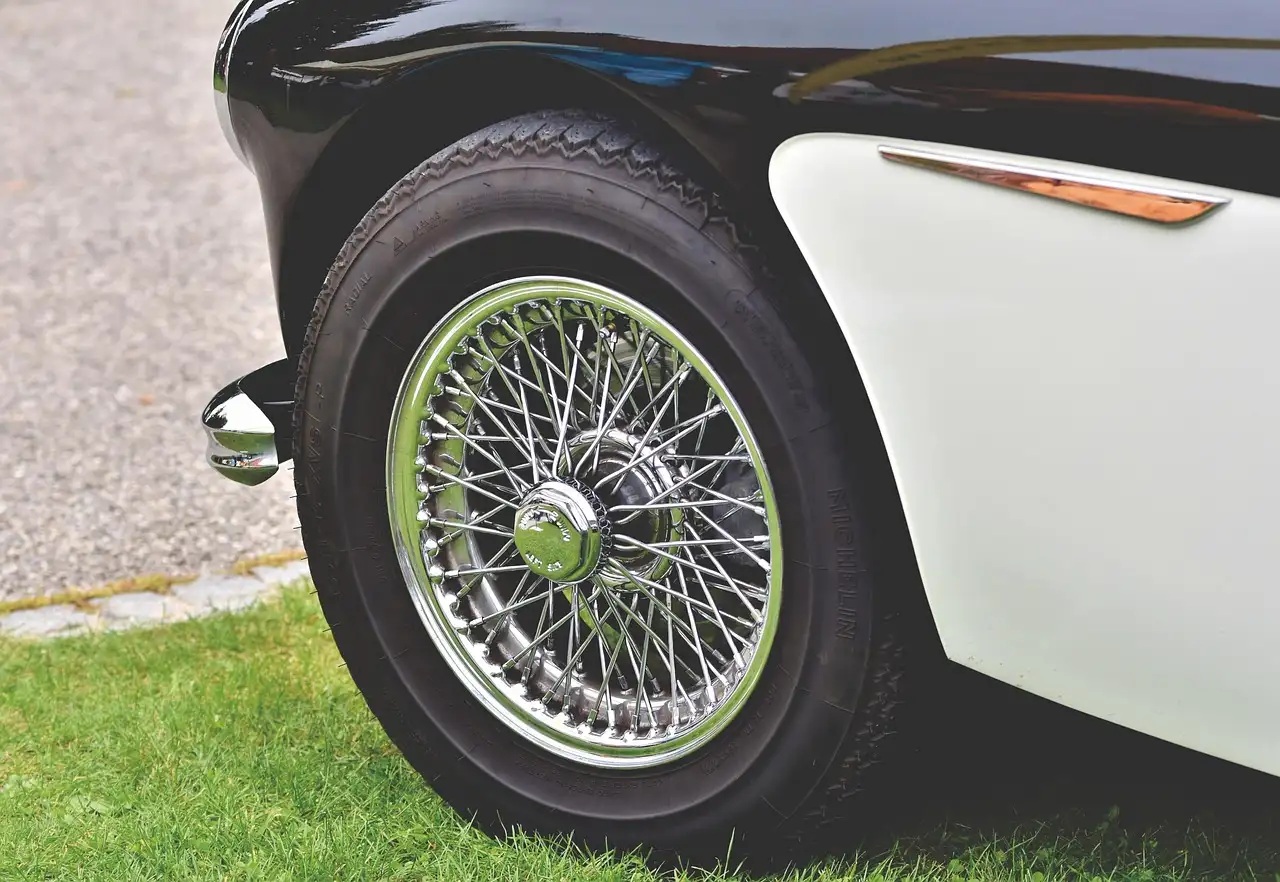
A tire can mount on a rim and still be the wrong fit. Wheel rim width sets the bead-seat compatibility, the approved tire-width range, and the contact patch shape. Too narrow or too wide a wheel can distort the casing, change steering response, and make the bead seat less stable under load or low pressure.
Wheel rim width and bead-seat compatibility
Tire section width is measured in millimeters when mounted on the correct width rim. The rim diameter in a tire size is shown in inches. Those two numbers do different jobs. Diameter must match the wheel. Width must sit inside the tire maker’s approved wheel-width range, or the sidewall shape and bead seat can shift away from the intended profile.
Minimum and maximum approved tire width
Check the tire sidewall and the maker’s fitment chart for minimum and maximum approved rim width. A tire mounted too wide for the wheel may crown in the center and reduce shoulder support. A tire mounted too narrow can pinch the sidewalls inward, change the contact patch, and raise the chance of bead stress during cornering or impact.
Same-size tires from different brands
Same-size does not mean same dimensions. GM says the same tire size from a different manufacturer may vary by up to 10 mm. That is enough to create surprise clearance issues on a tight chassis. If one brand fits with margin and another brand rubs, the size label is not the whole story.
Picture a car on OEM 225/45R17 tires that clears the front strut by a small margin. Replace them with another brand in the same marked size, and the tire may run slightly wider or sit a little more square in the sidewall. That can move the outer shoulder close enough to scuff the liner even though the label matches.
What happens when tires are too large?
Oversized tires usually create clearance problems before they damage the wheel. The first contacts are often the wheelhouse liner, splash shields, or suspension hardware. If the tire is large enough to hit the rim edge during compression, then repeated impact loading can bend the wheel, break the air seal, or start a vibration that grows with speed.
Wheelhouse liner rubbing and abrasion marks
The wheelhouse liner is often the first place to show an error. Look for shiny wear, fuzzy plastic, fresh scrape lines, or worn fastener heads. Some vehicles are more sensitive at the left rear because body shape, fuel filler packaging, or suspension geometry can reduce room on that corner. Abrasion there is a fitment warning, not a normal wear item.
Suspension and steering clearance points
Check the tire at full steering lock, full compression, and reverse lock if the vehicle geometry changes under load. Contact can happen near the strut tube, control arm, sway bar end, brake hose brackets, or wheelhouse liner. Once the tire starts striking a fixed point, the sidewall can cut, the casing can bruise, and the wheel may take the load next.
Speedometer and gearing changes
Changing overall tire diameter changes the effective rolling circumference. Popular Mechanics says bigger tires can throw off gearing and slow acceleration, and it also says bigger tires change the speedometer reading. A larger diameter makes the vehicle travel farther per wheel revolution, so the speedometer can read low and the engine can feel taller-geared.
How do you spot wheel or tire damage?
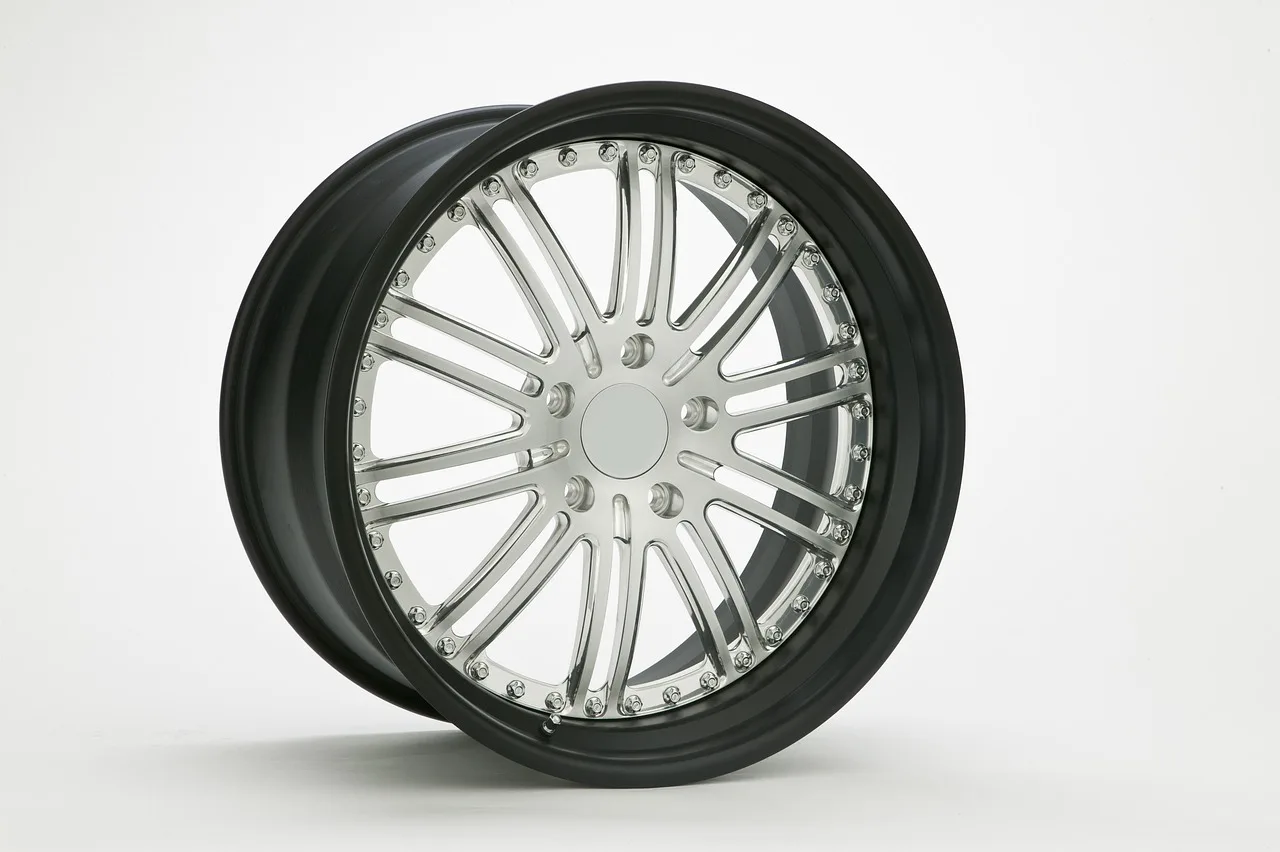
Start with the tire sidewall, then move to the rim and then the alignment clues. Tire damage usually appears first as bulges, cuts, scuffs, or exposed cord. Wheel damage tends to show up as bent rim symptoms, sealing leaks, or steering shake. If fitment error or impact is involved, both the tire and the wheel may need inspection.
Tire sidewall cuts, bulges, and casing damage
A bulge usually means internal structure failure. A cut can expose cords or weaken the casing. Repeated rubbing can also abrade the sidewall without an obvious deep gash at first, but that rubbing can still damage casing and belt integrity under load. If the sidewall has a bulge, cut, or crack, treat it as replacement territory.
Bent rim symptoms and air leaks
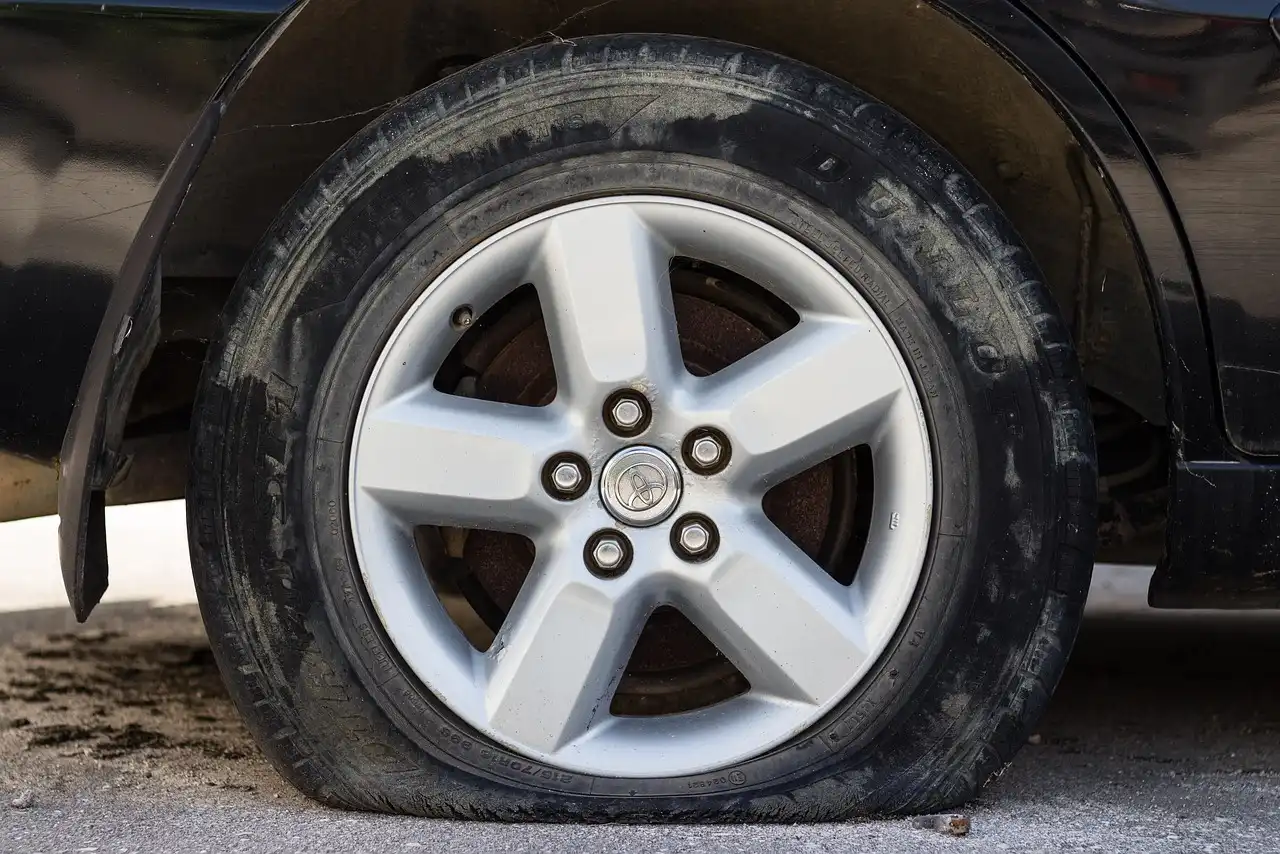
A bent rim can show as a slow leak, a repeated need to add air, or a tire that loses pressure at the same spot on the wheel. Watch for vibration through the seat or steering wheel, a visible wobble at the rim edge, or scuffed metal at the bead seat. A damaged sealing surface can leak even when the tire itself looks intact.
Alignment and vibration clues after contact
Fitment problems and alignment problems often show similar symptoms. Uneven tread wear, pulling, and vibration can overlap, especially after rubbing or a hard strike. Michelin says pressure differences between left and right front tires can cause pulling, and it says significant uneven tread wear changes grip and steering response. If contact has occurred, an alignment check is a sensible next step.
Say your front tire is 20 mm wider than stock and the steering wheel starts to shimmy after a pothole hit. The wider tire may be the visible problem, but the impact can also bend the rim lip or knock alignment out. Inspect the bead, wheel lip, and tread wear pattern before assuming the issue is only balance.
Stop-driving checklist for fitment damage
Stop driving right away if the tire appears to be rubbing metal, the sidewall is bulging, the rim is visibly bent, or the tire is losing air quickly. The same applies if you hear grinding or see the tire contacting a brake hose, wiring, or a body seam. A short trip can turn a fitment mistake into a wheel, tire, or wiring failure.
- Check for fresh rub marks on the sidewall, liner, and wheel lip.
- Look for bulges, cuts, exposed cord, or cracked rubber on the tire.
- Inspect the rim edge and bead seat for bends, nicks, or scuffs.
- Verify all four tires match the placard size, load rating, and speed rating.
- Confirm the wheel width is inside the tire maker’s approved range.
- Look for uneven wear, steering pull, or vibration after the contact event.
- Have the wheel, tire, and alignment checked if contact was hard or repeated.
When professional inspection is the right call
Get a professional inspection if the tire has rubbed more than once, if there is any air leak, or if the rim may have taken an impact. The inspection should include wheel balance, bead-seat check, rim runout, and alignment. If the vehicle has a tight clearance package, the wheelhouse liner and nearby wiring or hose routes should also be checked.
Frequently asked questions
Does tire size matter?
Yes. Tire size affects clearance, load capacity, steering feel, speedometer accuracy, and the chance of rubbing. The placard or door-jamb OEM size is the safest reference because it matches the vehicle’s intended width, diameter, load rating, speed rating, and surrounding space to the suspension and wheelhouse.
What happens if I use larger tires than stock?
Larger tires can rub the liner, contact suspension parts, and change the effective gearing. The same source says bigger tires can slow acceleration and alter the speedometer reading. If the diameter change is large enough, the tire may also approach the wheel arch or rim edge under compression, which raises damage risk.
Can wrong size tires damage the car?
Yes. Wrong-size tires can damage more than the tire and wheel. Rubbing can wear the wheelhouse liner, contact a wiring loom or connector, and stress suspension parts. If the size also changes load path or clearance, the car can develop vibration, pulling, uneven wear, and air-leak problems at the wheel.
What tire damage can be repaired?
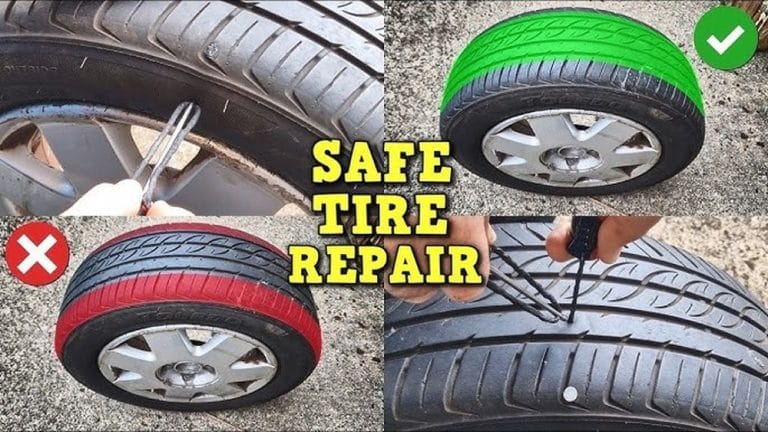
Small tread punctures in the repairable zone are sometimes fixable, but sidewall cuts, bulges, cracking, and structural damage are not safe repair candidates. If rubbing has exposed cords, damaged the casing, or caused a belt issue, replacement is the right move. A bent rim or leaking bead seat also needs wheel repair or replacement.
How much variation is there between same-size tires from different brands?
The same source says the same tire size from a different manufacturer may vary by up to 10 mm. That small-looking difference can still matter on a tight chassis, especially near the liner, strut, or wheel lip. It is why same-size approval does not guarantee identical clearance from one brand to another.
Does the tire width matter for rims?
Yes. Tire width matters because the rim width controls bead-seat shape and the contact patch. A width that is too large or too small for the wheel can distort the sidewalls, affect steering response, and increase the chance of poor bead seating or rim damage after a pothole or curb strike.
Products related to this article
Sponsored / affiliate links. As an Amazon Associate I earn from qualifying purchases. I may earn additional commission from eligible campaigns.