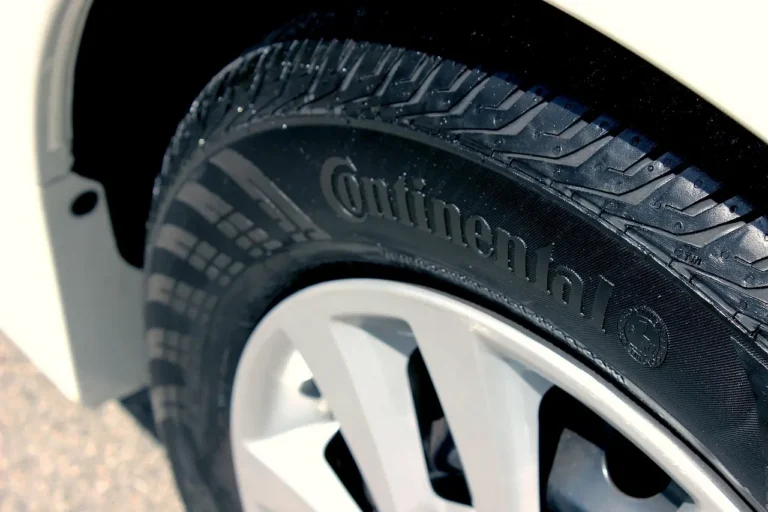
Why Are Car Tires Black? The Real Reason Finally Explained
Why Are Car Tires Black? The Real Reason Finally Explained
Walk through any parking lot, look at cars on the highway, or browse automotive ads, and you’ll notice a universal truth: car tires are black. While the rest of the car industry thrives on color and customization, tire manufacturers worldwide stick to this single, dark shade. But why? Is it tradition, performance, economics, or just a happy accident of chemistry and physics?
This color uniformity isn’t just about aesthetics. The story behind black tires is a fascinating intersection of science, safety, economics, and innovation. From the early days of motoring—when tires weren’t black at all—to today’s high-tech composites, the color of tires reveals a lot about the evolution of automotive engineering.
In this article, we’ll uncover the real, science-backed reasons why car tires are black, explore the history of tire manufacturing, compare alternatives, and explain how this color impacts everything from performance to the environment.
Key Takeaways
- Car tires are black primarily due to the addition of carbon black, a material that dramatically improves durability, performance, and longevity.
- Early tires were off-white or light gray, and the switch to black was driven by advances in material science.
- Carbon black enhances UV protection, heat dissipation, and tread life, making it essential for safe, long-lasting tires.
- While alternative colors are technically possible, they come with significant drawbacks in performance, cost, and practicality.
- The black color also helps mask dirt and wear, contributing to easier maintenance and a longer-lasting appearance.
- Environmental and health considerations are pushing for greener alternatives, but black tires remain the standard for now.

Credit: www.performanceplustire.com
The Science Behind Tire Color
The signature black color of car tires is no accident. It’s a direct result of the materials and chemistry used in modern tire manufacturing, specifically the addition of carbon black. But what exactly is carbon black, and why is it so crucial to tire performance?
The Role Of Carbon Black
Carbon black is a fine, black powder created by burning hydrocarbons in a limited supply of air. When mixed into rubber, it serves several key purposes:
- Reinforcement: Carbon black strengthens the rubber, making it more resistant to wear, abrasion, and impact.
- UV Protection: It acts as a UV stabilizer, preventing the sun’s rays from breaking down rubber polymers and causing premature aging.
- Heat Dissipation: Carbon black helps conduct and dissipate heat, reducing the risk of blowouts and improving overall tire safety.
This isn’t just a marginal improvement; carbon black transformed early tire technology. According to a study by the Rubber Manufacturers Association, tires with carbon black exhibit up to 100 times the abrasion resistance of those without it.
The Chemistry Of Tire Rubber
Modern tires are made from a blend of natural and synthetic rubbers, reinforced with a variety of chemical additives. Carbon black forms a network within the rubber matrix, binding with the polymers and enhancing the tire’s mechanical properties.
Key chemical reactions:
- Cross-linking: Carbon black encourages cross-linking between rubber molecules during vulcanization, making the tire both strong and flexible.
- Antioxidant Effects: It helps prevent oxidation, which would otherwise cause the rubber to crack and degrade.
Why Not Other Colors?
Other pigments can color rubber, but few offer the unique combination of benefits that carbon black provides. For example:
- Titanium dioxide (white pigment) lacks reinforcing properties.
- Other colored pigments often degrade in sunlight or fail to provide adequate heat dissipation.
A pivotal study published in the journal Polymer Degradation and Stability found that tires made with colored pigments (without carbon black) showed significant degradation after just a few months of UV exposure.
Real-world Example: Racing Tires
Racing tires are pushed to their limits in terms of grip, heat, and durability. Nearly all professional racing tires are black, not for aesthetics, but because the carbon black additive is essential for withstanding the extreme forces involved. The black color is a hallmark of high-performance engineering, not just tradition.

Credit: www.wired.com
A Brief History Of Tire Colors
Tires weren’t always black. The shift from off-white to deep black rubber is a story of innovation and necessity.
Early Days: White And Light Gray Tires
When the first cars hit the road in the late 1800s and early 1900s, their tires were off-white or light gray. That’s because natural rubber is nearly white, and early tires contained little more than pure rubber and fabric reinforcements.
- Drawbacks: These early tires wore out quickly, suffered from poor UV resistance, and were easily stained by road grime.
The Discovery Of Carbon Black
In the 1910s, tire manufacturers began experimenting with various additives to improve performance. In 1915, the Diamond Rubber Company (later acquired by Goodyear) pioneered the use of carbon black as a reinforcing agent.
Key Benefits Recognized:
- Tires lasted much longer—sometimes more than doubling their lifespan.
- The black color became a recognizable sign of quality and durability.
The Industry Standardization
As the automotive industry boomed in the 1920s and 1930s, carbon black became the standard for all tires. Manufacturers like Goodyear and Michelin made black tires the new norm, not just for cars, but also for trucks, buses, and aircraft.
Case Study: The Rise Of Blackwall Tires
By the 1930s, “blackwall” tires (black sidewalls and treads) replaced the earlier white or colored sidewall designs. This wasn’t just about looks:
- Maintenance: Black tires hid stains and blemishes, reducing the need for cleaning.
- Public Perception: Black tires were associated with technological progress and reliability.
Whitewall And Colored Tires
Whitewall tires—featuring a band of white rubber—became a design trend in the mid-20th century. However, these were more about style than performance; the structural part of the tire remained black due to the carbon black content.
Today, colored tires are rare and mainly used for special events, classic car shows, or niche markets. They require special manufacturing processes and do not offer the same level of performance or longevity.
Materials Used In Modern Tire Manufacturing
Tires are complex, high-tech products, incorporating a blend of materials for optimal performance.
Main Components Of A Tire
- Tread: The outer layer that contacts the road, usually made from a durable rubber compound loaded with carbon black.
- Sidewall: The area between the tread and bead, designed for flexibility and impact resistance.
- Inner Liner: A synthetic rubber layer that maintains air pressure.
- Belts and Plies: Layers of steel, polyester, or nylon for structural strength.
The Role Of Fillers And Additives
Fillers are added to rubber to modify its properties. The two most common are:
- Carbon Black: For reinforcement, UV protection, and heat management.
- Silica: Sometimes used alongside carbon black for lower rolling resistance and improved wet grip.
Comparison Table: Key Tire Fillers
| Filler | Benefits | Drawbacks | Color Impact |
|---|---|---|---|
| Carbon Black | Strength, abrasion resistance, UV/heat protection | None significant | Black color |
| Silica | Low rolling resistance, wet grip | Higher cost, less UV protection | Grayish tint |
| Clay, Calcium Carbonate | Cheap, lightweight | Poor strength, low durability | Light/white |
Alternative Pigments
While other pigments can be used to color rubber, they come with trade-offs:
- Less reinforcement: Lower abrasion resistance and reduced lifespan.
- Poor UV resistance: Greater risk of cracking and fading.
- Increased cost: More expensive to produce colored rubber with similar performance.
Real-world Example: Specialty Tires
Some bicycle tires and show car tires are manufactured in colors for visual appeal. However, these tires are usually not intended for high-mileage or high-performance use. They often lack the durability of traditional black tires.

Credit: autos.yahoo.com
Performance, Safety, And Durability: The Black Tire Advantage
The black color of tires is more than just a visual cue; it’s a direct indicator of superior performance and safety.
Enhanced Durability
Tires with carbon black last significantly longer. According to the Tire and Rubber Association of Canada, black tires can withstand thousands of miles of harsh conditions, while colored alternatives wear out in a fraction of the time.
- Abrasion resistance: Black tires resist cutting, tearing, and chipping.
- Resilience: They maintain flexibility over a wide temperature range.
Improved Heat Dissipation
High-speed driving generates friction and heat. Carbon black helps conduct this heat away from the tire, reducing the risk of:
- Tread separation
- Blowouts
- Premature aging
A study by Bridgestone showed that tires with carbon black run up to 20% cooler than non-black alternatives, directly improving safety at highway speeds.
Uv Protection
The sun’s UV rays are a major enemy of rubber. Carbon black acts as a powerful UV absorber, preventing degradation and cracking.
Table: Uv Exposure Effects On Tires
| Tire Type | UV Resistance | Typical Lifespan |
|---|---|---|
| Black (Carbon Black) | Excellent | 5-7 years |
| Colored (No Carbon Black) | Poor | 1-2 years |
Real-world Example: Fleet Vehicles
Delivery trucks and taxi fleets operate in demanding, high-mileage environments. These vehicles rely exclusively on black tires for maximum durability, cost-effectiveness, and ease of maintenance. Switching to colored alternatives would lead to higher costs and more frequent tire changes.
Masking Dirt And Wear
The black color is also practical:
- Hides stains: Road grime, oil, and brake dust are less visible.
- Uniform appearance: Tires continue to look presentable even as they age.
Environmental And Health Implications
The use of carbon black in tires has environmental and health impacts, both positive and negative.
Environmental Benefits
Longer lifespan: Tires that last longer reduce the number of tires that need to be produced and disposed of, cutting down on resource consumption and landfill waste.
Retreading: Black tires are easier to retread, allowing commercial vehicles to reuse tire casings multiple times, further reducing waste.
Environmental Drawbacks
Carbon black production is energy-intensive and can contribute to air pollution. According to the International Carbon Black Association, producing one ton of carbon black emits approximately 2.4 tons of CO2.
Tire wear particles: As tires degrade, microscopic particles are released into the environment. These can contain carbon black, synthetic polymers, and other chemicals.
Emerging Green Alternatives
Researchers are exploring alternatives to carbon black, such as:
- Silica-based fillers: Lower rolling resistance, but less UV protection.
- Bio-based carbon black: Created from renewable sources like plant oils or recycled materials.
- Recovered carbon black: Produced from recycled tires, closing the loop on tire waste.
Real-world Example: Sustainable Tire Initiatives
Michelin and Bridgestone have launched pilot projects using sustainable materials and recovered carbon black. While promising, these alternatives are not yet widely available or as cost-effective as traditional options. For more information, see the Michelin Sustainable Mobility Initiative.
The Economics Of Tire Manufacturing
The black color of tires is also a result of economic efficiency and industrial scale.
Cost Efficiency
Carbon black is produced in vast quantities as a byproduct of petroleum refining, making it relatively inexpensive compared to specialty pigments.
- Bulk purchasing: Large tire manufacturers benefit from economies of scale.
- Simplified logistics: Sticking to one color streamlines production and reduces inventory complexity.
Market Preferences
Consumers associate black tires with reliability and performance. According to a survey by the Rubber Research Institute, over 85% of drivers prefer black tires for their cars, citing durability and brand trust.
Table: Cost Comparison By Tire Color
| Tire Color | Average Manufacturing Cost | Typical Retail Price | Market Share |
|---|---|---|---|
| Black | $35 per tire | $80–$200 | ~98% |
| Colored | $60–$120 per tire | $150–$400 | <2% |
Case Study: Specialty Market Tires
While colored tires can be found in the luxury, show car, and motorsport segments, their higher cost and lower performance keep them as a niche product. Major tire retailers like Tire Rack and Discount Tire offer dozens of black tire models for every one colored option.
The Used Tire Market
Black tires are easier to inspect, grade, and resell, further incentivizing their dominance in the market.
Alternatives To Black Tires: Possibilities And Limitations
While black tires dominate for good reason, manufacturers and consumers have experimented with other colors.
White, Red, Blue, And Custom-colored Tires
- White tires were common in the early 1900s but fell out of favor due to rapid yellowing and poor durability.
- Red and blue tires have been produced for show cars, bicycles, and advertising purposes.
Technical Challenges
- Inferior strength: Most colored compounds lack the reinforcing power of carbon black.
- Fading and discoloration: Exposure to sun and ozone causes colors to fade rapidly.
- Higher production costs: Specialty runs are more expensive and less scalable.
Where Colored Tires Are Used
- Bicycles and scooters: Lower speeds and loads make colored tires viable.
- Concept and show cars: Used for visual impact at auto shows and events.
- Motorsport: Some racing series use colored sidewalls to indicate tire type (e.g., Formula 1’s colored markings), but the main body of the tire remains black for performance.
Real-world Example: Formula 1 Tire Markings
Formula 1 uses colored stripes on tire sidewalls to indicate different compound types (soft, medium, hard), but the tread and structure remain black due to the necessity of carbon black for safety and performance. Learn more at the official Formula 1 Tire Compounds Guide.
Customization And Aftermarket Solutions
Some companies offer colored tire paints or overlays, but these are superficial and do not alter the underlying black rubber. They are popular for car shows but not recommended for everyday driving due to their limited durability.
The Future Of Tire Color And Technology
As tire technology evolves, will black tires remain the standard, or could new materials change the landscape?
Research Into Alternative Fillers
- Silica: Increasingly used to reduce rolling resistance and improve fuel economy, but typically not a full replacement for carbon black.
- Graphene: Promising for high-performance tires, but still imparts a dark color.
Advances In Sustainable Materials
- Bio-based fillers: Derived from plant oils and agricultural waste, these are being tested by major manufacturers.
- Recycled rubber and carbon black: Using recovered materials from end-of-life tires reduces environmental impact.
Smart Tires And Embedded Technology
- Sensors and RFID chips: The next generation of tires may be equipped with electronics for monitoring wear, pressure, and temperature.
- Color-changing materials: Research is underway into tires that change color to indicate wear or overheating, but these are still prototypes.
Regulatory And Market Forces
Stricter environmental regulations may push manufacturers to adopt greener fillers, but until a viable alternative matches the performance of carbon black, black tires will remain the norm.
Real-world Example: Green Tire Initiatives
Bridgestone and Goodyear have announced plans to produce tires with up to 60% sustainable materials by 2030, including recycled and bio-based carbon black. For more, see the Goodyear Sustainable Tires Overview.
Frequently Asked Questions
Why Were Early Tires White, And When Did They Become Black?
Early tires were white or light gray because natural rubber is nearly white. The shift to black occurred in the 1910s when manufacturers began adding carbon black to rubber for enhanced durability, UV resistance, and heat management. By the 1930s, black tires were standard worldwide.
Can Car Tires Be Made In Other Colors Today?
Technically, yes—tires can be made in a variety of colors using alternative pigments. However, these colored tires lack the performance, longevity, and UV resistance of black tires. They are mainly used for show cars, bicycles, and niche applications. For everyday driving, black tires remain the best choice.
Is Carbon Black Safe For The Environment And Human Health?
While carbon black is essential for tire performance, its production is energy-intensive and emits CO2. Tire wear particles containing carbon black can also enter the environment. The industry is working on greener alternatives, such as bio-based and recovered carbon black, to reduce environmental impact. For more, see the EPA Green Vehicles Guide.
Why Do Some Racing Tires Have Colored Markings?
Racing tires, especially in Formula 1, use colored sidewall markings to indicate different compounds (e. g. , soft, medium, hard), but the body of the tire remains black for performance reasons. The color is for visual identification, not structural or functional.
Will Tire Colors Change As Technology Advances?
There is ongoing research into alternative fillers and sustainable materials, but as of now, no alternative matches the durability, UV protection, and cost-effectiveness of carbon black. Black tires are expected to remain the industry standard for the foreseeable future. For updates on tire technology, visit the Tire Rack Tire Technology Resource.
The color of car tires is a testament to over a century of scientific progress, material innovation, and practical engineering. While aesthetics, tradition, and even fleeting trends have played a role, the real reason tires are black boils down to the remarkable properties of carbon black—performance, safety, and durability.
Whether you’re a car enthusiast, engineer, or just curious, understanding why tires are black gives you a glimpse into the unseen world of automotive technology. As the industry moves toward sustainability, the story of tire color continues to evolve, but for now, the black tire remains a symbol of reliability on roads around the world.
Products related to this article
Sponsored / affiliate links. As an Amazon Associate I earn from qualifying purchases. I may earn additional commission from eligible campaigns.