When To Change Car Engine Oil In India: Climate-Based Guide
The best time to change your car engine oil in India depends on both your car’s manufacturer recommendations (mileage and time) and the specific climate conditions. Extreme heat, dust, and humidity in India can degrade oil faster than in milder climates, often meaning you might need to change it sooner than a standard recommendation, especially during peak summer or monsoon seasons.
Understanding Your Car’s Engine Oil
Engine oil is like the lifeblood of your car. It does a few key jobs. First, it keeps all the moving parts in your engine slick.

Valvoline
Valvoline Advanced Full Synthetic SAE 0W-16 Motor…
- Advanced protection against the four main causes of engine breakdown: wear friction heat and deposits
- Delivers stronger wear protection than industry standards to reduce friction and improve fuel economy
- Exceeds industry standards, keeping engines cleaner for smoother performance and longer-lasting protection
As an Amazon Associate I earn from qualifying purchases.
This stops them from rubbing together and creating too much heat. Think of it like oil on a squeaky door hinge, but for metal parts moving super fast.
It also helps clean your engine. As the oil flows, it picks up tiny bits of dirt and gunk. These bits then get caught in the oil filter.
Without clean oil, these particles can cause wear and tear.
Oil also helps your engine stay cool. Some heat is made by the moving parts, and the oil carries some of that heat away. It’s like a coolant for parts that get too hot.
Finally, oil seals things up. It fills the small gaps between parts like pistons and cylinders. This helps keep the pressure just right for your engine to work well.
When oil gets old, it can’t do these jobs as well. It loses its thickness, its cleaning power, and its ability to protect. That’s why changing it is so important.
Why India’s Climate Matters for Engine Oil
India has a really diverse climate. You have scorching heat in the north during summer, heavy monsoon rains, and coastal areas with lots of humidity. All these conditions can be tough on your engine oil.
Extreme Heat: When it’s very hot, oil gets thinner. This means it might not protect as well. High heat also makes oil break down faster.
This means it loses its ability to lubricate and clean. Think about how cooking oil can go bad if left in the sun. Engine oil is similar.
Dust and Pollution: Many parts of India have a lot of dust. This dust can get into your engine. If your oil filter isn’t working perfectly, or if you drive in dusty conditions a lot, the oil can become gritty.
This makes it act like sandpaper inside your engine.
Humidity and Water: High humidity and monsoon rains can introduce moisture. Water in engine oil is a big problem. It can cause corrosion on engine parts.
It also makes the oil less effective. Some oils are better at handling moisture than others, but it’s still a risk.
So, while a car manufacturer might give a general oil change interval, the harsh Indian climate often means you should consider changing it a bit more often. It’s about protecting your car in the environment it actually lives in.
When Was The Last Time You Checked Your Oil Level?
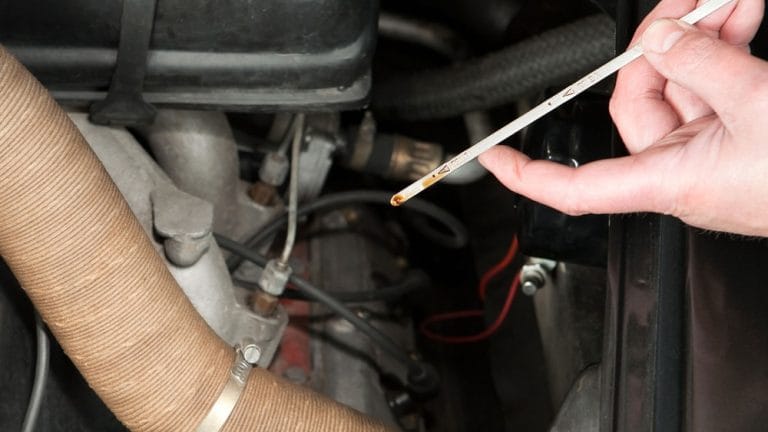
Before even thinking about changing it, it’s good to know how to check your oil level. This is a simple check you can do yourself. It tells you if you’re losing oil and gives you a baseline.
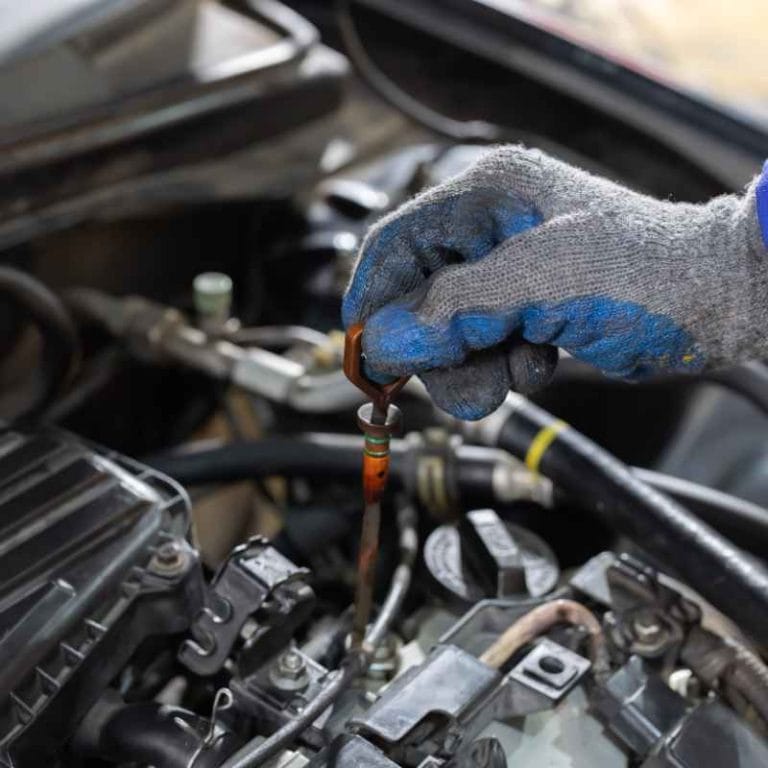
Most cars have a dipstick for this. It’s usually a brightly colored loop or handle. Make sure your car is parked on a level surface.
Wait for the engine to cool down a bit, maybe 10-15 minutes after you turn it off.
Pull out the dipstick. Wipe it clean with a rag or paper towel. Push it all the way back in.
Then pull it out again. You’ll see marks on the end of the dipstick. These usually have “MIN” and “MAX” or “ADD” and “FULL” markings.
Your oil level should be between these two marks.
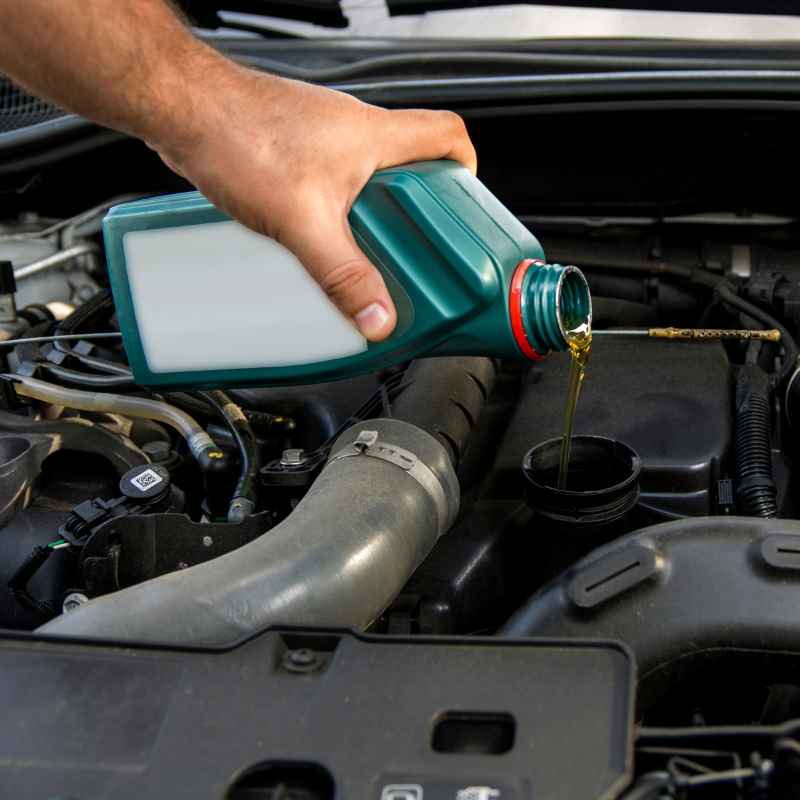
If the oil level is below the “MIN” mark, you need to add oil. Use the type of oil recommended in your car’s manual. Don’t overfill it!
Adding too much oil can be as bad as having too little.
Checking your oil level regularly, maybe once a month, can help you spot problems early. It’s a small step that saves a lot of future headaches.
Signs Your Engine Oil Needs Changing
Your car will often give you signs that the oil needs attention. Paying attention to these can save you from costly repairs. It’s like your body telling you it needs food or water.
Dark and Dirty Oil: This is the most common sign. New oil is usually a golden or amber color. As it works, it picks up soot and dirt.
It turns darker and thicker. If you pull out your dipstick and the oil looks black and feels gritty, it’s time for a change.
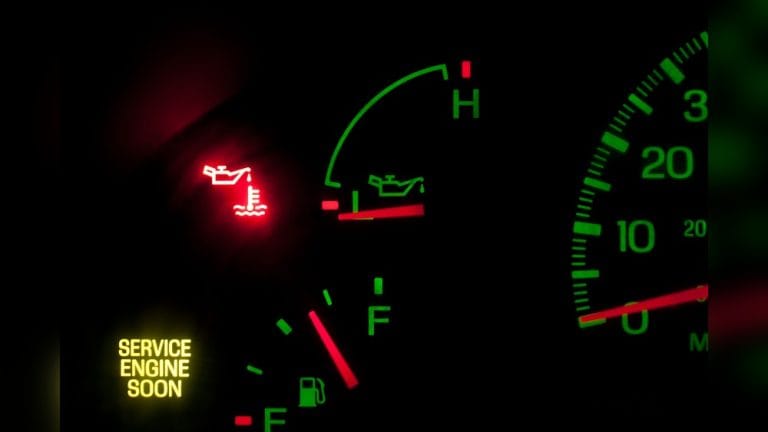
Low Oil Pressure Warning Light: Most cars have a dashboard light that looks like an oil can. If this light comes on while you’re driving, it’s a serious warning. It means your engine isn’t getting enough oil pressure.
This could be due to low oil levels or old, worn-out oil.
Engine Noises: Old or low oil means parts aren’t lubricated well. You might start hearing knocking or ticking sounds from the engine. These sounds mean metal is grinding against metal.
This is a clear sign that your oil needs to be changed immediately.
Smell of Oil Inside the Car: Sometimes, if there’s a leak or the oil is burning, you might smell it inside the cabin. This can be a sign of a problem, but also that the oil itself is breaking down.
Exhaust Smoke: Blue smoke coming from your exhaust pipe can mean oil is burning inside the engine. This is a sign of more serious internal wear, but old oil can contribute to this.
These are your car’s ways of telling you something’s up. Don’t ignore them. They are vital clues to keeping your engine healthy.
Oil Change Frequency: Time vs. Mileage
Myth: You only need to change oil based on mileage.
Reality: Time is also important. Engine oil degrades over time, even if you don’t drive much.
For most cars, oil should be changed at least once a year, regardless of mileage, especially in demanding climates like India.
Understanding Your Car’s Manual: The Starting Point
Your car’s owner’s manual is the first place to look. It has specific advice for your car model. It will tell you the recommended oil type and the usual interval for oil changes.
These intervals are often given in two ways: mileage (like every 5,000 miles) and time (like every 6 months or 1 year).
Manufacturers test their cars and oils. They give these recommendations based on average driving conditions. They often suggest a general-purpose oil viscosity, like 10W-30 or 5W-40.
This number tells you how thick the oil is at different temperatures. The “W” stands for winter, meaning it’s how the oil flows when it’s cold.
For example, a 10W-30 oil flows okay in winter. It gets thicker as it warms up to engine operating temperature. A 5W-40 oil is thinner when cold, which is good for easier starts in cooler weather.
It remains thicker at high temperatures, offering better protection in hot Indian summers.
It’s really important to use the correct type of oil. Using the wrong one can harm your engine. Always check your manual for the specific API (American Petroleum Institute) service category and viscosity grade recommended for your vehicle.
How India’s Climate Affects Oil Change Intervals
Now, let’s talk about how India’s specific climate can nudge those manufacturer recommendations. If the manual says change oil every 10,000 km or 1 year, you might want to consider changing it sooner, especially if you live in certain parts of India.
Hot, Dry Regions (e.g., Rajasthan, North India summers): In these areas, temperatures can soar. This means the engine oil is constantly under thermal stress. It can break down quicker.
You might want to consider changing your oil around 7,000-8,000 km, or every 9-10 months, instead of the full 10,000 km.
Monsoon and Humid Regions (e.g., Mumbai, Kerala, Northeast): High humidity means more moisture can get into the air and potentially into your engine oil. Moisture causes oil to form sludge and lose its lubricating properties. In these regions, sticking closer to the time interval (e.g., every 6-8 months) is wise, even if you haven’t hit the mileage limit.
Dusty Areas (e.g., parts of Gujarat, Haryana): If you frequently drive on unpaved roads or in areas with heavy dust and sand, your oil is going to get contaminated faster. The oil filter can only do so much. Consider shortening the interval by about 20% in terms of mileage.
So, if it’s 10,000 km, aim for 8,000 km.
City Driving vs. Highway Driving: Stop-and-go city traffic is harder on oil. Frequent idling, acceleration, and braking cause the engine to work harder and heat up more.
This means the oil degrades faster than on long, steady highway drives. If you do a lot of city driving, lean towards the shorter time interval (e.g., 6 months) rather than the mileage limit.
Oil Type Matters: Mineral vs. Synthetic
Mineral Oil: Basic oil refined from crude oil. It’s cheaper.
Synthetic Oil: Man-made oil with added chemicals for better performance.
It resists heat and breakdown better.
In India’s climate, synthetic or semi-synthetic oils often offer better protection against heat and contamination. They are more expensive but can extend engine life.
Choosing the Right Engine Oil for Indian Conditions
When you go to buy oil, you’ll see many options. The manual gives you the base specs. But considering India’s climate, you might want to choose wisely.
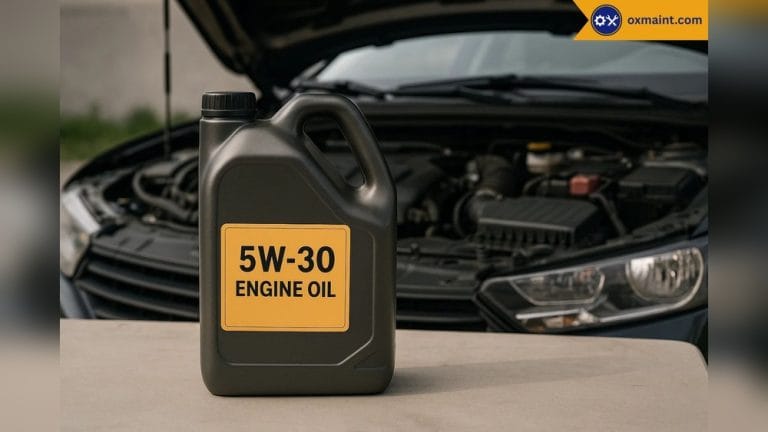
Viscosity Grade: For most of India, a common choice is 5W-30 or 5W-40. The “5W” is good because it flows well when it’s cooler, which is helpful even in India’s varying temperatures. The higher second number (30 or 40) means it stays thicker at high temperatures, giving better protection in the heat.
Oil Type: As mentioned, synthetic or semi-synthetic oils are generally better suited for the harsh conditions in India. They have additives that help them resist breakdown from heat and oxidation. They also tend to have better detergent properties, keeping your engine cleaner.
API Service Rating: Make sure the oil meets or exceeds the API service rating specified in your owner’s manual. For modern gasoline engines, you’ll often see ratings like API SN, SP. For diesel engines, it might be API CK-4 or CJ-4.
Always check your manual for the exact rating.
Brand Reputation: Stick with reputable brands. Companies like Shell, Mobil, Castrol, and local Indian brands like Indian Oil and HPCL have been making oils for a long time. They invest in research and development.
Buying from trusted brands ensures you are getting a quality product that performs as advertised.
Don’t be afraid to ask your mechanic for advice. They see cars in your area all day, every day. They’ll know what works best for local conditions and your specific car model.
When to Change Oil: A Practical Approach for Indian Drivers
Let’s put it all together. You have three main things to look at: your car’s manual, the signs your car gives you, and the climate you drive in.
The Golden Rule: Follow your car’s owner’s manual first. If it says change every 10,000 km or 1 year, that’s your baseline.
Climate Adjustment:
Hot Summers/Dry Regions: Reduce the mileage interval by about 20% or aim for every 8-10 months. Humid/Monsoon Regions: Stick to the time interval strictly, or even slightly less (e.g., every 6-8 months). Dusty Environments: Reduce mileage interval by about 20%.
Heavy City Driving: Aim for the shorter time interval (e.g., every 6 months).
Listen to Your Car: If you see dark oil, hear strange engine noises, or the oil light comes on, change it immediately. These signs override any mileage or time schedule.
Use Quality Oil: Investing in good quality synthetic or semi-synthetic oil suitable for high temperatures and potential contamination will give your engine better protection. This might mean slightly fewer changes over the years, but you’re using better protection.
It’s better to change your oil a little too early than too late. The cost of an oil change is tiny compared to the cost of repairing a damaged engine.
Infographic: Oil Change Checklist
Before You Change:
- Check owner’s manual for oil type and quantity.
- Purchase correct oil and new oil filter.
- Gather tools: wrench, oil pan, funnel, rags.
During the Change:
- Warm engine slightly (easier oil flow).
- Locate drain plug and filter.
- Drain old oil into pan.
- Remove old filter.
- Install new filter (lubricate seal with new oil).
- Replace drain plug.
- Add new oil via funnel.
- Start engine, check for leaks.
- Check oil level after a few minutes.
After the Change:
- Dispose of old oil responsibly.
- Note down date and mileage of oil change.
Real-World Scenarios: When Oil Gets a Tough Workout
Let’s imagine a few common driving situations in India that really test your engine oil.
Scenario 1: The Delhi Summer Commute
Priya drives her sedan from Gurgaon to South Delhi every day. Her commute involves heavy traffic, lots of idling at signals, and stops. The temperatures in May and June often hit 45°C.
The air is also quite dusty. Her manual says change oil every 10,000 km. But with this kind of daily stress, her oil is working overtime to cool and lubricate in extreme heat and picking up dust particles.
She notices her oil looks quite dark much sooner than she expects. For Priya, sticking to the 10,000 km mark might be pushing it. Changing around 7,000-8,000 km or every 8 months is a much safer bet.
Scenario 2: The Coastal Drive in Kerala
Ravi lives near the coast in Kerala. The air is always humid, and during the monsoon, it feels like water is everywhere. He drives his small hatchback mostly for short trips within the city.
Even though he doesn’t drive long distances, the constant exposure to moisture means water can seep into the oil. This can lead to sludge formation and rust. If Ravi waits for his 10,000 km mark, he might be compromising his engine.
A 6-month interval, even if he only drives 5,000 km, is a wise choice for him to prevent moisture damage.
Scenario 3: The Rural Route in Rajasthan
Amit’s family has a farm. He uses his pickup truck to go to the fields often, which means driving on dusty, unpaved tracks. The summer heat in Rajasthan is intense.
His truck’s engine oil has to fight against both high temperatures and abrasive dust. The oil filter will get clogged faster. If Amit waits for the recommended 5,000 km for his truck, he might already be running on degraded oil.
He should consider changing it every 3,500-4,000 km to ensure the engine stays protected from wear caused by grit and heat.
These examples show how real-life driving in India requires a more dynamic approach than just following a rigid number. Your car’s environment is a huge factor.
Contrast: Normal Oil vs. Degraded Oil
Normal Oil:
- Clear to amber color.
- Smooth texture, not gritty.
- Flows easily.
- Protects engine parts.
- Keeps engine clean.
Degraded Oil:
- Very dark black.
- Feels gritty or thick.
- May have an acrid smell.
- Leads to engine wear.
- Can cause sludge buildup.
- Reduced cooling and lubrication.
What This Means For You: When is it Normal and When to Worry?
It’s normal for your engine oil to get darker over time. That’s its job – it’s cleaning your engine. It’s also normal for the oil level to drop slightly between changes.
You should start to worry if you notice these things:
Sudden Drop in Oil Level: If your oil level drops significantly between checks, you might have a leak or your car might be burning oil internally. This needs immediate attention from a mechanic.
Very Thick, Sludgy Oil: If the oil is so thick it’s hard to tell the level on the dipstick, or if it looks like black sludge, your oil change interval has likely been too long, or there’s a bigger internal engine issue.
Warning Lights: Any warning light related to oil pressure or engine temperature is a serious signal. Stop the car as soon as it’s safe and get it checked.
Grinding Noises: If your engine starts making loud, metallic grinding or knocking sounds, it means lubrication has failed. This is an emergency. Continue driving could cause catastrophic engine damage.
Oil Leaks: Seeing puddles of oil under your car is a clear sign of a leak. While some small leaks might be minor, they can become big problems and need fixing. A leak means you’re losing oil, which compromises protection.
Generally, if you’re following a sensible oil change schedule that accounts for India’s climate and your driving habits, you shouldn’t have to worry too much. Regular checks are your best defense.
Quick Tips for Maintaining Your Engine Oil Health
Here are some simple things you can do to keep your engine oil in good shape:
1. Check Oil Level Regularly: Make it a habit. Once a month is a good starting point.
This catches low oil levels quickly.
2. Warm Up Your Engine (Gently): If you’ve been driving, and your car has been sitting for a while, let the engine run for a minute or two before driving off, especially in cooler weather. This helps the oil circulate and reach all parts.
3. Avoid Hard Acceleration and High Speeds on Cold Starts: Give your engine a few minutes to warm up properly before pushing it. Cold oil is thicker and doesn’t lubricate as well.
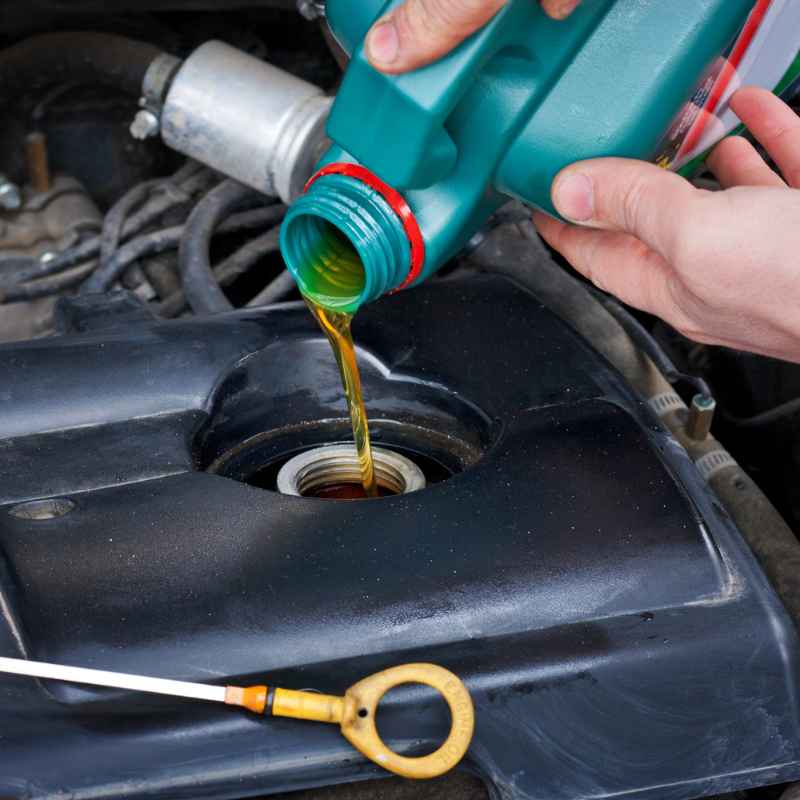
4. Don’t Overfill: Always add oil in small amounts and re-check the dipstick. Too much oil can cause foaming and damage seals.
5. Use Quality Oil Filters: A good oil filter is crucial. It removes contaminants from the oil.
A cheap, poor-quality filter might not trap everything, or it could even fail, letting dirt bypass it.
6. Cleanliness Matters: When checking or adding oil, make sure the area around the oil cap and dipstick is clean. You don’t want dirt falling into your engine.
7. Dispose of Old Oil Responsibly: Never pour old engine oil down the drain or into the environment. Take it to a local mechanic, recycling center, or auto parts store that accepts used oil.
These small habits add up to better engine health and can potentially save you money in the long run.
Frequently Asked Questions About Engine Oil Changes in India
How often should I change my engine oil in India?
It’s a mix of your car’s manual and climate. Generally, follow the manual’s mileage and time recommendations, but adjust for India’s heat, dust, and humidity. For many cars, this might mean changing it every 6-8 months or every 5,000-8,000 km, depending on your driving and location.
Always check your manual first.
Can I use any engine oil for my car in India?
No, you should use the specific type and viscosity grade of engine oil recommended in your car’s owner’s manual. For India’s climate, synthetic or semi-synthetic oils are often better than basic mineral oils due to their superior resistance to heat and breakdown. Always check the API service rating too.
What happens if I don’t change my engine oil on time?
Old engine oil loses its ability to lubricate, clean, and cool. This can lead to increased friction, engine wear, sludge buildup, overheating, and eventually, major engine damage and costly repairs. It significantly shortens your engine’s lifespan.
Does driving in heavy traffic require more frequent oil changes?
Yes, definitely. Stop-and-go city traffic means your engine works harder, idles more, and heats up more frequently. This accelerates oil degradation.
If you do a lot of city driving, it’s wise to change your oil based on time (e.g., every 6 months) rather than just mileage.
Is it okay to use a different brand of oil than what the manual suggests?
As long as the new oil meets or exceeds the specifications (viscosity grade and API service rating) listed in your owner’s manual, it should be fine to switch brands. However, always stick to reputable brands known for quality.
What is the role of oil filters in engine oil changes?
The oil filter traps dirt, debris, and other contaminants from the oil as it circulates. A clean filter is essential for clean oil. When you change your engine oil, you should always change the oil filter as well.
A clogged filter can restrict oil flow and reduce engine protection.
Final Thoughts on Keeping Your Engine Happy
Taking care of your car’s engine oil is one of the simplest yet most effective ways to ensure your vehicle runs smoothly for years. By understanding your car’s needs and paying attention to India’s unique climate challenges, you can make smarter decisions about when to change your oil. It’s not just about following a number; it’s about giving your car the best protection it deserves in the environment it operates in.
A little care goes a long way!
Related pick: Check today's price on Amazon