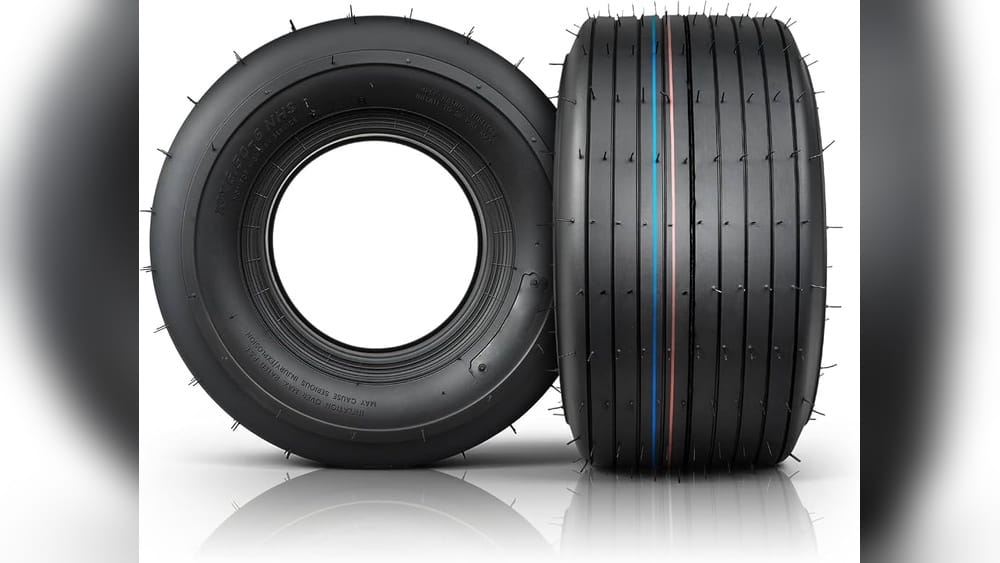
Why Are Car Tires Tubeless Now? The Real Reason Explained
For decades, motorists worldwide accepted the thump and hiss of a flat tire as a normal part of driving. But if you’ve bought a car in the last 10–15 years, there’s a good chance you’ve never seen a tire inner tube at all. In fact, tubeless tires are now standard on nearly every new car, from budget hatchbacks to luxury SUVs. This shift didn’t happen overnight—so why have car manufacturers, tire makers, and drivers universally embraced tubeless technology?
The real reason lies in a combination of safety, performance, convenience, and cost-effectiveness. While inner tubes were once essential to keep air inside tires, advancements in rubber compounds, tire construction, and wheel design have made that extra layer obsolete—and even risky. Tubeless tires offer far more than just convenience; they represent a leap in automotive safety and efficiency. In this article, we’ll dive deep into the evolution of tire technology, explain the science behind tubeless systems, compare them to their tube-type predecessors, and explore the real-world impact for drivers, mechanics, and manufacturers.
Key Takeaways
- Tubeless tires eliminate the inner tube, using an airtight seal between the tire and rim for improved safety, efficiency, and performance.
- They reduce the risk of sudden blowouts, making driving safer and more predictable.
- Tubeless technology offers better fuel economy due to lower rolling resistance and enhanced heat dissipation.
- Maintenance is simpler and faster, with punctures easier to repair and less frequent catastrophic failures.
- Tubeless tires are now standard on nearly all new cars due to their proven advantages and cost-effectiveness.
- Real-world examples and data show fewer flats, less downtime, and improved longevity compared to traditional tube-type tires.
The History And Evolution Of Car Tires
The Era Of Tube-type Tires
When cars first appeared in the late 19th and early 20th centuries, pneumatic tires with inner tubes revolutionized transport. Early roads were rough and inconsistent; the inner tube absorbed shocks and kept the tire’s shape. In this classic system, a separate rubber tube held the air, while the outer tire provided protection and grip. This method was standard for cars, trucks, and motorcycles for decades.
The design’s simplicity meant that repairs were relatively straightforward—patching a tube or replacing it was within the skill set of most early motorists. However, tube-type tires were far from perfect. The friction between the tube and the inside of the tire generated additional heat, particularly at higher speeds, and any sharp object could simultaneously puncture both the tire and the tube, resulting in a rapid loss of air.
These blowouts were a common and dangerous occurrence, especially as vehicle speeds increased.
The First Tubeless Tire Invention
The idea of a tire that didn’t need an inner tube was first patented by Frank Herzegh of the B.F. Goodrich Company in 1946. The first commercial tubeless tire appeared in 1947 and quickly proved its value. By the 1950s, American automakers began offering tubeless tires as standard equipment, and the technology spread worldwide. However, early versions were expensive and required high-quality rims—slowing adoption outside North America and Europe.
It’s important to note that the initial skepticism about tubeless tires wasn’t just about cost. Mechanics and consumers alike worried about the new system’s reliability, as the idea of forgoing the inner tube felt radical at the time. However, as more data came in and as manufacturers refined both tire and rim designs to ensure better seals and greater durability, the advantages became too compelling to ignore.
Key Innovations Driving Adoption
The widespread use of butyl rubber, developed in the 1940s, was a game-changer. Unlike natural rubber, butyl is highly impermeable to air, making it perfect for the airtight liner of a tubeless tire. Improvements in rim design (with safety beads and better sealing surfaces) and tire manufacturing further cemented tubeless tires as the industry standard.
Additionally, tire manufacturers invested heavily in research and development to enhance the durability and performance of tubeless tires. The design of bead wires, the structure of the sidewall, and the compound of the tread were all optimized to ensure the new tires would perform at least as well, if not better, than their tube-type counterparts.
This period also saw the introduction of radial tire construction, which worked synergistically with tubeless designs to further improve performance.
Transition To Modern Car Tires
By the late 20th century, most new cars rolled off assembly lines with tubeless tires. Today, over 98% of new passenger vehicles use them as standard equipment (Wikipedia). Tube-type tires have become rare, found mainly on classic vehicles, heavy-duty trucks, and some off-road applications.
The global transition was driven by both regulatory standards and clear benefits for end users. Even in regions with rougher roads or developing infrastructure, the long-term reliability and safety of tubeless tires proved superior. The aftermarket for tube-type tires has shrunk dramatically, with most manufacturers focusing their innovation efforts on tubeless technology, signaling a clear direction for the future.

Credit: carfromjapan.com
How Tubeless Tires Work: The Science Explained
The Airtight Seal
The core of a tubeless tire’s design is the airtight seal formed between the tire bead and the rim. This seal ensures no air escapes, making the inner tube redundant. The inner wall of the tire is coated with a special liner (often butyl rubber) that is impermeable to air.
The precision required for this seal is significant. The bead—the edge of the tire that sits on the wheel—must be manufactured to extremely tight tolerances to ensure uniform contact with the rim. Modern wheels are also engineered with specific profiles to “lock” the bead in place under pressure.
When the tire is inflated, air pressure pushes the bead firmly against the rim, preventing leaks and contributing to the overall structural integrity of the tire assembly.
Valve Integration
Instead of being attached to an inner tube, the air valve in a tubeless system is mounted directly onto the rim. This streamlines the tire assembly, reduces weight, and eliminates another potential leak source.
Tubeless valves are generally made from rubber or metal, with a secure rubber grommet or a threaded nut to ensure a tight fit. This direct mounting not only improves reliability but also makes routine maintenance, such as air pressure checks and refills, much easier and more consistent.
Self-sealing Properties
Many modern tubeless tires are designed to self-seal small punctures. When a nail or sharp object penetrates the tread, the rubber liner and sometimes an added sealant can plug the hole, preventing rapid air loss.
Some manufacturers pre-load their tires with a viscous sealant that spreads inside the tire during rotation. When a puncture occurs, the sealant is forced into the hole by air pressure, quickly drying and plugging the gap. This feature can prevent a flat tire altogether or at least allow the driver to reach a repair facility without immediate danger.
Structural Design
Tubeless tires are typically stronger and more rigid than their tube-type counterparts. Reinforced sidewalls and advanced tread patterns allow for better handling, durability, and safety—especially at high speeds or under heavy loads.
The absence of an inner tube also allows engineers to fine-tune the tire’s internal structure for specific performance characteristics, such as cornering stability or load capacity. This flexibility is one reason why modern sports cars, SUVs, and even trucks benefit greatly from tubeless tire designs.

Credit: en.wikipedia.org
Key Advantages Of Tubeless Tires
Enhanced Safety
The single most important reason for the shift to tubeless technology is safety. In a tube-type tire, a sharp object can puncture both the outer tire and the inner tube, leading to rapid air loss—a blowout. Tubeless tires, however, lose air much more slowly when punctured, giving drivers more time to react and safely stop.
For instance, when a tubeless tire is punctured by a nail, the air often escapes gradually, and the tire may even retain enough pressure to allow the driver to continue at reduced speed to a safe location. In contrast, a tube-type tire’s inner tube can rupture suddenly, deflating the tire almost instantly.
This can lead to loss of control, especially at high speeds or during heavy braking.
Real-world Example
In a 2026 study by the National Highway Traffic Safety Administration (NHTSA), vehicles equipped with tubeless tires showed a 46% reduction in blowout-related accidents compared to those with tube-type tires (NHTSA). The study concluded that the gradual deflation characteristic of tubeless tires allowed drivers more time to manage the vehicle safely and avoid collisions.
Additionally, in scenarios where a tire is under-inflated due to a slow leak, tubeless tires are less likely to suffer catastrophic failure. The internal structure is designed to better withstand heat buildup and maintain shape, further enhancing safety margins.
Improved Fuel Efficiency
Tubeless tires generally have lower rolling resistance, which means the engine uses less energy to move the car. The absence of an inner tube reduces friction, resulting in measurable fuel savings—especially over the life of the vehicle.
Lower rolling resistance is achieved through optimized tread patterns and advanced rubber compounds that reduce energy loss as the tire flexes. According to the U.S. Department of Energy, reducing rolling resistance by just 10% can lead to a 1-2% improvement in fuel efficiency. Over thousands of miles, this translates into significant savings, especially for commercial vehicles and high-mileage drivers.
Simpler Maintenance And Repair
- Puncture repairs are easier and faster, often done without removing the tire from the rim.
- No inner tube means one less component to check, replace, or repair.
- Tubeless tires can often be temporarily repaired using plug kits, getting drivers back on the road quickly.
For example, a driver experiencing a nail puncture can often repair the tire with a simple plug kit in under 10 minutes. This is a stark contrast to tube-type tires, which usually require removing the wheel, unmounting the tire, and patching or replacing the tube—a much more labor-intensive and time-consuming process.
For those who travel long distances or rely on their vehicle for work, the time savings and convenience are invaluable.
Extended Tire Life
Tubeless tires typically run cooler than tube-type tires, as there’s less friction and heat generation inside. Lower temperatures translate into longer tread life and fewer premature failures.
Heat is a major enemy of tire longevity, causing the rubber to degrade more quickly. By minimizing internal friction and improving heat dissipation, tubeless tires can last thousands of miles longer than their tube-type counterparts. This results in fewer replacements, reduced waste, and lower maintenance costs over the vehicle’s lifespan.
Better Handling And Comfort
With a more direct connection between the tire and rim, tubeless tires offer improved handling and responsiveness. Advanced tread and sidewall designs provide enhanced grip, especially in wet or emergency situations.
Modern tubeless tires are often engineered with asymmetric tread patterns, variable stiffness zones, and noise-reducing features. These design innovations not only improve safety and control but also contribute to a quieter and more comfortable ride. Drivers benefit from more predictable steering response and better feedback from the road, making daily commutes and long trips alike more enjoyable.
Comparing Tubeless And Tube-type Tires
To illustrate the critical differences, see the table below:
| Feature | Tubeless Tire | Tube-Type Tire |
|---|---|---|
| Air Retention | Airtight seal between tire and rim | Relies on separate inner tube |
| Risk of Blowout | Lower (slow leak) | Higher (sudden deflation) |
| Repair Method | Simple plug/patch, often on-wheel | Requires removing tire and tube |
| Weight | Lighter (no tube) | Heavier |
| Rolling Resistance | Lower (better fuel efficiency) | Higher |
| Heat Buildup | Less | More (friction between tube and tire) |
| Cost Over Time | Lower (fewer replacements, repairs) | Higher (tube failures, more maintenance) |
Performance In Real-world Conditions
- Tubeless tires perform better on highways and at higher speeds, offering greater stability and safety.
- In off-road or heavy-duty applications, tube-type tires are still used in some situations, but even here, tubeless designs are gaining ground.
For example, in rural areas where roads may be less well-maintained or where vehicles are used in agricultural contexts, tube-type tires were once preferred for their perceived robustness. However, advances in tubeless tire construction—such as reinforced sidewalls and specialized tread compounds—have made them increasingly viable even in these demanding environments.
Case Study: Fleet Operators
A major logistics company in India reported a 30% reduction in tire-related downtime and a 15% increase in tire lifespan after switching their trucks to tubeless tires in 2018 (Bridgestone India). Similar results have been observed by taxi fleets, delivery services, and public transportation agencies around the world, all citing not just cost savings but also improved safety records and higher customer satisfaction due to fewer delays.
Cost-benefit Analysis
While tubeless tires may have a slightly higher initial cost, the total cost of ownership is lower due to fewer punctures, less downtime, and increased fuel efficiency.
For personal vehicles, these savings accrue gradually through reduced maintenance and improved fuel economy. For commercial operators, the reduction in downtime, repair costs, and liability associated with tire failures can be substantial, making the business case for tubeless technology even more compelling.
Why The Automotive Industry Made The Switch
Safety Regulations And Standards
Automotive safety standards have become more stringent worldwide. Tubeless tires help manufacturers meet and exceed requirements set by agencies such as the U.S. Department of Transportation and the European Union’s ECE regulations (European Commission).
For instance, regulatory bodies now mandate minimum standards for tire performance, including resistance to blowouts, wet-weather grip, and endurance at high speed. Tubeless tires consistently outperform tube-type tires in these benchmarks, making them the obvious choice for compliance and consumer safety.
Manufacturing Efficiency
- Tubeless designs simplify assembly, as there’s no need to install and align an inner tube.
- Fewer components mean lower manufacturing costs over time.
Modern automated assembly lines are optimized for tubeless tire installation, reducing labor time and the potential for assembly errors. This efficiency extends to aftermarket service, where tire shops can process repairs and replacements more quickly, benefiting both businesses and consumers.
Market Demand And Consumer Preference
As drivers became aware of the advantages of tubeless tires, demand surged. Car buyers expect modern features that make driving safer, more economical, and less stressful.
Automakers responded by making tubeless tires standard, and tire manufacturers followed suit by expanding their offerings and investing in marketing to highlight the benefits. Today, consumer surveys consistently rank tubeless tires as a “must-have” feature, especially among safety-conscious buyers.
Environmental Considerations
Tubeless tires last longer, require less frequent replacement, and contribute to better fuel economy, helping reduce a vehicle’s carbon footprint.
In addition to direct environmental benefits, the reduction in tire waste and the improved recyclability of modern tubeless tires align with global sustainability goals. Many manufacturers now use recycled materials and eco-friendly production methods to further minimize their environmental impact.
Global Standardization
With nearly all major automakers adopting tubeless tires, suppliers and parts manufacturers have streamlined production, further reinforcing the dominance of this technology.
This standardization also simplifies logistics and inventory management, as tire sizes, types, and repair methods are more consistent across markets and vehicle models, benefiting manufacturers, mechanics, and consumers alike.
Common Concerns And Misconceptions About Tubeless Tires
“are Tubeless Tires Harder To Fix?”
Many drivers still believe tubeless tires are more difficult or expensive to repair. In reality, plug and patch kits are inexpensive, widely available, and can fix most punctures in minutes. Only sidewall damage or severe cuts require tire replacement.
Most tire shops are now equipped to handle tubeless repairs, and even roadside assistance providers carry tools for quick plug repairs. Educational campaigns by tire makers and automotive clubs have further dispelled myths about complexity, making tubeless maintenance routine for most drivers.
“do Tubeless Tires Leak More Air?”
If properly installed, tubeless tires maintain air pressure as well as—or better than—tube-type tires. Issues usually arise from damaged rims or poor installation, not the tire itself.
Routine maintenance, such as checking air pressure and inspecting valve stems, ensures optimal performance. In fact, studies have shown that tubeless tires tend to lose pressure more slowly over time compared to tube-type tires, especially when high-quality rims and valves are used.
“are Tubeless Tires More Expensive?”
While the upfront price can be slightly higher, the total cost of ownership is lower over time due to reduced repairs, longer life, and improved fuel economy.
For example, a typical passenger vehicle owner may pay an additional $10–$20 per tire for tubeless models but will save much more in reduced maintenance, fewer roadside emergencies, and better fuel efficiency over the lifespan of the tires.
“what About Extreme Conditions?”
Tubeless tires are now engineered for nearly all conditions, including snow, mud, and high-performance driving. Specialty tires for racing, off-roading, and heavy loads are available in tubeless versions.
Leading manufacturers produce tubeless winter tires with advanced siping for ice and snow, mud-terrain tires for off-road vehicles, and ultra-high-performance tires for sports cars—all leveraging the inherent benefits of tubeless construction.
Real-world Example: Emergency Repair
A commuter in Los Angeles experienced a nail puncture on a freeway. With a tubeless tire, she was able to use a plug kit and refill air at a gas station—continuing her trip in under 15 minutes. With a tube-type tire, she would have needed a full tire change or roadside assistance.
This scenario is common worldwide, highlighting the practical advantages of tubeless tires for both urban and rural drivers.
How To Maintain And Repair Tubeless Tires
Routine Maintenance Tips
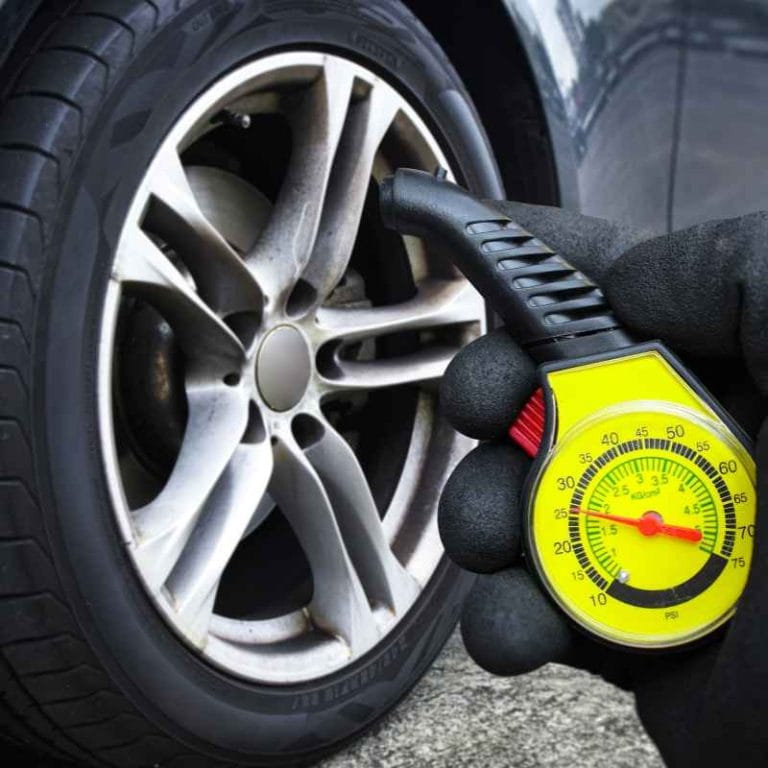
- Check air pressure monthly using a reliable gauge.
- Inspect tires for cuts, bulges, or embedded objects.
- Keep rims clean and free of dents or corrosion.
- Rotate tires regularly for even wear.
Regular inspections can identify small punctures or slow leaks before they become a serious problem. Cleaning the rims during tire changes or maintenance helps maintain a proper seal, while rotating tires extends their lifespan and improves performance.
Dealing With Punctures
- For small holes (up to 6mm), use a tubeless plug kit.
- For larger damage or sidewall cuts, have the tire professionally inspected and replaced if necessary.
- Avoid driving long distances on a repaired tire without a proper patch.
If you’re unsure about a repair, consult a professional. Some punctures, especially those near the sidewall or shoulder, can compromise the tire’s structural integrity and should not be patched.
Sealants And Their Use
Some tubeless tires come pre-filled with sealant, which can automatically seal small punctures. Aftermarket sealants are also available but should be used as a temporary fix, as they can affect tire balance.
For regular use, especially in performance or high-speed applications, it’s best to have punctures professionally repaired and to avoid over-reliance on sealants, as they can mask larger issues or interfere with the tire pressure monitoring system (TPMS).
When To Replace Tubeless Tires
Replace your tires when:
- Tread depth is below 2/32 inch (1.6mm).
- There are irreparable cuts, bulges, or visible cords.
- The tire is more than 6–10 years old, regardless of appearance.
Proper disposal and recycling of old tires help minimize environmental impact. Many tire shops participate in recycling programs, ensuring tires are processed responsibly.
The Future Of Tubeless Tire Technology
Advances In Materials
Tire manufacturers are experimenting with advanced polymers, silica compounds, and nano-materials to create even lighter, stronger, and more efficient tubeless tires (Michelin Group).
These innovations are leading to tires that offer lower rolling resistance, improved wet and dry grip, and longer service life. Nano-materials, in particular, are being used to reinforce the rubber matrix at the molecular level, providing significant gains in strength without adding weight.
Integration With Smart Technology
Some tubeless tires now include built-in sensors to monitor air pressure, temperature, and tread wear, connecting directly to the vehicle’s onboard systems or smartphone apps.
These Tire Pressure Monitoring Systems (TPMS) enhance safety by alerting drivers to low pressure or other issues before they become critical. Future developments may include predictive analytics, where tire wear and performance data are used to schedule maintenance proactively.
Run-flat And Self-sealing Designs
Run-flat tubeless tires allow you to drive safely for up to 50 miles after a puncture—eliminating the need for a spare in many vehicles. New self-sealing tires use advanced liners and compounds to automatically close punctures up to 5mm wide.
Run-flat technology uses reinforced sidewalls or internal supports to maintain tire shape and support the vehicle even after complete air loss. This feature is becoming standard in many new vehicles, further improving convenience and safety.
Sustainability And Recycling
Manufacturers are investing in recycling programs and eco-friendly materials, reducing the environmental impact of tire production and disposal (Bridgestone).
For example, some companies are using recovered carbon black, recycled steel, and plant-derived oils in new tire production. These initiatives reduce dependence on fossil fuels, lower greenhouse gas emissions, and support a circular economy.
Widespread Adoption In All Vehicle Types
While passenger cars led the adoption of tubeless technology, it is now becoming standard in trucks, motorcycles, bicycles, and even aircraft. This trend is expected to continue as technology advances and costs decrease.
In the cycling world, tubeless tires have become popular for both mountain and road bikes, offering similar benefits: fewer flats, better ride quality, and improved performance. In aviation, tubeless tires are used for their reliability and ability to withstand extreme conditions.
Case Studies And Real-world Impact
Case Study 1: Urban Commuters
A survey of New York City taxi drivers found that after switching to tubeless tires, incidents of flat tires per vehicle dropped from an average of 4.5 per year to just 1.2, saving each driver over $200 annually in repair costs and lost fares.
Additional benefits included reduced downtime and increased customer satisfaction, as drivers could complete more trips without unscheduled stops for tire repairs.
Case Study 2: Ride-sharing Fleets
A major ride-sharing company piloted a transition to tubeless tires across 1,000 vehicles in San Francisco. The result: a 22% reduction in roadside assistance calls and a 12% improvement in average tire lifespan over 18 months.
These results have encouraged many fleet operators to adopt tubeless tires as standard, citing not only financial gains but also improved safety records and more consistent service delivery.
Case Study 3: Highway Safety
A 2026 report from the European Tyre and Rim Technical Organisation (ETRTO) found that European passenger vehicles using tubeless tires had a 50% lower incidence of high-speed tire failures compared to similar vehicles with tube-type tires (ETRTO).
The study highlighted the importance of gradual air loss in preventing accidents and the role of tubeless tires in supporting the EU’s ambitious road safety targets.
Data Table: Tire Failure Rates
| Year | Tube-Type Tire Failures (per 100,000 vehicles) | Tubeless Tire Failures (per 100,000 vehicles) | Reduction (%) |
|---|---|---|---|
| 2000 | 310 | 205 | 33.9% |
| 2010 | 265 | 112 | 57.7% |
| 2020 | 180 | 71 | 60.6% |
Lessons Learned
- Fleets and individuals alike report lower costs, fewer emergencies, and improved safety after adopting tubeless tires.
- The shift has been especially beneficial in high-mileage and commercial settings.
- These real-world results reinforce the data-driven case for tubeless technology as an industry standard.
Frequently Asked Questions
What Is The Main Difference Between Tubeless And Tube-type Tires?
The main difference is that tubeless tires do not require an inner tube. Instead, they create an airtight seal directly between the tire bead and the rim, holding air inside the tire itself. Tube-type tires, in contrast, use a separate rubber tube to retain air, which can be more prone to punctures and sudden deflation.
Can I Convert My Old Tube-type Wheels To Tubeless Tires?
In many cases, yes, but it depends on the design of your wheels. Some older steel or alloy rims may not have the proper bead seat or airtight surface required for tubeless tires. Specialized rim strips, sealants, or professional machining may be needed. Consult your mechanic or refer to the vehicle manufacturer’s guidelines before attempting a conversion.
Are Tubeless Tires Suitable For All Driving Conditions?
Modern tubeless tires are engineered for a wide range of conditions, including highway, off-road, wet, and snowy environments. Specialty tubeless tires exist for performance, all-season, and extreme off-road use. Always choose the tire that matches your typical driving environment and vehicle requirements.
How Do I Repair A Punctured Tubeless Tire?
For small punctures (less than 6mm), use a tubeless plug kit to seal the hole from the outside. For larger or sidewall punctures, the tire should be professionally inspected and patched from the inside or replaced. Carrying a portable air compressor and plug kit can help you address most punctures on the road.
Do Tubeless Tires Really Improve Fuel Economy?
Yes. Because tubeless tires have lower rolling resistance and run cooler than tube-type tires, they can improve fuel efficiency by 2–5% depending on driving style and road conditions. Over the lifetime of a vehicle, this translates into noticeable savings.
As automotive technology continues to advance, the shift to tubeless tires stands out as a clear win for drivers, manufacturers, and the environment. By offering improved safety, better performance, simpler maintenance, and lower long-term costs, tubeless tires have redefined what drivers expect from their vehicles. If you’re considering an upgrade or simply want to understand the technology keeping you safe on the road, the evidence is clear: tubeless is the present—and the future—of car tires.
Products related to this article
Sponsored / affiliate links. As an Amazon Associate I earn from qualifying purchases. I may earn additional commission from eligible campaigns.