Do Car Tires Cause Pollution? The Environmental Truth
Every time you drive, your tires touch the road, gripping the asphalt and carrying you forward. But beneath this everyday act lies an uncomfortable environmental truth: car tires are a hidden source of pollution. For decades, attention has focused on tailpipe emissions, yet mounting scientific evidence reveals that tire wear releases a cocktail of microplastics, chemicals, and heavy metals into the air, water, and soil. As urbanization surges and vehicle fleets grow worldwide, the environmental impact of tires is no longer something we can afford to overlook.
This article peels back the layers on how and why car tires pollute, quantifies their contribution to environmental degradation, and compares their impact to other sources of automotive pollution. We’ll examine the latest scientific research, real-world case studies, and ongoing regulatory responses.
Whether you’re a motorist, policymaker, or eco-conscious citizen, understanding the environmental footprint of car tires is essential for making informed choices and advocating for a cleaner future.
Key Takeaways
- Car tires are a significant source of microplastic pollution, rivaling or even surpassing tailpipe emissions in some regions.
- Tire wear particles contain toxic chemicals and heavy metals that contaminate air, water, and soil, impacting human and ecosystem health.
- Electric vehicles (EVs) may worsen tire pollution due to their heavier weight, despite eliminating tailpipe emissions.
- New tire technologies and regulations are emerging to address the environmental impact, but widespread adoption is still in progress.
- Consumers can reduce tire pollution through driving habits, tire selection, and maintenance, but systemic change is needed for large-scale impact.
The Science Of Tire Pollution
How Tires Wear And Pollute
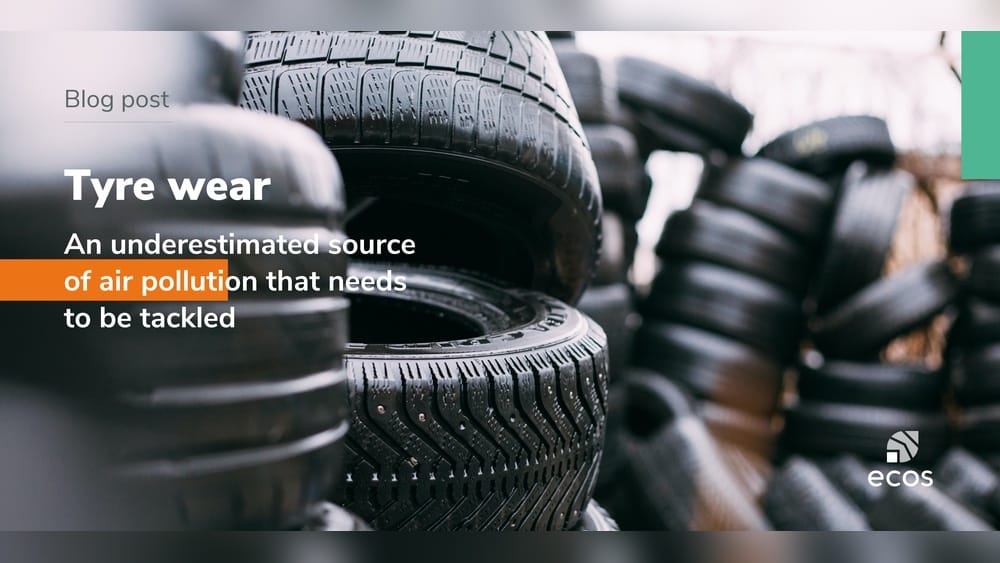
Every time a tire rolls, accelerates, brakes, or turns, it loses small fragments from its tread. These tire wear particles are generated by friction with the road surface. Composed of rubber polymers, synthetic compounds, and embedded chemicals, these particles range in size from visible debris to microscopic dust invisible to the naked eye.
The average passenger car tire loses around 1.5 kilograms (3.3 pounds) of tread over its lifetime. Globally, this equates to millions of tons of tire wear particles released annually. According to a 2017 study published in the journal *Nature Communications*, tire and road wear particles (TRWP) account for approximately 28% of primary microplastics entering the world’s oceans (Nature).
The process of tire wear is influenced by numerous factors, including road texture, vehicle speed, temperature, tire composition, and driving style. Hard braking, rapid acceleration, and aggressive cornering can accelerate tread loss, while smoother driving habits reduce it. Commercial vehicles, which are heavier and travel more miles, tend to shed even more particles, amplifying their environmental impact.
Additionally, the presence of abrasive road materials (such as sand or gravel) can exacerbate tire wear rates, leading to higher microplastic release in certain regions.
Chemical Composition Of Tire Particles
Modern tires are an amalgam of natural rubber, synthetic polymers (like styrene-butadiene rubber), reinforcing agents (carbon black, silica), plasticizers, vulcanizing agents (sulfur compounds), and various additives. Tire wear particles thus contain:
- Microplastics (synthetic polymers)
- Heavy metals (zinc, lead, cadmium)
- Carcinogenic chemicals (polycyclic aromatic hydrocarbons, or PAHs)
- Antioxidants and accelerators (used in manufacturing)
These substances are persistent in the environment and can be toxic to aquatic life, soil organisms, and humans.
The complexity of tire chemistry means that the environmental and health effects of tire particles depend not only on their physical size but also on their chemical makeup. For example, the antioxidant 6PPD, widely used to prolong tire life and performance, reacts in the environment to form 6PPD-quinone—a chemical now linked to acute toxicity in fish species.
Meanwhile, zinc, essential for vulcanization, leaches from tire particles and accumulates in aquatic systems, where it can disrupt reproductive cycles in aquatic life.
Pathways Into The Environment
Tire-derived pollution enters the environment via several routes:
- Airborne dispersion: Fine tire dust is suspended in the air and inhaled by humans and animals.
- Runoff: Rain washes tire particles from roads into storm drains, rivers, and eventually oceans.
- Soil deposition: Particles settle on roadside soil, affecting microorganisms and plant life.
A 2020 study by the International Union for Conservation of Nature (IUCN) estimated that road runoff is the single largest source of marine microplastics, with tire wear responsible for over 1 million tons of microplastics annually (IUCN).
Once in the environment, these particles can travel vast distances. Airborne tire dust can be transported by wind, contaminating regions far from roadways, including agricultural fields and even remote wilderness areas. In urban areas, impervious surfaces and dense infrastructure facilitate rapid runoff of particles into stormwater systems, leading to concentrated pulses of microplastic pollution during heavy rains.
Furthermore, tire wear particles can settle onto vegetation, where they may be ingested by grazing animals, entering terrestrial food chains.
Health And Ecological Risks
Exposure to tire-derived microplastics and chemicals poses risks such as:
- Respiratory diseases from inhaling fine particles
- Bioaccumulation of toxins in aquatic and terrestrial food chains
- Reduced soil fertility and altered microbial activity
- Toxicity to fish and amphibians due to leached chemicals
Evidence continues to mount that tire pollution is a global, multisectoral environmental health issue.
Recent laboratory studies have shown that even at low concentrations, tire leachates can disrupt hormone production in aquatic animals, impair neurological development, and reduce reproductive success. In terrestrial environments, chronic exposure to tire particles has been associated with stunted plant growth and lower crop yields, raising concerns about food security in areas near major roadways.
Human health impacts are still being elucidated, but the inhalation of ultrafine tire particles is suspected to contribute to chronic respiratory conditions, particularly in children and vulnerable populations living near busy roads.
Credit: www.btpm.org
Quantifying The Scale Of Tire Pollution
Global Tire Wear Emissions: By The Numbers
To grasp the true scale of tire pollution, consider these statistics:
- An estimated 6.1 million metric tons of tire wear particles are emitted globally each year (OECD).
- In the European Union, tire and brake wear contribute more than 50% of all microplastics released into the environment.
- In the United States, the San Francisco Bay study found that tire particles account for approximately 7,000 tons of microplastics deposited annually in the Bay Area (San Francisco Estuary Institute).
To put this into perspective, every major city with a dense vehicle population is likely to be a hotspot for tire-derived microplastic emissions. The cumulative effect of millions of vehicles, each shedding grams of tread with every journey, leads to substantial and chronic loading of local and regional environments with tire particles.
Regional Hotspots
Urban areas with high vehicle density generate disproportionately large amounts of tire pollution. For example, Los Angeles and London have recorded high concentrations of airborne tire dust in roadside air samples.
In rapidly developing countries, the problem is compounded by increasing rates of car ownership and less stringent environmental controls. Major Asian cities, including Beijing, Mumbai, and Jakarta, are witnessing a surge in microplastic pollution, with tire wear identified as a leading source.
In coastal cities, this pollution can be especially damaging, as stormwater systems discharge directly into sensitive marine environments, threatening fisheries and biodiversity hotspots.
Comparison: Tire Vs. Tailpipe Emissions
Electric vehicles (EVs) offer a zero tailpipe emissions advantage, but their heavier batteries increase tire wear. Studies show:
- EVs produce up to 20% more tire wear particles than comparable internal combustion vehicles.
- In some cities, tire and brake dust now exceed tailpipe emissions as the dominant source of particulate pollution.
As emission standards for engines become more stringent, the relative contribution of non-exhaust sources (tires, brakes, road surface) increases, reshaping our understanding of urban air pollution and the strategies needed to address it.
Table: Tire Pollution Vs. Tailpipe Emissions
| Pollution Source | Type of Pollutant | Annual Global Emissions (Million Tons) | Key Health/Environmental Impact |
|---|---|---|---|
| Tire Wear | Microplastics, chemicals, heavy metals | 6.1 | Soil, water, air contamination; toxicity |
| Tailpipe (PM2.5) | Particulate matter, gases | 3.3 | Respiratory diseases, smog, climate change |
| Brake Dust | Metals, particulates | 1.4 | Air pollution, toxicity |
Real-world Example: The San Francisco Bay Microplastics Study
The San Francisco Estuary Institute (SFEI) analyzed microplastics in the Bay Area and found that tire particles made up nearly 50% of all detected microplastics in stormwater. The study highlighted tire wear as the single largest source of microplastic pollution to the Bay, surpassing synthetic fibers and plastic packaging.
This research prompted local policymakers to consider new strategies for stormwater management and highlighted the pressing need for source control. The findings also influenced other municipalities to initiate similar investigations, revealing that tire particles are a dominant microplastic contaminant in urban watersheds worldwide.
Case Study: Norway’s Roadside Soil Contamination
A Norwegian study found that roadside soils contained zinc concentrations up to 100 times higher than background levels due to tire wear. Elevated zinc is toxic to plants and aquatic organisms, illustrating the far-reaching impact of tire-derived pollution on ecosystems.
Follow-up studies in other European countries have confirmed that tire particles persist in soils for years, where they can migrate deeper through the action of earthworms and burrowing animals, potentially contaminating groundwater. The long-term ecological consequences of this contamination are only beginning to be understood, but early evidence suggests that it can fundamentally alter soil chemistry, microbial communities, and plant health.
Credit: www.performanceplustire.com
How Tire Pollution Affects Air, Water, And Soil
Airborne Tire Particles
Tire wear produces ultrafine particles (<2.5 microns) that can remain suspended in the air for days. These particles are easily inhaled, penetrating deep into the lungs and entering the bloodstream. Research links airborne tire dust to:
- Asthma and bronchitis
- Increased risk of cardiovascular disease
- Premature mortality in urban populations
A 2026 study by Imperial College London found that tire and brake dust contribute up to 60% of airborne particulate pollution near busy roads (Imperial College London).
The health impacts of inhaling tire particles are particularly severe for children, the elderly, and those with pre-existing respiratory conditions. Furthermore, tire dust often co-occurs with other urban air pollutants, potentially compounding health risks through synergistic effects. In some cities, public health authorities have begun monitoring non-exhaust emissions more closely, recognizing that traditional air quality management strategies focused solely on tailpipe controls are insufficient.
Waterway Contamination
Tire particles washed into storm drains eventually reach rivers and oceans. In aquatic environments, these microplastics:
- Are ingested by fish and invertebrates, causing physical and chemical harm
- Leach toxic chemicals, disrupting reproduction and growth
- Accumulate in sediments, impacting benthic organisms
A 2020 investigation in Puget Sound, Washington, identified tire-derived chemicals as the cause of mass die-offs of coho salmon, demonstrating acute toxicity at environmental concentrations.
In addition to direct toxicity, tire particles can act as vectors for other pollutants, such as persistent organic pollutants (POPs) and heavy metals, which adsorb to the surface of microplastics. This increases the bioavailability of these contaminants to aquatic organisms and may facilitate their movement up the food chain, ultimately reaching humans through seafood consumption.
Soil And Terrestrial Impacts
Tire debris accumulates in roadside soils, where:
- Zinc and PAHs inhibit plant growth and seed germination
- Soil microbial activity is disrupted, reducing fertility
- Earthworms and insects are harmed by chronic exposure
Soils in agricultural areas adjacent to busy roads are at particular risk, with studies documenting reduced yields and altered nutrient cycling. Over time, tire-derived microplastics can persist in soils, fragment further, and interact with other pollutants, creating complex and poorly understood risks to terrestrial ecosystems.
Table: Environmental Pathways And Effects Of Tire Pollution
| Environmental Medium | Main Pollutants | Key Impacts | Example |
|---|---|---|---|
| Air | Microplastics, fine particles | Respiratory disease, smog | Urban particulate hotspots |
| Water | Microplastics, toxic leachates | Fish kills, ecosystem disruption | Puget Sound salmon die-off |
| Soil | Zinc, PAHs, particles | Reduced fertility, plant toxicity | Norwegian roadside soils |
Case Study: Urban Air Quality In London
In central London, monitoring stations recorded tire and brake dust as the largest source of PM2.5 particulates during periods of low vehicle exhaust emissions (e.g., during COVID-19 lockdowns). This finding challenges assumptions that cleaner engines alone can solve urban air pollution.
This phenomenon has also been observed in other cities that have implemented low-emission zones or congestion charges. As tailpipe emissions decrease, non-exhaust sources become more prominent in air quality measurements, highlighting the need for integrated pollution control strategies that address all vehicle-related emissions.

Credit: www.sciencedirect.com
Comparing Tire Pollution To Other Automotive Sources
Tire Wear Vs. Brake Dust
Both tire and brake wear generate non-exhaust emissions. While brake dust contains high levels of metals (copper, iron, antimony), tire dust contributes more total mass and is a dominant source of microplastics. In electric vehicles, regenerative braking reduces brake dust but not tire wear.
Importantly, brake dust is being partly mitigated by the adoption of regenerative braking in EVs, but as vehicles become heavier, the pressure on tires increases, leading to higher rates of tire particle emission. This shift means that, moving forward, tire pollution could represent the single largest source of non-exhaust automotive emissions.
Tire Emissions Vs. Tailpipe Emissions
Historically, tailpipe emissions (CO2, NOx, PM2.5) have been the focus of regulatory controls. However, as exhaust emissions decrease due to cleaner engines and electrification, non-exhaust sources like tires are becoming the primary source of vehicular particulate pollution.
This transition is significant for policymakers and the automotive industry, as it requires a new regulatory focus and innovative solutions that go beyond the engine and fuel system. It also underscores the need for holistic approaches to vehicle design, including weight reduction, tire composition, and urban mobility planning.
Table: Non-exhaust Vs. Exhaust Emissions
| Pollutant Source | Regulatory Attention | Relative Environmental Impact | Trends (2020-2030) |
|---|---|---|---|
| Tailpipe Emissions | High | Climate, air quality | Decreasing |
| Tire Wear Particles | Low | Microplastics, toxicity | Increasing |
| Brake Wear Dust | Medium | Metals, particulates | Stable/Decreasing (EVs) |
Real-world Example: Electric Vehicles And Tire Emissions
A UK Department for Transport report found that electric vehicles (EVs), on average, emit 5-20% more tire particles than gasoline vehicles, due to increased weight. While EVs eliminate tailpipe pollution, their contribution to microplastic pollution is higher unless tire technology evolves.
This data has prompted automakers to invest in lightweight materials and advanced tire compounds specifically designed for EV applications. However, the widespread adoption of such innovations is still in its early stages.
Case Study: The California Department Of Toxic Substances Control
California regulators identified a specific tire chemical, 6PPD-quinone, as the culprit in widespread salmon deaths. This discovery prompted calls for new regulations targeting not just tailpipes, but also tire composition (California OEHHA).
Efforts to ban or restrict this chemical are ongoing, with tire manufacturers and regulatory agencies working together to identify safer alternatives that do not compromise tire performance or safety.
Emerging Solutions And Innovations
Advances In Tire Design
Tire manufacturers are developing low-emission tires with improved tread compounds and profiles that reduce wear. Innovations include:
- Silica-based treads for lower rolling resistance and reduced microplastic release
- Renewable materials (e.g., dandelion rubber) to replace synthetic polymers
- Wear sensors to alert drivers to excessive tread loss
Some companies are experimenting with “smart tires” that communicate real-time wear data to drivers or fleet managers, enabling proactive maintenance and replacement. Other research focuses on developing biodegradable tire materials that break down more easily in the environment, reducing the persistence of microplastics.
Regulation And Policy Response
Governments and regulatory bodies are beginning to address tire pollution:
- The European Union is developing standards for tire abrasion rates and microplastic emissions (European Commission).
- California is moving to ban or restrict harmful tire chemicals like 6PPD.
- OECD and UNEP are calling for international action on microplastics from tires.
These policy efforts are complemented by increased funding for research into tire pollution and incentives for manufacturers who develop cleaner, safer alternatives.
Capturing Tire Particles At The Source
Innovative start-ups are piloting tire wear particle capture devices that attach near wheels to collect microplastics before they disperse. Early field trials show up to 60% reduction in particle emissions.
Research teams are also exploring the integration of filtration systems into road surfaces and stormwater drains to intercept tire particles before they reach waterways. Such infrastructure upgrades could play a critical role in mitigating the environmental burden of tire wear, particularly in urban areas.
Real-world Example: The Tyre Collective (uk)
A London-based company, The Tyre Collective, has developed a prototype device that uses electrostatics to capture tire particles from spinning wheels. Their technology won the James Dyson Award in 2020 and is now being tested on commercial fleets.
The Tyre Collective’s approach demonstrates the potential for engineering solutions to dramatically reduce non-exhaust emissions. Their ongoing collaborations with fleet operators and municipalities aim to validate the effectiveness of this technology under real-world conditions and pave the way for broader adoption.
Consumer And Fleet Solutions
Fleet operators and consumers can help by:
- Selecting low-wear tires certified for reduced microplastic emissions
- Maintaining correct tire pressure to minimize abrasion
- Driving gently (avoiding hard acceleration, braking, and cornering)
Companies and organizations can also implement telematics and driver training programs to promote eco-driving, thereby reducing both operating costs and environmental impacts.
Table: Strategies For Reducing Tire Pollution
| Strategy | Potential Reduction in Tire Emissions | Adoption Status |
|---|---|---|
| Low-wear tire compounds | 10-30% | Emerging |
| Particle capture devices | Up to 60% | Pilot phase |
| Driving behavior modification | Up to 15% | Widely available |
| Policy and regulation | Variable | In development |
The Role Of Consumers And Industry
What Drivers Can Do
While systemic change is critical, individual actions matter. Drivers can:
- Check and maintain tire pressure monthly
- Rotate tires as recommended to ensure even wear
- Select eco-friendly or certified low-emission tires
- Recycle old tires at authorized collection points
Eco-driving habits, such as smooth acceleration and braking, also reduce tire wear.
Further, consumers can advocate for greater transparency from tire manufacturers regarding the environmental performance of their products. By choosing brands that publish independent test results or participate in eco-labeling schemes, drivers can reward industry leaders in sustainability.
Fleet And Corporate Initiatives
Logistics companies and transit authorities are piloting:
- Fleet-wide tire monitoring systems
- Bulk purchasing of low-wear tires
- Driver training programs focused on eco-driving
Some fleets are also experimenting with predictive maintenance powered by data analytics, using sensors to anticipate when tires will need replacement, thus minimizing unnecessary wear and maximizing resource efficiency.
Manufacturer Responsibility
Tire manufacturers are under growing pressure to:
- Disclose tire composition and emissions data
- Invest in sustainable materials and design
- Support tire recycling and circular economy initiatives
Collaboration across the automotive value chain, from raw material suppliers to vehicle manufacturers, is increasingly seen as essential for creating truly sustainable mobility solutions.
Real-world Example: Michelin’s Sustainable Tire Program
Michelin has pledged to use 80% sustainable materials in its tires by 2048, including bio-based rubber, recycled plastics, and renewable oils. The company is also working with partners to improve tire recycling rates (Michelin).
Other industry leaders are following suit, launching pilot programs to recover tire-derived materials and reintegrate them into new products, closing the loop and reducing the demand for virgin resources.
Policy, Regulation, And The Future Of Tire Pollution Control
Regulatory Trends
As awareness of tire pollution grows, policymakers are taking action:
- The EU’s REACH regulation is evaluating restrictions on microplastic emissions from tires.
- California’s Department of Toxic Substances Control is drafting new standards for tire chemical safety.
- The United Nations Environment Programme (UNEP) is advocating for global standards on microplastics (UNEP).
In addition to these efforts, national governments are funding research to develop standardized testing methods for tire wear and emissions, ensuring that new regulations are based on robust scientific evidence.
Extended Producer Responsibility (epr)
Some countries are introducing EPR schemes requiring tire manufacturers to:
- Fund tire recycling and cleanup programs
- Report on tire abrasion rates and emissions
- Innovate to reduce environmental impact
EPR is being adopted in countries such as France, Sweden, and Japan, where it has led to higher tire recycling rates and increased investment in pollution mitigation technologies.
Urban Planning And Infrastructure
Cities are investing in:
- Improved street sweeping to remove tire dust from roads
- Stormwater filtration systems to capture microplastics
- Green infrastructure (bioswales, rain gardens) that filter runoff
Urban planners are now considering non-exhaust emissions in the design of new transportation corridors, integrating features that slow runoff, capture particulates, and enhance urban biodiversity.
Research And Monitoring
Ongoing research is crucial to:
- Quantify tire-derived microplastics in various environments
- Assess long-term health and ecological risks
- Develop reliable testing methods for tire emissions
Academic and government labs are collaborating internationally to create open databases of tire emissions data, facilitating cross-border policy development and harmonization of standards.
Table: Policy Instruments For Tire Pollution Control
| Instrument | Description | Status |
|---|---|---|
| Microplastic emission standards | Limits on tire abrasion rates and emissions | Proposed/EU |
| Chemical safety regulations | Restrictions on toxic tire additives | California, EU |
| Extended Producer Responsibility | Manufacturer-funded recycling and cleanup | Selected countries |
| Urban runoff controls | Stormwater treatment for microplastics | Growing adoption |
Real-world Example: Eu Tire Abrasion Standard
The European Commission is developing a standard test to measure tire abrasion rates. The goal is to label and eventually restrict high-emission tires, empowering consumers and incentivizing innovation (European Commission).
Once implemented, this policy is expected to drive rapid improvement in tire technology and provide a model for other regions seeking to control microplastic pollution at the source.
Frequently Asked Questions
What Are Tire Wear Particles Made Of?
Tire wear particles are a mix of synthetic polymers (like styrene-butadiene rubber), natural rubber, fillers (carbon black, silica), heavy metals (zinc, lead), and various chemicals (antioxidants, vulcanizers, stabilizers). They are classified as microplastics if under 5mm in size and often contain compounds toxic to both humans and wildlife.
How Much Microplastic Pollution Do Car Tires Generate?
Globally, car tires are estimated to release about 6.1 million metric tons of microplastics each year. This accounts for up to 28% of all primary microplastic emissions to the environment, making tires one of the single largest sources of microplastics in oceans and waterways.
Are Electric Vehicles Better For Tire Pollution?
While electric vehicles (EVs) eliminate tailpipe emissions, their heavier weight can lead to increased tire wear—up to 20% more than comparable gasoline vehicles. Unless tire technology improves, EVs may worsen microplastic pollution from tire wear.
Can Tire Pollution Be Reduced By Better Driving Habits?
Yes. Maintaining correct tire pressure, smooth acceleration and braking, and regular tire rotation can reduce tire wear by up to 15%. Choosing low-emission tires and recycling old ones also helps, but systemic solutions are needed for large-scale impact.
Is There Any Legislation To Control Tire Pollution?
Several regions are taking action. The European Union is developing standards for tire abrasion and microplastic emissions. California is regulating harmful tire chemicals. Other countries are considering Extended Producer Responsibility (EPR) schemes and urban runoff controls to address the issue.
The environmental impact of car tires is a silent crisis, but public awareness, innovation, and policy are catching up. As our understanding deepens, it’s clear that tackling tire pollution is essential for the health of our air, water, and future generations.
With informed choices, responsible industry action, and smart regulation, we can roll toward a cleaner, safer world—one tire at a time.
Products related to this article
Sponsored / affiliate links. As an Amazon Associate I earn from qualifying purchases. I may earn additional commission from eligible campaigns.