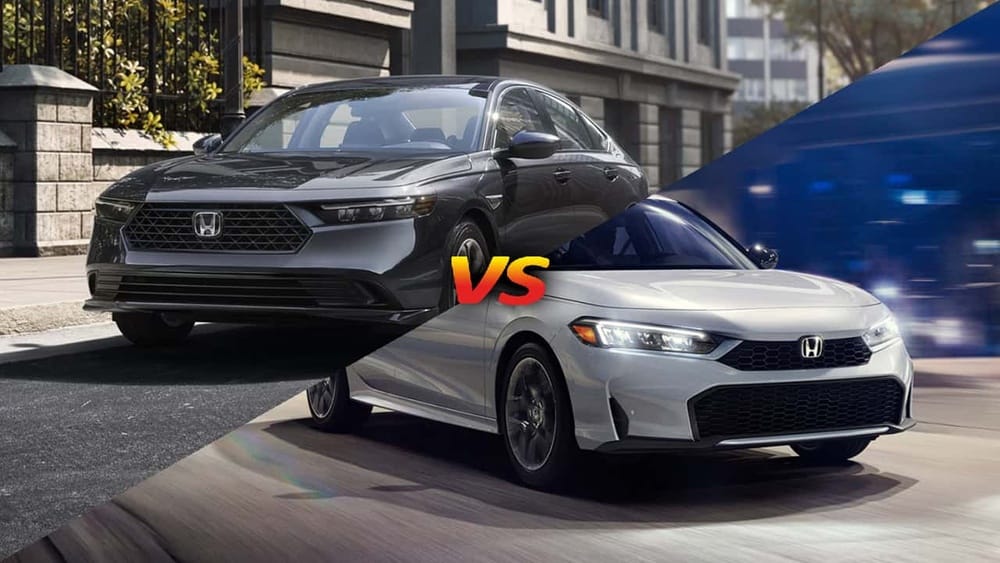
Which Vehicle Is Better for Your Needs? How to Decide
Choosing the right vehicle is a decision that shapes your daily life, finances, and even your sense of freedom. Whether you’re a first-time buyer or considering an upgrade, aligning your choice with your needs is crucial. From the daily commute to weekend adventures, the vehicle you select should match your lifestyle, budget, and long-term goals.
Today’s automotive market offers a dizzying array of options, sedans, SUVs, trucks, hybrids, and electric vehicles, each with unique strengths and trade-offs.
Consumers are increasingly savvy, seeking not just style or horsepower but also fuel efficiency, safety, tech features, and environmental impact. According to the Bureau of Transportation Statistics, over 91% of households in the US own at least one vehicle, highlighting the importance of making an informed choice. This guide breaks down the key factors, provides real-world examples, and helps you compare options with actionable insights and data. By the end, you’ll be equipped to confidently answer the question: Which vehicle is better for your needs?
Key Takeaways
- Assess your lifestyle: Match vehicle type to your specific daily and long-term needs.
- Consider total costs: Evaluate upfront price, fuel efficiency, insurance, and maintenance.
- Safety and reliability: Prioritize proven safety features and reliability ratings.
- Technology and comfort: Decide which features matter most for driving enjoyment.
- Environmental impact: Compare fuel types and emissions for greener choices.
- Test drive and research: Always test vehicles and consult authoritative sources before finalizing.

Credit: spotmv.com
Understanding Your Needs: What Matters Most?
The first step in choosing the right vehicle is identifying your primary needs. This ensures your choice won’t lead to buyer’s remorse or unnecessary costs.
Daily Commute Vs. Occasional Use
Consider how you’ll use your vehicle:
- Short urban commutes: Compact cars or hybrids are ideal for city driving, offering easy parking and better fuel economy.
- Long-distance travel: Sedans and SUVs with comfortable seating and advanced cruise control features excel on highways.
- Occasional use: If your vehicle is for weekends or special occasions, prioritize storage and flexibility.
Example: In my experience, driving a compact car in a congested city saved me hundreds annually on parking and fuel, while a friend who commuted 60 miles daily opted for a hybrid sedan for its efficiency.
Family Size And Passenger Needs
- Solo drivers: Smaller vehicles like coupes or hatchbacks offer agility and lower costs.
- Families: SUVs, minivans, or crossovers provide space for children, pets, and gear.
- Carpooling or frequent guests: Look for models with extra seating and easy access.
Pro Tip: Always check rear seat space and cargo volume when shopping, especially if you routinely carry passengers or equipment.
Lifestyle And Activities
Your hobbies and daily activities should influence your choice:
- Outdoor enthusiasts: Trucks and SUVs with all-wheel drive and roof racks are ideal.
- Urban professionals: Sedans or electric vehicles (EVs) match city living and professional needs.
- Small business owners: Pickup trucks or vans offer utility and payload capacity.
Accessibility And Comfort
- Height and mobility considerations: Ensure ease of entry/exit and seat adjustability.
- Long-distance comfort: Features like lumbar support, heated seats, and climate control can make a big difference.
Comparing Vehicle Types: Pros, Cons, And Use Cases
Modern vehicles fall into several broad categories, each with distinct advantages and limitations. Let’s break down the most popular types.
| Vehicle Type | Pros | Cons | Ideal Use Case |
|---|---|---|---|
| Sedan | Fuel efficient, affordable, comfortable ride | Limited cargo space, not for rough terrain | Commuters, small families |
| SUV | Spacious, versatile, good for all weather | Lower fuel economy, higher price | Large families, outdoor activities |
| Truck | High payload/towing, rugged | Poor fuel efficiency, bulky | Work, hauling, rural areas |
| Minivan | Best for families, sliding doors | Less stylish, lower resale value | Large families, road trips |
| Hybrid/EV | Low emissions, high efficiency | Range limits, charging infrastructure | Eco-conscious, urban commuters |
| Coupe/Hatchback | Agile, affordable, easy parking | Limited space, not ideal for families | Solo drivers, city dwellers |
Sedans
Sedans remain popular for their fuel efficiency, lower cost, and comfortable ride. With options ranging from compact to full-size, they fit most commuters and small families. Brands like Toyota, Honda, and Hyundai consistently receive high reliability scores.
Suvs
SUVs offer versatility, elevated driving position, and ample space. They’re favored by families and those needing extra cargo room. However, their fuel economy tends to lag, and insurance premiums are often higher.
Trucks
For those needing towing capacity and ruggedness, trucks shine. Pickup models like the Ford F-150 or Chevrolet Silverado are staples for construction, farming, and outdoor recreation. But trucks can be challenging in urban settings due to their size.
Minivans
Minivans are the ultimate family haulers, with easy access, flexible seating, and high safety ratings. Models like the Honda Odyssey or Chrysler Pacifica excel in convenience but may lack the style appeal of SUVs.
Hybrids And Electric Vehicles
Hybrid and EV options are expanding rapidly. They’re ideal for eco-conscious buyers, offering lower emissions and reduced fuel costs. As of 2026, EVs accounted for 7.6% of new vehicle sales in the US (DOE source). Charging infrastructure is improving, but range and upfront cost remain concerns.
Coupes And Hatchbacks
For those prioritizing agility and affordability, coupes and hatchbacks are excellent. Their compact size makes parking and city driving easy, but space limitations may be a deal-breaker for families.

Credit: teckwrap.com
Evaluating Total Cost Of Ownership
Choosing a vehicle involves more than the sticker price. Understanding the total cost of ownership (TCO) helps prevent unpleasant surprises.
Purchase Price And Financing
- New vehicles: Typically come with warranties and the latest features, but depreciate faster.
- Used vehicles: Lower upfront cost, slower depreciation, but may require more maintenance.
- Financing options: Compare loan rates, terms, and incentives.
Example: A new sedan costing $25,000 will lose about 20% of its value in the first year, while a three-year-old model may retain more value and cost less.
Fuel Economy And Energy Costs
Fuel efficiency is a major factor:
- Gasoline vehicles: Average 25-30 mpg for sedans, 18-24 mpg for SUVs.
- Hybrids: Often exceed 40 mpg.
- EVs: Cost less per mile, but require access to charging.
| Vehicle Type | Average MPG/MPGe | Annual Fuel/Energy Cost |
|---|---|---|
| Gas Sedan | 28 | $1,500 |
| SUV | 21 | $2,100 |
| Hybrid | 45 | $900 |
| EV | 100 (MPGe) | $650 |
Pro Tip: Use the EPA’s Fuel Economy Guide to estimate your annual costs.
Insurance, Maintenance, And Repairs
- Insurance: Rates depend on vehicle type, safety ratings, and location.
- Maintenance: Hybrids and EVs require less routine service; trucks and luxury cars cost more to maintain.
- Repairs: Consider reliability scores and warranty coverage.
Warning: Luxury vehicles and performance cars often incur higher repair costs due to specialized parts.
Depreciation
Depreciation affects resale value. Models from brands like Toyota, Honda, and Subaru typically hold value better than luxury or niche vehicles.

Credit: world.edu
Safety And Reliability Considerations
Safety and reliability are paramount, especially for families and daily drivers. Use data-driven ratings from sources like the National Highway Traffic Safety Administration (NHTSA) and Consumer Reports.
Safety Features And Ratings
Modern vehicles offer advanced safety:
- Airbags, anti-lock brakes, and stability control are standard.
- Driver-assist tech: Adaptive cruise control, lane-keeping, blind-spot monitoring.
- Crash test ratings: Check NHTSA and IIHS scores.
Example: The Honda CR-V consistently earns top marks for safety, making it a favorite among families.
Reliability Scores
Reliability impacts long-term costs and convenience:
- Consumer Reports publishes annual rankings based on owner surveys.
- Brands with strong reliability: Toyota, Lexus, Honda, Mazda.
- Avoid models with frequent recalls or poor ratings.
Recalls And Warranty Coverage
- Recalls: Check the NHTSA database for issues.
- Warranty: New cars typically offer 3-5 years of coverage; extended warranties add peace of mind.
Child Safety And Accessibility
For families, consider:
- LATCH systems for child seats.
- Rear-door child locks and easy access.
- Minivans and SUVs often feature built-in boosters and sliding doors.
Technology, Comfort, And Features
The modern vehicle is as much about convenience and connectivity as transportation.
Infotainment And Connectivity
- Touchscreen displays, Apple CarPlay, Android Auto, and Bluetooth are common.
- Navigation systems: Integrated GPS and real-time traffic.
- Premium audio: Upgrade options for music lovers.
Example: The Ford Escape’s SYNC 4 infotainment system offers seamless smartphone integration and voice control.
Driver Assistance And Automation
- Adaptive cruise control: Maintains safe distance on highways.
- Lane-keeping assistance: Warns or corrects drifting.
- Parking aids: Cameras, sensors, and automated parking.
Pro Tip: Test features during a demo drive, user interfaces vary greatly.
Interior Comfort
- Seating: Heated, ventilated, power-adjustable options.
- Climate control: Dual or tri-zone for personalized comfort.
- Material quality: Leather, soft-touch plastics, and build quality.
Cargo And Storage Solutions
- Flexible seating: Split-fold seats, stow-and-go systems.
- Trunk/cargo space: Measure for your needs, sports gear, strollers, groceries.
Environmental Impact: Fuel, Emissions, And Sustainability
Consumers are increasingly aware of the environmental footprint of their vehicles.
Fuel Types And Emissions
- Gasoline: Highest CO₂ emissions.
- Diesel: Slightly lower CO₂, but higher particulates.
- Hybrid: Reduced emissions, improved efficiency.
- EVs: Zero tailpipe emissions; overall impact depends on electricity source.
According to the EPA, switching from a gas sedan to an EV reduces annual CO₂ emissions by up to 4.6 metric tons (EPA source).
Sustainability Initiatives
- Recycled materials: Many brands incorporate eco-friendly materials.
- Battery recycling: Growing infrastructure for EV battery reuse.
- Efficient manufacturing: Automakers reduce water and energy consumption.
Example: Toyota’s Prius, a hybrid pioneer, uses recycled plastics and efficient manufacturing.
Government Incentives
- Tax credits: Up to $7,500 for qualifying EVs.
- State/local rebates: Additional savings for green vehicles.
Charging And Infrastructure
- EV charging stations: Rapidly expanding, but coverage varies by region.
- Home charging: Requires installation; costs range from $500-$2,000.
Warning: Rural areas may lack sufficient EV charging infrastructure, plan accordingly.
Test Driving And Research: Making The Final Decision
Never purchase a vehicle without thorough research and a test drive. This step validates your choice and exposes any deal-breakers.
Test Drive Tips
- Drive in varied conditions: Highway, city, rough roads.
- Test all features: Infotainment, safety, seating.
- Evaluate visibility, comfort, and handling.
Pro Tip: Bring a friend or family member for a second opinion.
Comparing Models And Trim Levels
- Research reviews: Use sites like Edmunds, Kelley Blue Book, and Consumer Reports.
- Compare trims: Features and price differences can be significant.
- Check incentives: Dealer and manufacturer offers may affect your decision.
Negotiating And Finalizing
- Price negotiation: Don’t hesitate to ask for better terms.
- Inspection and paperwork: For used vehicles, always request a mechanical inspection and review history.
Real-world Case Study
Example: A family of four compared the Toyota RAV4, Honda CR-V, and Subaru Forester. After test driving all three, they chose the CR-V for its superior rear-seat comfort and higher reliability rating, despite the RAV4’s slightly lower price.
Real-world Examples: How Different Needs Lead To Different Choices
Understanding how others have matched vehicles to their needs can offer valuable perspective.
Urban Commuter
Example: Alex, a city-based software engineer, chose a Toyota Corolla Hybrid. Low fuel costs, compact size for parking, and advanced safety tech made it ideal. He reported saving $800/year in fuel versus his previous SUV.
Outdoor Family
Example: The Johnsons, an active family of five, selected a Subaru Outback. Its all-wheel drive, spacious cargo area, and roof rails supported their hiking and camping lifestyle. Reliability and safety were key factors.
Small Business Owner
Example: Maria, who runs a landscaping service, opted for a Ford F-150. The payload capacity and towing features enabled her to transport equipment efficiently, while the crew cab provided comfortable seating for her team.
Frequently Asked Questions
What Is The Best Vehicle Type For A Growing Family?
The best vehicle for a growing family typically offers flexible seating, ample cargo space, and high safety ratings. Minivans and midsize SUVs are often preferred due to their sliding doors, child seat compatibility, and accessible rear seating. Look for models with strong crash test scores and integrated child safety features.
How Do I Estimate The Real Cost Of Owning A Vehicle?
To estimate real ownership costs, factor in purchase price, financing, insurance, fuel or energy expenses, routine maintenance, major repairs, and depreciation. Tools like Edmunds’ TCO calculator can help you compare different models and project expenses over five years. Don’t forget to include registration and taxes.
Are Electric Vehicles Practical For Rural Areas?
EVs are practical in rural areas only if charging infrastructure is accessible. While EVs offer low operating costs and reduced emissions, limited public chargers and longer travel distances may be challenges. Consider home charging installation and check local EV adoption rates before deciding.
What Are Key Factors To Check During A Test Drive?
During a test drive, assess comfort and visibility, handling on both highways and city streets, ease of using infotainment and safety features, and overall ride quality. Test acceleration, braking, and parking in real-world conditions. Listen for unusual sounds and evaluate passenger space if you regularly carry others.
How Can I Ensure My Vehicle Remains Reliable Long-term?
To ensure long-term reliability, follow manufacturer-recommended maintenance schedules, use quality parts and fluids, and address small issues promptly. Choose models with high reliability ratings and strong warranty coverage. Regularly check recall databases and consider extended warranties if planning to keep the vehicle for many years.
Making the right vehicle choice is a blend of careful research, honest self-assessment, and practical testing. By considering your unique needs, evaluating total costs, prioritizing safety and comfort, and staying informed about environmental impacts, you can select a vehicle that enhances your life, not just your commute.
Remember, the best vehicle is the one that fits your lifestyle and budget while offering reliability, enjoyment, and peace of mind.
Products related to this article
Sponsored / affiliate links. As an Amazon Associate I earn from qualifying purchases. I may earn additional commission from eligible campaigns.