Best Vehicle Types for Every Driver
Choosing the right vehicle is more than just a purchase, it’s a reflection of your lifestyle, driving habits, and even your personality. From city commuters to off-road adventurers, every driver has unique needs that demand thoughtful consideration. The automotive market is brimming with diverse vehicle types, making it both exciting and overwhelming to find the perfect fit.
Whether you prioritize fuel efficiency, cargo space, tech features, or rugged durability, understanding the best vehicle categories can transform your driving experience.
This comprehensive guide explores the best vehicle types for every driver, drawing on real-world examples, expert opinions, and up-to-date data. We’ll analyze what sets each vehicle category apart, provide actionable recommendations for different driving profiles, and equip you with the knowledge to make an informed decision.
Whether you’re a daily commuter, a family chauffeur, or an adventure seeker, this article reveals which vehicles excel for your specific needs.
Key Takeaways
- Vehicle selection depends on lifestyle, driving habits, and budget; matching these factors optimizes satisfaction.
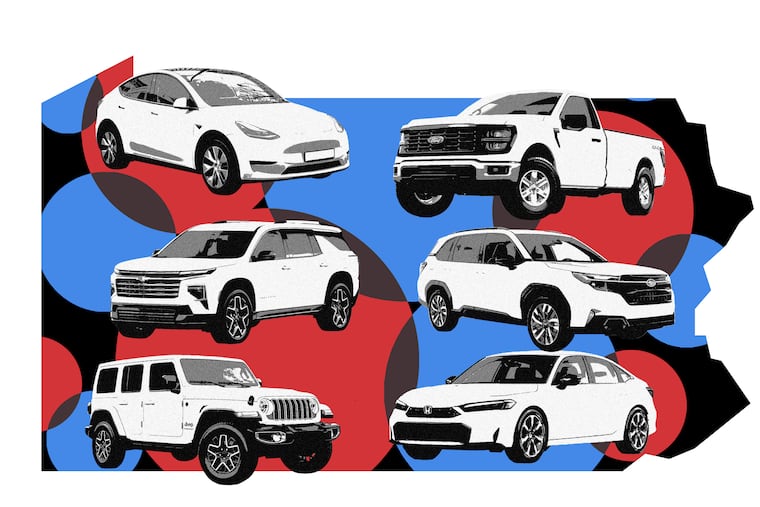
- Sedans are ideal for urban commuters, while SUVs and crossovers offer versatility for families and adventurers.
- Electric vehicles (EVs) and hybrids provide cost-effective, eco-friendly options but require charging access.
- Trucks and vans excel for towing, cargo, and commercial uses, while sports cars cater to enthusiasts seeking performance.
- Real-world examples and comparison tables illustrate how each vehicle type serves distinct driver needs.

Credit: boomset.com
The Versatile Sedan: Best For Urban Commuters
Sedans have long been the backbone of personal transportation, especially for urban environments. Their blend of affordability, fuel efficiency, and maneuverability makes them a top choice for city dwellers and daily commuters.
Affordability And Efficiency
Sedans typically offer lower purchase prices and maintenance costs compared to larger vehicles. According to Kelley Blue Book, the average new sedan price in 2026 was approximately $27,000, making it one of the most budget-friendly vehicle categories. Fuel efficiency is another hallmark; many compact and midsize sedans achieve over 30 mpg in combined city/highway driving, which is a significant advantage as gas prices fluctuate.
City-friendly Size And Handling
The compact footprint of sedans allows for easy parking and agile navigation through crowded streets. Their lighter weight translates into responsive handling, especially in tight urban settings. In my experience driving a midsize sedan through downtown Chicago, I found the maneuverability and visibility to be unmatched compared to bulkier vehicles.
Safety And Comfort Features
Modern sedans are equipped with advanced safety systems like automatic emergency braking, blind-spot monitoring, and adaptive cruise control. Comfort features, such as heated seats, dual-zone climate control, and infotainment systems, are increasingly standard even in entry-level models.
Real-world Example: Toyota Camry
The Toyota Camry stands out for its reliability, fuel economy (up to 39 mpg highway), and resale value. It’s a preferred choice for professionals who need dependable, cost-effective transportation. According to J.D. Power, the Camry consistently ranks high in owner satisfaction.
Who Should Choose A Sedan?
- Urban commuters prioritizing efficiency and easy parking
- Budget-conscious buyers seeking value and reliability
- Drivers who rarely need to carry large amounts of cargo or more than four passengers
| Feature | Sedan | SUV | Truck |
|---|---|---|---|
| Average Price | $27,000 | $38,000 | $45,000 |
| Fuel Economy (mpg, combined) | 30-35 | 22-28 | 16-22 |
| Passenger Capacity | 5 | 5-8 | 2-6 |
| Cargo Space (cu ft) | 14-16 | 25-80 | 40-70 (bed) |
Suvs And Crossovers: The Family And Adventure Solution
SUVs and crossovers have dominated the market in recent years, blending versatility, spaciousness, and a commanding driving position. They cater to families, outdoor enthusiasts, and anyone needing extra capacity.
Space And Versatility
SUVs offer generous cargo space and flexible seating arrangements, making them ideal for families, carpoolers, and those who frequently transport gear or pets. Many models feature fold-flat rear seats, expanding the cargo area for everything from groceries to sports equipment.
All-weather And Off-road Capability
All-wheel drive (AWD) and four-wheel drive (4WD) options give SUVs an edge in adverse weather or off-road conditions. This makes them popular in regions with snowy winters or for those who enjoy camping, hiking, or skiing trips.
Technology And Safety
Modern SUVs come loaded with tech, from large touchscreen infotainment systems to advanced driver-assistance features. According to the Insurance Institute for Highway Safety (IIHS), many top-rated SUVs boast superior crash-test ratings and family-oriented safety features like rear-seat reminders and multiple airbags.
Real-world Example: Honda Cr-v
The Honda CR-V is a perennial favorite, offering excellent fuel economy (up to 34 mpg highway), a spacious cabin, and a reputation for reliability. Its hybrid variant appeals to eco-conscious families who want to reduce their environmental footprint without sacrificing utility.
Who Should Choose An Suv Or Crossover?
- Families needing extra passenger and cargo space
- Drivers in areas with challenging weather or terrain
- Outdoor enthusiasts seeking a flexible, capable vehicle
| Model | MPG (Combined) | Cargo Capacity (cu ft) | Starting Price |
|---|---|---|---|
| Honda CR-V | 30 | 39.2 | $29,500 |
| Toyota RAV4 | 30 | 37.6 | $28,475 |
| Ford Explorer | 24 | 47.9 | $36,760 |

Credit: www.autosavvy.com
Pickup Trucks: Power And Utility For Work And Play
Pickup trucks are synonymous with power, durability, and utility. They are indispensable for drivers who need to haul, tow, or work in demanding environments.
Hauling And Towing Capacity
Trucks like the Ford F-150 or Chevrolet Silverado offer unmatched payload and towing capacities, critical for contractors, landscapers, and outdoor enthusiasts with boats or trailers. Some full-size pickups can tow upwards of 13,000 pounds when properly equipped.
Versatility And Customization
Pickup trucks are highly customizable, with options for bed lengths, cab sizes, and off-road packages. Accessories like bed liners, toolboxes, and tonneau covers allow drivers to tailor their truck to specific needs.
Daily Driving And Comfort
While trucks are traditionally seen as workhorses, modern pickups offer surprisingly refined rides, with plush interiors, advanced infotainment, and safety features. Crew cab models provide ample rear-seat space, making them suitable for families as well as work crews.
Real-world Example: Ford F-150
The Ford F-150 has been America’s best-selling vehicle for decades, prized for its reliability, wide range of trims, and innovative features like the Pro Power Onboard generator. According to Ford, the 2026 F-150 offers up to 14,000 pounds of towing capacity.
Who Should Choose A Pickup Truck?
- Tradespeople and contractors needing to haul tools or materials
- Outdoor adventurers towing boats, campers, or trailers
- Drivers in rural areas requiring rugged durability

Credit: boomset.com
Electric And Hybrid Vehicles: Efficiency Meets Innovation
As environmental concerns and fuel prices rise, electric vehicles (EVs) and hybrids have surged in popularity. They appeal to eco-minded drivers and those looking to reduce their total cost of ownership.
Environmental And Cost Benefits
EVs produce zero tailpipe emissions, helping reduce urban air pollution. According to the U. S. Department of Energy, EV owners can save up to $1,000 per year on fuel and maintenance compared to gasoline vehicles. Hybrids, which combine a gasoline engine with electric power, offer significant fuel savings without the range anxiety of pure EVs.
Charging And Range Considerations
EV range has improved dramatically, with models like the Tesla Model 3 offering over 350 miles per charge. However, access to charging infrastructure remains a critical consideration, urban and suburban drivers fare better, while rural drivers may face challenges.
Technology And Innovation
EVs often debut cutting-edge tech, such as over-the-air software updates, advanced driver-assistance systems, and minimalist interiors. Hybrids like the Toyota Prius continue to set benchmarks for reliability and efficiency.
Real-world Example: Tesla Model 3
The Tesla Model 3 combines impressive range, rapid acceleration (0-60 mph in as little as 3.1 seconds), and a minimalist cockpit. Its Supercharger network addresses some range concerns, making it a top pick for tech-savvy drivers.
Who Should Choose An Ev Or Hybrid?
- Eco-conscious drivers seeking to minimize their carbon footprint
- Urban and suburban commuters with access to home or workplace charging
- Tech enthusiasts wanting the latest automotive advancements
| Vehicle | Type | Range (miles) | MPG/MPGe | Base Price |
|---|---|---|---|---|
| Tesla Model 3 | EV | 358 | 132 MPGe | $40,240 |
| Toyota Prius | Hybrid | NA | 56 mpg | $27,650 |
| Hyundai Ioniq 5 | EV | 303 | 114 MPGe | $41,450 |
Minivans And Passenger Vans: Moving People In Comfort
Minivans and passenger vans are the go-to vehicles for those who prioritize maximum passenger and cargo space with ease of access. They are especially popular among large families, ride-share drivers, and group transport services.
Seating And Accessibility
Minivans typically seat 7 to 8 passengers comfortably, with wide-opening sliding doors and low step-in heights. Features such as rear-seat entertainment systems and multiple USB ports cater to families and long-distance travelers.
Cargo Flexibility
With seats that fold flat or can be removed, minivans offer vast cargo areas. This flexibility allows for quick conversions between passenger transport and hauling large items.
Safety And Family Features
Minivans excel in safety, with many models earning top marks from the IIHS. Family-friendly features include integrated vacuum cleaners, rear-seat reminders, and multiple child seat anchors.
Real-world Example: Chrysler Pacifica
The Chrysler Pacifica is renowned for its Stow ‘n Go seating, plug-in hybrid option, and suite of driver-assistance technologies. It’s a favorite among families who value comfort, efficiency, and convenience.
Who Should Choose A Minivan Or Passenger Van?
- Large families or groups requiring ample seating
- Ride-share drivers needing versatility for passengers and cargo
- Organizations and businesses providing group transport
Sports Cars And Coupes: Performance For Enthusiasts
For those who view driving as more than just a means of transportation, sports cars and coupes deliver excitement, style, and dynamic handling. These vehicles appeal to enthusiasts who value performance and design.
Acceleration And Handling
Sports cars are engineered for superior acceleration, cornering, and braking. Models like the Mazda MX-5 Miata or Chevrolet Corvette are celebrated for their responsive steering and exhilarating driving experience.
Design And Personal Expression
Coupes and sports cars are often chosen for their eye-catching designs and the sense of identity they provide. Limited seating and cargo space are trade-offs for a more engaging and personalized driving experience.
Advanced Features
High-end sports cars integrate advanced materials (like carbon fiber), adaptive suspensions, and customizable drive modes. Many brands offer track-ready models with enhanced safety and performance features.
Real-world Example: Ford Mustang
The Ford Mustang balances iconic styling with accessible performance. Available with a turbocharged 4-cylinder or a powerful V8, it caters to a wide range of budgets and tastes.
Who Should Choose A Sports Car Or Coupe?
- Driving enthusiasts seeking excitement and style
- Buyers who prioritize performance over practicality
- Individuals or couples without frequent need for rear seats or large cargo areas
Real-world Case Studies: Matching Drivers With Vehicles
Understanding vehicle categories is only part of the equation. Let’s look at how real drivers find the perfect match for their needs.
Case Study 1: The Urban Professional
Sarah, a software engineer living in Seattle, prioritized fuel efficiency, easy parking, and low maintenance. After researching hybrids, she chose a Toyota Corolla Hybrid, which offered a combined 52 mpg and advanced driver-assistance features. Sarah found the sedan’s compact size made her daily commute and city parking stress-free.
Case Study 2: The Adventure Family
The Patel family in Denver loves skiing and hiking. They needed a vehicle with AWD, ample cargo space, and high safety ratings. The Subaru Outback proved ideal, it delivered sure-footed handling in snow, roof rails for gear, and class-leading safety scores.
Case Study 3: The Contractor
Miguel runs a landscaping business in Texas. He needed a truck capable of towing equipment and transporting materials. The Chevrolet Silverado 1500 offered a robust V8, an 8-foot bed, and a crew cab for his team. The truck’s durability and customizable options supported his growing business.
Case Study 4: The Eco-conscious Commuter
Alex, a teacher in Los Angeles, wanted to reduce his carbon footprint and take advantage of local EV incentives. He chose a Hyundai Ioniq 5, benefiting from a 300-mile range and fast-charging capability. Home charging made his daily routine seamless, and the federal tax credit lowered his upfront cost.
Specialty Vehicles: Niche Solutions For Unique Drivers
Some drivers have needs that fall outside typical categories. Specialty vehicles offer tailored solutions for these scenarios.
Convertibles
For those in sunny climates or seeking the thrill of open-air driving, convertibles like the Mazda MX-5 Miata provide unmatched enjoyment. However, they offer limited cargo and passenger space.
Off-road Vehicles
Adventurers who regularly traverse rugged terrain may opt for vehicles like the Jeep Wrangler or Toyota 4Runner. These 4×4 models feature high ground clearance, skid plates, and locking differentials for superior off-road capability.
Commercial Vans
Businesses needing to transport goods or equipment rely on models like the Mercedes-Benz Sprinter or Ford Transit. These vans offer customizable interiors, high payload capacities, and are favored by delivery services and tradespeople.
Luxury Vehicles
For drivers seeking the pinnacle of comfort, technology, and status, luxury brands like Mercedes-Benz, BMW, and Lexus deliver premium materials, advanced safety systems, and exclusive features.
Pro Tip: Specialty vehicles often come with higher insurance rates and maintenance costs. Evaluate the total cost of ownership, not just the sticker price.
How To Choose The Right Vehicle Type: Step-by-step Guide
Selecting the best vehicle involves more than personal preference. Here’s a structured approach to ensure a smart decision.
Step 1: Assess Your Primary Needs
- Daily commuting vs. weekend travel
- Family size and passenger requirements
- Need for towing or cargo space
- Climate and road conditions
Step 2: Set Your Budget
- Calculate your total cost of ownership, including fuel, insurance, maintenance, and taxes.
- Consider long-term savings with EVs or hybrids if applicable.
Step 3: Research And Test Drive
- Read reviews from reputable sources like Consumer Reports.
- Test drive multiple models to assess comfort, visibility, and handling.
- Check reliability ratings and owner satisfaction scores.
Step 4: Factor In Resale Value And Insurance
- Some vehicles, like the Toyota Tacoma and Honda CR-V, retain their value exceptionally well.
- Get insurance quotes for your shortlisted models, sports cars and specialty vehicles often cost more to insure.
Step 5: Consider Future Needs
- Plan for changes, such as growing family size or job relocation.
- Evaluate warranty coverage and available upgrades.
Frequently Asked Questions
What Vehicle Type Is Best For First-time Drivers?
First-time drivers often benefit from compact sedans or hatchbacks due to their manageable size, ease of handling, and lower insurance costs. Models like the Honda Civic or Toyota Corolla are known for reliability and safety, making them ideal choices for new drivers who are still building confidence on the road.
How Do Electric Vehicles Perform In Cold Climates?
Cold weather can reduce EV battery range by 20-40%, depending on the model and driving conditions. However, many modern EVs include battery thermal management systems to mitigate the impact. Pre-conditioning (warming the battery before driving) and using heated seats instead of cabin heat can help preserve range. For more details, consult resources like the U.S. Department of Energy.
Are Suvs Or Minivans Better For Large Families?
Both SUVs and minivans serve large families well, but minivans typically offer easier access to the third row, more flexible seating, and lower step-in heights. SUVs provide higher ground clearance and may offer AWD or 4WD, which is advantageous in snowy or rugged areas. The choice depends on your specific priorities, minivans for comfort and access, SUVs for versatility and off-road capability.
What Should I Consider When Buying A Used Vehicle?
When purchasing a used car, review vehicle history reports (such as Carfax), inspect maintenance records, and have a trusted mechanic perform a pre-purchase inspection. Focus on brands and models with strong reliability records, and be cautious of unusually low prices, which may indicate hidden issues.
How Do I Estimate The Total Cost Of Vehicle Ownership?
Calculate the total cost of ownership by considering purchase price, fuel economy, maintenance and repair expenses, insurance premiums, taxes, and depreciation. Online calculators and tools from sources like Edmunds and AAA can help you compare different models based on your driving habits and local costs.
Choosing the right vehicle type is an investment in your comfort, safety, and lifestyle. By aligning your selection with your needs and preferences, you’ll enjoy years of driving satisfaction and peace of mind. Happy motoring!
Products related to this article
Sponsored / affiliate links. As an Amazon Associate I earn from qualifying purchases. I may earn additional commission from eligible campaigns.