What Is a Plug-in Hybrid and Where It Fits in Vehicle Types?
A plug-in hybrid is a powertrain, not a body style: it combines a battery and gasoline engine, and it usually makes sense only if you can charge most days. If you cannot charge regularly, you often pay extra for weight and cost without getting enough electric-only miles. This guide explains where plug-in hybrids fit among sedans, SUVs, hatchbacks, and minivans, and how to judge whether your commute and trip pattern fit.
What is a plug-in hybrid?
A plug-in hybrid electric vehicle, or PHEV, uses electricity plus conventional fuel. It can travel on battery power alone for part of a trip, then switch to its internal combustion engine when the battery is depleted or when the driver needs more range. It still needs both charging and refueling.
Electric power plus gasoline backup
The battery pack drives the electric motor for low-speed driving, stop-and-go traffic, and short trips. The gas engine backs it up for longer travel and higher-speed use. That dual setup separates a PHEV from a battery-only EV, which has no fuel tank and no engine.
Compared with a regular hybrid, a PHEV has a much larger battery and a charging port that lets you refill it from an outlet or charger. A conventional hybrid charges itself through the engine and braking. A PHEV can do that too, but external charging is what gives it meaningful electric-only driving.
Why it is not the same as a full EV
A PHEV can operate in electric-only mode for some distance, but it is not a full electric vehicle. The engine remains part of the system, so the car can keep moving after the battery is used up. That helps drivers who want some electric driving without giving up gas backup.
How a plug-in hybrid works compared with a regular hybrid
A plug-in hybrid works like a regular hybrid with a larger battery and a charging plug. The key difference is that the PHEV can start a trip on electricity drawn from the grid, while a standard hybrid relies on gasoline more often because its smaller battery is meant mainly to assist, not to supply long electric drives.
Battery pack and electric motor
The battery pack is the part that makes electric-only driving possible. Its size affects how far the car can travel on electricity, how much it costs, and how long it takes to recharge. Bigger packs usually mean more electric range, but also more weight and higher vehicle cost.
Say your weekday commute is 18 miles round trip and you can plug in every night. A PHEV with enough all-electric range for that commute may use little or no gasoline during the week. If the battery is small, the engine will start sooner and gasoline use rises.
Internal combustion engine backup
The internal combustion engine, or ICE, gives a PHEV long-distance capability that a battery-only EV cannot match without charging stops. It extends range after the battery is depleted, which is why PHEVs can fit drivers who want electric commuting but still need gasoline backup for out-of-town trips.
Charging from an outlet or station
A PHEV is designed to be charged from an external electric power source. A home outlet, dedicated home charger, or public station can replenish the battery. Charging access is not optional in practice if the buyer expects the electric side to deliver much value.
Where a plug-in hybrid fits among vehicle types
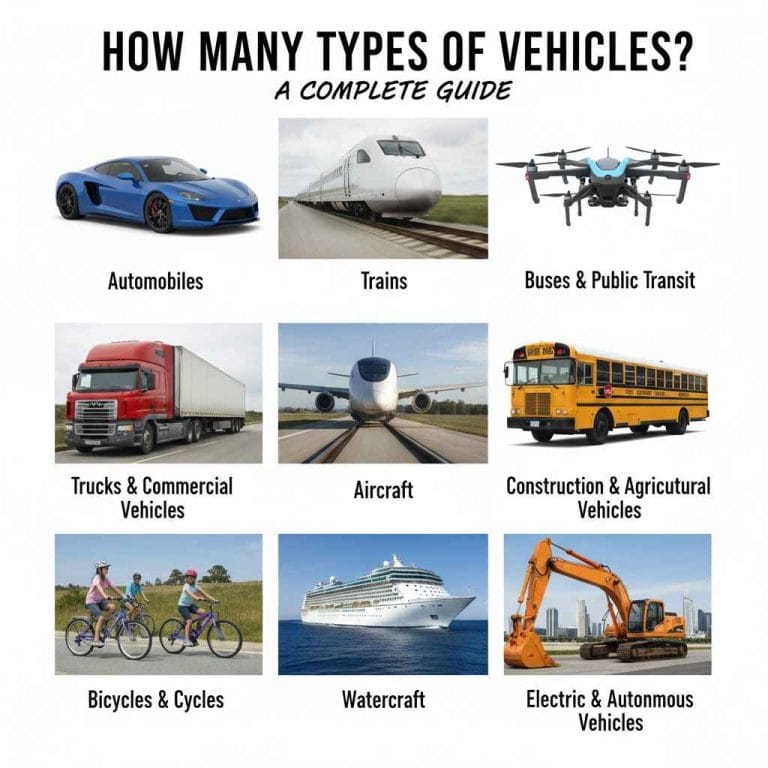
A plug-in hybrid is not a vehicle body style. It can appear in sedan, SUV, hatchback, wagon, and minivan shapes. The body style tells you the size and layout of the vehicle; the plug-in hybrid label tells you how the powertrain works.
Body style versus powertrain choice
This distinction matters because shoppers often search for a “PHEV SUV” or “PHEV sedan” as if plug-in hybrid were its own category. It is better understood as a powertrain option that can be applied to several vehicle types. A family can buy a plug-in hybrid in a minivan body, for example, without changing the basic PHEV logic.
Between conventional hybrids and battery EVs
In buyer consideration, a PHEV sits between a conventional hybrid and a full battery EV. It offers more electric driving than a normal hybrid, but less all-electric operation than an EV. That middle ground helps shoppers who are undecided about full electrification.
| Powertrain type | Charges from outlet | Can run on electricity alone | Needs gas | Best fit |
|---|---|---|---|---|
| Conventional hybrid | No | Very limited, low-speed only | Yes | Drivers who never want to plug in |
| Plug-in hybrid | Yes | Yes, for some distance | Yes | Drivers who can charge regularly and still want backup range |
| Battery EV | Yes | Yes, for the whole drive | No | Drivers with reliable charging and predictable routes |
| Gasoline-only vehicle | No | No | Yes | Drivers who want the simplest refueling pattern |
What does all-electric range mean?
All-electric range is the distance a PHEV can travel on battery power alone before the engine needs to take over. It is a key purchase comparison metric because it tells you how often the car can handle daily driving without using gasoline. The number varies by model and battery size.
Why range varies by model
Two plug-in hybrids can look similar and still have very different all-electric range. Battery capacity, vehicle weight, motor tuning, and software all affect the result. That is why range is best treated as a useful comparison point, not a fixed promise that applies to every driving pattern.
Range, fuel use, and emissions claims should be checked against EPA and manufacturer data because results depend on model and driving pattern. For buyers, the safest comparison is the official electric range and fuel-economy rating for the exact trim under consideration, not a general claim about all PHEVs.
How battery size affects range
A larger battery generally means more electric-only distance, but it also raises cost. That cost pressure is one reason vehicle cost can be a barrier to PHEV adoption. Bigger batteries can also mean longer recharge times, especially from a standard household outlet.
Suppose a shopper chooses a PHEV mostly for a 12-mile school-run loop and then leaves it unplugged for days. The battery may still work as designed, but the buyer loses much of the electric benefit. The range exists on paper; the charging habit determines whether it matters.
What range means for daily driving
All-electric range matters most when it covers the day’s normal miles. If the battery can cover the commute, errands, and school drop-off, the car may run mostly on electricity. If daily travel exceeds that range, gasoline use begins to climb even on a plug-in model.
Do you need charging access?
Yes, if you want a PHEV to pull its weight. Home charging is the main advantage because it makes recharging simple and routine. Public charging can help, but it is a secondary benefit for most shoppers. Without regular charging access, the PHEV becomes a heavier, costlier hybrid with less upside.
Home charging as the main advantage
Charging at home means the battery can start each day full or near full. That is where a PHEV makes the most sense: short trips, predictable parking, and a daily plug-in habit. Home charging is the clearest path to lower gasoline use.
Public charging as a secondary benefit
Public charging can expand electric driving, especially for apartment dwellers or drivers who spend time near workplace chargers. But public charging depends on access, downtime, and local availability. It helps most when it supplements home charging rather than replaces it.
What happens if you rarely plug
Drivers who rarely plug in often miss the main reason to buy a PHEV. The battery still adds cost and weight, but the car spends more time running as a gasoline vehicle. In that case, a regular hybrid often makes more sense because it does not depend on charging to deliver its value.
A common first-timer mistake is assuming a plug-in hybrid will save fuel even with no charging routine. If the battery is depleted most of the time, the engine carries the trip and the operating pattern starts to resemble a conventional hybrid or even a heavier gas car.
Fuel use and emissions with a PHEV
Fuel economy and gasoline use change with charging habits and trip length. A PHEV can save fuel when it is charged often and used for short daily trips, but those gains shrink when the battery is depleted early and the engine does most of the work. Emissions follow the same pattern.
How charging habits change gasoline use
Fuel savings depend on whether the car starts each day on electricity. If it does, gasoline use can stay low. If the driver charges rarely, the car burns more fuel and the electric side matters less. That is why the same model can have very different real-world results across households.
Why trip length matters
Long highway trips are a common failure case for PHEV buyers who expect EV-like savings. Once the battery range is used up, the engine takes over for most of the drive. The longer the trip, the more the PHEV behaves like a normal gasoline vehicle.
How electricity mix affects emissions
The emissions benefit depends on the carbon intensity of electric power generation. EPA and DOE guidance on plug-in vehicles generally supports the idea that charging shifts some energy use from gasoline to electricity, but the emissions outcome changes with the grid and the way the car is driven. Real-world emissions vary by charging pattern.
For buyers, the practical takeaway is simple: a PHEV lowers gasoline use most when it is charged regularly and driven within its electric range. If charging is rare, the emissions advantage shrinks because the engine does more of the work. Official EPA ratings and local electric-grid conditions are the best reference points.
Pros and cons of buying a plug-in hybrid
This comparison is best viewed as a tradeoff list. A PHEV can be a strong fit when daily miles are short and charging is easy, but it asks the buyer to manage both fuel and electricity. The value depends heavily on charging access, trip length, and how often the battery is actually used.
| Factor | Pros | Cons |
|---|---|---|
| Purchase cost | May qualify as a stepping-stone to electrification without going fully battery-only. | Usually costs more than a comparable regular hybrid because of the larger battery and added hardware. |
| Battery weight | Supports meaningful electric-only driving when charged. | Extra weight can reduce efficiency when the battery is depleted. |
| Charging dependence | Can use electricity for many daily trips if charging is routine. | Loses much of its advantage if the driver cannot plug in often. |
| Gas backup | Removes range anxiety and supports long trips without planning charging stops. | Maintains the complexity of two energy systems instead of one. |
| Maintenance complexity | Can reduce engine running time on short trips when charged regularly. | Has both electric and gasoline components to service and monitor. |
| Short-trip savings | Strongest use case; can cut fuel use significantly on commutes and errands. | Savings disappear quickly if the battery is not replenished often. |
| Long-trip tradeoffs | Engine backup makes highway travel simple and flexible. | Battery benefit fades on extended trips, so the car behaves more like a gasoline vehicle. |
PHEV fit decision matrix
Use this as a quick screen. A score of 5 generally means the PHEV is a strong fit; 1 generally means it is a poor fit. The answer changes most when charging access is weak or the trip pattern is heavy on long highway miles.
| Buyer scenario | Fit score | One-line explanation |
|---|---|---|
| Short commute with home charging | 5 | Daily miles are easy to cover on electricity, so the battery gets used often. |
| Mixed city/highway driving | 4 | Works well if the city portion is long enough to use the battery before highway miles start. |
| No charging access | 1 | Without charging, the electric side brings little value and the extra cost is hard to justify. |
| Long-road-trip driver | 2 | The engine helps on the highway, but the battery advantage fades on extended trips. |
| Cold-climate driver | 3 | Useful, but cold weather can reduce electric range and make the gasoline backup do more work. |
| Family SUV shopper | 4 | Strong fit if the family can charge at home and wants backup range for travel days. |
Buyer checklist
Use this checklist before buying a PHEV. The strongest matches tend to be shoppers who can charge regularly and whose daily driving fits inside the battery’s electric range.
- Charging access: Check whether you can charge at home most days.
- Daily miles: Compare your daily miles with the car’s all-electric range.
- Trip pattern: Think about how often you take long highway trips.
- Powertrain choice: Decide whether you want a hybrid, a PHEV, or a full EV.
- Value test: Buy the PHEV only if charging access and trip pattern line up.
Should you buy a plug-in hybrid?
A PHEV is a good buy when your routine lets you charge often and your daily driving is short enough to use the battery regularly. A regular hybrid makes more sense if you cannot plug in. A full EV makes more sense if you can charge reliably and want to drive on electricity for the entire trip.
Best-fit driver profile
The best PHEV buyer often has a short commute, predictable parking, and some longer trips mixed in. That driver gets electric commuting most days and gasoline backup when needed. PHEVs are also useful for shoppers who are not ready to commit fully to a battery EV.
When a regular hybrid makes more sense
If you have no charging access, a regular hybrid is usually the cleaner choice. It avoids the added battery cost and weight of a plug-in system while still reducing gasoline use compared with a conventional ICE vehicle. It also removes the need to think about plugging in.
When a full EV makes more sense
If you can charge at home or work and your trips fit within the EV’s range, a full EV can be simpler. It removes gas from the equation entirely. That is the better path for drivers who want to stop thinking about fuel stops and do not need the engine backup.
Sources
EPA FuelEconomy.gov: plug-in hybrid vehicle basics and fuel-economy guidance; U.S. Department of Energy: electric vehicle and charging guidance; International Energy Agency: global EV and electrification reporting; ICCT: plug-in hybrid real-world performance research; manufacturer specifications for all-electric range and charging details for the specific model being compared.
Frequently asked questions
What is a plug-in hybrid car?
A plug-in hybrid car is a vehicle with a battery, electric motor, and gasoline engine that can be charged from an external source. It can drive on electricity for part of a trip and then switch to gas when needed. It is a powertrain choice, not a body style.
How does a plug-in hybrid work compared with a regular hybrid?
A regular hybrid charges itself through the engine and braking, while a plug-in hybrid can also recharge from an outlet or station. The PHEV’s larger battery gives it more electric-only driving, but the engine still remains for backup and long-distance travel.
Is a plug-in hybrid an electric vehicle or a gas car?
It is both, in different parts of the trip. A PHEV can behave like an electric vehicle for some miles, then like a gasoline vehicle after the battery is used. That dual nature is why it sits between conventional hybrids and battery EVs.
What does all-electric range mean on a plug-in hybrid?
All-electric range is the distance the vehicle can travel on battery power alone before the engine is needed. It is one of the most important comparison points for shoppers because it shows how much daily driving can happen without gasoline. The number varies by model and battery size.
Are plug-in hybrids better for short commutes or long trips?
They are usually better for short commutes and mixed use, especially if you can charge at home. Long highway trips reduce the battery’s role and make the engine do more work. Drivers who rarely charge or spend most of their time on the road often get less value from a PHEV.
Do plug-in hybrids still need gas?
Yes. A PHEV still has a fuel tank and an internal combustion engine, so it can run on gasoline when the battery is empty or when the trip is longer than the electric range. That backup is a major difference from a full battery EV.
What are the pros and cons of buying a plug-in hybrid?
The biggest advantage is that a PHEV can cut gasoline use on short trips while keeping gas backup for longer drives. The biggest drawback is that it depends on regular charging to deliver that benefit. Without charging, the added cost and weight are harder to justify.
Products related to this article
Sponsored / affiliate links. As an Amazon Associate I earn from qualifying purchases. I may earn additional commission from eligible campaigns.