Is It Safe to Keep Electric Car in Garage? Essential Safety Tips
Many people now drive electric cars because they are clean, quiet, and good for the environment. But a common question comes up—is it safe to keep an electric car in your garage? You might have heard stories about fires, battery leaks, or problems with charging.
These can make new electric car owners nervous. The truth is, most electric cars are built with safety in mind, but there are details you should know. Understanding the real risks, how electric cars work, and what you can do to stay safe is important for every owner. This guide will explain everything, clear up doubts, and give you practical advice to keep your car—and your home—safe.
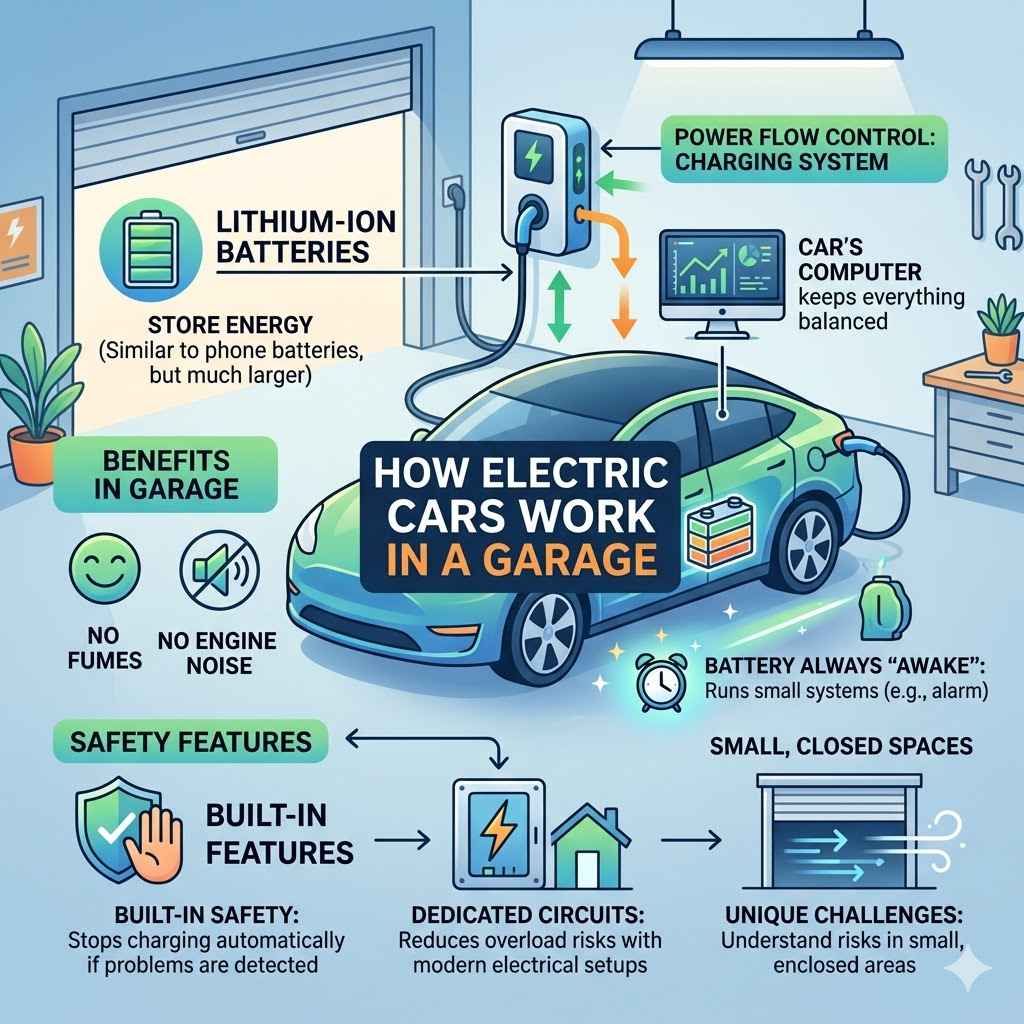
How Electric Cars Work In A Garage
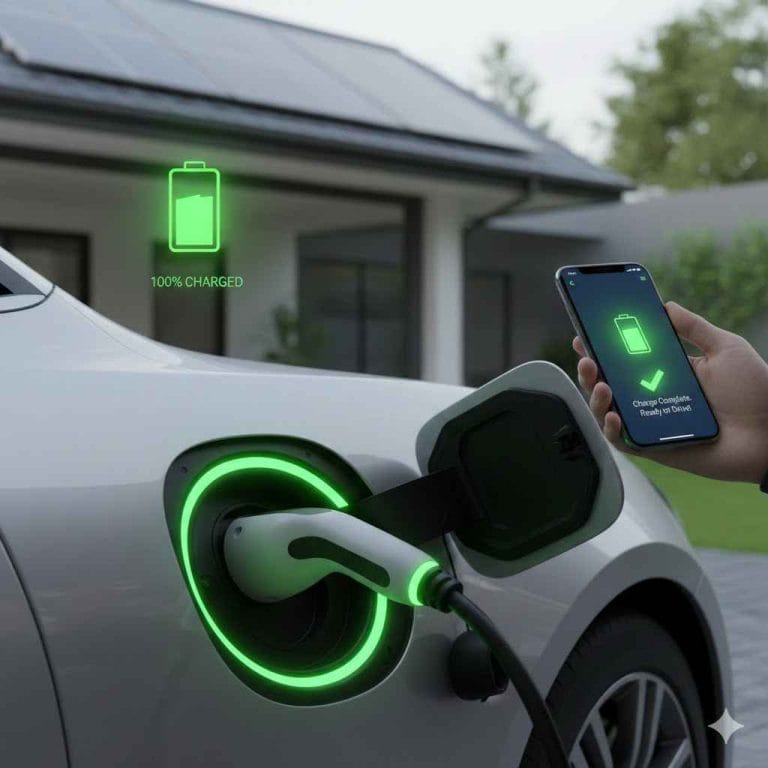
Electric cars use lithium-ion batteries to store energy. These batteries are similar to those in your phone, just much bigger. When parked in a garage, your electric car often stays plugged in to charge. The charging system controls the power flow, and the car’s computer keeps everything balanced. Unlike gas cars, there are no fumes or engine noise. However, the battery is always “awake” and sometimes runs small systems, such as the alarm, even when parked.
One thing that surprises new owners is that electric cars have built-in safety features. For example, if the car or charger detects a problem, it will stop charging automatically. Many garages today also have dedicated circuits just for electric car chargers, reducing overload risks. Still, garages are small, closed spaces, so it’s smart to understand the unique challenges this creates.
Fire Risk: Myth Vs. Reality
The biggest worry for most people is fire. News stories sometimes mention electric car fires, usually after a crash or battery problem. But are electric cars really more dangerous in a garage?
What The Data Shows
Research from the National Fire Protection Association shows that electric car fires are actually rarer than fires in gas cars. Gasoline is highly flammable, and many garage fires start because of fuel leaks or hot engines. Electric car batteries can catch fire, but this is very rare—usually after a severe accident or a serious defect.
Why Do Electric Car Fires Happen?
Fires in electric cars almost always have a cause:
- Severe accidents that damage the battery pack
- Manufacturing defects (very rare, but possible)
- Improper charging equipment or damaged cables
- High heat or water damage
Electric cars have multiple layers of protection, including sensors, cooling systems, and automatic shutoff features. If the battery gets too hot, the system will stop charging. The chance of a fire happening while the car is parked and charging in a normal garage is extremely low.
Gasoline Vs. Electric Car Fire Risk
Here’s a quick comparison:
| Factor | Gasoline Car | Electric Car |
|---|---|---|
| Fire Risk When Parked | Higher (fuel leaks, hot engine) | Lower (rare battery faults) |
| Cause of Most Fires | Fuel system problems | Battery damage or faults |
| Fire Detection | Usually noticed by smell/smoke | Sensors and alerts |
Charging Safety In The Garage
The way you charge your electric car makes a big difference. Safe charging protects your car, your home, and your family.
Dedicated Charging Circuit
A dedicated circuit means the charger has its own wiring and breaker. This prevents overload and electrical fires. If your garage outlet is old or shared with other high-power devices, you should upgrade before charging your car regularly.
Using Certified Chargers
Only use certified charging stations approved for your car and local voltage. Cheap or uncertified chargers can overheat, melt, or fail to stop charging if something goes wrong. Most electric cars come with a charger, but if you install a wall unit, always hire a licensed electrician.
Basic Charging Safety Tips
- Check the charger cable for cracks or damage every month.
- Never use extension cords—they can overheat.
- Keep the charging area dry and clean.
- If you smell burning plastic or see sparks, unplug and call an electrician.
- Don’t cover the charger or cable with cloth or boxes.
Smart Charging Features
Many modern chargers have smart features, such as timers or remote control from your phone. These can limit charging to off-peak hours, reducing stress on your home’s wiring. Some can even alert you if the temperature gets too high.
Battery Leaks And Chemical Risks
People often worry about battery leaks in electric cars. The batteries do contain chemicals, but they are sealed in strong cases. Leaks are very rare unless the battery is physically damaged.
What’s Inside The Battery?
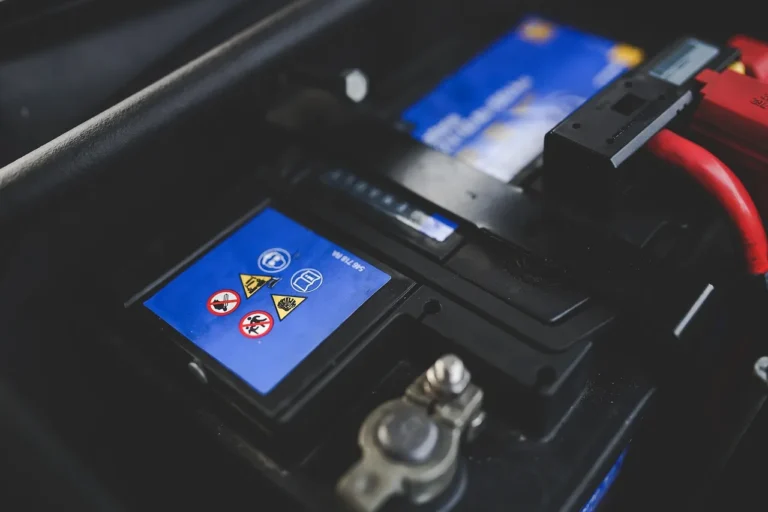
Electric car batteries use a mixture of lithium, nickel, cobalt, and other metals. The liquid inside is not the same as regular car battery acid. It is less corrosive, but can still be dangerous if it leaks.
Signs Of Battery Problems
- Strong chemical smell (sweet or metallic)
- Hissing sound from under the car
- Leaking liquid or crystals near the battery pack
If you notice any of these, do not touch the liquid. Open the garage door, move away from the car, and call emergency services. Most electric cars will warn you on the dashboard if there’s a battery problem.
How Often Do Leaks Happen?
In a study of over 100,000 electric cars, only a handful had battery leaks—and almost all were after a crash. Normal charging and parking rarely cause leaks.
Garage Environment: What Matters Most
The garage can affect your electric car in ways you might not expect. Temperature, humidity, and even the size of your garage matter.
Temperature Control
Electric car batteries work best in mild temperatures. Extreme cold or heat can reduce range and battery life. If your garage gets very hot (over 100°F or 38°C), consider installing a fan or leaving the door open for ventilation. In cold climates, a garage keeps the car warmer and helps the battery last longer.
Humidity And Water
Batteries and charging systems are sealed, but high humidity can cause rust on connectors over time. Keep your garage as dry as possible. Never charge your car if the charger or socket is wet.
Space And Airflow
Garages are often small and crowded. Make sure there is space around the car and charger for air to flow. This helps prevent overheating and gives you room to check for problems.
Home Insurance And Electric Cars
Some people wonder if keeping an electric car in the garage will affect their home insurance. In most cases, insurance companies treat electric and gas cars the same. However, there are a few things to keep in mind.
Inform Your Insurance Company
Always tell your insurance company if you install a home car charger. They may want to know the brand, model, and if it was installed by a professional. This can prevent problems if you ever have a fire or electrical issue.
Insurance For The Car And Home
Your car insurance covers the car, but your home insurance covers the garage and anything inside. If a fire starts because of a faulty charger, your home insurance may cover repairs—but only if you followed safety rules and used approved equipment.
Extra Protection
Some insurance companies offer extra coverage for electric car chargers. This can help if your charger is damaged by a power surge, water, or vandalism.
Common Mistakes To Avoid
Even careful electric car owners can make mistakes. Here are some common problems—and how to avoid them.
- Using old wiring: Old garage wiring can overheat and cause fires. Always check with an electrician before regular charging.
- Ignoring warning lights: If your car or charger shows a warning, don’t ignore it. Check the manual or call for help.
- Blocking ventilation: Storing boxes or bikes around the charger can trap heat. Keep the area clear.
- DIY charger installation: Only professionals should install high-power chargers.
- Charging during power outages: If the power goes on and off, the charger may not reset properly. Wait until power is stable.
Real-life Examples And Lessons
Many electric car owners keep their cars in garages with no problems for years. Still, a few real-life stories offer lessons.
A Tesla Owner’s Story
A family in California parked their Tesla Model 3 in the garage every night. One evening, the car’s app warned them that the battery was overheating during charging. They stopped charging and called Tesla. It turned out a mouse had chewed the charger cable outside, causing a short. The built-in sensors prevented a fire. Lesson: always check your cables, especially if you have rodents nearby.
Overloaded Garage Outlet
A Nissan Leaf owner in Texas used a regular extension cord to reach the garage outlet. The cord overheated and melted, but luckily, no fire started. After this, they installed a proper wall charger with its own circuit. Lesson: never use extension cords for car charging.
Winter Charging Woes
In Norway, a BMW i3 owner parked in a cold garage. The battery warning light came on because the charging port had frozen. They learned to keep the garage above freezing and check for ice in winter. Lesson: cold weather can cause problems—keep the garage temperature steady.
Electric Car Brands And Safety Features
Most major electric car makers build in extra safety for home charging and parking. Let’s compare some of the top brands:
| Brand | Key Safety Feature | Special Alert System |
|---|---|---|
| Tesla | Active battery cooling | Mobile app alerts |
| Nissan | Automatic charge shutoff | Dashboard warning lights |
| Chevrolet | Thermal management | OnStar remote monitoring |
| Hyundai/Kia | Fire-resistant battery case | Service app notifications |
| BMW | Sealed battery pack | Remote diagnostics |
All these brands have safety systems that work even when the car is parked in a garage. If there’s a problem, you’ll usually get a warning right away.
Electric Vs. Gas Car: Other Safety Differences
People sometimes forget that gas cars have risks too. Here’s how electric and gas cars compare in the garage:
- Electric cars do not leak gasoline or create toxic exhaust.
- Gas cars can fill a garage with fumes if left running by mistake.
- Electric cars have quieter cooling fans, which some people don’t notice.
- Gas cars can cause carbon monoxide poisoning if started indoors.
Overall, electric cars are safer in a closed garage because there’s no risk of carbon monoxide. However, you should always keep your garage well-ventilated and never run any engine inside.
Practical Tips For Safe Electric Car Storage
You can reduce the tiny risks even further by following these tips:
- Install a smoke detector near the garage ceiling.
- Check your charger cable for damage every week.
- Don’t pile items around the car or charger—keep a clear space.
- Keep the garage dry to prevent rust and short circuits.
- Test your garage door opener—make sure it always works in case you need to get the car out quickly.
- Schedule regular inspections of your charging station.
- Teach your family what to do if there’s a burning smell, strange sound, or warning light.
What To Do In An Emergency
Even with all precautions, it’s good to be prepared.
If You See Smoke Or Smell Chemicals
- Unplug the charger if it’s safe.
- Open garage doors for ventilation.
- Leave the area and call emergency services.
- Do not try to move the car if you see smoke.
If The Charger Or Outlet Is Wet
- Do not touch the charger or car.
- Turn off power at the breaker box.
- Wait until everything is dry and inspected by an electrician.
If There’s A Power Outage While Charging
- Unplug the charger.
- Check for warning lights before using again.
- Call your car’s support line if you’re unsure.
The Role Of Building Codes And Regulations
Many countries and cities have rules for electric car charging in homes. These are designed to keep you safe. For example:
- New homes often require dedicated outlets for car charging.
- Some places need a permit for high-speed chargers.
- Local fire departments may recommend extra ventilation.
Always check local rules before installing a charger. This ensures your insurance stays valid, and you stay safe.
Manufacturer Recommendations
All electric car makers include a section in their manual about home charging and parking. Key points include:
- Use only approved chargers.
- Inspect cables and connectors regularly.
- Do not charge outdoors in heavy rain or snow (unless the charger is rated for it).
- Store your car at 20–80% charge for best battery life.
If you lose your manual, you can usually find a digital copy on the manufacturer’s website.
Two Commonly Missed Insights
- Electric car batteries are less likely to cause a fire than a home appliance. Many garage fires start from water heaters, dryers, or old wiring—not from cars. People often worry about car fires but forget to check other appliances.
- Even if your electric car is unplugged, the battery stays active. This means you should still check under the car for leaks or strange smells, especially after driving over debris or through deep water.
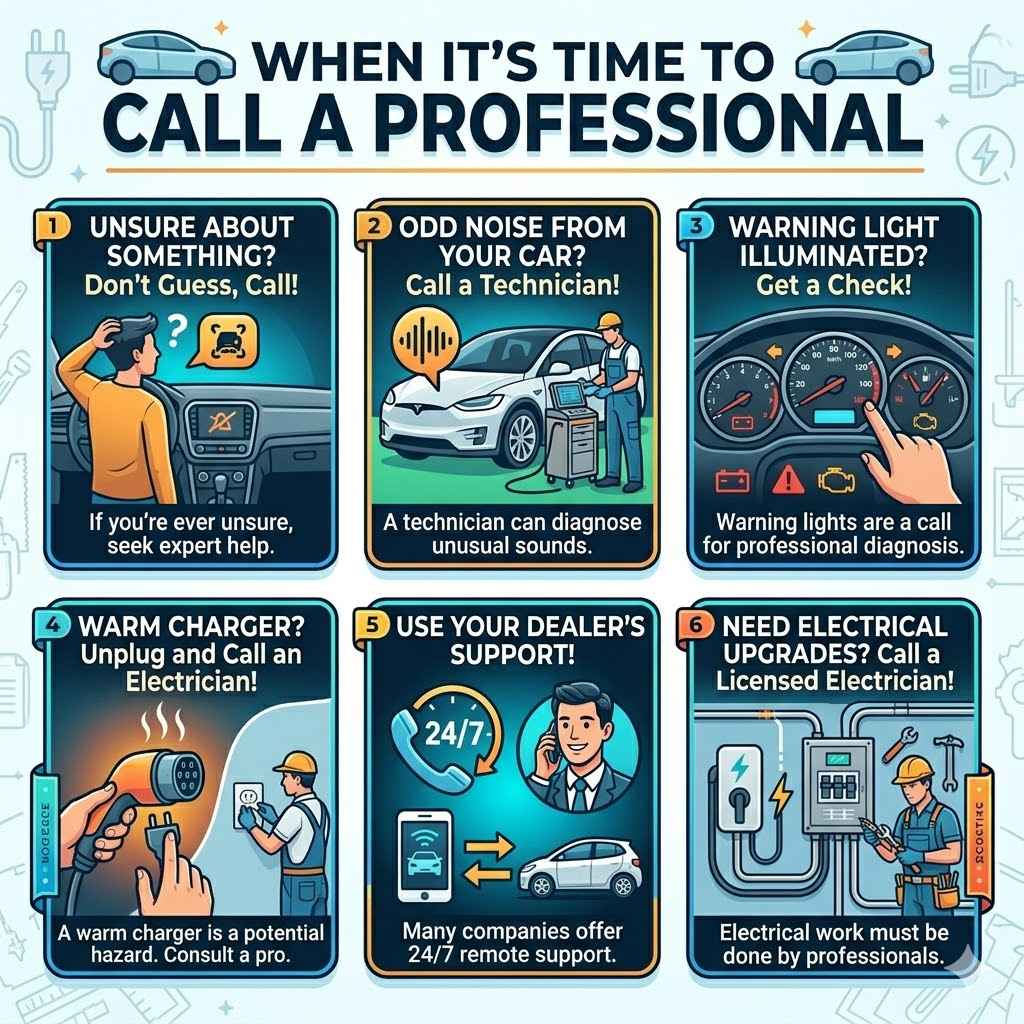
When It’s Time To Call A Professional
If you’re ever unsure about something—an odd noise, a warning light, or a warm charger—call your dealer or a licensed electrician. Many car companies offer 24/7 support and can check your car’s health remotely.
Extra Resources For Electric Car Owners
If you want to learn more about electric car safety, the U.S. Department of Energy has a complete section on Electric Vehicle Infrastructure for home charging.
Frequently Asked Questions
What Should I Do If My Electric Car Smells Strange In The Garage?
If you notice a chemical smell, unplug the car, open the garage doors, and move away. Do not touch any liquid or smoke. Call emergency services and your car’s support line. Most smells are harmless, but it’s better to be safe.
Is It Safe To Charge My Electric Car Overnight?
Yes, it is safe if you use a certified charger and a dedicated circuit. Electric cars are built to charge overnight and will stop charging automatically when full. Check your setup regularly and never use extension cords.
Can Electric Car Batteries Explode While Parked?
Explosions are extremely rare. Electric car batteries can overheat or catch fire only after severe damage or a serious fault. Built-in sensors and cooling systems prevent most problems before they get serious.
Will My Home Insurance Go Up If I Get An Electric Car?
Most insurance companies do not increase rates just for owning an electric car. However, installing a home charger may require you to update your policy or show proof of professional installation.
What Is The Biggest Risk Of Keeping An Electric Car In The Garage?
The biggest risk is not the car itself, but using the wrong charger or poor wiring. Always use approved equipment and have an electrician check your garage if you are not sure. Proper installation and regular inspection reduce risks to almost zero.
Parking and charging your electric car in the garage is safe when you follow the right steps. Modern cars have advanced safety features, and with a few simple precautions, you can enjoy the benefits of electric driving with peace of mind.
Related pick: Check today's price on Amazon
Products related to this article
Sponsored / affiliate links. As an Amazon Associate I earn from qualifying purchases. I may earn additional commission from eligible campaigns.