What Can I Add To My Engine Oil To Boost Performance?
It’s a common thought: can a little something extra in your engine oil actually make a big difference? Many car owners, myself included at times, look for that edge. We want our engines to run smoother, last longer, and maybe even squeeze out a bit more power.
You see all sorts of products out there promising just that. But when it comes to adding something to your engine oil for a performance boost, it’s a tricky topic. There’s a lot of hype, and it’s easy to get lost in what’s real and what’s just marketing.
Let’s break it down together. We’ll look at what these additives are, if they truly deliver on their promises, and what you really need to know before even thinking about pouring anything new into your engine.
The short answer is that most commercially available engine oil additives claiming to “boost performance” are not scientifically proven to do so and can potentially harm your engine. It’s generally best to rely on high-quality, manufacturer-approved engine oil for optimal engine health and performance.
Understanding Engine Oil Additives and Performance Claims
Engine oil is a complex mix. It’s not just plain oil. It has a bunch of special ingredients called additives.
These additives are already in the oil you buy from the store. They are there for a reason. They help the oil do its job better.
Think of things like cleaning up dirt and gunk inside the engine. They also help stop rust and keep parts from wearing out too fast. Other additives help the oil flow well, even when it’s super cold or super hot.
Now, when people talk about adding more to the oil, they usually mean aftermarket products. These are things you buy separately. They are often in small bottles.
The labels on these bottles might say things like “performance enhancer.” Or they might promise “extra protection.” Some even claim to “restore lost power.” This is where the idea of a “boost” comes from. People hope these bottles will magically make their car run better than before.
These extra additives are made of all sorts of stuff. Some contain special chemicals. Others have tiny metal particles.
There are also things like friction modifiers or seal conditioners. The companies selling them say they fill gaps. They say they help parts work better.
They often point to specific problems they claim to fix. This makes it sound very convincing. It taps into the desire for a well-running car.
It also plays on our worries about engine problems.
The truth is, the oil you already use is made to very high standards. Car makers work with oil companies. They test everything a lot.
They want the oil to be just right for that specific engine. Adding something extra might mess with that balance. It could change how the oil protects your engine.
It might even cause new problems.

My Own Brush with the “Magic Potion” Idea
I remember a time, years ago, when my old pickup truck started to sound a little rough. It wasn’t terrible, but it just wasn’t as smooth as it used to be. I was young and felt like I needed to be a “car guy.” I was browsing the aisles at an auto parts store.
I saw a shelf full of these little bottles. They all had bold claims on them. One bottle caught my eye.
It promised to “restore lost horsepower and improve fuel economy.” It showed a picture of a shiny, powerful engine. It felt like the answer I was looking for.
The label said it contained “advanced synthetic lubricants” and “micro-metal conditioners.” It sounded so scientific! I read the testimonials on the back. People raved about how their cars felt brand new.
I thought, “Why not? It can’t hurt, right?” I bought the bottle. The instructions said to add it during an oil change.
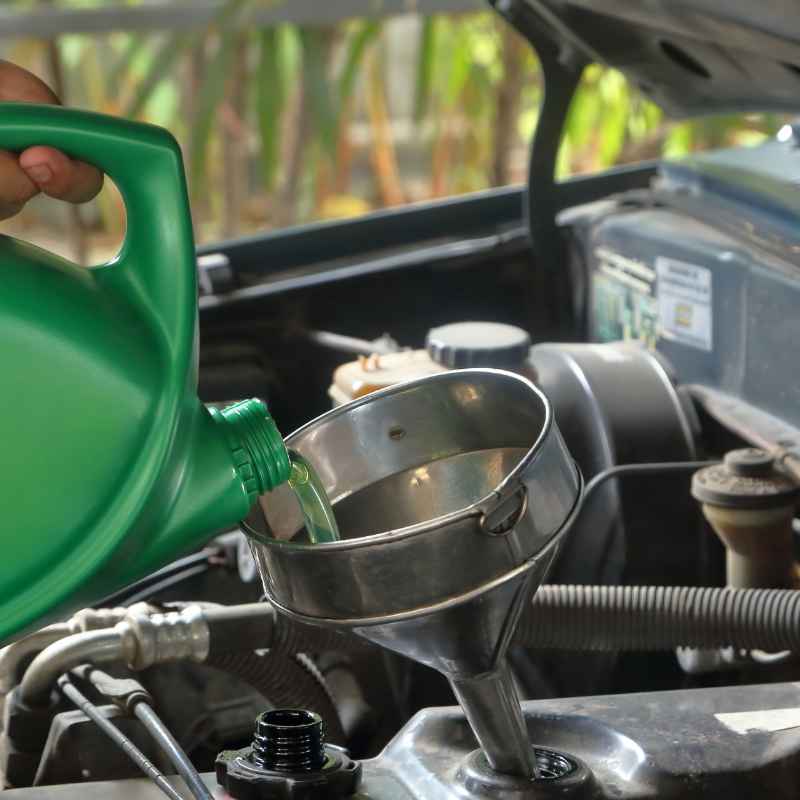
So, I did. I put in the new oil, then I poured in this special additive. I drove off, eagerly listening for a change.
For the first day or two, I convinced myself it was working. The engine seemed to hum a little quieter. Maybe it was a bit more responsive.
But honestly, after a week, I couldn’t tell any difference at all. The rough idle was still there. The acceleration felt the same.
I felt a bit foolish, like I’d wasted my money. Worse, I started to wonder if I’d actually done something wrong. What if those “micro-metal conditioners” weren’t so good after all?
What if they were actually tiny bits of metal floating around, causing more wear? That feeling of doubt stuck with me. It taught me a valuable lesson.
Always be skeptical of products that promise easy fixes. Especially when they involve messing with something as crucial as your engine oil.
Common Additives Found in Engine Oil
Detergents: These keep engine parts clean. They prevent gunk and carbon deposits from building up. This is vital for keeping things running smoothly.
Dispersants: They work with detergents. They keep small particles suspended in the oil. This stops them from clumping together and forming sludge.
Anti-wear Agents: These form a protective film on metal surfaces. They reduce friction and wear between moving parts. Think of parts like the camshaft and lifters.
Friction Modifiers: They lower the friction between metal surfaces. This can help improve fuel efficiency. They are like a special slippery coating.
Viscosity Index Improvers: These help the oil maintain its thickness. It stays fluid in cold weather. It doesn’t get too thin in hot weather.
Antioxidants: They slow down the oil’s breakdown. This happens when the oil is exposed to heat and oxygen. It helps the oil last longer.
The Science (or Lack Thereof) Behind Performance Boosters
Many performance-boosting additives make big claims. They might say they reduce friction. They might claim to clean out the engine.
Or they might say they make the metal parts harder. Let’s look at these ideas. Some additives do have ingredients that sound good.
For example, some contain molybdenum disulfide. This is a solid lubricant. It can reduce friction.
Other additives might have detergents. We know detergents clean engines. But guess what?
Your regular engine oil already has detergents in it. The oil you buy at the store is formulated with the right amount of these cleaners. Adding more might not help.
It could even be too much. Too much detergent can sometimes cause other issues.
Then there are claims about “healing” or “restoring” engines. This often involves things like seal conditioners. Or maybe special sealants that claim to fill small leaks.
While some seal conditioners can help keep rubber seals from drying out, they can’t fix worn-out or damaged seals. And adding anything to seal up internal engine leaks is a really bad idea. It can cause more harm than good.
The core issue is that modern engine oils are already highly engineered. They are designed to meet strict performance and protection standards set by organizations like the American Petroleum Institute (API) and car manufacturers themselves. These oils contain a carefully balanced package of additives.
Each additive plays a specific role. Changing this balance by adding a third-party product is risky. You don’t know how the new chemical will interact with the existing ones.
Some additives claim to use nanotechnology. They say tiny particles can get into metal pores and smooth out surfaces. While nanotechnology is amazing in many fields, its use in engine oil additives is often questionable.
The particles can clump together. They can clog oil passages. They can even increase wear instead of reducing it.
Plus, proving these claims requires extensive, independent scientific testing. Many additive companies don’t provide this level of proof. They rely on anecdotal evidence and marketing hype.
Myth vs. Reality: Performance Additives
Myth: Additives restore lost horsepower.
Reality: A healthy engine’s power comes from good combustion and efficiency. Additives can’t magically create power. If an engine has lost power, there’s usually a mechanical or fuel system issue that needs fixing.
Myth: Additives make engines last much longer.
Reality: Proper maintenance, including using the correct oil and changing it on schedule, is the biggest factor in engine longevity. Some additives might offer marginal wear protection, but they aren’t a substitute for good care.
Myth: Additives are cheap insurance against engine damage.
Reality: Some additives can cause damage. They can interfere with emissions systems or break down seals. This can lead to costly repairs, making them the opposite of insurance.
Myth: “All natural” or “organic” additives are safer.
Reality: The source of the ingredients doesn’t guarantee safety. Even natural compounds can react negatively in an engine environment. The chemistry is what matters.
Real-World Consequences: When Additives Go Wrong
It’s not just about not getting the promised results. Sometimes, adding extra chemicals to your engine oil can actively harm your engine. This is the part that really worries me.
I’ve heard stories from mechanics. They see the aftermath of people trying these additives. It’s never a happy ending for the car.
One common issue is with modern emissions systems. Many cars today have catalytic converters and particulate filters. These systems are very sensitive.
Certain chemicals found in some oil additives can coat the catalyst materials. This “poisons” the catalyst. It stops it from working correctly.
This leads to increased pollution. It can also cause your check engine light to come on. Replacing a catalytic converter can be very expensive.
Another problem is related to oil seals and gaskets. Many additives claim to “rejuvenate” rubber seals. Some might contain solvents.
These solvents can actually make rubber brittle. They can cause seals to swell and then shrink. This leads to oil leaks.
Leaks mean oil loss. Low oil levels are a fast track to serious engine damage. Think of the oil pump struggling.
Think of parts not getting enough lubrication.
Friction modifiers are another area of concern. While they can reduce friction, too much or the wrong kind can interfere with the clutch system in automatic transmissions. If your car has a separate transmission fluid or a shared sump for oil and transmission fluid, adding a potent friction modifier could cause slipping.
This is a major repair.
The metals found in some additives are also problematic. While some metals like ZDDP (zinc dialkyldithiophosphate) are used in certain oils for wear protection, adding extra, especially in the wrong form or amount, can be bad. These metals can build up.
They can form sludge. They can even contribute to abrasive wear. Imagine tiny metal particles acting like sandpaper inside your engine.
I spoke with a mechanic friend once who told me about a car that came in with a ticking noise. The owner had been adding a “mystery metal” additive for years. They found that the oil pickup screen in the oil pan was completely clogged with a thick, gritty paste.
This paste was a mix of the additive’s metal particles and degraded oil. The engine was starving for oil. It was slowly destroying itself.
That kind of situation is heartbreaking, both for the car and the owner.
Signs Your Engine Oil Might Be Compromised
Unusual Noises: Knocking, ticking, or grinding sounds can signal poor lubrication or internal damage.
Warning Lights: A check engine light or oil pressure light is a serious sign.
Oil Leaks: Puddles under your car or a burning oil smell can indicate failed seals.
Reduced Performance: Sluggish acceleration or a noticeable drop in power.
Excessive Smoke: Blue or white smoke from the exhaust can mean oil is burning.
What Your Engine Actually Needs
So, if those mystery bottles aren’t the answer, what does your engine truly need to perform its best? The answer is surprisingly simple, and it comes down to quality and consistency. It’s about giving your engine what the engineers who designed it intended.
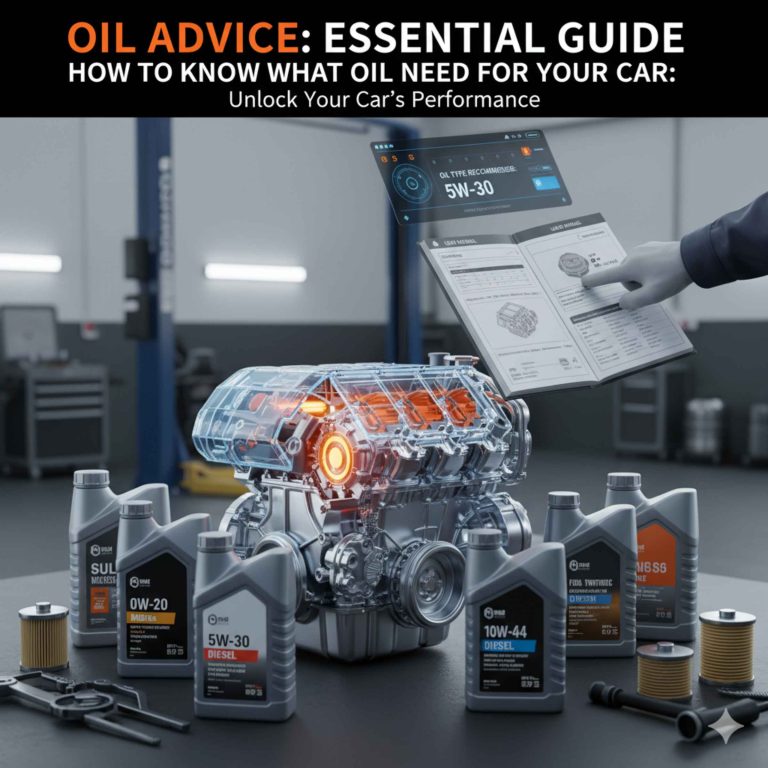
1. The Right Engine Oil: This is the most crucial part. You need to use the correct type and weight of oil for your car.
Check your owner’s manual. It will tell you exactly what your car needs. Look for the API service symbol.
It should also meet any specific manufacturer approvals (like GM dexos, Ford WSS-M2C, etc.). These specifications mean the oil has passed rigorous tests.
2. Regular Oil Changes: Engine oil breaks down over time. It gets contaminated with dirt, soot, and metal particles.
Heat also degrades the oil and its additives. That’s why changing your oil and filter at the recommended intervals is so important. Your owner’s manual will give you a mileage or time-based schedule.
Stick to it. It’s one of the best things you can do for your engine’s health.
3. The Correct Oil Filter: When you change your oil, you also need to change the oil filter. The filter traps contaminants.
A clogged filter can restrict oil flow. Using a good quality filter that meets or exceeds the manufacturer’s specifications is key.
4. Clean Air and Fuel: Engine performance isn’t just about oil. Your engine needs clean air to breathe and clean fuel to burn.
A dirty air filter restricts airflow, making the engine work harder. Dirty fuel can clog injectors and affect combustion. Keeping these systems clean is also part of good maintenance.
5. Proper Driving Habits: How you drive your car also affects its performance and longevity. Avoid excessive harsh acceleration and braking.
Don’t let your engine idle for too long unnecessarily. Warming up your engine gently before driving aggressively is also a good practice, especially in colder weather.
Think of your engine oil as its lifeblood. It’s a sophisticated fluid. It does many jobs at once: lubricates, cools, cleans, and protects.
The people who designed your car spent millions of dollars testing and perfecting the oil specifications for it. Trusting that expertise is usually the smartest and safest path forward.
When to Consider a Specialized Oil (Not a Booster)
High-Mileage Oils: For older cars with more than 75,000 miles. These often have extra seal conditioners to help prevent leaks and slightly different additive packages to deal with increased wear.
Synthetic Oils: Offer superior protection and performance, especially in extreme temperatures. They are often recommended for newer vehicles or for drivers who want the best protection.
Specific Performance Needs: For track use or extreme towing, there are specialized oils. These are formulated for those specific, demanding conditions.
Note: These are still engine oils, not aftermarket “additives” to your regular oil. They replace your standard oil.
What This Means for You and Your Car
So, what’s the takeaway from all of this? It’s pretty straightforward, really. The overwhelming consensus from automotive experts, engineers, and mechanics is to be extremely cautious, if not entirely avoid, aftermarket oil additives that promise performance boosts.
The risks often outweigh any potential, unproven benefits.
When it’s normal: It’s normal to want your car to run its best. It’s normal to be curious about ways to improve it. It’s also normal to see all the products advertised and wonder if they work.
Many people, like I was, are tempted by the promise of a quick fix or an easy upgrade.
When to worry: You should worry when a product sounds too good to be true. You should worry when there’s a lack of independent, scientific evidence to back up the claims. You should also worry if the additive goes against the recommendations in your car’s owner’s manual.
If your car is under warranty, using unapproved additives can void that warranty. That’s a very real and expensive consequence.
Simple checks: Before you ever consider an additive, do this:
- Read your owner’s manual: See what the car manufacturer recommends.
- Consult your mechanic: Ask a trusted professional their opinion. They see the results of these things every day.
- Look for independent testing: Search for unbiased reviews or scientific studies on the product. Be wary of company-sponsored testimonials.
- Understand the risks: Know that you could be risking your engine, your emissions system, or your warranty.
The best way to “boost” your engine’s performance and longevity is through diligent, proper maintenance. Using the correct, high-quality oil and changing it regularly is the most effective strategy. This ensures your engine has the right lubrication, cleaning, and protection it needs to perform as designed for as long as possible.
Don’t fall for the snake oil. Stick to what works and what’s proven.
Quick Tips for Optimal Engine Oil Health
Keeping your engine happy with its oil doesn’t require magic potions. It’s about smart, consistent care. Here are a few simple things that make a real difference:
- Always use the oil specified in your owner’s manual. Don’t guess.
- Stick to the recommended oil change intervals. Set a reminder on your phone!
- Use a quality oil filter. Don’t cheap out here.
- Check your oil level regularly. Once a month is a good habit.
- Look for oil that meets API and manufacturer specs. This ensures it’s tested and approved.
- If your car is older, consider high-mileage oil during your next change.
- If you drive in extreme conditions (very hot or cold, lots of towing), discuss synthetic oil with your mechanic.

Frequently Asked Questions
Are there any engine oil additives that actually work?
Most independent experts and auto manufacturers advise against aftermarket additives that promise performance boosts. The engine oil you buy already contains a complex blend of additives formulated for your specific car. While some niche additives might offer very slight benefits in highly specific circumstances, the risks of damage or voiding your warranty generally outweigh any unproven gains.
Can using oil additives void my car’s warranty?
Yes, absolutely. If you use an unapproved aftermarket additive and it causes engine damage, the manufacturer can deny your warranty claim. They will often trace the damage back to the unauthorized product.
This can lead to very expensive repairs out of your pocket.
What’s the difference between an engine oil additive and a high-mileage oil?
An engine oil additive is a separate product you pour into your existing engine oil. A high-mileage oil is a complete engine oil formulation designed for cars with a lot of miles. It already contains specific additives to help with older engines, like seal conditioners, without you needing to add anything extra.
Is it bad to mix different brands of engine oil?
Generally, mixing different brands of the same type and viscosity of oil (e.g., 5W-30 conventional oil from Brand A and Brand B) is not harmful. They are all made to the same industry standards. However, it’s best to stick with one brand if possible, and never mix conventional oil with synthetic oil unless the synthetic is specifically formulated to be compatible with conventional oil.
How often should I check my engine oil level?
It’s a good practice to check your engine oil level at least once a month. You can also check it before a long road trip. Make sure the engine has been off for a few minutes and is on a level surface for an accurate reading.
What are the dangers of using too much oil additive?
Adding too much of any substance to your engine oil can disrupt the carefully balanced formula. This can lead to issues like oil foaming, reduced lubrication, increased wear, or damage to seals and emissions components. It’s like taking too much medicine; it can cause more harm than good.
The Bottom Line on Engine Oil Boosters
In the end, the quest for a little extra performance from your engine oil often leads down a path of unnecessary risk. While the marketing for aftermarket additives can be very persuasive, the reality is that modern engine oils are sophisticated products. They are already packed with the necessary components to protect and power your engine effectively.
Focusing on using the right oil, changing it on time, and performing regular maintenance is the most reliable way to keep your engine running smoothly and efficiently for years to come. Trust the engineers who designed your car; they’ve already done the hard work of creating the perfect formula.
Products related to this article
Sponsored / affiliate links. As an Amazon Associate I earn from qualifying purchases. I may earn additional commission from eligible campaigns.