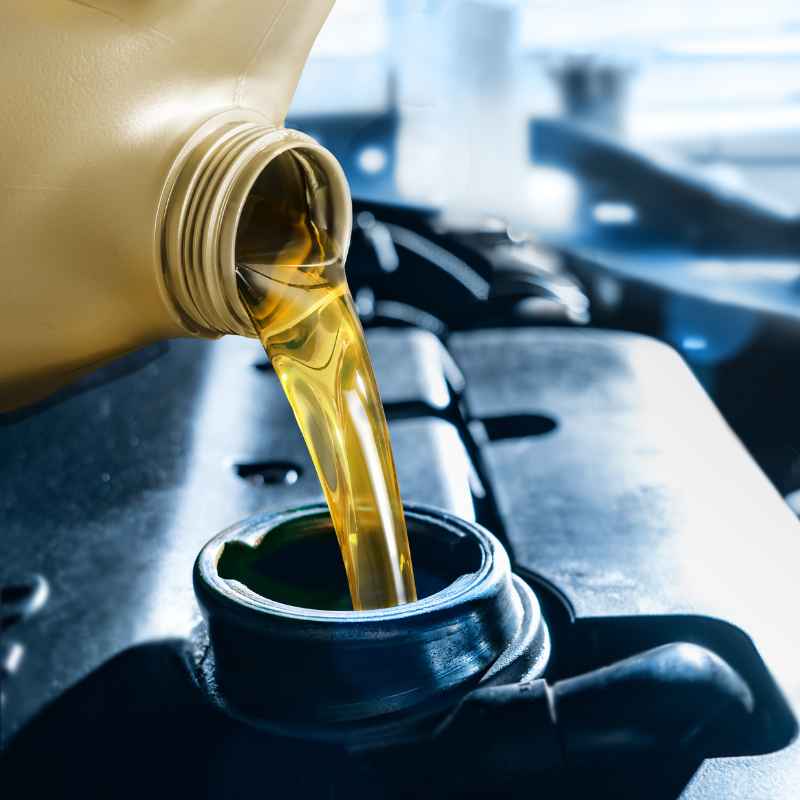
How Much Does A Car Engine Oil Change Cost In 2025?
Let’s break down what goes into that price. We’ll look at why it might be more or less for you. This guide will give you a clear picture.
You’ll understand the costs and how to manage them.
The average cost for a car engine oil change in 2025 typically ranges from $50 to $100 for a standard conventional oil change. Synthetic oil changes often cost between $80 and $150. Prices vary based on oil type, vehicle make and model, and service location.
Understanding Your Car’s Oil Change Cost
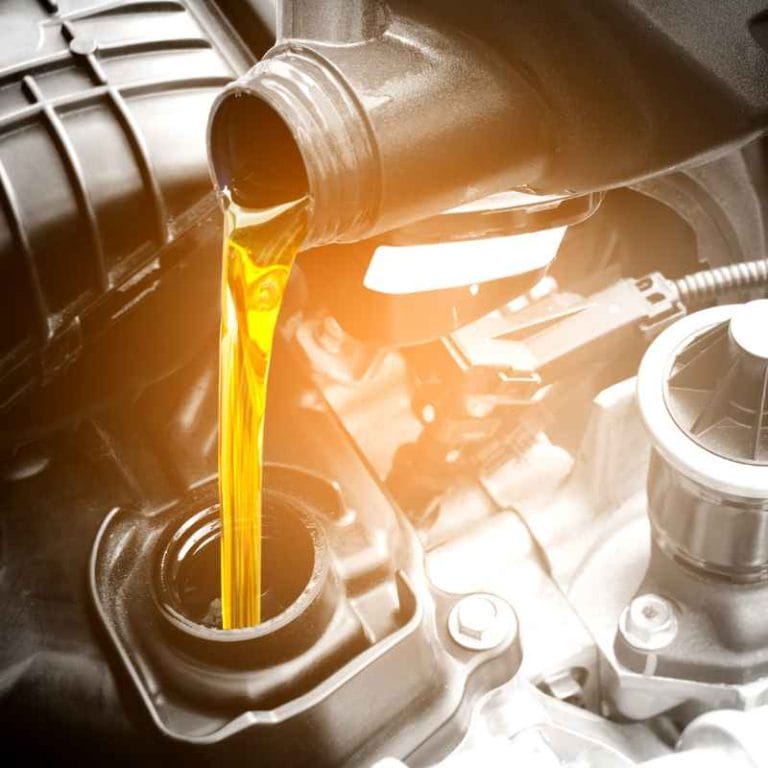
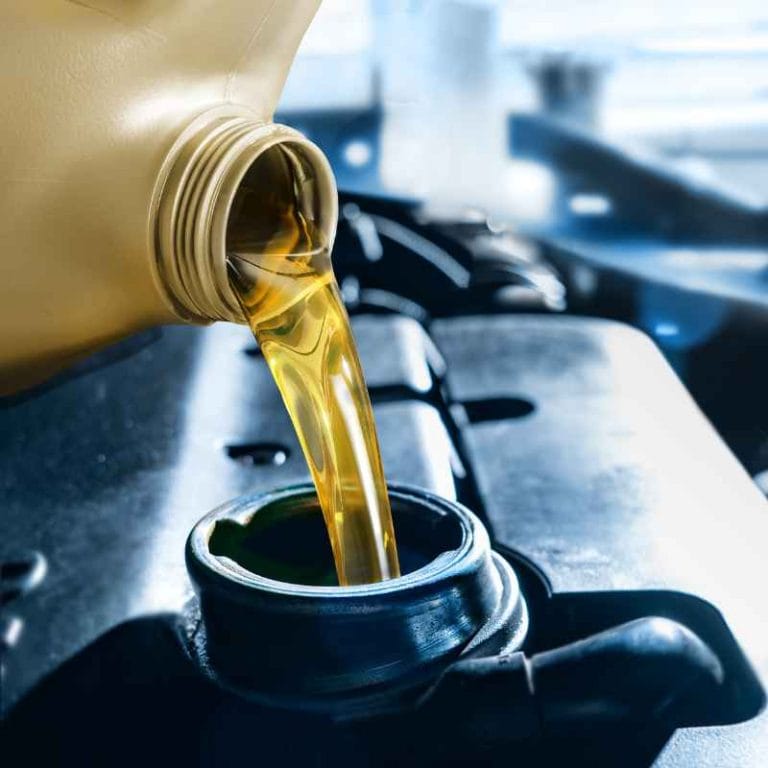
Your car’s engine needs clean oil. Oil keeps parts moving smoothly. It also helps cool the engine.
Over time, oil gets dirty. It loses its power to protect your engine. Changing the oil is vital.
It keeps your engine healthy for years.
The price for an oil change can shift. Many things play a role. It’s not a one-size-fits-all cost.
Knowing these factors helps you budget. It also helps you find good value.
The Oil Itself: More Than Just “Oil”
Think about the oil your car takes. It’s not all the same. There are different types.
Each type has a different price. This is a big part of the total cost.
Conventional Oil: This is the basic stuff. It’s made from crude oil. It works well for many cars.
It’s also the least expensive option. Most older cars use this. It’s also common for cars with less demanding engines.
Synthetic Blend Oil: This oil is a mix. It has conventional oil and synthetic oil. It offers better protection than regular oil.
It also lasts a bit longer. It’s a good middle-ground option. It costs a bit more than pure conventional oil.
Full Synthetic Oil: This is the premium choice. It’s made in a lab. It offers the best protection.
It works well in extreme temperatures. It also helps engines run cleaner. Full synthetic oil is the most expensive.
But it can help your engine last longer.
High-Mileage Oil: Cars with over 75,000 miles might need this. It has special additives. These help seal leaks.
They also condition old seals. This oil costs more than conventional or synthetic blends.
The amount of oil your car needs matters too. Most cars take about 4 to 6 quarts. Larger engines need more oil.
This adds to the cost. Your car’s owner’s manual tells you the exact type and amount.
My own car, a trusty sedan from the late 2000s, always used conventional oil. The mechanic mentioned I could switch to a blend. But I stuck with what the manual said.
The cost difference was only a few dollars per change. For me, it was simpler to stay with the known. For others, the better protection of synthetic might be worth the extra cash.
Labor Costs: The Mechanic’s Time
You pay for the mechanic’s time. They need to drain the old oil. They install a new oil filter.
They add the new oil. They also check other things.
Labor rates vary a lot. This depends on where you live. Big cities usually have higher rates.
Small towns might have lower rates. The type of shop also matters. A dealership often charges more than an independent mechanic.
What’s included in labor?
- Draining old oil
- Replacing the oil filter
- Adding new oil
- Checking fluid levels
- Basic inspection of undercarriage
Some shops have a flat rate for oil changes. Others charge by the hour. Most oil changes are quick.
They take about 30 to 60 minutes. This makes the labor cost seem manageable.
The Oil Filter: A Small Part, A Big Job
The oil filter is crucial. It catches dirt and gunk. This keeps the new oil clean.
Dirty oil can damage your engine. A new filter is always used. Filters are not very expensive on their own.
They usually cost between $5 and $20.
Some cars have special filters. These might cost a bit more. High-end vehicles often use better filters.
These can be $25 or more.
Extra Fees and Services
Sometimes, there are other costs. Shops might charge a disposal fee. This is for getting rid of the old oil.
It’s usually a small amount, maybe $2 to $5.
You might also see other services. They could suggest flushing the engine. They might recommend new air filters or cabin filters.
These are extra costs. They are often not needed at every oil change.
It’s always good to ask what’s included. Don’t be afraid to say no to extra services. You can always get them done later if you decide you need them. This is how costs can creep up.
Knowing what’s standard helps you avoid this.
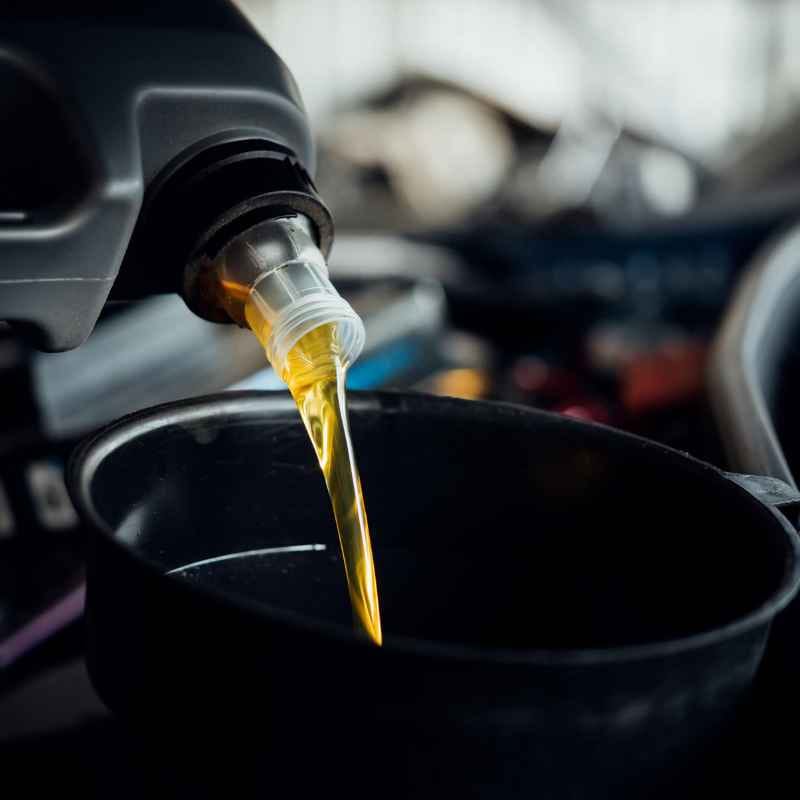
Comparing Service Locations: Where Should You Go?
The place you choose for your oil change matters. It impacts the price. It also impacts the quality of service.
Dealerships: The Official Choice
Dealerships are often the most expensive option. They use manufacturer-specific parts. They have certified technicians.
They often provide a very thorough inspection.
Pros:
- Expertise on your specific car model
- Use of OEM (Original Equipment Manufacturer) parts
- Often offer a comfortable waiting area
- Can handle warranty-related service
Cons:
- Highest labor rates
- Can be slower due to appointment schedules
- May push additional services more aggressively
If your car is under warranty, a dealership might be required for some services. But an oil change is usually okay at other places. Always check your warranty terms.
Independent Auto Shops: The Local Experts
Independent shops can be a great value. They are often run by skilled mechanics. They may specialize in certain brands.
Or they might service all makes and models.
Pros:
- Often lower prices than dealerships
- More personal service
- Can build a relationship with your mechanic
- Good for older cars or cars out of warranty
Cons:
- Quality can vary widely
- May not have specialized tools for very new or luxury cars
- Parts might not be OEM
Look for shops with good reviews. Ask friends for recommendations. A trustworthy independent mechanic is gold.
Quick Lube Chains: The Speedy Option
These places focus on speed. They offer oil changes and basic services. They are designed for convenience.
Pros:
- Very fast service, often no appointment needed
- Lower prices than dealerships
- Convenient locations
Cons:
- Service can be less thorough
- Mechanics may not have deep knowledge of your specific car
- Can be pushy with upsells
- Risk of improper oil level or filter installation
If you’re in a rush, they are an option. But be vigilant. Make sure they use the correct oil and filter.
Watch them if you can. Check your oil level after you leave.
I remember taking my first car to a quick lube place. I was young and in a hurry for college. They tried to sell me a transmission flush I definitely didn’t need.
I said no. But it made me question their motives. Later, I found a great independent mechanic.
He never pressured me. He just gave me honest advice. It saved me money and hassle in the long run.
DIY: The Ultimate Cost Saver
Doing it yourself is the cheapest option. You only pay for parts. This means oil and filter.
You’ll need tools like a wrench and a drain pan.
Pros:
- Lowest cost by far
- Complete control over parts and process
- Satisfying skill to learn
Cons:
- Requires tools and knowledge
- Can be messy
- Proper disposal of old oil is your responsibility
- Mistakes can be costly
If you’re comfortable getting your hands dirty, this is the way to go. Many online videos show you how for your specific car. Just be sure you have a safe place to do it.
Factors Affecting Oil Change Price in 2025
Beyond the basics, other things can change the cost. These are worth considering for 2025.
Vehicle Make and Model Impact
Luxury or High-Performance Cars: These cars often use specific, more expensive synthetic oils. They might also have specialized oil filters. Labor for these vehicles can also be higher due to complex engine designs.
Expect costs to be at the higher end.
Geographic Location Matters
Urban vs. Rural: Prices are typically higher in major metropolitan areas. This is due to higher overhead for businesses.
Rural areas may offer lower prices. However, selection of shops might be more limited.
Special Offers and Promotions
Deals and Coupons: Many shops offer discounts. Look for coupons online or in local ads. These can significantly lower the cost, especially at quick lube places or independent shops.
These offers are common in spring and fall.
Supply Chain and Inflation: In 2025, the cost of goods can still be a factor. The price of oil and the materials to make filters can rise. This might push average prices up slightly.
Mechanics’ wages can also increase. This affects labor costs.
What I’ve seen in my neighborhood is that prices do tick up a bit each year. It’s rarely a huge jump. But that $50 oil change from five years ago might be $60 now.
It’s just part of owning a car. Staying aware helps you prepare for it.
When to Change Your Oil: More Than Just Miles
The old rule was 3,000 miles. That’s not always true anymore. Modern cars and oils are better.
You need to check a few things.
Consult Your Owner’s Manual
The Best Guide: Your car’s manual is the ultimate source. It lists the recommended oil type and the interval for changes. This is often based on mileage or time, whichever comes first.
Consider Driving Habits
Severe vs. Normal Driving: If you often drive in stop-and-go traffic, make many short trips, tow trailers, or drive in extreme heat or cold, you fall under “severe” driving. This means you should change your oil more often than the standard recommendation.
Oil Life Monitoring Systems
Modern Technology: Many new cars have a system that tells you when to change the oil. It calculates based on your driving. It’s usually more accurate than fixed mileage intervals.
But it’s still a good idea to check your manual’s maximum time limit (often 6-12 months).
Ignoring the oil change schedule is a big mistake. It’s like not drinking water. Your engine will start to suffer.
Parts will wear out faster. Eventually, a major repair could be needed. This is far more costly than regular oil changes.
Saving Money on Your Oil Change
Nobody likes overpaying. Here are smart ways to keep your oil change costs down in 2025.
Look for Coupons and Promotions
Search Online: Many local shops and national chains post deals on their websites or social media. Check Groupon, LivingSocial, or even your local newspaper’s online ads.
Join Loyalty Programs
Earn Rewards: Some service centers offer loyalty cards. After a certain number of oil changes, you get one free. This is a great way to save if you use the same shop regularly.
Consider an Independent Mechanic
Value and Trust: As mentioned, independent shops often have lower overhead. This means lower prices. Building a relationship with a good mechanic can also lead to better service and fair pricing.
Buy Your Own Oil and Filter (DIY)
The Cheapest Route: If you’re comfortable doing it yourself, buying oil and filters in bulk or during sales can save you a lot. Walmart, Amazon, and auto parts stores often have competitive prices. Just remember proper disposal!
I found a fantastic deal once from an independent shop. It was a seasonal promotion for synthetic oil changes. It saved me nearly $30.
I booked it right away. It’s worth checking for these deals every few months. You never know when a good one will pop up.
Ask About Package Deals
Bundled Services: Sometimes, combining your oil change with tire rotation or other maintenance can offer a slight discount compared to doing them separately. Ask the service advisor if they have any bundled packages.
Real-World Scenarios: What to Expect
Let’s look at some typical scenarios you might face in 2025.
Scenario 1: The Budget-Conscious Commuter
Meet Sarah. She drives an older, reliable sedan to work every day. She puts on about 15,000 miles a year.
Her car takes 5 quarts of conventional oil. She’s careful with her money.
Sarah’s Likely Cost:
- Conventional Oil (5 qts @ $7/qt): $35
- Standard Oil Filter: $8
- Labor: $25
- Disposal Fee: $3
- Total: Approx. $71
Sarah might look for coupons at her local quick lube or independent shop. She could potentially bring this cost down to $50-$60 with a good deal.
Scenario 2: The Performance Car Enthusiast
Meet Mark. He drives a sports car that requires full synthetic oil. He enjoys spirited driving.
His car takes 7 quarts of high-performance synthetic oil. He wants the best for his engine.
Mark’s Likely Cost:
- Full Synthetic Oil (7 qts @ $12/qt): $84
- Performance Oil Filter: $15
- Labor (may be slightly higher for complex engines): $35
- Disposal Fee: $3
- Total: Approx. $137
Mark might go to a dealership or a specialized performance shop. He prioritizes quality and protection over the lowest price. He might find slightly better pricing at a high-end independent shop.
Scenario 3: The New Car Owner
Meet Emily. She just bought a brand-new hybrid SUV. It’s under warranty.
Her car’s manual specifies a particular synthetic blend oil. She’s keen to keep her warranty valid.
Emily’s Likely Cost:
- Synthetic Blend Oil (5 qts @ $9/qt): $45
- OEM Filter: $12
- Labor: $30
- Disposal Fee: $3
- Total: Approx. $90
Emily might choose the dealership for her first few oil changes to ensure everything is done correctly. She’ll check for any service specials the dealership offers. She wants to maintain the full warranty coverage.
These scenarios show the range. Even with similar mileage, costs differ widely. It’s about the car, the oil, and where you get it done.
My own car fits somewhere between Sarah and Emily. I usually use a good synthetic blend from an independent shop. It’s a balance I’ve found works for my budget and my car’s needs.
What This Means for You: When to Worry (and When Not To)
Most oil changes are routine. But sometimes, something seems off.
Normal Oil Change Costs
The Range: As we’ve seen, expect $50-$150 for most standard cars. A quick lube might be $40-$70. A dealership could be $80-$200 for certain vehicles or services.
Anything within these ranges, for the correct oil type, is generally normal.
When to Be Concerned About Pricing
Unusually High Quotes: If a quote is double what you expect for a standard oil change, question it. Ask for a breakdown. Did they discover a major problem?
Or are they padding the bill?
Hidden Fees: Be wary of shops that add many fees without clear explanation. Always ask for an estimate before service begins.
Check Engine Light Post-Oil Change
Potential Issues: If your check engine light comes on right after an oil change, it’s worth investigating. It could be a sensor issue, or perhaps something was not reconnected properly. Don’t ignore it.
Strange Noises or Performance Issues
Signs of Trouble: If your car starts making new noises, or feels sluggish after an oil change, something is wrong. This could be related to the oil change itself, or it could be a coincidence. It’s best to have it checked by a trusted mechanic.
The key is to be an informed car owner. Know your car. Know the approximate cost.
Trust your gut. If a price or service feels off, it probably is. Don’t be afraid to get a second opinion.
Quick Fixes & Smart Tips
While you can’t “fix” the price of oil, you can manage it.
- Schedule Ahead: Don’t wait until your oil light is on. Book your oil change a week or two in advance. This gives you time to find deals.
- Ask Questions: If you don’t understand a charge or a recommended service, ask for clarification. A good mechanic will explain it clearly.
- Keep Records: Maintain a log of your oil changes. This helps track intervals. It also shows potential buyers you’ve taken good care of the car.
- Know Your Oil: Understand your car’s needs. Using the wrong oil can harm your engine and cost more in the long run.
- Check Your Dipstick: Once in a while, pull out the dipstick. Check the oil level and its color. Dark, gritty oil means it’s time for a change.
I always keep a small notebook in my glove box. I jot down the date and mileage of my oil changes. It’s a simple habit.
But it has saved me from guessing. It also gives me peace of mind.
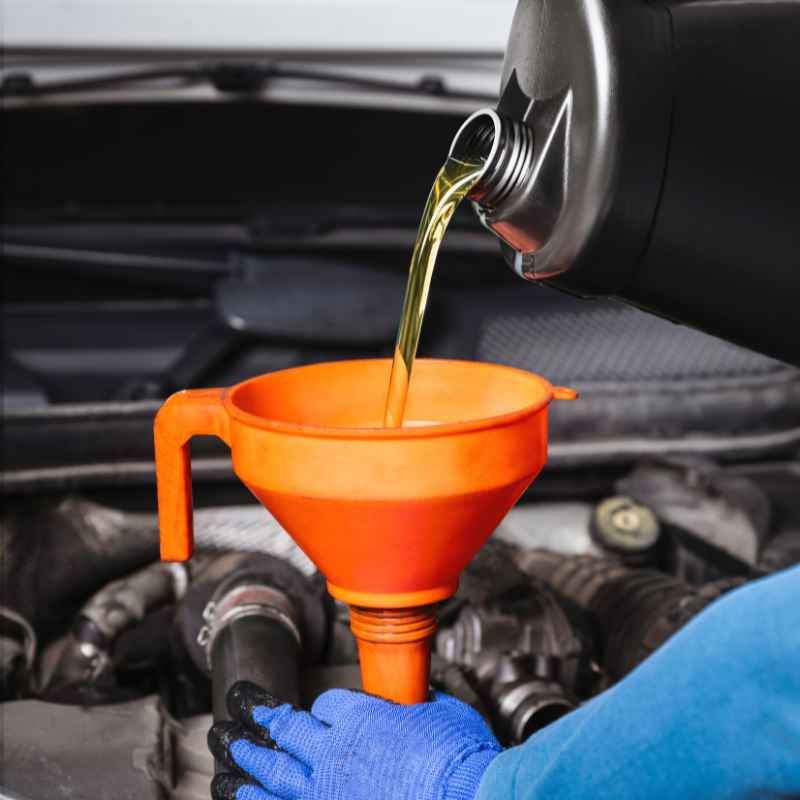
Frequent Questions About Oil Change Costs
What is the average cost of a standard oil change in 2025?
For a standard conventional oil change, expect to pay between $50 and $100 in 2025. This includes oil, filter, and labor. Synthetic oil changes will cost more.
Why do synthetic oil changes cost more?
Synthetic oil is engineered in labs for superior performance and protection. It’s more expensive to produce than conventional oil. It also often lasts longer and handles extreme temperatures better.
Can I get an oil change cheaper at a dealership?
Dealerships are typically more expensive than independent shops or quick lube chains. They charge higher labor rates and may use OEM parts exclusively. However, they sometimes offer service specials.
How much does it cost to change the oil on a luxury car?
Luxury cars often require specialized synthetic oils and filters. The labor rates can also be higher. Expect costs to be at the higher end of the spectrum, often $150 or more.
Is it cheaper to do an oil change yourself?
Yes, doing your own oil change is significantly cheaper. You only pay for the oil and filter, which can cost $20-$50. You’ll need basic tools and knowledge.
Should I always use synthetic oil if my car is older?
Not necessarily. If your car originally used conventional oil and has high mileage, a high-mileage conventional or synthetic blend might be best. Consult your owner’s manual for recommendations.
Switching to full synthetic might be okay but ask a trusted mechanic.
Conclusion
An engine oil change is essential maintenance. The cost in 2025 is influenced by many factors. These include the type of oil, the vehicle, and where you get service.
Staying informed helps you budget. It also ensures your car gets the care it needs.
By understanding these costs and looking for smart savings, you can keep your engine running smoothly. You can also keep your wallet happy. Your car will thank you for it with a longer, healthier life.
Related pick: Check today's price on Amazon