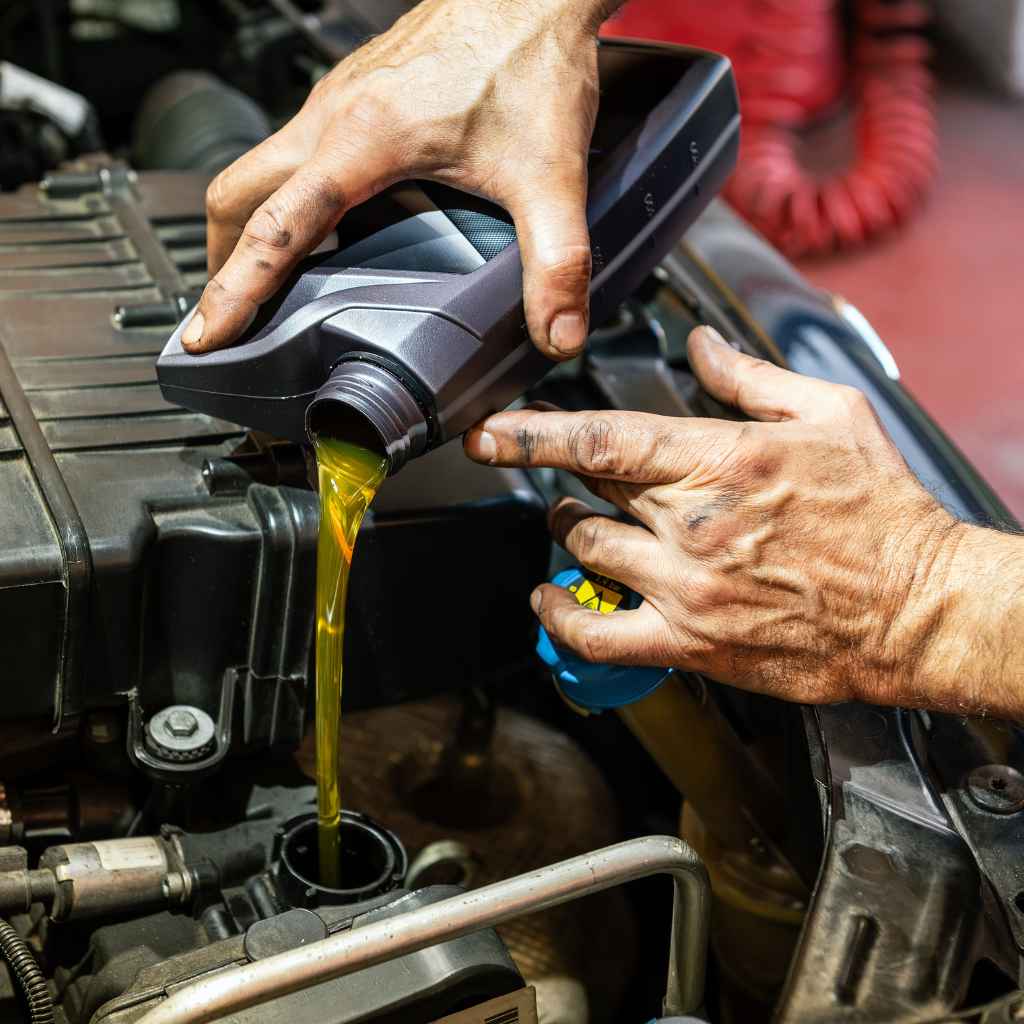
Can Low Engine Oil Cause A Car To Smoke? Warning Signs
It’s a sight that can stop you in your tracks. Smoke pouring from your car’s exhaust. You might immediately think of big, expensive problems.
One common worry is about the oil level. Does low engine oil actually make a car smoke? Let’s clear the air on this.
We’ll look at why this happens and what you should watch for.
Low engine oil can indeed cause a car to smoke, but it’s often a sign of more serious internal engine damage or oil burning. This typically manifests as blue or white smoke from the exhaust. Ignoring this symptom can lead to severe engine failure.
Understanding Engine Oil and Smoke
Your car’s engine oil does many important jobs. It keeps parts moving smoothly. It also cools the engine.
And it helps keep things clean inside. Oil lubricates all the moving metal parts. This stops them from rubbing together and causing too much heat.
When there isn’t enough oil, things get bad. The metal parts don’t get enough lubrication. They start to grind against each other.
This friction creates extra heat. This extra heat can cause oil to burn. It can also damage engine seals.
When oil burns, it turns into smoke. This smoke can then exit through your exhaust system. So, yes, low oil can lead to smoke.
But it’s usually a sign that something has already gone wrong inside the engine.
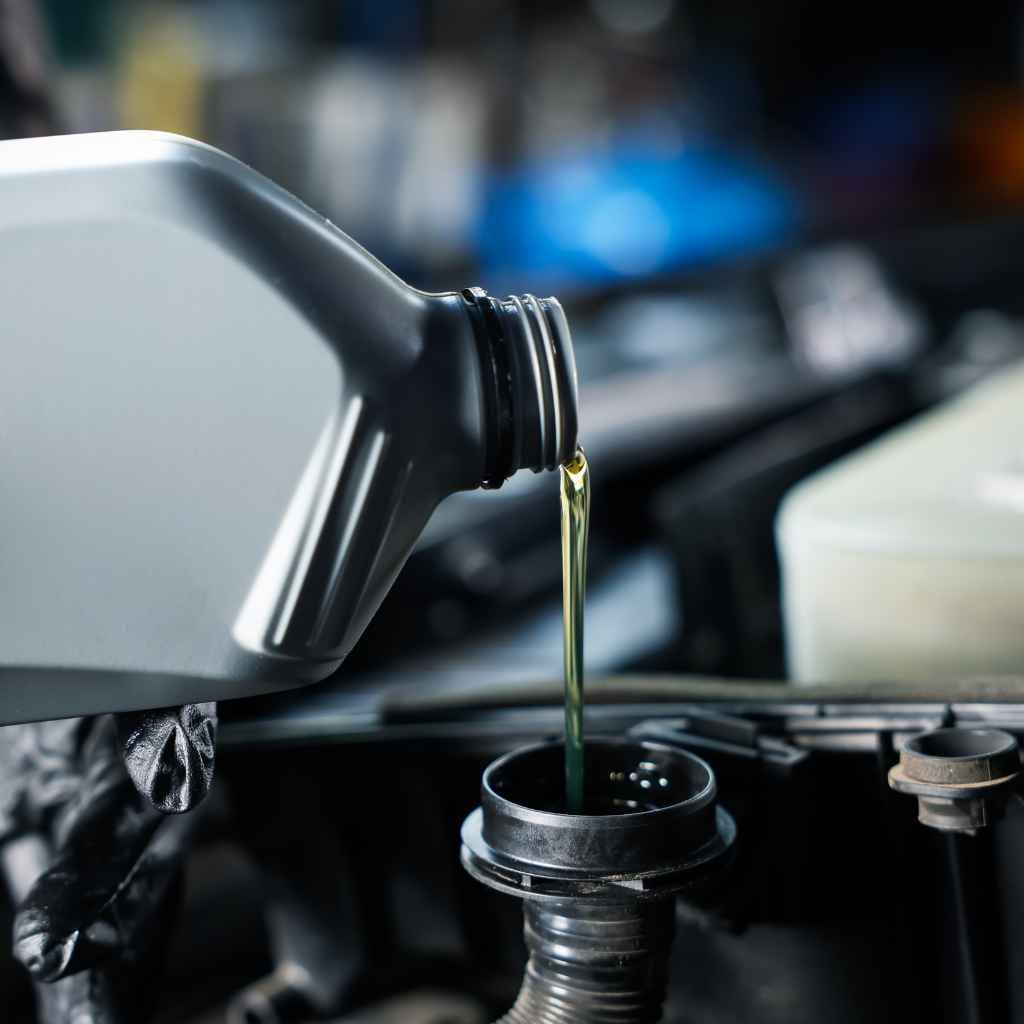
Why Low Oil Creates Smoke
Think of your engine like a complex system. It needs oil to function well. When the oil level drops too low, the oil pump might struggle to pick up oil.
It might even suck in air. This means oil pressure drops.
Without enough oil pressure, parts like the piston rings don’t get enough oil. These rings seal the combustion chamber. They also scrape oil off the cylinder walls.
If they don’t get enough oil, they can’t seal properly. They also can’t scrape oil away.
This allows oil to get into the combustion chamber. It mixes with the fuel and air. When this mixture burns, it creates smoke.
This is known as oil burning. The smoke is usually blue because of the oil. It might also be white if it’s burning off moisture too.
Another issue is overheated parts. When oil is low, parts can get very hot. Seals around the engine can dry out and crack.
These seals help keep oil where it belongs. If they fail, oil can leak into places it shouldn’t be.
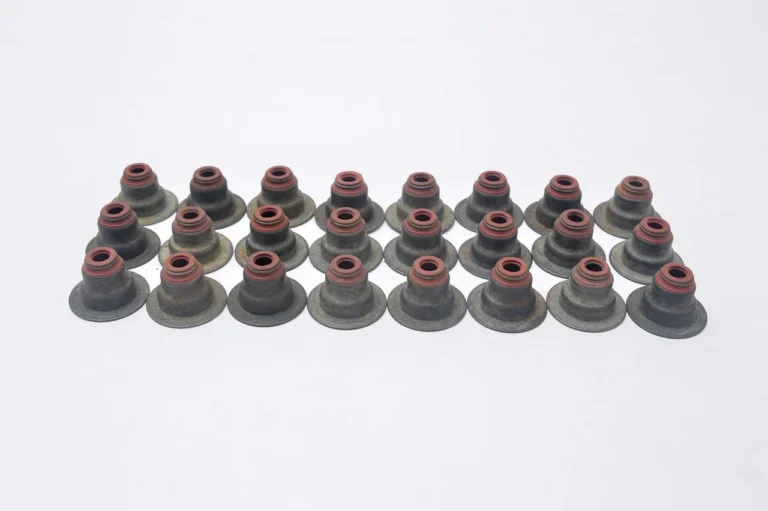
One common area for this is the valve stem seals. These are at the top of the engine. If they fail, oil can drip into the cylinders.
This oil then gets burned. It comes out the exhaust as smoke.
Personal Experience: The Day My Car Choked
I remember it like it was yesterday. It was a chilly Tuesday morning. I was driving to an early meeting.
The sun was just starting to peek over the horizon. Everything felt normal. Then, I saw it in my rearview mirror.
A faint, but definitely noticeable, puff of blue smoke.
My heart sank. I immediately thought, “Oil.” I’d been a bit slack with my car’s checks lately. Life had been hectic.
I’d missed a regular oil change by a few weeks. I pulled over as soon as it was safe. I popped the hood.
The dipstick showed the oil level was way below the minimum mark. It was barely touching the end.
The smoke continued to puff out every now and then. It wasn’t a constant cloud, but it was enough to worry anyone. I felt a knot of panic in my stomach.
I knew this wasn’t good. I had to get it towed. The drive to the mechanic felt like an eternity of worry.
He confirmed my fears: the low oil had caused internal issues. It was a costly lesson in listening to my car.
Common Causes of Low Engine Oil
Not Enough Oil: The simplest reason is that oil has leaked out or wasn’t refilled properly.
Oil Leaks: Seals and gaskets wear out. This lets oil escape the engine.
Oil Burning: Internal engine wear means oil gets into the combustion chambers.
Frequent Short Trips: Condensation can build up. It can thin the oil over time.
Types of Smoke and What They Mean
The color of the smoke is a big clue. It tells you what might be going on. Your car’s exhaust color can be a direct message from your engine.
Blue Smoke: This is the most common sign of oil burning. It means oil is getting into the combustion chamber. This could be due to worn piston rings, valve stem seals, or PCV issues.
Low oil levels make these problems worse. They lead to more oil entering the burn zone.
White Smoke: This can be tricky. Often, white smoke is just condensation. Especially on cold days.
It’s water vapor. It should disappear as the engine warms up. However, thick, persistent white smoke could mean coolant is leaking into the combustion chamber.
This is a much more serious issue. It points to a blown head gasket. Low oil usually doesn’t directly cause white smoke.
But a severely overheating engine (due to low oil) could worsen a coolant leak problem.
Black Smoke: This usually means the engine is burning too much fuel. It’s like a poorly adjusted gas stove. It’s not getting enough air or too much fuel.
This is often an issue with fuel injectors or the air filter. Low oil is not the typical cause of black smoke. However, an engine running very poorly due to lack of oil could indirectly affect fuel mixture.
Smoke Color Guide
- Blue Smoke: Oil burning. Usually means worn engine parts.
- White Smoke: Coolant leak (serious) or condensation (normal when cold).
- Black Smoke: Rich fuel mixture. Too much fuel, not enough air.
The Oil Level Check: A Simple First Step
Before you panic, always check your oil. This is something you can do yourself. It’s a vital part of car care.
You don’t need to be a mechanic to do it.
First, make sure your car is on a flat surface. Park it on level ground. This gives you an accurate reading.
Turn off the engine. Wait for at least 5–10 minutes. This lets the oil drain back into the oil pan.
Locate your engine’s oil dipstick. It usually has a bright, often yellow or orange, loop handle. Pull it out.
Wipe it clean with a clean cloth or paper towel. Reinsert it fully. Then pull it out again.
Check the oil level on the dipstick.
There will be marks on the dipstick. They usually say “ADD” or “MIN” and “FULL” or “MAX.” If the oil level is below the ADD or MIN mark, your oil is low. You should add oil.
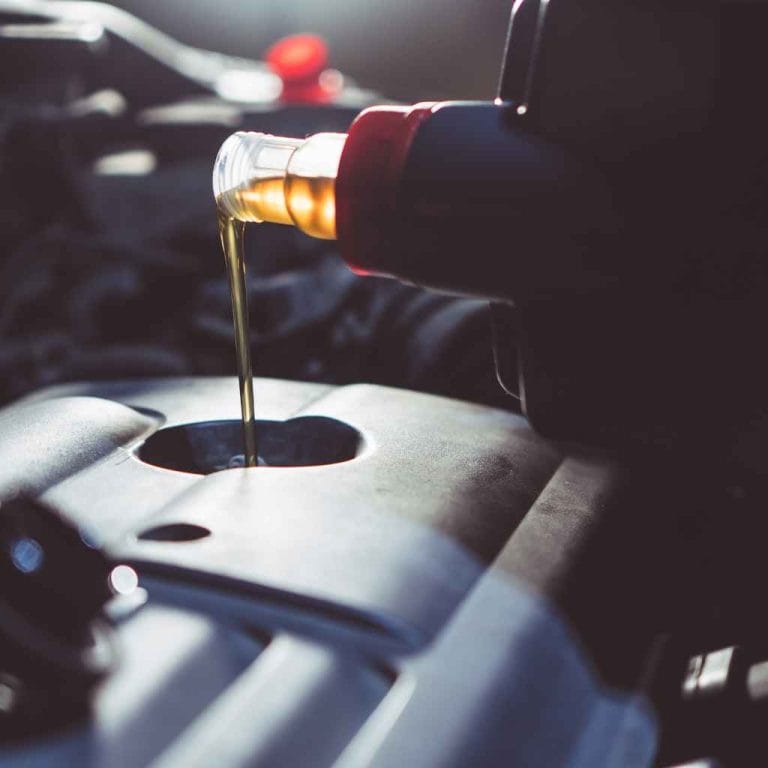
Use the type of oil recommended in your car’s owner’s manual.
Important: Add oil in small amounts. Wait a minute or two. Then recheck the dipstick.
Don’t overfill it. Overfilling can also cause engine problems. It can even cause smoking, though typically a different kind.
Quick Oil Check Steps
- Park on a level surface.
- Turn off the engine. Wait 5-10 minutes.
- Find and pull out the dipstick.
- Wipe it clean. Reinsert it fully.
- Pull it out again and check the level.
- Add oil if needed, a little at a time.
When Low Oil Leads to Serious Engine Damage
If your engine oil level is consistently low, or you see smoke, it’s a sign of trouble. The longer you drive without enough oil, the more damage occurs.
Friction and Wear: As mentioned, metal parts grind together. This wears them down. Piston rings get damaged.
Cylinder walls can get scratched. This is often permanent damage.
Overheating: Oil helps cool the engine. Without enough oil, critical parts overheat. This can warp metal components.
It can also degrade the oil itself, making it less effective.
Oil Pump Failure: If the oil pump can’t get oil, it can overheat and fail. This leads to a complete loss of oil pressure. The engine will seize very quickly after this.
This is often the end of an engine’s life.
Bearing Damage: The engine’s bearings are crucial. They support the rotating parts like the crankshaft. They need a constant film of oil.
Without it, they can be damaged. This often leads to knocking sounds and eventually engine failure.
Head Gasket Failure: Overheating from low oil can stress the head gasket. This is the seal between the engine block and the cylinder head. When it fails, it can lead to coolant leaks or oil leaks.
It can also allow oil and coolant to mix.
So, that smoke isn’t just an annoyance. It’s a warning light. It says your engine is suffering.
Ignoring it is like ignoring a persistent cough. It could be something minor, or it could be serious.
Consequences of Driving with Low Oil
Increased Wear: Metal parts rub, causing damage.
Engine Overheating: Oil cools; low levels cause hot spots.
Oil Pump Damage: The pump itself can fail.
Bearing Failure: Critical components can break.
Catastrophic Engine Failure: The engine can completely stop working.
What to Do If You See Smoke
Seeing smoke from your car is never a good sign. If you see smoke and suspect it’s related to oil, here’s what you should do:
1. Pull Over Safely: As soon as you notice smoke, find a safe place to stop. Get off the road.
Turn off the engine. This prevents further damage.
2. Check Your Oil Level: Once the engine has cooled down a bit, check your oil dipstick. Is it low?
If so, this is likely your culprit.
3. Do Not Drive Further if Low: If the oil is very low, do not try to drive the car. Driving with critically low oil can cause severe, irreparable engine damage.
Call for a tow truck.
4. Add Oil (If Slightly Low): If the oil is just a little low and the smoke is minor, you might be able to add enough oil to get to a mechanic. But be very cautious.
Listen to your car. If the smoke gets worse, stop.
5. Consult a Mechanic: Even if you add oil and the smoke stops, you should still have a mechanic inspect your car. There’s a reason the oil was low.
Was it a leak? Is the engine burning oil? A mechanic can diagnose the root cause.
6. Be Honest with Your Mechanic: Tell them exactly what you saw and when. Mention the smoke color.
Explain that you checked the oil level. This information is crucial for them to help you.
Immediate Steps When You See Smoke
Safety First: Pull over safely and turn off the engine.
Dipstick Check: See if the oil level is low.
Avoid Driving: If oil is critically low, call for a tow.
Cautious Refill: Add oil slowly if slightly low, but monitor closely.
Seek Professional Help: Always get it checked by a mechanic.
Real-World Scenarios of Oil Smoke
Let’s look at some typical situations where low oil might cause smoke. These are based on common car problems.
Scenario 1: The Leaky Gasket
Imagine a car that’s been sitting for a while. Maybe it’s an older sedan. The owner noticed a small oil spot on the driveway.
They didn’t think much of it. They figured they’d get it checked “soon.” Over time, these small leaks add up. The oil level drops without the owner realizing it.
One day, they take it for a longer drive. Suddenly, blue smoke starts puffing from the tailpipe. The car might also feel sluggish.
The engine temperature might creep up. This is because the leaking gasket allowed oil to escape. The engine is now running with insufficient lubrication and is starting to burn oil internally.
Scenario 2: The Neglected Maintenance
This is a common one. People get busy. They forget or postpone oil changes.
The old oil breaks down. It loses its lubricating power. Also, the oil filter gets clogged.
If the oil level wasn’t checked regularly, it could have dropped over months. The old, broken-down oil isn’t protecting the engine parts effectively.
When the engine is pushed, like during acceleration, the worn-out parts start to suffer. Piston rings that are no longer sealing well let oil slip into the combustion chamber. The result?
Blue smoke. It’s a direct consequence of not maintaining the oil.
Scenario 3: The High-Mileage Engine
Engines with many miles on them naturally experience wear. Seals become less flexible. Piston rings can get a bit worn.
Valve stem seals can harden and crack. In a well-maintained high-mileage engine, these issues might be minor. But if the oil level has been neglected, these small wear points become major problems.
Oil can start to seep past worn piston rings or through bad valve seals. This oil makes its way into the combustion area. When the engine runs, this oil burns.
It creates the characteristic blue smoke. It’s the engine’s way of telling you it’s tired and needs attention.
Real-World Oil Smoke Examples
Leaky Gaskets: Oil escapes, lowering levels and causing internal burn.
Missed Oil Changes: Old oil fails to protect, leading to wear and burning.
Engine Wear: Old seals and rings let oil into the combustion chamber.
What This Means for Your Car’s Health
Seeing smoke, especially blue smoke, linked to low oil means your car is telling you something important. It’s not just a minor issue. It indicates that the engine’s internal components are not functioning as they should.
When it’s normal: Very minor, wispy white smoke on a cold morning that disappears quickly is usually normal condensation. Any other smoke color, especially blue, is NOT normal.
When to worry: You should worry if you see:
- Blue smoke: This is a strong indicator of oil burning.
- Persistent white smoke: This could be a blown head gasket.
- Any smoke accompanied by low oil level: This is a warning.
- Smoke that gets worse with acceleration: This means more oil is being forced into the combustion chamber.
- Strange noises: Knocking or grinding sounds along with smoke are very bad signs.
Simple checks: Regularly checking your oil level is the most important simple check. Also, pay attention to any unusual smells or sounds. Look for oil spots under your car.
If you notice smoke and low oil, the immediate step is to stop driving. Get it diagnosed. Driving with low oil that’s causing smoke can quickly turn a repairable problem into an engine replacement.
The cost of a tow is far less than a new engine.
Assessing the Risk
Normal: Cold morning white condensation (quick to vanish).
Concerning: Blue smoke, persistent white smoke.
Serious: Smoke with low oil, strange engine noises.
Action: Stop driving, check oil, get professional diagnosis.
Quick Tips for Oil Management
Keeping your engine healthy involves good oil practices. These aren’t complicated. They just require a little attention.
1. Check Oil Regularly: Make it a habit. Do it at least once a month.
Or before any long trips. It takes two minutes and can save you thousands.
2. Follow Recommended Oil Changes: Stick to your car’s maintenance schedule. Your owner’s manual is your best friend here.
Use the correct type and weight of oil.
3. Use Quality Oil Filters: A good oil filter keeps contaminants out of your oil.
4. Address Leaks Promptly: If you see oil spots, get them checked. Small leaks can become big problems.
5. Don’t Ignore Warning Lights: Your car has an oil pressure light or check engine light. Don’t drive with these on.
They are important signals.
6. Consider Driving Habits: If you mostly do short trips, condensation can build up. Check your oil more often.
Aggressive driving can also put more strain on your engine oil.
These simple steps can prevent many of the issues that lead to oil burning and smoke. They are part of being a responsible car owner.
Essential Oil Care Tips
- Frequent Checks: Check oil monthly.
- Scheduled Changes: Follow manufacturer’s advice.
- Quality Parts: Use good oil and filters.
- Fix Leaks: Don’t delay oil leak repairs.
- Heed Warnings: Pay attention to dashboard lights.
Frequently Asked Questions
Can a car run without oil? (Even for a short time)
A car can run for a very short time without oil, but it’s extremely damaging. The internal parts will quickly grind against each other due to lack of lubrication. This causes severe wear and can lead to the engine seizing up almost instantly.
It’s never advised to try running a car without oil.
How much oil can I add to my car at once?
Always add oil in small increments, like about a quarter of a quart (or half a liter) at a time. Wait a few minutes for it to settle, then recheck the dipstick. It’s much easier to add more oil than it is to remove excess oil if you overfill.
Overfilling can cause its own problems, like foaming oil or damaging seals.
Is it normal for a car to use some oil?
Yes, most cars use a small amount of oil over time. This is normal. Engines are complex machines.
Some oil is consumed during the combustion process, especially in high-mileage vehicles. However, using a lot of oil, or seeing smoke, is not normal and needs attention.
What is the difference between blue smoke and white smoke from exhaust?
Blue smoke typically means your engine is burning oil. This happens when oil gets into the combustion chamber. White smoke can be normal condensation, especially when the engine is cold.
But persistent, thick white smoke can mean coolant is leaking into the combustion chamber, which is a serious problem usually caused by a blown head gasket.
Can overfilling engine oil cause smoke?
Yes, overfilling engine oil can cause smoke. When the oil level is too high, the crankshaft can whip the excess oil into a foam. This foamy oil is not as effective at lubricating and can get drawn into the combustion chamber, causing blue or even bluish-white smoke.
It can also damage seals and gaskets over time.
How often should I check my car’s oil level?
You should check your car’s oil level at least once a month. It’s also a good idea to check it before any long road trips. This simple habit can help you catch low oil levels or leaks early, preventing more serious damage and potential smoking issues.
Conclusion
Low engine oil and smoke are definitely linked. The smoke is your engine’s distress signal. It tells you that oil is either leaking out too fast or burning up inside.
Addressing oil levels and maintenance isn’t just about preventing smoke. It’s about keeping your engine healthy for the long haul. Regular checks and timely oil changes are key.
Products related to this article
Sponsored / affiliate links. As an Amazon Associate I earn from qualifying purchases. I may earn additional commission from eligible campaigns.