How to Get Car Motor Oil Out of Clothes: Fast Removal Tips
Getting motor oil on your clothes can feel like a disaster. The dark, greasy stains seem impossible to remove, and if you act slowly, they can become permanent. Whether you’re a car enthusiast, a mechanic, or just someone who got unlucky during a simple oil check, knowing how to deal with car motor oil stains can save your favorite shirt or pants from the trash. But you don’t have to give up on stained clothes.
With the right steps, products, and a little patience, you can often remove even tough oil marks. This guide covers everything you need to know, from quick action tips to deep cleaning methods and even what to do if the stain is old or set in. You’ll also learn why some methods fail, how to avoid common mistakes, and what professional cleaners do differently. Let’s break down the process so you can handle motor oil stains confidently—without ruining your clothes.
Why Motor Oil Stains Are So Hard To Remove
Motor oil isn’t like most stains. It’s made of complex hydrocarbons, which are sticky and designed to resist water. This makes them hard to wash out with just soap and water. On fabric, motor oil quickly soaks into the fibers, especially in cotton or polyester blends. The longer it sits, the more it bonds with the material, making removal difficult. Regular laundry detergents are not designed to break down these greasy molecules. That’s why removing motor oil needs special steps and products.
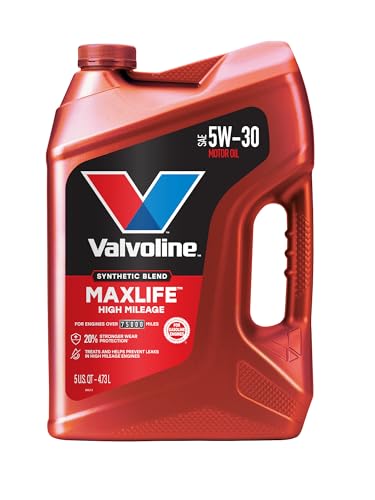
Valvoline
Valvoline MaxLife High Mileage 5W-30 Synthetic Blend…
- Formulated for engines with 75,000 miles or more, Valvoline MaxLife High Mileage synthetic blend is formulated with seal condition…
- Delivers 20% better wear protection and 15% better sludge defense than industry standards to help prevent engine breakdown
- Extra detergents safeguard against friction, corrosion and deposits to keep high-mileage engines clean
As an Amazon Associate I earn from qualifying purchases.

Act Fast: Immediate Steps When Oil Hits Your Clothes
Speed matters. The sooner you treat the stain, the better your chances of getting your clothes clean.
- Remove the Garment: Take off the stained clothing as soon as possible. This prevents the oil from spreading or getting pressed deeper into the fabric.
- Blot, Don’t Rub: Use a paper towel or clean cloth to blot up as much oil as possible. Rubbing spreads the stain and pushes oil deeper.
- Sprinkle Absorbent Powder: Cover the stain with baking soda, cornstarch, or even baby powder. These powders absorb some of the oil from the fabric. Let it sit for at least 10–15 minutes.
- Shake Off Excess Powder: Brush off the powder gently.
- Pre-Treat with Dish Soap: Apply a few drops of a strong degreasing dish soap (like Dawn) directly to the stain. Gently work it in with your fingers or a soft brush.
These immediate steps can make a big difference, especially if you act before the oil dries or sets.
Pre-treatment Methods: Breaking Down The Oil
Once you’ve absorbed as much oil as possible, you need to break down the remaining grease so your regular wash can work. Here are proven pre-treatment methods:
Dish Soap
Dish soap is excellent for motor oil stains because it’s designed to cut grease. Apply a small amount directly to the stain, rub gently, and let it sit for 5–10 minutes.
Heavy-duty Laundry Detergent
For tough jobs, use a heavy-duty detergent with enzymes (like Tide or Persil). Apply directly to the stain, rub in with an old toothbrush, and wait 10–15 minutes.
Wd-40
This may sound strange, but WD-40 can help loosen old or heavy oil stains because it breaks down the sticky molecules. Spray a small amount on the stain, let it soak for 5 minutes, then blot and continue with dish soap.
Specialized Stain Removers
Products like Zout, Shout, or OxiClean MaxForce are designed for tough grease. Spray or rub them on, following the package instructions.
Home Remedies
For those who prefer natural methods, white vinegar and baking soda can help. Vinegar acts as a mild degreaser, but it’s not as powerful as dish soap.
Non-obvious insight: Dish soap can sometimes leave a residue if not fully rinsed. Always rinse well before machine washing.
Washing Techniques That Work
After pre-treating, it’s time to wash the garment. Here’s how to get the best results:
- Use Hot Water (If Safe): Check the fabric care label. Hot water helps dissolve oil, but it can damage delicate fabrics. For cotton and polyester, hot water is usually safe.
- Wash Separately: Don’t wash oil-stained clothes with the rest of your laundry. Oil can transfer during washing.
- Add Extra Detergent: Use more detergent than usual for extra cleaning power.
- Repeat Wash if Needed: Sometimes, one wash isn’t enough. Check the stain before drying; if it’s still there, repeat the process.
Example: Comparing Detergents
Here’s how different detergents perform against motor oil stains:
| Detergent Type | Effectiveness (1-5) | Best For |
|---|---|---|
| Standard Laundry Detergent | 2 | Light stains |
| Heavy-Duty Detergent | 4 | Most oil stains |
| Degreasing Dish Soap | 5 | Fresh or heavy stains |
| OxiClean or Enzyme Cleaner | 4 | Old stains |
Non-obvious insight: Some eco-friendly detergents may not be strong enough for motor oil. Always check the label for “enzyme” or “grease-fighting” properties.
Drying: Why You Should Never Use High Heat
After washing, it’s tempting to throw the clothes in the dryer. Don’t do it—at least not yet. Heat from the dryer can set the stain, making it almost impossible to remove later.
- Air Dry First: Check the stain after washing. If any oil remains, repeat cleaning steps before using a dryer.
- Sunlight Can Help: Sunlight acts as a mild natural bleach and can help lighten any remaining marks.
- Avoid Ironing: Like the dryer, ironing can set stains. Only iron after you’re sure the stain is gone.
Deep Cleaning For Set-in Or Old Motor Oil Stains
Sometimes you don’t notice a stain until it’s old. Old oil stains are much harder to remove, but not impossible.
- Apply WD-40 or Lestoil: These products penetrate old oil. Spray or dab on the stain, let sit for 10 minutes.
- Blot with Paper Towel: Remove as much loosened oil as possible.
- Cover with Baking Soda: Sprinkle baking soda and let sit for another 15–20 minutes.
- Brush Off Powder: Use a brush or cloth to remove powder.
- Pre-Treat with Dish Soap: Rub in dish soap or a commercial stain remover.
- Wash in Hot Water: Use heavy-duty detergent and the hottest water safe for the fabric.
Example: Home Degreasing Products Compared
| Product | Used For | Risk to Fabric |
|---|---|---|
| WD-40 | Old stains | Medium (test first) |
| Lestoil | Heavy/industrial stains | Medium (test first) |
| Baking Soda | Fresh stains | Low |
| OxiClean | Set-in stains | Low |
Tip: Always test strong cleaners on a small, hidden area first. Some products can fade or damage fabric colors.
Fabric Types: What Works Best For Each
Not all fabrics handle oil the same way. Here’s what you need to know for common materials:
Cotton
- Pros: Absorbs well, tolerates hot water and scrubbing.
- Cons: Oil soaks in quickly.
- Best Method: Dish soap or heavy-duty detergent, hot water, repeat washing.
Polyester And Synthetic Blends
- Pros: Less absorbent than cotton, but oil still sticks.
- Cons: Can melt or fade with harsh chemicals.
- Best Method: Dish soap, gentle scrubbing, warm (not hot) water.
Wool, Silk, And Delicates
- Pros: Less likely to get heavy oil stains, but harder to clean.
- Cons: Easily damaged by heat or strong chemicals.
- Best Method: Cornstarch for absorption, gentle soap, cold water. Consider professional cleaning.
Denim
- Pros: Durable, can handle strong cleaning.
- Cons: Thick fabric means oil may go deep.
- Best Method: Multiple treatments, hot water, and heavy-duty detergent.
Example: Fabric Care And Motor Oil Removal
| Fabric | Best Cleaner | Water Temp | Special Notes |
|---|---|---|---|
| Cotton | Dish soap | Hot | Repeat if needed |
| Polyester | Heavy-duty detergent | Warm | Gentle scrub |
| Wool/Silk | Cornstarch, gentle soap | Cold | Avoid strong chemicals |
| Denim | Degreaser, detergent | Hot | Multiple washes |
What To Avoid: Common Mistakes That Make Stains Worse
Many people unknowingly make motor oil stains harder to remove. Avoid these mistakes:
- Using Hot Water Immediately on Delicates: Hot water can set stains in silk or wool.
- Rubbing Too Hard: Aggressive scrubbing damages fibers and spreads the stain.
- Drying Before the Stain Is Gone: Dryer heat sets stains permanently.
- Not Testing Strong Cleaners: Products like WD-40 or Lestoil can fade or harm some fabrics.
- Skipping Pre-Treatment: Throwing clothes straight into the washer rarely works.
Practical insight: If you can’t treat the stain right away, keep the garment damp. Dry oil stains are much harder to remove.
Professional Cleaning: When To Get Help
If you’ve tried everything and the stain remains, it might be time for a professional cleaner. Dry cleaners use solvents not available to consumers and have experience with stubborn stains. This is especially important for valuable or delicate items like silk blouses or expensive suits.
- Be Honest About the Stain: Tell the cleaner it’s motor oil. This helps them choose the right solvent.
- Don’t Try Too Many Methods First: Over-treating can make stains harder for professionals to remove.
Preventing Motor Oil Stains In The Future
Prevention is always better than cleaning. Here’s how to reduce your risk:
- Wear Old or Protective Clothes: Use coveralls or old shirts when working on your car.
- Use Gloves and Aprons: These keep oil off your clothes and hands.
- Keep Absorbent Powder Nearby: If you spill, act fast.
- Change Clothes Quickly: Don’t sit in oil-stained clothes; it presses the oil deeper.
Non-obvious tip: Keeping a small bottle of dish soap and powder in your garage or car kit means you’re always ready for quick action.
When To Accept That A Stain Is Permanent
Sadly, some motor oil stains just won’t come out, especially if they’ve been dried multiple times or are very old. In this case:
- Repurpose the Garment: Use it for work, painting, or DIY projects.
- Recycle or Donate: Some organizations accept old textiles for rags or insulation.
- Learn for Next Time: Fast action is your best defense.
Real-life Example: Step-by-step Removal
Let’s say you get motor oil on your favorite pair of jeans while changing the oil in your car. Here’s how to handle it:
- Immediate Blotting: You grab a paper towel and blot up the fresh oil.
- Absorbent Powder: Sprinkle baking soda on the stain, let it sit for 20 minutes, then shake it off.
- Dish Soap Treatment: Rub a generous amount of dish soap into the stain and let it sit for 10 minutes.
- Gentle Scrubbing: Use an old toothbrush to work the soap deeper into the fabric.
- Hot Water Wash: Wash the jeans alone, on the hottest setting safe for denim, with extra detergent.
- Air Dry: After washing, you check for the stain. If it’s still there, repeat the soap and wash process.
- Success: The stain fades after two washes, and your jeans are as good as new.
Comparing Home Vs. Professional Methods
Many people wonder if home cleaning is as good as professional cleaning for motor oil stains. Here’s a clear comparison:
| Method | Effectiveness | Cost | Time |
|---|---|---|---|
| Home Cleaning | Good for fresh stains, less effective for old stains | Low (household products) | 1–2 hours, may repeat |
| Professional Cleaning | Excellent (for most stains) | Medium–high | 1–3 days (turnaround) |
Non-obvious insight: Many dry cleaners use petroleum-based solvents, which are particularly effective on motor oil, but these are not available for home use.
Environmental Concerns And Safe Disposal
When removing motor oil from clothes, be careful about environmental safety:
- Dispose of Powders Safely: Baking soda or cornstarch used to absorb oil should be thrown out, not washed down the drain.
- Limit Chemical Use: Only use as much cleaner as needed.
- Avoid Pouring Oil Down Drains: Even small amounts of oil can pollute water systems.
For more on safe disposal, see the guidelines from the U.S. Environmental Protection Agency.

Frequently Asked Questions
How Can I Remove Motor Oil Stains That Have Already Dried?
Dried motor oil stains are harder to remove but not impossible. Start by applying WD-40 or Lestoil to break up the old oil, then use an absorbent powder like baking soda. After 15–20 minutes, brush off the powder, treat with dish soap, and wash in the hottest water safe for the fabric.
You may need to repeat the process.
Is It Safe To Use Wd-40 On All Types Of Fabrics?
No, WD-40 can damage delicate fabrics like silk or wool and may affect the color of some materials. Always test on a small, hidden area before using it on the main stain. For delicate items, stick to gentler methods or seek professional cleaning.
Can I Use Regular Laundry Detergent Alone To Remove Motor Oil?
Regular laundry detergent is often not strong enough for fresh or old motor oil stains. You need a degreasing dish soap or a heavy-duty enzyme detergent for best results. Pre-treating is key; detergent alone may not fully remove the stain.
What If The Stain Is Still There After Washing?
If the stain remains, do not dry the garment. Repeat the pre-treatment and washing steps. Drying sets the stain, making it much harder to remove. In some cases, professional cleaning may be needed for stubborn marks.
Are There Eco-friendly Ways To Remove Motor Oil From Clothes?
Yes, you can use absorbent powders like baking soda or cornstarch and mild dish soap. These methods are less harmful to the environment, but may require more time and repetition. Avoid harsh chemicals if possible, and dispose of oily powders in the trash, not down the drain.
Getting car motor oil out of clothes isn’t always easy, but it’s almost always possible if you act quickly and use the right techniques. With patience, the right products, and care for your fabrics, you can save your favorite clothes from even the toughest stains. If all else fails, professional cleaners are your backup—but with these tips, you’ll rarely need them.
Related pick: Check today's price on Amazon