Ford parts replacement guide: OEM vs aftermarket choices
For Ford parts replacement, use OEM for safety-critical systems, brakes, steering, airbags, sensors tied to driver assistance, and consider quality aftermarket for low-risk wear items like filters, wipers, cabin air filters, and many suspension bushings. Cheap wrong-fit parts cause warning lights, early failures, longer stopping distances, and repeat labor. This guide breaks down Ford parts by system in a decision matrix so you can pick OEM or aftermarket with confidence.
This guide is part of our Ford car maintenance guide series.
| Decision factor | Ford parts replacement guide: OEM | aftermarket choices | Winner |
|---|---|---|---|
| Fitment certainty | Direct-match fitment to factory spec is the norm | Fitment can be good, but tolerance spread varies by maker | OEM |
| Up-front price | Usually higher | Often lower | aftermarket choices |
| Safety-system compatibility | Best choice for sensors, radar, and driver-assist hardware | Risk rises unless the part is verified for the exact model and option set | OEM |
| Collision-repair confidence | Strong choice for structural and alignment-sensitive parts | CAPA certified parts can be acceptable in the right repair | Tie |
| Best value on wear items | Good, but often overpriced for simple consumables | Better value when the part is low-risk and from a known seller | aftermarket choices |
How should Ford owners choose replacement parts?
Choose by risk, not by brand habit. Ford Genuine Parts sit at the dealer and online parts counter, and Ford says its genuine parts and accessories offer the right fit and trusted products. OEM parts are original-equipment parts built to factory specs, while aftermarket parts range from basic low-cost pieces to certified options with tighter control.
The three buckets: genuine, OEM, and aftermarket
Ford Genuine Parts are often the factory-fit path many owners prefer when a repair affects warranty records, resale, or a sensitive system. OEM means the part is made to the original equipment maker’s specification and should match the vehicle’s design intent closely. Aftermarket covers the broad market of substitute parts, and that category includes both bargain pieces and higher-grade certified parts.
The decision inputs that matter: safety, fitment, cost, and resale
Safety comes first for Ford safety systems, steering, brakes, and crash-related body parts. Fitment matters because a part can look right and still place sensors, brackets, or mounting points out of position. Cost is not just the sticker price; labor time, return risk, and rework risk often change the final bill more than the part itself.
📊 Ford’s global heritage dates to June 16, 1903, according to Ford corporate information. Source: FORD.
OEM vs aftermarket: what is actually different?
OEM parts are the closest match to the original build, and the usual tradeoff is price. Aftermarket parts can cost less, but quality ranges from plain replacement pieces to certified parts with tighter testing and more consistent dimensions. Ford’s parts shopping path makes genuine parts easy to source, while the aftermarket asks the buyer to do more verification.
OEM definition and direct-match fitment
OEM parts are made to factory specs, and that is the main reason they reduce guesswork. The best case is a part that bolts in, connects correctly, and behaves the same way the original part did before failure. Ford’s own messaging around genuine parts points to right fit and trusted products, which matters on newer trucks, SUVs, and EVs with more electronics in the loop.
Aftermarket standard vs certified variants
Standard aftermarket parts may use different materials, looser tolerances, or slightly different mounting geometry. CAPA certified parts sit higher on the trust scale because they are independently tested, which matters most in collision repair where shape, thickness, and mounting consistency affect the final result. That certification is not a blank check, but it is a meaningful filter.
Price, material quality, and tolerance spread
Lower price is the obvious draw, but the spread in material quality is the hidden issue. The carbody comparison notes OEM material specs are identical to factory parts, while standard aftermarket materials may be downgraded. That difference shows up later as squeaks, vibration, fitment headaches, or a part that simply ages faster.
Which Ford parts should stay OEM?

Parts tied to safety, driver assistance, and crash structure should stay OEM unless a certified repair path clearly fits the vehicle and the job. That includes brakes on warranty-sensitive jobs, steering components, airbags, radar and camera-related pieces, and structural body parts such as hoods and bumper brackets. These are not the places to save a little up front and pay for it twice.
Safety systems, sensors, and radar parts
Ford highlights Pre-Collision Assist as part of its vehicle technology, and that means sensor alignment and signal behavior matter. Non-standard parts can create false alarms, missed warnings, or calibration trouble after installation. On modern Ford models, a small bracket or grille change can affect how radar or camera hardware sees the road.
Structural body components and crash-related parts
Hoods, bumper brackets, rails, and related pieces are part of the vehicle’s deformation path. If a replacement part is off by even a little, it can change how energy moves in a crash or how panels line up under load. CAPA certified collision parts are more acceptable here than unverified pieces, but OEM still has the edge when the repair is structural or highly visible.
Warranty-sensitive repairs and dealer records
When the repair is fresh under warranty, or when the owner wants a clean dealer record, Ford Genuine Parts are the low-friction choice. Ford sells automotive parts as part of its product lineup, and the dealer or Ford online path makes documentation simpler. That paper trail can matter later when a service advisor or appraiser asks what was installed.
When is aftermarket acceptable on a Ford?
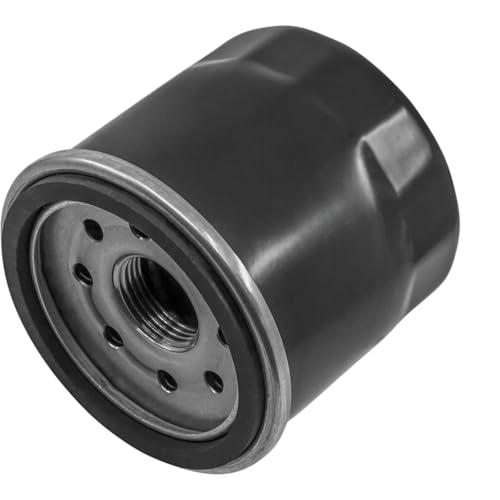
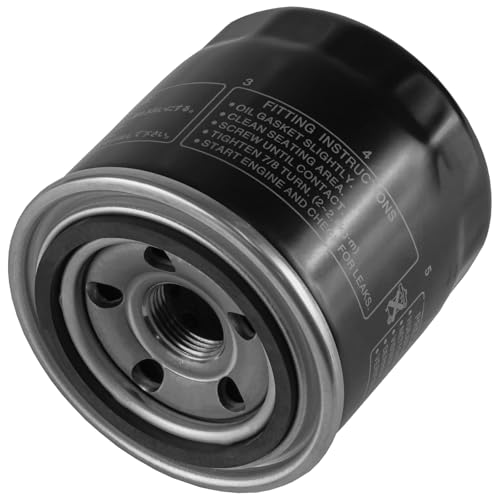
Aftermarket parts are acceptable for many low-risk wear items when the seller is reputable and the part is verified against the exact vehicle. Filters, wipers, cabin air filters, and many suspension consumables are common examples. The safe version of aftermarket buying uses VIN matching, part-number cross-checking, and a return policy that does not punish honest mismatch.
Low-risk wear items such as filters, wipers, and some suspension consumables
These parts usually do not affect sensor logic or crash structure. A cabin air filter that fits properly or a wiper blade that clears the glass is a normal aftermarket purchase. Even here, cheap parts can cause annoying noises, poor seal, or premature wear, so the cheapest option is not automatically the smart one.
How to judge part-number match, VIN fitment, and seller quality signals
Start with the VIN, then match the Ford part number or a known supersession number. The seller should state exact application by model, year, engine, body style, and trim, not just “fits Ford.” Good signals include clear packaging photos, return terms, and certification language when the part is meant for collision repair.
- Confirm the VIN and trim level.
- Cross-check the Ford part number and any replacement number.
- Verify sensor, bracket, connector, and mount shape.
- Check seller return terms before purchase.
- Inspect the part before installation.
- Scan for codes and test drive after the repair.
When a certified part is the better middle ground
CAPA certified parts are the sensible middle ground when the job is body repair and the budget matters. The independent testing is the point; it narrows the spread between the replacement part and the original shape and strength. For a bumper cover, fender, or similar collision part, certified aftermarket often beats a random no-name substitute.
Why do sensors and body structure change the answer?
Sensors and body structure change the answer because a part can be mechanically correct and still behave wrong in the vehicle. Ford safety systems depend on clean input, and crash-related parts depend on precise shape. That is why a Ford truck, an SUV with driver-assist tech, an EV with more electronic integration, and an older vehicle all deserve different part choices.
Ford safety systems and false-alarm risk
Pre-Collision Assist and similar systems are sensitive to placement, bracket angle, and material behavior around the sensor area. A non-standard grille, emblem mount, or radar bracket can trigger warnings, disable features, or create nuisance alerts. Once that happens, the part savings disappear into diagnosis and calibration time.
Hoods, bumper brackets, and crumple-zone behavior
Structural body components must align with the designed deformation path. If a hood or bumper bracket is built with different stiffness or hole location, the repair may fit cosmetically yet behave differently in a hit. That is why body repair shops often prefer OEM or CAPA certified parts for anything that affects crash energy management.
Model-specific nuance for trucks, SUVs, EVs, and older vehicles
Ford trucks and SUVs often carry more sensors, towing hardware, and front-end mass, so bracket and sensor compatibility matter more. EVs can be even less forgiving because the front fascia often houses more electronics and cooling pathways. Older vehicles are simpler, which sometimes makes quality aftermarket easier to justify, but rusted mounts and prior repairs can still create fitment trouble.
Use this part-by-part decision matrix
This matrix separates high-risk parts from low-risk wear items. It also shows when certified aftermarket is acceptable and what failure looks like after installation, which is where many bad buys reveal themselves. The symptom column matters because a poor part often announces itself fast.
| Component category | OEM recommended or not | Aftermarket acceptable conditions | Red-flag symptoms after installation |
|---|---|---|---|
| Brake hydraulics and brake sensors | Yes for warranty-sensitive or safety-critical repairs | Only from verified sources with exact vehicle match | Soft pedal, pulling, ABS light, uneven stopping |
| Steering and suspension links | Yes for steering gear and precision joints | Wear items can be acceptable if dimensions and load rating match | Clunks, wandering, off-center wheel, vibration |
| ADAS sensors, radar, camera mounts | Yes | Only if the part is explicitly approved for the exact system | Pre-Collision Assist alerts, calibration failure, blind spots in warnings |
| Hoods, bumper brackets, crash brackets | Yes for structural repairs | CAPA certified parts can fit the role in collision repair | Panel gaps, latch issues, trim interference, poor crash alignment |
| Filters, wiper blades, cabin filters | No | Yes, if dimensions and media quality are correct | Leaks, noise, poor wipe pattern, reduced airflow |
| Batteries and basic service items | Usually optional | Yes with correct fit, terminal layout, and rating | Crank issues, warning lights, loose hold-down, corrosion |
How do cost, labor, and rework change the real price?
The real price is part price plus labor, downtime, return risk, and rework risk. A cheaper part that does not fit can double the labor and leave the vehicle stuck on a lift or in a driveway. Ford Mobile Service can reduce that pain on the right job, since Ford says it can perform oil and filter changes, brakes, batteries, tire rotation, and more.
Part price versus installed cost
Installed cost is where many budget buys collapse. A low-cost part that needs trimming, shimming, or a second trip can erase the savings in minutes. For simple wear items, aftermarket often wins on price; for complex parts, OEM can be cheaper by the time the wrench turns for the last time.
Return risk and downtime
Returns take time, and many parts cannot be sent back once opened or installed. Downtime also has a real cost if the vehicle is a work truck, family hauler, or daily commuter. The more exact the fit needs to be, the more the return policy matters before purchase.
Rework risk when fitment is off
Rework is the hidden tax on wrong-fit parts. A sensor bracket that sits a few millimeters off can lead to warning lights, calibration delays, and second-round labor. That is why the safest buying path starts with VIN confirmation, part-number cross-checking, and a seller that can identify the exact fit before the box ships.
Choose Ford parts replacement guide: OEM if…
Choose OEM when the repair touches brakes, steering, airbags, radar, cameras, hoods, bumper brackets, or anything tied to warranty and documented service history. Ford Genuine Parts are the factory-fit route when exact match and lower risk matter more than sticker price. On newer Ford trucks, SUVs, and EVs, OEM is usually the cleanest choice for anything that talks to a computer.
Choose aftermarket choices if…
Choose aftermarket for low-risk wear items, routine service pieces, and some non-structural parts where fit is verified and the seller is credible. Certified aftermarket can be a practical middle ground for collision parts when OEM pricing is hard to justify. If the part is simple, visible, and easy to verify, aftermarket can be the smarter buy.
Frequently asked questions
Should I buy OEM or aftermarket Ford parts?
Buy OEM when the part affects safety, electronics, crash structure, or warranty records. Buy aftermarket when the item is a low-risk wear part and you can verify exact fit by VIN and part number. The decision should follow the system, not the cheapest cart total.
What parts should always be OEM on a Ford?
Brake hydraulics, steering parts, airbags, ADAS sensors, radar-related brackets, and structural crash parts are the strongest OEM candidates. Those components affect how the vehicle stops, warns, and absorbs impact. A bad substitute can create warning lights or worse.
Are aftermarket Ford parts safe?
Some are safe, especially for simple wear items and well-made certified collision parts. Safety drops when the part controls sensors, structural alignment, or braking performance. The buyer has to verify fit, certification, and seller quality instead of treating every aftermarket part the same.
How do I know if an aftermarket part will fit my Ford?
Match the VIN, confirm the Ford part number or supersession number, and verify the exact model, year, engine, body style, and trim. Check connector shape, bracket location, and sensor provisions before buying. Good fitment is specific, not generic.
What is CAPA certified and is it worth it?
CAPA certified means the part was independently tested, which makes it more credible than a random standard aftermarket part. It is most useful in collision repair, where panel shape and mounting consistency matter. For body repairs, it is often worth the extra scrutiny.
When does using aftermarket parts affect resale value?
Resale value can take a hit when repairs are poorly documented, visibly mismatched, or done with low-grade parts that raise concern during appraisal. Clean records, quality parts, and correct fit reduce that risk. Buyers and appraisers often prefer original-parts history on major repairs.
Products related to this article
Sponsored / affiliate links. As an Amazon Associate I earn from qualifying purchases. I may earn additional commission from eligible campaigns.