Why Is There Crackling Under the Hood After Shutdown?
Crackling under the hood after shutdown is often normal as metal cools, but if it lasts longer than a few minutes, gets louder, or comes with overheating, smoke, coolant loss, or a hot smell, it should be inspected. Ignoring the wrong sound can let a small leak, loose heat shield, or failing cooling part turn into a bigger repair. This guide helps you separate harmless cooldown noises from exhaust, turbo, heat-shield, and coolant-system faults.
What crackling after shutdown usually means


Brief crackling after the engine is switched off is commonly from hot parts shrinking as they cool. Metal contracts at different rates, so exhaust pieces, shields, and nearby brackets can tick, pop, or crackle for a short time right after shutdown. The sound is most common around the exhaust system and heat shields, and it usually fades as temperatures drop.
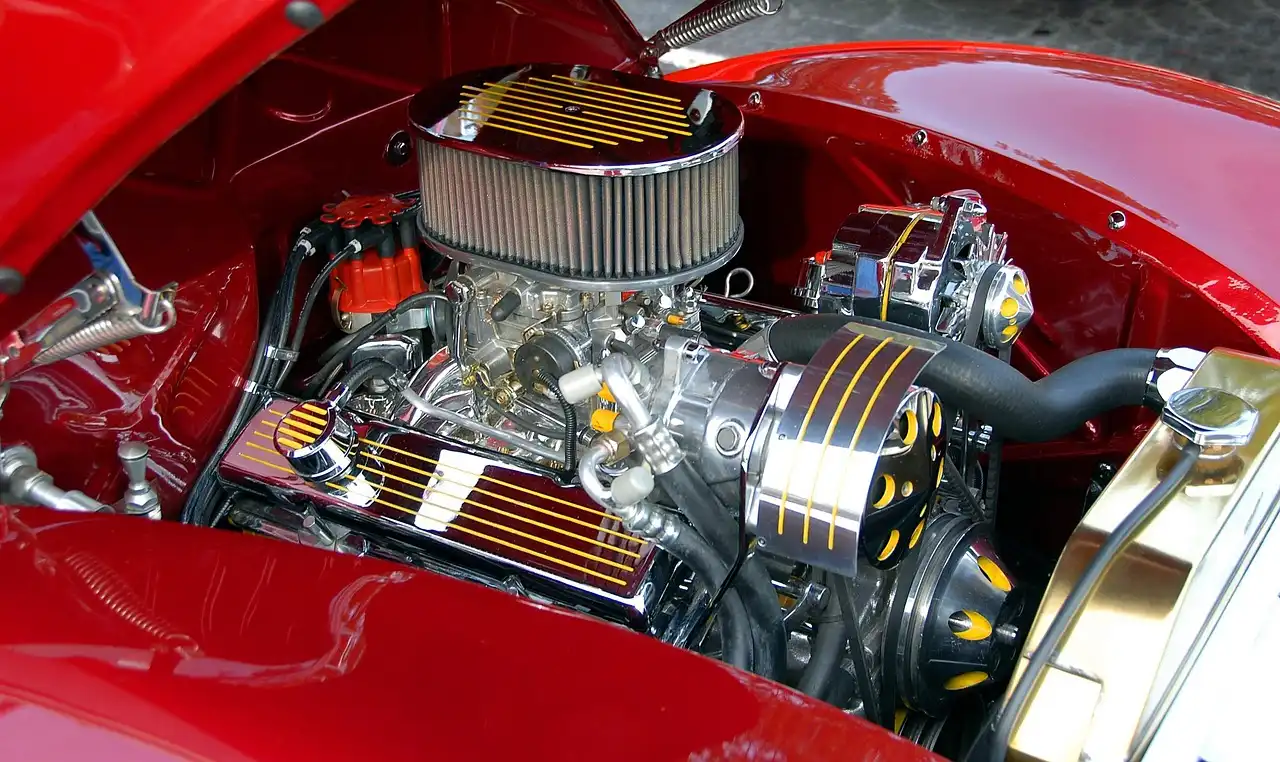
That cooling noise is usually brief, uneven, and tied to the engine just being turned off. If the sound is under the car, it often points to the exhaust manifold, piping, catalytic converter, or muffler. If it is up top, near the bonnet or hood, it may come from shields, hoses, wiring clips, or hot plastic parts reacting to heat soak.
Where the sound usually comes
Location matters. Under-car ticking or crackling often follows the exhaust path. Under-hood crackling more often involves shields, plastic covers, hoses, or turbo hardware on fitted vehicles. A sound that seems to move as the engine bay cools can still be normal, but a sound that stays fixed in one spot deserves a closer look.
Why is my car crackling after I turn it off?
Most brief crackling after shutdown is normal cooling noise from hot metal, especially exhaust parts and heat shields. It is more concerning when the sound is delayed, lasts beyond a few minutes, gets louder, or comes with smoke, steam, coolant loss, or a hot smell. Those red flags shift the diagnosis from normal cooldown to overheating or a leaking part.
Immediate shutdown noise usually tracks with hot metal cooling. Delayed crackling is different. It often appears after hard driving, hot weather, towing, or a traffic-heavy trip, when trapped heat rises after airflow stops. If the noise waits several minutes before starting, pay closer attention to what is getting hotter than expected.
How timing changes the likely cause
If the crackling begins right away, look first at thermal expansion and contraction. If it starts after a delay, look for heat soak, overheating, or a component that keeps retaining heat longer than the rest. That difference helps separate a normal cooldown sound from a part problem without replacing anything unnecessarily.
Say your sedan idles for a minute, then you shut it off and hear a light crackle from under the car for 90 seconds. That pattern fits normal exhaust cooling better than a fault. If the same car begins crackling five minutes later, after a long uphill drive, the delayed timing raises the need to check heat shields, coolant level, and nearby hoses.
| Sound type | Likely source/location | Usually normal? | Next step |
|---|---|---|---|
| Metallic tick/crackle | Exhaust manifold, piping, catalytic converter, muffler, or nearby shields under the car | Often yes if brief after shutdown | Monitor if it fades quickly; inspect if it is loud, delayed, or repeated |
| Rattle | Thin heat shields around the exhaust, loose brackets, hangers, or rusted fasteners | Sometimes | Inspect soon for loose hardware or shield damage |
| Hiss | Vacuum hose, intake fitting, or a small leak near hoses and plastic parts under the hood | Less often | Inspect soon, especially if the hiss persists or changes with engine load |
| Gurgle | Coolant reservoir, radiator area, or trapped air in the cooling system | Only a light, brief movement sound may be normal | Inspect soon if it is repeated, loud, or paired with low coolant or overheating |
| Pop | Hot exhaust pieces cooling quickly, or a more serious exhaust/leak issue if sharp or repetitive | Can be normal in short bursts | Stop driving if it comes with smoke, smell, or warning lights; otherwise inspect soon |
Exhaust system and heat shield noise
The exhaust system often makes post-shutdown noise because it stays hot after the engine stops. The manifold, piping, catalytic converter, and muffler cool at different speeds. That uneven cooling can cause ticking, popping, or crackling, and thin heat shields around those parts can add a rattle or a sharper metallic sound.
Heat shields are thin metal covers that protect nearby parts from radiant heat. They can vibrate, crackle, or rattle as they cool, especially if a fastener is loose or the shield has rust. That is why a small exhaust-area noise can sound louder than the actual fault behind it.
Loose shields, rust, hangers, and fasteners
Rust weakens shield edges and mounting tabs. Loose exhaust hangers can let the pipe move as it contracts, and that movement can sound like crackling or tapping. If the sound changes when the engine shifts slightly after shutdown, the issue may be a loose bracket, hanger, or shield rather than internal engine damage.
A common first-timer mistake is to hear crackling near the firewall and assume the engine itself is failing. In many cases, the sound is from the hot exhaust manifold or the first section of piping cooling just below it, with the shield acting like a small drum as it vibrates.
Could the catalytic converter or turbo be involved?
Yes. A catalytic converter can make ticking or crackling during cooldown because it reaches very high temperatures in normal operation. If it has overheated, the sound pattern can change, and nearby shield damage can make the noise seem louder or more irregular. Turbo-equipped vehicles can do the same, but the turbo area usually stays hotter for longer.
If the sound is strongest near the catalytic converter, look for nearby shield looseness, rust, or signs of overheating. If the vehicle has a turbocharger, the turbo heat shielding and adjacent oil or coolant lines become important. Hard driving, towing, and hot weather make this area much more likely to produce delayed crackling after shutdown.
Turbo heat shielding and nearby lines
A turbocharger keeps very high heat after shutdown. Its housing and heat shielding can tick or crackle while cooling, and the lines nearby may expand and contract with it. If the sound starts after spirited driving or towing, that timing makes the turbo area more suspect than a calm around-town trip would.
Do not ignore a turbo-area sound that stays loud or keeps returning every time the engine is shut off hot. That pattern can point to a shield problem, a heat-soak issue, or another part that is holding more heat than expected.
Crackling noise checklist
This checklist helps you separate normal cooling noise from a fault without guessing. Answer each item yes or no. A majority of yes answers in the right-hand column means the vehicle needs inspection, especially if the sound is getting worse over time.
| Crackling After Shutdown: Normal vs. Needs Inspection | Yes / No check | What it suggests |
|---|---|---|
| The noise starts immediately after shutdown and fades within a few minutes. | Yes / No | Usually normal thermal contraction. |
| The sound begins after a delay, especially after heat soak. | Yes / No | Check for overheating, turbo heat, or a cooling-system issue. |
| The sound seems strongest under the car near the exhaust path. | Yes / No | Exhaust system, catalytic converter, or muffler cooling noise. |
| The sound seems strongest under the hood near shields, hoses, or intake parts. | Yes / No | Heat shield, hose, plastic, or vacuum-related noise. |
| There is a hot, sweet, fuel, oil, or burning smell. | Yes / No | Needs inspection for leaks, overheating, or melting. |
| You see smoke, steam, or a fresh drip after shutdown. | Yes / No | Possible coolant, oil, or exhaust leak. |
| The temperature gauge ran hotter than usual, or warning lights came on. | Yes / No | Overheating risk is higher. |
| The noise changes when the bonnet or hood is open. | Yes / No | Helps localize the source; persistent change supports inspection. |
If the answers point to normal cooldown, the sound should be short-lived, location-specific, and fading. If the answers point to smoke, smell, delayed onset, or hotter-than-normal operation, do not wait for the noise to worsen before checking the car.
Could coolant or a vacuum leak be the source?
Yes. Some vehicles keep coolant circulating after shutdown to reduce heat soak, so the coolant system can make faint movement noises for a short time. A normal system should stay quiet or make only light flow sounds. Abnormal gurgling can point to air pockets, low coolant, or an issue involving the reservoir, hoses, or radiator cap.
A vacuum leak can also make faint hissing, ticking, or clicking as parts cool and engine vacuum drops. That sound is often more noticeable near hoses, the intake, or small plastic fittings. If the noise is intermittent and temperature-dependent, suspect a leak only after ruling out normal exhaust cooling.
Coolant gurgle, air pockets, and low coolant
Coolant gurgling is not the same as normal metal crackling. It sounds liquid-based, often from the reservoir or radiator area, and it can be more obvious after shutdown if the system has air trapped inside. Low coolant can make that sound worse, especially if the engine was running hot beforehand.
Could a crackling noise after shutdown mean an overheating problem? Yes, if it comes with a hotter-than-normal gauge, steam, smell, or delayed onset after a hard drive. Overheating changes the way metal, coolant, and nearby plastics cool, so the sound often becomes louder, more irregular, or more persistent.
Faint hissing or clicking near hoses
If the noise is light, short, and seems to come from hoses or intake parts, a vacuum leak is one possible cause. The sound is usually more hiss than crackle, but the edge of a leak can be mistaken for ticking as the engine bay cools. Follow the sound path before assuming the exhaust is to blame.
Suppose a compact car gives a short crackle after shutdown, but only near the intake tube and a small hose cluster. If the sound is faint and changes with temperature, that is more consistent with a small hose or vacuum issue than with a major exhaust fault.
What to inspect after the engine cools
Inspect only after components have cooled enough to avoid burns. Start with the parts most likely to cause the sound: heat shields, exhaust hangers, hoses, plastics, and wiring near hot areas. Then look for rust, loose hardware, melting, scorch marks, or fresh coolant, oil, or exhaust residue.
Use a simple order so you do not replace the wrong part. First check the exhaust path and shields, then look at nearby hoses and wiring, then inspect the coolant area for wetness or residue. That sequence is faster than swapping parts based on guesswork.
- Look along the exhaust manifold, piping, catalytic converter, and muffler for loose shields, rust, or broken hangers.
- Check fasteners and brackets for movement, missing hardware, or shiny rub marks.
- Inspect hoses, plastic covers, and wiring near the sound source for melting, softening, or scorch marks.
- Look for fresh coolant, oil, or exhaust residue around the reservoir, hoses, and under-hood seams.
- Note whether the noise stops as the engine bay cools, or whether it keeps returning after every drive.
If the sound is brief, localized, and fades with cooldown, it is often normal. If it is loud, repetitive, smells burnt, or follows a hot-running trip, treat it as a fault until proven otherwise. That is especially true when the temperature gauge has moved higher than usual or when the car has already shown coolant loss.
Frequently asked questions
Why does my car crackle after I turn it off?
Most often, hot metal is shrinking as it cools. Exhaust parts, heat shields, and catalytic converter hardware are common sources. If the sound is brief and fades quickly, it is usually normal. If it starts late, gets louder, or comes with smell or smoke, check for a fault.
Is crackling under the hood after shutdown normal?
It can be. Under-hood crackling that begins right after shutdown and fades within a few minutes is often thermal contraction from shields, hoses, or nearby metal parts. It becomes more concerning when it is delayed, repetitive, or tied to hotter-than-usual operation.
Can the exhaust still make noise after the car is off?
Yes. The exhaust system holds heat after shutdown, so the manifold, piping, catalytic converter, and muffler can tick or crackle while they cool. Thin shields around those parts can add rattle. Loud or persistent noise, though, can point to a leak or loose hardware.
What is ticking or crackling under the hood after I park?
It is often cooling metal, but not always. Under-hood ticking can come from heat shields, plastic covers, hoses, or turbo shielding on turbocharged cars. If it sounds liquid-based, think coolant movement or gurgling instead. If it smells burnt, inspect for melting or a leak.
When should I worry about noises after turning the engine off?
Worry when the noise is loud, lasts more than a few minutes, starts after a delay, or comes with overheating symptoms, smoke, coolant loss, or a hot smell. A sound that keeps returning and does not fade with cooldown also deserves inspection before more driving.
Does coolant circulation after shutdown make crackling sounds?
It can make light flow or gurgle sounds in some vehicles, especially when the system is moving coolant to reduce heat soak. That is different from metallic crackling. If the sound is gurgly, check coolant level, the reservoir, hoses, and the radiator cap for issues.
Products related to this article
Sponsored / affiliate links. As an Amazon Associate I earn from qualifying purchases. I may earn additional commission from eligible campaigns.