How Do You Know If Your Heater Core Is Clogged?
A clogged heater core usually causes weak cabin heat with one hose hot and the other much cooler; if both hoses are cold, check coolant level, air pockets, or a thermostat fault first. Leave it alone, and you can end up with poor defrosting, overheating, or parts replacement you did not need. This guide gives a winter-specific diagnostic tree for heater core clogging, leaks, air pockets, thermostat failure, and blend-door problems.
What the heater core does
The heater core is a compact coolant radiator inside the HVAC case. Hot engine coolant flows through its tubes, and the blower moves air across the fins so that air enters the cabin warm. That same heated air also helps clear the windshield.
Because the heater core depends on engine coolant, heater faults often overlap with cooling-system faults. Low coolant, old coolant that has turned acidic, sludge, or rust can clog or damage the core. Coolant service about every two years.
Why winter makes heater-core faults harder to ignore
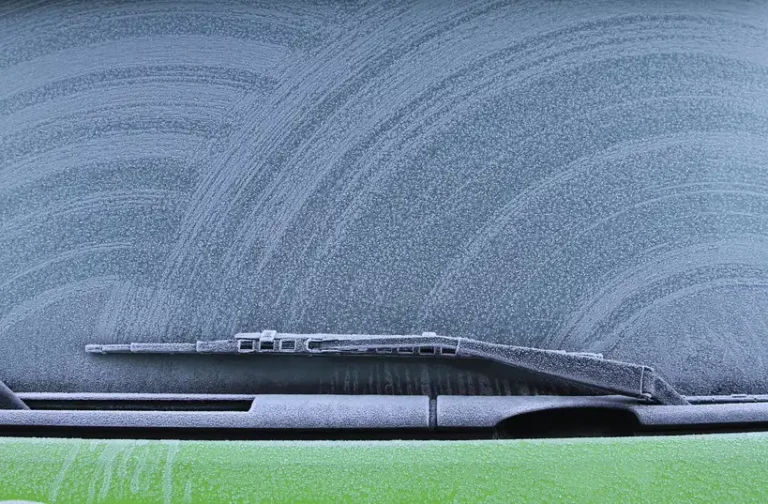
In winter, weak heat is more than a comfort issue. If the defroster gets only lukewarm air, the windshield can stay foggy and visibility drops. A heater problem can therefore become a safety issue before it becomes an obvious engine problem.
Clogged heater core symptoms
A clogged heater core usually shows up as weak heat, uneven heat, or no warm air from the vents, including the windscreen demister. Restricted heater-core tubes can cut cabin heat or stop heating entirely. A partial clog often behaves differently from a full clog, and that difference matters.
Partial clog versus full clog
A partial clog often gives you some heat at idle, then better heat at higher engine speeds. That happens because coolant flow improves with pump speed. A full clog usually gives cold or nearly cold air all the time, even after the engine reaches normal temperature.
One hose hotter than the other is another clue. The inlet hose may be hot while the outlet hose stays much cooler, which points to restricted flow through the core. If both heater hoses are cold, the problem may be upstream, not in the heater core itself.
Heat that changes with engine speed
Heat that returns at higher RPM is a classic partial-clog pattern. A common first-timer mistake is to assume that any change in heat output means the heater core is fine. It does not. Heat that improves only when driving faster still points to restriction in the heater circuit.
Suppose the cabin blows cold at idle, then gives lukewarm air once the engine is held around 2,000 rpm. That pattern fits partial restriction better than a blend-door fault, because the temperature change tracks coolant flow, not just air-door position.
Winter heater diagnosis table
| Symptom | Likely cause | Next check |
|---|---|---|
| Weak heat at idle, better heat at higher RPM | Partial heater-core clog | Compare heater hose temperatures and check for restricted flow |
| No warm air from vents in any mode | Full heater-core clog, low coolant, or thermostat fault | Check coolant in the reservoir and the engine temperature gauge first |
| One heater hose much hotter than the other | Restricted heater core or blocked heater hose | Feel both hoses carefully after warm-up and trace the cooler side |
| Sweet coolant odor inside the cabin | Heater core leak | Inspect passenger-side carpet and look for dampness or residue |
| Wet or sticky passenger-side floor carpet | Internal heater core leak | Check for fogging, coolant loss, and damp insulation under the carpet |
| Foggy windshield with weak demister output | Low heat from heater core, blend-door fault, or thermostat stuck open | Check vent temperature and whether the blower changes airflow normally |
| Cool air with strong blower flow | Blend-door fault or heater-core restriction | Move temperature controls and listen for door movement |
| Very weak airflow at all fan speeds | Blower motor or cabin-air restriction | Compare fan speeds; the heater core may be fine |
| Low coolant plus weak cabin heat | Leak, including possible heater core leak, or trapped air | Inspect reservoir level and look for external leaks |
| Temperature gauge rising while cabin heat fades | Coolant-flow problem that may involve the heater core | Stop driving if the gauge keeps climbing |
| Defroster works poorly but engine temp is normal | Heater-core restriction, blend-door fault, or low coolant | Check heater hoses and cabin vents before replacing parts |
| Heat comes and goes after coolant service | Air pocket in the cooling system | Bleed the system per the vehicle procedure |
The cleanest at-home check is a sequence, not a single symptom. Start with coolant level, then watch the engine temperature gauge, then compare heater hose temperatures, and finally look at blower speed and vent response. That order separates core blockage from low coolant, air pockets, thermostat issues, and airflow faults.
- Check coolant in the reservoir only when the engine is cool.
- Start the engine and let it reach normal operating temperature.
- Set the heater to full hot and the blower to a medium or high speed.
- Feel for air temperature at the vents and confirm whether the defroster sends warm air to the windshield.
- Compare the two heater hoses where they enter the firewall.
- Watch the engine temperature gauge for a rise that does not match normal driving conditions.
- Inspect the passenger-side floor carpet for dampness, sticky residue, or a sweet smell.
Heater hoses matter because they carry coolant into and out of the heater core. If one hose is hot and the other is much cooler, coolant is not moving freely through the core or a hose is restricted. If both hoses are cool after warm-up, low coolant, a thermostat fault, or trapped air may be more likely.
Weak airflow can mimic heater-core trouble. A blower motor that pushes little air can make a good heater core seem bad, especially on a cold morning. Fan speed matters during diagnosis because a weak stream of air can feel like weak heat even when coolant flow is normal.
Is it a leak instead?
A sweet coolant odor, damp passenger-side carpet, and interior fogging point more toward a heater core leak than a clog. A clogged core usually limits heat. A leaking core often adds coolant smell, wet carpet, and cabin humidity. Keep those patterns separate while you diagnose.
Sweet odor and cabin fogging
Why does my car smell sweet when the heater is on? That sweet, maple-syrup-like smell often comes from leaking engine coolant, and the heater core is a common source. The smell may be strongest when the heater is on because warm air carries the odor into the cabin.
Fogging can also appear if coolant vapor enters the HVAC box. That makes the windshield cloud up and can leave a film on the glass. If the fogging is paired with coolant odor, the leak path matters more than the heater setting.
Passenger-side carpet checks
Wet or damp carpet on the passenger side can indicate heater core leakage. Look for puddling, sticky residue, or a musty humidity that does not match wet shoes. If the carpet is damp and the coolant level keeps dropping, treat it as a leak until proven otherwise.
Say your sedan heats normally for five minutes, then the windshield fogs and the passenger floor feels damp near the center tunnel. That combination points to an internal leak, not a clog. A flushing attempt will not fix a cracked or leaking core.
Could it be something else?
Yes. Low coolant, air pockets, a thermostat stuck open, blend-door faults, and blower motor weakness can all imitate heater-core trouble. The job is to separate airflow problems from coolant-flow problems before you buy parts. A cold cabin does not automatically mean a bad heater core.
Low coolant and air pockets
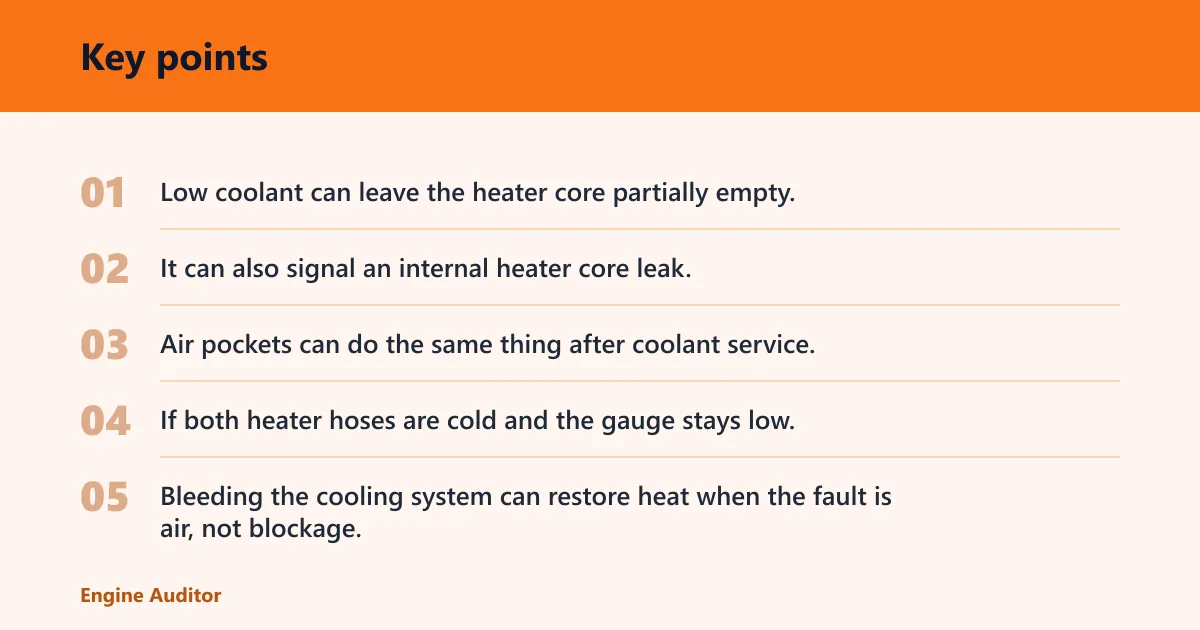
Low coolant can leave the heater core partially empty, which can cause weak heat and poor defrosting. It can also signal an internal heater core leak. Air pockets can do the same thing after coolant service, because the heater core may not stay fully filled.
If both heater hoses are cold and the gauge stays low, low coolant or trapped air is a stronger fit than a clogged core. Bleeding the cooling system can restore heat when the fault is air, not blockage.
Thermostat stuck open
A thermostat stuck open can keep engine coolant too cool for good cabin heat. In that case, the heater core may be fine, but the coolant never gets hot enough to warm the air well. This often shows up as a slow-warming engine and lukewarm vents on winter drives.
Blend-door faults
A blend-door fault can send air around the heater core instead of through it. That means the blower may work normally, yet the vents still feel cold. If the temperature changes when you move the control knob or switch from face to defrost, suspect the door or its actuator.
Blower motor weakness
The blower motor pushes air across the heater core fins. If it is weak, the cabin may stay cold even with hot coolant available. A simple check is to compare fan speeds: if the fan barely changes from low to high, the problem may be airflow, not coolant temperature.
Can a clogged heater core overheat the car?
Yes, it can. A clogged heater core does not always overheat the engine by itself, but it can be part of a larger coolant-flow problem that may overheat the engine. If the engine temperature gauge rises while cabin heat fades, treat that as a cooling-system warning, not just a comfort problem.
Low coolant and a rising gauge can mean the fault is affecting the whole system. If the gauge keeps climbing, or if the warning light comes on, stop driving. Overheating can damage the engine quickly.
Stop-driving flags
Stop driving now if the temperature gauge is rising above normal and stays there, if steam appears, or if you can see coolant inside the cabin. Visible coolant on the passenger floor means the leak is active. Heating or defrost performance is not worth risking engine damage or slippery interior carpeting.
Flush or replace the heater core
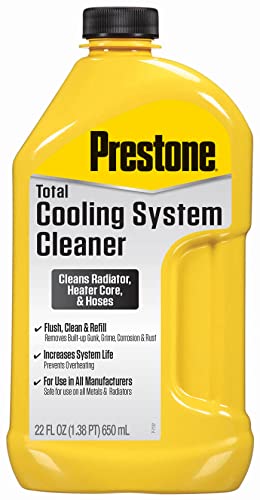
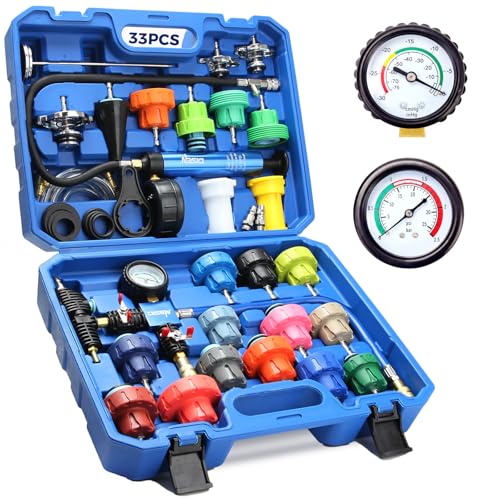
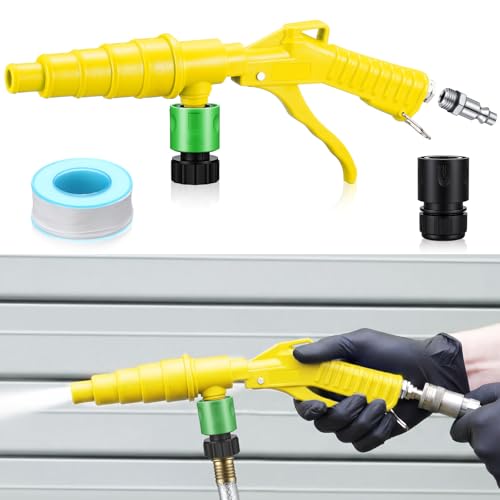
Can you unclog a heater core? Sometimes. If the problem is sludge, corrosion, or debris inside the tubes, a controlled flush may restore flow. That is more reasonable when the core leaks are absent, the hoses are intact, and the engine temperature stays normal.
Replacement is the better move when the core leaks, when flushing fails, or when the blockage returns soon after service. Heater core replacement is labor-heavy on many vehicles because the part sits behind the dash. A quick flush is not a cure for cracked plastic tanks, corroded fins, or internal leaks.
When flushing makes sense
Flushing is worth considering when the heater is weak, one hose is hotter than the other, and there is no cabin coolant leak. It can also help after contaminated or old coolant has left sediment in the heater circuit. That said, use the vehicle’s repair procedure, not a guess-and-pump approach.
When replacement is smarter
Replace the heater core if you smell coolant in the cabin, find wet passenger carpet, or see recurring coolant loss with no other external leak. Replace it if a flush does not restore even heat. A clogged core and a leaking core are not the same repair.
Frequently asked questions
How do you know if your heater core is clogged?
You usually see weak cabin heat, poor defroster output, and a temperature difference between the two heater hoses. A partial clog often gives more heat at higher engine speed. If both hoses are cold, check coolant level, trapped air, or a thermostat problem first.
How do you know if your car heater core is clogged?
Look for heat that is weak at idle and better at higher RPM, or for one hose that is much hotter than the other. That pattern points to restricted flow through the heater core. If you also smell coolant or find wet carpet, leak testing becomes more important.
How to tell if your heater core is bad or clogged
A clogged core usually gives weak heat or heat that improves with engine speed. A bad, leaking core usually adds sweet coolant odor, fogging, or damp passenger carpet. Those clues separate blockage from leakage, which matters because a flush helps only the blocked core.
What happens when heater core is clogged?
Cabin heat drops, the defroster may clear the windshield poorly, and one heater hose may stay cooler than the other. In partial clogs, heat can return at higher RPM. In severe cases, the core stops heating entirely, which makes winter driving less safe.
If your heater core is clogged will car overheat?
Not always, but it can be part of a cooling-system problem that does overheat the car. If the temperature gauge starts climbing while the heater goes cold, stop driving and check coolant level and leaks. That is a warning sign, not just a bad comfort feature.
Why does my car heater blow cold air in winter?
Cold winter air from the vents can come from low coolant, an air pocket, a thermostat stuck open, a blend-door fault, a weak blower, or a clogged heater core. The quickest separator is the heater hose check. If both hoses are hot but the cabin stays cold, suspect airflow or blend-door trouble.
Why does my car smell sweet when the heater is on?
A sweet, maple-syrup-like smell usually points to engine coolant in the cabin air path, often from a leaking heater core. The smell often gets stronger with the heater on because warm air spreads it through the vents. Check the passenger-side carpet for dampness and watch the coolant level.
How do you know if your heater core is clogged?
Use the pattern, not one clue. Weak heat at idle, better heat at speed, and one hot hose with one cooler hose fit a clog. No coolant smell, no wet carpet, and normal coolant level make a leak less likely. If the gauge rises, stop driving.
How do you know if your car heater core is clogged?
A clogged heater core is most likely when the engine reaches normal temperature, the blower works, but the vents stay weak or cold and the defroster struggles. Compare hose temperatures and inspect the cabin floor. If both hoses are cold, look upstream before blaming the core.
Products related to this article
Sponsored / affiliate links. As an Amazon Associate I earn from qualifying purchases. I may earn additional commission from eligible campaigns.