Why Does My Car Hum Louder When I Accelerate?
A hum that gets louder with acceleration usually points to a wheel-speed issue when it changes with road speed, not engine rpm; if it rises in Park, suspect engine or accessory noise. Ignoring it can turn a bearing, tire, or drivetrain fault into a costly failure. This guide gives you a fast road-test decision tree and ranks the likely causes by how the noise behaves.
What the hum is telling you
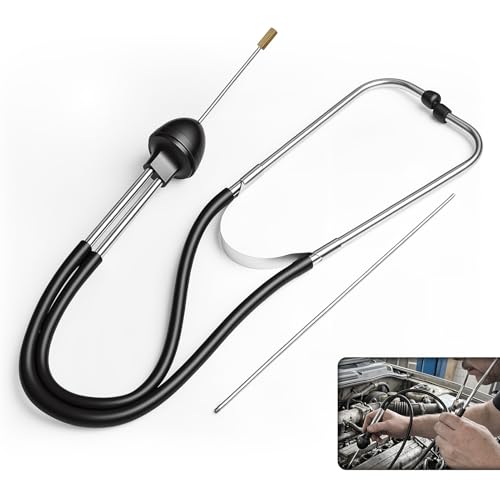

Start by separating road speed from engine rpm. A wheel-speed hum climbs with vehicle speed, stays similar in Neutral or Drive while coasting, and often shifts when you steer. An engine-RPM hum follows revs even when the car is barely moving. That first split saves time.
Speed vs rpm: the first split
If the noise gets louder at 30, 45, and 60 mph no matter what gear you are in, the first suspects are tires, wheel bearings, or a differential. If it rises on a blip of the throttle in Park, look first at belts, pulleys, alternator, or power steering pump.
What coasting reveals
Coasting is a useful filter. A differential issue may fade when you lift off the throttle, and a transmission whine can change under load. A wheel bearing or cupped tire usually stays tied to road speed even with little or no throttle, which is why a long coast test matters.
Why turns matter
Turning loads one side of the car and unloads the other. A wheel bearing may get louder when turning left or right, and CV joints can complain more on turns in FWD and AWD vehicles. Tire cupping usually does not change as sharply with steering input as a bearing does.
Hum decision table
Use this matrix after one short road test. Match the sound pattern first, then move to the most likely causes and the first check. A bad wheel bearing can hum, rumble, or growl while driving straight, and vehicle hum from a bad bearing may include an ABS light. (Wikihow)
| Noise pitch | Speed or RPM change | Turn effect | Coasting behavior | Top 3 likely causes | Urgency | First-check action |
|---|---|---|---|---|---|---|
| Low hum, rumble, growl | Changes with road speed | Often louder on one turn | Often still present | Wheel bearing; tire cupping; differential | High | Check for tire play, uneven tread, and ABS light |
| Mid hum with vibration | Changes with road speed | May shift left or right | May stay steady | Tire cupping; wheel bearing; axle issue | Moderate | Inspect tread for dark and light spots and scalloping |
| Whirring, buzzing, thrumming | Gets louder with speed and load | May change on turns | May fade when coasting | Differential; wheel bearing; transmission | High | Check differential fluid level and look for leaks |
| Higher-pitched hum or whine | Rises with engine rpm | Can get louder while turning | May remain in Park or Neutral | Transmission; serpentine belt; power steering pump | High | Listen in Park, then inspect fluid levels and pulley condition |
| Roaring, hissing, vibration | Louder under throttle | Usually little change | Often quieter when lifting off | Exhaust leak; wheel bearing; CV joint | Moderate to high | Check manifold area, pipe joints, and heat shields |
| Squeal or sharp whine | Rises with rpm | May change with steering load | Can appear at cold start | Serpentine belt; alternator; power steering pump | Moderate | Inspect belt glazing, tension, and fluid level |
A common mistake is to assume the louder hum under acceleration means the engine is failing, when it may actually come from worn wheel bearings or a tire issue. Suppose the hum gets worse only above 40 mph and stays the same in Neutral. That points away from the engine and toward a wheel-speed issue, even if the cabin makes the noise sound like it is coming from the dashboard.
Another useful pattern: if the noise is present on straight roads, gets louder on one side turn, and you feel a slight steering shake, a wheel bearing moves up the list fast. If the car also has an ABS light, the bearing case becomes stronger.
Why does the hum change with speed?
Speed-linked humming usually points to parts that rotate with the wheels. Wheel bearings are a leading suspect, and noise can become louder the faster you go as friction increases. Tire cupping can do the same, and differential issues can create a humming noise that gets louder with speed.
Wheel bearings
Wheel bearing noise often grows with speed and may be especially noticeable on a corner or during a swerve. The sound can be a hum, growl, or rumble, and a bad bearing can also bring in steering vibration or an ABS light. That combination is hard to ignore.
Tire cupping and uneven wear
Uneven tire wear can create a hum if the tires begin cupping. The tread may show dark and light spots around the tire edges, and the car may vibrate on smooth pavement. This is common after alignment problems, weak suspension parts, or poor tire rotation habits.
Differential noise
A differential problem may sound like whirring, buzzing, or thrumming. It often changes under load and on turns, and may go away when coasting or driving straight. That pattern makes it different from a tire issue, which usually stays tied to road speed alone.
Why does it change with engine RPM?
If the hum follows rpm more than road speed, the source is often in the accessory drive, transmission, or steering pump. Transmission problems can create a higher-pitched hum or whine, and low power steering fluid is a common trigger for whining. Belt and pulley noise can do the same.
Transmission whine or hum
Transmission trouble can create a hum or whine that rises with acceleration. Low or degraded fluid is a common contributor, and shift-quality symptoms make the diagnosis more urgent. Delayed shifts, slipping, or flare between gears turn this from a noise complaint into a drivability concern.
Serpentine belt and pulleys
A serpentine belt or pulley issue can make a whining or squealing sound that rises with rpm. It may be louder under electrical load or at cold start, and a worn pulley can add a steady whir. If the noise changes with lights, blower, or rear defrost on, look here.
Alternator and power steering pump
An alternator can whine as rpm rises, and a power steering pump can do the same, especially when turning. Low fluid is a common trigger for whining. If the sound gets sharper while parking or at idle with the wheel turned, the steering pump moves up the list.
Why does it get louder when you turn?
Turning helps isolate the side and the system. A wheel bearing may get louder when you steer left or right, and CV joints or axle parts often complain more in turns on FWD and AWD vehicles. A change on one side strongly suggests a load-sensitive part.
Left-right steering clues
If the noise gets louder turning left, the right side is often under more load, and the reverse can also be true. That does not prove the exact part, but it narrows the corner. Wheel-speed noise that changes clearly with steering is a strong bearing clue. (Wikihow)
CV joints and axles
CV joints and axle wear are often more likely in FWD and AWD vehicles. They can hum or whine under acceleration and often worsen during turns. If you also hear clicking in tight parking-lot turns, the axle side deserves attention before the noise becomes a roadside problem.
Wheel bearing side diagnosis
Use a gentle lane change or a broad on-ramp curve. If the hum gets louder when weight shifts to one side, that side’s bearing is suspicious. A bearing can also create a steady growl while driving straight, so a turn test is useful but not enough by itself.
What should you check first?
Start with the easiest checks that match the sound pattern. Tires and tread come first for wheel-speed hum, then fluid levels and leaks for rpm-linked whine, then the exhaust and accessory drive if the noise grows under throttle. That order finds the common causes without guessing.
- Inspect all four tires for cupping, uneven wear, or dark and light spots around the tread edges.
- Check for wheel vibration, steering shake, or ABS warning lights.
- Listen in Park or Neutral for a noise that rises with rpm.
- Check transmission, power steering, and other accessible fluid levels if the vehicle uses them.
- Look for exhaust leaks near the manifold, pipe joints, and hangers.
- Inspect the serpentine belt, tensioner, and pulleys for wear or glazing.
Say your car hums at 35 mph, gets louder at 50 mph, and barely changes when you press the throttle in a steady cruise. That pattern points more toward tires, a wheel bearing, or a differential than toward the engine. A short turn test helps sort the next branch.
If the hum turns into a roar only when you accelerate uphill, check for an exhaust leak near the manifold or a drivetrain problem that shows up under load. A leak can sound like roaring, hissing, or vibration, and it may be louder near the front of the car.
Frequently asked questions
Why is my car humming when I accelerate?
Most often, the hum comes from a part that changes speed with the wheels or engine. If it tracks road speed, think wheel bearing, tire cupping, or differential. If it follows rpm in Park, look at belts, pulleys, alternator, or power steering pump.
Why does my car hum louder when I accelerate?
Acceleration can load bearings, gears, belts, and exhaust parts, which makes a weak component easier to hear. A wheel-speed hum that grows with throttle and speed often points to a bearing, tire wear, or differential issue. An rpm-linked hum points more toward the engine side.
Why does my car hum at high speeds?
High-speed humming is usually a wheel-speed noise that becomes easier to hear as friction and rotation increase. Wheel bearings, cupped tires, and differential wear are common suspects. Turning slightly left and right on an open road can help identify which side or system changes the sound.
Why does my car sound like it’s humming?
A humming sound usually means a rotating part is not running smoothly. Tires, wheel bearings, axles, differentials, belts, and pulleys are the main places to look. The key is whether the sound follows road speed, engine rpm, steering input, or throttle load.
How can I tell if the humming is a wheel bearing or tires?
Wheel bearing noise often changes with steering input and may come with a growl, rumble, or steering vibration. Tire cupping usually sounds like a steady hum or vibration and may show uneven tread with dark and light spots. A bearing often sounds more side-specific than a tire does.
What causes a humming noise in a car when accelerating?
The main causes are wheel bearing wear, tire cupping, differential problems, transmission whine, belt or pulley noise, exhaust leaks, and CV joint or axle wear. The fastest way to narrow it down is to check whether the sound follows road speed, engine rpm, or turning.
Products related to this article
Sponsored / affiliate links. As an Amazon Associate I earn from qualifying purchases. I may earn additional commission from eligible campaigns.