What Causes a Whistling Noise From the Turbo?
Turbo whistle is often normal if it rises with boost and stops when you lift; a loud hiss, siren, or whistle that appears under load at low boost can point to a boost leak or worn turbo, both of which major turbo makers and OEM service procedures treat as diagnosis-first issues rather than “just a sound” [Garrett Motion; OEM service info]. Ignore it, and you can lose boost, fuel economy, and—if the turbo is failing—risk oil contamination or engine damage. This guide shows how to match the sound to its timing, pitch, and load behavior so you can judge urgency fast.
What does a turbo whistle mean?


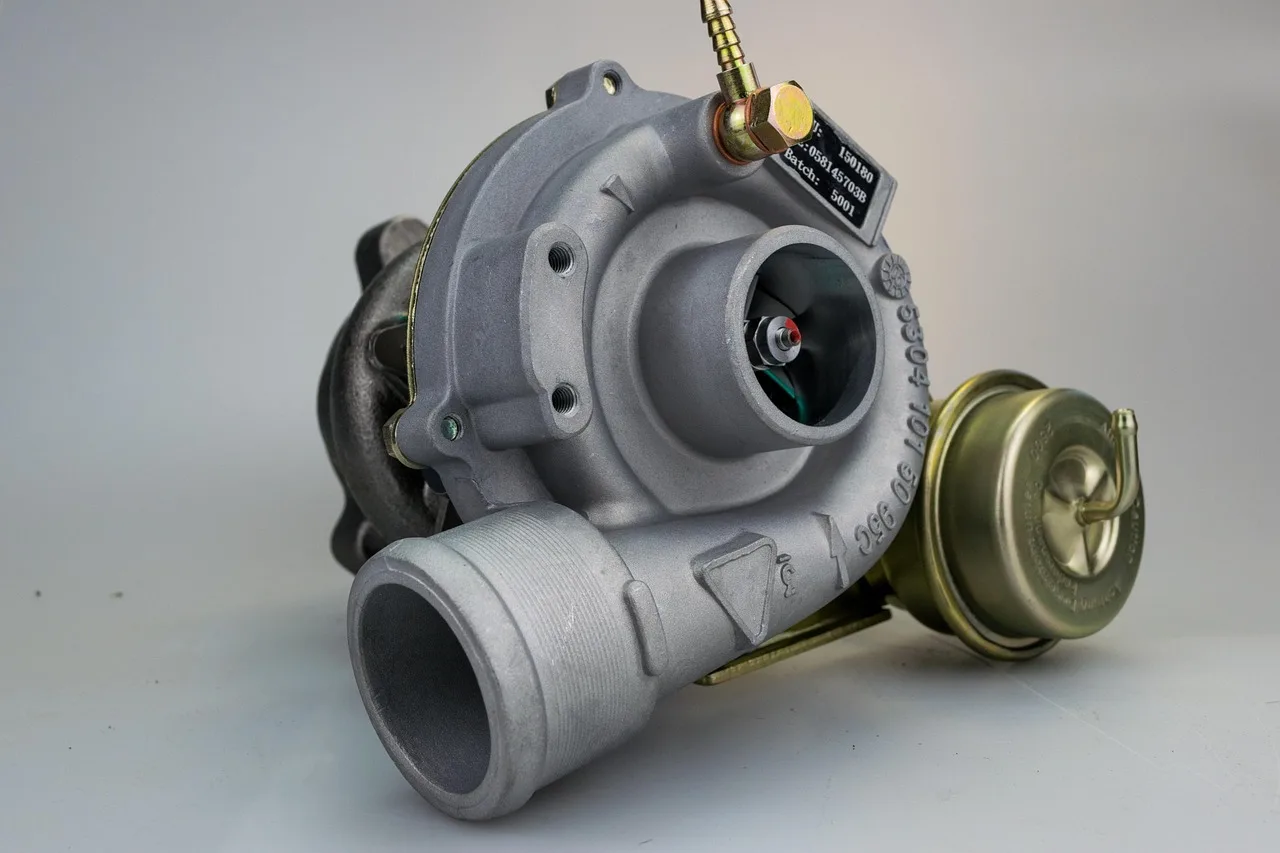
A light whistle during spool is often normal. Turbochargers can make a brief whistle as they build boost under acceleration, but a louder whine, a siren tone, or a noise that keeps climbing with RPM can point to wear, shaft play, damaged compressor blades, or wastegate problems [Garrett Motion; OEM service info].
The key is not the word “whistle” itself. The key is when it happens. A sound that follows boost and disappears when you lift is different from a sound that follows belt speed, road speed, or coolant movement.
Normal spool versus warning signs
Normal spool usually sounds brief and load-related. It shows up as boost builds, then fades as throttle changes. A warning sign is a whistle that gets louder over time, turns into a whine, or comes with poor power, smoke, or a check engine light.
On modified cars, a larger turbo, freer intake, or louder exhaust can make normal spool easier to hear. On high-mileage factory turbos, the same whistle deserves more attention if the pitch has changed, the turbo feels slower to come in, or the engine now needs more throttle than before.
How pitch, load, and speed change the diagnosis
Pitch matters because different faults follow different inputs. A turbo or boost leak usually follows engine load. Belt or pulley noise often follows engine speed. Window seals usually get louder with road speed. That split is one of the fastest ways to avoid replacing the wrong part.
Say your car whistles only when you roll into the throttle in third gear, then the sound stops as soon as you lift. That points more toward boost-related noise than a window seal or a pulley. Suppose the whistle grows at highway speed even with light throttle; that pattern pushes you toward a seal or wind noise first.
Why a whistle alone does not name the failed part
A whistle can come from an intake or boost leak, a belt or pulley, an exhaust leak, or wind through a seal. That is why the first job is pattern matching, not parts replacement.
If you hear a whistle, note three things: engine RPM, throttle position, and whether the noise changes with road speed. Then check hoses, belts, pulleys, and visible leaks before you order a turbo.
Turbo whistle decision table
Use this table first. Start with when the sound appears, then match it to the most likely system and the easiest confirmation step. The goal is to separate boost-related noise from belt, exhaust, steering, or wind noise before you replace parts.
| Symptom pattern | Most likely cause | Next test |
|---|---|---|
| Light whistle only as boost builds, then fades | Normal turbo spool | Compare the sound to throttle and boost gauge behavior; verify there is no smoke or power loss |
| Whistle or hiss under load, sluggish acceleration, slow spool | Boost pipe leak | Inspect the pipe from the turbo to the intercooler; pressure test or smoke test the charge-air tract |
| Whine that rises with RPM even at light load | Turbo wear or accessory bearing noise | Isolate belt-driven accessories, then check turbo shaft play and compressor wheel condition |
| Whistle plus smoke, low boost, or Check Engine Light | Boost leak, turbo fault, or boost-control problem | Scan for codes, log requested vs actual boost, and inspect all hoses and clamps |
| Whistle that changes with vehicle speed rather than engine load | Window seal or wind noise | Repeat the drive at the same RPM in different gears; if the noise tracks road speed, inspect seals |
Why is my car whistling when I accelerate?
A whistle during acceleration usually means air is escaping, being pulled through a leak, or moving past a spinning part at higher flow. The most common turbo-related causes are a boost leak and a vacuum leak. A failing turbo, stuck wastegate, or exhaust leak can also whistle under load [OEM service info; Garrett Motion].
Boost leak symptoms
A boost pipe leak runs from the turbo to the intercooler. Because that path carries pressurized air, a leak can whistle under load. It can also cause slow turbo spool, reduce fuel economy, trigger the Check Engine Light, and produce black smoke during acceleration. Bosch and major aftermarket repair references both note that charge-air leaks commonly show up as low boost and poor acceleration.
Look first at couplers, clamps, cracked charge pipes, oil-soaked hoses, and loose intercooler connections. If the whistle gets louder as boost climbs and the car feels flat, that is classic boost-leak behavior. See also boost leak symptoms.
Vacuum leak symptoms
A vacuum leak can make the whistle most noticeable during acceleration because intake air is entering where it should not, which affects mixture and load response. The sound is often accompanied by roughness, a lean condition, or inconsistent throttle feel.
A vacuum leak can also cut fuel economy. Left alone, it can contribute to catalytic converter damage. If the whistle appears most when you tip into the throttle and the engine response feels uneven, inspect vacuum lines, intake boots, and the PCV-related plumbing.
Wastegate and turbo wear clues
A turbo that is beginning to wear can change from a light whistle to a louder whine or even a siren-like tone. Shaft play, damaged compressor blades, and wastegate control issues are the main mechanical reasons [Garrett Motion; OEM service info].
If a wastegate sticks or boost control is unstable, the noise can change with load in a way that feels inconsistent. Scan data helps here. Compare requested boost to actual boost. A large gap, especially with sluggish pull, points to a control or leak problem instead of a normal spool sound.
Is the turbo the source?
Not always. Belt-driven accessories, pulleys, steering components, and even the windshield area can make noises that people blame on the turbo. If the sound is present with the hood open at idle, or if it changes with steering input, belt speed, or vehicle speed, keep looking.
Serpentine belt noise
A bad serpentine belt can sound like whining or chirping, and belt noise is often mistaken for whistling. Wear, contamination, or tensioner slip can cause slip. Gates and Dayco both note that belt glazing, contamination, and weak tensioners can create high-pitched noise that changes with engine speed. See serpentine belt noise.
Inspect for glazing, cracks, coolant or oil contamination, and a weak tensioner. If the sound changes sharply when electrical load changes, or if it appears at idle as well as during acceleration, the belt path moves up the list.
Accessory pulley bearings
Accessory pulley bearing failure can make a whistling, chirping, or whining noise. The alternator, tensioner, water pump, or idler pulley can be involved, and corrosion on the bearing or pulley face can be a useful clue.
A mechanic’s stethoscope or a careful belt-off inspection can help isolate the source. If one pulley feels rough by hand or shows play, it may be the real cause of the whistle-like sound.
Power steering pump noise
A power steering pump can whistle if fluid is low and air is drawn in. It is usually accompanied by steering trouble such as groaning, heavy steering, or noise that changes when you turn the wheel. OEM and service-manual diagnostics commonly treat foaming fluid and low level as early clues.
If the sound changes at parking-lot speeds and not under boost, that is a steering clue, not a turbo clue. Check the fluid level and look for foaming or leaks before chasing turbo parts. See power steering pump noise.
Window seal wind whistle
Window-seal whistling becomes more noticeable as speed increases. If the noise tracks road speed rather than engine load, the seal or body airflow is a stronger suspect than the turbo.
Use a steady RPM in different gears. If the whistle stays with vehicle speed instead of engine speed, inspect door seals, window alignment, roof trim, and mirror mounts.
What does a worn turbo sound like?
A worn turbo often sounds different from a healthy one. A normal unit makes a light spool sound. A worn one may whistle louder, whine more sharply, or develop a siren tone. The change usually comes with a performance complaint, not just extra sound [Garrett Motion; OEM service info].
Whine that rises with RPM
When the noise rises with engine speed even under light load, think about turbo shaft wear, compressor contact, or another rotating component. Belt-driven accessories can do the same, so the point is to separate RPM-related noise from boost-related noise.
Listen for whether the tone starts as soon as the engine revs or only when boost builds. If it starts with engine speed alone, the turbo may not be the first suspect.
Shaft play and compressor damage
Turbo wear can mean shaft play or damaged compressor wheel blades. Once the shaft moves too much, the wheel can contact the housing or lose efficiency. That changes the sound from a normal hiss into a louder whine or siren-like note.
When checking the turbo, look for oil seepage, broken blades, and unusual end play or radial play. Any evidence of contact or blade damage makes the whistle more serious.
Whistle plus smoke or low boost
When whistle is joined by black smoke, sluggish pull, or a Check Engine Light, the problem is no longer “just a noise.” It points toward a boost leak, a failing turbo, or a control fault that is affecting air delivery.
Smoke under acceleration means the engine is not getting the air it expects. Low boost data on a scan tool strengthens that diagnosis. A boost gauge that stalls well below target is another useful clue.
Other engine noises that whistle
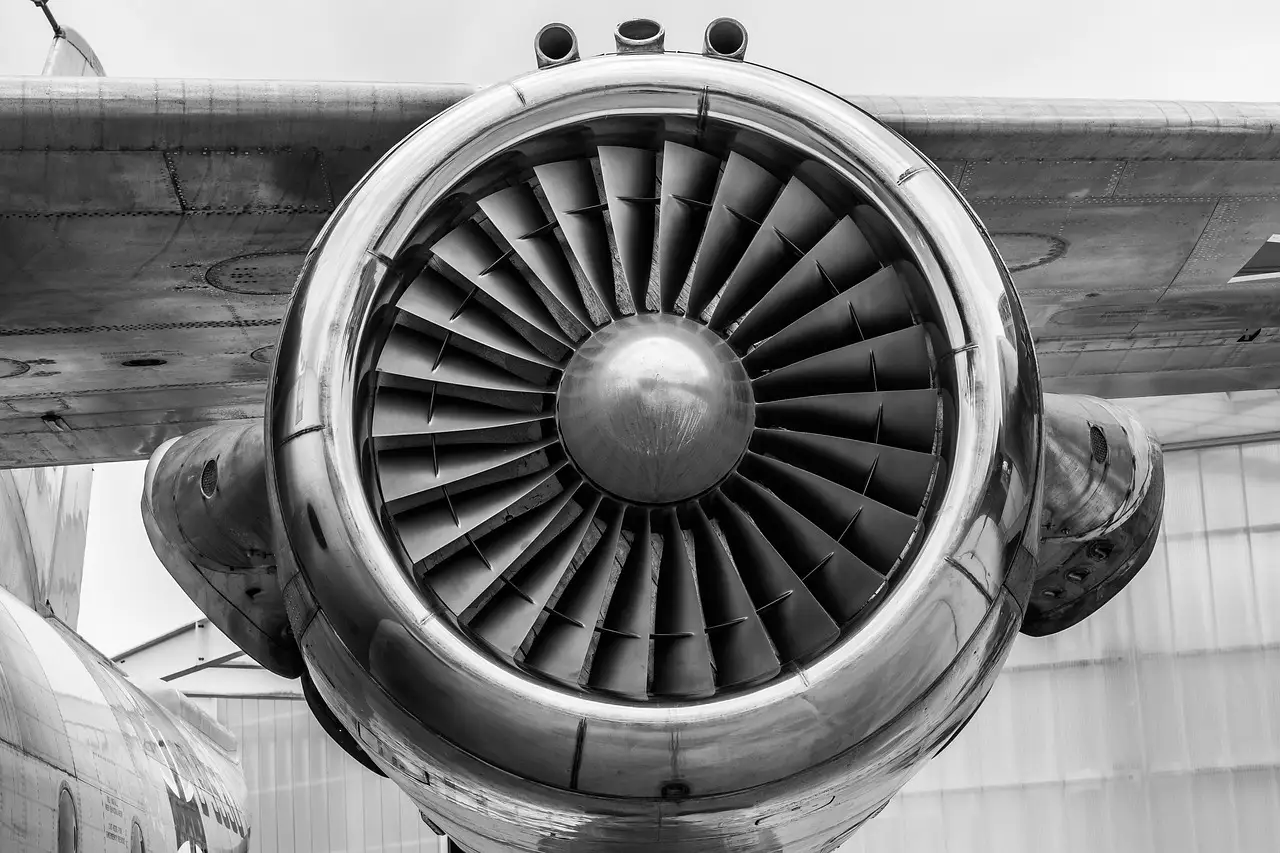
Some whistle-like noises come from systems around the engine rather than the turbo itself. Exhaust leaks, EGR cooler leaks, and even bubbling coolant can create a sound that gets mistaken for turbo whistle.
Exhaust leaks
Could a whistling noise from the engine be an exhaust leak? Yes. An exhaust leak can create a high-pitched whistle or hissing sound, and it may also indicate a restriction or leak that affects emissions testing. Exhaust leak diagnosis guides from major repair manuals and OEM service procedures commonly call out soot, ticking, or sharp hiss near joints and manifolds. See exhaust leak diagnosis.
Listen near the manifold, turbine housing, flex section, and joints. A leak on the hot side can sound sharper under load and may leave soot around the leak point.
EGR cooler leaks on Volkswagen and Audi
Volkswagen and Audi are specifically mentioned for leaking EGR cooler whistle issues. A leaking cooler can whistle, and it may drip or leave residue nearby. If the car is one of those makes and the sound does not fit a boost leak or belt issue, put the cooler on the list.
Coolant smell, damp residue, or unexplained coolant loss alongside the whistle should push the inspection forward. The cooler can be mistaken for a turbo problem because the noise may appear near the back of the engine bay.
Coolant bubbling and overheating
Bubbling coolant can whistle. That is a different kind of warning. Overheating deserves urgency because OEM guidance generally treats rising temperature, bubbling overflow, and loss of heat as stop-driving signals, not “drive it home” symptoms. See overheating causes.
If the whistle comes with rising temperature, overflow tank bubbling, or heater performance changes, stop thinking about the turbo first. Cooling-system damage can become far more expensive than a boost leak.
How to check the source
- Note when the noise happens: idle, acceleration, steady cruise, or only at highway speed.
- Watch whether the pitch changes with RPM, boost, steering input, or road speed.
- Inspect intake and boost hoses for cracks, loose clamps, oil mist, or split couplers.
- Check the pipe from the turbo to the intercooler for looseness, leaks, or damage.
- Look at the serpentine belt, tensioner, and pulleys for wear, contamination, or corrosion.
- Listen for exhaust leaks near the manifold, turbine housing, and flex joints.
- Check power steering fluid level and steering feel if the noise changes with wheel input.
- Use scan data or a boost gauge to compare requested boost and actual boost.
- Run a smoke test on the intake and charge-air system if the source is still unclear.
A smoke test helps when the whistle follows load but no split is obvious. It can expose leaks that only open under pressure. Scan data adds context by showing whether the turbo is underperforming or the problem is elsewhere.
When should I stop driving if the turbo is whistling?
Stop driving now if the whistle turns into a loud siren, the car loses most of its power, heavy smoke appears, the engine overheats, or the oil light comes on. Those signs can mean a failing turbo, major boost loss, or engine damage in progress. A brief light whistle alone is less urgent.
If the noise is steady but the car still drives normally, keep the trip short and diagnose it before the next long drive. If the whistle suddenly gets louder, changes pitch, or comes with smoke or temperature rise, do not keep pushing the car.
Frequently asked questions
What makes a turbo whistle?
A turbo whistle comes from air moving through the compressor and turbine as boost builds. A light whistle can be normal during spool. If the sound gets loud, turns whiny, or comes with smoke or low boost, look for shaft wear, damaged blades, a wastegate issue, or a boost leak [Garrett Motion; OEM service info].
What is a turbo whistle?
Turbo whistle is the sound of the turbocharger spinning and moving air under load. A small amount is normal on many cars. It becomes a concern when it changes in pitch, gets louder over time, or appears with slow spool, poor acceleration, or a check engine light.
Why is my turbo making a whining noise?
A whining turbo can point to wear, shaft play, or compressor wheel damage. It can also be the sound of a boost leak that is louder under load. If the whine rises with RPM and does not match normal spool behavior, inspect the turbo and charge-air system first.
How do I tell if the whistle is the turbo or a belt?
Watch what the noise follows. Turbo noise follows boost and acceleration. Belt noise follows engine RPM and often sounds like whining or chirping. If the whistle is present at idle or changes with electrical load more than throttle, inspect the serpentine belt, tensioner, and pulleys first.
Is a whistling noise from the turbo normal?
Yes, a light whistle during spool can be normal. It is not normal if it becomes much louder, turns into a siren, or comes with black smoke, low boost, or poor acceleration. The sound alone does not prove a failed turbo, so match it to load and performance.
Products related to this article
Sponsored / affiliate links. As an Amazon Associate I earn from qualifying purchases. I may earn additional commission from eligible campaigns.