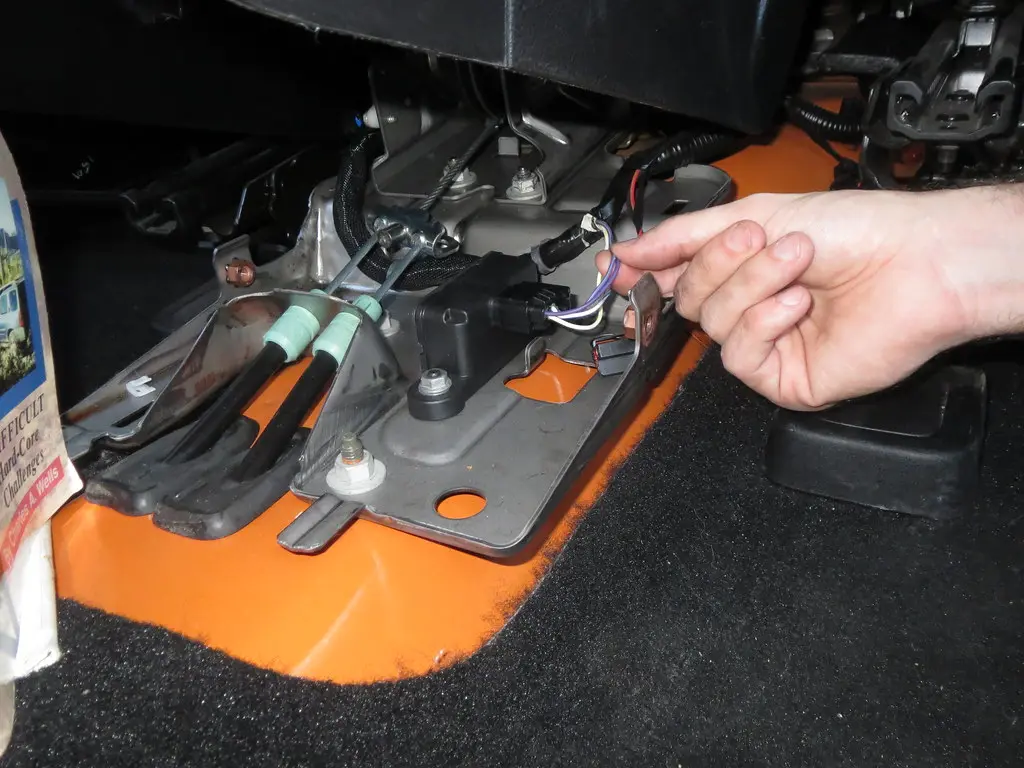
Rodent Damage in Car Wiring: Repair Costs and Options
Rodent-chewed car wiring can cost a few hundred dollars for a splice or section repair, more for a wiring section, and much more for a full loom; do not drive it if lights, airbags, fuel, or charging wiring is damaged. Ignore it and you risk no-starts, battery drain, stalling, ABS or airbag faults, and the repair bill can grow if corrosion keeps spreading through the copper and connectors. This guide shows how symptoms point to a splice, section repair, or full harness replacement, plus what shops charge and how to judge driveability.
How much does rodent wiring damage cost?


The price usually tracks the repair method, not the rodent story itself. A single chewed conductor is often a splice job, a damaged loom section pushes the work into partial loom repair, and buried or multi-system damage can force a full loom replacement. Newer cars and EVs can climb far higher because access and testing take longer, and I see that on jobs where the dash or battery area has to come apart.
What the shop is usually doing at each price tier
At the low end, a technician locates one broken wire, trims back damaged copper, and solders or crimps in a new section with proper insulation. At the middle tier, the shop traces several circuits, opens looms, repairs multiple conductors, and may replace small connectors, terminals, or a short wiring branch. At the high end, most of the bill is labor for removal and reassembly.
This guide is part of our Car electrical troubleshooting guide series.
| Damage pattern | Likely shop action | Risk level | Realistic cost band |
|---|---|---|---|
| Single chewed conductor | Splice in new wire, seal and test circuit | Low to moderate if no safety system is involved | $150-$400 |
| Multiple wires or a damaged loom section | Trace and repair several circuits, open wrap, replace short branch | Moderate | $800-$3,500 |
| Replace connector, terminals, or section of wiring | Moderate to high | $800-$3,500 | |
| Remove and replace major harness assembly | High | $1,000-$3,000+ | |
| Newer vehicle or EV with buried, multi-system damage | Large teardown, diagnostics, coding, and harness replacement | Very high | Up to $7,000+ |
Why the same chew can cost very different amounts
Two cars can have the same visible bite marks and very different bills. One may have open access in the engine bay. Another may hide the damage under intake plumbing, dashboard trim, carpet, or battery modules. Vehicle design, labor time, and the number of circuits in the damaged branch matter more than the rodent species.
According to Rodent & Animal Car-Wiring Repair Cost (U.S. Ranges) — tallyward — Single chewed-wire repairs commonly run about $150 to $400.
What rodents usually damage besides wiring
Rodents rarely stop at one wire. They chew insulation, exposed conductors, hose jackets, belts, and plastic loom, and they leave urine, droppings, nesting debris, and odor behind. That secondary contamination matters because it can trigger corrosion, sensor faults, HVAC smells, and repeat electrical problems if it is not cleaned before repair.
Common hidden damage points
- Chewed insulation that has not fully opened yet
- Exposed wires with green or dark corrosion at the copper
- Broken connector locks or damaged terminals
- Droppings and nesting debris in the cabin, cowl, or air box
- Urine residue on wiring tape, carpet, or sound deadening
- Chewed hoses, intake ducts, belt covers, and filter housings
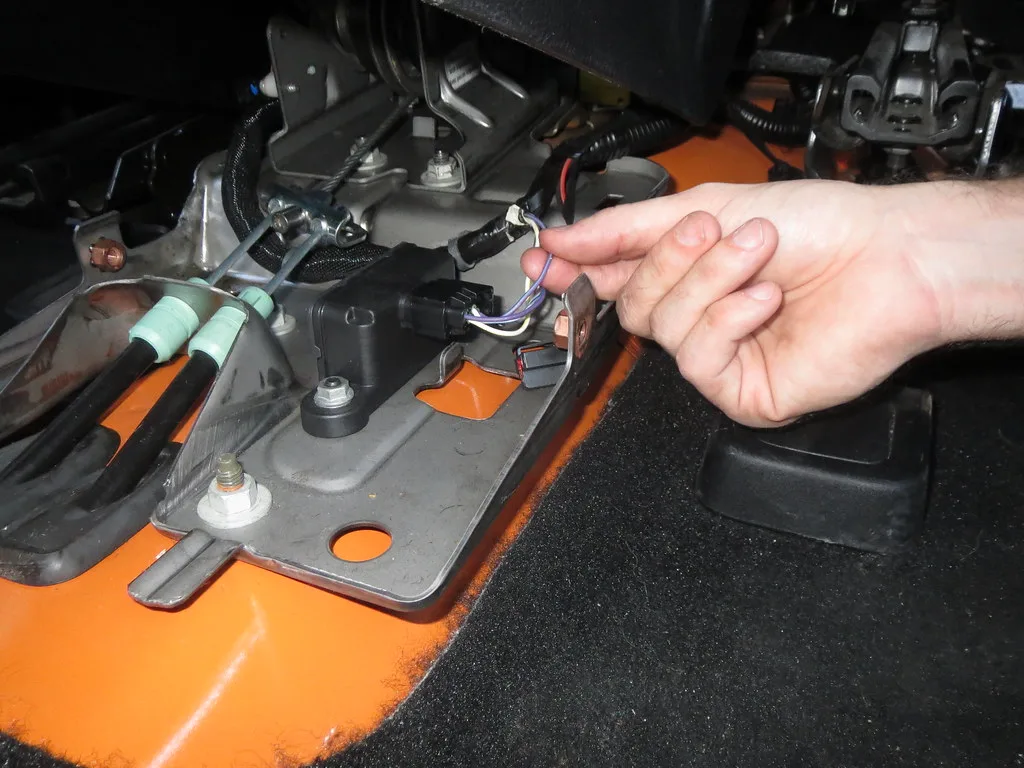
Can I drive a car with chewed wiring?
Maybe for a short move, but not if the damage touches lights, airbags, fuel delivery, charging circuits, steering, braking, or anything that creates warning lights and dead systems. If wire coatings are chewed through, the car may not be safe to drive because shorts, stalling, or airbag faults can appear without warning.
When to stop and call for help
- Do not drive if the engine will not start or stalls repeatedly.
- Do not drive if dash warnings point to airbags, ABS, charging, or brake faults.
- Do not drive if there is smoke, a burning smell, or a blown fuse that returns.
- Do not drive if exposed conductors are touching metal or wet contamination is present.
- Use a tow if the damage is under the dash, at the battery, or near high-voltage parts on an EV.
When a short move may be acceptable
If the car starts normally, no critical systems are faulted, and the damage is limited to a non-safety circuit in an accessible area, a very short drive to a shop may be acceptable. Even then, it is safer to use a mobile mechanic or tow if the route is longer than a few miles or the repair location is unknown.
Repair decision matrix: damage pattern to fix and cost
This is the fastest way to translate visible damage into a likely repair path. The more systems share the damaged section, the less a simple splice makes sense. If contamination or access issues are involved, diagnostic time can cost more than the wire itself.
| Visible damage pattern | Likely repair path | Typical shop work | Risk level | Cost band |
|---|---|---|---|---|
| Single chewed conductor | Single-wire splice | Expose both ends, repair the conductor, seal the insulation, test continuity | Low to moderate | $150-$400 |
| Multiple wires in one branch | Open loom, trace each circuit, repair or replace the damaged section | Moderate | $800-$2,500 | |
| Connector chew or terminal damage | Connector or loom replacement | Replace connector housing, terminals, and nearby pigtail if needed | Moderate to high | $300-$1,500+ |
| Harness insulation loss across a long run | Section replacement or harness branch replacement | Remove trim or intake parts, replace the affected branch, retest systems | High | $800-$3,500 |
| Nest contamination with no-start or dash faults | Deep inspection, cleaning, and repair | Find hidden damage, clean debris, test modules, repair multiple circuits | High | $1,500-$5,000+ |
Should I splice chewed wires or replace the harness?
Splicing is a sound repair when the damage is isolated, the copper is clean, and the wire is easy to access. Replace a section when the chew extends into multiple conductors or the loom is ruined. Full loom replacement is the right call when the damage is buried, widespread, or tied to safety-critical circuits.
When splicing is usually enough
Splicing works best when one conductor is cut cleanly and the remaining wiring is dry, intact, and not heat-damaged. The repaired section still needs strain relief and proper insulation, or the fault may return. A quick wrap of tape over chewed wire is not a real repair.
When a partial harness repair is the better choice
If several wires are chewed in the same branch, or if the outer loom has been shredded over a short run, a section repair is usually cleaner and more reliable than stacking many splices. That job takes longer because the technician must trace each circuit and confirm every pin and terminal still tests correctly.
When full replacement is the only practical option
Full replacement becomes likely when damage reaches a major branch, a dashboard loom, or wiring that is buried under other assemblies. It also becomes more likely when multiple systems fail together and the shop cannot prove where every break ends. Labor then dominates the bill, not the wire itself.
Why newer cars and EVs cost more to repair
Newer cars pack more sensors, modules, and buried wiring routes into less space. That means more trim removal, more diagnostic time, and more chances that a single rodent event has affected several systems. EVs add high-voltage safety steps, which raises the cost of inspection and replacement work.
What drives the bill up on newer vehicles
Tightly packed routing makes access slow. Sensor density means one chewed branch can trigger multiple warning lights, which forces testing instead of simple visual repair. Many modern wiring runs also go under interiors, through fenders, or behind HVAC boxes, so the shop may spend hours just reaching the damaged section.
Why EV cases can be extreme
Severe damage on newer vehicles and EVs has topped $7,000. That happens when a rodent attack reaches buried wiring, charging circuits, battery-related wiring, or multiple module branches at once. Safety isolation, fault tracing, and reassembly time can dwarf the price of the wire itself.
What parts besides wiring do rodents damage in cars?
Rodents often damage hoses, belts, intake parts, air filter housings, underhood insulation, and connector seals along with the wiring. They may also contaminate the cabin or air intake path with nesting material. That is why a wiring repair alone can fail if the rest of the debris is left in place.
Secondary damage that changes the repair plan
- Cracked intake ducts that cause lean running or whistling
- Chewed vacuum or coolant hoses that create leaks
- Damaged connector seals that let in moisture later
- Rodent debris in the HVAC intake or cabin filter area
- Scratches and urine contamination that corrode nearby terminals
How do I know if rodents damaged my car wiring?
The clearest signs are chewed insulation, exposed wire, droppings, urine smell, nesting debris, and unexplained electrical faults. A car that sat through winter or was parked in an enclosed home garage is especially worth checking. Chewed wires can cause electrical gremlins, dead circuits, or a no-start with no obvious crash damage.
What a proper inspection should include
- Check the engine bay, cowl, air box, and battery area.
- Look under seats, behind kick panels, and around carpeted areas.
- Inspect for droppings, shredded paper, insulation, or food stash debris.
- Scan for fault codes and test the circuits that match the symptoms.
- Open looms and connectors when visible damage does not explain the fault.
How do I clean rodent droppings and nesting material from a car safely?
Clean the car outside while wearing rubber gloves and a protective mask. Do not dry sweep droppings or vacuum loose debris without containment, because dust can spread contamination. Remove nesting material, then wipe hard surfaces and leave deeper electrical inspection to a shop if wires or connectors are involved.
Safer cleanup order
- Park the vehicle outside in fresh air.
- Wear gloves and a protective mask before opening the car.
- Pick up loose nesting material by hand or with damp disposable towels.
- Bag contaminated debris and seal it before disposal.
- Wipe hard surfaces and check for hidden wire damage before restarting the car.
Is rodent damage to car wiring covered by insurance?
Animal and rodent wiring damage is typically handled under comprehensive coverage rather than collision or liability. The deductible applies, and the carrier decides whether the claim is worth paying after the estimate comes in. If the repair is close to or below the deductible, paying out of pocket is often the simpler move.
How to judge claim value
If the estimate is only a little above the deductible, filing may not save much once premium effects and time are considered. If the estimate jumps into partial harness or full harness territory, especially on a newer vehicle, the claim is more likely to make sense. Document the damage and get a written estimate first.
When to call the carrier
Call when the damage reaches multiple circuits, safety systems, or a deep wiring branch. Coverage usually depends on the policy language, but comprehensive is the category that commonly fits this loss. Automakers also have technical service bulletins for chewed wiring looms, which can help a shop verify the repair path.
Frequently asked questions
How much does it cost to repair rodent damage in car wiring?
Single-wire repair commonly falls around $150 to $400, partial wiring work often lands around $800 to $3,500, and full loom replacement is often $1,000 to $3,000+ before severe newer-vehicle cases are added. The bill depends on access, how many circuits are affected, and whether connectors or modules were damaged too.
Can I drive a car with chewed wiring?
Only if the damage is minor, isolated, and clearly away from safety-critical systems. Do not drive if the car has airbag, ABS, charging, fuel, lighting, or no-start problems. If wire coatings are chewed through, a short tow or mobile inspection is the safer move.
Is rodent damage to car wiring covered by insurance?
Often yes under comprehensive coverage, not collision or liability. The deductible applies, so a small repair may not be worth filing. Once the estimate reaches a few hundred dollars above the deductible, or the damage affects several systems, a claim becomes more reasonable.
How do I know if rodents damaged my car wiring?
Look for chewed insulation, exposed conductors, droppings, urine smell, nesting debris, and unexplained warning lights or dead circuits. A car that sat in winter storage or in a home garage is at particular risk. Hidden damage is common, so a visual check is only the first step.
Should I splice chewed wires or replace the loom?
Splice when the damage is limited to one clean break and the wire is easy to reach. Replace a section when multiple wires are damaged or the loom is chewed open. Replace the full loom when the damage is buried, widespread, or tied to safety systems that cannot be verified cleanly.
When does rodent damage require a full wiring harness replacement?
Full replacement is usually needed when the damage reaches a major branch, a dashboard run, or several systems at once. It also becomes likely when the wiring is deeply buried or the car has intermittent faults that cannot be isolated. Newer cars and EVs reach that threshold faster because access is limited.
Products related to this article
Sponsored / affiliate links. As an Amazon Associate I earn from qualifying purchases. I may earn additional commission from eligible campaigns.