Can Car Lights Turn On By Themselves? Here’S What’S Happening
It’s a weird feeling. You’ve parked your car, locked it up, and walked away. Then, a few minutes later, you see it.
Your headlights are on. Or maybe it’s your interior dome light. Why would your car lights turn on by themselves?
It can be confusing, even a little bit worrying. You might wonder if there’s a fault or if someone is messing with your car. Let’s figure this out together.
We’ll walk through the common reasons this happens so you can understand what’s going on with your vehicle.
The most common reasons car lights turn on by themselves include automatic light settings, faulty sensors, electrical system issues, or even a simple forgotten switch. Understanding these causes can help you diagnose and resolve the problem.
Understanding Why Your Car Lights Might Be On
Cars today have a lot of smart features. These are designed to make driving safer and easier. Sometimes, these features can make it seem like your car has a mind of its own.

Govee
Govee Car LED Lights, RGB Smart Car…
- Creative DIY Mode: Choose from 16 million available colors or customize car led light effects to your liking in DIY mode via Govee…
- Dynamic Music Mode: Built-in mic helps interior car lights sync with any music type. Liven up your road trips, weekend getaways or…
- Smart App Control: Manage the colors and brightness of car lights or choose music mode by one simple tap with Govee Home app. Enjo…
As an Amazon Associate I earn from qualifying purchases.
But usually, there’s a logical reason. It’s often tied to systems meant to help you. We’ll look at the main culprits behind this mysterious behavior.
What are car lights? This might sound simple, but think about all the lights on your car. You have headlights, taillights, brake lights, turn signals, hazard lights, and interior lights. Each has a specific job.
When one of these comes on unexpectedly, it points to a specific part of the car’s system acting up.
Why it matters. Unexplained lights can do more than just confuse you. They can drain your car battery. A dead battery is a huge hassle.
It can leave you stranded. Also, if your headlights are on when they shouldn’t be, it could be a sign of a deeper electrical problem. It’s good to know what’s happening.
The Mystery of the Self-Illuminating Car
Imagine this: you’re tired after a long day. You’re walking to your car in the dark. You unlock it, and suddenly, your headlights blaze to life.
You didn’t touch a thing. It’s startling! Or perhaps you’re in your house, and you glance out the window.
Your car’s parking lights are glowing. This isn’t just a minor annoyance; it can signal underlying issues that need attention.
Cars are complex machines. They have many interconnected systems. The lighting system is one of them.
It’s controlled by switches, sensors, and computers. When any of these parts don’t work right, unusual things can happen. Your car lights turning on by themselves is a classic example of this.
In older cars, it was simpler. A switch meant lights on or off. But modern cars are different.
They have automatic systems. These systems try to predict what you need. Sometimes, they get it wrong.
Or maybe a part that controls these automatic functions fails. That’s when the lights can act on their own.
Common Reasons Your Car Lights Turn On By Themselves
Let’s dive into the most frequent reasons. These are the things most people experience. They are often the easiest to check first.
Understanding these will give you a clear picture.
Automatic Headlight Systems (The “Dusk-to-Dawn” Feature)
Many modern cars have a feature that turns headlights on when it gets dark. It uses a sensor. This sensor tells the car’s computer when light levels drop.
Then, the car automatically switches on the headlights. This is super handy. You don’t have to remember to turn them on at dusk or off at dawn.
It’s a safety feature.
How it works. A light sensor, often on the dashboard or windshield, measures ambient light. When it senses low light, it sends a signal. The car’s computer then activates the headlights.
This system is usually very reliable. But like any electronic part, it can fail or act up.
When it causes issues. Sometimes, the sensor can be tricked. Bright sunlight reflecting off wet roads can fool it. Or a cloudy day might make it think it’s darker than it is.
It might also turn on lights when you’re in a tunnel. This is normal. But if the lights come on for no clear reason, the sensor might be faulty.
Or the wiring to it could be damaged.
Experience. I remember a time I was driving on a very foggy morning. The fog was so thick, the automatic headlights came on. That was the design at work.
But then, one afternoon, while parked under a shady tree, my lights flickered on. It turned out a small piece of debris was partially blocking the sensor, making it think evening had arrived.
The “Follow Me Home” or “Welcome Home” Feature
This is another great feature. When you turn off your car and remove the key, the headlights stay on for a short time. This lights up your path to your door.
It’s a security and convenience feature. Most cars let you set how long they stay on, or you can turn it off.
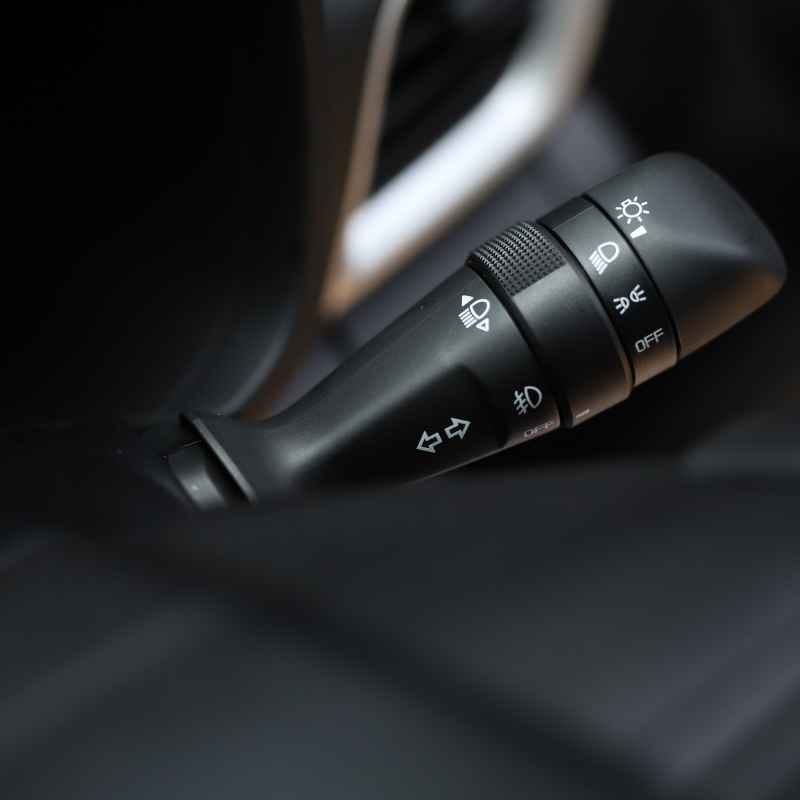
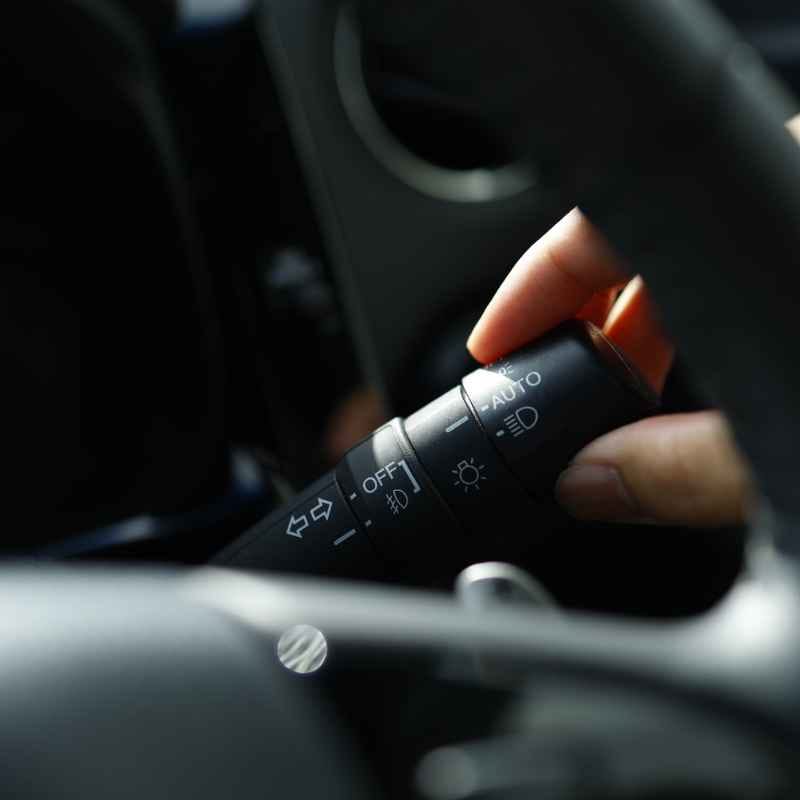
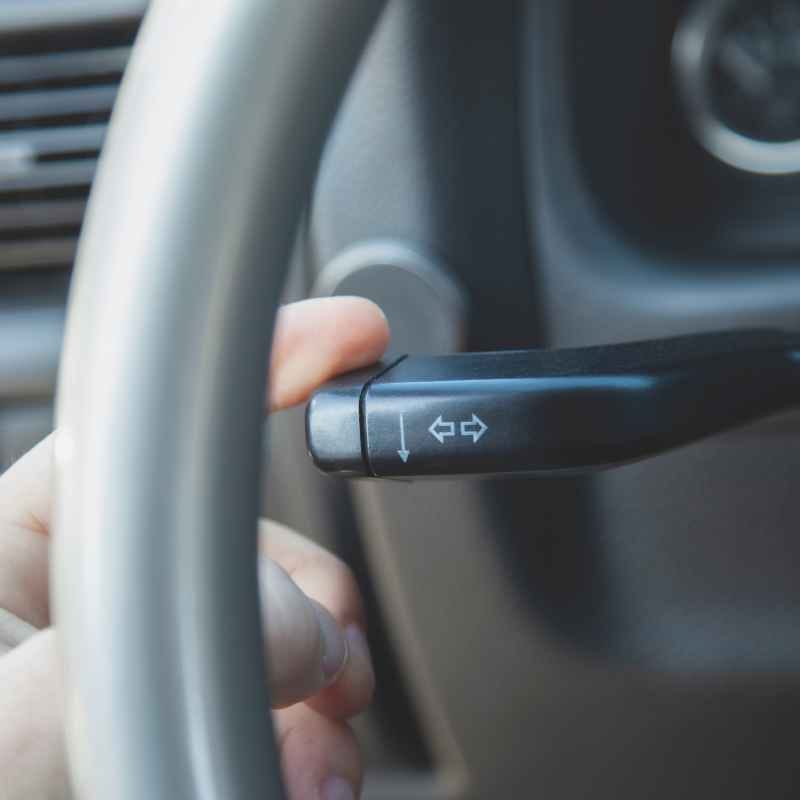
How it works. After you switch off the ignition, you might have a small window of time to activate this. It’s often done by flicking the headlight lever a certain way. The car’s computer then keeps the lights on for a preset period, like 30 or 60 seconds.
Then they shut off on their own.
When it causes issues. The problem usually arises if the system gets stuck in a “on” mode. Or if there’s a fault in the switch that controls it. This can make the lights stay on longer than they should, or even come on again later.
It’s usually tied to the headlight stalk or a body control module in the car.
Faulty Light Switches or Relays
Every light in your car is controlled by a switch or a relay. A relay is like a smart switch. It uses a small amount of power to control a larger electrical current.
If a light switch is worn out or damaged, it might not turn off completely. Or it might accidentally turn on. The same can happen with a relay.
How it works. When you flip a switch, it completes an electrical circuit. This allows power to flow to the light. Relays do a similar job but are often controlled by the car’s computer.
If the internal contacts in a switch or relay stick together, the circuit stays closed. This means the light stays on.
When it causes issues. A common issue is a sticky headlight switch. You might turn your lights off, but a small part inside doesn’t retract fully. This keeps the circuit active.
Relays can also fail. They might get stuck in the “on” position. You might hear a faint clicking sound from the fuse box if a relay is stuck.
Experience. I had a car once where the interior dome light would randomly turn on. I’d turn it off, but it would come back later. It turned out the little switch on the doorframe, the one that detects if the door is open or closed, was faulty.
It was telling the car the door was open even when it was shut, so the dome light thought it should be on.
The Door Jamb Switch (Interior Lights)
Your car’s interior lights, like the dome light or map lights, are usually controlled by a switch in the door frame. This switch tells the car when a door is opened. When a door is opened, the switch closes a circuit, and the interior lights come on.
When you close the door, the switch opens the circuit, and the lights turn off.
How it works. These switches are simple. They have a small plunger or button. When the door is closed, it presses the plunger in.
This breaks the electrical connection. When the door opens, the plunger pops out, making the connection. This lets power flow to the interior lights.
When it causes issues. If one of these switches gets stuck in the “open” position, it will always signal that a door is open. This means your interior lights will stay on, even when all doors are closed. They can also get dirty or corroded.
This can make them unreliable. Sometimes, they might flicker on and off.
Experience. I’ve seen this happen in many homes. A sticky door switch on a car is very similar. A friend’s car had the dome light constantly on.
We traced it to a door jamb switch that was getting stuck. A quick spray of contact cleaner and working the switch back and forth fixed it right up. It’s often a simple fix.
Bypassed or Incorrectly Wired Components
Sometimes, repairs are made to the car’s electrical system. If these repairs aren’t done correctly, they can lead to strange issues. Wires might be crossed, or components might be bypassed.
This can create unintended power paths. This might cause lights to turn on when they shouldn’t.
How it works. Electrical systems are like a map of roads. Power flows from the battery through various components. If a road is rerouted incorrectly, power might go where it’s not supposed to.
For instance, a wire meant for the brake lights might be accidentally connected to the parking lights. Or a faulty ground connection can send power astray.
When it causes issues. This is more common after a repair or modification. If someone installed an aftermarket alarm system, or new lights, and didn’t wire them properly, it can cause problems. It’s crucial that anyone working on your car’s electrical system knows what they are doing.
Certified mechanics are best.
Low Battery Voltage or Electrical System Fluctuation
Sometimes, the car’s battery is weak. Or there’s an issue with the alternator, which charges the battery. When the electrical system doesn’t get enough stable power, its components can act strangely.
This can include lights turning on or off randomly.
How it works. Your car’s computer systems and lights need a steady supply of electricity. If the voltage drops too low, these systems can become unstable. The computer might not be able to properly control when lights should be on or off.
It’s like trying to run a complex machine on weak batteries.
When it causes issues. A dying battery, a faulty alternator, or even loose battery cables can cause these voltage drops. You might notice other electrical quirks too. Like dimming dashboard lights, slow power windows, or the car struggling to start.
These are all signs of electrical system problems.
Experience. I had a car where the headlights would randomly flicker. It was annoying. I checked the bulbs, but that wasn’t it.
The real problem was a corroded positive battery terminal. The connection was loose. This caused intermittent power loss.
Cleaning the terminals and tightening the cable fixed the flickering headlights.
Common Causes of Car Lights Turning On Unexpectedly
Automatic Light Sensor Issues: The sensor may be dirty, obstructed, or malfunctioning, causing it to misjudge light levels.
“Follow Me Home” Timer Glitch: The system might get stuck, keeping lights on longer than intended or reactivating them without cause.
Faulty Light Switch: Internal components in the headlight or interior light switch can stick, keeping the circuit active.
Stuck Door Jamb Switch: This switch tells the car if a door is open. If it stays stuck in the “open” position, interior lights will remain on.
Electrical System Instability: Low battery voltage or alternator problems can cause unpredictable behavior in various car systems, including lights.
Aftermarket Accessory Interference: Improperly installed alarms, remote starters, or lighting modifications can disrupt normal light functions.
Personal Story: The Case of the Nighttime Glow
I was on a road trip, driving through a remote area late at night. I pulled over to check my map. I turned off the engine and the headlights, as usual.
Then, I sat for a moment, enjoying the quiet and the stars. Suddenly, I noticed a faint glow. My parking lights were on.
I hadn’t touched them. I checked my keys, and they were out of the ignition. My heart did a little jump.
Was someone watching me? Was my car being tampered with?
I got out and walked around the car. All the doors were locked. Nothing seemed out of place.
I went back inside and sat down. I waited. After about five minutes, the parking lights clicked off.
They just went out on their own. I was baffled. I drove on, a little uneasy.
The next morning, I remembered I had recently installed a new phone charger that plugged into the cigarette lighter socket. I thought back to when I plugged it in.
When I got home, I checked the charger. It had a small LED light that stayed on as long as it was plugged in, even when the car was off, if the socket was powered. I realized that somehow, that charger was drawing enough power to keep the parking lights on for a short while.
Once I unplugged it, the parking lights stayed off when the car was off. It was a simple, silly mistake, but for a few minutes out there in the dark, it felt like a mystery!
Exploring the Electrical System Deep Dive
The electrical system in a car is like the nervous system. It’s intricate and vital. When it misbehaves, many strange things can happen.
Lights are often the first indicator of an electrical problem.
The Role of Fuses and Circuit Breakers
Fuses and circuit breakers are safety devices. They protect your car’s electrical components from damage caused by too much electricity. A fuse has a thin wire inside.
If too much current flows, the wire melts and breaks the circuit. A circuit breaker works similarly but can be reset.
How it works. Each fuse is designed for a specific circuit. For example, there’s a fuse for your headlights, one for your radio, and so on. If a component has a short circuit (where wires touch that shouldn’t), it draws a lot of power.
This blows the fuse. It prevents damage to the component and the car’s wiring.
When it causes issues. A blown fuse itself doesn’t usually cause lights to turn on by themselves. However, if a fuse keeps blowing, it indicates a persistent short circuit. This underlying problem could be causing lights to stay on.
Or, a faulty relay (which is like a resettable fuse) could be sticking.
Understanding Relays and Their Function
Relays are electro-mechanical switches. They are used in circuits where a small electrical current needs to control a larger one. For instance, the light switch in your car is a low-current device.
It activates a relay. The relay then sends a high-current flow to the actual headlights.
How it works. A relay has a coil of wire. When electricity flows through this coil, it creates a magnetic field. This magnetic field pulls a metal arm, closing a set of contacts.
This completes a circuit for the high-power device, like your headlights. When the current stops flowing to the coil, the magnetic field disappears, and the contacts open again.
When it causes issues. A common problem is a relay that gets stuck in the “closed” or “on” position. This can happen due to dirt, wear, or electrical failure within the relay itself. If the relay for your headlights sticks, the headlights will remain on even after you turn off the car.
You might hear a faint clicking sound from the fuse box when a relay is activating or stuck.
Relay and Fuse Basics
Fuse Purpose: Protects circuits from overcurrent by melting.
Circuit Breaker: Similar to a fuse but can be reset.
Relay Purpose: Uses a small current to control a large current circuit.
Stuck Relay: Can cause lights or other components to stay on constantly.
Blown Fuse: Usually means a short circuit or faulty component, not typically causing lights to turn on randomly but rather preventing them from working.
Body Control Module (BCM) and Computer Control
Modern cars have computers that control many functions. The Body Control Module (BCM) is one of them. It manages things like lights, power windows, door locks, and the interior lighting system.
It takes input from various sensors and switches and tells other components what to do.
How it works. The BCM is like the brain for the car’s body functions. It receives signals from things like door switches, light sensors, and the ignition. It then sends commands to turn lights on or off, activate door locks, and more.
It’s programmed to follow specific logic for each function.
When it causes issues. If the BCM has a software glitch or a hardware fault, it can malfunction. It might send incorrect commands. This can result in lights turning on or off at the wrong times.
Sometimes, a software update can fix BCM issues. Other times, the module might need to be replaced.
Experience. I once worked on a car where the headlights would randomly turn off while driving. It was terrifying. We checked everything – bulbs, relays, switches, wiring.
It turned out the BCM had a fault. It was randomly cutting power to the headlights. A new BCM and reprogramming fixed the issue.
It showed how important these computer modules are.
When It’s Normal Behavior (Don’t Worry Yet!)
Not every time your car lights turn on by themselves is a problem. Many car features are designed to activate automatically. Knowing these can save you from unnecessary worry.
Automatic Headlights in Low Light
As mentioned before, if your car has an automatic headlight feature, it’s supposed to turn on when it’s dark. This includes dawn, dusk, cloudy days, or driving through tunnels. This is normal and a good safety feature.
Interior Lights When Doors Open
This is perhaps the most common and expected behavior. When you unlock your car doors or open a car door, the interior lights are designed to come on. This helps you see inside your car.
They are programmed to turn off after a short delay once the doors are closed or the car is locked.
“Follow Me Home” Light Activation
When you park your car and turn off the engine, the “Follow Me Home” feature will keep your headlights on for a set period. This is intended to illuminate your path as you walk away. It’s a convenience and security feature, and it’s perfectly normal for the lights to stay on for a minute or two.
Remote Start Systems
Some remote start systems are designed to turn on the car’s parking lights or even headlights when the engine is started remotely. This is a visual indicator that the car is running. So, if you use a remote start, seeing the lights come on is usually expected.
Normal Light Behavior Scenarios
Feature: Automatic Headlights
Activation: Dusk, dawn, tunnels, heavy rain/fog.
Why: Enhanced visibility and safety.
Feature: Interior Dome Lights
Activation: Unlocking doors, opening doors.
Why: Illumination inside the cabin.
Feature: “Follow Me Home” Lights
Activation: After turning off the engine.
Why: Lighting your path to your door.
Feature: Remote Start Indicator
Activation: When remote start is used.
Why: Visual confirmation the car is running.
When to Be Concerned: Signs of Trouble
While some instances are normal, other times your car lights acting up can signal a real problem. Here’s when you should pay closer attention and potentially seek professional help.
Lights Staying On Indefinitely
If your headlights, parking lights, or interior lights stay on for hours after you’ve turned off the car and locked it, this is a concern. This can drain your battery quickly. It also suggests a faulty switch, relay, or a wiring issue.
Lights Turning On While Driving Unexpectedly
If your headlights suddenly turn off while you’re driving, or if your brake lights or turn signals activate without you using the pedals or controls, this is a serious safety issue. It could be a sign of electrical shorts or a failing BCM.
Flickering Lights
Consistent flickering of headlights, taillights, or interior lights can indicate a loose connection, a failing bulb, or an unstable electrical supply from the alternator or battery.
Warning Lights on the Dashboard
If the lights acting strangely are accompanied by other warning lights on your dashboard, such as the battery light, check engine light, or ABS light, it points to a broader electrical system problem. These systems are often interconnected.
Experience. A neighbor’s car had its headlights on all night. By morning, the battery was completely dead. It turned out the headlight switch was faulty and stuck in the “on” position.
They had to get a jump start and then had the switch replaced. It was a good reminder that leaving lights on is not just an annoyance; it can lead to bigger problems like a dead battery.
What This Means for You: Simple Checks You Can Do
Before you rush to the mechanic, there are a few simple things you can check yourself. These can often help you identify the cause or at least narrow it down.
Check Your Light Switches
Take a close look at your headlight switch and any interior light switches. Make sure they are in the correct position. Try toggling them on and off a few times.
Sometimes, a switch just needs to be moved firmly.
Inspect Door Jamb Switches
For interior lights, locate the small switches on the door frames. Make sure they aren’t stuck. You can press them in and release them.
Sometimes, a little dirt can cause them to stick. Gently cleaning around them might help.
Review Your Car’s Manual
Your car’s owner’s manual is a treasure trove of information. It will explain features like automatic headlights and “Follow Me Home” lights. It will also show you where your fuse box is and how to identify different fuses.
Look for Obvious Damage
Walk around your car. Look for any visible damage to lights, wiring, or the sensors. Sometimes, a loose wire or a cracked housing can be the culprit.
Consider Recent Work
If the problem started after you had any work done on your car, especially electrical work, that’s a good place to start your investigation. It’s possible something wasn’t reconnected properly.
DIY Checks for Light Issues
1. Verify Switch Positions: Ensure headlight and interior light switches are correctly set.
2. Test Door Switches: Press door jamb switches firmly to see if interior lights react.
3. Consult Owner’s Manual: Understand your car’s automatic features and locate fuses.
4. Visual Inspection: Look for any obvious physical damage to lights or wiring.
5. Recall Recent Repairs: Connect the issue to any recent work on the vehicle.
When to Call in the Professionals
If you’ve done your simple checks and the problem persists, or if you’re uncomfortable working with car electronics, it’s time to call a qualified mechanic. Electrical issues can be complex and require specialized tools and knowledge.
Signs You Need a Mechanic
- Lights stay on for extended periods, draining the battery.
- Lights turn on or off erratically while driving.
- Multiple electrical components are malfunctioning.
- You see warning lights on the dashboard related to the electrical system.
- You’re not comfortable or experienced with car electrical systems.
Why expertise matters. Modern cars rely heavily on complex electronic control units. Diagnosing problems often requires specialized scan tools that can read error codes from the car’s computer. A mechanic has the training and equipment to correctly identify the root cause, whether it’s a faulty sensor, a bad relay, a wiring problem, or a malfunctioning BCM.
Frequently Asked Questions About Car Lights Turning On By Themselves
Why do my car lights turn on by themselves at night?
This is often due to the automatic headlight feature. If your car senses low light conditions, it will turn on the headlights for safety. It could also be the “Follow Me Home” feature activating after you turn off the car, or a faulty sensor causing it to misjudge light levels.
Can a bad battery cause my car lights to turn on?
A bad battery usually causes lights to be dim or not turn on at all, or it leads to other electrical system failures. However, a severely fluctuating voltage from a failing battery or alternator can sometimes cause unpredictable behavior in electronic systems, including lights acting strangely, but it’s less common than other causes.
What if my interior lights stay on all the time?
This is most often caused by a faulty door jamb switch. These small switches tell the car when a door is open. If one gets stuck in the “open” position, the car thinks a door is open and keeps the interior lights on.
Check these switches first.
How do I turn off automatic headlights if I don’t want them on?
Most cars with automatic headlights have a setting in the infotainment system or a physical switch position to turn the feature off. Check your car’s owner’s manual for specific instructions on how to disable or adjust this setting.
Could a short circuit cause my headlights to stay on?
Yes, a short circuit can definitely cause lights to stay on. If wires that are supposed to be separate touch each other, it creates an unintended path for electricity. This can keep a circuit closed and power flowing to the lights even when they are supposed to be off.
A persistent short circuit will also often blow a fuse.
Is it safe to drive with my car lights acting up?
It depends on the specific issue. If it’s just the interior light staying on, it’s usually safe but will drain your battery. However, if your headlights are unexpectedly turning off, or brake lights are malfunctioning, this is a significant safety hazard.
You should get it checked immediately before driving.
Putting It All Together: Peace of Mind for Your Vehicle
It can be unsettling when your car’s lights seem to have a mind of their own. But now you know that there are usually clear reasons behind it. From clever automatic features designed for your convenience to potential electrical glitches, understanding these causes is the first step.
Most of the time, it’s a normal function of your car.
If you notice something unusual, don’t panic. Take a moment to observe and consider the simple checks. For more complex issues, a trusted mechanic can help diagnose and fix the problem.
Keeping your car’s electrical system in good shape ensures both safety and peace of mind on the road.
Related pick: Check today's price on Amazon See also cheapest place to buy car lights and save more money.
Products related to this article
Sponsored / affiliate links. As an Amazon Associate I earn from qualifying purchases. I may earn additional commission from eligible campaigns.
 Govee Underglow Car Lights, 4pcs, RGBIC, Smart LED Lights, App Control | 16 Million Colors, 10 Scene Modes, Neon Accent Strip Lights, for SUVs, Trucks, DC 12-24V
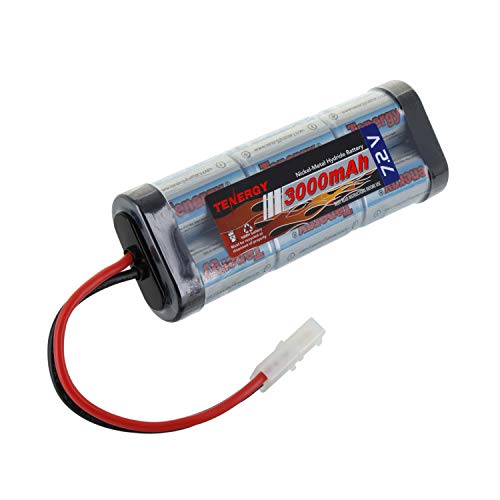 Tenergy 7.2V Battery Pack High Capacity 6-Cell 3000mAh NiMH Flat Battery Pack, Replacement Hobby Battery for RC Car, RC Truck, RC Tank, RC Boat with Standard Tamiya Connector