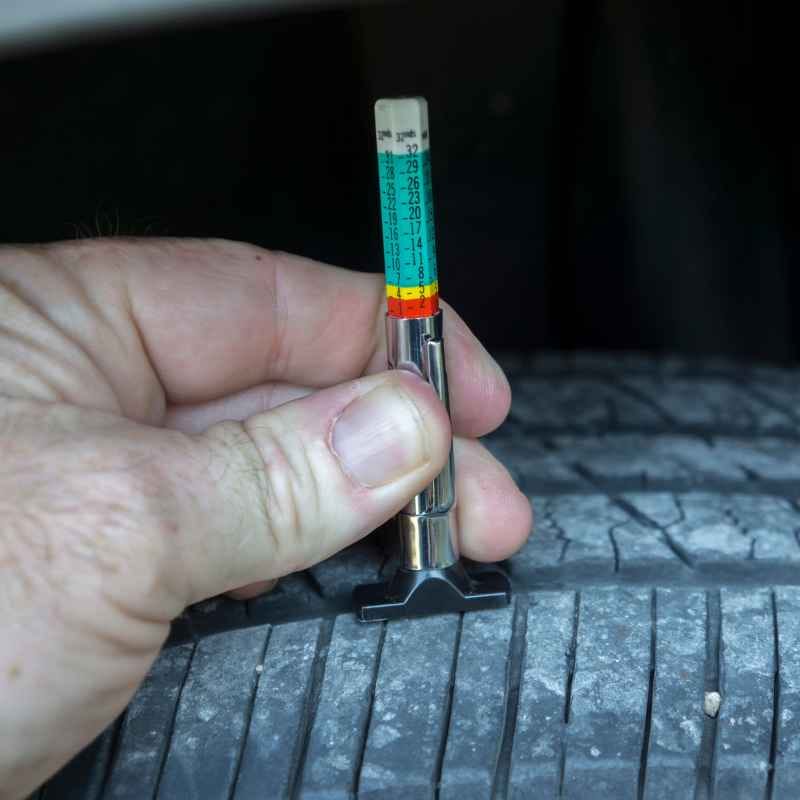
Is It Ok To Plug A Car Tire? When It Works And When Not
This guide explains the ins and outs of plugging a car tire. You’ll learn what makes a puncture pluggable, when it’s best to seek professional help, and how to make safe, temporary repairs. We’ll cover the right tools, the wrong places to plug, and what to do next. It’s about keeping you and your passengers safe.
What Is a Tire Plug and How Does It Work?
A tire plug is a strip of rubber. It is often coated with a sticky sealant. You push this plug into a hole in your tire.
The goal is to stop air from escaping. It’s like putting a bandage on a small cut. It holds the air in for a while.
Many people use tire plug kits. These kits come with tools. You usually get a reamer to clean the hole.
You also get an inserter tool. This tool helps you push the plug through the hole. The plug then seals the opening from the inside.
Tire plugs are meant to be a quick fix. They are not a permanent solution. They help you get to a tire shop.
You can then get a proper repair or a new tire. It buys you time and peace of mind.
The Anatomy of a Puncture
Not all holes in a tire are the same. Where the puncture happens matters a lot. Most tires have three main parts where damage can occur.
These are the tread, the sidewall, and the shoulder.
The tread is the part that touches the road. It’s thick and made for wear. Most punctures here are small.
They can often be plugged. The tread has many grooves, but the main rubber is solid.
The sidewall is the side of the tire. It flexes a lot as you drive. This part is thinner than the tread.
Sidewall damage is very dangerous. You should NEVER plug a hole in the sidewall. It’s too weak and flexible.
The shoulder is the area where the tread meets the sidewall. This area also flexes. Plugging a hole here is risky.
It’s often not considered safe. The plug might not hold well. The flexing can push it out.
My Own Close Call with a Flat
I remember one time, I was driving home late. The rain was coming down hard. I hit something with a loud PING.
I pulled over, heart pounding. My tire was losing air fast. I could see the tread sinking lower and lower.
I had a tire plug kit in my trunk. I thought, “I can fix this!” I got it out. The hole was right in the middle of the tread.
It looked like a small screw. I used the reamer to clean it. Then, I pushed the sticky plug through with the tool.
It worked! The hissing stopped. The tire held air.
I drove slowly to the nearest town. I got to a service station just before they closed. The mechanic told me I was lucky.
He said plugging a hole in the tread is usually okay, but it’s always a temporary fix.
He showed me the damage. It was a clean hole. He put a proper patch on the inside.
He also checked the sidewall carefully. He assured me it was safe. But he stressed that if the hole had been on the sidewall, no plug would have been safe.
It taught me a valuable lesson about tire safety.
Tire Puncture Zones: Where Can You Plug?
Tread Area: Generally safe for temporary plugging if the puncture is small and straight.
Shoulder Area: Risky. The flexing here makes plugs less reliable. Not recommended.
Sidewall Area: Absolutely NOT safe to plug. The sidewall is too thin and flexible. This is a critical safety issue.
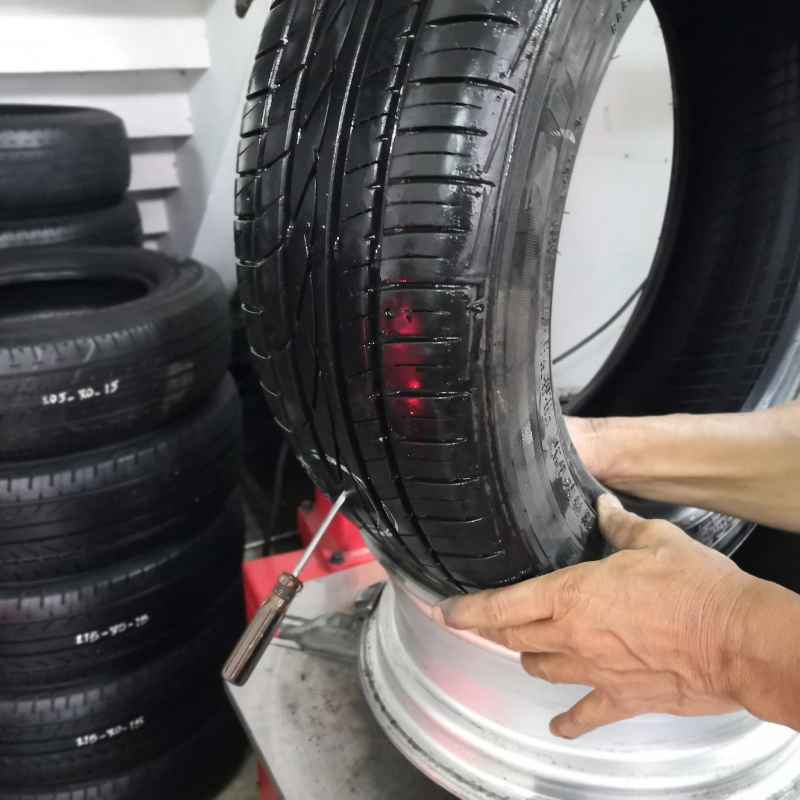
When Can You Safely Plug a Car Tire?
There are specific conditions when a tire plug is a good idea. Think of it as a temporary patch that gets you out of a jam. Safety is always the number one concern.
First, the puncture must be in the tread. This is the thick rubber part that meets the road. The hole needs to be small, usually no bigger than a quarter inch.
Bigger holes are much harder to seal reliably.
The nail or screw that caused the hole should be removed. This lets you inspect the damage. You want to see a clean hole.
If the hole is jagged or torn, a plug might not work well. It needs a relatively clean entry.
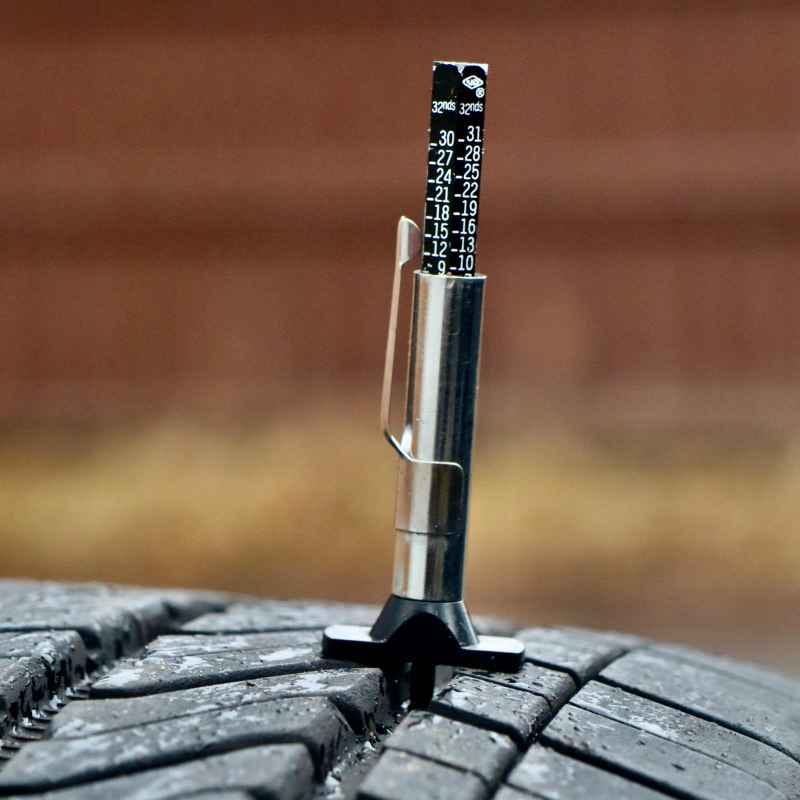
It’s also important that the tire has enough tread depth. If your tire is worn out, plugging it might not be worth the risk. A worn tire is already less safe.
Adding a plug to a worn tire can increase the chance of a blowout.
Size Matters: The Hole’s Impact
The size of the puncture is a big factor. Small holes are best. Think of a nail head size, or a bit smaller.
These holes don’t compromise the tire structure much.
If a large object caused the puncture, like a sharp rock or a piece of metal, it might have torn the rubber. This kind of damage is not good for plugging. The torn rubber can’t create a good seal.
You also need to consider the shape of the hole. A clean, straight puncture from a nail is ideal. If the object went in at an angle, it might have created a larger opening inside.
This makes it harder for the plug to hold.
When you pull out the object, watch how fast the air escapes. If it’s a rapid hiss, the hole might be too big or too jagged. If it’s a slow leak, it’s a better candidate for plugging.
Plugged Tire Checklist: Is It Okay?
- Puncture is in the tread area?
- Hole is small (under 1/4 inch)?
- Object removed cleanly?
- Tire has good tread depth remaining?
- Air leak is slow, not a gush?
If you answered YES to all these, plugging might be a viable temporary fix.
When You Should NOT Plug a Tire
There are definite “no-go” zones for tire plugging. These are situations where a plug is unsafe. It could lead to a dangerous blowout on the road.
The most critical rule: Never plug a tire on the sidewall. The sidewall is thin and designed to flex. A plug there will not hold. It will likely fail at high speed or under stress.
This is extremely dangerous.
The shoulder area, where the tread curves into the sidewall, is also a bad place to plug. This area flexes a lot. A plug here can be forced out.
It’s also hard to get a good seal.
Punctures from a sharp object that ripped the tire are also not pluggable. If you see tearing or shredding around the hole, don’t try to plug it. The rubber is too compromised.
Large punctures, or multiple punctures close together, are also off-limits for plugging. These weaken the tire too much. Plugging them would be a band-aid on a serious wound.
If you’re unsure at all, err on the side of caution. It’s always better to be safe than sorry. A blown tire at speed can cause a serious accident.
The Sidewall Danger Zone
Let’s talk more about the sidewall. This is the part of the tire that you see when it’s inflated. It’s made of rubber and cords.
Its job is to allow the tire to flex. This flexing absorbs bumps and helps you steer.
Because it flexes so much, the sidewall is not a good place for repairs. A plug pushed into the sidewall will constantly bend. The forces there are too great for a simple plug to withstand.
It will likely pop out.
If you get a cut or hole on your sidewall, the tire often needs to be replaced. There are very few exceptions. Tire shops will tell you this.
They won’t repair sidewall damage because it’s not safe.
“People Also Ask” Quick Facts
- Can I plug a tire myself? Yes, with a tire plug kit, but only for specific types of punctures.
- How long does a tire plug last? It’s a temporary fix, meant to get you to a shop. Some can last a few weeks, but it’s not guaranteed.
- Is plugging a tire safe? It can be safe if done correctly on the tread for small punctures. It’s NOT safe for sidewall or shoulder damage.
- Can I drive on a plugged tire? Yes, but slowly and cautiously, and only for a short distance to a repair shop.
How to Plug a Tire (The Right Way)
If you’ve decided plugging is the best temporary option, here’s how to do it carefully. Remember, this is a temporary fix. You still need a proper repair or replacement soon.
First, gather your tools. You’ll need a tire plug kit. These usually include a reamer tool, an insertion tool, and plugs.
You’ll also need a good tire gauge and an air compressor or pump.
Find a safe place to pull over. Make sure your car is on a level surface. Engage the parking brake.
If you have reflective triangles, set them up.
Locate the puncture. If you can’t hear the leak, you can use soapy water. Spray it around the tire.
Bubbles will show you where the air is escaping. Mark the spot clearly.
If a nail or screw is still in the tire, pull it out carefully with pliers. Do this slowly. Watch for air loss.
Once it’s out, let the air escape for a moment.
Use the reamer tool. Push it into the hole. Work it up and down.
This cleans the hole and makes it the right size for the plug. It also helps rough up the inside for a better seal.
Take a plug. Thread it through the eye of the insertion tool. You want the plug about halfway through the tool.
The ends of the plug should stick out evenly.
Push the insertion tool with the plug into the tire hole. Push it in hard. Leave about half an inch of the plug sticking out of the tire.
Then, quickly pull the insertion tool straight out.
The plug should stay in the tire. Trim off any excess plug sticking out if needed, but don’t cut it too close. Now, inflate the tire to the recommended pressure.
Use your tire gauge to check it.
Listen for leaks. Check with soapy water again. If there are no bubbles, it’s sealed.
If it still leaks, the plug might not have worked. You may need to try again or call for help.
Quick Plug Kit Steps
- Remove the object (nail, screw).
- Clean the hole with the reamer tool.
- Thread a plug into the insertion tool.
- Push the plug into the hole, leaving some sticking out.
- Pull the insertion tool straight out quickly.
- Inflate the tire.
- Check for leaks.
Tire Plug vs. Patch: What’s the Difference?
It’s easy to get plugs and patches mixed up. They both fix tire holes. But they are very different.
And one is much more reliable than the other.
A tire plug is inserted from the outside. It’s a temporary fix. It seals the hole from within the tread.
Plugs are often made of sticky rubber strands.
A tire patch is applied from the inside. This is considered a permanent repair. A mechanic removes the tire from the wheel.
They clean the inside of the tire. Then, they apply a patch and sealant to the damaged area.
Professional tire shops almost always use patches. Sometimes they combine it with a plug-like stem that goes through the hole. This is called a plug-patch.
It’s a stronger repair.
Why the difference? Plugs rely on friction and the sticky material. They can fail due to tire flexing.
Patches bond to the tire’s inner liner. This makes them much more secure and durable. They become part of the tire structure.
So, while a plug is useful for an emergency, a patch is the way to go for a lasting repair. Always aim for a patch or plug-patch from a professional.
Plug vs. Patch: Key Differences
| Feature | Tire Plug | Tire Patch |
|---|---|---|
| Insertion | From the outside | From the inside (tire removed) |
| Purpose | Temporary emergency fix | Permanent repair |
| Reliability | Less reliable, can fail | Very reliable when done right |
| Tools needed | Plug kit, compressor | Tire machine, patch kit, technician |
| Cost | Low (DIY kit) | Moderate (professional service) |
Real-World Scenarios: When Plugs Fail
Even when you think you’ve done everything right, tire plugs can fail. This is why they are only temporary. Understanding why helps you be more cautious.
One common reason for failure is temperature changes. On a hot day, the tire rubber expands. On a cold day, it contracts.
This movement can loosen a plug over time. Especially if the plug wasn’t seated perfectly.
Driving habits play a big role. If you drive at high speeds for long periods, the tire heats up. This heat can soften the plug material.
It can also increase pressure on the plug, forcing it out.
Hitting potholes or curbs can also be a problem. This sudden impact puts stress on the tire. It can jolt a plug loose.
It can also cause the hole to spread, making the seal weak.
Sometimes, the plug itself isn’t made well. Or maybe the quality of the tire rubber is an issue. It’s hard to tell from the outside.
But manufacturing defects can contribute to failure.
I had a friend who plugged his tire. He drove on it for almost a month. He thought it was fine.
Then, one day, while driving on the highway, it blew out. Luckily, he was in the right lane and could pull over safely. But it was a scary reminder that plugs are not a permanent fix.
Why Plugs Might Not Hold
- Temperature fluctuations: Rubber expands and contracts.
- High speeds: Heat and pressure can weaken the seal.
- Impacts: Potholes or curbs stress the plug.
- Improper installation: Plug not seated correctly.
- Tire wear: Old tires are less forgiving.
- Large or jagged holes: Plug material can’t form a solid bond.
What This Means for You on the Road
So, what should you do when you get a flat tire? First, stay calm. Pull over to a safe spot as soon as you can.
Turn on your hazard lights.
If the puncture is in the tread and looks small, a plug kit can be a lifesaver. It can get you to a place where you can get a proper repair. It’s a tool for emergencies.
However, you must remember its limitations. Never rely on a plug for long-term driving. Treat it as a temporary solution.
Drive slowly and smoothly. Avoid high speeds and hard braking.
If you plug your tire, your first priority should be to get to a tire shop. Have them inspect it. They can tell you if it can be safely patched from the inside.
Or if you need a new tire altogether.
If the puncture is on the sidewall or shoulder, or if it’s a large cut, do not try to plug it. Your best bet is to use your spare tire and call for roadside assistance or a tow truck. Your safety is worth more than trying to save a damaged tire.
When to Worry and When It’s Okay
It’s normal to worry about a flat. But let’s break down when you need serious help and when a plug might be okay.
When to Worry (Call for Help or Use Spare):
- Puncture on the sidewall or shoulder.
- Large cuts or tears in the rubber.
- Multiple punctures close together.
- Tire is visibly damaged beyond the puncture site.
- You hear a loud blowout or rapid hiss.
- You are not comfortable or sure how to plug it.
When a Plug Might Be Okay (Temporary Fix):
- Small, clean puncture in the tread.
- Nail or screw was removed cleanly.
- Tire still has good tread depth.
- You need to drive a short distance to a repair shop.
Tire Damage Decision Tree
Damage Location:
- Tread: Can potentially be plugged (small holes only).
- Shoulder: Not recommended for plugging.
- Sidewall: NEVER plug. Needs replacement.
Hole Size/Shape:
- Small & Clean: Good candidate for plugging (temporary).
- Large or Jagged: Not suitable for plugging.
Quick Tips for Tire Emergencies
Having a flat tire is stressful. Here are some quick tips to make the situation smoother.
- Keep a tire plug kit in your car. It’s an inexpensive tool that can save you.
- Know how to use it before you need it. Practice on an old tire if possible.
- Always check your spare tire to make sure it’s inflated.
- Carry a reliable tire gauge and a portable air compressor.
- Understand your car’s tire pressure recommended on the driver’s side doorjamb.
- Drive slowly and gently on a plugged tire. Avoid sudden moves.
- Get the tire professionally inspected as soon as possible.
These tips can help you handle a tire issue more confidently. They focus on safety and getting you back on the road reliably.
Frequently Asked Questions About Plugging Tires
Can I plug a tire that lost all its air?
If a tire lost all its air because of a puncture, plugging it is still possible if the puncture is in the tread and is small. However, driving on a completely flat tire can damage the sidewall. This damage might mean the tire can’t be repaired at all, even with a patch.
Is it safe to plug a tire after driving on it flat?
Driving on a flat tire, even for a short distance, can cause serious damage to the tire’s internal structure, especially the sidewall. If the sidewall is damaged, a plug or patch will not be safe. It’s best to avoid driving on a flat tire if at all possible.
How many times can a tire be plugged?
A tire should ideally only be plugged once. Each time you plug a tire, you risk deforming the rubber or compromising the seal. Multiple plugs in the same area weaken the tire further.
It’s always best to seek a professional patch repair after the first plug.
What’s the difference between a plug and a patch?
A plug is inserted from the outside as a temporary fix. A patch is applied from the inside and is considered a permanent repair. Professional shops prefer internal patches for safety and reliability.
Can I plug a slow leak in my tire?
Yes, if the slow leak is due to a small puncture in the tread area, a tire plug can be a suitable temporary solution. However, it’s crucial to still have it checked by a professional to ensure it’s a safe, temporary fix and not a sign of a larger issue.
Do tire shops plug tires?
Many tire shops offer plug-patch combinations, which are safer and more permanent than simple plugs. However, they generally prefer to perform internal patch repairs, which are considered the industry standard for safe tire repairs.
Final Thoughts on Tire Plugs
Plugging a car tire can be a useful skill. It’s an emergency tool. It can help you get out of a tough spot.
But always remember, it’s a temporary fix. Safety comes first. Never risk your life or others’ for a quick repair.
Know the limits of tire plugs, especially where they can and cannot be used. Safe driving is smart driving.