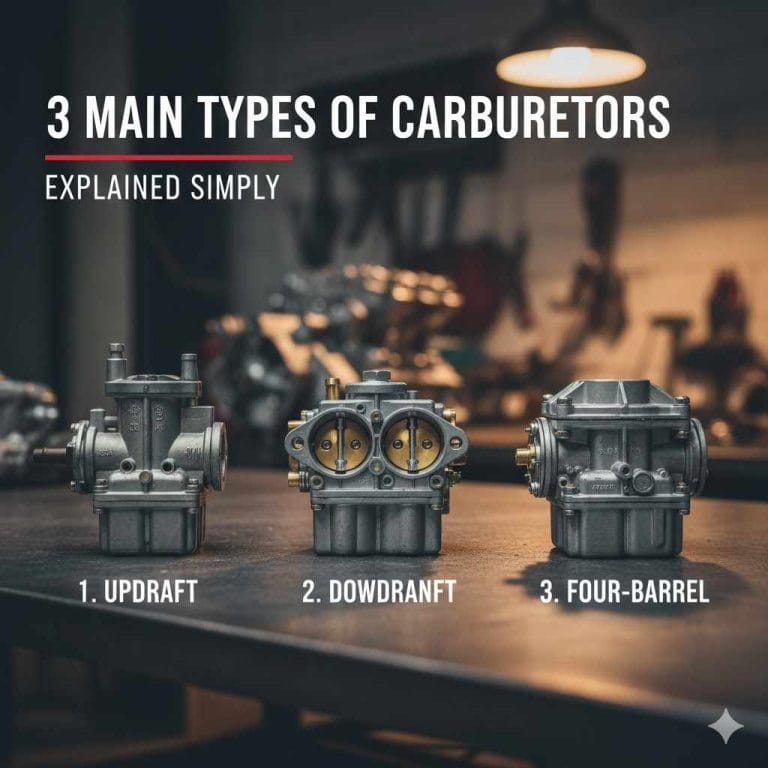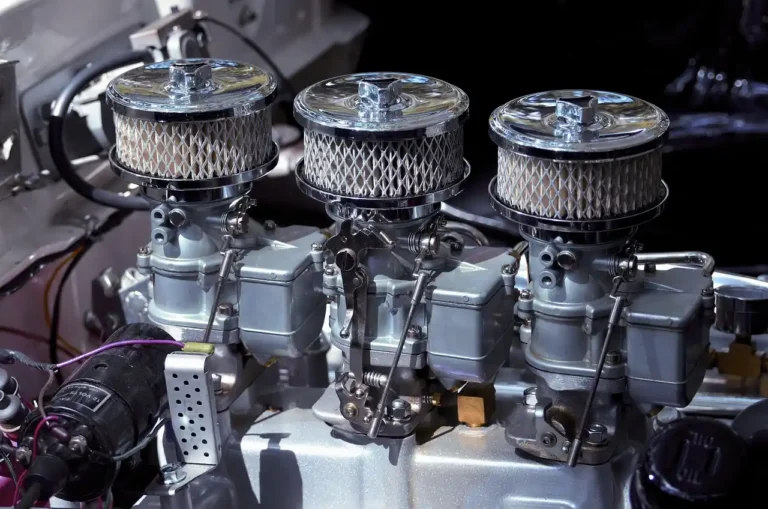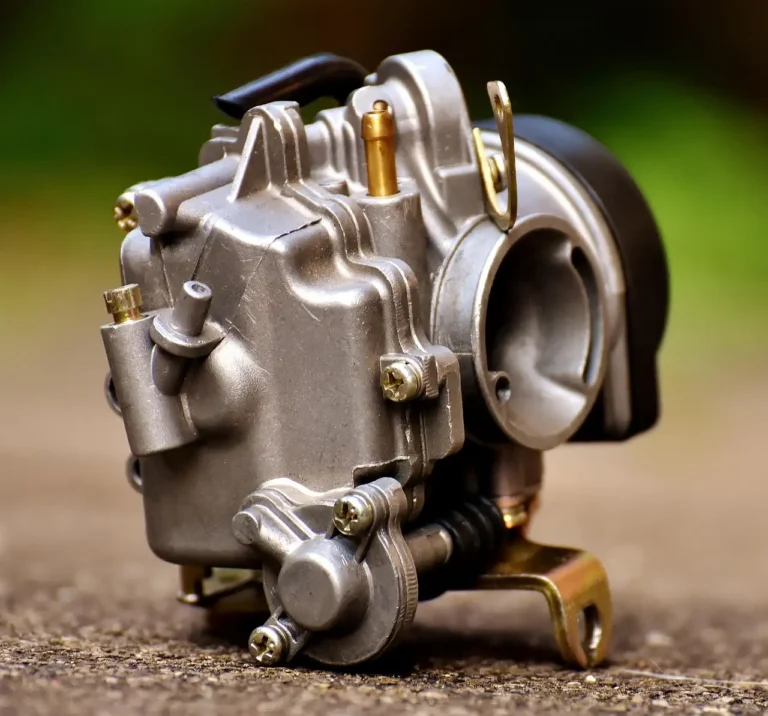
How to Set Carburetor Idle Speed Properly
Set carburetor idle speed on a fully warmed engine, after the mixture is set, by turning the idle-speed screw to the manufacturer’s target curb-idle rpm. A wrong setting can cause stalling, hard shifts, poor fuel economy, or runaway idle. This guide shows the correct adjustment order and how to find vacuum leaks, linkage faults, fuel issues, and choke problems when idle will not hold.
Before you adjust idle


Do the setup work first. A carburetor idle setting is only valid when the engine has reached normal operating temperature, the choke blade is fully open, and the fast-idle cam has dropped off its step. Cold settings will be wrong once the engine warms up.
What you’ll need
- Tachometer, preferably a portable digital model for DIY use
- Screwdriver or driver that fits the idle and mixture screws
- Service manual or under-hood emissions label with the base idle speed specification
- Work light and, if needed, a vacuum gauge for leak checks
Find the specification first
Look up the base idle speed specification before touching any screw. The target can differ by engine type, transmission, and emissions setup, and some automatic-transmission vehicles may list one rpm in neutral and another in gear. Follow the service-manual procedure for accessories, curb-idle solenoids, or idle-stop devices that can change the correct test condition. Use the manual or the under-hood label, not a guess.
- Warm the engine to normal operating temperature.
- Confirm the choke blade is fully open and the fast-idle cam is off its step.
- Locate the base idle speed specification for neutral, park, or in gear.
- Connect a tachometer so you can read rpm accurately.
Is the engine fully warm?
Final curb-idle adjustment should be made on a warm engine with the choke fully open and the fast-idle cam disengaged. If the throttle plate is being held open by the choke or fast-idle linkage, any idle number you set will be false and will drift later.
Verify warm operating condition
Let the engine reach normal operating temperature, then watch the choke blade and fast-idle linkage. If the choke is still partly closed, or the fast-idle cam is still resting on a higher step, stop and correct that first. The curb-idle screw should never be used to mask a cold-start condition.
Check for fast-idle hold
Move the throttle linkage by hand and let it return fully. If it hangs up or returns slowly, the choke return spring, linkage, or fast-idle cam may be sticking. That can leave the throttle plate open and make the idle seem too high even before the idle screw is touched.
Set the mixture screw first
Set the idle mixture before final idle speed. The mixture screw affects the idle circuit, not the throttle opening. On many carburetors it is one screw; on others it is two, one for each side or circuit. Make changes in about 1/8-turn steps and recheck idle quality after each change.
Locate the idle mixture screw or screws
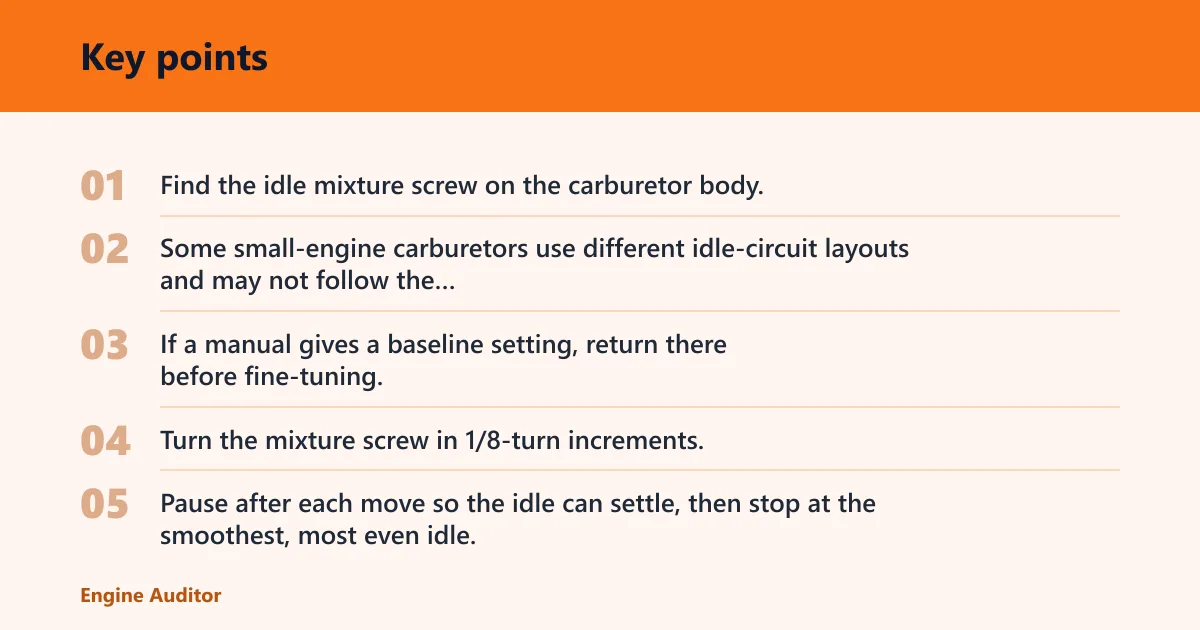
Find the idle mixture screw on the carburetor body, then identify whether the design uses one screw or two. Some small-engine carburetors use different idle-circuit layouts and may not follow the same procedure as automotive carburetors, so do not assume every unit adjusts the same way. If a manual gives a baseline setting, return there before fine-tuning.
Make small changes only
Turn the mixture screw in 1/8-turn increments. Pause after each move so the idle can settle, then stop at the smoothest, most even idle. If the engine stumbles or dies as you turn in, back out slightly. If it improves only when turned far from baseline, the idle circuit may need cleaning.
How do you set curb idle speed?
Set curb idle by turning the idle speed screw, also called the throttle stop screw or curb idle screw, until the tachometer matches the listed rpm. This screw opens the throttle plate slightly at warm idle. It changes engine speed, not the air-fuel mixture.
Adjust to the listed rpm
With the mixture set, turn the idle speed screw in to raise rpm or out to lower rpm. Move in small steps, then recheck the tachometer. If the spec says about 700 rpm in park and about 600 rpm in gear, use the correct number for the test condition being measured.
Recheck after throttle blips
Blip the throttle once or twice, then let the engine settle. The idle should return to the same number. If it comes back high, check for a sticking linkage or choke return issue. If it comes back low or stalls, the idle circuit may still be off or there may be a vacuum leak.
How do you find the real fault when idle will not hold?
If idle keeps changing after adjustment, look for the cause instead of chasing the screw. The usual culprits are vacuum leaks, a sticking throttle or choke linkage, or an idle circuit that is dirty or partially blocked. On some engines, ignition timing or a transmission load issue can also skew the reading.
Check for vacuum leaks first
Inspect hoses, intake gaskets, and the carburetor base. A leak can cause high, unstable, or surging idle and can make adjustment impossible to hold. Spray tests and vacuum-gauge readings are common checks; a steady leak often shows a noticeable idle change when the suspect area is disturbed or sealed.
Inspect linkage and idle circuit function
Make sure the throttle linkage snaps closed and the choke returns fully open. If the screw has little effect, the idle circuit may be blocked at the idle ports, passages, or idle jet. That fault can mimic a bad adjustment and usually needs cleaning, not more screw turning.
Idle-setting decision table
| Symptom | Likely cause | Quick check | Next action |
|---|---|---|---|
| Warm-engine high idle | Fast-idle cam still engaged, throttle stop set too high, or vacuum leak | Verify choke fully open; confirm linkage rests on the curb-idle screw | Release fast idle, then reset curb idle to spec and inspect leaks |
| Stalling at curb idle | Idle set too low, mixture too lean, or idle circuit restricted | Watch rpm as the screw is turned 1/8 turn richer; note whether idle responds | Set mixture first, then raise curb idle to the listed specification |
| Surging idle | Vacuum leak, dirty idle circuit, or mixture too lean | Check hoses, intake gaskets, and carb base; note if rpm hunts up and down | Repair leaks, clean the idle circuit, then reset mixture and speed |
| Idle changes after revving | Sticky choke return, slow linkage return, or fast-idle cam not releasing | Blip the throttle and watch whether the linkage fully returns each time | Clean or free the linkage, then recheck curb idle and throttle return |
How do you know if idle is too high or too low?
Too high usually shows up as clutch drag, gear engagement clunk, creeping in gear, or a throttle that never fully settles. Too low usually shows up as rough running, repeated stalling at stops, or weak accessory output at curb idle. The tachometer and the service spec tell you which side of the target you are on.
Say your small-engine carburetor is listed at 1,250 rpm and the tach shows 1,650 rpm after warm-up. That points first to a throttle stop or choke issue, not a richer mixture setting. Many small-engine carburetors use different idle systems and adjustment procedures, so use the specification and method for that engine, not the automotive procedure. Suppose an automatic with a neutral spec of 750 rpm stalls when shifted into gear. The in-gear target may be lower, but not so low that the engine cannot carry the load.
Common mistakes
Most idle complaints come from adjusting in the wrong order. If you change curb idle before the mixture is right, the reading will drift. If you use sound instead of a tachometer, you can miss the real rpm by a wide margin. If the engine is cold, the choke and fast-idle cam will distort every setting.
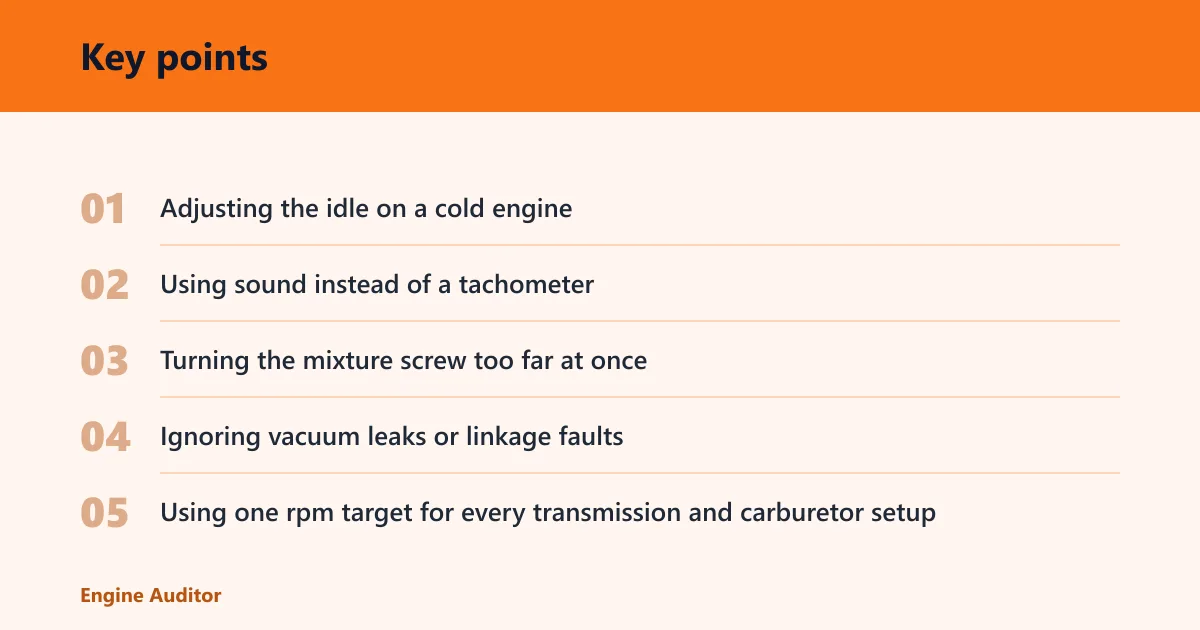
- Adjusting the idle on a cold engine
- Using sound instead of a tachometer
- Turning the mixture screw too far at once
- Ignoring vacuum leaks or linkage faults
- Using one rpm target for every transmission and carburetor setup
If that didn’t work, try this next
- Recheck the choke and fast-idle cam with the engine fully warm.
- Inspect hoses, intake gaskets, and the carburetor base for leaks.
- Confirm the throttle linkage returns to the curb-idle stop every time.
- Clean the idle circuit if the screw has very little effect.
- Verify the transmission-specific idle target again in the service manual.
After any idle adjustment, blip the throttle and recheck the tachometer reading, then confirm the engine returns to the same rpm after a short road test. That catches a lazy choke return or a sticking linkage before it leaves the idle out of spec.
Frequently asked questions
How do I adjust idle on a carburetor?
Warm the engine fully, confirm the choke is off, set the mixture first in 1/8-turn steps, then use the idle-speed screw to match the manufacturer’s rpm target. Check the reading with a tachometer, not by ear, and recheck after a throttle blip or short drive.
How do I separately adjust engine idle speed and mixture?
Use the mixture screw or screws to tune idle quality first, then use the idle-speed screw to set rpm. The mixture screw changes idle-circuit fueling; the speed screw changes throttle opening. If the carb has two mixture screws, adjust them in small equal steps and recheck idle speed after each pair of changes unless the manual says otherwise.
How high should idle speed be after a carburetor adjustment?
Use the exact specification for the engine and transmission, because the target varies. Many engines list one rpm in neutral or park and another in gear. If no figure is available, stop and find the service data before deciding whether the idle is acceptable.
Why does my carburetor surge at idle after adjustment?
Surging usually points to a vacuum leak or an idle circuit that is still lean or dirty. Check hoses, intake gaskets, and the carb base first, then confirm the choke is fully open and the fast-idle cam is not hanging up. After that, reset mixture and speed.
What is the difference between the idle speed screw and the mixture screw?
The idle speed screw sets how far the throttle plate stays open at curb idle, which changes rpm. The mixture screw changes the fuel-air mix delivered through the idle circuit. Mixing up those jobs leads to unstable idle and makes the final setting impossible to hold.
Why does the engine stall when I lower the idle speed?
That usually means the curb idle is too low, the mixture is too lean, or the idle circuit is restricted. Turn the mixture screw about 1/8 turn to the correct direction for that carburetor and retry the rpm setting. If it still stalls, inspect for vacuum leaks or a partially blocked idle passage.
Products related to this article
Sponsored / affiliate links. As an Amazon Associate I earn from qualifying purchases. I may earn additional commission from eligible campaigns.
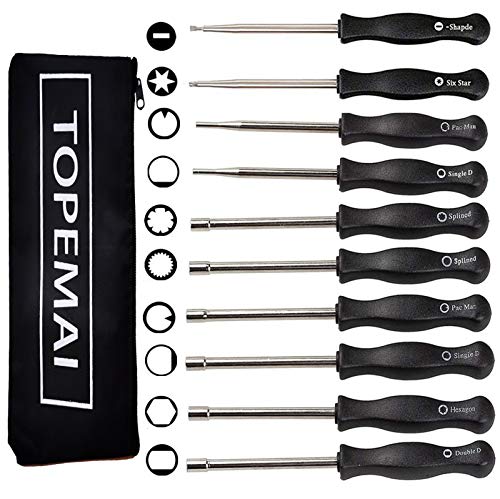 10 Pcs Carburetor Adjustment Tool Kit for Common 2 Cycle Small Engine, Carb Adjusting Tool, Carburetor Adjuster Tool for Echo Poulan Homelite String Trimmer
 Carburetor Adjustment Tool Screwdriver Kit for 2 Cycle Small Engine Poulan Husqvarna ECHO Trimmer Weedeater Chainsaw,Carburetor Adjustment Tool Set Carburetor Tune up Adjusting Tool (11pcs +bag)