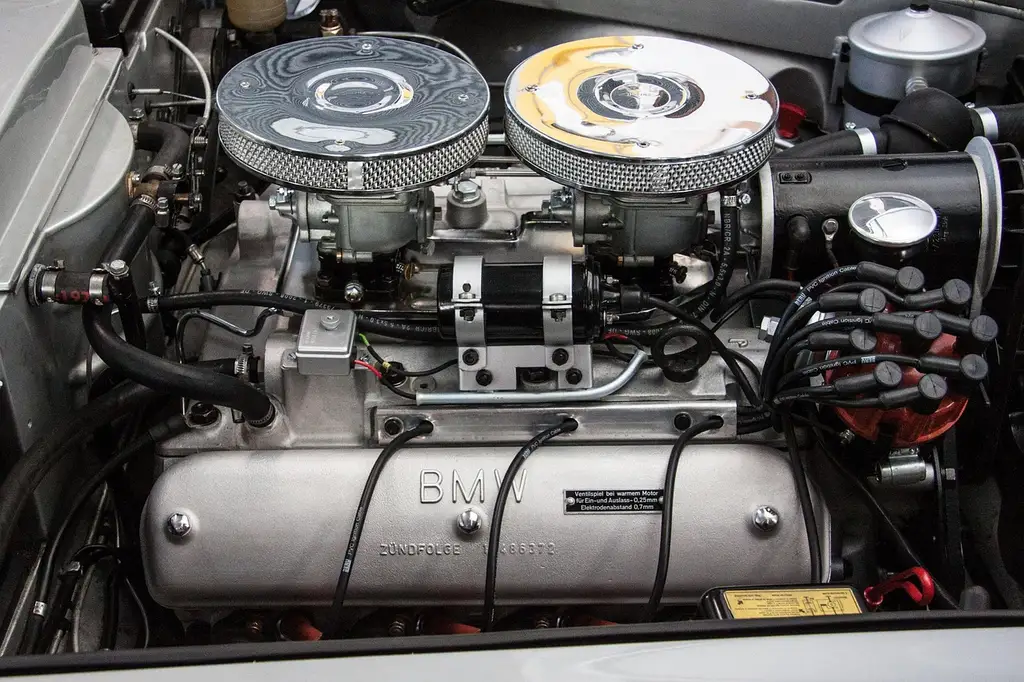
What Causes Carburetor Hard Starting and Rough Idle?
Carburetor hard starting and rough idle usually come from a restricted idle circuit, wrong idle-mixture setting, float or fuel-level trouble, or a vacuum leak. If it starts only with choke and idles poorly warm, inspect the carb before replacing parts. Left alone, these faults waste fuel, foul plugs, wash cylinders with excess fuel, and can turn a minor tune-up into a rebuild.
Start by separating cold-start trouble from hot-start trouble, then watch what the engine does at idle and tip-in. That pattern matters more than the brand of machine. A lawn mower, chainsaw, generator, motorcycle, or ATV can all show the same complaint for different reasons.
What symptoms point to the carburetor?


Cold hard start vs hot hard start
Cold hard starting often points to poor enrichment, stale fuel, or a restricted idle circuit that may not supply enough fuel until the choke helps. Hot hard starting often points to flooding, a heat-related fuel issue, a tank vent fault, or ignition breakdown that may appear after the engine warms.
Rough idle, surging idle, and stalling at idle
Sea Foam says a rough idle is when the engine is not firing consistently at idle, and most vehicles idle between 600 and 1,200 RPM. On a carbureted engine, rough idle, surging, or stalling often comes from varnish in the idle circuit, a vacuum leak, or an idle-mixture setting that is too lean for the current condition.
Black smoke, fuel smell, flooding, and tip-in stumble
Black smoke, a strong fuel smell, and flooding often point toward excess fuel delivery, a stuck choke, a high float level, or a needle and seat that may not be closing. A stumble when you crack the throttle can point to a weak accelerator pump where equipped, a plugged main circuit, or a lean transition caused by an air leak.
Carburetor symptom matrix

This matrix helps you match the complaint to the likeliest circuit, the fastest check, and the first repair choice. Use it before disassembly. It keeps you from cleaning the wrong passage or blaming the carb when the real fault is fuel flow, ignition, or compression.
| Symptom | Most likely carburetor circuit | Fastest confirmation test | Recommended fix |
|---|---|---|---|
| Cold hard start | Choke system, idle circuit, stale fuel | Confirm choke closes fully on cold start and note whether it starts only with extra enrichment | Clean the carb, check choke operation, replace stale fuel, verify fuel flow |
| Hot hard start | Float bowl, needle and seat, choke, tank vent | Look for flooding, wet plug, or fuel dribble after shutdown; loosen the fuel cap briefly to check venting | Set float and needle condition right, inspect choke, verify venting, then clean as needed |
| Surging idle | Idle circuit or vacuum leak | Watch for unstable RPM at idle; inspect hoses, gaskets, and intake joints for unmetered air | Clean idle passages, inspect for leaks, repair cracked hoses or damaged gaskets |
| Stalling at idle | Idle circuit, mixture screw, vacuum leak | See whether it stays running with slight throttle, then dies as soon as the throttle closes | Clean the idle circuit, confirm adjustment range, fix leaks, then reset idle speed to spec |
| Black smoke | Choke stuck closed, float level too high, needle issue | Check choke plate position and inspect for fuel pouring into the throat | Free or replace the choke parts, inspect float and needle, clean deposits from bowl and jets |
| Fuel smell | Flooding, float bowl overflow, stuck needle | Look for wet carb body, fuel seepage, or a saturated air filter | Repair the float system, replace damaged needle parts, and clear the overflow condition |
| Flooding | Float bowl, float height, needle and seat | Fuel continues to enter the throat after shutdown or the engine loads up quickly | Service the float system, clean the bowl, and replace worn internal parts |
| Dies on throttle tip-in | Accelerator pump, main jet, transition circuit | Snap the throttle open and see whether the engine coughs before RPM climbs | Clean the transition passages, inspect the pump where equipped, and verify fuel delivery |
Which carburetor parts cause the problem?
The carburetor is the fuel metering component that blends air and fuel for the engine. The parts that matter most here are the choke system, idle circuit, main jet, float bowl, mixture screws, and, on some designs, the accelerator pump. Different symptoms point to different parts.
Choke system issues
The choke is commonly used as the cold-start enrichment device. If it sticks open, cold starting can become slow or impossible because the mixture is too lean for ignition. If it sticks closed or closes too far, the engine may start, run rich, smoke black, and foul plugs. On some small engines, the choke linkage or thermostatic spring is the only adjustable part in the starting circuit.
Idle circuit clogging
The idle circuit controls low-throttle fuel delivery. It is a common source of rough idle because varnish and debris can block the tiny passages that feed the engine when the throttle plate is nearly closed. A carburetor cleaner can help remove dirt and gum, but heavy deposits usually need disassembly.
Main jet and float bowl problems
The main jet and float bowl matter more once throttle opens. If the bowl level is wrong, the main circuit can run too rich or too lean. That can cause a stumble on acceleration, black smoke, flooding, or a dead spot as the throttle opens. A dirty bowl often tells you the rest of the carb has the same deposits.
Mixture screw limits and fixed jets
Not every carburetor has mixture screws that are easy to adjust or use. Many small-engine carburetors have fixed jets or limiter caps, so adjustment is not always available. If the machine has capped screws or a fixed jet design, do not assume you can tune away a clogged passage. You may need cleaning, parts replacement, or a rebuild kit.
Accelerator pump faults where equipped
Where equipped, the accelerator pump gives a short fuel shot when the throttle opens. A weak pump, torn diaphragm, or clogged passage can cause a bog or stall on tip-in. That symptom often looks like a main-jet problem, but it shows up right as you ask for more throttle, not at steady idle.
Could it be stale fuel or debris?
Yes. Stale fuel can make carburetor hard starting worse, especially after storage. Old gasoline promotes varnish and gum, which can stick needle parts, narrow passages, and leave debris in the bowl. The same source says routine maintenance helps avoid rough idle, and it also notes additives can help keep hidden fuel parts clean and functioning properly.
How varnish and gum form after storage
Fuel left in a carburetor bowl can evaporate and leave residue behind. That residue is what plugs the idle circuit first because those passages are small. A mower that sat all winter, a generator stored with fuel in the tank, or a chainsaw left with old mix can all show the same pattern: hard start, unstable idle, then poor response off idle.
When carburetor cleaner or fuel treatment is enough
A spray cleaner or fuel treatment is reasonable when the engine ran well before storage, the choke works, and the symptom set points to light varnish or debris rather than worn parts. ClawPitch identifies fuel additives and spray cleaners as options for carburetor-related issues, and it includes cleaners aimed at gum and varnish buildup. If the deposit load is heavy, cleaning the passages by hand is usually more effective.
Do not spray cleaner on a running or hot engine unless the specific product label allows it. Many carb cleaners are flammable. Use the product only as directed, with the engine cool unless the label says otherwise.
What to clean first before deeper teardown
- Drain stale fuel and refill with fresh fuel if the machine has been stored.
- Check the air filter, fuel lines, and fuel cap vent.
- Confirm the choke plate moves fully open and closed.
- Inspect the float bowl for water, dirt, or gummy residue.
- Clean the bowl, main jet, and idle passages if accessible.
- Reassemble, then test cold start, idle, and tip-in before changing more parts.
Picture a generator that starts with half choke, then dies as soon as the choke opens. That could be a dirty idle circuit. It could also be a tank vent or fuel-flow restriction, so the choke is not the only suspect. The symptom pattern matters more than the first guess.
Could it be a vacuum leak or another fault?
A vacuum leak lets unmetered air enter the intake, which leans the mixture at idle and can show up as surging or unstable RPM. VFI says hard starting can involve the fuel system, air system, cold-start system, or internal mechanical condition, so a carb symptom is not proof of a carb fault. Ignition and compression issues can mimic carburetor trouble too.
How unmetered air leans the idle mixture
At idle, the engine depends on a very small, carefully metered fuel flow. Extra air from a cracked hose, damaged gasket, or loose intake connection leans the mixture enough to cause rough idle or stalling. If the throttle is opened slightly and the engine smooths out, that is a clue that the idle mixture is too lean or the idle circuit is not delivering enough fuel.
How to separate carburetor faults from ignition and compression issues
Use the symptom pattern. A carb problem often changes with choke position, fuel level, or throttle opening. Ignition breakdown may show as misfire that worsens under load or when hot. Compression loss, poor valve sealing, or low cylinder pressure can mimic a carb issue because the engine will not draw fuel cleanly at idle. If the carb has been cleaned and the problem remains, stop assuming fuel alone is the cause.
Suppose a lawn mower starts and runs for 30 seconds, then begins to surge. If fresh fuel and a clean bowl do not change it, check for a leaking intake gasket or a cracked fuel hose before replacing the carburetor. A vacuum leak can look exactly like a dirty idle circuit from the seat of the operator.
How tank vent and fuel-flow problems mimic carburetor trouble
A restricted tank vent can starve the carburetor, and a clogged fuel line can do the same. That can feel like a carb issue because the engine starts, then fades, surges, or dies. A hot-start complaint can also come from fuel percolation or flooding, so vapor lock is only one possibility. Check venting and flow before you condemn the carburetor.
When cleaning is enough and when to rebuild
Cleaning is enough when the carburetor is dirty, the choke works, the float and needle still move freely, and the passages are likely blocked by varnish or debris rather than worn or damaged. Rebuild becomes the better path when cleaning does not restore stable idle, when fuel leaks continue, or when internal parts are worn.
Signs a cleaning or adjustment may solve it
Clean and retest if the engine ran before storage, the problem started after stale fuel, and the symptoms are mostly hard starting, rough idle, or a light tip-in stumble. A small amount of residue, a partially blocked idle circuit, or a choke that needs correction can often be fixed without full replacement. Follow the manufacturer’s settings if they are available.
Signs the carburetor needs a rebuild
Rebuild is likely when the float is damaged, the needle and seat leak, fuel keeps overflowing, or repeated cleaning does not restore normal idle. A worn throttle shaft, stripped mixture screw threads, cracked body, or corroded internal passage also points toward rebuild or replacement. If the carb design uses fixed jets or limiter caps, adjustment may not solve the complaint at all.
When replacement is the safer option
Replacement is the safer call when the body is cracked, the passages are too corroded to clean reliably, or the parts required are not serviceable. On some small engines, the cost and time of rebuilding a damaged carburetor can exceed replacement. If the machine has model-specific settings, use the owner’s manual and the carburetor’s exact part number before buying anything.
The same source recommends addressing rough idle soon to avoid more complex and costly problems. That advice fits carbureted engines well. A rough idle can be a small cleaning job today and a dead cylinder, flooded crankcase, or failed restart tomorrow if you leave it alone.
Frequently asked questions
What causes a carburetor to hard start and idle rough?
The usual causes are a restricted idle circuit, stale fuel, a choke that is not enriching correctly, float level problems, or a vacuum leak. Hard starting can also come from ignition, compression, valve sealing, or fuel-flow faults, so do not assume the carburetor is the only suspect just because the symptoms point that way.
How do I tell if the problem is fuel, air, or ignition?
Fuel problems often change with choke position, fuel freshness, or cleaning. Air leaks usually show up as surging, unstable idle, or a lean stumble when the throttle closes. Ignition faults tend to misfire under load or when hot. If the engine improves briefly with choke, that still does not rule out ignition or compression.
Can stale fuel make a carburetor hard starting worse?
Yes. Stale fuel can leave varnish and gum in the bowl and passages, especially after storage. That blocks the idle circuit first and makes cold starting and rough idle worse. Fresh fuel, clean passages, and a working choke are the first things to verify before you buy parts or tear into the carburetor.
Does a dirty carburetor always need rebuilding?
No. Light dirt or varnish may respond to cleaning, fresh fuel, and a correct choke setting. Rebuild is more likely when there are worn shafts, leaking needle parts, damaged seals, or repeated flooding after cleaning. Many small-engine carburetors also have fixed jets or limiter caps, so adjustment is not always available.
How do I know if the choke is causing hard starting?
If the engine will not start cold unless the choke is set, then runs rough or smokes black with the choke on, the choke may be the issue. If it starts only with the choke and then dies warm, do not stop there; the idle circuit, ignition, compression, and fuel delivery still need attention.
What should I clean first on a rough-idling carburetor?
Start with the bowl, the idle circuit, and any accessible passages that feed idle and transition fuel. Also check the air filter, fuel lines, and tank vent. Do not spray cleaner on a running or hot engine unless the label allows it. If the deposit is heavy, a deeper clean is more effective than a quick spray.
When is a carburetor problem actually a vacuum leak?
When idle is unstable, the mixture is lean, and the engine smooths out slightly as throttle opens, a vacuum leak becomes a strong possibility. Cracked hoses, loose intake joints, and damaged gaskets can create the same rough idle as a dirty carburetor. Check hoses and wires for damage as part of routine maintenance and follow manufacturer recommendations.
Can a fuel additive fix hard starting and rough idle?
Sometimes. The same source says additives can help keep hidden fuel parts clean and functioning properly, and ClawPitch lists fuel additives among carburetor-related options. They are most useful for light varnish and preventive care. If the carb is clogged, flooding, or leaking, an additive will not replace cleaning, adjustment, or repair.
Products related to this article
Sponsored / affiliate links. As an Amazon Associate I earn from qualifying purchases. I may earn additional commission from eligible campaigns.