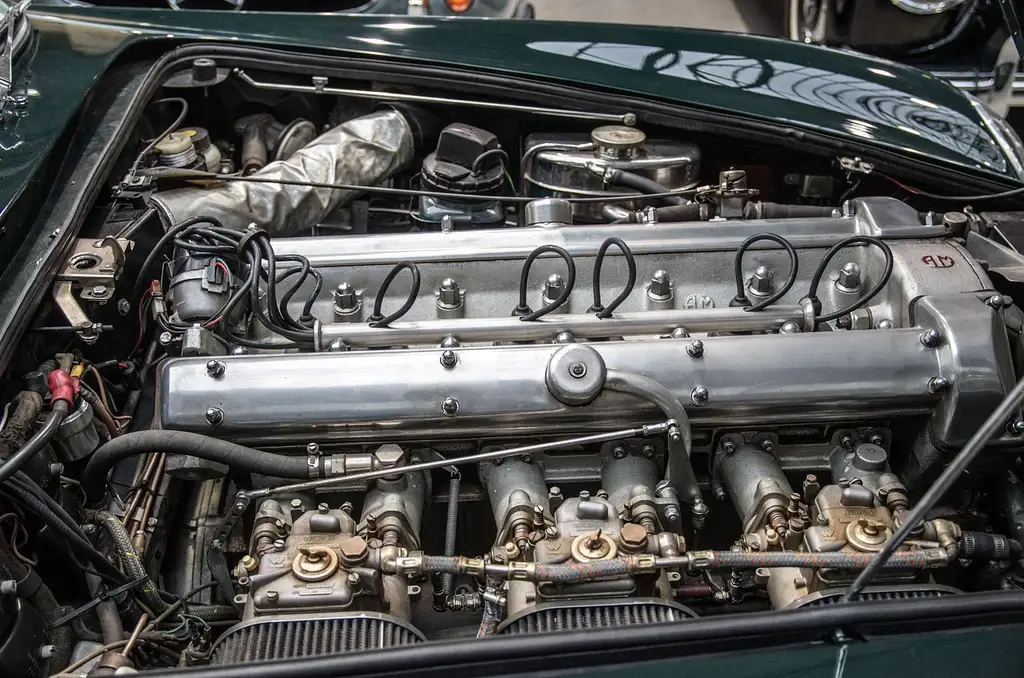
Why a Carburetor Backfires and How to Stop It
A carburetor backfires because the engine fires through the intake or exhaust at the wrong time. The fix depends on which side backfires: intake pops usually point to a lean mix or vacuum leak, while exhaust bangs usually point to ignition or exhaust faults. Ignore the type, and you waste time on carb cleaning, bad parts swaps, and repeat failure. This guide shows you how to identify the backfire, then follow the right diagnostic path to the real fault fast.
What kind of backfire is it?
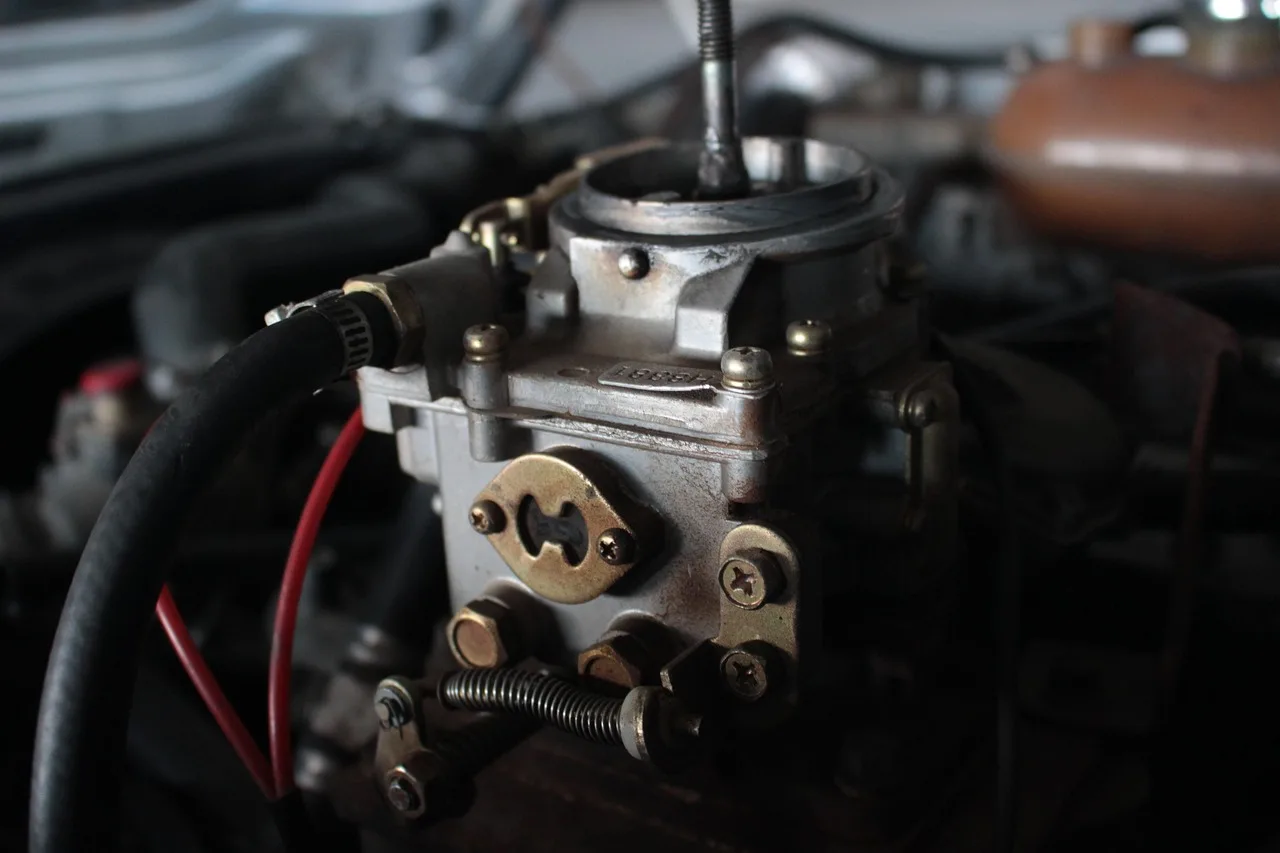


First, separate intake backfire from exhaust afterfire. A pop through the carburetor points toward the intake side, while a pop out the muffler is usually a shutdown afterfire and not an intake fault. That split matters because the likely cause changes fast once you know where the sound comes from.
Shutdown pop, startup kickback, idle backfire, and acceleration backfire
A shutdown pop usually happens after you turn the engine off, often right at high throttle. That pattern is commonly exhaust afterfire, not carburetor backfire. Startup kickback often points more toward timing, especially on small engines. Idle backfire often points to a lean idle circuit or a valve-sealing problem. Backfire on acceleration often points to fuel delivery, a vacuum leak, or a timing fault under load.
Say your generator runs cleanly at idle but pops hard the instant you switch it off at full throttle. That symptom pattern fits shutdown afterfire far better than a clogged main jet. Now change only one variable: let it idle down before shutdown. If the pop drops away, the fault was partly operating method, not a damaged carburetor.
Backfire symptom guide
Use the symptom pattern to rank the likely cause before you remove the carburetor. This order keeps you from cleaning parts that were not the main fault. It also tells you when to stop DIY work and move to compression or leak-down testing.
| Symptom pattern | Likely cause rank | First test to perform |
|---|---|---|
| Shutdown pop through exhaust after full-throttle run | 1) Idle-down issue or afterfire condition 2) Exhaust leak 3) Mixture setting 4) Ignition run-on | Idle the engine before shutdown, then inspect muffler gasket, exhaust joint, and any anti-afterfire solenoid if fitted |
| Startup kickback or hard reverse snap on cranking | 1) Flywheel key timing shift 2) Ignition timing fault 3) Valve timing or compression loss | Check flywheel key condition after removing the flywheel; verify timing marks if the engine has them |
| Idle backfire through carburetor | 1) Lean idle circuit 2) Vacuum leak 3) Intake valve sealing fault 4) Plug or weak-spark issue | Inspect carb base gasket, hoses, and pilot/idle circuit before deep teardown |
| Backfire on acceleration or under load | 1) Lean air-fuel mixture 2) Main jet restriction 3) Fuel restriction 4) Timing fault | Check fuel flow, then main jet and passages for varnish or debris |
| Backfire persists after carb cleaning and timing check | 1) Intake valve fault 2) Low compression 3) Burned or bent valve 4) Ring wear | Stop DIY and perform compression test, then leak-down test if compression is low or uneven |
Why is my carburetor backfiring?
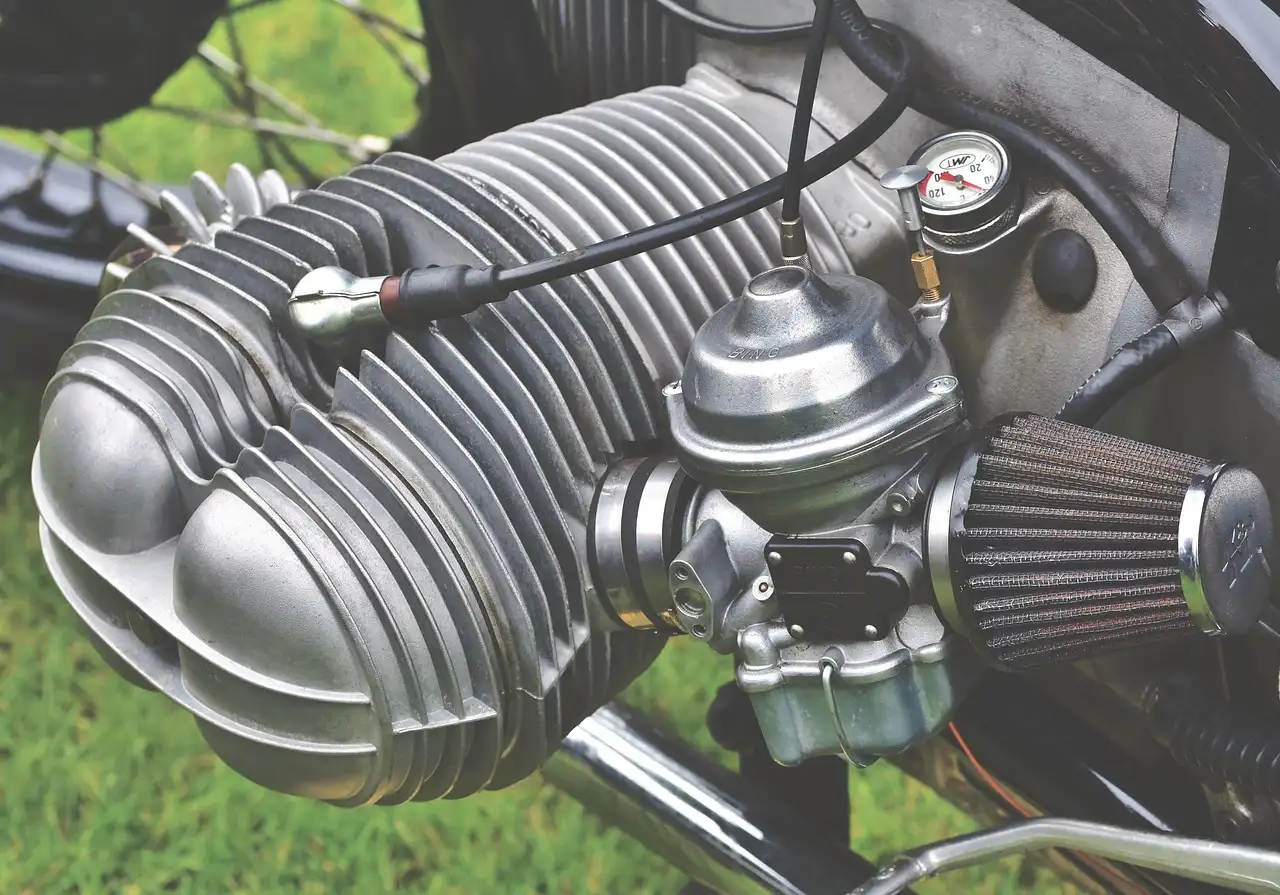
The most common intake-side cause is a lean air-fuel mixture, which means the engine gets too much air and too little fuel. A backfire through the carburetor usually means a lean mixture. On small engines, that often traces to clogged jets, restricted passages, or a vacuum leak. On load or acceleration, the lean spot often shows up when the main circuit cannot keep up.
Lean mixture from clogged jets, passages, or fuel restriction
The main jet and pilot, or idle, circuit deserve separate checks because each feeds a different operating range. A dirty idle circuit can cause a pop at idle or tip-in. Wildwood notes that a dirty carburetor can cause backfire, and Small Engine Troubleshooting identifies a clogged main jet as a common lean-running cause.
Fuel restriction outside the carburetor can create the same fault. Stale fuel is also a possible cause. A dirty bowl, debris in the inlet screen, a pinched fuel line, or low fuel pressure can all leave the engine short on fuel at the moment it needs it most.
Suppose a 5 hp mower surges slightly at half throttle, then spits back through the carb when you open the throttle quickly. That pattern points first to a lean main circuit or fuel restriction, not an ignition coil. Clean the fuel system before replacing ignition parts.
Vacuum leaks at the intake, base, or hoses
Air leaks at the intake, base gasket, or hoses can lean the mixture enough to cause backfire. That kind of leak matters most at idle and light throttle, where a small air leak has a larger effect on mixture quality. Hood & Engine notes that backfire is often a fuel-air mixture problem, and intake leaks fit that pattern well.
Check gasket edges, vacuum ports, and any small hoses for splits or loose fits. Do not spray flammable test fluid around a hot or sparking engine. If you need a leak check, use a nonflammable method and keep clear of ignition sources.
Is backfiring through the carburetor a timing problem?
It can be, but timing is not the first answer every time. Advanced or retarded ignition timing can trigger backfire, and a sheared flywheel key can throw timing off on small engines. Still, a symptom that repeats at the same throttle position often points first to carburetion or a transition-circuit fault, not timing alone.
Advanced or retarded ignition timing
Spark that happens too early or too late can light the charge while the intake valve is still open or while the exhaust stroke is not ready for it. That can send flame or pressure the wrong way. Timing faults matter more when the engine kicks back on start or misbehaves after sudden stop or impact.
Sheared flywheel key and other small-engine timing faults
A sheared flywheel key is a common small-engine culprit after a blade strike, sudden stop, or kickback. F1 says a sheared flywheel key can throw off timing and cause hard backfiring. The fix requires flywheel removal, so it sits above carb cleaning in the diagnosis order when startup kickback or abrupt timing changes appear.
Can valve faults cause it?
Yes. Intake valve faults can create the same symptom as a carb problem because the valve must fully close during combustion. A sticking, burned, or bent intake valve can let pressure escape back through the intake tract. Incorrect valve lash or clearance can also keep the valve from sealing when it should.
Sticking, burned, or bent intake valves
Engine Oil Journal lists burnt or bent intake valves as a cause, and worn piston rings among low-compression causes. If compression is low or uneven after the carburetor and timing checks, stop chasing jets. That is the point to test valves, rings, and sealing rather than clean the carburetor again.
Valve lash, sealing, and the compression clue
Valve lash that is too tight can hold an intake valve off its seat as the engine warms up. That often shows up as repeat backfire, poor starting, or a loss of power that cleaning will not fix. If the engine backfires after the easy checks and the plug looks correct, compression and leak-down testing become the next sensible step.
- Check spark plug type and gap, and replace a worn or fouled plug.
- Inspect the plug wire and coil for cracks, loose fit, or heat damage.
- Make sure the choke is not stuck partially closed or partially open.
- Set throttle to idle before shutdown and note whether the pop changes.
- Inspect the carb base, manifold gasket, and hoses for air leaks.
- Check the main jet and idle circuit for varnish or debris.
- If the fault remains, test compression and then leak-down.
What should you check before carb teardown?
Start with the ignition and basic air and fuel controls before you split the carburetor. A bad plug, weak coil, or damaged wire can contribute to misfire, though it is rarely the only cause. A wrong-gap plug can also make the engine more likely to stumble under load. Check the choke and throttle position too, because a stuck choke can over-enrich the mixture while a high-throttle shutdown can create exhaust pop.
Spark plug, coil, wire, choke, and throttle position
Read the plug first. A sooty plug can fit over-rich running or a choke problem, while a white or overheated plug can fit a lean condition. Then inspect the wire for cracking and the coil for loose mounting or heat damage. Confirm the choke plate moves freely and fully opens when the engine warms.
Fuel supply, main jet, pilot circuit, and basic cleanliness
After the ignition and controls check out, inspect the fuel path. Look for stale fuel, blocked filters, dirty bowl residue, and restricted passages. Clean or rebuild the carburetor if the main jet or pilot circuit is clogged. F3 notes that most generator backfire fixes are carb cleaning or a flywheel-key check, which matches the order here.
How do I stop it from coming back?
Fix the cause, then change the shutdown habit that can keep the symptom alive. Letting the engine idle before shutdown can stop many backfires. That matters most on machines that have been shut off at full throttle, because F4 says that is a common cause of exhaust afterfire. If the engine has an anti-afterfire solenoid, make sure it moves as designed.
Shutdown habits, idle setting, and afterfire checks
A correct idle setting reduces the chance of popping on shutoff and improves low-speed mixture quality. If the engine always pops when it stops, check for exhaust leaks, mixture setting problems, and ignition run-on. A pop at shutdown is not the same fault as a carburetor backfire on throttle opening, so do not treat them as one issue.
When to stop DIY and test compression or leak-down
Stop DIY and move to compression testing, then leak-down testing, when the backfire survives clean fuel, clean jets, leak checks, and a timing check. That threshold matters because low compression, worn rings, or a valve that will not seal will keep a carburetor from running right no matter how clean it is. If compression is low or uneven, valve inspection comes next.
Frequently asked questions
How do I fix carburetor backfire?
Fix it by matching the repair to the symptom. Intake backfire usually starts with lean fuel delivery, vacuum leaks, timing, or valve sealing. Exhaust pop on shutdown points more toward throttle-off habit, mixture, exhaust leaks, or run-on. Check the symptom first, then work from plug and fuel checks toward carburetor, timing, and compression.
What causes backfire through carburetor?
Backfire through the carburetor usually comes from a lean mixture, intake valve sealing trouble, or ignition timing that is too far off. Clogged jets, dirty passages, and vacuum leaks are common fuel-side causes. A sheared flywheel key can also shift timing enough to make the engine fire at the wrong moment.
Why does my small engine backfire when I turn it off?
That is often exhaust afterfire, not intake backfire. Shutting the engine off at full throttle is a common cause, and letting it idle before shutdown can stop many cases. Also check for exhaust leaks, mixture setting, and any anti-afterfire solenoid, because those issues can keep the bang going after the key is off.
Can a dirty carburetor cause backfiring?
Yes. The same source says a dirty carburetor can cause backfire, and a clogged main jet is a common lean-running cause. Dirt or varnish in the pilot or idle circuit can also create an off-idle pop. Clean the carb only after you have checked for vacuum leaks, plug problems, and timing faults.
Could a flywheel key cause carb backfire?
Yes. A sheared flywheel key can throw off timing and cause hard backfiring, especially on small engines after a sudden stop or kickback. It is a strong suspect when the engine starts hard, kicks back on cranking, or changes behavior right after impact. That repair requires flywheel removal.
How do I tell if it is a lean backfire or an exhaust pop?
Listen to where the sound comes from and when it happens. A pop through the carburetor at idle, tip-in, or cranking points to intake backfire. A pop out the muffler after shutdown is usually exhaust afterfire. The distinction matters because the likely cause set is different, and the repair path changes with it.
Products related to this article
Sponsored / affiliate links. As an Amazon Associate I earn from qualifying purchases. I may earn additional commission from eligible campaigns.